
The Spiritual Leaders of the Maurya Empire: Key Figures in Religion

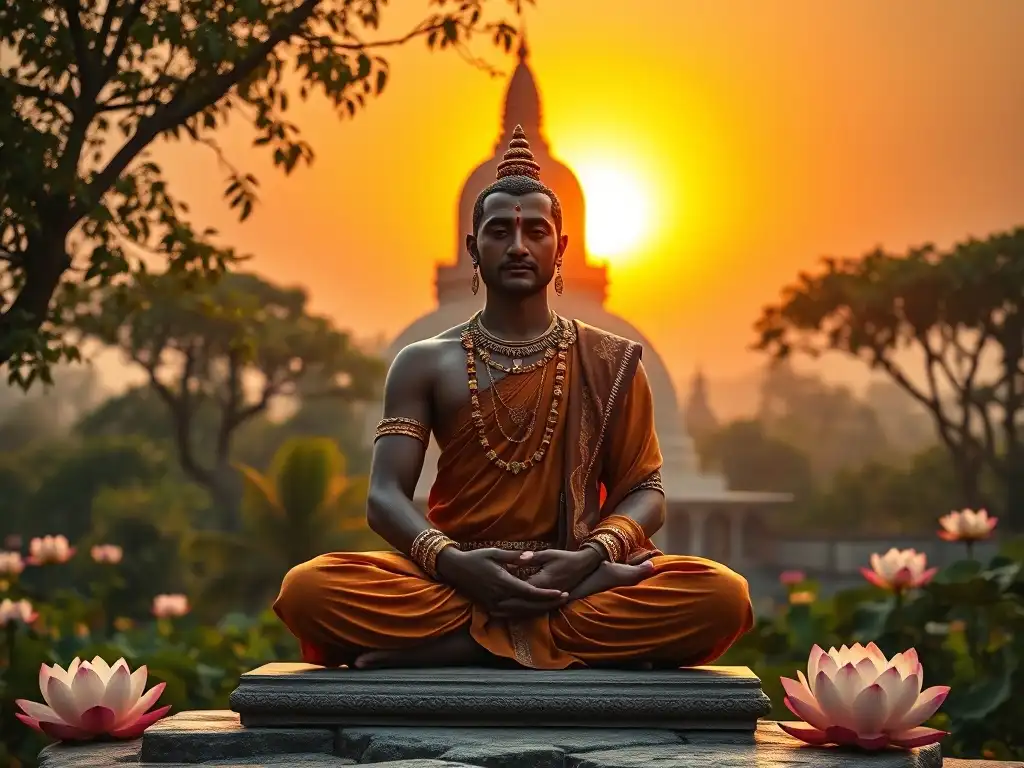
Welcome to Ancient India History, where we embark on a fascinating journey through the rich tapestry of ancient Indian civilizations. Here, we delve into the profound contributions that shaped culture and spirituality across the ages. In our featured article, we explore the Spiritual Leaders of the Maurya Empire, uncovering the pivotal figures whose philosophies and teachings influenced countless generations.
Join us as we unravel the mysteries and legacies of this remarkable era, and discover how these leaders left an indelible mark on the spiritual landscape of India. Dive deeper into their stories and witness the impact of their beliefs that still resonate today!

Introduction to the Spiritual Leaders of the Maurya Empire
The Maurya Empire, one of the largest and most influential empires in ancient Indian history, is renowned not only for its political and military prowess but also for its profound spiritual leadership. The period, spanning from 322 BCE to 185 BCE, saw the rise of significant figures whose philosophical and religious teachings shaped the very fabric of Indian culture and society.
This article delves into the spiritual leaders of the Maurya Empire, exploring their contributions to religion and philosophy, and their lasting impact on Indian civilization. By understanding these key figures, we can appreciate the role that spirituality played in governance, ethics, and societal values during this remarkable era.
Overview of the Maurya Empire
The Maurya Empire was established by Chandragupta Maurya, who united the small kingdoms of northern India. Under his rule and that of his grandson Ashoka, the empire expanded across the subcontinent, reaching heights of cultural and economic prosperity. The Maurya period was marked by significant advancements in administration, trade, and infrastructure, which were heavily influenced by philosophical and spiritual ideas.
| Key Features | Details |
|---|---|
| Founding | Chandragupta Maurya, 322 BCE |
| Peak | Ashoka the Great, 268–232 BCE |
| Capital | Pataliputra (modern-day Patna) |
| Religion | Predominantly Hinduism, Buddhism, and Jainism |
Importance of Spiritual Leadership in Ancient India
Spiritual leadership in ancient India was pivotal in guiding societal norms, ethical practices, and governance. The teachings of spiritual leaders not only influenced personal beliefs but also shaped the policies of rulers. These leaders served as moral compasses, advocating for principles such as non-violence, truth, and compassion, which were integral to the social fabric of the time.
- Ethical Governance: Spiritual leaders often provided counsel to emperors, ensuring that their rule aligned with dharma (moral law).
- Cultural Integration: They played a crucial role in promoting religious tolerance and diversity, allowing various faiths to coexist peacefully.
- Philosophical Contributions: The philosophies espoused by these leaders laid the groundwork for subsequent cultural and religious developments in India.
Major Spiritual Leaders of the Maurya Empire
As we explore the significant spiritual leaders of the Maurya Empire, we will delve into their teachings, influence, and the legacy they left behind.
Ashoka the Great: The Buddhist Emperor
Ashoka, the third Mauryan emperor, is perhaps the most distinguished spiritual leader of the Empire. His reign marked a transformative period where Buddhism flourished, and his commitment to non-violence and compassion reshaped imperial policy. After witnessing the devastation of the Kalinga War, Ashoka embraced Buddhism and adopted the principles of dharma as the foundation of his rule.
- Edicts of Ashoka: He inscribed his policies on rocks and pillars throughout the empire, promoting moral values and religious tolerance.
- Buddhist Missions: Ashoka sent missionaries to various regions, including Sri Lanka, to spread Buddhism, further expanding the religion's influence.
Chanakya: The Philosopher and Strategist
Chanakya, also known as Kautilya, was a pivotal figure in the establishment of the Maurya Empire. While primarily recognized as a strategist and political philosopher, his teachings encompassed spiritual wisdom, emphasizing the importance of ethics in governance.
- Arthashastra: His seminal work, the Arthashastra, outlines the principles of statecraft and the moral responsibilities of rulers, blending political acumen with ethical considerations.
- Role in Chandragupta's Ascendancy: Chanakya's guidance was instrumental in Chandragupta Maurya's rise to power, advocating for a just and principled rule.
Other Notable Spiritual Figures
Beyond Ashoka and Chanakya, the Maurya Empire was home to various other spiritual leaders who contributed to its rich tapestry of beliefs.
- Buddhist Monks: Figures such as Upagupta played crucial roles in spreading Buddhist teachings and fostering monastic communities.
- Jain Scholars: Jainism also thrived during this period, with leaders advocating for non-violence and truth, influencing both commoners and royalty alike.
The spiritual landscape of the Maurya Empire was diverse and dynamic, showcasing the interplay between governance and spirituality that defined this remarkable period in ancient Indian history.
The Role of Religion in the Maurya Empire
Religion played a crucial role in the Maurya Empire, influencing its culture, governance, and societal structures. The empire, which flourished from the 4th to 2nd centuries BCE, was marked by a remarkable confluence of various religious traditions, primarily Buddhism and Jainism, alongside the enduring practices of Hinduism. The Mauryan rulers, particularly Ashoka, were instrumental in promoting religious tolerance and the dissemination of spiritual teachings throughout the empire.
The policies of the Maurya Empire were heavily influenced by the principles of non-violence (ahimsa) and compassion, which were central to both Buddhism and Jainism. Ashoka’s conversion to Buddhism after the Kalinga War led to a significant shift in imperial policy. He emphasized moral governance, advocating for the welfare of all beings and promoting ethical conduct. This not only shaped the political landscape of the time but also allowed for a flourishing of religious discourse, leading to a more unified yet diverse spiritual environment.
Buddhism’s Rise and Spread
Buddhism experienced significant growth during the Maurya Empire, largely due to the patronage of Emperor Ashoka. After witnessing the devastation of the Kalinga War, Ashoka embraced Buddhism and actively sought to propagate its teachings across his empire and beyond. He established numerous stupas, viharas, and monasteries, facilitating the spread of Buddhist philosophy.
Ashoka's edicts, inscribed on pillars and rocks throughout the empire, served as a means of communication to convey moral teachings and ethical guidelines, emphasizing values such as compassion, tolerance, and non-violence. These edicts played a pivotal role in transforming Buddhist practices and making them accessible to a broader audience. As a result, Buddhism not only solidified its presence in India but also reached international territories, influencing regions like Sri Lanka, Central Asia, and beyond.
Jainism During the Maurya Period
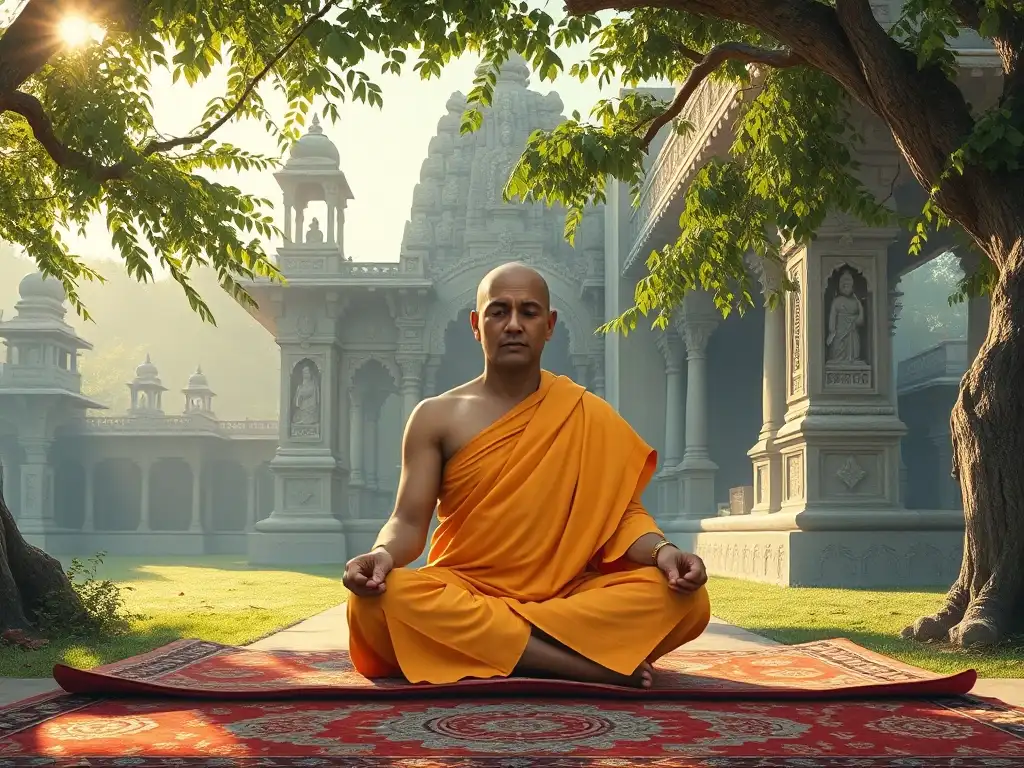
Jainism also thrived during the Maurya Empire, benefiting from the same climate of religious tolerance fostered by Ashoka. The period saw notable Jain figures, such as Chandragupta Maurya, the empire's founder, who was said to have embraced Jain principles towards the end of his life. Jainism's core tenets of non-violence, truth, and asceticism resonated deeply with the Mauryan ethos.
The Mauryan rulers respected Jain monks and scholars, allowing them to teach and propagate their beliefs freely. This period marked a significant expansion of Jain communities and the establishment of important Jain centers of learning. The interplay between Jainism and Buddhism during this time led to a vibrant exchange of ideas, enriching both traditions and contributing to the overall spiritual landscape of ancient India.
The Legacy of Spiritual Leaders in the Maurya Empire
The spiritual leaders of the Maurya Empire left an indelible mark on the religious and philosophical landscape of India. Their teachings and practices not only shaped the spiritual lives of their contemporaries but also laid the foundations for future generations to explore ethical and philosophical inquiries.
Long-term Impact on Indian Spiritual Traditions
The legacies of spiritual leaders like Ashoka had a profound and lasting impact on Indian society. The emphasis on ethical governance and social welfare became integral to various Indian spiritual traditions. The propagation of Buddhism and Jainism during this period fostered a culture of non-violence and compassion, influencing later religious movements and philosophies.
Furthermore, the integration of these teachings into the broader Indian cultural fabric helped cultivate a syncretic approach to spirituality. This allowed for the coexistence of diverse beliefs and practices, which continued to resonate through the ages, shaping the spiritual landscape of India well into the medieval period and beyond.
Contributions to Philosophy and Ethics
The philosophical contributions of the Maurya Empire's spiritual leaders significantly advanced ethical discussions in Indian thought. The teachings of Buddhism and Jainism introduced profound concepts of morality, duty (dharma), and the nature of suffering that prompted extensive philosophical exploration.
These ideas laid the groundwork for subsequent schools of thought, including the development of various Buddhist philosophies and the ethical frameworks of Hinduism. The emphasis on introspection, ethical living, and the pursuit of knowledge fostered an environment ripe for intellectual discourse, culminating in rich philosophical traditions that continue to influence Indian philosophy today.
Influence on Subsequent Indian Empires
The spiritual legacy of the Maurya Empire significantly influenced subsequent Indian empires, including the Gupta Empire and later dynasties. The ethical and philosophical principles established during the Maurya period were adopted and adapted by later rulers, shaping their governance and religious policies.
The ideals of non-violence and tolerance became hallmarks of later Indian empires, promoting a culture of respect for diverse religious practices. This continuity allowed for the flourishing of various spiritual traditions, ensuring that the teachings of the Mauryan spiritual leaders remained relevant and impactful in shaping the historical trajectory of India.
Conclusion: The Spiritual Leaders of the Maurya Empire and Their Enduring Influence
The spiritual leaders of the Maurya Empire played a pivotal role in shaping the religious and philosophical landscape of ancient India. Their teachings and practices not only influenced the contemporaneous society but also left a lasting legacy that continues to resonate in modern spiritual thought. Figures such as Ashoka the Great, with his promotion of Buddhism, and other influential monks and philosophers established a framework that emphasized compassion, ethical governance, and the importance of spiritual pursuits.
The Maurya Empire's unique blend of governance and spirituality allowed for the flourishing of diverse religious beliefs, including Hinduism, Jainism, and Buddhism. This multi-faceted approach to spirituality fostered an environment where philosophical inquiry and religious tolerance thrived. The edicts of Ashoka, inscribed across the empire, serve as a testament to his commitment to Dharma and the promotion of peace, reinforcing the idea that spirituality is integral to effective leadership.
The spiritual leaders of the Maurya Empire not only guided the people in their personal spiritual journeys but also influenced state policies and international relations through their emphasis on ethical conduct and non-violence. Their teachings provided a moral compass that directed the governance of one of ancient India's most significant empires, embedding spirituality deeply within the socio-political fabric of the time.
Summary of Key Contributions
- Ashoka the Great:
- Instrumental in the spread of Buddhism throughout India and beyond.
- Promoted the principles of Dharma, focusing on non-violence and compassion.
- Issued edicts that emphasized moral conduct and ethical governance.
- Mahavira:
- As a prominent figure in Jainism, Mahavira's teachings on non-violence (Ahimsa) and truth were significant during the Maurya period.
- Advocated for asceticism and self-discipline, influencing both spiritual and ethical practices in society.
- Brahmanical Leaders:
- Played a key role in the preservation and dissemination of Vedic traditions, contributing to the spiritual and cultural continuity of Hinduism.
- Strengthened the caste system and its religious significance, which shaped societal structures for centuries.
- Buddhist Monastic Community:
- Assisted in establishing monasteries and educational institutions that became centers of learning.
- Promoted Buddhist philosophy, art, and culture, fostering a rich intellectual environment.
The contributions of these leaders not only enriched the spiritual lives of individuals but also laid foundational elements that would influence future generations in various aspects of life, from governance to ethical considerations.
Reflection on the Role of Spirituality in Ancient Indian Civilization
Spirituality in ancient Indian civilization was not merely a personal pursuit; it was intricately connected to social, political, and cultural dimensions. The Maurya Empire exemplified this interconnectedness, where spiritual leaders influenced the rulers and the populace alike. This holistic approach to spirituality underscored the belief that moral and ethical living was essential for societal harmony and prosperity.
The teachings of spiritual leaders promoted values such as compassion, humility, and justice, which were essential for maintaining order in an empire as vast and diverse as the Maurya. This prevailing spirituality encouraged individuals to seek higher truths and fostered a sense of community and belonging, crucial for the unity of a multi-ethnic society.
Moreover, the emphasis on ethical governance, as seen through Ashoka's reign, highlighted the idea that rulers were not just political figures but also moral stewards, responsible for the well-being of their subjects. This perspective laid the groundwork for future Indian thought, where spirituality and governance continued to be intertwined, influencing not just the political landscape but also personal and communal identities.
The spiritual leaders of the Maurya Empire significantly shaped the historical narrative of ancient India, leaving an enduring impact that continues to be felt in contemporary spiritual practices and philosophical discussions. Their legacy serves as a reminder of the profound connections between spirituality, governance, and societal well-being in the tapestry of Indian civilization.
- Introduction to the Spiritual Leaders of the Maurya Empire
- Major Spiritual Leaders of the Maurya Empire
- The Role of Religion in the Maurya Empire
- Buddhism’s Rise and Spread
- Jainism During the Maurya Period
- The Legacy of Spiritual Leaders in the Maurya Empire
- Conclusion: The Spiritual Leaders of the Maurya Empire and Their Enduring Influence
- What was the role of spiritual leaders in the Maurya Empire?
- Who are some notable spiritual leaders from the Maurya Empire?
- How did the Maurya Empire influence religious practices?
- What impact did spiritual leaders have on Mauryan society?
- How did the Maurya Empire's spiritual leaders contribute to art and culture?
Frequently Asked Questions
What was the role of spiritual leaders in the Maurya Empire?
Spiritual leaders played a crucial role in promoting religious and philosophical teachings, influencing both the political and social landscape of the empire.
Who are some notable spiritual leaders from the Maurya Empire?
Ashoka the Great is perhaps the most famous, known for his conversion to Buddhism and efforts to spread its teachings, along with leaders like Mahavira who emphasized Jainism.
How did the Maurya Empire influence religious practices?
The Maurya Empire facilitated the spread of various religions, such as Buddhism and Jainism, through patronage and missionary activities, leading to a diverse spiritual landscape.
What impact did spiritual leaders have on Mauryan society?
Spiritual leaders helped shape ethical and moral values within Mauryan society, promoting peace, non-violence, and compassion, which were pivotal in Ashoka's reign.
How did the Maurya Empire's spiritual leaders contribute to art and culture?
The spiritual leaders inspired a rich cultural legacy, evident in the art, architecture, and literature of the time, particularly through the creation of stupas and monuments dedicated to Buddhist teachings.
Final Reflection: The Enduring Legacy of Spiritual Leaders in the Maurya Empire
The spiritual leaders of the Maurya Empire played a pivotal role in shaping not only the religious landscape of their time but also the ethical and moral frameworks that continue to resonate today. Their teachings and philosophies have transcended centuries, influencing countless generations and providing a foundation for understanding spirituality in a diverse world. The impact of these leaders is a testament to the power of faith and leadership in guiding societies toward greater harmony and understanding.
The teachings of these spiritual figures have woven themselves into the very fabric of cultural and social life, reminding us of the importance of compassion, wisdom, and ethical living. The legacy of leaders like Ashoka and his embrace of Buddhism serves as a beacon for those seeking peace and enlightenment in a tumultuous world. In the end, it is not the years in your life that count, it's the life in your years.
This sentiment echoes the essence of the Maurya Empire's spiritual leaders, who emphasized the quality of life through spiritual practice and moral integrity.
As we reflect on the lessons imparted by these influential figures, let us take a moment to consider how we can embody their teachings in our own lives. How can we cultivate compassion, understanding, and ethical decision-making in our daily interactions? The call to action is clear: embrace the wisdom of the past, apply it to the present, and inspire a future where spirituality and ethical living guide our choices. By doing so, we honor the legacy of the spiritual leaders of the Maurya Empire and contribute to a more harmonious world.
Unveil the Legacy of Spiritual Wisdom!
Thank you for exploring the profound world of the Maurya Empire's spiritual leaders. Your interest in this rich history not only enhances your knowledge but also connects you with the timeless teachings that continue to inspire. Now, it’s time to bring that inspiration into action!
Consider taking one or more of the following steps:
- Engage with a local spiritual community: Seek out workshops, classes, or discussion groups focused on ancient philosophies and practices. This could be a transformative experience!
- Explore the teachings of specific leaders: Choose a prominent spiritual figure from the Maurya Empire and delve into their life and teachings through books or documentaries. You might uncover insights that resonate deeply with you.
- Share your discoveries with friends or on social media. Start conversations about how these teachings can influence our modern lives.
Which aspects of the teachings from the Maurya Empire do you find most relevant to today's challenges?