
The Use of Weights and Measures in Ancient Indian Trade


Welcome to Ancient India History, where we embark on a fascinating journey through the vibrant tapestry of ancient Indian civilizations! In this exploration, we uncover the intricate systems that shaped trade and economy, focusing on the pivotal role of weights and measures in ancient Indian trade. Did you know that these early standards not only facilitated commerce but also played a significant part in cultural exchanges? Dive deeper with us as we unravel the mysteries behind these ancient practices, and discover how they laid the groundwork for the economic prosperity that followed. Your adventure into the past begins now!

Introduction to Ancient Indian Trade Measurements
The intricate tapestry of ancient Indian trade is woven with the threads of diverse cultures, sophisticated economies, and significant technological advancements. One of the pivotal elements that facilitated trade across the subcontinent was the system of weights and measures.
These measures provided a standardization that was essential for fair exchanges, ensuring that both buyers and sellers could engage in commerce with confidence and reliability. As we delve into the practices of ancient Indian trade measurements, we will uncover the mechanisms that supported internal trade networks, the evolution of these systems, and their impact on the economy and society at large.
Overview of Trade in Ancient India
Trade in ancient India was not merely a means of economic sustenance; it was a vibrant social activity that fostered connections between different regions and cultures. Key aspects include:
- Diverse Goods: Indian traders dealt in a variety of products such as spices, textiles, metals, and agricultural produce, making the region a bustling hub of commerce.
- Trade Routes: The establishment of land and maritime trade routes, including the Silk Road and coastal shipping lanes, facilitated the exchange of goods not only within India but also with distant lands like Persia, Greece, and beyond.
- Cultural Exchange: Trade was accompanied by the exchange of ideas, religions, and technologies, enriching the diverse cultural landscape of ancient India.
Importance of Weights and Measures in Trade
The significance of standardized weights and measures in ancient Indian trade cannot be overstated. They served multiple vital functions:
- Facilitated Fair Trade: By providing a uniform system for measuring goods, they reduced disputes and misunderstandings between traders.
- Enhanced Market Trust: The use of reliable measurements promoted trust among merchants and customers, fostering a stable trading environment.
- Supported Economic Growth: Efficient measurement systems allowed for better inventory management and planning, which in turn stimulated economic expansion and prosperity.
Historical Context of Measurements in Ancient India

Understanding the historical context of weights and measures in ancient India reveals the sophistication and organization of its trade practices.
Early Systems of Measurement in the Indus Valley Civilization
The Indus Valley Civilization (c. 3300–1300 BCE) is renowned for its advanced urban planning and societal organization. Archaeological evidence points to the use of standardized weights made from stone and bronze, indicating a sophisticated understanding of measurement. Key features include:
- Uniformity: Weights were generally cubic and weighed in multiples, suggesting a standardized system that facilitated trade.
- Seal Inscriptions: Indus seals often depicted weights and measures, highlighting their significance in commercial transactions.
Development of Trade Measurements in Later Periods
As Indian civilization progressed, so did its systems of trade measurements. During the Mauryan (c. 322–185 BCE) and Gupta Empires (c. 240–550 CE), there was a marked evolution in measurement practices:
- Expansion of Trade: The growth of internal and external trade led to the refinement of existing measurement systems to accommodate a wider variety of goods.
- Government Regulation: Rulers established standards for weights and measures to ensure fairness, often appointing officials to oversee trade practices.
- Cultural Influence: The interaction with other cultures through trade introduced new measurement concepts, further enriching the existing systems.
Through the lens of weights and measures, we can gain insights into the complexities of ancient Indian trade, revealing not just economic transactions but also the interwoven narratives of society, culture, and innovation.
Types of Weights and Measures Used in Ancient Indian Trade
In ancient India, trade flourished through a complex network of internal trade routes, necessitating a standardized system of weights and measures. The various types of weights and measures used in ancient Indian trade can be broadly categorized into three main areas: standard weights, measurements of length, and volume measures. Each of these categories played a critical role in facilitating trade, ensuring fairness, and maintaining trust among merchants and buyers.
The significance of these measurements extends beyond mere commerce; they reflect the advanced understanding of mathematics and administration within ancient Indian societies. The adoption of standardized weights and measures allowed for smoother transactions and greater economic stability, laying the groundwork for the economic systems we recognize today.
Standard Weights: Units and Their Significance
Standard weights in ancient India were typically based on a system that used units such as karsha, shatamana, and tola. The karsha was a fundamental unit of weight, often used for bulk commodities. A shatamana is equivalent to about 800 grams, while a tola is approximately 11.66 grams. These units were not just arbitrary numbers; they had significant implications for trade practices.
Merchants relied on these standardized weights to ensure equitable trade, particularly in the bustling marketplaces of cities like Pataliputra and Taxila. The use of such units meant that both buyers and sellers had a clear understanding of quantities, minimizing disputes and fostering a culture of trust in economic exchanges. The importance of these standard weights can also be seen in ancient texts, which highlight their use in trade contracts and legal agreements, underscoring their integral role in the economy.
Measuring Length: Different Units and Their Applications
Length measurements in ancient India were critical for various trades, especially in the textile industry, where precision was paramount. Common units included the hasta (approximately 18 inches), crore (around 8.5 feet), and dhanus (about 6 feet). Each unit had specific applications depending on the trade context.
For instance, the hasta was predominantly used by tailors and weavers for fabric measurements, ensuring consistency in the production of garments. In contrast, the dhanus was often utilized in construction and agriculture, where larger dimensions were required.
These units were often represented through physical artifacts, such as rods or sticks, that served as references for traders. This standardization in length measurements was essential for trade efficiency, making it easier for merchants to negotiate prices and quantities based on clear, agreed-upon dimensions.
Volume Measures in Ancient Indian Markets
Volume measurements were equally important in ancient Indian trade, particularly for commodities such as grains and liquids. The primary units of volume included the pala and the sara. The pala was generally used for dry goods, while the sara often measured liquids.
A pala typically equaled about 4.5 liters, making it a practical unit for various agricultural products. In markets, traders would use these measurements to ensure that they were selling and buying the correct quantities, further emphasizing the need for accuracy and fairness in trade dealings.
The significance of volume measures is also highlighted in historical records, where trade agreements often specified quantities in these units, reflecting their foundational role in the economic structures of the time.
Regional Variations in Trade Measurements
Despite the presence of standardized weights and measures, regional variations were common in ancient India. These variations arose due to local customs, practices, and the availability of resources. Understanding these regional differences is crucial for comprehending the broader landscape of ancient Indian trade.
Comparison of Weights and Measures Across Different Regions
In different regions of ancient India, merchants often used distinct systems of weights and measures. For example, the western regions, including Gujarat and Maharashtra, had their own specific units, such as the maund, which varied significantly from the eastern regions' sakkar. This divergence highlighted the localized nature of trade practices and the adaptability of merchants to their specific environments.
Such comparisons reveal how trade was not a monolithic practice but rather a mosaic of various systems that catered to local needs and preferences. This diversity allowed for a rich tapestry of commercial interactions, where traders could negotiate based on mutually understood terms, even if those terms differed from one region to another.
Influence of Local Practices on Standard Measurements
Local practices heavily influenced the standard measurements used in trade. Factors such as cultural beliefs, agricultural practices, and the types of goods traded shaped the way weights and measures were developed and adopted. For instance, in agricultural communities, the need for measuring grain led to the creation of specific units like the pala and kharwar, which became integral to local economies.
Moreover, as trade expanded and interactions between different regions increased, there was a gradual convergence of measurements. Through trade, merchants would often adopt and adapt weights and measures from other regions, leading to a more standardized system over time. This exchange not only facilitated commerce but also contributed to a greater understanding of measurement systems across ancient Indian civilization.
The Role of Trade Guilds in Standardizing Measurements
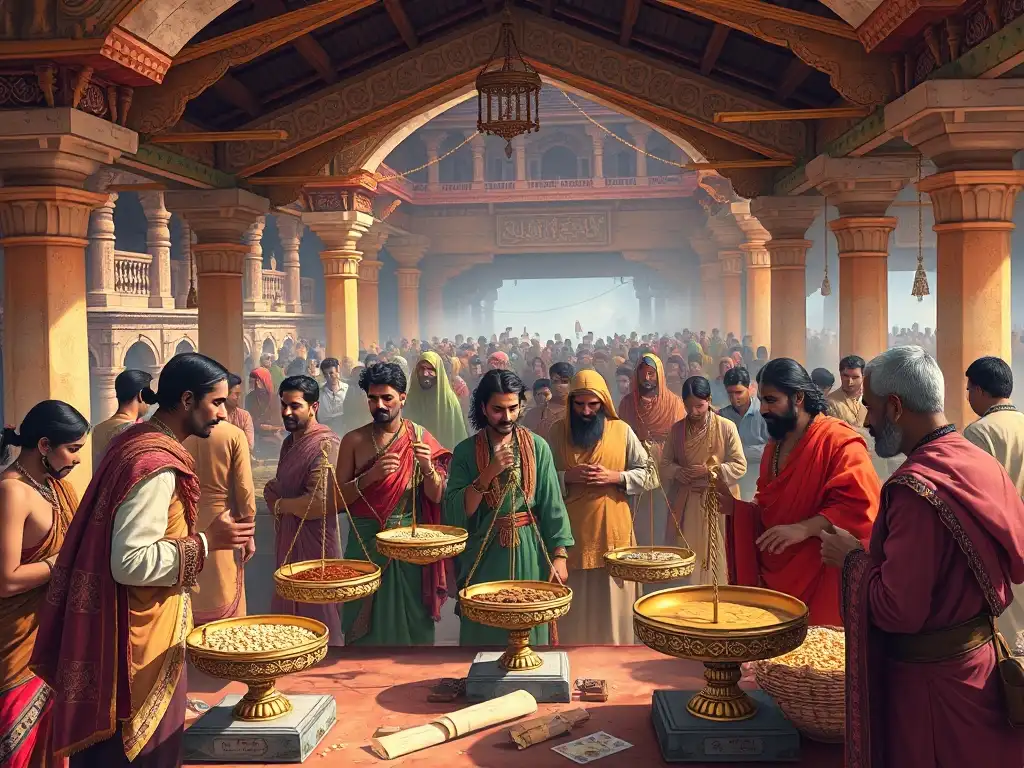
Trade guilds played a pivotal role in the development and standardization of weights and measures in ancient India. These organizations, often formed by merchants and craftsmen, were essential in regulating trade practices and ensuring that transactions were conducted fairly. By establishing common standards for weights and measures, guilds helped to facilitate trade across vast regions, thereby enhancing economic interactions and reducing disputes among traders.
Guilds often had their own set of regulations, which included specific measures for commodities such as grains, textiles, and metals. The establishment of these standards was crucial, as it enabled merchants from different regions to engage in trade without confusion or mistrust. It also meant that goods could be traded more efficiently, fostering a sense of reliability and consistency in the marketplace.
Furthermore, trade guilds functioned as a collective authority that could enforce these measurements, ensuring compliance among members. This collective approach not only enhanced the credibility of the measurement systems but also helped to promote ethical trading practices, which were essential for the flourishing of commerce in ancient India.
The Function of Guilds in Regulating Trade Practices
The primary function of trade guilds was to regulate trade practices among their members. This included overseeing the quality of goods, the accuracy of measurements, and the adherence to fair pricing strategies. Guilds often employed individuals tasked with verifying weights and measures, ensuring that all transactions met the established standards.
Moreover, guilds facilitated training and education for their members about the importance of proper measurements. This was crucial in an era where discrepancies could lead to significant financial losses or disputes. Through regular meetings and discussions, guilds disseminated information regarding best practices in trade, including the accurate use of weights and measures.
Additionally, guilds acted as mediators in disputes arising from trade transactions. When conflicts occurred regarding measurements or the quality of goods, guilds provided a structured framework for resolution, which helped to maintain trust and cooperation among traders. This regulatory function not only helped in standardizing measurements but also fostered a robust trading community.
Impact of Guild Regulations on Weights and Measures
Guild regulations had a profound impact on the weights and measures used in ancient Indian trade. By establishing uniform standards, guilds minimized discrepancies that could arise from varying local practices. This uniformity was vital for traders who traveled between different regions, as it ensured that they could rely on consistent measurements regardless of where they conducted business.
The influence of guild regulations extended beyond mere standardization. They also encouraged technological advancements in the design and production of weighing instruments. As demand for accurate weights grew, artisans began to innovate, leading to the development of more precise tools such as balances and scales. This not only improved the accuracy of measurements but also enhanced the overall efficiency of trade.
Furthermore, guild regulations often included penalties for non-compliance, which reinforced the importance of adhering to standardized measurements. By imposing fines or other sanctions on members who violated these regulations, guilds ensured that accurate weights and measures became an integral part of trade practices. This contributed significantly to the integrity of ancient Indian trade networks.
The Impact of Ancient Indian Trade Measurements on Economy
The measurements used in ancient Indian trade had significant economic implications, impacting both local and regional economies. The establishment of standardized weights and measures facilitated smoother transactions, which in turn stimulated trade growth. As trade networks expanded, the economy became increasingly interconnected, allowing for the exchange of goods, culture, and ideas across diverse regions.
Accurate measurements also contributed to the fair valuation of goods, reducing the likelihood of fraudulent practices. This trust in trade facilitated larger transactions and encouraged merchants to engage in long-distance trade, enriching local economies and boosting overall economic activity. The resulting economic stability fostered by accurate measurements laid the groundwork for the prosperity of various ancient Indian civilizations.
Economic Implications of Accurate Measurements in Trade
Accurate measurements in trade had several economic implications. Firstly, they directly influenced pricing strategies. Standardized weights and measures allowed for consistent pricing of goods, which is essential for a functioning market economy. Traders could confidently set prices knowing that their measurements were accepted and recognized by their peers.
Moreover, accurate measurements played a critical role in taxation and revenue generation. Governments relied on these standards to assess taxes on goods traded in markets, ensuring that they could collect fair taxes without disputes. This revenue was crucial for funding public works and maintaining the infrastructure necessary for trade.
Lastly, the reliability of measurements contributed to the overall economic growth of ancient India. As trade flourished, it led to increased production and specialization, allowing artisans and farmers to focus on specific goods. This specialization not only improved the quality of products but also enhanced the efficiency of production processes, ultimately contributing to economic prosperity.
Contribution to Internal Trade Networks in Ancient India
The establishment of standardized trade measurements significantly contributed to the development of internal trade networks in ancient India. By promoting trust and reliability among traders, these measurements facilitated the movement of goods across regions, enhancing economic interdependence.
Internal trade networks were crucial for the distribution of agricultural products, textiles, and other commodities. Accurate measurements allowed for the equitable exchange of these goods, ensuring that traders could engage in commerce with confidence. This interconnectedness fostered the growth of markets in urban centers, further stimulating economic activity.
Additionally, the presence of trade measurements encouraged the emergence of specialized markets, where specific goods could be bought and sold based on standardized weights. This specialization not only improved the efficiency of trade but also contributed to the cultural exchange that characterized ancient Indian society. The vibrant internal trade networks established during this period laid the foundation for the complex economic systems that would follow in later centuries.
Conclusion: Legacy of Ancient Indian Trade Measurements
The legacy of ancient Indian trade measurements is profound and remains influential in various aspects of commerce today. The meticulous systems developed by ancient Indian civilizations not only facilitated trade within their own communities but also established frameworks that would influence neighboring regions and cultures. These systems of weights and measures were essential for ensuring fairness in trade, fostering trust among merchants, and enabling the growth of internal markets.
As we reflect on these ancient practices, it's clear that their sophisticated approaches to measurement were closely tied to their economic prosperity. The standardization of weights and measures allowed for smoother transactions and the establishment of a vibrant marketplace, which ultimately helped to lay the groundwork for modern economic systems.
Lasting Influence on Modern Measurements and Trade Practices
The ancient Indian systems of weights and measures have left an indelible mark on contemporary practices in trade and commerce. Many of the units used in ancient times have evolved but can still be traced back to this rich historical context. For example, the concept of standardized weights based on specific materials, such as gold or silver, has parallels in today's financial systems, where precious metals still serve as benchmarks for value.
Moreover, the meticulous nature of ancient measurements has influenced modern practices in several ways:
- Standardization: The push for uniformity initiated in ancient India resonates in today’s global trade regulations, where standard weights and measures are crucial for fair trade practices across borders.
- Innovation in Measurement Tools: Ancient Indian innovations, such as balances and scales, paved the way for modern measurement technologies. The principles of precision and accuracy initiated in these early systems continue to inform the development of contemporary measuring devices.
- Legal Frameworks: The establishment of trade regulations in ancient India laid the groundwork for modern legal standards in trade. The importance of accurate measurements in preventing disputes remains a cornerstone of current commercial law.
Reflection on the Importance of Weights and Measures in Historical Context
The importance of weights and measures in ancient Indian society cannot be overstated. These systems were not merely tools for trade; they were integral to the economic fabric of the civilization. Weights and measures facilitated:
- Economic Efficiency: By providing a reliable means of quantifying goods, merchants could engage in more complex transactions, enhancing the overall efficiency of the economy.
- Cultural Identity: The methods of measurement varied among regions, reflecting local customs and practices. This distinction helped to form a unique cultural identity that was deeply intertwined with trade practices.
- Social Structures: Accurate measurements influenced social hierarchies, as merchants who could accurately measure and trade were often held in higher esteem, contributing to their economic and social power.
The meticulous systems of weights and measures developed in ancient India laid the foundation for modern trade practices and continue to influence contemporary economic systems. The historical significance of these measurements extends beyond mere commerce; it embodies the ingenuity and sophistication of ancient Indian civilizations and their lasting impact on the world.
- Introduction to Ancient Indian Trade Measurements
- Overview of Trade in Ancient India
- Importance of Weights and Measures in Trade
- Historical Context of Measurements in Ancient India
- Types of Weights and Measures Used in Ancient Indian Trade
- Regional Variations in Trade Measurements
- The Role of Trade Guilds in Standardizing Measurements
- The Impact of Ancient Indian Trade Measurements on Economy
- Conclusion: Legacy of Ancient Indian Trade Measurements
- What were the primary weights and measures used in ancient Indian trade?
- How did trade contribute to the development of measurements in ancient India?
- Were there any regional variations in trade measurements?
- What role did government regulations play in trade measurements?
- How did ancient Indian trade measurements influence modern practices?
Frequently Asked Questions
What were the primary weights and measures used in ancient Indian trade?
Ancient Indian trade utilized standardized weights such as the karsha and masha, which facilitated fair trading practices across various regions.
How did trade contribute to the development of measurements in ancient India?
Trade encouraged the standardization of measurements, as merchants needed to ensure accuracy and trust in transactions, leading to a more organized economy.
Were there any regional variations in trade measurements?
Yes, there were regional variations in weights and measures due to local customs and practices, which often influenced the trade dynamics of different areas.
What role did government regulations play in trade measurements?
Government regulations established uniform standards for weights and measures, which helped maintain order and fairness in the marketplace, benefiting both buyers and sellers.
How did ancient Indian trade measurements influence modern practices?
Ancient Indian trade measurements laid the groundwork for modern standards, showcasing the importance of accuracy in commerce and influencing current practices in trade and measurement systems.
Final Reflection: The Enduring Legacy of Ancient Indian Trade Measurements
The significance of ancient Indian trade measurements is not merely a relic of the past; it serves as a vital link to understanding the complexities of commerce and culture that shaped our world. In an era where globalization reigns, the foundational practices of trade, such as weights and measures, remind us of the intricate networks that once connected distant lands. The precision and standardization established by ancient Indian merchants were revolutionary, paving the way for economic systems that resonate even today.
The influence of these ancient practices extends beyond mere commerce; they reflect a rich tapestry of cultural exchange and societal development. The meticulous standards set by traders not only facilitated fair trade but also fostered trust and cooperation among diverse communities. As Mahatma Gandhi once said, "> The best way to find yourself is to lose yourself in the service of others." This sentiment echoes the collaborative spirit of ancient trade, where shared measurements became a means of unity among traders, transcending regional and cultural boundaries.
As we reflect on the lessons of ancient Indian trade measurements, let us consider how we can apply these principles in our own lives. Embrace the spirit of fairness and cooperation in your interactions, whether in business or personal relationships. By valuing transparency and mutual respect, we can honor the legacy of those who came before us and contribute to a more equitable and connected world. Take a moment to think about how you can implement these timeless values in your daily life, fostering a sense of community and collaboration that echoes the wisdom of our ancestors.
Unveil the Secrets of Ancient Trade!
Thank you for diving into the fascinating world of weights and measures in ancient Indian trade! Through this exploration, you’ve uncovered how these systems shaped commerce and influenced economies. Now, it's time to put that knowledge into action and connect even deeper with this rich history.
Here’s how you can take the next step:
- Engage with your community: Share your insights on social media or with friends, sparking conversations about the importance of trade in ancient cultures.
- Explore further: Visit a local museum or historical site that showcases artifacts and practices from ancient trade, allowing you to gain a firsthand understanding of how these systems functioned.
- Join the discussion: Participate in online forums or social media groups focused on ancient history to exchange ideas, discuss discoveries, and learn from others who share your passion.
How do you think the evolution of weights and measures impacts modern trade practices today? Let's ignite the conversation below!