
The Evolution of the Kurta: From Ancient Roots to Modern Chic

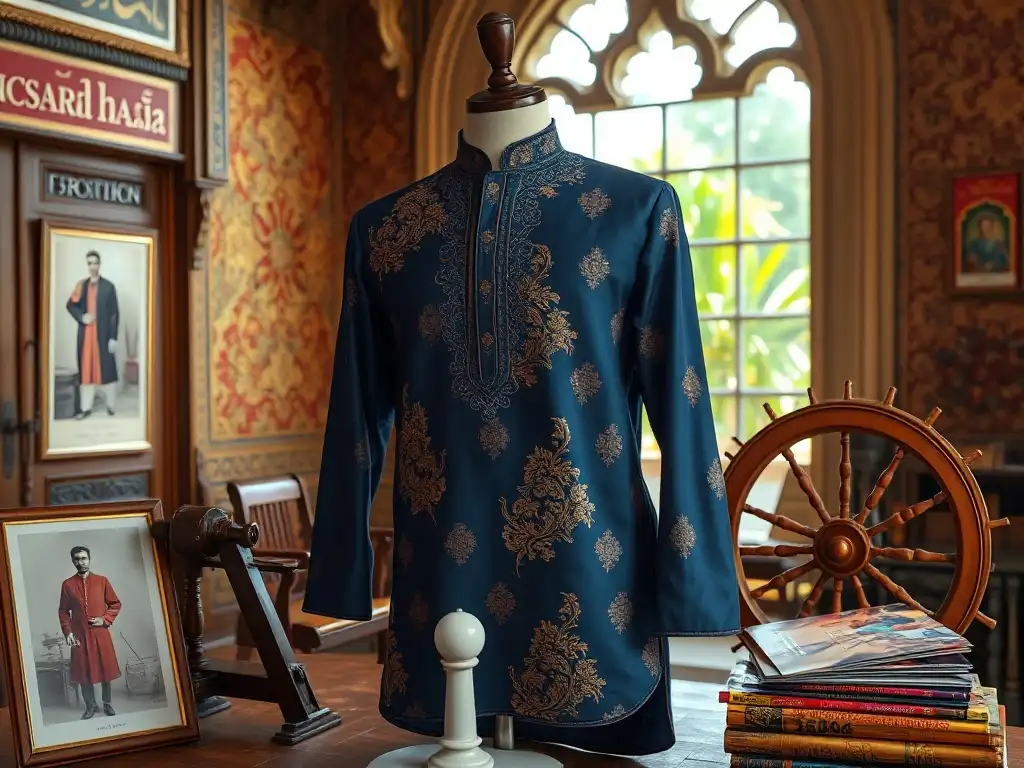
Welcome to Ancient India History, where we embark on an enlightening journey through the rich tapestry of ancient Indian civilizations. Today, we delve into the fascinating evolution of the kurta, a garment that transcends time and trends, embodying the essence of Indian culture. From its origins in the vibrant streets of the Indus Valley to its contemporary allure in modern fashion, the kurta is not just clothing—it's a story woven through centuries.
Join us as we uncover the historical significance and cultural nuances behind this timeless piece, and discover how it has shaped the identity of countless generations. Your exploration of the history of the kurta begins now!
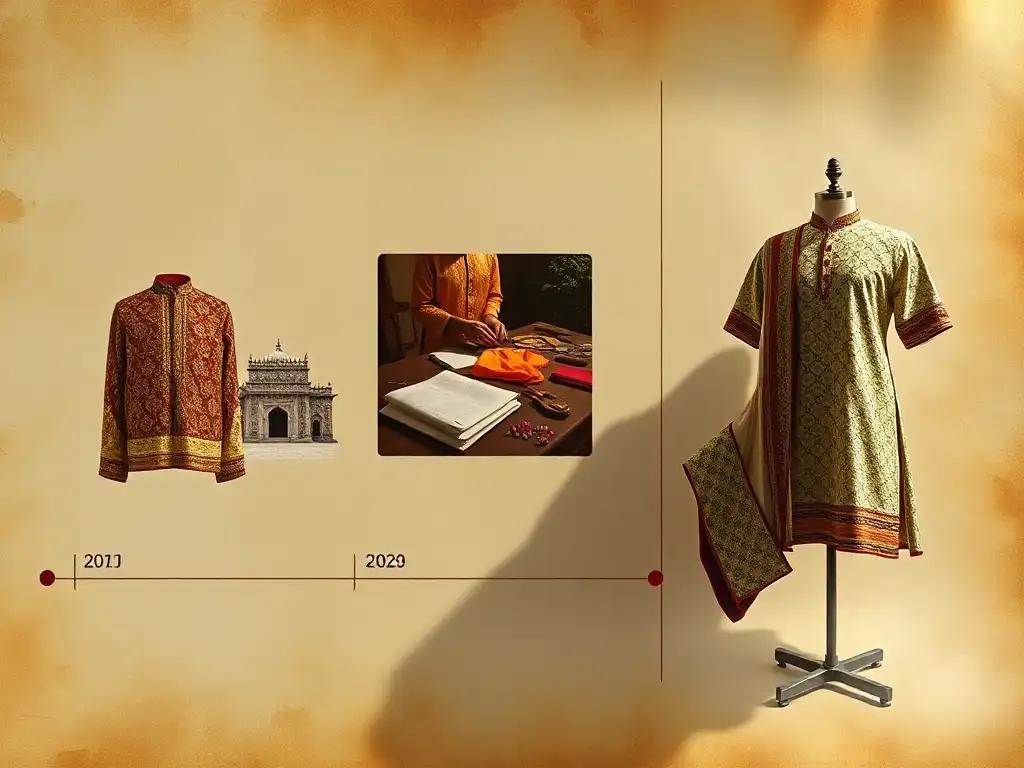
The kurta, a versatile and timeless garment, has woven itself into the fabric of Indian fashion, transcending epochs and cultural shifts. With its origins deeply embedded in the history of the Indian subcontinent, this traditional attire reflects not only the aesthetic sensibilities but also the social and cultural nuances of various eras.
From the elegant silhouettes of ancient civilizations to the contemporary chic adaptations seen today, the kurta serves as a testament to the rich heritage and evolution of Indian textiles. In this article, we will explore the history of the kurta, tracing its journey from ancient roots to modern interpretations, while highlighting its significance in both historical and contemporary contexts.
Introduction to the Kurta
The kurta is characterized by its simple yet elegant design, often featuring a straight cut and a long length that typically reaches the knees or lower. Traditionally worn by both men and women, this garment has been embraced across diverse communities, showcasing its adaptability to different styles and occasions. The kurta can be paired with various bottom wear such as churidars, palazzos, or jeans, making it a staple in modern wardrobes while retaining its traditional charm.
Historical Roots of the Kurta
The history of the kurta is as layered as the fabric it is made from. To understand its evolution, we must delve into its ancient origins, which reveal a rich tapestry of cultural significance and craftsmanship.
Ancient Origins of the Kurta
The kurta's roots can be traced back to the Indus Valley Civilization, where early inhabitants showcased a penchant for textile craftsmanship. Archeological findings suggest that cotton was cultivated and woven into garments around 2500 BCE, indicating a long-standing tradition of fabric use. The kurta, in its nascent form, was likely influenced by the draped garments of that time, evolving over centuries as different dynasties rose and fell.
The Kurta in Ancient Texts
References to the kurta can be found in ancient Indian texts, including the Vedas and Puranas, which describe various forms of clothing worn by different social classes. These texts highlight not only the garments' utilitarian aspects but also their symbolic meanings within the societal framework. The kurta, often adorned with intricate embroidery and embellishments, was associated with status and identity, making it a significant piece of attire in the cultural narrative of ancient India.
As we continue to explore the evolution of the kurta, we will uncover its transformation through various historical phases, leading to its modern adaptations in today's fashion landscape.
The Kurta Through the Ages
The kurta, a versatile garment worn predominantly in South Asia, boasts a rich history that traces back to ancient civilizations. Initially, it served practical purposes, providing comfort and ease of movement. Over centuries, the kurta has evolved in design, fabric, and cultural significance, reflecting the changing socio-political landscapes of the regions it traversed. Its roots can be found in the attire of the Indus Valley Civilization, where simple tunics were worn by both men and women. The fabric and tailoring techniques evolved, influenced by regional practices and external interactions, leading to the diverse styles we see today.
Evolution During the Medieval Period
During the medieval period, the kurta underwent significant transformations, influenced heavily by the Mughal Empire. The Mughals introduced elaborate designs, rich fabrics, and intricate embroidery, elevating the kurta from a simple garment to a symbol of elegance and status. The use of luxurious materials like silk and brocade became prevalent, and the kurta began to be paired with various bottom wear such as churidars and pajama.
This era also saw the introduction of different lengths and cuts, with the long, flowing kurta gaining immense popularity among the elite. The blending of indigenous styles with Persian aesthetics marked a significant evolution in the kurta's design, making it a staple in royal courts and among the nobility.
The Kurta in Colonial India
The arrival of British colonial rule in India brought about further changes to the kurta. While Western styles began to dominate, the kurta retained its significance as a symbol of cultural identity. The British influence led to a hybridization of styles, where traditional kurtas were often worn with Western garments, creating a unique fusion. During the Indian independence movement, the kurta became a powerful emblem of nationalism, with leaders like Mahatma Gandhi promoting it as a symbol of resistance against colonial rule. This period saw a revival of handloom fabrics, with khadi kurtas gaining prominence, emphasizing sustainability and self-reliance.
Modern Adaptations of the Kurta
In contemporary fashion, the kurta has transcended its traditional boundaries, adapting to modern sensibilities while retaining its cultural essence. Designers are experimenting with cuts, fabrics, and styles, making the kurta a versatile piece suitable for various occasions, from casual to formal events. The globalization of fashion has also seen the kurta being embraced in international markets, leading to innovative designs that cater to diverse tastes.
Contemporary Styles and Varieties
Today, the kurta is available in a wide array of styles and varieties, appealing to different demographics. From asymmetrical cuts to minimalist designs, and from vibrant prints to monochromatic palettes, the modern kurta caters to a global audience. Fabrics have expanded beyond traditional cotton and silk to include blends and sustainable materials, appealing to eco-conscious consumers. Women's kurtas often feature elements like flare, embroidery, and contemporary silhouettes, while men's kurtas are being designed with tailored fits and unique patterns. This evolution showcases the kurta's adaptability and its ability to remain relevant in the ever-changing fashion landscape.
The Kurta in Modern Fashion
The kurta has firmly established itself in modern fashion, often seen on runways and in high-street collections. Designers are reinterpreting traditional motifs and techniques, infusing them with a contemporary flair. Collaborations between traditional artisans and modern fashion designers are fostering a renaissance of the kurta, where heritage meets innovation.
Social media has played a crucial role in popularizing the kurta, with influencers and fashionistas showcasing it in diverse styles, thereby encouraging its integration into everyday wardrobes. This fusion of tradition and modernity not only celebrates the kurta's rich history but also ensures its continued relevance and popularity in today's fashion scene.
Cultural Significance of the Kurta Today
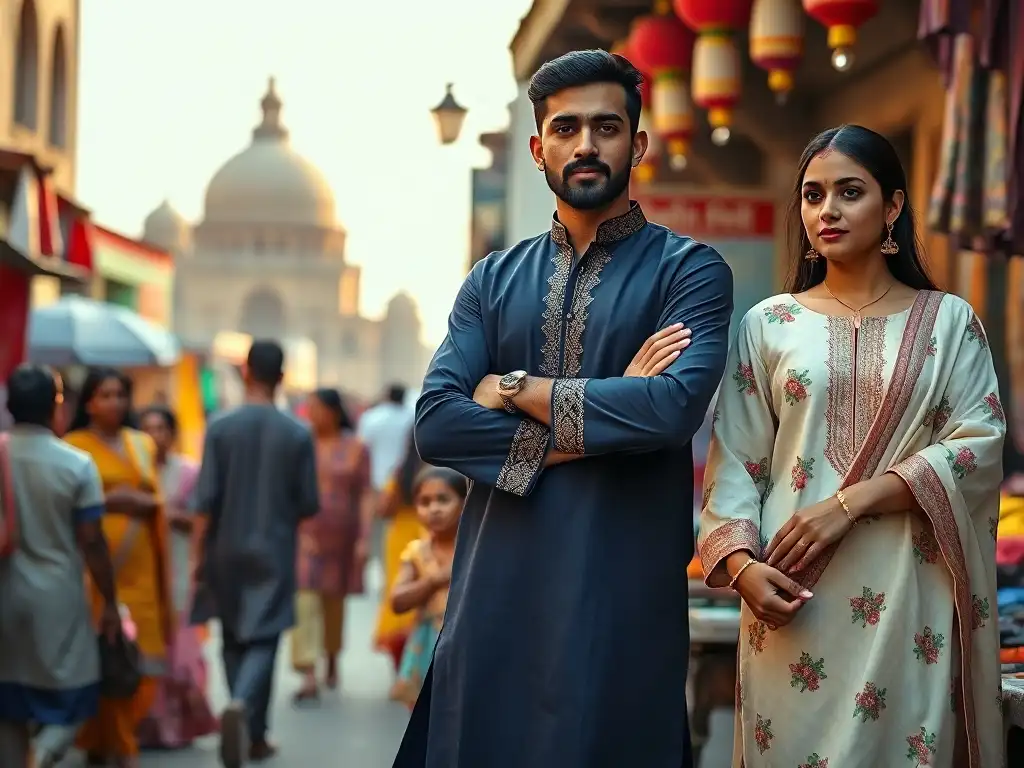
The kurta, an emblem of both tradition and modernity, holds profound cultural significance in contemporary society. Not only does it reflect the rich textile heritage of India, but it also serves as a canvas for personal expression and identity. As the kurta transitions from a traditional garment to a staple in modern wardrobes, it embodies the fusion of ancient craftsmanship with contemporary fashion trends.
In various regional contexts, the kurta is often associated with festivities, rituals, and significant life events, making it a garment that transcends mere clothing. For many, wearing a kurta signifies a connection to their roots, evoking feelings of nostalgia and cultural pride. Whether it is worn during traditional ceremonies or casual gatherings, the kurta continues to be a versatile choice, celebrated for its comfort and adaptability.
Moreover, the kurta's evolution has also allowed it to become a symbol of resistance against fast fashion, promoting a return to more sustainable and local fashion choices. As consumers become increasingly aware of the environmental impact of their clothing, the kurta stands out as a sustainable option — often crafted from natural fibers and produced by local artisans.
The Kurta as a Symbol of Heritage
The kurta has long been revered as a symbol of heritage, deeply rooted in the traditions and customs of Indian society. Its origins can be traced back to ancient times, where it was worn by men and women alike. The garment's ability to evolve and adapt over centuries has allowed it to maintain its significance in Indian culture.
In many communities, the kurta is not just a piece of clothing; it is often passed down through generations, connecting individuals to their ancestry. The intricate embroidery and unique patterns often tell stories of the artisans and the region they represent, making each kurta a narrative of its own.
Culturally, the kurta is worn during important festivals and ceremonies, serving as a bridge between the past and the present. Whether it's the vibrant colors of the Diwali celebrations or the intricate weaves of weddings, the kurta embodies the essence of Indian traditions, showcasing the artistry and craftsmanship that have been preserved over time.
Environmental and Ethical Considerations
As the fashion industry increasingly grapples with issues of sustainability, the kurta represents a positive shift towards environmentally friendly practices. Traditionally made from natural materials such as cotton, silk, and linen, kurtas are often produced using techniques that minimize environmental impact.
Many artisans still employ age-old methods of dyeing and weaving that are less harmful to the environment compared to mass-produced clothing. By choosing to purchase kurtas crafted by local artisans, consumers support sustainable practices that benefit both the environment and the economy.
Ethical considerations also play a crucial role in the kurta's modern narrative. With a growing awareness of fair trade practices, more brands are focusing on providing ethical labor conditions for artisans. This shift not only empowers local communities but also ensures that the rich heritage of kurta-making is preserved for future generations.
Shopping for Kurtas: Tips and Recommendations
When it comes to shopping for kurtas, there are several factors to consider to ensure you find the perfect piece that suits your style and needs. Understanding the various styles, fabrics, and fits available can help you make a well-informed decision.
Key Features to Look for When Buying a Kurta
- Fabric: Opt for natural fabrics like cotton, silk, or linen, which are breathable and comfortable, especially in warmer climates.
- Fit: Kurtas come in various fits, including straight cut, A-line, and flared. Choose one that flatters your body type.
- Length: Consider the length of the kurta; longer styles are often more formal, while shorter ones can be casual.
- Embroidery and Prints: Look for unique designs that resonate with your personal style. Hand-embroidered or block-printed kurtas often carry a cultural significance.
- Care Instructions: Check the care labels to ensure that the kurta is easy to maintain and fits your lifestyle.
Best Places to Buy Kurtas Online
Shopping for kurtas online offers a vast selection and convenience. Here are some of the best platforms to explore:
- E-commerce Websites: Major platforms like Amazon and Flipkart provide a wide range of kurtas, catering to various budgets and styles.
- Ethnic Wear Brands: Websites like Fabindia, W for Woman, and Biba specialize in traditional Indian wear, offering authentic designs.
- Artisan Platforms: Websites such as Craftsvilla and Jaypore focus on handmade and artisanal products, supporting local craftsmen.
- Social Media Marketplaces: Instagram and Facebook often host small businesses and artisans who sell unique, handcrafted kurtas directly to consumers.
By keeping these tips and recommendations in mind, you can navigate the world of kurtas with confidence, finding pieces that not only reflect your style but also honor the rich heritage of this timeless garment.
Conclusion: The Timeless Appeal of the Kurta
The kurta, with its rich historical roots and cultural significance, remains a timeless garment that transcends generations. Originating from ancient India, this versatile piece has evolved through various historical periods, adapting to changing styles while retaining its core essence. From the elegant drapes of the Indus Valley Civilization to the contemporary chic variations worn today, the kurta embodies a unique blend of tradition and modernity.
In contemporary fashion, the kurta is not limited to traditional occasions. It has successfully infiltrated everyday wear, thanks to its comfort and adaptability. Designers are continually experimenting with fabrics, cuts, and embellishments, making the kurta a staple in wardrobes across the globe. Its ability to seamlessly merge with modern aesthetics while preserving its cultural heritage is a testament to its enduring appeal.
Moreover, the kurta promotes inclusivity in fashion. It is worn by individuals of all ages and backgrounds, symbolizing a connection to cultural heritage. The vibrant colors and intricate patterns often associated with kurtas reflect the diversity of Indian culture, making each piece a work of art. As society continues to embrace sustainable and ethical fashion, the kurta stands out as a timeless choice, often crafted from natural materials and supporting local artisans.
The kurta's journey from ancient attire to a modern fashion statement illustrates not only its adaptability but also its significant role in representing Indian culture. Its timeless appeal lies in its ability to cater to both traditional values and contemporary lifestyles, ensuring that it will remain a beloved garment for generations to come.
Call to Action
Are you ready to embrace the elegance and versatility of the kurta? Explore your options today! Whether you’re looking to enhance your wardrobe with traditional pieces or modern interpretations, there’s a kurta out there for everyone.
- Visit local boutiques or artisans to discover unique designs that reflect your personal style.
- Experiment with different fabrics and cuts to find the perfect fit for any occasion, from casual outings to formal events.
- Share your kurta looks on social media and inspire others to appreciate this timeless garment.
Join the movement of celebrating ancient traditions in modern fashion. Let the kurta be a part of your story!
- Introduction to the Kurta
- Historical Roots of the Kurta
- The Kurta Through the Ages
- Modern Adaptations of the Kurta
- Cultural Significance of the Kurta Today
- Shopping for Kurtas: Tips and Recommendations
- Conclusion: The Timeless Appeal of the Kurta
- Call to Action
Frequently Asked Questions
What is the history of the kurta in ancient India?
The history of the kurta dates back to ancient times, where it was worn as a traditional garment by various cultures in India, reflecting the rich heritage of Indian attire.
How has the kurta evolved over time?
The evolution of the kurta showcases its transformation from a simple garment in ancient times to a stylish piece worn in modern fashion, adapting to changing styles and preferences.
What materials were traditionally used to make kurtas?
In ancient India, kurtas were commonly made from cotton, silk, and wool, allowing for versatility in climate and occasion, thus enhancing their cultural significance.
How does the kurta differ across regions in India?
Different regions of India have their own unique styles of kurtas, influenced by local traditions, fabrics, and designs, which highlights the diversity within Indian culture.
Why is the kurta considered a symbol of Indian heritage?
The kurta is considered a symbol of Indian heritage because it has been worn for centuries by various communities, embodying the cultural identity and historical significance of ancient Indian civilizations.
Final Reflection: The Timeless Journey of the Kurta
The evolution of the kurta is not just a tale of fabric and fashion; it is a profound narrative that intertwines culture, identity, and resilience. As we navigate through the complexities of modern society, the kurta stands as a testament to the enduring power of tradition, reminding us that our roots shape our present and future. The rich history of the kurta reflects a journey that transcends time, showcasing how a simple garment can adapt and thrive in a rapidly changing world.
Cultural garments like the kurta have a unique ability to bridge generations and foster a sense of belonging. The kurta has evolved from its ancient origins into a symbol of contemporary style, influencing fashion trends across the globe. As we embrace this evolution, we recognize the significance of preserving our heritage while celebrating innovation. Fashion is the armor to survive the reality of everyday life.
– Bill Cunningham. This quote encapsulates the essence of the kurta's journey, as it continues to provide comfort and identity in an ever-evolving landscape.
As you reflect on the history of the kurta, consider how it resonates with your own life and experiences. Embrace the lessons of adaptability and cultural pride that this garment embodies. Let the kurta inspire you to honor your roots while boldly stepping into the future, reminding you that every piece of clothing carries a story worth telling. Take a moment to explore your own heritage and find ways to weave it into your personal narrative, creating a tapestry that celebrates both the past and the present.
Embrace Your Style: Rediscover the Timeless Kurta!
Thank you for taking the time to explore the fascinating journey of the kurta with us! We hope you now appreciate how this beloved garment weaves together history, culture, and modern fashion. Let’s keep that inspiration flowing and take tangible steps toward incorporating the kurta into your own wardrobe!
Here are a few simple actions you can take right now:
- Explore your local markets or online stores for unique kurtas that resonate with your personal style.
- Share this article with friends and family who have a passion for fashion or cultural history, and spark a discussion about their favorite kurta styles.
- Consider hosting a themed gathering where everyone wears their favorite kurta, celebrating its rich heritage together!
What unique ways will you incorporate the kurta into your life? We invite you to share your thoughts and join the conversation below!