
The Mahabharata: A Study of Ethics in Warfare

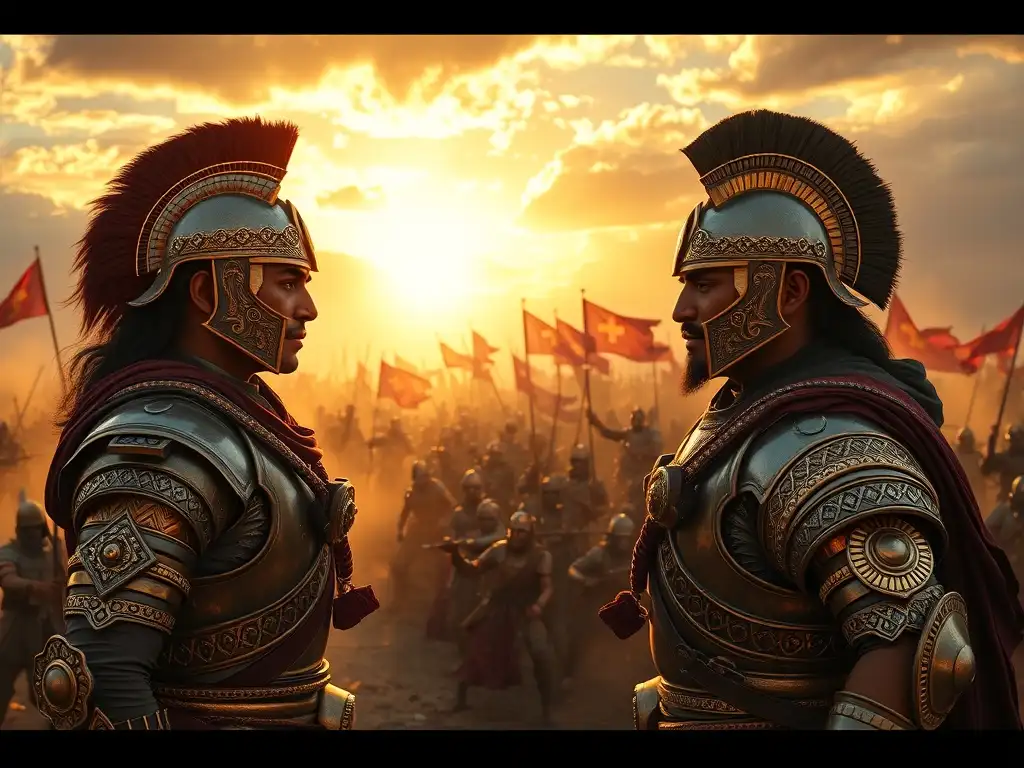
Welcome to Ancient India History, where we delve into the rich tapestry of India's past, uncovering the marvels of its ancient civilizations. In this exploration, we invite you to embark on a profound journey through the epic narrative of the Mahabharata, a cornerstone of Indian literature that not only captivates with its grand tales but also challenges our understanding of ethics in warfare. What lessons can we glean from this timeless epic when contemplating the moral dilemmas faced in battle?
Join us as we unravel the complexities and insights this monumental work offers, inspiring you to ponder the intricate balance of duty, righteousness, and conflict. Dive deeper into the ethics that shaped a civilization and continue exploring the profound impact of the Mahabharata on warfare and beyond.
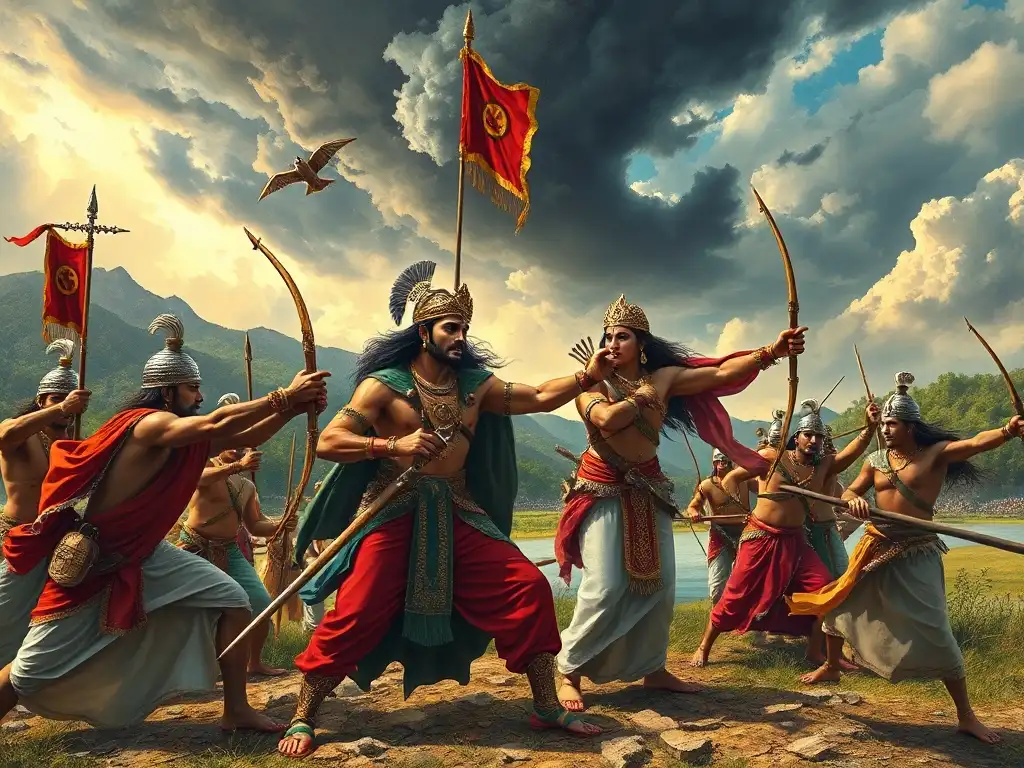
The Mahabharata stands as one of the most significant epics in Indian literature, weaving together intricate tales of heroism, morality, and the complexities of human nature. This epic not only narrates the legendary conflict between the Pandavas and Kauravas but also serves as a profound exploration of Mahabharata ethics in warfare, delving into the principles of righteousness (dharma) that govern human conduct during times of conflict. As we unpack this multifaceted text, we will uncover the ethical dilemmas faced by its characters and the lessons that resonate through the ages, reflecting the moral fabric of ancient Indian civilization.
Introduction to the Mahabharata
Overview of the Epic
The Mahabharata, attributed to the sage Vyasa, is an extensive narrative that spans over 100,000 verses, making it one of the longest epics in the world. It is not merely a tale of war; it encompasses a wide array of stories, myths, and philosophical discourses. Central to the narrative is the great Kurukshetra War, where familial ties and moral obligations clash with the harsh realities of conflict. This epic invites readers to ponder questions of justice, loyalty, and the consequences of warfare.
Importance of the Mahabharata in Indian Culture
The Mahabharata holds a revered place in Indian culture and tradition. It serves as a foundational text that influences various aspects of life, including ethics, politics, and spirituality. The principles outlined in the epic continue to guide contemporary discussions on morality and governance, illustrating its enduring relevance. The Bhagavad Gita, a sacred dialogue within the Mahabharata, further elevates its status, offering profound insights into duty and righteousness.
Key Themes Explored in the Mahabharata
Within its vast narrative, the Mahabharata explores several key themes, including:
- Dharma: The concept of duty and righteousness.
- Conflict: The struggles between good and evil.
- Sacrifice: The moral dilemmas faced by characters.
- Justice: The quest for fairness amidst chaos.
These themes are intricately woven into the fabric of the story, providing a rich tapestry that reflects the complexities of human experience.
Understanding Ethics in Warfare
Definition of Ethics in Warfare
Ethics in warfare refers to the moral principles that govern the conduct of individuals and groups engaged in armed conflict. These principles address questions of right and wrong, fairness, and the humane treatment of adversaries. In the context of the Mahabharata, the ethical dilemmas faced by characters often revolve around the justification of war and the moral implications of their decisions.
Historical Context of Warfare in Ancient India
Warfare in ancient India was characterized by a unique blend of strategies, rituals, and moral considerations. Conflicts were often viewed through the lens of dharma, where the righteousness of a cause could determine its legitimacy. The Mahabharata offers insights into the methods of warfare, the role of kings and warriors, and the societal norms that shaped military conduct, reflecting the historical realities of the time.
The Role of Dharma in Warfare
Dharma, or moral duty, plays a pivotal role in the ethical framework of warfare within the Mahabharata. Characters such as Arjuna grapple with their responsibilities, facing the challenge of adhering to dharma while engaging in battle against family and friends. This internal conflict highlights the complexities of moral decision-making in warfare, prompting readers to reflect on the ethical dimensions of their own choices in the face of conflict.
Through this exploration, we aim to understand how the Mahabharata not only narrates an epic tale of war but also serves as a profound commentary on the ethics that govern human actions during the tumultuous times of warfare.
The Mahabharata and Warfare Ethics
The Mahabharata stands as one of the most significant epics in ancient Indian literature, embodying a complex narrative that delves into the principles of ethics, particularly in the context of warfare. Central to its storyline is the great Kurukshetra War, which serves as a backdrop for the exploration of moral dilemmas, duty (dharma), and the consequences of ethical decisions made by its characters. This epic presents a rich tapestry of philosophical debates that challenge the reader to consider the implications of choices made in the name of justice, loyalty, and righteousness.
The Mahabharata's portrayal of warfare is not merely about physical confrontation; it intricately weaves in discussions about the righteousness of war, the moral responsibilities of warriors, and the broader implications of engaging in conflict. Key figures, such as Arjuna and Krishna, engage in profound dialogues that illuminate the ethical quandaries faced by individuals when confronted with the harsh realities of battle. The text raises essential questions: What constitutes a just cause? Is it permissible to kill in the pursuit of justice? The answers are not straightforward, making the Mahabharata a timeless exploration of ethics in warfare.
Ethical Dilemmas Faced by Characters
The characters in the Mahabharata grapple with numerous ethical dilemmas that challenge their understanding of duty and morality. Arjuna, the protagonist, embodies these conflicts when he hesitates to engage in battle against his own kin. His internal struggle reflects the broader philosophical debate surrounding duty (dharma) and personal morality. The dialogue between Arjuna and Krishna serves as a critical examination of the nature of righteousness in warfare, emphasizing that one's duty may conflict with personal feelings and ethical considerations.
Other characters, such as Yudhishthira and Duryodhana, also encounter moral challenges that question their integrity and commitment to dharma. Yudhishthira, often viewed as the epitome of righteousness, faces dilemmas that test his adherence to truth and justice. Conversely, Duryodhana's actions reflect a more pragmatic approach to warfare, revealing how personal ambitions can lead to ethical compromises. These dilemmas not only highlight individual struggles but also represent the collective moral fabric of society, making the Mahabharata a profound study of ethics in warfare.
The Concept of Just War in the Mahabharata
The Mahabharata introduces the concept of Just War (Dharma Yuddha), which is grounded in the idea that warfare can be justified under specific circumstances. This concept is closely tied to the principles of righteousness and the pursuit of justice. In the epic, war is not merely a means to achieve power; it is portrayed as a necessary action to restore dharma and rectify the imbalance caused by adharma (unrighteousness).
Key factors that determine the justification for war include the righteousness of the cause, the intention behind the conflict, and the conduct during warfare. Characters are expected to adhere to certain ethical standards, such as refraining from harming civilians and maintaining honor on the battlefield. The Mahabharata emphasizes that even in war, ethical considerations must govern actions, reinforcing the belief that true victory lies in the adherence to moral principles rather than mere conquest.
Contrasts in Ethical Perspectives
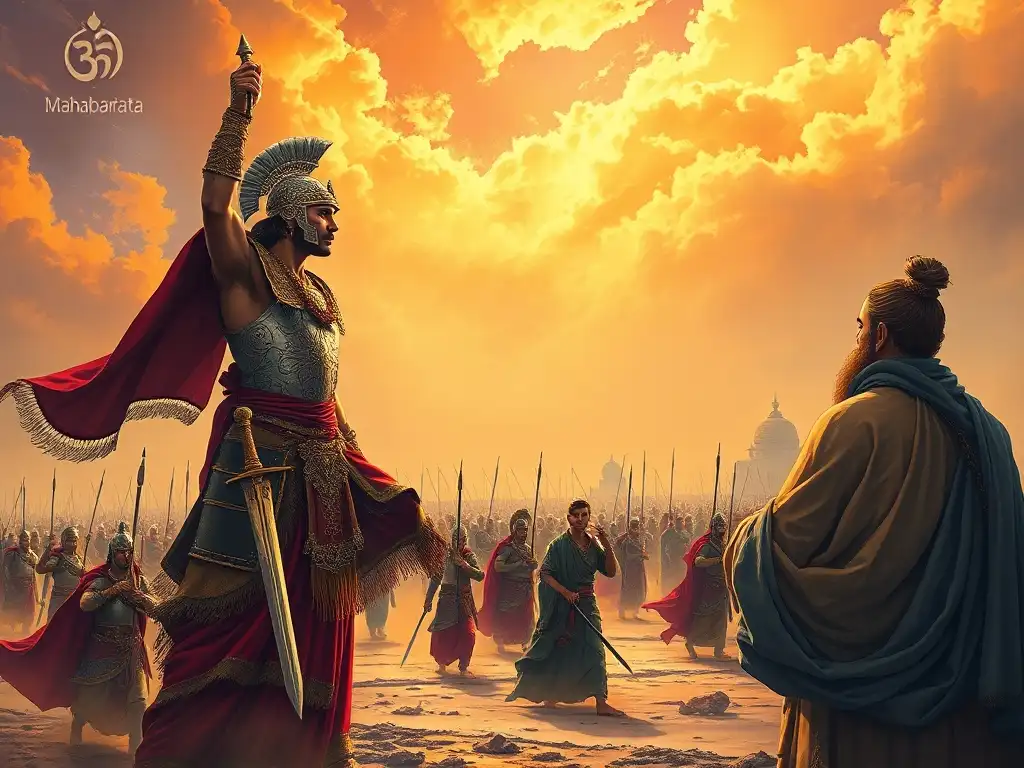
The Mahabharata vividly illustrates contrasting ethical perspectives, particularly between the Kauravas and the Pandavas. These differences are foundational to the narrative and serve as a lens through which the ethics of warfare can be examined.
The Kauravas vs. the Pandavas: Ethical Conflicts
The Kauravas and Pandavas represent opposing sides in a moral landscape where ethical dilemmas abound. The Kauravas, led by Duryodhana, often embody a more ruthless approach to warfare, prioritizing victory at any cost, even if it means resorting to deceit and dishonor. Their actions reflect a departure from dharma, as they seek power and revenge, disregarding the moral implications of their choices.
In contrast, the Pandavas, particularly Yudhishthira and Arjuna, strive to uphold ethical standards in their pursuit of justice. Their commitment to dharma influences their decisions, often leading to difficult choices that weigh personal desires against moral obligations. This juxtaposition between the two factions not only highlights the ethical conflicts inherent in warfare but also serves as a commentary on the broader human condition, where choices often come with significant moral consequences.
Perspectives on Honor and Dishonor in Warfare
The notions of honor and dishonor play a pivotal role in the ethical discourse of the Mahabharata. Honor is associated with nobility, adherence to dharma, and the preservation of one's integrity, while dishonor signifies a deviation from these principles. Characters like Bhishma and Drona grapple with the tension between their loyalty to the Kauravas and their moral obligations as warriors.
The epic illustrates how the pursuit of honor can lead to tragic outcomes, as seen in the sacrifice of Bhishma, who chooses to uphold his vow even at the cost of his own life. Conversely, the Kauravas' disregard for ethical conduct ultimately leads to their downfall, underscoring the idea that true honor is rooted in righteousness and ethical behavior.
The Impact of Personal Motives on Ethical Decisions
Personal motives significantly influence the ethical decisions made by characters in the Mahabharata. Ambition, jealousy, and revenge often cloud judgment, leading individuals to justify unethical actions. Duryodhana's desire for power and recognition drives him to commit acts that betray the principles of dharma, illustrating how personal ambitions can distort ethical considerations.
On the other hand, characters like Arjuna experience transformative moments that lead to a reevaluation of their motives. His initial reluctance to engage in battle is rooted in personal connections, but through Krishna's guidance, he comes to understand the larger implications of his role in upholding dharma. This interplay between personal motives and ethical decisions underscores the complexity of human behavior and the profound impact of individual choices on the moral fabric of society.
The Mahabharata serves as a rich source for exploring the ethics of warfare, presenting a myriad of dilemmas, contrasting perspectives, and the intricate relationship between personal motives and ethical conduct. Its teachings remain relevant, prompting reflection on the moral challenges faced in the pursuit of justice and righteousness in both ancient and modern contexts.
Lessons on Warfare Ethics from the Mahabharata
The Mahabharata, one of the longest epic poems in the world, serves not just as a narrative of a great war but also as a profound source of ethical teachings, especially in the context of warfare. Central to its discourse are the principles of Dharma (righteousness) and Adharma (unrighteousness), which play a crucial role in guiding the actions and decisions of its characters.
One of the key lessons is the concept of just warfare, which emphasizes that battles should only be fought for just causes. The epic illustrates the moral dilemmas faced by warriors such as Arjuna, who grapples with the implications of killing his kin and teachers. This internal conflict highlights the importance of intent and consequences in warfare. Furthermore, the text discusses the rules of engagement, such as not attacking the unarmed or those who have surrendered, showcasing the need for compassion even amidst conflict.
Additionally, the Mahabharata underscores the significance of leadership, where ethical conduct of leaders can profoundly impact the morale and behavior of their followers. Figures like Yudhishthira exemplify the ideal leader who prioritizes righteousness over victory, thereby setting a moral standard that transcends personal ambitions.
The Relevance of Mahabharata Ethics in Modern Warfare
In contemporary times, the ethical dilemmas presented in the Mahabharata resonate with modern military operations, particularly those involving asymmetric warfare and counterinsurgency. The principles derived from the epic can guide military leaders in making decisions that align with international humanitarian law and the norms of just warfare.
For instance, the Mahabharata's emphasis on the protection of non-combatants and the ethical treatment of prisoners of war is highly relevant today. Modern conflicts often blur the lines between combatants and civilians, thus necessitating a robust ethical framework to navigate these complexities. The text’s insights encourage military leaders to reflect on their strategies and ensure that their conduct adheres to the principles of justice, proportionality, and necessity.
Moreover, the concepts of duty and loyalty, as illustrated in the epic, challenge leaders to balance their obligations to their nation with their moral responsibilities, fostering a culture of ethical warfare that aligns with global standards.
Application of Ethical Lessons in Contemporary Conflicts
The ethical lessons from the Mahabharata can be directly applied to various contemporary conflicts around the globe. For example, during peacekeeping missions, the principles of compassion and respect for human rights can guide soldiers in their interactions with local populations.
In the realm of counter-terrorism, the Mahabharata's teachings can serve as a reminder of the importance of minimizing civilian casualties and respecting human dignity. As military operations increasingly involve complex cultural dynamics, understanding the ethical implications of actions can help prevent further escalation of violence and foster reconciliation.
Furthermore, the Mahabharata also addresses the psychological impact of warfare on soldiers. The internal struggles faced by characters like Arjuna can inform modern military mental health practices, emphasizing the need for psychological support systems to help combatants cope with the moral injuries sustained during conflict.
The Influence of Mahabharata on Modern Military Ethics
The Mahabharata's influence extends beyond cultural narratives into formal military ethics. Many modern military academies incorporate the ethical dilemmas presented in the epic as case studies for teaching moral reasoning in warfare.
For instance, discussions surrounding rules of engagement are often framed within the context of the Mahabharata's teachings. The ethical conflicts faced by its characters serve as a powerful tool for military professionals to critically assess their values and actions in combat scenarios.
Additionally, the epic's portrayal of leaders who embody ethical conduct serves as a model for contemporary military leadership. By promoting the idea that ethical behavior can coexist with effective military strategy, the Mahabharata reinforces the notion that morality should guide military decisions.
Conclusion
The Mahabharata offers profound insights into the ethics of warfare, presenting a complex interplay of duty, righteousness, and the consequences of actions. Through its exploration of moral dilemmas, the epic remains relevant in today's military discourse, providing a framework for ethical considerations in conflict.
Summary of Key Findings on Mahabharata Ethics in Warfare
- Just Warfare: Emphasizes the necessity of fighting for just causes and the importance of intent.
- Rules of Engagement: Advocates for compassion and ethical treatment of non-combatants.
- Leadership and Morality: Highlights the impact of ethical leadership on military conduct.
- Relevance in Modern Conflicts: Offers guidance for contemporary military operations, especially in protecting civilians and adhering to humanitarian laws.
Final Thoughts on the Importance of Ethical Considerations in Conflict
The teachings of the Mahabharata remind us that ethics in warfare is not merely an academic exercise but a critical component of military effectiveness and legitimacy. As modern conflicts become increasingly complex, the lessons from this ancient epic provide valuable guidance on how to navigate the moral landscape of warfare. Upholding ethical standards not only ensures compliance with international norms but also fosters long-term peace and reconciliation in societies affected by conflict.
- Introduction to the Mahabharata
- Understanding Ethics in Warfare
- The Mahabharata and Warfare Ethics
- Contrasts in Ethical Perspectives
- Lessons on Warfare Ethics from the Mahabharata
- Conclusion
- What is the Mahabharata and its significance in Indian culture?
- How does the Mahabharata address ethics in warfare?
- What are the key ethical dilemmas presented in the Mahabharata?
- How can the lessons from the Mahabharata be applied to modern warfare?
- What role does dharma play in the context of the Mahabharata?
Frequently Asked Questions
What is the Mahabharata and its significance in Indian culture?
The Mahabharata is an ancient Indian epic that narrates the historical and moral dilemmas faced by its characters, reflecting the complexities of human behavior and ethics in warfare.
How does the Mahabharata address ethics in warfare?
The Mahabharata explores moral questions surrounding duty, righteousness, and justice during conflict, emphasizing the importance of ethical conduct among warriors.
What are the key ethical dilemmas presented in the Mahabharata?
Characters in the Mahabharata face conflicting duties, such as loyalty to family versus adharma (unrighteousness), showcasing the complexity of moral choices in wartime scenarios.
How can the lessons from the Mahabharata be applied to modern warfare?
The ethical principles outlined in the Mahabharata, such as the justification of war and the treatment of adversaries, remain relevant today in discussions on military ethics and international relations.
What role does dharma play in the context of the Mahabharata?
Dharma, or duty, is a central theme in the Mahabharata, guiding characters' actions in warfare and shaping their moral responsibilities amid conflict.
Final Reflection: The Enduring Legacy of Mahabharata Ethics in Warfare
The exploration of Mahabharata ethics in warfare remains profoundly relevant in today's complex world, where the principles of justice, duty, and morality are often tested in the face of conflict. The ancient epic not only provides a narrative of war but also serves as a timeless guide for navigating the ethical dilemmas that arise in the heat of battle. As we grapple with modern warfare's implications, the lessons from the Mahabharata resonate more than ever, urging us to reflect on our own moral compass amidst chaos.
The Mahabharata's influence extends far beyond its narrative; it has shaped cultural and social dialogues around the ethics of conflict. The epic's characters, particularly Arjuna and Krishna, embody the struggle between personal ethics and societal duty, prompting us to question our own values in times of strife. In the midst of chaos, there is also opportunity.
This quote encapsulates the essence of the Mahabharata's teachings, reminding us that ethical considerations can illuminate paths toward peace and understanding, even in the darkest of times.
As we conclude this exploration, I invite you to reflect on your own understanding of ethics in warfare and how the lessons from the Mahabharata can be applied to contemporary issues. Consider how you might embody these principles in your daily life, whether in personal conflicts or broader societal challenges. Let the wisdom of this ancient text inspire you to engage thoughtfully with the moral complexities of our world, fostering a commitment to justice and compassion in all your endeavors.
Unveil the Ethical Lessons of the Mahabharata!
Thank you for exploring the profound wisdom of the Mahabharata in our article! By delving into the ethical complexities of warfare, you have taken a significant step towards understanding the deeper moral questions that define human conflict. Now, let’s harness that knowledge into meaningful action.
Here are some ways to engage further:
- Reflect and Discuss: Join a local or online discussion group to explore the ethical dilemmas presented in the Mahabharata and their relevance to contemporary warfare.
- Share Your Insights: Compose a blog post or a social media update about the ethical lessons you’ve learned and invite your friends to share their perspectives.
- Get Involved: Consider participating in community dialogues or workshops focused on ethical leadership and conflict resolution to apply these insights to real-life scenarios.
Which ethical dilemma from the Mahabharata resonates with you the most, and how might it influence your views on modern conflicts? Let’s keep this important conversation alive!