
The Symbolism of Dance in Ancient Indian Rituals and Theater

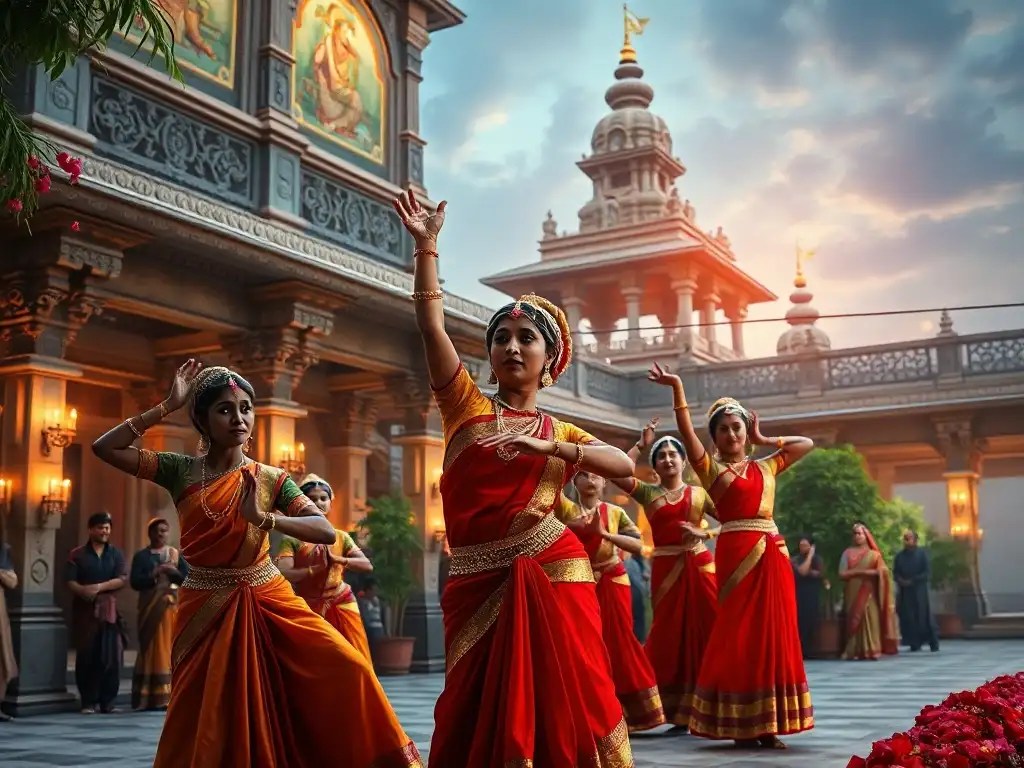
Welcome to Ancient India History, where we invite you to embark on a captivating journey through the vibrant tapestry of ancient Indian civilizations. In this exploration, we delve into the intriguing symbolism of dance in ancient India, unveiling how this art form transcended mere performance, weaving itself into the very fabric of rituals and theater. As you navigate through our insights, prepare to discover the profound meanings behind each movement and gesture, and how they reflect the spiritual and cultural essence of a bygone era. Are you ready to dance through time with us?
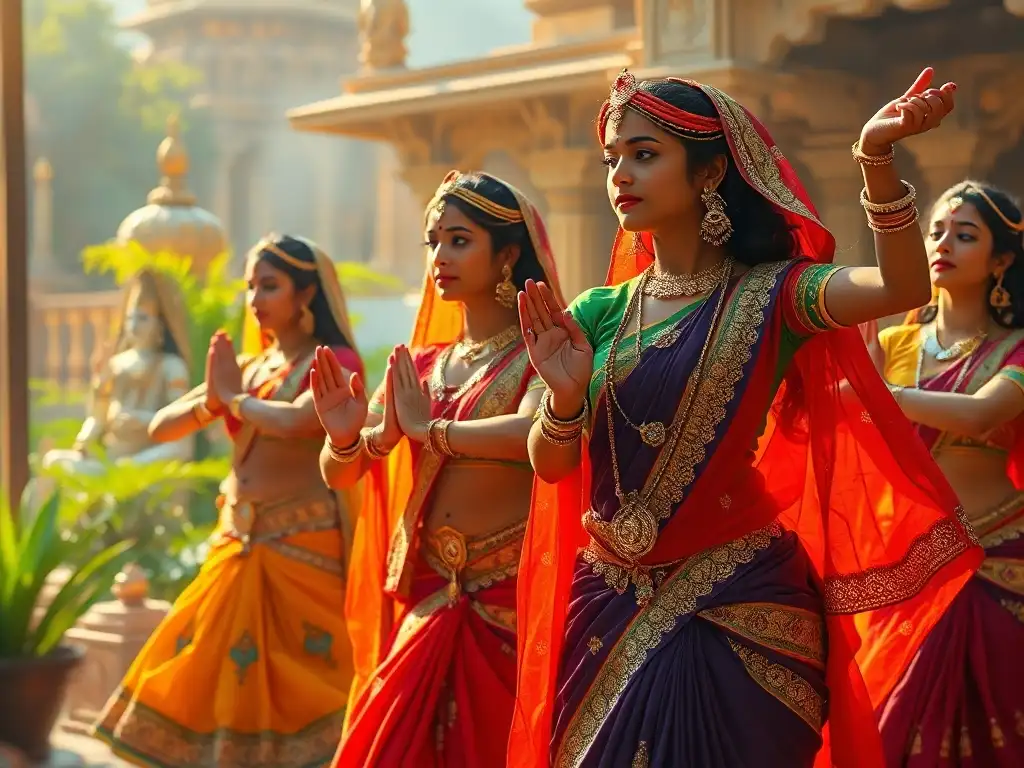
Introduction to Dance in Ancient India
The symbolism of dance in ancient India is a profound exploration of how movement and rhythm transcended mere entertainment to become a vital expression of spirituality, culture, and artistic tradition. As civilization flourished along the banks of the Indus Valley and continued through epochs like the Vedic period and the Gupta Empire, dance evolved into a multifaceted art form deeply woven into the fabric of social and religious practices. This article delves into the intricate layers of meaning behind dance, examining its role in rituals, its historical significance, and its enduring legacy in the performing arts of ancient India.
Overview of Dance as an Art Form
Dance in ancient India was not just a form of expression but a structured art form governed by strict codes and traditions. Various styles emerged, each with unique characteristics, reflecting the local culture, mythology, and beliefs. Among these, classical dance forms such as Bharatanatyam, Odissi, and Kathak stand out as intricate narratives conveyed through movement, facial expressions, and gestures (mudras).
- Key Features of Ancient Indian Dance:
- Mudras: Symbolic hand gestures conveying specific meanings.
- Abhinaya: The art of expression, portraying emotions and stories.
- Rhythm: The importance of rhythm (tala) in synchronizing movements with music.
Historical Significance of Dance in Indian Culture
Dance has held a significant place in Indian culture since antiquity, serving as a medium for storytelling, religious devotion, and communal celebration. Historical texts, such as the Natya Shastra by Bharata Muni, provide insight into the theoretical framework of dance and drama, emphasizing their role in societal and spiritual contexts.
- Cultural Impact:
- Dance as a narrative tool in temples and courts.
- Preservation of myths and legends through performance.
- Expression of social values and philosophical ideas.
The Role of Dance in Ancient Indian Rituals
The symbolism of dance in ancient Indian rituals extends beyond aesthetic appeal; it embodies a spiritual connectivity and serves as a conduit to the divine. In rituals, dance was often seen as a form of worship, a way to honor deities and invoke blessings.
Spiritual Symbolism of Dance in Hindu Rituals
In Hinduism, dance is perceived as a divine gift, a way for practitioners to express devotion and surrender to the gods. The movements and rhythms of dance symbolize cosmic cycles, natural elements, and the journey of the soul.
- Divine Connections:
- Dance as a representation of creation and destruction (Shiva's Tandava).
- Use of dance in festivals and sacred ceremonies to invoke divine presence.
Dance as a Medium of Connection with Deities
The act of dancing in rituals also serves to bridge the gap between the mortal and the divine. Dancers often embody the qualities of the deities they represent, allowing worshippers to connect with the spiritual realm on a deeper level.
- Examples of Deity Representation:
- Draupadi's Dance: A form of devotion and strength in the Mahabharata.
- Krishna's Raas Leela: Celebrating divine love and joy through dance.
Examples of Ritual Dances in Vedic and Post-Vedic Traditions
Historical accounts reveal various ritual dances performed during Vedic and post-Vedic periods, each carrying its own significance and symbolism.
- Notable Ritual Dances:
- Sama Veda Chants: Accompanied by rhythmic movements reflecting the chants' melodies.
- Kalash Dance: Performed during agricultural festivals to ensure fertility and abundance.
The symbolism of dance in ancient India is a complex interplay of art, spirituality, and cultural identity, reflecting the rich tapestry of traditions that continue to influence contemporary performances and rituals. As we explore further, we will delve into specific aspects of this symbolism, enhancing our understanding of dance's integral role in ancient Indian society.
The Symbolism of Dance in Ancient Indian Theater
The symbolism of dance in ancient Indian theater transcends mere entertainment; it serves as a profound medium for storytelling, cultural expression, and spiritual reflection. In ancient India, dance was not only an art form but also a vital aspect of religious ceremonies and social gatherings. It helped convey complex narratives and themes, often intertwining with music and drama to create a holistic theatrical experience. Each movement, gesture, and expression was imbued with meaning, making dance a significant vehicle for cultural transmission and the exploration of human emotions.
Theater and Dance: Interconnected Art Forms
Theater and dance in ancient India have always been closely linked, forming a symbiotic relationship that enhances their respective narratives. Ancient texts such as the Natya Shastra, authored by Bharata Muni, laid down the foundational principles of performance arts, highlighting how dance complements dramatic storytelling.
- Integration of Elements:
- Dance sequences often punctuated theatrical performances, providing visual representation to dialogues and themes.
- The combination of dance and dialogue allowed for a richer portrayal of characters and emotions, facilitating a deeper audience connection.
- Shared Ritualistic Origins:
- Both art forms emerged from religious rites, where storytelling served to convey moral and spiritual lessons.
- Performances frequently took place in temples and sacred spaces, emphasizing their ceremonial significance.
- Cultural Reflection:
- Thematic elements in dance and theater often reflect societal values, folklore, and mythology, making them a mirror of cultural identity.
Classical Dance Forms Influencing Ancient Indian Theater
Several classical dance forms significantly influenced the evolution of ancient Indian theater, each bringing its unique flavor and symbolism to the stage:
- Bharatanatyam: Originating in Tamil Nadu, this dance form emphasizes intricate footwork and expressive gestures, often depicting stories from Hindu mythology.
- Kathak: Known for its swift foot movements and expressive storytelling, Kathak originates from North India and brings narratives from epics like the Ramayana and Mahabharata to life.
- Odissi: From Odisha, Odissi is characterized by its graceful movements and poses, often illustrating themes of devotion and beauty through expressive dance.
- Kuchipudi: This dance-drama form from Andhra Pradesh combines dance and dialogue, enhancing theatrical storytelling with dynamic movements and expressive narratives.
The interplay between these dance forms and ancient theater not only enriched the performances but also embedded layers of symbolism that resonated with audiences.
Iconography and Symbolism in Dance Movements
In ancient Indian dance, movements are laden with iconography and symbolism, each gesture carefully crafted to convey specific meanings and narratives.
Gesture Language (Mudras) in Ancient Indian Dance
Mudras, or symbolic hand gestures, play a crucial role in conveying emotions and themes in ancient Indian dance. Each mudra has distinct meanings and is categorized into:
- Asamyuta Mudras (Single-Handed Gestures): These gestures are often used to represent specific deities, objects, or concepts. For example, the Pataka mudra can signify a flag, while the Tripataka mudra can represent a crown.
- Samyuta Mudras (Two-Handed Gestures): These mudras convey more complex narratives, often involving interactions between characters. The Anjali mudra, for instance, symbolizes salutation or respect.
The effectiveness of these gestures lies in their ability to transcend language, allowing performers to communicate profound messages through physical expression.
The Use of Body Language in Expressing Themes and Emotions
Body language in ancient Indian dance is essential for expressing themes and emotions. Dancers utilize posture, facial expressions, and movements to evoke a wide range of feelings:
- Facial Expressions (Abhinaya): The nuanced use of facial expressions enhances emotional storytelling, allowing audiences to empathize with characters.
- Posture and Movement: The way a dancer holds their body can convey strength, grace, despair, or joy. For example, a grounded posture may symbolize stability, while fluid movements can express freedom and transcendence.
This rich vocabulary of body language engages the audience, drawing them into the emotional landscape of the performance.
Cultural Symbols Embedded in Dance Costumes and Props
Costumes and props in ancient Indian dance carry deep cultural symbols that enrich the performance's narrative. Each element is thoughtfully designed to reflect the character's identity, status, and emotional state:
- Costumes: Traditional attire, often adorned with intricate patterns and colors, signifies the cultural heritage and character traits. For instance, vibrant colors may represent joy or festivity, while darker hues might evoke solemnity.
- Props: Items such as masks, swords, or flowers are not merely decorative; they serve specific narrative purposes, symbolizing various themes or assisting in storytelling. For example, a flute may symbolize divine love, while a sword can represent valor.
Overall, the symbolism inherent in dance costumes and props adds another layer of meaning to performances, creating a more immersive experience for the audience and preserving cultural narratives for generations to come.
Regional Variations of Dance Symbolism in Ancient India
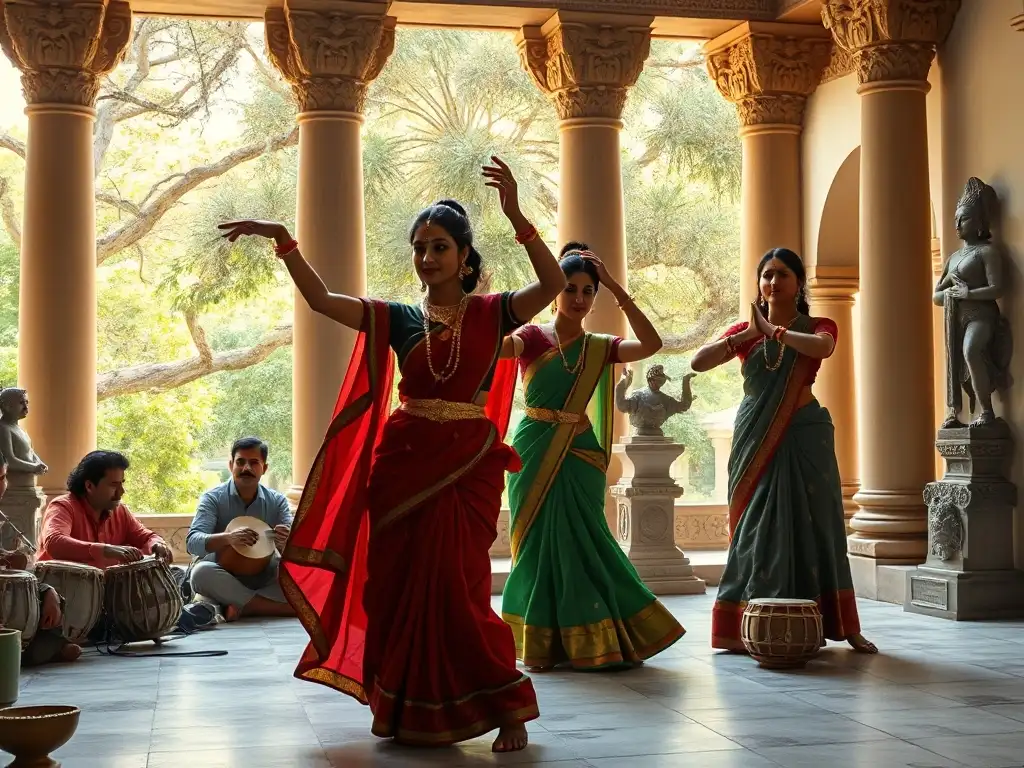
The rich tapestry of dance in ancient India is marked by significant regional variations, each reflecting the local culture, beliefs, and traditions. These variations are not merely aesthetic; they carry profound symbolic meanings that resonate with the spiritual and social fabric of the respective regions. In ancient India, dance was often an integral part of rituals, festivals, and theatrical performances, serving as a medium for storytelling and communication with the divine.
Overview of Major Dance Styles: Bharatanatyam, Kathak, Odissi
Bharatanatyam, originating from Tamil Nadu, is one of the oldest classical dance forms in India. It embodies a blend of expression, music, and rhythm, often depicting stories of Hindu deities. The symbolism in Bharatanatyam is deeply rooted in the Natya Shastra, an ancient treatise on performing arts, which emphasizes the use of mudras (hand gestures) and facial expressions to convey emotions and narratives.
Kathak, with its origins in northern India, particularly Uttar Pradesh, combines elements of storytelling and rhythm. The symbolism of Kathak lies in its narrative form, where dancers often depict tales from Hindu epics such as the Ramayana and Mahabharata. The intricate footwork and spins symbolize the cycle of life and the divine play (Lila) of Krishna.
Odissi, from Odisha, is characterized by its lyrical grace and sculpturesque poses. The dance form symbolizes devotion and spirituality, often portraying the divine feminine through movements that reflect the essence of the goddess Shakti. The use of specific postures and rhythms in Odissi is meant to invoke a sense of transcendence and connection with the divine.
Regional Ritual Dances and Their Unique Symbolism
In addition to classical styles, various regional ritual dances express unique local symbolism. For instance, Garba, a traditional dance of Gujarat, symbolizes the celebration of fertility and the worship of the goddess Durga during the Navratri festival. The circular movements and rhythmic clapping create a sense of community and unity among participants, emphasizing the importance of collective worship.
Similarly, the Chhau dance of Jharkhand and Odisha is often performed during festivals and rituals to invoke divine blessings. The symbolism in Chhau is closely linked to nature and mythology, with masks representing various deities and characters from folklore. The vigorous movements and martial arts elements reflect the struggle between good and evil, highlighting moral values inherent in the local culture.
Influence of Local Cultures on Dance Symbolism
The symbolism of dance in ancient India was not developed in isolation; it was significantly influenced by local cultures, languages, and traditions. Tribal dances, for instance, often feature elements of animism, reflecting the connection between the community and nature. The symbolism here is tied to agricultural cycles and ancestral worship, with movements imitating natural phenomena like rain and harvest.
Moreover, the influence of regional languages and dialects enriched the narratives conveyed through dance. Folk tales and local legends became integral to performances, allowing dancers to express cultural identity and heritage. This blending of local customs with classical dance forms resulted in a diverse array of symbolic interpretations that continue to evolve.
The Evolution of Dance Symbolism Through the Ages
The symbolism of dance in ancient India has undergone significant transformations over the centuries, influenced by socio-political changes, religious movements, and cultural exchanges. This evolution showcases how dance serves not only as an art form but also as a reflection of societal values and beliefs.
Transition from Ancient to Medieval Interpretations of Dance
During the transition from ancient to medieval periods, the symbolism of dance began to incorporate elements of bhakti (devotion) and Sufi mysticism. As devotional movements gained prominence, dance became a means of expressing love and devotion to God. This shift is evident in the performances that emphasized emotional expressions and spiritual experiences rather than merely narrative storytelling.
The medieval period also witnessed the patronage of dance by royal courts, leading to the fusion of various local styles and the development of hybrid forms. The symbolism began to reflect the cultural amalgamation, with influences from both indigenous practices and foreign elements introduced through trade and conquest.
Impact of Historical Events on Dance and Theater Symbolism
Historical events, such as invasions and the establishment of new dynasties, significantly impacted the symbolism of dance and theater. The Mughal era, for example, brought Persian influences into Indian dance forms, resulting in new themes and styles. The incorporation of storytelling elements from Persian literature into dance performances enriched the symbolic language of Indian theater.
Furthermore, the colonial period introduced new challenges and adaptations in the realm of dance. Traditional forms were often marginalized, leading to a revival movement in the late 19th and early 20th centuries that sought to reclaim ancient symbols and practices. This resurgence highlighted the importance of cultural identity and heritage in the face of changing societal dynamics.
Modern Interpretations of Ancient Dance Symbols
In contemporary times, the symbolism of ancient dance is reinterpreted through various lenses, including feminism, globalization, and post-colonial perspectives. Modern dancers and choreographers often draw upon traditional themes while infusing them with contemporary issues, creating a dialogue between the past and present.
This reinterpretation allows for a broader understanding of the symbolism inherent in ancient dance, making it relevant to today's audiences. Through innovative choreography and performances, the essence of ancient symbols can be preserved while exploring new narratives that resonate with current societal themes, ensuring that the rich legacy of dance in ancient India continues to thrive and evolve.
Conclusion
The symbolism of dance in ancient India serves as a profound reflection of the cultural and spiritual fabric of the civilization. Through intricate movements, gestures, and expressions, dance transcends mere entertainment, embodying religious devotion, storytelling, and social commentary. The rituals and performances not only convey narratives from mythology and philosophy but also serve as a means of connecting the physical world with the divine. The layered meanings embedded in each dance form highlight the rich tapestry of beliefs and traditions that have shaped Indian society over millennia.
As we explore the historical significance of dance, it becomes evident that it is more than an art form; it is a vital expression of identity, community, and spirituality that continues to resonate in contemporary practices. The ancient traditions of dance, laden with symbolism, persist as a beacon of cultural pride and continuity.
The Enduring Legacy of Dance Symbolism in Indian Culture
The legacy of dance symbolism in ancient Indian culture is profound and remains influential in various aspects of modern life. Dance forms such as Bharatanatyam, Kathak, and Odissi have preserved their traditional roots while evolving to reflect contemporary themes. This duality of preservation and innovation ensures that the symbolism behind these dances remains relevant today.
Moreover, dance continues to be a medium for exploring social issues, personal expression, and cultural identity. Festivals, religious ceremonies, and theatrical performances still incorporate ancient dance forms, showcasing their enduring relevance. This legacy is further amplified through educational institutions dedicated to the performance arts, which teach these age-old practices to new generations, ensuring that the rich symbolism of dance is not lost to time.
Future of Dance in Preserving Ancient Symbolism
The future of dance in preserving ancient symbolism is promising, particularly as global interest in traditional arts gains momentum. With the advent of technology, dance is not only confined to the physical stage; virtual performances and online tutorials are making ancient dance forms more accessible to a worldwide audience. This digital expansion allows for a wider appreciation and understanding of the intricate symbolism that characterizes ancient Indian dance.
Furthermore, collaborations between traditional dancers and contemporary artists are enriching the narrative of dance, creating new platforms for dialogue and interpretation. By blending historical elements with modern expressions, the essence of ancient symbolism can be preserved while simultaneously evolving to meet the needs of contemporary society. As a result, the future of dance in India is poised to remain a vibrant and dynamic reflection of its rich heritage.
References
Key Texts and Resources for Further Reading on Dance Symbolism in Ancient India
- "The Dance of Siva: Religion, Art and Poetry in South India": by Ananda K. Coomaraswamy: This book explores the interplay between dance, art, and spirituality in ancient India.
- "Indian Classical Dance: Tradition in Transition": by Leela Venkataraman: This resource delves into the evolution of classical dance forms and their symbolic significance.
- "The Natyashastra" by Bharata Muni: An ancient treatise on performing arts that offers insights into the theory and practice of dance and drama, emphasizing its symbolic dimensions.
- "Sacred Dance in the Ancient World" by Ellen D. H. Kelsey: This book discusses the role of dance in various ancient cultures, including India, and its spiritual symbolism.
- "Bharatanatyam: A Reader": edited by S. A. P. Ayyar: A collection of essays and analyses on Bharatanatyam, providing context to its symbolic gestures and narratives.
These texts and resources provide a wealth of information for those interested in exploring the intricate symbolism of dance in ancient India further.
- Introduction to Dance in Ancient India
- The Role of Dance in Ancient Indian Rituals
- The Symbolism of Dance in Ancient Indian Theater
- Iconography and Symbolism in Dance Movements
- Regional Variations of Dance Symbolism in Ancient India
- The Evolution of Dance Symbolism Through the Ages
- Conclusion
- References
Frequently Asked Questions
What is the significance of dance in ancient Indian rituals?
Dance in ancient India served as a medium of expression and communication, conveying spiritual themes and connecting practitioners with the divine.
How did different cultures influence dance in ancient India?
Various cultures, including Hindu, Buddhist, and Jain, contributed to the diverse styles and forms of dance, enriching the symbolism associated with each performance.
What are some traditional dance forms from ancient India?
Prominent traditional dance forms include Bharatanatyam, Kathak, and Odissi, each reflecting unique narratives and cultural significance.
How does theater relate to the symbolism of dance in ancient India?
Theater in ancient India often incorporated dance as a vital element, using movement to enhance storytelling and convey deeper meanings within the narratives.
What role did mythology play in dance symbolism?
Mythology provided a rich framework for dance symbolism, with performances often depicting deities, legends, and moral lessons, thereby enriching the spiritual experience of the audience.
Final Reflection: The Enduring Legacy of Dance as a Symbol in Ancient India
The exploration of the symbolism of dance in ancient Indian rituals and theater reveals its profound relevance in today's cultural landscape. As we navigate a world increasingly disconnected from its roots, the intricate relationship between movement and meaning in ancient practices serves as a reminder of the power of expression and connection. Dance was not merely an art form; it was a language that conveyed spirituality, community, and identity, and its echoes continue to resonate in contemporary society.
The symbolism of dance in ancient India has shaped not only artistic expression but also social and cultural narratives. From temple rituals to theatrical performances, dance has been a vessel for storytelling and a means of preserving history. As we witness a resurgence of interest in traditional practices, it is essential to recognize how these ancient forms continue to influence modern interpretations of culture. Dance is the hidden language of the soul.
– Martha Graham. This quote encapsulates the essence of how dance transcends time, serving as a bridge between the past and present, and reminding us of the stories that still need to be told.
As you reflect on the symbolism of dance in ancient India, consider how these lessons can be applied in your own life. Embrace the rhythms of your own journey and recognize the stories that your movements can tell. Whether through dance, art, or any form of expression, let the legacy of ancient traditions inspire you to find your voice and share your narrative with the world. In doing so, you not only honor the past but also contribute to the ongoing tapestry of cultural expression that connects us all.
Unveil the Power of Dance in Ancient Indian Culture!
Thank you for journeying through the enchanting world of dance and its deep-rooted symbolism in ancient Indian rituals and theater. You've discovered how movement transcends mere performance, weaving stories of spirituality and tradition. Now, it's time to take that inspiration and put it into action!
Here are some ways you can further engage with this captivating theme:
- Explore local dance workshops to immerse yourself in the rhythms and techniques that shaped India's vibrant history.
- Share this article with friends and family who love art and culture, sparking conversations about the significance of dance in our lives today.
- Join an online forum or community focused on ancient Indian arts where you can exchange ideas and learn from others who share your passion.
What aspect of dance's symbolism do you find most fascinating, and how do you think it influences modern artistic expressions?