
Epigraphic Evidence: Bridging the Gap Between Myth and History in Ancient India


Welcome to Ancient India History, where we embark on a fascinating journey through the millennia, uncovering the rich tapestry of civilization that shaped one of the world's oldest cultures. In our featured article, “Epigraphic Evidence: Bridging the Gap Between Myth and History in Ancient India,” we delve into the intriguing world of inscriptions and epigraphy, revealing how these artifacts serve as vital clues connecting us to the past. What secrets lie hidden within the inscriptions of ancient India?
Join us as we explore the stories etched in stone and their profound implications on our understanding of history. Your adventure into this captivating realm starts now!

Epigraphic evidence serves as a crucial link between the mythic narratives and the historical realities of ancient India. By examining inscriptions from various periods, researchers uncover insights that not only validate historical accounts but also enrich our understanding of the socio-political, cultural, and religious frameworks of ancient civilizations. This article delves into the significance of epigraphic evidence in ancient India, exploring its role in piecing together the historical puzzle from the Indus Valley civilization through to the Gupta Empire. Through a comprehensive analysis, we will highlight how these inscriptions act as a bridge, transforming folklore into documented history.
Introduction to Epigraphic Evidence in Ancient India
Epigraphy, the study of inscriptions, plays an integral role in deciphering the past, especially in the context of ancient Indian history. The inscriptions found on stone, metal, and clay artifacts provide a wealth of information, revealing details about societal structures, linguistic developments, religious practices, and historical events. They serve as primary sources that complement archaeological findings and literary texts, offering a more nuanced view of ancient life.
Understanding Epigraphy and Its Importance
Epigraphy is not merely the transcription of ancient texts; it encompasses the analysis, interpretation, and contextualization of inscriptions. This multidisciplinary field combines elements of archaeology, history, linguistics, and art history. The importance of epigraphy in ancient India can be summarized as follows:
- Historical Validation: Inscriptions often corroborate or challenge existing historical narratives derived from literature or oral traditions.
- Cultural Insights: They provide glimpses into the daily lives, beliefs, and practices of ancient societies, illuminating aspects that may not be recorded elsewhere.
- Linguistic Development: The evolution of languages can be traced through inscriptions, showcasing the transition from early scripts to more sophisticated forms.
- Political Documentation: Many inscriptions record royal edicts, treaties, and administrative details, offering insights into governance and power dynamics.
The Role of Inscriptions in Ancient Indian History
Inscriptions have acted as vital records that document significant events and milestones in ancient Indian history. They serve various functions, including:
- Royal Commemorations: Many inscriptions were commissioned by rulers to commemorate victories, religious dedications, or lineage.
- Public Announcements: Edicts communicated laws, reforms, and societal norms to the populace, reflecting the governance of the time.
- Religious Texts: Numerous inscriptions contain religious hymns, prayers, and philosophical musings, revealing the spiritual landscape of ancient India.
Historical Context of Epigraphic Evidence
To fully appreciate the significance of epigraphic evidence, it is essential to consider the historical context within which these inscriptions were created. Ancient Indian civilizations, from the Indus Valley to the Gupta Empire, showcase a rich tapestry of cultural and political development.
Overview of Ancient Indian Civilizations
Ancient India was home to several prominent civilizations, each contributing unique elements to the broader historical narrative:
- Indus Valley Civilization (c. 2500–1900 BCE): Known for its urban planning and advanced drainage systems, inscriptions from this period remain largely undeciphered, but they suggest a complex society.
- Maurya Empire (c. 322–185 BCE): The reign of Ashoka marked a significant proliferation of inscriptions, which were used to promote Buddhism and convey moral edicts.
- Gupta Empire (c. 320–550 CE): This period is often regarded as the Golden Age of India, with inscriptions reflecting advances in art, science, and philosophy.
The Evolution of Inscriptions from the Indus Valley to the Gupta Empire
The evolution of inscriptions in ancient India can be traced through several key phases:
- Indus Script: Characterized by short, undeciphered symbols, these early inscriptions hint at a sophisticated communication system.
- Brahmi and Kharosthi Scripts: Emerging during the Maurya period, these scripts laid the foundation for many modern Indian languages and were used extensively in royal edicts.
- Sanskrit Inscriptions: Flourishing during the Gupta Empire, Sanskrit became the language of literature and administration, with inscriptions reflecting the cultural and intellectual achievements of the time.
By exploring these aspects of epigraphic evidence, we can begin to understand how these inscriptions are not just relics of the past but vital keys that unlock the rich history of ancient India.
Types of Epigraphic Evidence in Ancient India
Epigraphic evidence in ancient India encompasses a variety of inscriptions that serve as crucial primary sources for understanding the historical, cultural, and social dynamics of the time. The primary types of epigraphic evidence include inscriptions on stone and metal, seal inscriptions, and religious and political inscriptions. Each type provides unique insights into the lives of ancient Indians, their governance, religious practices, and interactions with other cultures, thus bridging the gap between mythology and recorded history.
Inscriptions on Stone and Metal
Inscriptions on stone and metal are among the most durable forms of epigraphic evidence found in ancient India. These inscriptions often include royal edicts, commemorative monuments, and public declarations. The use of stone for inscriptions dates back to the Indus Valley Civilization, where seals bearing script have been discovered.
Notable examples include the Ashokan edicts, inscribed on pillars and rocks across the Indian subcontinent during the reign of Emperor Ashoka (c. 268–232 BCE). These inscriptions provide insights into Buddhist philosophy, governance, and social welfare initiatives. The materials used, such as granite and copper, not only signify the importance of the messages but also attest to the technological advancements of the time.
The preservation of these inscriptions allows historians to reconstruct events and understand the socio-political landscape of ancient India, making them invaluable for historical research.
Seal Inscriptions and Their Historical Significance
Seal inscriptions are another important type of epigraphic evidence, primarily associated with the Harappan civilization. These seals, often made of steatite, feature intricate carvings and symbols, coupled with short inscriptions in the Indus script. Their exact meanings remain a subject of scholarly debate; however, they are believed to have served as markers of trade, identity, and authority.
The historical significance of seal inscriptions lies in their potential to unlock aspects of Harappan society, including trade practices, religious beliefs, and administrative structures. Seals have been found in various archaeological sites, indicating extensive trade networks that connected the Indus Valley with Mesopotamia and other regions. As such, they not only provide insights into the civilization's economy but also hint at the cultural exchanges that shaped early Indian history.
Religious and Political Inscriptions
Religious and political inscriptions provide a dual lens through which to view ancient Indian society. Religious inscriptions, often found in temples and monasteries, include hymns, prayers, and doctrinal texts that reflect the spiritual beliefs and practices of the time. These inscriptions help trace the evolution of religious thought, particularly in Hinduism and Buddhism, showcasing how these faiths influenced social norms and governance.
Political inscriptions, on the other hand, document the actions and achievements of rulers. They often commemorate military victories, territorial expansions, and administrative reforms. For example, the inscriptions of the Gupta Empire (c. 320–550 CE) highlight the contributions of rulers like Samudragupta, showcasing their patronage of the arts and scholarship. These inscriptions are crucial for understanding the political landscape and the role of leadership in ancient India.
Analyzing the Myth and Reality of Ancient Indian History
The analysis of epigraphic evidence plays a vital role in differentiating between myth and reality in ancient Indian history. Myths, often steeped in religious or cultural significance, can obscure historical truths. Epigraphic records provide tangible evidence that can either support or challenge these myths, offering a clearer understanding of historical events and figures.
The Intersection of Mythology and Historical Records
The intersection of mythology and historical records is a complex area of study. Many historical figures and events exist within a mythological framework, making it challenging to separate fact from fiction. For instance, the epic narratives of the Mahabharata and Ramayana intertwine historical events with mythological elements, complicating our understanding of ancient Indian history.
Epigraphic evidence can help clarify these intersections by providing concrete dates, locations, and figures that can be correlated with mythological narratives. For example, inscriptions that mention kings or battles referenced in these epics can validate their historical existence and highlight the socio-political contexts of the time.
Case Studies of Specific Inscriptions that Challenge Myths
Several specific inscriptions have emerged as pivotal in challenging prevailing myths. One notable example is the Allahabad Pillar inscription, which details the conquests of Samudragupta and provides a historical narrative that contrasts with the legendary accounts found in texts like the Puranas.
Another example is the Junagadh rock inscription, which details the reign of Emperor Ashoka and his conversion to Buddhism. This inscription not only confirms Ashoka's historical existence but also provides evidence of his policies that promoted religious tolerance, countering myths that paint him solely as a conqueror.
These case studies illustrate how epigraphic evidence can question long-held beliefs and provide a more nuanced understanding of historical narratives.
How Epigraphic Evidence Validates Historical Narratives
Epigraphic evidence serves as a critical tool for validating historical narratives in ancient India. By offering specific details such as dates, names, and events, inscriptions create a framework within which historians can construct accurate accounts of the past.
For example, the inscriptions of Ashoka provide insight into the spread of Buddhism and the socio-political climate of the Mauryan Empire. The chronological records found in these inscriptions allow historians to trace the evolution of governance and religious practices over time, which aligns with or contradicts literary sources.
Moreover, the methodology of cross-referencing inscriptions with archaeological findings and contemporary texts enriches our understanding of ancient India. This validation process ensures that historical narratives are grounded in evidence, fostering a more comprehensive appreciation of the complexities of ancient Indian civilization.
Epigraphic evidence not only bridges the gap between myth and history but also serves as a cornerstone for understanding the rich tapestry of ancient Indian culture.
Key Discoveries in Epigraphy and Their Impact
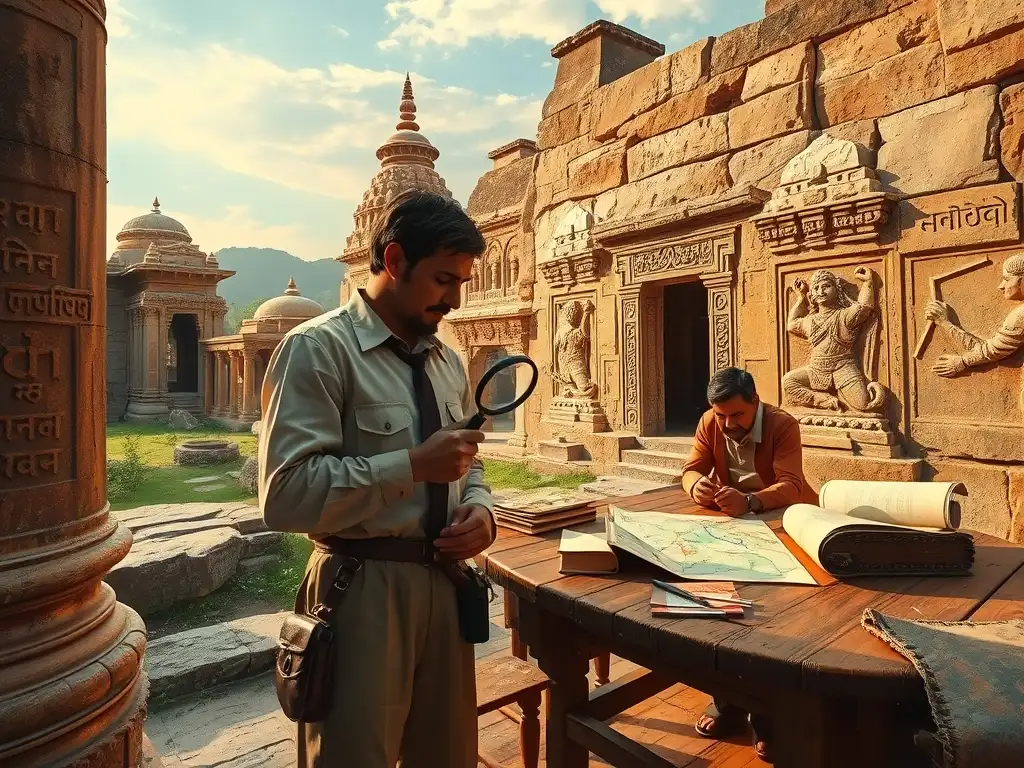
Epigraphy, the study of inscriptions, has revealed a wealth of information about ancient Indian civilizations, enabling historians to bridge the gap between myth and recorded history. Key discoveries, such as the inscriptions from the Indus Valley Civilization, have provided insights into the social, political, and economic structures of early urban settlements. For example, the seals found at sites like Mohenjo-Daro and Harappa exhibit symbols that suggest a form of proto-writing, indicating a sophisticated understanding of commerce and communication.
The impact of these discoveries extends beyond individual sites; they collectively reshape our understanding of regional interactions and cultural exchanges across ancient India. The edicts of Emperor Ashoka, inscribed in various locations, not only disseminated his policies but also highlighted the spread of Buddhism and the moral values of the time. These findings have allowed scholars to construct a more nuanced narrative of India's past, challenging traditional interpretations based on oral histories and religious texts.
Major Archaeological Sites and Their Inscriptions
Major Archaeological Sites and Their Inscriptions
Several archaeological sites across India have yielded significant epigraphic evidence, each contributing uniquely to our understanding of ancient civilizations.
- Ashoka's Edicts: Found in various locations such as Lumbini, Sarnath, and the Rock Edicts at Dhauli, these inscriptions reflect the moral and administrative philosophies of the Mauryan Empire.
- The Indus Valley Civilization: Sites like Mohenjo-Daro and Harappa feature seals with script and symbols that remain undeciphered, yet they point to a complex society engaged in trade and craft production.
- The Gupta Period: Inscriptions from sites such as Udayagiri and the Allahabad Pillar provide insights into the political landscape and cultural achievements during the Gupta Dynasty, often referred to as the Golden Age of India.
These sites not only serve as repositories of historical data but also as focal points for understanding the evolution of languages, scripts, and cultural practices over millennia.
Contributions of Scholars in Epigraphic Studies
The field of epigraphy has seen substantial contributions from various scholars, whose rigorous research and methodologies have advanced our understanding of ancient inscriptions. Pioneers such as Alexander Cunningham, often regarded as the father of Indian archaeology, laid the groundwork for systematic studies of inscriptions. His work on the inscriptions of Asoka provided valuable insights that are still referenced today.
More contemporary scholars, including the likes of Romila Thapar and R. C. Majumdar, have expanded the discourse by contextualizing inscriptions within broader socio-political narratives. Their interpretations often highlight the interplay between power structures and cultural dynamics, illustrating how inscriptions serve as tools for both governance and propaganda.
Additionally, interdisciplinary approaches that incorporate linguistics, archaeology, and history have enriched epigraphic studies, allowing for a more holistic understanding of ancient Indian societies.
Notable Inscriptions and Their Historical Import
Numerous inscriptions have played a crucial role in shaping our comprehension of ancient Indian history.
- The Ashoka Edicts: These inscriptions are not only pivotal for understanding Ashoka's reign but also mark the diffusion of Buddhism across Asia.
- The Allahabad Pillar Inscription: This inscription, detailing the achievements of Samudragupta, provides a narrative of military conquests and political alliances during the Gupta Period, thus illustrating the era’s expansionist policies.
- The Junagadh Rock Inscription: This inscription sheds light on the interactions between the indigenous populations and the Western coastal dynasties, reflecting the syncretic nature of ancient Indian cultures.
These notable inscriptions serve as primary sources that validate historical accounts and enrich our understanding of the socio-political landscape of ancient India.
Challenges in Interpreting Epigraphic Evidence
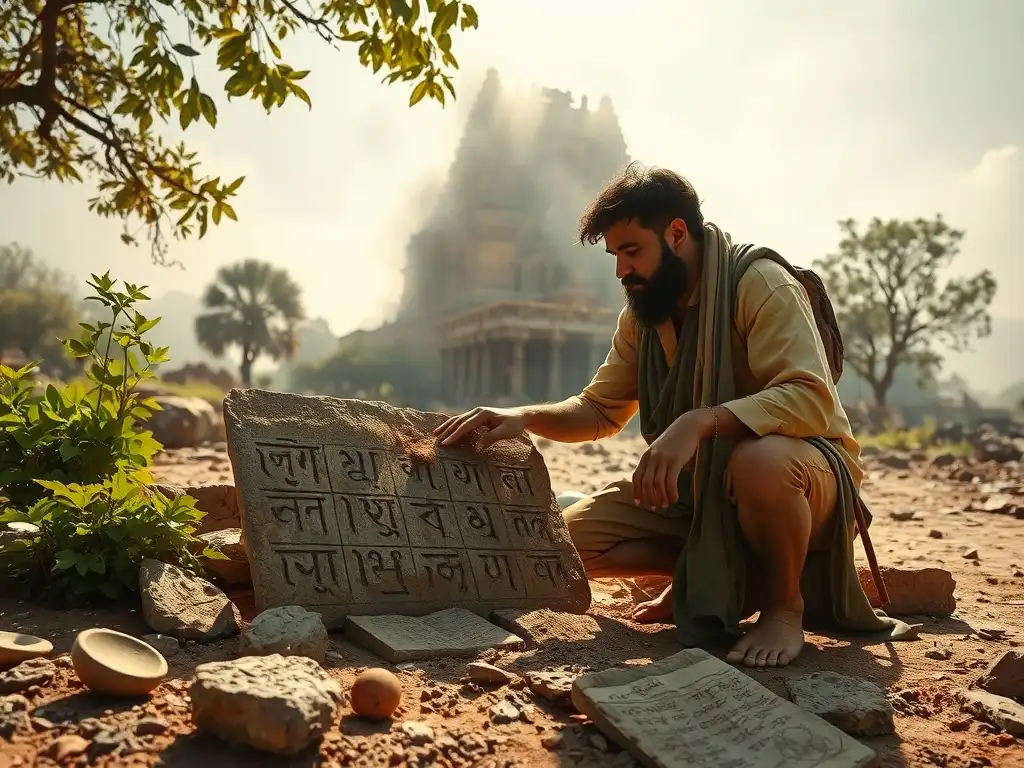
Despite the wealth of information that epigraphic evidence provides, interpreting these inscriptions poses significant challenges.
Issues of Language and Script in Ancient Inscriptions
The diversity of languages and scripts used in ancient inscriptions complicates interpretation. Inscriptions such as those from the Indus Valley Civilization remain undeciphered, leading to ongoing debates about their meaning and significance. Similarly, the transition from Brahmi to other scripts during various historical phases presents challenges for scholars attempting to understand linguistic evolution.
Moreover, the multilingual nature of ancient Indian society means that inscriptions often reflect localized dialects and idioms, which can obscure their intended messages when taken out of context.
Contextualizing Inscriptions within Cultural Frameworks
Understanding the cultural milieu in which inscriptions were created is crucial for accurate interpretation. Inscriptions cannot be viewed in isolation; they are products of their time, influenced by regional traditions, religious beliefs, and socio-political dynamics. For example, the royal edicts of Ashoka must be understood within the context of his conversion to Buddhism and the subsequent promotion of non-violence and moral governance.
Failure to contextualize inscriptions can lead to misinterpretations, where scholars might project modern values or beliefs onto ancient texts, distorting their original meanings.
The Debate over Authenticity and Interpretation
The authenticity of inscriptions is often a point of contention among scholars. Questions about the provenance, dating, and preservation of epigraphic evidence can raise doubts about their reliability as historical sources. For instance, some inscriptions may have been altered or replicated over time, complicating the task of verifying their authenticity.
Additionally, differing interpretations of the same inscription can lead to scholarly debates, as seen in discussions surrounding the political implications of the Allahabad Pillar Inscription. Such debates are essential for advancing the field but can also create confusion and contention regarding established historical narratives.
While epigraphic evidence in ancient India offers invaluable insights into the past, it requires careful analysis and contextualization to ensure that interpretations are grounded in historical reality.
Conclusion: The Significance of Epigraphic Evidence in Understanding Ancient India
Epigraphic evidence plays a crucial role in bridging the divide between myth and history in ancient India. Inscriptions provide tangible proof of historical events, governance, cultural practices, and societal norms, allowing historians to reconstruct a more accurate narrative of India's past. Unlike oral traditions and texts that can be prone to embellishment, inscriptions offer a form of documentation that is often contemporaneous with the events they describe. This reliability is key for scholars aiming to differentiate between mythological accounts and historical facts.
Furthermore, epigraphic evidence has illuminated various aspects of ancient Indian civilizations, such as the evolution of languages, scripts, and administrative systems. The study of inscriptions has not only enriched our understanding of political history but has also shed light on economic practices, trade networks, and even religious beliefs. As a result, epigraphy stands as a fundamental pillar in the study of ancient Indian history, making it indispensable for both researchers and historians.
The Role of Inscriptions in Modern Historical Research
In the realm of modern historical research, inscriptions serve as primary sources that enrich our understanding of ancient societies. They provide specific information about rulers, territorial boundaries, and significant events, which helps historians piece together the timeline of ancient India. For instance, the edicts of Ashoka, inscribed on pillars and rocks, offer insights into the Mauryan Empire's policies, ethical governance, and the promotion of Buddhism.
Inscriptions also allow for comparative studies across different regions and time periods, enabling researchers to identify patterns and discrepancies in historical narratives. This comparative analysis is vital for understanding how regional dynamics influenced broader historical developments. Moreover, technological advancements in epigraphy, such as digital imaging and 3D scanning, have opened new avenues for analyzing inscriptions, further enhancing their significance in contemporary scholarship.
Future Prospects for Epigraphy in Unraveling Ancient Indian History
The future of epigraphy in unraveling ancient Indian history appears promising, with advancements in technology and interdisciplinary approaches poised to deepen our understanding. Machine learning and artificial intelligence are increasingly being utilized to analyze inscriptions, allowing for the identification of patterns and connections that may have been overlooked by traditional methods.
Moreover, the integration of epigraphy with archaeology and anthropology is likely to yield richer contextual insights, bridging gaps between material culture and written records. As researchers continue to unearth new inscriptions and interpret existing ones, we can expect a more nuanced and comprehensive understanding of ancient Indian civilization. The ongoing collaborations between historians, linguists, and technologists will undoubtedly lead to exciting discoveries that will reshape our perspectives on India’s vast historical landscape.
References and Further Reading on Epigraphic Evidence in Ancient India
For those interested in delving deeper into the study of epigraphic evidence in ancient India, a variety of resources are available. These provide valuable insights into methodologies, interpretations, and case studies related to inscriptions.
Recommended Books and Articles
- "Inscriptions of Ashoka" by D.C. Sircar - A comprehensive analysis of Ashoka’s edicts and their implications for understanding his reign.
- "The Archaeology of Early Historic South Asia" by Robin Coningham and Ruth Young - Discusses the intersection of archaeological findings and epigraphic evidence in reconstructing ancient societies.
- "Indian Epigraphy" by D.C. Sircar - A foundational text that outlines the significance of inscriptions and their role in historical research.
Notable Journals in Epigraphy and Ancient History
- Journal of Indian History - Publishes scholarly articles on various aspects of Indian history, including epigraphy.
- Epigraphia Indica - Focuses specifically on inscriptions from India, presenting research findings, new discoveries, and interpretative analyses.
- Indian Historical Review - A peer-reviewed journal that covers a wide range of topics in Indian history, often featuring articles that highlight the role of inscriptions in historical research.
- Introduction to Epigraphic Evidence in Ancient India
- Historical Context of Epigraphic Evidence
- Types of Epigraphic Evidence in Ancient India
- Analyzing the Myth and Reality of Ancient Indian History
- Key Discoveries in Epigraphy and Their Impact
- Major Archaeological Sites and Their Inscriptions
- Contributions of Scholars in Epigraphic Studies
- Notable Inscriptions and Their Historical Import
- Challenges in Interpreting Epigraphic Evidence
- Conclusion: The Significance of Epigraphic Evidence in Understanding Ancient India
- References and Further Reading on Epigraphic Evidence in Ancient India
- What is epigraphic evidence in ancient India?
- How does epigraphic evidence help us understand ancient Indian history?
- What are some notable examples of epigraphic evidence in ancient India?
- How does studying epigraphic evidence contribute to our knowledge of ancient Indian culture?
- Are there challenges associated with interpreting epigraphic evidence?
Frequently Asked Questions
What is epigraphic evidence in ancient India?
Epigraphic evidence refers to inscriptions found on monuments, coins, and other artifacts that provide insight into the historical, cultural, and social aspects of ancient Indian civilizations.
How does epigraphic evidence help us understand ancient Indian history?
It serves as a bridge between myth and history, offering concrete data that can validate or challenge historical narratives derived from literary sources.
What are some notable examples of epigraphic evidence in ancient India?
Famous examples include the Edicts of Ashoka, which convey moral and political messages, and the inscriptions found at the sites of ancient temples, which reveal insights into religious practices.
How does studying epigraphic evidence contribute to our knowledge of ancient Indian culture?
It provides valuable information about language, religion, governance, and daily life, allowing historians to construct a more comprehensive view of ancient societies.
Are there challenges associated with interpreting epigraphic evidence?
Yes, challenges include erosion, incomplete inscriptions, and language evolution, which can complicate the analysis and interpretation of these crucial historical artifacts.
Final Reflection: Unveiling Truths Through Epigraphic Evidence
The exploration of epigraphic evidence in ancient India serves as a vital reminder of how we can bridge the chasm between myth and history. In a world where narratives often blur the lines between fact and fiction, the inscriptions left behind by our ancestors offer a tangible connection to the past. They not only illuminate the historical realities of ancient civilizations but also challenge us to reconsider the stories we've been told. The significance of these artifacts is profound; they are not merely relics but keys that unlock a deeper understanding of our shared human experience.
The impact of epigraphic evidence extends beyond academic circles; it resonates within the cultural and social fabric of contemporary society. As we delve into these ancient texts, we find reflections of our own identities, values, and beliefs. The stories etched in stone remind us that history is not static; it is a living narrative that continues to shape our present and future.
As historian Romila Thapar aptly stated, "> History is not just about the past; it is about the present and the future." This ongoing dialogue between past and present encourages us to engage with our history critically and thoughtfully, fostering a sense of continuity and belonging.
As we conclude this exploration, I invite you to reflect on the lessons of epigraphic evidence in ancient India and their relevance in your own life. Consider how the stories of those who came before us can inform our understanding of the world today. Let us strive to honor these narratives by seeking knowledge, questioning assumptions, and embracing the complexity of our shared history. In doing so, we not only enrich our own lives but also contribute to a more nuanced and inclusive understanding of the human journey.
Unveil the Secrets of Ancient Indian Epigraphy!
Thank you for journeying through the fascinating world of ancient Indian epigraphy with us! You’ve uncovered how ancient inscriptions not only tell captivating stories but also bridge the chasm between myth and history. Now, let’s take these insights a step further – here’s how you can dive deeper and make a real impact with what you’ve learned.
- Start your own research project: Explore local libraries or online databases to find epigraphic evidence in your area and document your findings.
- Join a community: Connect with fellow history enthusiasts through forums or social media groups to share insights and discuss how epigraphy enhances our understanding of ancient cultures.
- Share what you’ve learned: Write a blog post or create a presentation about your favorite epigraphic discoveries and their impact on our understanding of history!
How do you think ancient inscriptions have changed your perspective on history? We would love to hear your thoughts!