
The Battle of Khajuraho: Myths and Realities

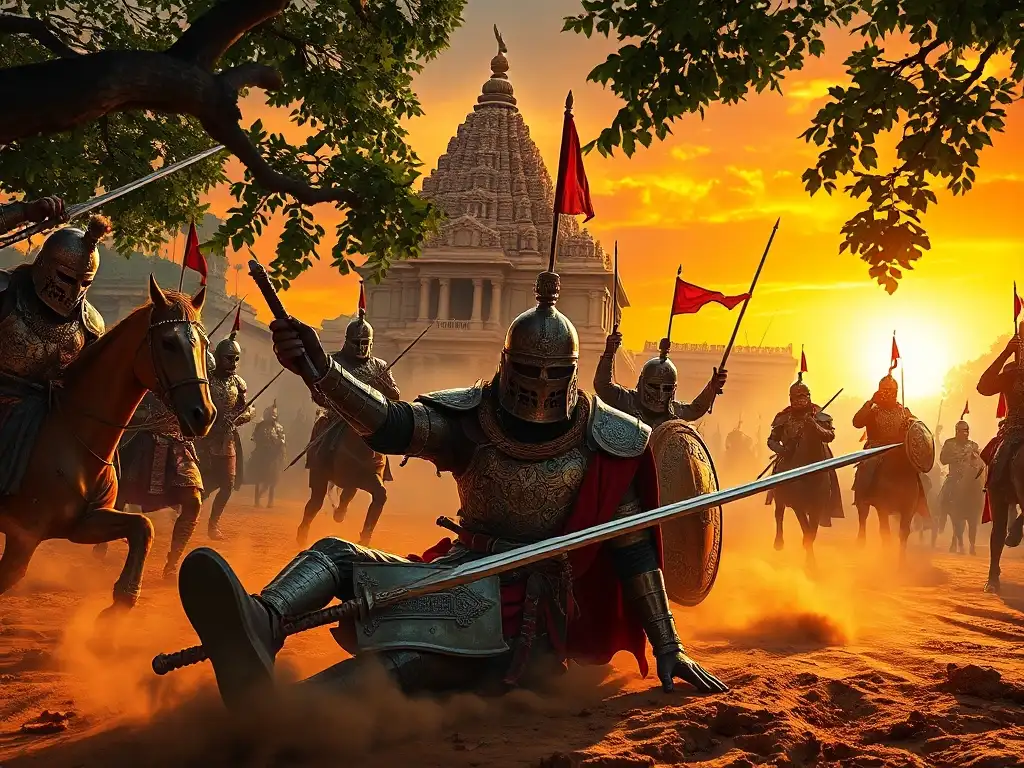
Welcome to Ancient India History, where we embark on a fascinating journey through time to uncover the rich tapestry of ancient Indian civilizations. Dive into our featured article, “The Battle of Khajuraho: Myths and Realities,” and explore the captivating narratives that surround this pivotal moment in military history. What truths lie beneath the legends? What insights can we gain about the culture and strategies of the era? Prepare to unravel the mysteries of the past and discover how the echoes of Khajuraho resonate in our understanding of history today. Your adventure begins now!
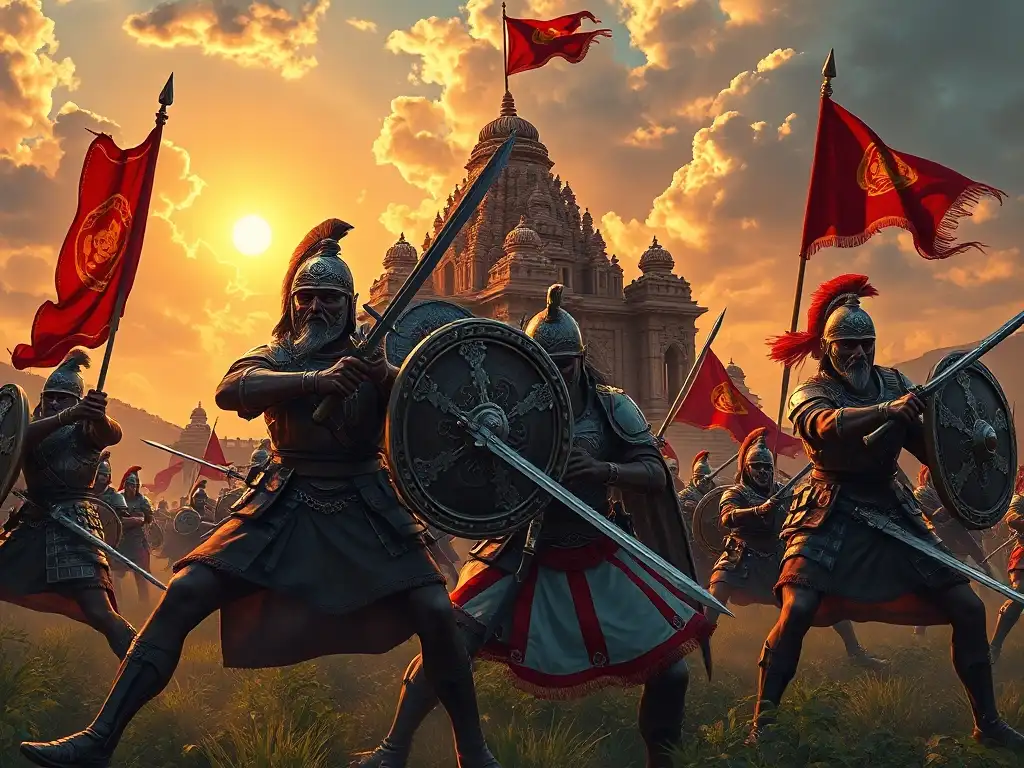
Introduction to the Battle of Khajuraho
The Battle of Khajuraho stands as a significant chapter in the annals of ancient Indian military history. This conflict, often overshadowed by the grandeur of the temples that adorn the Khajuraho region, represents not only a clash of arms but also a confluence of cultures, ideologies, and power dynamics that were prevalent during its time.
As we delve into the complexities of this battle, we aim to unravel the myths that have emerged around it, juxtaposing them with the historical realities that shaped its course and outcome. Understanding the true nature of the Battle of Khajuraho history is crucial for appreciating its impact on the political landscape of ancient India and recognizing the broader implications it had for subsequent generations.
Overview of the Historical Context
The Battle of Khajuraho occurred during a period marked by the rise and fall of various dynasties in India. Situated in the heart of Madhya Pradesh, Khajuraho was not just a geographical location but a pivotal site that played witness to the struggles for supremacy among regional rulers. The battle was framed against a backdrop of territorial disputes, alliances, and the quest for dominance among the powerful clans of the time.
During the 10th and 11th centuries, the region was significantly influenced by the Chandela dynasty, known for its architectural marvels and cultural contributions. The political landscape was fraught with competition, as neighboring kingdoms vied for control over trade routes and resources. This context sets the stage for understanding the motivations that led to the outbreak of hostilities at Khajuraho.
Significance of the Battle in Ancient Indian History
The Battle of Khajuraho is not merely an isolated event; it is emblematic of the broader military strategies and political maneuvers characteristic of ancient Indian warfare. Its significance lies in several facets:
- Cultural Exchange: The battle facilitated interactions between diverse cultures, leading to a blend of military tactics and diplomatic strategies that would influence future conflicts.
- Political Ramifications: The outcomes of the battle had lasting effects on the power dynamics within the region, altering the balance of power among the surrounding kingdoms.
- Historical Legacy: The narratives and accounts of this battle have been preserved over centuries, contributing to the rich tapestry of Indian history and serving as a source of inspiration for subsequent generations.
Myths Surrounding the Battle of Khajuraho
Despite its historical importance, the Battle of Khajuraho has been shrouded in myths that often distort its true nature. In this section, we will explore some of the most prevalent myths and juxtapose them with the realities that underpin this fascinating event.
Myth 1: The Battle was a Simple Skirmish
One of the most common misconceptions is that the Battle of Khajuraho was merely a minor skirmish between local forces. In reality, this conflict involved strategic military planning and significant troop movements, highlighting the complexity and scale of ancient Indian warfare. The engagement was marked by tactical maneuvers that reflected the sophisticated military understanding of the time.
Myth 2: The Battle Involved Only Local Forces
Contrary to the belief that only local factions participated in the battle, historical accounts suggest that various regional powers were involved. The conflict drew in allies and adversaries from surrounding territories, making it a significant military engagement that transcended local disputes. This wider participation underscores the interconnectedness of ancient Indian states and their military endeavors.
Myth 3: The Outcome was Predetermined
Another prevalent myth posits that the outcome of the Battle of Khajuraho was predetermined. However, the realities of ancient warfare are often unpredictable, influenced by myriad factors such as leadership, morale, and battlefield conditions. The dynamic nature of the conflict reveals that the result was far from assured, showcasing the resilience and adaptability of the forces involved.
By examining these myths and uncovering the truths that lie behind them, we can gain a deeper appreciation for the Battle of Khajuraho and its place in the rich tapestry of ancient Indian military history.
Realities of the Battle of Khajuraho
The Battle of Khajuraho, often shrouded in myth and legend, holds significant historical realities that provide insights into the military strategies, alliances, and implications of this conflict. Understanding these aspects allows us to appreciate the broader context of ancient Indian warfare and its lasting effects on the region.
Reality 1: Strategic Importance of the Region
Khajuraho, located in present-day Madhya Pradesh, was not merely a picturesque site known for its temples; it was a strategic hub during ancient times. The region's geographical positioning made it a critical junction for trade routes connecting north and south India, facilitating the movement of goods, culture, and military forces. Control of Khajuraho meant dominance over trade and communication, which was vital for any emerging power.
The battle, therefore, was not just a conflict between armies; it was a fight for control over an economically and strategically significant area. The influence of the region extended beyond its immediate borders, impacting neighboring states and tribes, thereby increasing the stakes of the battle.
Reality 2: Diverse Forces and Alliances
One of the fascinating aspects of the Battle of Khajuraho was the diversity of forces involved. The conflict saw a mix of local kingdoms and external allies, each bringing their unique strategies and military traditions to the forefront.
The armies comprised infantry, cavalry, and war elephants, which were common in ancient Indian warfare. The alliance dynamics were complex, with various regional powers uniting against a common enemy, reflecting the intricate political landscape of the time. Such coalitions often shifted, highlighting the fluid nature of ancient Indian alliances, which were frequently based on immediate political needs rather than long-term loyalty.
This diversity in forces not only made the battle itself a spectacle of strategy and valor but also underscored the interconnectedness of different cultures and military practices in ancient India.
Reality 3: The Battle's Impact on Subsequent Conflicts
The ramifications of the Battle of Khajuraho extended well beyond its immediate outcome. The conflict reshaped alliances and rivalries, leading to a series of subsequent battles as regional powers sought to assert their dominance in the wake of the struggle.
The tactics and strategies employed in this battle influenced future military engagements, with commanders learning from both successes and failures. Additionally, the political landscape of the area was altered, setting the stage for new power dynamics that would define the region for years to come.
This battle also contributed to the cultural narrative of valor and heroism in military history, inspiring future generations and becoming a part of local folklore and tradition.
Key Figures in the Battle of Khajuraho
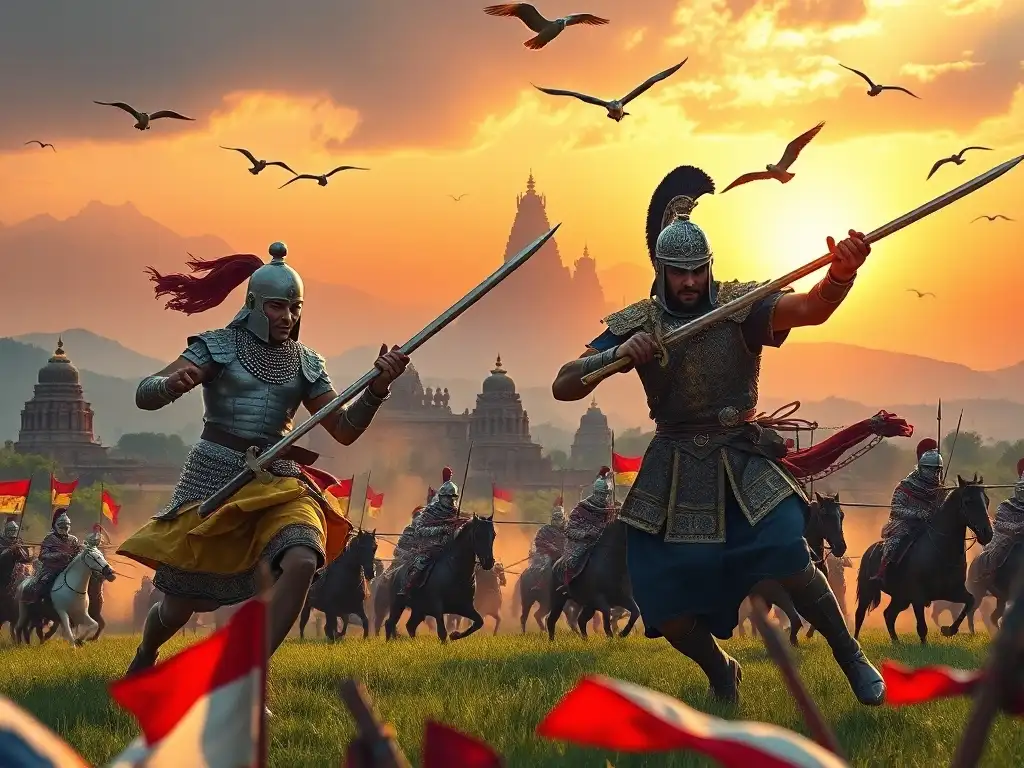
The Battle of Khajuraho was marked by influential leaders and a diverse group of soldiers who played pivotal roles in shaping the course of the conflict. Their strategies, decisions, and the composition of their forces are critical to understanding the battle's intricacies.
Influential Leaders and Their Roles
The battle featured several key figures whose leadership and strategic prowess were crucial. Notable among them were the rulers of the local kingdoms, whose ambitions often drove the conflict.
For instance, the commander of the defending forces was known for his tactical brilliance and ability to inspire his troops. His strategies included using the terrain to his advantage, employing guerrilla tactics, and forming alliances with neighboring tribes to bolster his forces.
On the opposing side, the leader of the invading army was equally formidable, known for his aggressive tactics and ambition to expand his territory. His approach often involved direct assaults and the use of psychological warfare to destabilize the enemy.
These leaders not only influenced the battle's tactics but also the morale of their respective troops, making their roles pivotal in the overall outcome.
The Soldiers: Composition and Tactics
The composition of the armies at the Battle of Khajuraho reflects the military practices of ancient India. Soldiers were primarily composed of infantry, cavalry, and war elephants, each playing distinct roles in the battle.
- Infantry: The backbone of both armies, infantry units were typically armed with swords, shields, and bows. They engaged in close combat and were crucial for holding ground.
- Cavalry: Cavalry units, often consisting of horsemen, provided mobility and speed, enabling rapid flanking maneuvers and retreats when necessary.
- War Elephants: Used as both a shock force and a psychological tool, war elephants were instrumental in breaking enemy lines and causing chaos in the ranks.
Tactics employed during the battle included formations that maximized the strengths of each unit type. The leaders utilized the local terrain to create ambush points and defensive positions, showcasing the tactical depth of ancient Indian military strategy.
Overall, the blend of diverse forces and the strategic leadership of key figures significantly shaped the outcome of the Battle of Khajuraho, leaving an indelible mark on the history of military engagements in ancient India.
Military Strategies Employed in the Battle
Overview of Ancient Indian Warfare Techniques
Ancient Indian warfare was characterized by a blend of traditional techniques and innovative strategies, influenced by the diverse geographical landscape and rich cultural practices of the region. Warfare in ancient India often emphasized the importance of chariots, cavalry, and infantry, with each army typically employing a combination of these forces to achieve tactical superiority. The use of elephants as war beasts was also a hallmark of Indian military strategy, providing both strength and psychological advantage in battles.
Key techniques included:
- Formation Tactics: Ancient Indian armies often utilized specific formations, such as the "Chakra" (wheel) and "Vyuha" (battle array), to maximize their combat effectiveness and leverage the strengths of their troops.
- Siege Warfare: Fortifications were common, and the ability to conduct sieges effectively was vital. Armies would employ methods like blockade, undermining walls, and direct assault to conquer fortified cities.
- Diplomacy and Alliances: Many battles were preceded by attempts at negotiation or forming alliances, showcasing the importance of political maneuvering alongside military might.
Unique Tactics Used at Khajuraho
The Battle of Khajuraho, which took place in the context of rising tensions among regional powers, showcased unique military tactics that reflected both the strategic acumen of leaders and the specific challenges of the terrain. Notable tactics included:
- Ambush and Guerrilla Warfare: Smaller factions employed hit-and-run tactics, taking advantage of the dense forests and hilly terrain surrounding Khajuraho. This element of surprise often disrupted larger enemy formations.
- Psychological Warfare: Both sides utilized propaganda and fear tactics to demoralize opponents. The presence of fierce warriors and the display of religious symbols during battle aimed to instill fear in the enemy ranks.
- Use of Terrain: Commanders skillfully harnessed the natural landscape to shield their forces and channel enemy movements, proving crucial in the battle's outcome. High ground and narrow passes were tactically utilized to set ambushes.
Consequences of the Battle of Khajuraho
Immediate Aftermath and Territorial Changes
The immediate aftermath of the Battle of Khajuraho significantly reshaped the political landscape of the region. Following the conflict, several key consequences emerged:
- Territorial Realignments: The victors of the battle were able to expand their territory and influence, leading to a reconfiguration of power dynamics among regional kingdoms. This often resulted in the establishment of new boundaries that reflected the outcomes of the battle.
- Refugee Movement: The defeat of certain factions led to mass migrations and the displacement of populations, as families sought safety in neighboring territories. These movements often influenced the demographic landscape of the region for decades.
- Cultural Exchange: The battle's outcome fostered new alliances and interactions between diverse communities, leading to an exchange of cultural practices, trade relationships, and military techniques.
Long-term Effects on Ancient Indian Society
The long-term effects of the Battle of Khajuraho reverberated throughout ancient Indian society, influencing various facets of life:
- Political Developments: The shifting power dynamics post-battle contributed to the rise and fall of various dynasties, laying the groundwork for future conflicts and alliances that characterized the region's political history.
- Cultural Integration: As victors and vanquished interacted in the aftermath, there was a blending of cultural practices that enriched local traditions and contributed to the development of a shared historical narrative.
- Military Reforms: The lessons learned from the battle prompted shifts in military strategy and organization, influencing training, recruitment, and the development of new warfare technologies in subsequent generations.
In sum, the Battle of Khajuraho was not merely a military engagement; it was a pivotal event that shaped the socio-political landscape of ancient India for years to come.
Conclusion: Understanding the Battle of Khajuraho
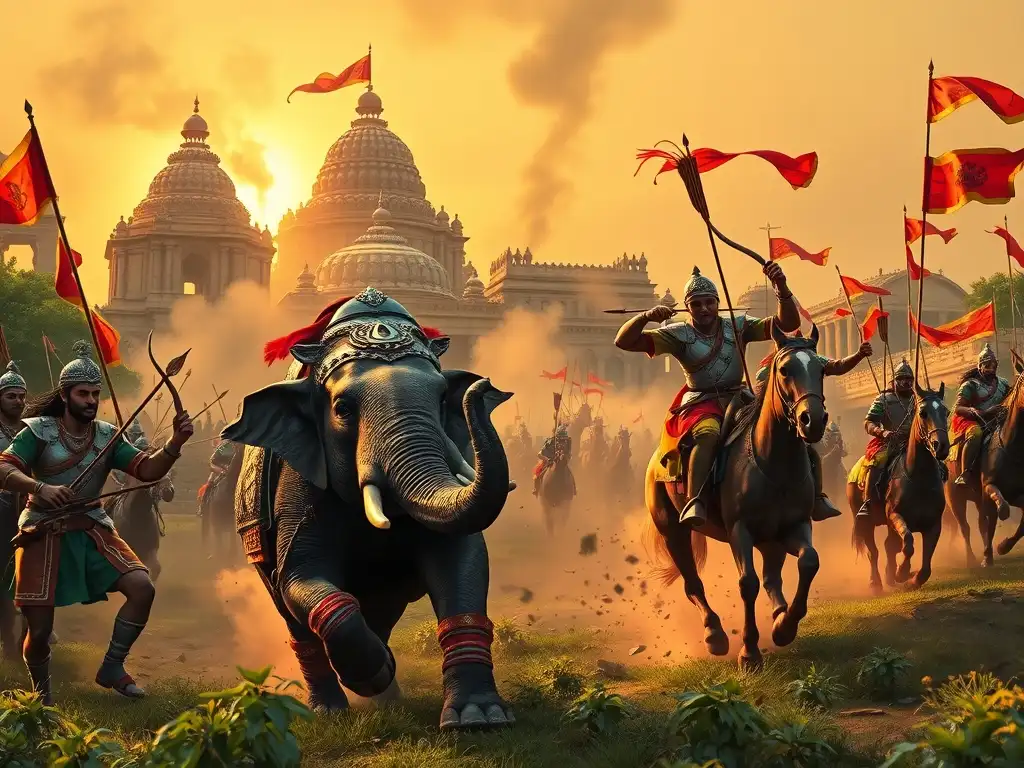
The Battle of Khajuraho stands as a significant event in the tapestry of ancient Indian military history. This battle, often shrouded in a blend of myth and historical fact, illustrates the complexities of historical interpretation in ancient narratives. To truly understand the impact and significance of this battle, it is essential to sift through the layers of legend that have accumulated over the centuries. By examining both the historical context and the various accounts of the battle, one can appreciate not only the military strategies employed but also the cultural and political ramifications of the conflict.
The battle's location in Khajuraho, known today for its stunning temples adorned with intricate carvings, adds a layer of depth to its historical significance. These temples, built during the Chandela dynasty, symbolize the artistic and spiritual zenith of the period, which was simultaneously marked by military endeavors such as this battle. Thus, the battle is not just a military affair but also a reflection of the broader socio-political landscape of ancient India.
Reflection on Myths vs. Realities
The narratives surrounding the Battle of Khajuraho are often colored by myths that have been passed down through generations. Some accounts suggest that the battle was fought over religious differences, while others highlight the personal rivalries between leaders. These embellishments serve to enhance the drama of the story but can obscure the actual events that transpired.
In historical analysis, distinguishing between myth and reality is crucial. Myths may serve cultural purposes, such as fostering a sense of identity or moral lessons, but they can also lead to misconceptions about the past. For instance, the romanticized tales of heroism and valor in battle can overshadow the more complex motivations and consequences of the conflict. By critically examining these narratives, historians and enthusiasts alike can strive for a more nuanced understanding of the Battle of Khajuraho.
Importance of Accurate Historical Narratives
Accurate historical narratives are vital for several reasons. First, they provide a foundation for understanding the military strategies, political dynamics, and social structures of ancient civilizations. The Battle of Khajuraho, when viewed through a factual lens, reveals insights into the power struggles that characterized the era and the implications of warfare on societal development.
Moreover, accurate accounts contribute to the preservation of cultural heritage. They ensure that future generations can learn from the past without the distortion of myths that may lead to flawed interpretations. This is particularly important in a country like India, where history is rich and varied, yet often subject to reinterpretation based on contemporary perspectives.
Lastly, a commitment to factual history fosters respect for the complexities of human experience. Recognizing that battles like Khajuraho were not merely contests of might but involved deep-rooted issues of loyalty, governance, and community allows for a more empathetic understanding of those who lived through these tumultuous times. Ultimately, the pursuit of historical accuracy is not just an academic endeavor; it is crucial for nurturing a well-informed society that can appreciate its heritage while learning from its past.
- Introduction to the Battle of Khajuraho
- Myths Surrounding the Battle of Khajuraho
- Realities of the Battle of Khajuraho
- Key Figures in the Battle of Khajuraho
- Military Strategies Employed in the Battle
- Consequences of the Battle of Khajuraho
- Conclusion: Understanding the Battle of Khajuraho
- Reflection on Myths vs. Realities
- Importance of Accurate Historical Narratives
- What was the Battle of Khajuraho?
- What are the key myths associated with the Battle of Khajuraho?
- How did the Battle of Khajuraho impact ancient Indian civilization?
- What contributions did the Chandela dynasty make in relation to the Battle of Khajuraho?
- Where can I find more information about the Battle of Khajuraho history?
Frequently Asked Questions
What was the Battle of Khajuraho?
The Battle of Khajuraho refers to a historical conflict that took place during a significant period in ancient India, particularly involving the Chandela dynasty.
What are the key myths associated with the Battle of Khajuraho?
Numerous myths surround the battle, often blending historical events with folklore, leading to misinterpretations of its actual significance and outcomes.
How did the Battle of Khajuraho impact ancient Indian civilization?
The battle played a crucial role in shaping the political landscape of the time, influencing alliances and territorial claims among various Indian kingdoms.
What contributions did the Chandela dynasty make in relation to the Battle of Khajuraho?
The Chandela dynasty is renowned for its architectural achievements, particularly the Khajuraho temples, which reflect the cultural and historical context of the battle.
Where can I find more information about the Battle of Khajuraho history?
For an in-depth exploration, visit the Ancient India History website, which provides detailed insights into the battle's significance, myths, and realities in the broader context of ancient Indian history.
Final Reflection: Unraveling the Myths of the Battle of Khajuraho
The Battle of Khajuraho remains a pivotal chapter in history, intricately woven with both myth and reality. As we delve into the layers of this historical event, we uncover not only the strategic significance of the battle itself but also its enduring impact on our understanding of cultural identity and heritage. The stories surrounding Khajuraho, often romanticized or distorted, challenge us to confront the complexities of historical narratives and their relevance in today's world. In a time when history is often reinterpreted, the truth behind the Battle of Khajuraho invites us to engage with our past more critically.
Cultural narratives shape our collective memory, and the Battle of Khajuraho is no exception. The myths surrounding this battle have influenced not only how we perceive historical events but also how we understand our cultural identity in the modern context. The echoes of this battle resonate in our contemporary discussions about heritage, nationalism, and the preservation of history. > “History is not a burden on the memory but an illumination of the soul.” This quote encapsulates the essence of how we should approach the narratives of our past, allowing them to inform our present and guide our future.
As we reflect on the lessons from the Battle of Khajuraho, let us be inspired to seek the truth behind the myths that surround us. I encourage you to explore your own historical narratives, question the stories you have been told, and engage with the complexities of your cultural heritage. By doing so, you not only honor the past but also empower yourself to shape a more informed and nuanced future. Embrace the journey of discovery, for in understanding our history, we find the keys to our identity and the potential for growth.
Unveil the Legends: Take Action Now!
Thank you for diving into the captivating world of Khajuraho! We hope this exploration has ignited your curiosity about the myths and realities surrounding this historical marvel. Now, let’s transform that knowledge into action and further embrace the beauty of Ancient India.
- Explore the intricate temples in person or through virtual tours to truly experience the energy and artistry of Khajuraho.
- Share your insights about the most intriguing myths and realities with friends or on social media—let’s spread the knowledge!
- For a deeper understanding, consider joining a local history group or online forum to discuss these fascinating topics and connect with like-minded enthusiasts.
What aspect of Khajuraho's rich history resonates with you the most, and how will you continue your journey into its legendary past?