
How to Overcome Common Challenges in Exporting Indian Goods

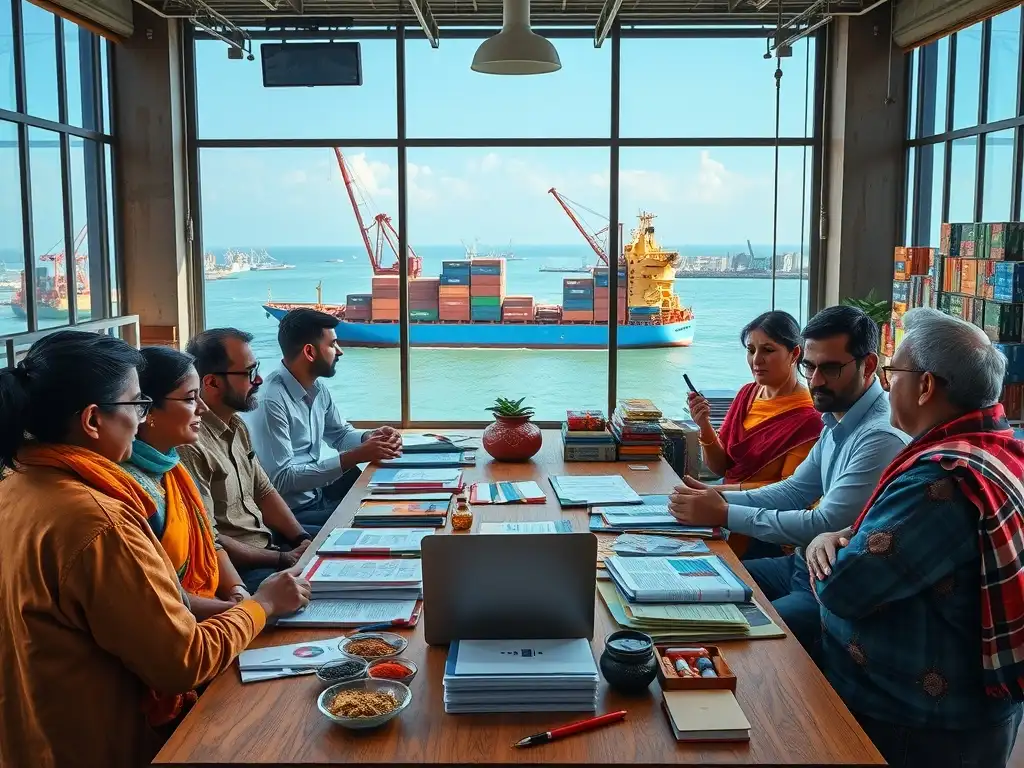
Welcome to Ancient India History, where we embark on a fascinating journey through the rich tapestry of ancient Indian civilizations, uncovering their remarkable culture and contributions. In our latest article, we delve into the export challenges for Indian goods, a topic that highlights the intricate interplay between history and modern commerce. As we explore how these challenges can be navigated, you'll discover not only the historical context but also the innovative strategies that can shape the future of Indian exports. Join us as we unravel the past to empower the present—your exploration begins here!
- Introduction to Export Challenges for Indian Goods
- Identifying Key Export Challenges for Indian Goods
- Strategies to Overcome Export Challenges for Indian Goods
- Case Studies: Successful Indian Exporters Overcoming Challenges
- Conclusion: Future of Exporting Indian Goods
- Call to Action: Resources for Exporting Indian Goods
-
Frequently Asked Questions
- What are the main challenges faced in exporting Indian goods?
- How can businesses navigate regulatory challenges in exports?
- What logistical issues commonly affect Indian exports?
- Why is it important for exporters to understand currency fluctuations?
- What strategies can be implemented to enhance the export process?
- Final Reflection: Navigating the Path to Successful Exporting
- Conquer Your Export Challenges Today!
Introduction to Export Challenges for Indian Goods
Exporting goods from India presents immense opportunities for businesses looking to tap into global markets. However, navigating the complexities of international trade can be daunting. Export challenges for Indian goods encompass a range of issues that can hinder the smooth flow of products across borders, from regulatory compliance to logistical hurdles.
Understanding these challenges is vital for businesses aiming to expand their reach and maximize their potential in the competitive global landscape. This article delves into the common obstacles faced by Indian exporters and offers insights on how to effectively overcome them, ensuring a more streamlined and successful export process.
Understanding the Significance of Exporting Indian Goods
Exporting Indian goods is not just a business venture; it plays a crucial role in the country's economic growth and development. Here are some key points highlighting its significance:
- Economic Growth: Exports contribute significantly to India's GDP. The growth of the export sector can lead to increased production and job creation.
- Cultural Exchange: By exporting goods, Indian businesses introduce their rich culture and heritage to the world, promoting cultural understanding and appreciation.
- Diversification of Markets: Engaging in international trade allows Indian businesses to diversify their markets, reducing dependency on the domestic market and minimizing risks associated with economic downturns.
- Access to Global Resources: Exporting opens avenues for Indian companies to access international resources, technology, and innovations that can enhance productivity and competitiveness.
Exporting not only boosts the Indian economy but also helps businesses to grow, innovate, and connect with the global community.
Overview of Common Export Challenges Faced by Indian Businesses
Despite the potential benefits, Indian exporters encounter various challenges that can impede their efforts. Below are some of the most common export challenges faced by Indian businesses:
- Regulatory Compliance:
- Understanding and adhering to international trade regulations can be complex and time-consuming.
- Frequent changes in policies and tariffs can create uncertainty.
- Logistical Issues:
- Inadequate infrastructure can lead to delays in shipping and higher transportation costs.
- Navigating customs procedures can be cumbersome, affecting delivery timelines.
- Quality Standards:
- Meeting the quality and safety standards set by importing countries is crucial yet challenging.
- Non-compliance can result in rejected shipments and loss of credibility.
- Market Research:
- Lack of detailed market research can lead to misaligned products and strategies that do not resonate with foreign consumers.
- Understanding local preferences and cultural nuances is essential for success.
- Financial Constraints:
- Limited access to finance can restrict the ability to scale operations for export purposes.
- Currency fluctuations can impact pricing and profitability.
By recognizing these challenges, Indian exporters can better prepare and implement strategies to address them, paving the way for a more successful export journey.
Identifying Key Export Challenges for Indian Goods

Exporting goods from India presents a myriad of challenges that can significantly impact the success of businesses in the international marketplace. Understanding these challenges is crucial for exporters to navigate the complexities of global trade effectively. Below, we explore some of the most common export challenges faced by Indian goods, focusing on regulatory compliance, quality control, and the associated documentation requirements.
Regulatory and Compliance Issues in Exporting
Regulatory and compliance issues are paramount when exporting Indian goods. These challenges can arise from a variety of factors, including the complexity of legal requirements and the necessity to adhere to international trade agreements.
Navigating Export Documentation Requirements
Export documentation is a critical aspect of international trade. It involves a series of documents that are essential for shipping goods across borders. Some of the most important documents include:
- Commercial Invoice: A document that outlines the sale transaction between the buyer and seller.
- Packing List: A detailed list of the shipped items, including descriptions, quantities, and weight.
- Bill of Lading: A legal document between the shipper and carrier that details the type, quantity, and destination of the goods.
- Certificate of Origin: A document that certifies the goods being exported originate from India.
Failure to prepare and submit these documents accurately can lead to delays, fines, or even the rejection of shipments. Exporters must remain diligent in ensuring that all paperwork is complete and compliant with the regulations of the importing country.
Understanding Customs Regulations and Tariffs
Customs regulations and tariffs pose another significant challenge for exporters. Each country has its own set of customs laws, tariffs, and duties that affect the importation of foreign goods. Exporters from India must understand:
- Harmonized System (HS) Codes: These codes classify products for customs purposes and determine the applicable tariffs.
- Import Restrictions: Certain goods may be subject to bans or restrictions in specific countries, impacting their exportability.
- Tariff Rates: Understanding the applicable tariff rates can help exporters calculate the total cost of export and set competitive prices.
Failure to comply with customs regulations can result in costly delays and penalties. Therefore, staying informed about the customs policies of target markets is essential for successful exporting.
Quality Control Challenges in Exporting Indian Goods
Quality control is another critical area where exporters must focus their efforts. Maintaining high standards is essential to meet the expectations of international markets and ensure customer satisfaction.
Maintaining Product Standards for Global Markets
Different countries have varying standards for product quality. For Indian exporters, this means adapting goods to meet international quality benchmarks. Key considerations include:
- Product Specifications: Understanding specific requirements for materials, design, and functionality that may differ from domestic standards.
- Market Research: Conducting thorough research to identify the quality expectations of target markets can prevent costly rejections or returns.
- Testing and Inspection: Implementing stringent testing and inspection protocols before shipment can help ensure that products meet the required standards.
By prioritizing product standards, exporters can enhance their competitiveness and reputation in global markets.
Ensuring Compliance with International Quality Certifications
Many international markets require compliance with specific quality certifications, such as ISO (International Organization for Standardization) or CE (Conformité Européenne) marking. Gaining these certifications can be challenging but is crucial for access to certain markets. Exporters should consider:
- Certifying Bodies: Engaging with recognized certification bodies to assist in obtaining the necessary quality certifications.
- Understanding Requirements: Familiarizing themselves with the standards and procedures needed for certification can streamline the process.
- Continuous Improvement: Committing to ongoing quality improvement initiatives can help exporters maintain compliance with evolving standards.
By addressing these quality control challenges, Indian exporters can better position their goods in the competitive global market and foster long-term business relationships.
Logistics and Transportation Hurdles
Logistics and transportation are crucial components in the export process, particularly for Indian goods. The geographical diversity and vastness of India present unique challenges, affecting the timely and efficient delivery of products. Factors such as inadequate infrastructure, unpredictable weather conditions, and bureaucratic delays can significantly hamper logistics operations.
In India, the transportation network is a mix of well-developed highways and underdeveloped rural roads, which can lead to delays in reaching ports. Additionally, the lack of multimodal transport facilities in some regions means that goods may need to be transported using multiple methods, increasing the complexity of logistics management. Furthermore, navigating customs regulations can be daunting, requiring exporters to stay updated with the latest compliance requirements to avoid penalties and delays.
To overcome these hurdles, exporters must develop comprehensive logistics strategies that include choosing optimal routes, utilizing technology for tracking shipments, and maintaining strong communication with all stakeholders involved in the supply chain.
Choosing Reliable Shipping Partners for Indian Goods
Selecting the right shipping partner is essential for mitigating logistics challenges when exporting Indian goods. A reliable shipping company can provide insights into best practices, help navigate regulatory requirements, and ultimately ensure timely delivery of products.
When evaluating potential shipping partners, exporters should consider factors such as:
- Experience and Reputation: Look for companies with a proven track record in handling similar products and a reputation for reliability.
- Network Coverage: Choose partners with extensive networks that can facilitate shipping to various international destinations without complications.
- Technology Utilization: Modern shipping companies often use advanced tracking systems that provide real-time updates on shipment status, which can help in proactive decision-making.
- Customer Service: Effective communication is key; ensure that the partner offers prompt responses and support throughout the shipping process.
By conducting thorough due diligence and fostering strong relationships with their shipping partners, exporters can significantly reduce the risks associated with logistics and transportation.
Managing Costs and Timelines in Export Logistics
Managing costs and timelines in export logistics is pivotal for the profitability of exporting Indian goods. Fluctuations in shipping rates, customs duties, and unforeseen delays can all contribute to increased costs, making it essential for exporters to implement strategic cost management practices.
To effectively manage these aspects, exporters can:
- Conduct Cost-Benefit Analyses: Regularly assess the costs associated with different shipping methods and partners to identify the most economical options without compromising service quality.
- Negotiate Contracts: Building long-term relationships with shipping partners often allows for better negotiation of rates and terms, reducing overall transportation costs.
- Optimize Inventory Management: Maintaining optimal inventory levels in target markets can minimize the need for expedited shipping, which is typically more expensive.
- Utilize Technology: Implementing logistics management software can provide visibility into the supply chain, enabling better forecasting and planning.
By prioritizing cost and timeline management, exporters can enhance their competitiveness in the global market while ensuring that their products reach customers in a timely and cost-effective manner.
Strategies to Overcome Export Challenges for Indian Goods

Developing a Comprehensive Export Strategy
A successful export strategy serves as the backbone for mitigating challenges in the export of Indian goods. By developing a comprehensive approach, exporters can navigate complexities such as regulatory compliance, market entry barriers, and logistical hurdles.
Conducting Market Research to Identify Opportunities
Conducting thorough market research is crucial for identifying viable export opportunities. This process involves:
- Analyzing Target Markets: Understanding the economic conditions, consumer behavior, and cultural nuances of potential markets can provide valuable insights. For instance, a focus on markets like the Middle East, Southeast Asia, and Africa can reveal untapped demand for Indian textiles and spices.
- Identifying Competitors: Analyzing the competitive landscape helps exporters understand their positioning. For example, knowing how local and international competitors price and market similar goods can aid in crafting competitive strategies.
- Assessing Regulatory Requirements: Different countries have varying import regulations. Researching these requirements beforehand can prevent delays and fines. For example, understanding the Food Safety and Standards Authority of India (FSSAI) regulations for food exports is essential for compliance.
Tailoring Products to Meet Foreign Market Needs
To successfully export, it is imperative to adapt products according to the preferences and standards of the foreign market. This includes:
- Customization: Modifying products to meet local tastes and preferences can significantly enhance market acceptance. For example, Indian food products may need to adjust spice levels or packaging to align with local consumer preferences.
- Adhering to Standards: Ensuring that products comply with international quality standards and certifications (such as ISO or CE marks) is crucial. This not only instills confidence in foreign buyers but also opens doors to more markets.
- Feedback Mechanisms: Establishing channels for feedback from foreign customers can help exporters refine their offerings. This iterative process aids in aligning products with evolving market demands.
Leveraging Technology for Efficient Export Processes
In the digital age, leveraging technology can streamline export processes and overcome numerous challenges faced by exporters.
Utilizing Export Management Software (e.g., Zoho Export)
Export management software plays a pivotal role in enhancing the efficiency of export operations. Key benefits include:
- Automation: Automating tasks such as documentation and invoicing reduces human error and saves time. For instance, using platforms like Zoho Export can simplify the process of generating export-related documents.
- Real-time Tracking: Export management software often includes tracking features that allow businesses to monitor shipments in real-time, enhancing transparency and customer satisfaction.
- Data Analysis: These tools provide analytical insights that help in making informed decisions. By analyzing shipping data, exporters can identify trends and optimize routes to reduce costs.
Implementing Supply Chain Management Tools
A robust supply chain management (SCM) system is essential for overcoming logistical challenges in exporting. Benefits include:
- Enhanced Coordination: SCM tools facilitate better coordination between suppliers, manufacturers, and logistics providers. This is crucial for maintaining timelines and managing inventory effectively.
- Cost Management: By optimizing supply chain processes, businesses can significantly reduce costs associated with shipping and handling. For example, using tools that analyze shipping routes can help in selecting the most cost-effective options.
- Risk Mitigation: Advanced SCM tools often come with features that predict potential disruptions in the supply chain, allowing businesses to prepare alternative plans in advance.
Overcoming export challenges for Indian goods requires a multifaceted approach that includes developing a comprehensive export strategy, tailoring products for foreign markets, and leveraging technology. By implementing these strategies, exporters can enhance their competitiveness and achieve sustainable growth in the global market.
Building Strong Relationships with International Partners
Building strong relationships with international partners is crucial for Indian exporters looking to navigate the complexities of global trade. Establishing trust and effective communication can lead to long-term collaborations that significantly enhance the export process.
- Understanding Cultural Differences: Each country has its own business etiquette and cultural norms. It is vital for Indian exporters to familiarize themselves with these differences to foster respect and understanding. This can involve learning about local customs, negotiation styles, and decision-making processes.
- Regular Communication: Maintaining open lines of communication is essential. Regular updates about product availability, shipment schedules, and market trends can reinforce trust and reliability. Utilizing digital tools such as emails, video calls, and messaging apps can facilitate this process, making it easier to connect with partners across different time zones.
- Feedback Mechanism: Establishing a feedback loop allows exporters to gain insights into their products and services from the perspective of international partners. This can lead to improvements in quality and service delivery, ultimately resulting in stronger partnerships.
- Mutual Benefits: Successful partnerships are built on mutual benefits. Exporters should focus on understanding their partners' needs and expectations and strive to meet them. This may involve flexible pricing, tailored products, or shared marketing efforts.
Networking with Global Importers and Distributors

Networking with global importers and distributors is an effective strategy for Indian exporters to expand their reach and overcome export challenges. By establishing connections with key players in the international market, exporters can gain valuable insights and opportunities.
- Leveraging Online Platforms: Digital platforms such as LinkedIn and industry-specific forums provide excellent opportunities for exporters to connect with global importers and distributors. Engaging in discussions, sharing insights, and showcasing products can help build a professional network.
- Building a Professional Profile: An impressive online presence can attract potential partners. Exporters should ensure that their profiles reflect their expertise, product offerings, and business achievements. Including testimonials and case studies can enhance credibility.
- Follow-Up Strategies: After initial meetings or interactions, it is crucial to follow up with potential partners. A simple thank-you note or an email summarizing the discussion can keep the communication lines open and demonstrate professionalism.
- Local Market Knowledge: Understanding the local market where the importer or distributor operates can provide a competitive edge. Exporters should research market trends, consumer preferences, and competitive landscapes to tailor their approach accordingly.
Participating in Trade Shows and Export Promotion Events
Participating in trade shows and export promotion events is one of the most effective ways for Indian exporters to showcase their goods and connect with potential buyers. These events provide a platform to demonstrate products, gather market intelligence, and establish valuable contacts.
- Visibility and Exposure: Trade shows offer exporters a unique opportunity to present their products to a global audience. A well-designed booth that highlights the unique features of Indian goods can attract significant attention from potential buyers.
- Networking Opportunities: Events often gather industry leaders, buyers, and suppliers under one roof. This setting allows exporters to engage in face-to-face interactions, which can lead to fruitful partnerships. Engaging in discussions, sharing business cards, and arranging follow-up meetings can enhance networking efforts.
- Market Insights: Participation in these events provides exporters with insights into market trends and competitor offerings. Observing consumer reactions and gathering feedback can inform product development and marketing strategies.
- Leveraging Government Support: Many trade shows receive backing from government bodies and export promotion councils. Exporters should take advantage of these resources, which can include financial assistance, promotional materials, and guidance on market entry strategies.
By implementing these strategies, Indian exporters can effectively navigate the export challenges they face, enhancing their chances of success in the global marketplace.
Case Studies: Successful Indian Exporters Overcoming Challenges

Example 1: Texport Industries and Their Approach to Quality Control
Texport Industries, a prominent player in the Indian apparel export sector, has demonstrated exceptional resilience in overcoming quality control challenges. This company specializes in manufacturing garments for international brands and has established a robust quality management system that ensures adherence to global standards.
Key strategies employed by Texport Industries include:
- Standard Operating Procedures (SOPs): Texport has developed detailed SOPs for each stage of the production process, from sourcing raw materials to final inspection. This meticulous approach minimizes errors and ensures consistency in product quality.
- Regular Training Programs: The company invests in continuous training for its workforce. By equipping employees with the latest techniques and quality benchmarks, Texport fosters a culture of excellence and accountability.
- Third-Party Inspections: To maintain credibility with international clients, Texport engages third-party quality inspectors. This external validation adds an extra layer of assurance, making their products more appealing in competitive markets.
Results:
As a result of these initiatives, Texport Industries has seen a significant reduction in returned goods and an increase in repeat business. Their commitment to quality has not only improved customer satisfaction but has also enhanced their reputation as a reliable exporter in the global market.
Example 2: Blue Star Logistics and Effective Logistics Management
Blue Star Logistics, a leading logistics provider in India, has successfully navigated the complexities of exporting goods by implementing innovative logistics management solutions. As the backbone of successful exporting, logistics plays a crucial role in ensuring timely delivery and cost efficiency.
Strategies employed by Blue Star Logistics include:
- Advanced Technology Integration: By leveraging advanced tracking systems and inventory management software, Blue Star can monitor shipments in real-time. This transparency allows for proactive adjustments and immediate responses to potential delays.
- Strategic Partnerships: Blue Star has formed alliances with various international shipping companies. These partnerships enable them to offer flexible options and competitive rates, catering to diverse client needs while maintaining reliability.
- Customized Solutions: Understanding that each client has unique requirements, Blue Star provides tailored logistics solutions. From temperature-controlled transport for perishables to specialized packaging for fragile items, their adaptable approach meets varied export challenges.
Results:
Through these effective logistics strategies, Blue Star Logistics has significantly reduced transit times and shipping costs for their clients. Their efficiency not only enhances customer trust but also positions them as a leader in the logistics sector, facilitating smoother export processes for Indian goods.
Conclusion: Future of Exporting Indian Goods

The future of exporting Indian goods appears promising, marked by an evolving landscape that presents both challenges and opportunities. As global demand for Indian products continues to rise, exporters must adapt to the ever-changing market dynamics. This adaptability will not only enhance the competitiveness of Indian goods but also address various export challenges for Indian goods that can hinder growth.
To navigate these complexities, exporters need to focus on strategic planning, leveraging technology, and understanding international market trends. By aligning their operations with global standards and consumer preferences, Indian exporters can significantly improve their chances of success in the global arena.
Embracing Innovation to Tackle Export Challenges
Innovation is a critical driver in overcoming the export challenges for Indian goods. Here are some ways in which embracing innovation can facilitate smoother export processes:
- Technology Integration:
- Automation: Implementing automated systems for inventory management and logistics can reduce errors and improve efficiency.
- Data Analytics: Utilizing data analytics helps exporters understand market trends, consumer behavior, and optimize supply chains.
- Product Development:
- Quality Improvement: Investing in research and development (R&D) can lead to the creation of higher-quality products that meet international standards.
- Sustainability: Developing eco-friendly products can cater to the growing demand for sustainable options in global markets.
- Digital Marketing:
- Leveraging digital platforms for marketing and sales can enhance visibility and reach, allowing exporters to connect with a broader audience.
By prioritizing innovation, Indian exporters can differentiate their offerings, address quality concerns, and ultimately increase their competitiveness in the international market.
Encouraging Collaboration among Indian Exporters
Collaboration is essential for addressing the export challenges for Indian goods effectively. Here are several strategies to foster collaboration among exporters:
- Industry Associations:
- Joining industry groups can provide exporters with access to resources, training, and networking opportunities. Collaborative efforts can lead to shared knowledge and best practices.
- Joint Ventures:
- Forming partnerships or joint ventures with foreign companies can ease entry into new markets and provide insights into local consumer preferences and regulations.
- Government Support:
- Engaging with government initiatives aimed at boosting exports, such as incentives, funding, and training programs, can enhance the capabilities of Indian exporters.
- Shared Resources:
- Collaborating on logistics, warehousing, and distribution can significantly reduce costs and improve efficiency for small and medium-sized enterprises (SMEs).
Through collaboration, Indian exporters can build resilience against common challenges, share risks, and ultimately expand their market reach. By working together, they can create a stronger and more competitive export ecosystem that benefits all stakeholders involved.
Call to Action: Resources for Exporting Indian Goods

Exporting Indian goods presents unique opportunities and challenges. To successfully navigate the complexities involved, it’s essential to leverage the right resources. Below, we outline some key tools and services that can assist exporters in overcoming common challenges and streamlining their export processes.
Recommended Tools and Services for Exporters
When considering exporting goods from India, it’s crucial to have reliable tools and services at your disposal. Here are some recommendations:
Export Documentation Services (Cogoport)
Cogoport is a comprehensive platform that facilitates export documentation and logistics management. Their services are designed to simplify the exporting process, addressing common challenges faced by exporters. Here are some of the key features:
- Document Preparation: Cogoport assists in preparing essential export documents, such as:
- Commercial invoices
- Packing lists
- Certificates of origin
- Bill of lading
- Regulatory Compliance: Ensuring compliance with international trade regulations is critical. Cogoport provides guidance on:
- Export licenses
- Customs regulations
- Trade agreements
- Logistics Management: The platform offers tools for tracking shipments, managing freight forwarding, and optimizing supply chain efficiency.
Utilizing Cogoport can significantly reduce the risk of documentation errors and delays, making it an invaluable resource for exporters looking to streamline their operations.
Quality Assurance Agencies (SGS India)
Quality assurance is a vital aspect of exporting goods, as it directly impacts customer satisfaction and compliance with international standards. SGS India is a leading quality assurance agency that offers a range of services tailored for exporters:
- Product Testing and Certification: SGS India conducts rigorous testing to ensure products meet international quality standards. Their services include:
- Chemical analysis
- Mechanical testing
- Performance testing
- Inspection Services: SGS provides pre-shipment inspection services to verify the compliance and quality of goods before they leave India. This includes:
- Factory audits
- Product inspections
- Container loading supervision
- Training and Consultancy: SGS India also offers training programs for exporters to help them understand quality management systems and best practices in compliance.
By partnering with SGS India, exporters can enhance the quality of their goods and gain a competitive advantage in the global market.
By exploring these resources, exporters can mitigate the common challenges associated with exporting Indian goods, ensuring a smoother and more efficient export process. Remember, navigating the export landscape requires diligence and the right support—leverage these tools to optimize your exporting journey.
Frequently Asked Questions
What are the main challenges faced in exporting Indian goods?
The main challenges include complex regulatory requirements, fluctuating currency rates, and logistical issues that can hinder efficient trade.
Businesses can navigate regulatory challenges by staying informed about export laws, utilizing customs brokers, and ensuring compliance with international standards.
What logistical issues commonly affect Indian exports?
Logistical issues such as transportation delays, inadequate infrastructure, and poor supply chain management can significantly impact the timely delivery of Indian goods.
Why is it important for exporters to understand currency fluctuations?
Understanding currency fluctuations is crucial as it can affect the profit margins of exports, making it vital for exporters to plan for potential financial risks.
What strategies can be implemented to enhance the export process?
To enhance the export process, businesses can invest in technology, build strong relationships with logistics partners, and conduct thorough market research to understand the needs of foreign customers.
The journey of exporting Indian goods is fraught with challenges, yet it presents unparalleled opportunities for growth and innovation. In today's global economy, understanding and overcoming these export challenges for Indian goods is not just beneficial but essential for businesses aiming to thrive. The landscape of international trade is ever-evolving, and those who adapt and learn from these challenges will emerge as leaders in their fields.
The complexities of exporting have shaped the cultural and economic fabric of India, fostering resilience and creativity among entrepreneurs. As we navigate these hurdles, we witness a transformation in how Indian goods are perceived on the global stage. The words of Mahatma Gandhi resonate deeply: The best way to find yourself is to lose yourself in the service of others.
This sentiment reflects the spirit of collaboration and perseverance that is vital for overcoming export challenges, as businesses work together to elevate the reputation of Indian products worldwide.
As you reflect on the insights shared in this article, I invite you to consider how you can apply these lessons in your own exporting endeavors. Embrace the challenges as opportunities for growth, and let your determination guide you toward success. Whether you are a seasoned exporter or just starting, remember that every obstacle can be a stepping stone toward achieving your goals. Together, let us champion the cause of Indian goods in the global marketplace, paving the way for a brighter future.
Conquer Your Export Challenges Today!
Thank you for exploring our insights on overcoming common challenges in exporting goods from India. We hope you found valuable strategies to enhance your export journey! Now it’s time to take action and transform those insights into tangible results.
Here are some specific steps you can take right now:
- Assess Your Export Plan: Review your current strategy and identify a key area for improvement. Whether it's related to documentation, logistics, or market research, take the time to refine your approach!
- Join an Export Community: Connect with fellow exporters online. Finding support and sharing experiences can be invaluable—don't hesitate to reach out!
- Engage with Local Trade Organizations: Seek out workshops or networking events in your area. Getting involved can open doors to new opportunities!
What do you consider the biggest challenge in your export efforts, and how do you plan to address it? We invite you to share your thoughts in the comments!