
Navigating Tariffs and Regulations: A Comprehensive Guide for Exporting Indian Goods

Welcome to Ancient India History, where we embark on a fascinating journey through the rich tapestry of ancient Indian civilizations. From the mesmerizing Indus Valley to the illustrious Gupta Empire, our site is dedicated to unveiling the remarkable culture, history, and contributions that shaped the world. In our featured article, “Navigating Tariffs and Regulations: A Comprehensive Guide for Exporting Indian Goods,” we delve into the intricate processes and historical significance of exporting goods from India.
Prepare to unlock secrets of trade that have influenced economies for centuries, and join us as we explore the legacy of India’s ancient merchants. Your adventure into the past starts here—let's dive deeper!
- Introduction to Exporting Goods from India
- Key Regulations for Exporting Goods from India
- Navigating Tariffs in International Trade
- Export Documentation: Essential Paperwork for Indian Exports
- Best Practices for Exporting Indian Goods
- Case Studies: Successful Exporting of Indian Goods
- Utilizing Export Assistance Programs
- Challenges and Solutions in Exporting Indian Goods
- Conclusion: Future of Exporting Goods from India
-
Frequently Asked Questions
- What are the primary goods exported from India?
- How does the Indian government support exporters?
- What are the common challenges faced when exporting goods from India?
- How can one ensure compliance with international trade regulations?
- Are there specific tariffs for different products when exporting from India?
- Final Reflection: Empowering Exporters in a Global Landscape
- Empower Your Export Journey Today!
Introduction to Exporting Goods from India
Exporting goods from India is an essential aspect of the country's economy, reflecting its rich tapestry of culture, innovation, and trade. As one of the fastest-growing economies in the world, India offers a plethora of opportunities for exporters looking to tap into international markets. However, navigating the complexities of tariffs and regulations can be daunting for newcomers.
This guide aims to shed light on the fundamental aspects of exporting goods from India, focusing on the necessary compliance measures, tariff structures, and the overall landscape of India's export market. By understanding these elements, businesses can better position themselves for success in the global arena.
Importance of Understanding Tariffs and Regulations
Understanding tariffs and regulations is crucial for any business engaged in exporting goods from India. These factors not only determine the cost of exports but also influence the competitiveness of Indian products in foreign markets. Here are some key reasons why comprehending tariffs and regulations is vital:
- Cost Management: Tariffs can significantly impact the final pricing of goods. By understanding the applicable rates, exporters can make informed decisions regarding pricing strategies and profit margins.
- Compliance and Legal Safety: Adhering to regulations is essential to avoid legal pitfalls. Non-compliance can lead to fines, shipment delays, and damage to a company's reputation.
- Market Entry Strategies: Knowledge of tariffs helps businesses identify the most lucrative markets and tailor their export strategies accordingly. This insight can lead to better market penetration and customer acquisition.
- Informed Decision-Making: A thorough understanding of tariffs enables exporters to make data-driven decisions, such as choosing the right logistic partners, optimizing supply chains, and selecting appropriate export financing options.
Overview of India's Export Market
India's export market is both vast and diverse, encompassing various sectors such as textiles, pharmaceuticals, machinery, and agricultural products. Here are some key highlights about the Indian export landscape:
- Export Growth: India has seen a consistent increase in its export figures, with a total export value reaching approximately $400 billion in recent years. The government has also set ambitious targets to elevate this figure significantly in the coming years.
- Key Export Partners: Major export destinations for Indian goods include the United States, United Arab Emirates, China, and Europe. Each market presents unique opportunities and challenges that exporters must navigate.
- Sectoral Breakdown:
- Textiles and Apparel: One of the largest contributors to India's exports, accounting for around 12% of total exports.
- Pharmaceuticals: India is a leading supplier of generic drugs globally, with a robust manufacturing base.
- Engineering Goods: This sector has seen substantial growth, contributing significantly to the overall export revenue.
By grasping the intricacies of tariffs, regulations, and the broader export market, businesses can effectively capitalize on opportunities and enhance their competitive edge in the global marketplace.
Key Regulations for Exporting Goods from India
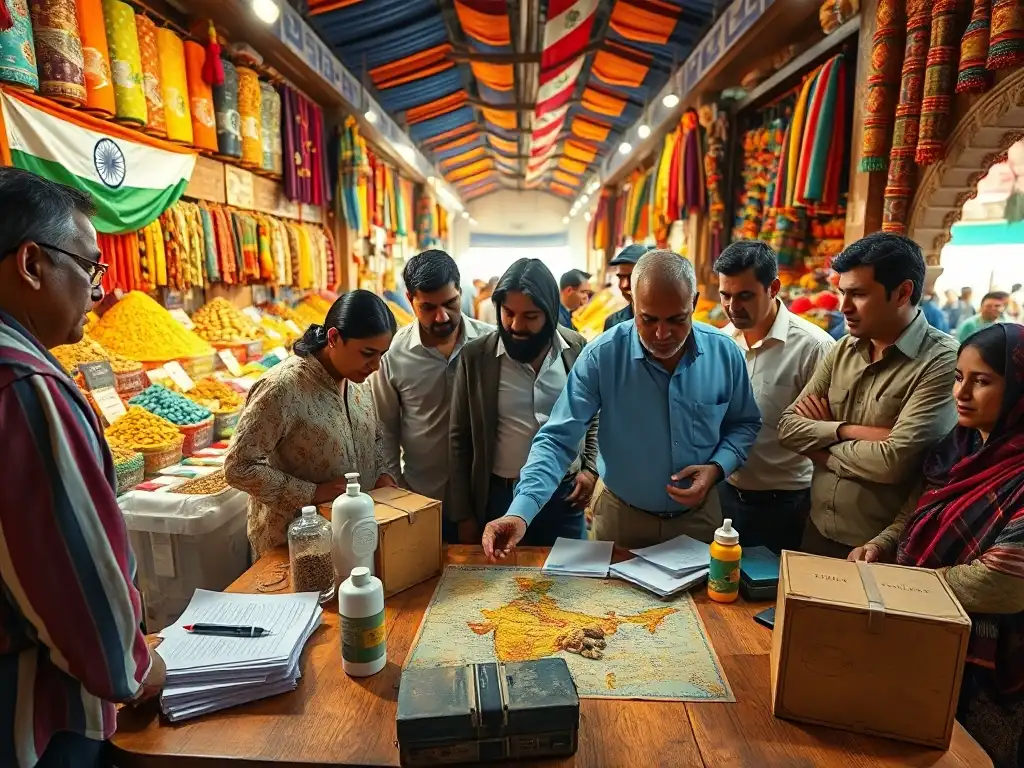
Understanding Export Licensing Requirements
Export licensing is a crucial aspect of exporting goods from India, ensuring compliance with both domestic and international regulations. The Directorate General of Foreign Trade (DGFT) under the Ministry of Commerce and Industry governs the export licensing framework in India.
- Types of Licenses:
- Free Exports: Many goods can be exported without a license, referred to as “free exports.” However, it's essential to verify if specific items fall under restricted categories.
- Restricted Exports: Certain products require an export license due to their sensitivity or potential for misuse. Examples include chemicals, defense equipment, and some agricultural products.
- Specialized Licenses: Exporters may need special licenses for specific markets or goods, like dual-use items that can serve both civilian and military purposes.
Key Points to Remember:
- Application Process: Exporters need to submit an application through the DGFT’s online portal, providing necessary documentation, including the details of the goods and the intended market.
- Validity: Licenses typically have a validity period, usually one year, and exporters must renew them to continue operations without disruption.
- Penalties for Non-compliance: Engaging in exports without the necessary licenses can lead to severe penalties, including fines and bans on future exports.
Tariff Codes and Classification
Accurate classification of goods using the Harmonized System (HS) codes is essential for exporting goods from India. These codes help in determining tariff rates and compliance requirements.
- Understanding HS Codes:
- The HS code is an internationally standardized numerical method of classifying traded products, developed by the World Customs Organization (WCO).
- Each product is assigned a unique HS code, which is crucial for customs clearance and determination of applicable tariffs.
- Importance in Exporting:
- Customs Duties: The HS code determines the customs duties applicable to the goods being exported. Misclassification can lead to higher tariffs or penalties.
- Trade Agreements: Understanding the correct HS classification can also help exporters benefit from preferential trade agreements that reduce or eliminate duties.
Steps for Correct Classification:
- Research: Use resources like the DGFT’s website or consult with customs experts to find the correct HS code.
- Documentation: Ensure that all shipping documents accurately reflect the HS classification to avoid delays at customs.
- Updates: Stay informed about any changes in HS codes or tariff schedules, as these can impact export operations.
Compliance with the Foreign Trade Policy
Compliance with the Foreign Trade Policy (FTP) is mandatory for all exporters in India. The FTP outlines the government’s framework for regulating and promoting international trade.
- Objectives of the FTP:
- Encourage Exports: The policy aims to boost India's exports through incentives and support measures.
- Facilitate Trade: It seeks to simplify processes, making it easier for exporters to navigate regulations and access global markets.
- Key Components:
- Export Promotion Schemes: The FTP includes various schemes such as the Merchandise Exports from India Scheme (MEIS) and the Services Exports from India Scheme (SEIS), which provide incentives for exporters.
- Export Obligations: Exporters must adhere to specific obligations, including maintaining quality standards and fulfilling export commitments.
Best Practices for Compliance:
- Stay Updated: Regularly check for updates on the FTP as it is revised periodically to adapt to changing trade dynamics.
- Training and Awareness: Invest in training for staff on compliance requirements to avoid unintentional infractions.
- Documentation: Maintain meticulous records of all transactions and communications with authorities to ensure transparency and accountability.
By adhering to these regulations, exporters can ensure a smoother process when exporting goods from India, minimizing risks and enhancing their opportunities in global markets.

How Tariffs Affect Exporting Goods from India
Tariffs are taxes imposed by governments on imported and exported goods, and they play a crucial role in international trade dynamics. When exporting goods from India, understanding the impact of tariffs is essential for businesses aiming to optimize their profits and expand their market reach.
- Cost Implications: Tariffs can significantly increase the cost of goods for importers in foreign markets. Higher tariffs may lead to higher prices for Indian products, making them less competitive compared to local alternatives or imports from countries with lower tariffs.
- Market Access: Tariff barriers can restrict access to certain markets. Countries may impose high tariffs on specific Indian products to protect their domestic industries. This can limit opportunities for Indian exporters and necessitate a thorough analysis of potential markets before exporting.
- Trade Agreements: Understanding tariffs also involves being aware of trade agreements. For instance, India has various Free Trade Agreements (FTAs) that can reduce or eliminate tariffs for specific goods. Exporters must stay informed about these agreements to leverage benefits that could enhance their competitiveness in international markets.
- Regulatory Compliance: Compliance with tariffs often requires exporters to navigate complex regulations and documentation, impacting both operational efficiency and costs. Exporters must be diligent in understanding the tariff classifications and regulations applicable to their goods to avoid delays and penalties.
Major Tariff Rates for Indian Goods
In the context of exporting goods from India, it is vital for exporters to be aware of the major tariff rates that apply to their products. The rates can vary significantly based on the type of goods, and they are subject to change based on government policies and international trade agreements. Below is a general overview of major tariff rates for common categories of Indian goods:
| Product Category | Average Tariff Rate (%) |
|---|---|
| Textiles and Apparel | 5 - 25% |
| Agricultural Products | 10 - 30% |
| Pharmaceuticals | 0 - 10% |
| Engineering Goods | 7.5 - 15% |
| Electronics | 10 - 20% |
| Automotive Parts | 15 - 30% |
Note: These rates are indicative and can vary based on the importing country and specific trade agreements. Exporters should consult the latest tariff schedules for accurate and updated information.
Strategies for Minimizing Tariffs
To successfully navigate the complexities of tariffs while exporting goods from India, businesses can adopt various strategies to minimize their tariff burden:
- Utilize Free Trade Agreements (FTAs): Engaging in FTAs can significantly reduce or eliminate tariffs on certain goods. Exporters should research applicable FTAs and align their product offerings to take advantage of these agreements.
- Optimize Product Classification: Properly classifying products can lead to lower tariff rates. Exporters must ensure that their goods are classified correctly according to the Harmonized System (HS) codes, which can sometimes result in lower tariffs.
- Leverage Duty Drawback Schemes: India offers duty drawback schemes that allow exporters to claim refunds on customs duties paid on inputs used in the manufacture of exported goods. This can effectively reduce the overall cost of exporting.
- Engage in Strategic Pricing: Adjusting pricing strategies to absorb some tariff costs can help maintain competitiveness in foreign markets. This requires careful market analysis and understanding of consumer price sensitivity.
- Consult with Trade Experts: Working with trade consultants or legal experts can provide valuable insights into navigating tariffs and compliance requirements, ultimately leading to more informed decision-making.
By implementing these strategies, exporters can better manage the effects of tariffs and enhance their competitiveness in the global marketplace, paving the way for successful international trade from India.
Export Documentation: Essential Paperwork for Indian Exports

Exporting goods from India involves a series of critical steps, one of the most important being the preparation of the necessary export documentation. Proper documentation ensures compliance with legal requirements, facilitates smooth cross-border transactions, and helps in avoiding misunderstandings with buyers and authorities. Below, we delve into the essential paperwork required for exporting goods from India.
Common Documents Required for Exporting Goods
When exporting goods from India, several key documents are commonly required. These documents not only serve as proof of the transaction but also ensure that exports are compliant with both Indian regulations and the import regulations of the destination country. Here are some of the most important documents you will need:
Bill of Lading
The Bill of Lading (B/L) is a crucial document in the shipping process. It serves multiple purposes:
- Receipt of Goods: It acts as a receipt for the goods being shipped.
- Title Document: It signifies ownership of the cargo.
- Contract of Carriage: It outlines the terms and conditions between the shipper and the carrier.
The Bill of Lading can be of various types, including Straight B/L, Order B/L, and Sea Waybill, each serving different needs based on the shipping arrangements.
Commercial Invoice
The Commercial Invoice is a vital document that details the transaction between the exporter and the importer. It typically includes:
- Seller and Buyer Information: Names and addresses of both parties.
- Description of Goods: Detailed description, including quantity, unit price, and total value.
- Terms of Payment: Payment terms agreed upon by both parties.
- Shipping Details: Information on how and when the goods will be shipped.
This document is critical for customs clearance, as it provides the necessary information for assessing duties and taxes.
Export Declaration
The Export Declaration is a formal document that must be filed with Indian customs before shipment. It includes:
- Details of the Shipper: Information about the exporter.
- Nature of Goods: Description and classification of the goods being exported.
- Value of Goods: Value for customs purposes.
This document is essential for regulatory compliance and helps in maintaining accurate records of exports from India.
Importance of Correct Documentation in Avoiding Delays
Proper documentation is not just a formality; it plays a significant role in ensuring the timely and efficient export of goods from India. Here are some reasons why correct documentation is crucial:
- Customs Clearance: Inaccurate or incomplete documents can lead to delays at customs. Properly prepared documentation ensures that shipments are cleared swiftly, preventing unnecessary hold-ups.
- Legal Compliance: Each country has specific regulations regarding imports and exports. Failing to provide the correct documentation can result in legal issues, fines, or even confiscation of goods.
- Building Trust: Accurate documentation reflects professionalism and reliability, which can enhance the relationship between exporters and importers.
- Financial Implications: Delays due to improper documentation can lead to financial losses, including additional storage fees and potential penalties.
Understanding and preparing the correct export documentation is essential for anyone involved in exporting goods from India. By ensuring that all necessary paperwork is accurate and complete, exporters can facilitate smoother transactions and avoid the pitfalls associated with delays and non-compliance.
Best Practices for Exporting Indian Goods
Researching Target Markets for Indian Exports
When embarking on the journey of exporting goods from India, thorough market research is paramount. Understanding the intricacies of your target market will not only enhance your competitive edge but also increase the likelihood of successful transactions. Here are key steps to consider:
- Identify Potential Markets:
- Analyze global trends to identify markets with demand for your products.
- Utilize resources such as trade reports, government publications, and industry journals.
- Evaluate Market Conditions:
- Assess economic stability, political climate, and consumer behavior in potential markets.
- Use tools like SWOT analysis to evaluate your position relative to competitors.
- Regulatory Environment:
- Investigate tariffs, import duties, and local regulations that may affect your goods.
- Consult the Export Promotion Council of India for specific guidelines on various commodities.
- Consumer Preferences:
- Understand local tastes, customs, and purchasing habits.
- Conduct surveys or focus groups to gather insights on consumer expectations.
- Market Entry Strategies:
- Decide whether to enter through direct export, partnerships, or local distributors.
- Consider the implications of each strategy on cost, control, and risk.
Building Relationships with International Buyers
Establishing strong relationships with international buyers is crucial for sustained success in exporting goods from India. Here are effective strategies to foster these relationships:
- Networking:
- Attend trade shows, exhibitions, and industry conferences to meet potential buyers.
- Leverage online platforms like LinkedIn to connect and engage with industry professionals.
- Effective Communication:
- Maintain clear and timely communication with buyers to build trust.
- Use professional language and be responsive to inquiries and concerns.
- Understanding Buyer Needs:
- Listen actively to understand the unique requirements of your buyers.
- Offer tailored solutions that align with their business goals.
- Follow-Up and Support:
- After initial contact, keep the relationship alive with regular follow-ups.
- Provide after-sales support and address any issues promptly to enhance satisfaction.
- Cultural Sensitivity:
- Be aware of the cultural nuances that influence business interactions.
- Adapt your approach to align with the cultural practices of your buyers.
Understanding Cultural Differences in Business
Cultural differences can significantly impact the dynamics of international trade. Recognizing and respecting these differences is essential for successful exporting. Here are some considerations:
- Communication Styles:
- Cultures differ in their communication preferences. For example, some cultures prefer direct communication, while others are more indirect.
- Be mindful of these styles to avoid misunderstandings.
- Negotiation Tactics:
- Understand that negotiation approaches vary across cultures. In some cultures, extensive bargaining is expected, while in others, a straightforward approach may be more appreciated.
- Research the norms of your target market to adapt your negotiation strategy accordingly.
- Business Etiquette:
- Familiarize yourself with the local business etiquette, including greetings, dress codes, and meeting protocols.
- Showing respect for local customs can foster goodwill and strengthen business relationships.
- Time Perception:
- Different cultures perceive time differently. Some may prioritize punctuality, while others have a more flexible approach.
- Adjust your timelines and expectations based on the cultural context of your buyers.
- Building Trust:
- In many cultures, building trust is a gradual process that requires patience and genuine interaction.
- Invest time in relationship-building activities to establish a solid foundation for future business dealings.
By adhering to these best practices, exporters can navigate the complexities of international trade effectively and enhance their success in exporting goods from India.
Case Studies: Successful Exporting of Indian Goods

Understanding the landscape of exporting goods from India is greatly enhanced by examining real-world examples of companies that have successfully navigated this complex arena. These case studies illustrate effective strategies, market adaptation, and the role of innovation in successfully exporting Indian goods.
Exemplar Indian Companies in Global Markets
Several Indian companies stand out as exemplars of successful exporting, not only for their financial success but also for their ability to adapt and thrive in international markets. Here are a few notable examples:
- Tata Group
- Overview: A multinational conglomerate, Tata Group has a diverse portfolio ranging from automobiles to steel and chemicals.
- Export Strategy: Tata Motors has made significant inroads in the global automotive market, particularly in the UK and South Africa, by focusing on quality and competitive pricing.
- Impact: The company's success is attributed to their strategic acquisitions and partnerships that enhance their global footprint.
- Bharat Forge
- Overview: A leading manufacturer of forged and machined components, Bharat Forge supplies products to various sectors including automotive and aerospace.
- Export Strategy: The company has established a robust supply chain that supports exports to over 100 countries, leveraging technology and innovation to enhance product quality.
- Impact: Bharat Forge's commitment to R&D has allowed them to meet international standards and gain a competitive edge.
- Wipro
- Overview: Originally an IT company, Wipro has expanded into various sectors including consumer products and medical devices.
- Export Strategy: Wipro’s global presence is strengthened through strategic partnerships and a focus on sustainability, which resonates well in international markets.
- Impact: Their ability to adapt to changing market needs has solidified Wipro’s position as a trusted supplier worldwide.
- Hindustan Unilever Limited (HUL)
- Overview: HUL is a consumer goods company with a strong portfolio of products ranging from personal care to food items.
- Export Strategy: The company exports products to several countries, leveraging its brand strength and distribution channels.
- Impact: HUL’s focus on consumer insights allows them to tailor products to meet local tastes in international markets.
Lessons Learned from Successful Exporters
The journeys of these successful exporters provide valuable insights for businesses looking to enter or expand in international markets. Here are key lessons learned from their experiences:
- Market Research is Crucial: Understanding the target market is essential. Successful exporters invest in detailed market research to comprehend consumer behavior, preferences, and regulatory requirements.
- Adaptation and Flexibility: Companies that thrive in global markets exhibit a willingness to adapt their products and strategies to meet local demands. This flexibility can include modifying product features or changing marketing approaches.
- Leveraging Technology: Embracing technology for both production and distribution enhances efficiency and competitiveness. Successful exporters often utilize advanced manufacturing techniques and digital marketing strategies to reach broader audiences.
- Building Strong Relationships: Establishing and maintaining good relationships with international partners, suppliers, and customers is vital for successful exporting. Networking and collaboration can lead to better opportunities and market insights.
- Compliance with Regulations: Navigating tariffs and regulations is complex, but compliance is non-negotiable. Successful exporters prioritize understanding local laws and international trade agreements to avoid legal issues and ensure smooth operations.
- Sustainability Matters: Increasingly, global consumers are favoring companies that demonstrate a commitment to sustainability. Implementing eco-friendly practices can enhance a brand's reputation and appeal in international markets.
By examining these case studies and learning from the experiences of leading Indian companies, new exporters can better position themselves for success in the global marketplace.
Utilizing Export Assistance Programs

Exporting goods from India can be a daunting task, particularly for new businesses navigating the complexities of international trade. Fortunately, the Indian government has established various export assistance programs designed to support exporters at different stages of the export process. These programs not only help businesses understand the regulatory framework but also provide financial incentives to facilitate the growth of exports.
Government Schemes Supporting Exporting from India
India has implemented numerous schemes aimed at boosting exports, particularly for small and medium-sized enterprises (SMEs). Here are some of the key programs:
- Merchandise Exports from India Scheme (MEIS):
- Objective: To promote the export of specified goods.
- Benefits: Provides incentives in the form of duty credit scrips, which can be used for payment of customs duties, excise duties, and service tax.
- Eligibility: All exporters are eligible, but the percentage of rewards varies depending on the product and market.
- Service Exports from India Scheme (SEIS):
- Objective: To enhance the export of services from India.
- Benefits: Similar to MEIS, it offers duty credit scrips for service providers based on their export performance.
- Eligibility: Indian service providers with a minimum threshold of foreign exchange earnings.
- Export Promotion Capital Goods (EPCG) Scheme:
- Objective: To facilitate the import of capital goods for production of quality goods and services.
- Benefits: Allows duty-free import of capital goods, provided that the exporter commits to exporting a specified minimum value of goods.
- Eligibility: All exporters engaged in the manufacturing of goods or services.
- Trade Infrastructure for Export Scheme (TIES):
- Objective: To improve export infrastructure.
- Benefits: Provides financial assistance for creating infrastructure facilities like ports, logistics, and warehousing.
- Eligibility: Eligible entities include the state governments, port authorities, and other stakeholders.
- Market Development Assistance (MDA):
- Objective: To encourage market development for Indian products.
- Benefits: Offers financial assistance for participating in international trade fairs and exhibitions.
- Eligibility: Exporters must be registered with the Directorate General of Foreign Trade (DGFT).
These schemes are designed to empower exporters by providing them with the necessary tools and resources to compete in global markets. Each scheme has its own set of guidelines and eligibility criteria, which exporters need to adhere to in order to benefit from these programs.
How to Access Export Incentives and Subsidies
Accessing export incentives and subsidies requires a systematic approach. Here’s a step-by-step guide to help exporters navigate the process:
- Register with Relevant Authorities:
- Exporters must register with the Directorate General of Foreign Trade (DGFT) and obtain an Importer Exporter Code (IEC).
- Registration with various export promotion councils (EPCs) relevant to their product line is also beneficial.
- Understand the Eligibility Criteria:
- Each assistance program has specific eligibility requirements. It is essential for exporters to thoroughly understand these criteria before applying.
- Exporters should maintain detailed records of their export transactions to demonstrate compliance.
- Prepare Required Documentation:
- Compile necessary documents such as invoices, shipping bills, and export contracts.
- Documentation may also include proof of payment received in foreign currency to verify export earnings.
- Submit Applications:
- Applications for benefits under various schemes must be submitted in accordance with the guidelines provided by the respective authorities.
- Ensure that all forms are filled accurately and all supporting documents are attached to avoid delays.
- Follow Up and Compliance:
- After submission, exporters should follow up with the respective authorities to track the status of their applications.
- Regular compliance with reporting requirements is crucial to maintain eligibility for ongoing or future benefits.
By leveraging these export assistance programs and following the outlined steps, exporters can significantly reduce their financial burden and enhance their competitiveness in the global market. The proactive approach will enable Indian businesses to tap into the vast potential of international trade effectively.
Challenges and Solutions in Exporting Indian Goods
Common Obstacles for Indian Exporters
Exporting goods from India presents a unique set of challenges that can hinder the growth and success of businesses. Understanding these obstacles is crucial for exporters aiming to navigate the complexities of international trade. Here are some of the most common issues faced by Indian exporters:
- Bureaucratic Hurdles
- Documentation Requirements: The export process involves extensive paperwork, including invoices, packing lists, and customs declarations. Errors or omissions can lead to delays and additional costs.
- Regulatory Compliance: Exporters must comply with various regulations, including those set by the Directorate General of Foreign Trade (DGFT) and other governmental bodies. Navigating these regulations can be cumbersome.
- Logistical Challenges
- Infrastructure Issues: Inadequate transportation and shipping infrastructure can lead to delays in the movement of goods. Ports and airports may face congestion and inefficiencies.
- Supply Chain Disruptions: Exporters often face challenges with sourcing raw materials and managing inventory levels, especially during peak seasons or unforeseen circumstances.
- Market Entry Barriers
- Cultural Differences: Understanding the cultural nuances of target markets is essential for successful market entry. Misalignment in marketing strategies can lead to poor customer reception.
- Tariffs and Duties: Exporters must be aware of tariffs and import duties imposed by foreign governments, which can affect pricing and competitiveness.
- Financial Constraints
- Currency Fluctuations: Changes in currency exchange rates can impact profitability. Exporters often deal with the uncertainty of foreign currency transactions.
- Payment Risks: Ensuring timely payments and managing credit risk are common concerns, particularly when dealing with new or unverified international clients.
Effective Solutions and Tools for Overcoming Challenges
Addressing the challenges of exporting goods from India requires strategic planning and the right tools. Here are some effective solutions exporters can implement:
- Streamlining Documentation Processes
- Utilize export management software to automate documentation, reducing errors and improving efficiency. This technology can help in tracking shipments and managing compliance with regulatory requirements.
- Engage with freight forwarders who specialize in handling export documentation and logistics. Their expertise can simplify the process and help avoid bureaucratic delays.
- Enhancing Logistics and Supply Chain Management
- Invest in logistics management systems that provide real-time tracking and inventory management. This will facilitate smoother operations and timely deliveries.
- Build relationships with reliable suppliers and logistics partners to ensure a steady flow of materials and reduce disruptions.
- Conducting Market Research
- Perform thorough market research to understand cultural differences and consumer preferences in target markets. Tailoring marketing strategies to align with local customs can enhance customer engagement and sales.
- Leverage trade missions and exhibitions to connect with potential buyers and partners, gaining insights into market dynamics.
- Mitigating Financial Risks
- Implement hedging strategies to protect against currency fluctuations. Financial instruments like forward contracts can lock in exchange rates, providing stability.
- Consider utilizing letter of credit and other secure payment methods to minimize payment risks and ensure timely transactions.
By addressing these challenges head-on and employing effective strategies, Indian exporters can enhance their competitiveness in the global market and successfully navigate the complexities of exporting goods from India.
Conclusion: Future of Exporting Goods from India
As we look to the future of exporting goods from India, it's essential to recognize the transformative trends that are shaping the landscape. The country has positioned itself as a crucial player in the global trade arena, with multiple factors driving growth and innovation within its export sector.
Trends Influencing the Export Market
-
Digital Transformation
The digital revolution is redefining how businesses operate and engage in international trade. From e-commerce platforms to advanced logistics solutions, Indian exporters are leveraging technology to enhance efficiency and reach global markets. The rise of digital payment systems has also facilitated smoother transactions across borders.
-
Sustainability and Green Practices
There is a growing emphasis on sustainability in global trade. Indian exporters are increasingly adopting eco-friendly practices and producing goods that meet international environmental standards. This trend not only caters to the demand for sustainable products but also positions Indian goods favorably in competitive markets.
-
Government Initiatives and Reforms
The Indian government has implemented numerous reforms aimed at boosting exports, such as the Production-Linked Incentive (PLI) scheme and the Foreign Trade Policy. These initiatives are designed to enhance manufacturing capabilities, reduce compliance burdens, and provide exporters with financial incentives, fostering a more conducive environment for exporting goods from India.
-
Diversification of Markets
Indian exporters are actively seeking to diversify their target markets beyond traditional partners. With geopolitical shifts and changing trade agreements, there is an increasing focus on exploring opportunities in emerging markets in Africa, Southeast Asia, and Latin America. This diversification helps mitigate risks associated with over-reliance on specific regions.
-
Quality Standards and Compliance
As global competition intensifies, maintaining high-quality standards has become paramount. Indian exporters are investing in quality control measures and obtaining certifications that comply with international regulations. This commitment to quality not only enhances the reputation of Indian goods but also boosts consumer confidence in global markets.
Navigating the complexities of tariffs and regulations is a critical component of successfully exporting goods from India. It requires an understanding of the various trade agreements, tariffs imposed by different countries, and compliance with international regulations.
Key Considerations:
- Stay Informed: Exporters must keep abreast of changing tariffs and trade policies to avoid unexpected costs. Regular updates from trade bodies and government agencies can provide valuable insights.
- Engage with Experts: Consulting with trade experts, customs brokers, or legal advisors can streamline the export process. Their knowledge can help navigate the intricate regulatory landscape effectively.
- Leverage Technology: Utilizing software solutions that track tariffs, manage documentation, and ensure compliance can significantly reduce the administrative burden on exporters.
- Build Strong Relationships: Developing relationships with overseas buyers and local authorities can facilitate smoother transactions and help in understanding local regulations better.
The future of exporting goods from India is promising, characterized by innovation, adaptability, and a commitment to quality. By embracing these trends and navigating the regulatory landscape effectively, Indian exporters can enhance their competitiveness in the global market and contribute significantly to the country's economic growth.
Frequently Asked Questions
What are the primary goods exported from India?
India exports a diverse range of goods including textiles, spices, jewelry, and pharmaceuticals. These key products reflect India's rich heritage and industrial capabilities.
How does the Indian government support exporters?
The Indian government offers various incentives and schemes to support exporters, such as subsidies, tax exemptions, and assistance in navigating tariffs and regulations.
What are the common challenges faced when exporting goods from India?
Exporters often face challenges like complex regulations, fluctuating tariffs, and logistical issues. Understanding these can help mitigate risks and improve efficiency.
How can one ensure compliance with international trade regulations?
To ensure compliance, exporters should stay updated on international trade laws and utilize resources like export promotion councils that provide guidance on tariffs and regulations.
Are there specific tariffs for different products when exporting from India?
Yes, different products may be subject to varied tariff rates based on international agreements and trade policies. It's essential to check the specific tariffs for each product before exporting.
Final Reflection: Empowering Exporters in a Global Landscape
In today's interconnected world, navigating tariffs and regulations is more crucial than ever for those involved in exporting goods from India. As global trade dynamics shift and evolve, understanding the complexities of international markets can mean the difference between success and stagnation for exporters. The insights shared in this article are not just guidelines; they are essential tools for thriving in a competitive environment where knowledge is power.
The influence of these regulations extends far beyond mere compliance; they shape the very fabric of our economic landscape. As an exporter, I have witnessed firsthand how the right information can transform challenges into opportunities. The ongoing dialogue about trade policies and regulations highlights the importance of staying informed and adaptable. In the world of trade, knowledge is not just power; it is the key to unlocking potential.
This sentiment resonates deeply as we navigate the complexities of exporting goods from India, reminding us that our ability to understand and leverage these regulations can lead to unprecedented growth.
As you reflect on the insights provided in this guide, I invite you to consider how you can apply this knowledge in your own exporting journey. Embrace the challenges of tariffs and regulations as stepping stones toward success. By remaining proactive and informed, you can not only enhance your business but also contribute to India's position in the global market.
Let this be a call to action: take the lessons learned here and transform them into strategies that propel your exporting endeavors forward. Together, we can navigate the complexities of international trade and unlock new horizons for Indian goods on the world stage.
Empower Your Export Journey Today!
Thank you for exploring our guide on navigating tariffs and regulations for exporting goods from India! We hope you found the insights valuable and feel confident in your ability to tackle your export ventures. It’s time to take the next step toward expanding your business and maximizing your potential!
- Dive deeper into the process: Research the specific tariffs and regulations related to your product category. Understanding these details will enhance your competitive edge.
- Engage with communities: Join online forums or local export associations where you can connect with fellow exporters. Sharing experiences can provide valuable insights and support.
- Consider unconventional markets: Explore emerging markets that may have less competition but a high demand for your products.
What unique strategies do you plan to implement in your export journey to navigate regulatory challenges? We’d love to hear your thoughts and experiences!