
The Role of Dharma in the Ramayana: A Study of Duty and Righteousness


Welcome to Ancient India History, where the echoes of time invite you to explore the vibrant tapestry of India's past. Delve into our featured article, "The Role of Dharma in the Ramayana: A Study of Duty and Righteousness," and uncover how this ancient epic not only shaped the moral landscape of Indian civilization but also continues to resonate in our understanding of duty and righteousness today.
As you journey through the profound teachings of the Ramayana, prepare to be captivated by the intricate interplay of ethics, heroism, and the enduring concept of dharma. Join us as we unravel the complexities of ancient Indian thought and its impact on modern society—your adventure into the heart of history begins now!
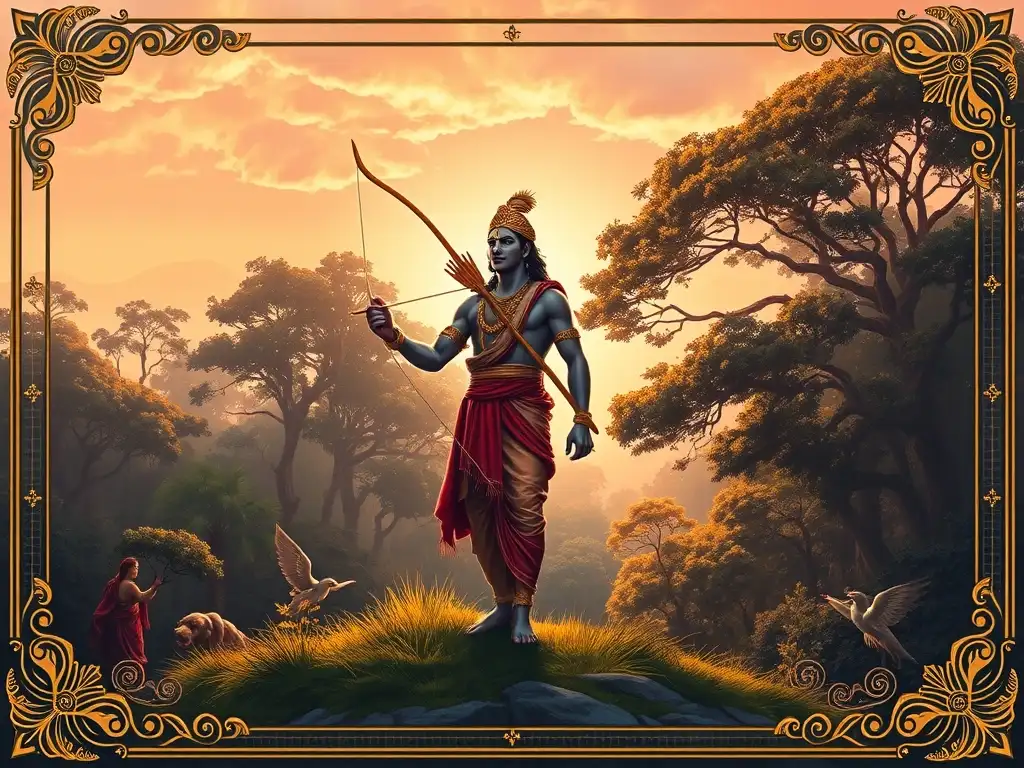
In ancient Indian literature, the concept of Dharma plays a pivotal role, particularly within the framework of epic narratives like the Ramayana. This epic, attributed to the sage Valmiki, is not merely a tale of adventure and heroism; it is imbued with profound philosophical and ethical teachings. The Ramayana presents Dharma as a guiding principle that influences the actions and decisions of its characters, ultimately shaping the moral landscape of the story.
Through the exploration of duty and righteousness, the Ramayana articulates the complexities of fulfilling one's responsibilities while adhering to the greater principles of justice and virtue. This article delves into the multifaceted role of Dharma in the Ramayana, examining its definitions, significance, and how it manifests through the narrative and its characters.
Introduction to Dharma in the Ramayana
Dharma is a multifaceted concept in ancient Indian philosophy, often translated as "duty," "righteousness," or "moral law." In the context of the Ramayana, Dharma encompasses both personal obligations and universal principles of justice. It serves as the moral compass for the characters, guiding their actions in the face of adversity and ethical dilemmas. The intricate interplay of Dharma shapes the narrative, revealing the complexities of human behavior and the consequences of moral choices.
Definition of Dharma in Ancient Indian Context
In ancient India, Dharma is not merely a static set of rules but is deeply woven into the social, spiritual, and cosmic fabric of existence. It encompasses:
- Righteousness: Upholding moral values and ethical conduct.
- Duty: Fulfilling one's responsibilities towards family, society, and the universe.
- Law: Adhering to the principles that govern social order and harmony.
Dharma is often contextual and can vary depending on one's age, caste, profession, and circumstances. This fluidity makes it a dynamic concept that requires individuals to interpret and apply it according to their specific life situations.
Significance of Dharma in Epic Literature
In epic literature, Dharma serves as a fundamental theme that resonates with readers across generations. It provides:
- Moral Framework: The narratives often explore the tension between personal desires and societal obligations, illuminating the consequences of choices made in the pursuit of Dharma.
- Character Development: Characters are often defined by their adherence to or deviation from Dharma, allowing for rich character arcs and moral lessons.
- Cultural Values: The portrayal of Dharma reflects the values and beliefs of the society in which the epic was created, offering insights into the historical context of ancient India.
Overview of the Ramayana
The Ramayana narrates the life and adventures of Lord Rama, an incarnation of the god Vishnu, who embarks on a quest to rescue his wife, Sita, from the demon king Ravana. This epic is not only a story of love and valor but also a profound exploration of Dharma.
Summary of the Ramayana's Plot
The plot unfolds through several key stages:
- Rama's Exile: Lord Rama is unjustly exiled from his kingdom due to court intrigue.
- Sita's Abduction: Sita is kidnapped by Ravana, prompting Rama's quest to rescue her.
- The Battle: Rama allies with Hanuman and the monkey army to confront Ravana.
- Restoration of Dharma: After defeating Ravana, Rama returns to Ayodhya, restoring order and righteousness.
This journey illustrates the challenges of adhering to Dharma amidst trials and tribulations.
Key Characters and Their Relationship to Dharma
The Ramayana features several pivotal characters, each embodying different aspects of Dharma:
- Rama: Represents the ideal of Dharma, balancing duty to family and kingdom.
- Sita: Embodies virtue and fidelity, facing trials that test her righteousness.
- Lakshmana: Rama's devoted brother, exemplifying loyalty and sacrifice.
- Ravana: A complex antagonist, representing the consequences of deviating from Dharma.
Through these characters, the Ramayana provides a rich tapestry of moral lessons that continue to resonate in contemporary discussions of ethics and duty.
The Concept of Duty (Dharma) in the Ramayana
In the context of the Ramayana, Dharma is a multifaceted concept that encompasses duty, morality, and righteousness. It serves as a guiding principle for the characters in the epic, influencing their choices and actions throughout the narrative. The Ramayana illustrates that Dharma is not static; rather, it is dynamic and context-dependent, shaped by the relationships and situations unique to each character.
The epic presents Dharma as a crucial element that upholds social order and harmony. Characters such as Rama, Sita, and Hanuman embody Dharma through their actions, which often require them to make significant sacrifices for the greater good. For instance, Rama’s exile is a direct result of his commitment to his father’s word, reflecting the idea that personal desires must sometimes yield to higher duties.
Moreover, the Ramayana emphasizes that Dharma is not merely about adhering to societal norms but involves an internal moral compass that guides individuals in making ethical decisions. This duality adds depth to the characters, showcasing their struggles and triumphs as they navigate the complexities of duty and righteousness.
Types of Dharma: Personal vs. Social
The Ramayana distinguishes between two primary types of Dharma: personal Dharma and social Dharma. Personal Dharma refers to an individual's moral obligations based on their unique role, relationships, and circumstances. For example, Rama’s personal Dharma as a son is to honor his father by accepting exile, while as a husband, he must protect Sita at all costs.
In contrast, social Dharma pertains to the obligations individuals owe to their community and society at large. This includes adhering to the laws and customs that govern societal interactions. Characters in the Ramayana often find themselves balancing these two types of Dharma, leading to moral dilemmas that test their integrity and resolve.
The interplay between personal and social Dharma is vividly illustrated through the character of Sita. As a wife, her duty is to support Rama, but as a woman in a patriarchal society, she also faces societal expectations that challenge her personal autonomy. This conflict highlights the complexities of Dharma, showcasing how individual choices can impact broader societal norms.
The Role of Dharma in Shaping Character Actions
Dharma plays a pivotal role in shaping the actions and decisions of the Ramayana's characters, serving as both a motivator and a constraint. Each character's adherence to Dharma defines their moral standing and influences their relationships with others. Rama, as the ideal hero, exemplifies Dharma through his unwavering commitment to righteousness, often placing the needs of others above his own desires.
The narrative illustrates how characters wrestle with their duties, leading to significant developments in the plot. For instance, the actions of Ravana, while driven by his personal ambitions, ultimately defy the principles of Dharma, leading to his downfall. This contrast between adherence to and violation of Dharma serves as a cautionary tale about the consequences of unethical behavior.
Moreover, the Ramayana emphasizes that understanding one’s Dharma requires wisdom and discernment. Characters like Hanuman demonstrate this through their actions, as they navigate complex situations and choose paths that align with both personal and social responsibilities. Ultimately, the decisions made by each character based on their understanding of Dharma propel the narrative forward and highlight the epic’s moral teachings.
Major Themes of Dharma in the Ramayana
The Ramayana intricately weaves various themes of Dharma throughout its narrative, illustrating the profound impact of duty and righteousness on human interactions. These themes resonate deeply within the story, driving the characters towards their destinies and shaping the moral fabric of the epic.
Righteousness and Morality in Decision Making
A central theme of the Ramayana is the importance of righteousness and morality in decision-making processes. Characters are frequently faced with dilemmas that test their understanding of Dharma, forcing them to choose between personal desires and ethical responsibilities.
Rama’s choices, particularly in his interactions with Sita and the challenges he faces with Ravana, underscore the significance of making morally sound decisions. His commitment to Dharma is often tested, yet he consistently seeks to act in a manner that upholds righteousness, even when it involves personal sacrifice. This theme illustrates that true leadership is marked by moral integrity and selflessness.
The Ramayana also presents contrasting characters, like Ravana, who fail to uphold Dharma in their pursuit of power. This juxtaposition serves to highlight the consequences of immoral choices and reinforces the idea that righteousness is essential for maintaining order in society.
The Balance Between Personal Desire and Duty
Another critical theme in the Ramayana is the balance between personal desire and duty. Characters often grapple with their own desires versus their obligations to family, society, and the divine. This struggle is particularly evident in the character of Sita, who faces immense challenges as she strives to remain faithful to her role as a devoted wife while also asserting her individuality.
Rama's journey encapsulates this theme, as he navigates the tension between his love for Sita and his responsibilities as a king and son. The sacrifices he makes to uphold his family’s honor exemplify the profound impact of duty on personal happiness.
The Ramayana teaches that adhering to one’s Dharma may sometimes require difficult choices, and the ultimate fulfillment in life often comes from selfless actions rather than the pursuit of personal desires. This balance between duty and desire remains a relevant lesson, emphasizing the timeless nature of the epic's moral teachings.
Case Studies of Dharma in Action
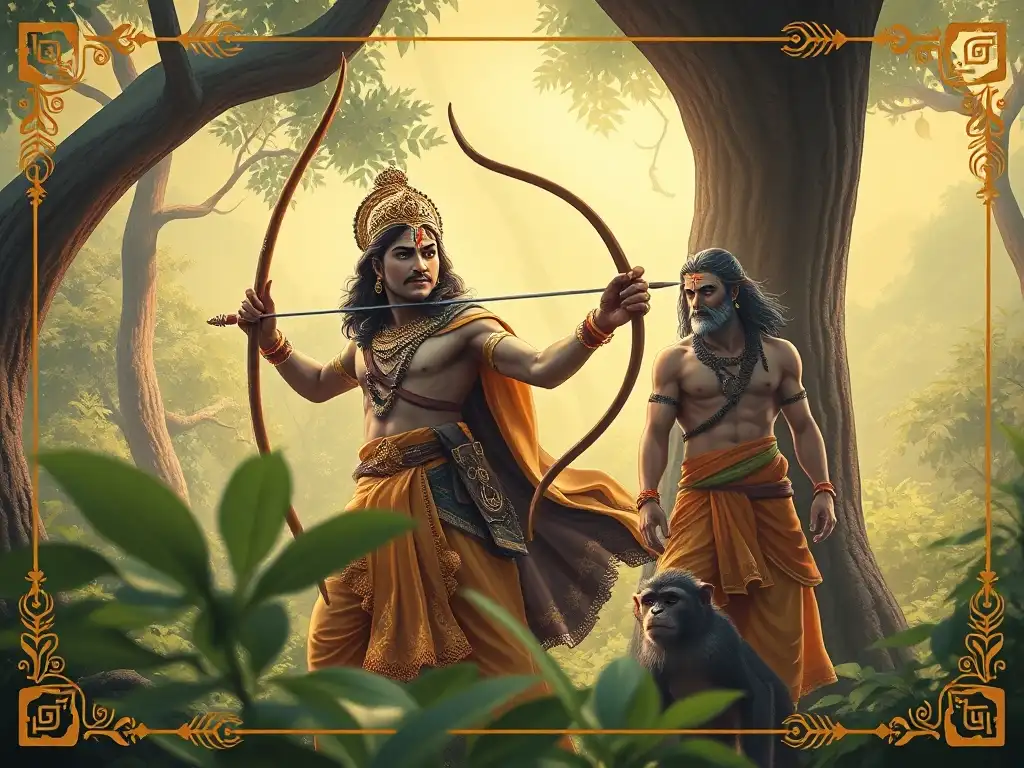
The concept of Dharma in the Ramayana is exemplified through various characters and their actions, serving as a guide for understanding righteousness and duty. These case studies illustrate how the protagonists embody Dharma, navigating complex moral dilemmas and societal expectations. Each instance provides a rich tapestry that reveals the deeper philosophical underpinnings of the epic, making it a vital study for understanding duty and righteousness in ancient Indian literature.
Rama's Adherence to Dharma in Exile
Rama, the protagonist of the Ramayana, is often regarded as the epitome of Dharma. His decision to accept exile rather than claim his rightful throne exemplifies his unwavering commitment to duty. When his father, King Dasharatha, is compelled by the wishes of Queen Kaikeyi to banish Rama, he does not resist. Instead, Rama chooses to honor his father's word, stating:
A father's word is law; I shall not bring shame upon my family.
This profound sense of duty highlights the importance of familial loyalty and the sacrifices that come with adhering to Dharma. Throughout his exile, Rama remains steadfast in his principles, protecting the innocent and engaging in righteous battles, which further establishes his role as a paragon of virtue.
Sita's Role and Her Interpretation of Dharma
Sita, Rama's wife, presents a nuanced perspective on Dharma. Her journey reflects the struggles women faced in ancient society, particularly regarding fidelity and honor. After being abducted by Ravana, Sita faces immense challenges that test her commitment to Dharma. Despite her captivity, she maintains her virtue and refuses to succumb to Ravana's advances, asserting her identity and dignity.
Sita's interpretation of Dharma is also evident in her decision to undergo the Agni Pariksha (trial by fire) upon reuniting with Rama. She chooses to prove her purity to affirm her worth and uphold societal expectations, emphasizing her role as a devoted wife. Her actions illustrate the complexities of Dharma, showcasing the balance between personal integrity and societal norms.
Lakshmana's Loyalty and Duty Towards Rama
Lakshmana, Rama's younger brother, exemplifies unwavering loyalty and duty throughout the Ramayana. His decision to accompany Rama into exile is a testament to his commitment to familial bonds. Lakshmana often acts as Rama's protector and confidant, demonstrating an ideal brotherly relationship grounded in Dharma.
His fierce dedication is most evident during battles against Ravana and his demons. Lakshmana's fierce loyalty drives him to put himself in harm's way, emphasizing the significance of supporting one's family and fulfilling one's duties, even at great personal cost. His actions serve as an essential reminder of the responsibilities that define relationships in the context of Dharma.
The Consequences of Ignoring Dharma
The Ramayana illustrates that neglecting Dharma leads to dire consequences, affecting not only the individual but the broader society as well. The narrative serves as a cautionary tale, emphasizing the importance of adhering to one's duty and righteousness.
Instances of Adharma in the Ramayana
Adharma, or unrighteousness, is a critical theme within the Ramayana. Ravana, the primary antagonist, embodies Adharma through his actions—kidnapping Sita and waging war against Rama. His disregard for moral principles and societal norms leads to his downfall.
Similarly, the character of Surpanakha, Ravana's sister, exemplifies the chaos that arises from pursuing desires without regard for Dharma. Her unrequited love for Rama and subsequent actions lead to violent consequences, illustrating how straying from righteous paths can disrupt the harmony of society.
Lessons Learned from Characters Who Strayed from Dharma
The Ramayana serves as a moral compass, offering lessons through characters who veer off the path of Dharma. Characters like Ravana and Surpanakha demonstrate that the pursuit of personal desires at the expense of duty can result in ruin. Their stories convey the message that adherence to Dharma is not only vital for personal integrity but also crucial for the welfare of society.
Through these narratives, the Ramayana teaches that individuals must navigate their responsibilities with wisdom and justice. The consequences faced by those who stray from Dharma serve as reminders of the importance of ethical conduct and the societal repercussions of one's actions, reinforcing the timeless relevance of the concept of Dharma in the epic.
The Relevance of Dharma in the Modern Context
Dharma, a fundamental concept in Hindu philosophy, is pivotal in understanding the moral framework within the Ramayana. Its relevance extends beyond ancient texts into contemporary society, influencing ethical decision-making and personal conduct. In today’s fast-paced world, the teachings of the Ramayana serve as a guide for individuals facing moral dilemmas. The principles of dharma emphasize the importance of duty, righteousness, and ethical behavior, which resonate with modern values such as integrity, justice, and compassion.
The narrative of the Ramayana depicts various characters embodying dharma in different contexts, showcasing the complexities of duty. For instance, Lord Rama's unwavering commitment to dharma, even when it leads to personal sacrifice, illustrates the importance of adhering to one’s responsibilities. This portrayal encourages individuals today to reflect on their roles within families, communities, and society, prompting them to prioritize ethical responsibilities over personal gains.
Moreover, the concept of dharma encourages dialogue on social justice and moral responsibility, emphasizing the need for individuals to act ethically in their personal and professional lives. The teachings of the Ramayana can inspire modern leaders and citizens alike to pursue righteousness in a world often clouded by moral ambiguity.
How Dharma in the Ramayana Influences Contemporary Ethics
The ethical frameworks derived from the Ramayana can be observed in various contemporary practices. In fields such as law, education, and leadership, the principles of dharma guide individuals in making just decisions. For example, the legal system often emphasizes the importance of justice and fairness, paralleling the dharmic principles illustrated in the Ramayana. Judges and lawmakers can draw from the texts to ensure that their judgments align with the broader concepts of duty and righteousness.
In educational settings, the teachings of the Ramayana are frequently incorporated into moral education, helping students understand the significance of ethical behavior. Schools often use stories from the epic to teach values such as honesty, respect, and accountability, fostering a culture of dharma among younger generations.
Furthermore, contemporary ethical dilemmas, such as environmental issues and corporate responsibility, can be approached through the lens of dharma. Organizations that prioritize ethical practices align with the dharmic values of responsibility towards society and the environment, reflecting the timeless relevance of the Ramayana's teachings.
The Role of Dharma in Indian Culture Today
Dharma continues to play a significant role in shaping Indian culture, influencing rituals, traditions, and societal norms. Festivals, ceremonies, and cultural practices often draw upon the teachings of the Ramayana, reinforcing the values of duty and righteousness. For instance, the celebration of Diwali, which commemorates the return of Lord Rama to Ayodhya, emphasizes the triumph of good over evil and the importance of adhering to one’s dharma.
In family dynamics, the concept of dharma guides interpersonal relationships. Respect for elders, duty towards family members, and community service are deeply embedded in Indian culture, echoing the moral imperatives found in the Ramayana. These cultural practices not only preserve traditions but also instill a sense of responsibility among individuals, encouraging them to contribute positively to society.
Furthermore, the influence of dharma extends into the political sphere, where leaders are often expected to uphold ethical standards that reflect the moral teachings of the Ramayana. The expectation of righteous leadership serves as a benchmark for accountability and integrity in governance, showcasing the enduring impact of dharma on contemporary Indian society.
Conclusion
Summary of Key Insights on Dharma in the Ramayana
The exploration of dharma in the Ramayana reveals its multifaceted role in guiding individuals towards ethical living. The epic illustrates the complexities of duty and righteousness through its characters and narratives, providing valuable lessons that remain relevant in the modern context. The principles of dharma not only influence personal conduct but also shape societal values and cultural practices across generations.
The teachings derived from the Ramayana serve as a foundation for contemporary ethical frameworks, promoting justice, accountability, and social responsibility. As individuals navigate the challenges of modern life, the moral guidance offered by the Ramayana remains an essential resource for fostering integrity and ethical behavior.
Final Thoughts on Duty and Righteousness in Ancient Indian Literature
Ultimately, the Ramayana's portrayal of dharma reflects a profound understanding of human nature and the ethical dilemmas individuals face. The emphasis on duty and righteousness transcends time, offering timeless wisdom that continues to resonate with people today. As we delve into the rich tapestry of ancient Indian literature, the lessons of the Ramayana serve as a reminder of the importance of adhering to one’s dharma, fostering a just and compassionate society that honors the values of our shared heritage.
- Introduction to Dharma in the Ramayana
- Overview of the Ramayana
- The Concept of Duty (Dharma) in the Ramayana
- Major Themes of Dharma in the Ramayana
- Case Studies of Dharma in Action
- The Consequences of Ignoring Dharma
- The Relevance of Dharma in the Modern Context
- Conclusion
Frequently Asked Questions
What is Dharma in the context of the Ramayana?
Dharma refers to the moral and ethical duties that govern an individual's actions. In the Ramayana, it emphasizes the importance of righteousness in fulfilling one's responsibilities.
How does the Ramayana illustrate the concept of Dharma?
The Ramayana presents various characters, such as Rama and Sita, who embody Dharma through their choices, demonstrating how to uphold duty and righteousness in challenging circumstances.
Why is Dharma considered a central theme in the Ramayana?
Dharma is central to the Ramayana as it guides the characters' actions and decisions, illustrating the conflict between personal desires and social responsibilities.
How do modern interpretations of the Ramayana view Dharma?
Modern interpretations often explore Dharma as a dynamic concept, applying its principles to contemporary issues, such as justice, equity, and personal integrity in society.
Can the lessons on Dharma in the Ramayana be applied today?
Yes, the lessons of Dharma in the Ramayana remain relevant, encouraging individuals to navigate their moral dilemmas and fulfill their responsibilities towards family and society with integrity.
Final Reflection: Embracing Dharma in Our Lives
In an era where the complexities of duty and righteousness often blur, the teachings of Dharma in the Ramayana resonate profoundly with our contemporary struggles. The timeless narrative of the Ramayana not only illustrates the essence of dharma but also serves as a guiding light for navigating the moral dilemmas we face today. As we grapple with our responsibilities in a rapidly changing world, the lessons from this ancient epic remind us that adhering to our principles can lead to harmony and fulfillment.
The influence of dharma extends beyond the pages of the Ramayana; it permeates our cultural and social landscapes, shaping our values and actions. The stories of Rama, Sita, and Hanuman continue to inspire countless individuals to uphold righteousness in their daily lives. Dharma is not just a duty; it is the very essence of who we are.
This quote encapsulates the ongoing relevance of dharma, urging us to reflect on our roles within our families, communities, and the larger society. As we witness the challenges of injustice and moral ambiguity, the teachings of the Ramayana become a beacon, guiding us toward ethical living and social responsibility.
As you close this chapter on the role of dharma, I invite you to reflect on how these ancient principles can be woven into the fabric of your own life. Consider the ways in which you can embody the virtues of duty and righteousness in your daily actions. Let the wisdom of the Ramayana inspire you to stand firm in your convictions, fostering a world where integrity and compassion prevail. Embrace the call to dharma, and become a catalyst for positive change in your community and beyond.
Embrace Your Dharma: Take Action Today!
Thank you for diving into the fascinating world of the Ramayana and exploring the intricate theme of Dharma. Understanding the balance of duty and righteousness not only enriches our appreciation of ancient texts but also invites us to reflect on our own lives.
Now, it’s time to put that knowledge into practice! Here are some actionable steps you can take:
- Reflect on Your Duties: Take a moment to identify a responsibility in your life that resonates with the concept of Dharma. What small steps can you take today to fulfill this duty with integrity?
- Share Your Insights: Discuss the lessons of Dharma with friends or family. How does understanding this aspect of the Ramayana change your perspective on contemporary challenges?
- Explore Further: Read another text related to Dharma, such as the Bhagavad Gita, and analyze how various cultures interpret righteousness and duty.
As you consider these steps, I invite you to ponder: In what ways can you align your daily actions with the principles of Dharma for a more fulfilling life? Share your thoughts in the comments below!