
Ancient Indian Embroidery: A Stitch in Time Through History

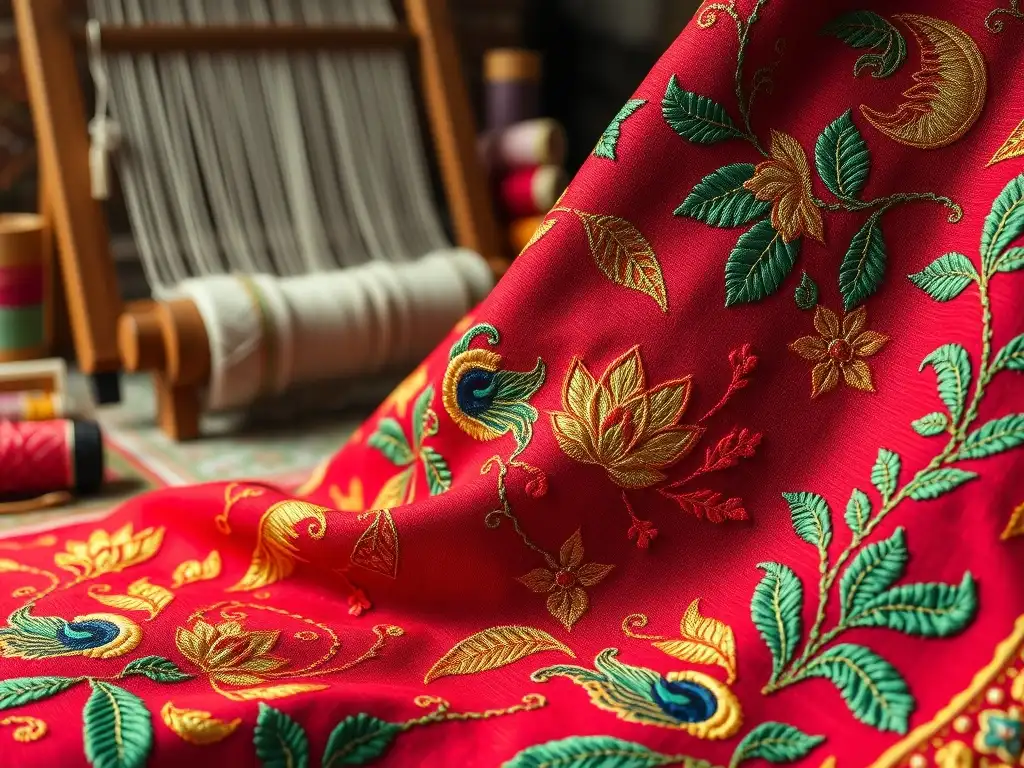
Welcome to Ancient India History, where we invite you to embark on a fascinating journey through the vibrant tapestry of ancient Indian civilizations. In our latest article, “Ancient Indian Embroidery: A Stitch in Time Through History,” we delve into the intricate world of ancient Indian embroidery techniques, unveiling the artistry and cultural significance woven into each thread.
Discover how these timeless skills not only reflect the aesthetics of the past but also serve as a window into the rich traditions and craftsmanship that have shaped India’s heritage. Join us as we explore this captivating aspect of history that continues to inspire and influence the world of fashion and textiles today!
- Introduction to Ancient Indian Embroidery Techniques
- Historical Context of Ancient Indian Embroidery
- Types of Ancient Indian Embroidery Techniques
- Cultural Significance and Symbolism in Embroidery
- Modern Interpretations of Ancient Indian Embroidery Techniques
- Conclusion: Preserving the Heritage of Ancient Indian Embroidery
- Call to Action
- Frequently Asked Questions
- Final Reflection: The Timeless Threads of Ancient Indian Embroidery
- Unveil the Artistry of Ancient Indian Embroidery!
Introduction to Ancient Indian Embroidery Techniques
Embroidery in ancient India is not merely an art form; it is a reflection of the country's rich tapestry of history and culture. From the intricate patterns of the Indus Valley Civilization to the elaborate motifs of the Mughal era, ancient Indian embroidery techniques encapsulate the stories, traditions, and values of the civilizations that flourished on this subcontinent. Each stitch tells a tale of craftsmanship, cultural exchange, and social significance, making it a vital aspect of India's textile heritage.
The evolution of these techniques over centuries has not only preserved artistic expressions but also contributed to the economic and social fabric of society. This article aims to explore the various embroidery techniques that have emerged throughout ancient Indian history, their cultural relevance, and how they have influenced contemporary textile practices.
The Significance of Embroidery in Ancient Indian Culture
Embroidery in ancient India was more than just a decorative pursuit; it held significant cultural importance. Traditionally, it served various purposes, such as:
- Religious Symbolism: Many embroidery patterns were imbued with spiritual meanings and were often used in religious garments and offerings.
- Social Status: The complexity and intricacy of embroidery techniques often indicated the skill level of the artisan and the social standing of the owner.
- Cultural Identity: Different regions developed unique styles, allowing communities to express their identity through distinct motifs and techniques.
Notable Embroidery Techniques:
- Kantha: Originating from West Bengal, Kantha is characterized by its running stitch, often used to create intricate patterns on quilts and garments.
- Phulkari: This Punjabi embroidery technique involves vibrant floral patterns and is traditionally used in shawls and dupattas.
- Chikan: Hailing from Lucknow, Chikan embroidery features delicate and intricate designs, often using white thread on pastel fabrics.
Through these techniques, artisans not only created beautiful textiles but also preserved narratives of their communities, making embroidery a vital part of ancient Indian culture.
Overview of Traditional Indian Textiles and Their Origins
The history of traditional Indian textiles is as diverse as the country itself, with each region contributing its unique fabric and design techniques. The origins of these textiles can be traced back to several ancient civilizations, notably:
- Indus Valley Civilization: One of the world's earliest urban cultures, the Indus Valley, showcased advanced weaving techniques and the use of cotton, which laid the foundation for subsequent textile production in India.
- Mauryan and Gupta Empires: During these periods, textiles became more sophisticated, with the introduction of silk and the development of intricate dyeing techniques.
- Regional Variations: Different areas, such as Gujarat, Rajasthan, and Tamil Nadu, began to specialize in distinct styles and techniques, resulting in a rich diversity of textiles that continue to influence modern fashion.
The overlap of embroidery techniques with these textiles highlights the interconnectedness of India's cultural heritage. As we delve deeper into the intricacies of ancient Indian embroidery, we uncover a legacy that reflects not only artistry but also the socio-economic and cultural narratives of a remarkable civilization.
Historical Context of Ancient Indian Embroidery
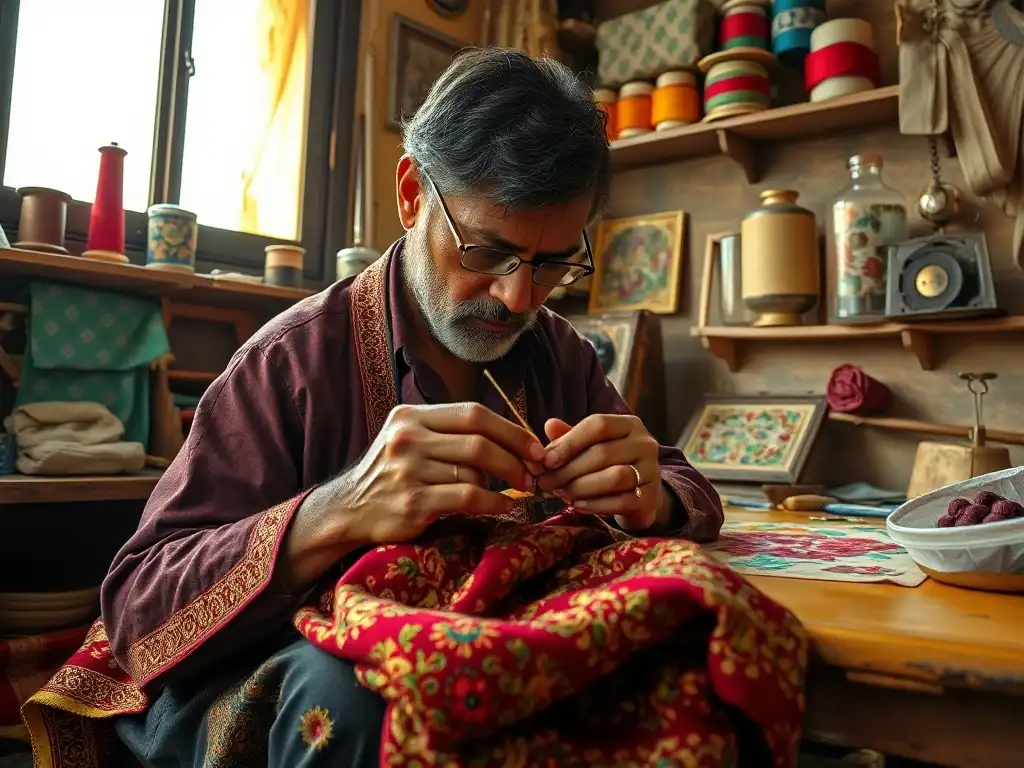
The history of ancient Indian embroidery offers a glimpse into the rich tapestry of culture, artistry, and craftsmanship that has evolved over millennia. Each stitch tells a story, reflecting the socio-economic conditions, religious beliefs, and cultural influences of the time. Understanding the historical context of ancient Indian embroidery is essential to appreciate its techniques and significance in traditional textiles.
The Indus Valley Civilization: The Origin of Textile Arts
The Indus Valley Civilization (circa 3300–1300 BCE) is often credited as one of the earliest urban cultures in the world, with its inhabitants exhibiting remarkable skills in various crafts, including textiles. Archaeological findings from sites such as Mohenjo-Daro and Harappa reveal a vibrant textile tradition, where cotton was cultivated and woven into fabrics.
- Cotton Cultivation: The Indus Valley was one of the first regions to cultivate cotton, which became a primary material for making textiles. The use of natural dyes from local plants and minerals further enriched the quality and aesthetic of the fabrics.
- Weaving Techniques: Evidence suggests that the people of the Indus Valley utilized simple loom techniques, likely employing both hand and foot looms to create intricate patterns. These early textiles often featured geometric designs, which reflected the mathematical prowess of the civilization.
- Embroidery Practices: While the exact nature of embroidery during this period is less documented, it is believed that basic embroidery techniques were employed to embellish garments. Techniques such as kantha (a form of embroidery that involves simple running stitches) likely originated here, setting a precedent for future embroidery practices in Indian textiles.
The artistry of the Indus Valley Civilization laid the groundwork for subsequent cultures, influencing the development of textile arts across ancient India.
Influence of the Maurya and Gupta Empires on Embroidery Techniques
The Maurya (322–185 BCE) and Gupta (circa 240–550 CE) Empires were pivotal in the evolution of ancient Indian embroidery techniques. These periods marked significant advancements in art and culture, leading to more sophisticated textile practices.
- Patronage of Artisans: The Mauryan Empire, under rulers like Ashoka, supported artisans and craftsmen, leading to an increase in the production of textiles. This royal patronage enabled the refinement of embroidery techniques, encouraging artisans to explore more complex patterns and motifs.
- Cultural Exchange: The Gupta Empire, often referred to as the Golden Age of India, saw extensive trade with other cultures, including the Romans and Central Asians. This cultural exchange introduced new designs, materials, and techniques, enriching the traditional embroidery styles. Notably, the use of gold and silver threads began to appear in textiles, enhancing their opulence.
- Regional Variations: Different regions in India began to develop distinct embroidery styles during these empires. For instance, the chikan work from the north, characterized by its delicate and intricate designs, gained popularity. Similarly, the zardozi technique, which involves embroidering with gold and silver threads, became prominent, showcasing the luxurious tastes of the elite.
- Religious Influence: The period also witnessed a surge in religious motifs and symbols in embroidery, reflecting the spiritual aspects of life. Textiles adorned with images of deities and intricate patterns became essential in religious rituals and ceremonies.
The Maurya and Gupta Empires played a crucial role in shaping ancient Indian embroidery techniques, fostering an environment where artistic expression flourished, and diverse styles emerged. The legacies of these periods continue to influence modern embroidery practices, preserving the rich heritage of ancient Indian textiles.
Types of Ancient Indian Embroidery Techniques
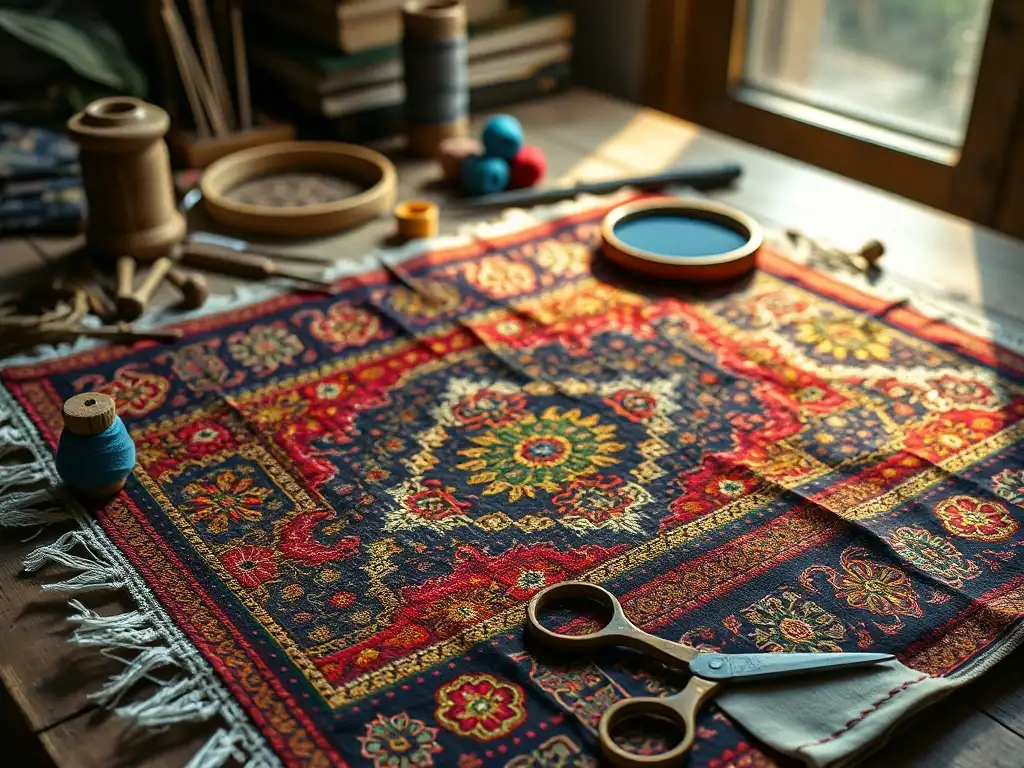
Ancient Indian embroidery techniques reflect the rich cultural history and craftsmanship of the region. These techniques not only served functional purposes but also conveyed artistic expression and social status. Among the myriad techniques, two stand out prominently: Chikan embroidery and Kantha stitch. Each of these styles embodies unique characteristics that define their historical and cultural significance.
Chikan Embroidery: The Fine Art from Awadh
Chikan embroidery, which originated in the city of Lucknow, is known for its intricate and delicate patterns. This embroidery technique flourished during the Mughal era and remains a symbol of the artistic excellence of the Awadh region.
Key Features and Techniques of Chikan Work
- Stitches: Chikan embroidery employs various stitches, including:
- Murri: A small knot stitch that creates textured patterns.
- Phanda: A circular stitch that forms floral designs.
- Bakhiya: A shadow work technique that leaves the fabric base visible, adding depth to the design.
- Materials: Traditionally, the embroidery is done on lightweight fabrics like cotton and muslin, allowing for comfort and elegance.
- Designs: Chikan work often features floral motifs, geometric patterns, and intricate borders, reflecting the natural beauty and sophistication of Mughal artistry.
- Color Palette: While white-on-white embroidery is the hallmark of Chikan work, vibrant colors are also incorporated to enhance the visual appeal.
Popular Products Featuring Chikan Embroidery
Chikan embroidery can be found in a variety of textile products, including:
- Kurtas: Traditional garments adorned with Chikan work, ideal for both casual and festive occasions.
- Dupattas: Elegant shawls that showcase the intricate craftsmanship of Chikan embroidery.
- Table Linen: Beautifully embroidered tablecloths and napkins that add a touch of elegance to dining settings.
- Wall Hangings: Artistic pieces that serve as decorative elements in homes, highlighting the beauty of Chikan artistry.
Kantha Stitch: The Story of Recycled Fabric
Kantha stitch is a traditional embroidery technique that originated in West Bengal and Bangladesh. This form of embroidery is unique because it primarily utilizes old sarees and fabric scraps, transforming them into beautiful and functional textiles.
Unique Aspects of Kantha Embroidery
- Stitching Technique: Kantha is characterized by its running stitch, which is used to create intricate patterns and designs over multiple layers of fabric. The technique typically involves:
- Simple Running Stitch: Forms the basic structure of the design.
- Varied Patterns: Designs can include floral motifs, animals, and geometric shapes, all stitched with precision.
- Upcycled Materials: Kantha emphasizes sustainability, as it repurposes discarded textiles, reflecting a resourceful approach to craftsmanship.
- Cultural Significance: The embroidery is often passed down through generations, with each piece telling a story, making Kantha not just a craft but a heritage art form.
- Colorful Aesthetic: The vibrant colors of the old fabrics add depth and character to Kantha embroidery, making each piece unique.
Recommended Kantha Products for Authentic Experience
To experience the beauty of Kantha embroidery, consider incorporating the following products into your collection:
- Kantha Quilts: Reversible quilts that showcase stunning patterns and provide warmth and comfort.
- Cushion Covers: Decorative covers that infuse color and texture into living spaces.
- Tote Bags: Stylish and eco-friendly bags made from recycled fabrics, perfect for everyday use.
- Wall Hangings: Unique textile art pieces that celebrate the artistry of Kantha.
By understanding these ancient Indian embroidery techniques, one can appreciate the cultural narratives and craftsmanship that have been woven into the fabric of history. Each stitch not only serves a decorative purpose but also tells a story of tradition, sustainability, and artistic expression.
Kutch Embroidery: A Vibrant Craft of Gujarat
Kutch embroidery is a traditional textile art originating from the Kutch region in the western Indian state of Gujarat. This vibrant craft is characterized by its intricate patterns and colorful designs, often reflecting the rich cultural heritage of the area. Historically, Kutch embroidery has been practiced by the local Rabari and Khatri communities, who have passed down their skills through generations. This unique form of embroidery is not just an art form; it also serves as a means of storytelling, with each piece often narrating the tales of the community's traditions, folklore, and everyday life.
The embroidery employs various techniques and stitches, making it distinct from other Indian embroidery styles. It often incorporates mirrors, beads, and other embellishments, which add to its aesthetic appeal. Kutch embroidery is commonly used on garments, accessories, and home decor, making it a versatile craft that continues to thrive in modern times.
Detailed Overview of Kutch Embroidery Techniques
Kutch embroidery showcases a variety of techniques, each contributing to its unique visual appeal. Some of the most prominent techniques include:
- Mirror Work (Shisha): This technique involves sewing small pieces of mirror onto the fabric, surrounded by intricate embroidery. The reflective nature of the mirrors enhances the vibrancy of the colors used and adds depth to the designs. Mirror work is often seen in traditional garments, bags, and wall hangings.
- Banjara Stitching: This technique involves using bold, geometric patterns and vibrant colors, often seen in the attire of the Banjara community. The stitches are typically larger and create a more textured appearance, making the garments stand out.
- Mochi Embroidery: This method features dense stitching and intricate patterns, often resembling the designs found in the local architecture. Mochi embroidery is commonly used in traditional garments, especially those worn during festivals and celebrations.
- Kutch Nakshi: This is a complex technique where motifs are created using a combination of stitches, resulting in a rich tapestry of designs. It often features floral and geometric patterns and is used extensively in shawls and quilts.
Each technique carries its own significance and has developed over time, influenced by various cultural and social factors. The combination of these techniques allows for endless creativity, resulting in stunning pieces that are both functional and artistic.
Best Kutch Embroidery Items to Explore
Kutch embroidery is not only about traditional clothing but also encompasses a wide range of items that reflect the craftsmanship and creativity of the artisans. Some of the best Kutch embroidery items to explore include:
- Traditional Garments: Items such as kurtas, cholis, and dupattas adorned with Kutch embroidery are popular for their exquisite designs and vibrant colors.
- Home Decor Items: Cushions, wall hangings, and bedcovers featuring Kutch embroidery can add a touch of elegance and cultural richness to any space.
- Accessories: Bags, purses, and clutches embellished with Kutch embroidery are trendy and serve as statement pieces that showcase the rich heritage of the craft.
- Footwear: Traditional Kutch embroidered juttis (flat shoes) are not only comfortable but also a fashionable choice, often featuring intricate designs that reflect the region's artistry.
- Crafted Gifts: Kutch embroidery makes for unique and thoughtful gifts, with items ranging from bookmarks to coasters, allowing one to share the beauty of this craft with others.
Exploring these items not only supports local artisans but also provides a glimpse into the vibrant culture of Gujarat, preserving the legacy of Kutch embroidery for future generations.
Cultural Significance and Symbolism in Embroidery
In ancient India, embroidery was not merely a decorative art; it was deeply intertwined with cultural identity and symbolism. Each stitch and motif carried profound meanings, reflecting the beliefs, traditions, and social statuses of the communities that created them.
Exploring Motifs and Patterns in Ancient Indian Embroidery
Motifs and patterns in ancient Indian embroidery tell stories that span centuries. Various regions developed unique styles, each representing local customs and narratives.
- Floral Designs: Commonly used in many textiles, floral motifs symbolize beauty, fertility, and nature's abundance. For instance, the phool (flower) motif in Kashmiri embroidery represents love and purity.
- Geometric Patterns: Found in Kutch embroidery, geometric designs signify harmony and balance. These patterns often reflect the mathematical understanding of the artisans, showcasing their skill and cultural emphasis on symmetry.
- Animal Imagery: Animals like elephants, peacocks, and tigers are prevalent in embroidery, symbolizing strength, grace, and royalty. The Madhubani style often features these creatures, linking them to local folklore and religious beliefs.
- Religious Symbols: Many embroidery styles incorporate symbols like the Om or lotus, representing spirituality and enlightenment. This is particularly evident in textiles used for religious ceremonies.
The regional diversity in motifs showcases the rich tapestry of India's cultural landscape, where each piece of embroidered fabric serves as a historical document, capturing the essence of its time.
The Role of Embroidery in Traditional Indian Weddings and Festivals
Embroidery plays a pivotal role in traditional Indian weddings and festivals, often serving as a means to convey status, heritage, and artistic expression.
- Wedding Attire: In weddings, intricately embroidered garments are a hallmark of celebration. For instance, the bridal lehenga often features zardozi embroidery, embellished with gold and silver threads that symbolize wealth and prosperity. Each stitch is a testament to the family's pride and the bride's beauty.
- Festive Wear: During festivals, garments adorned with kantha or phulkari embroidery are worn to honor tradition and celebrate community bonds. These vibrant textiles not only enhance the festive spirit but also reflect the wearer's connection to their cultural roots.
- Ceremonial Textiles: Embroidered textiles are also used in rituals, with items such as aachman towels and puja thalis often featuring intricate designs. These textiles play a crucial role in religious ceremonies, enhancing the sanctity of the occasion.
- Gifting Practices: It’s common for families to gift embroidered textiles during weddings, signifying blessings and goodwill. The act of gifting embroidered pieces fosters relationships and strengthens community ties.
Embroidery in these contexts is not just aesthetic; it becomes a vital aspect of cultural expression, embodying the values and traditions that have been passed down through generations. The use of various ancient Indian embroidery techniques during these important life events highlights their enduring legacy and significance in contemporary society.
Modern Interpretations of Ancient Indian Embroidery Techniques
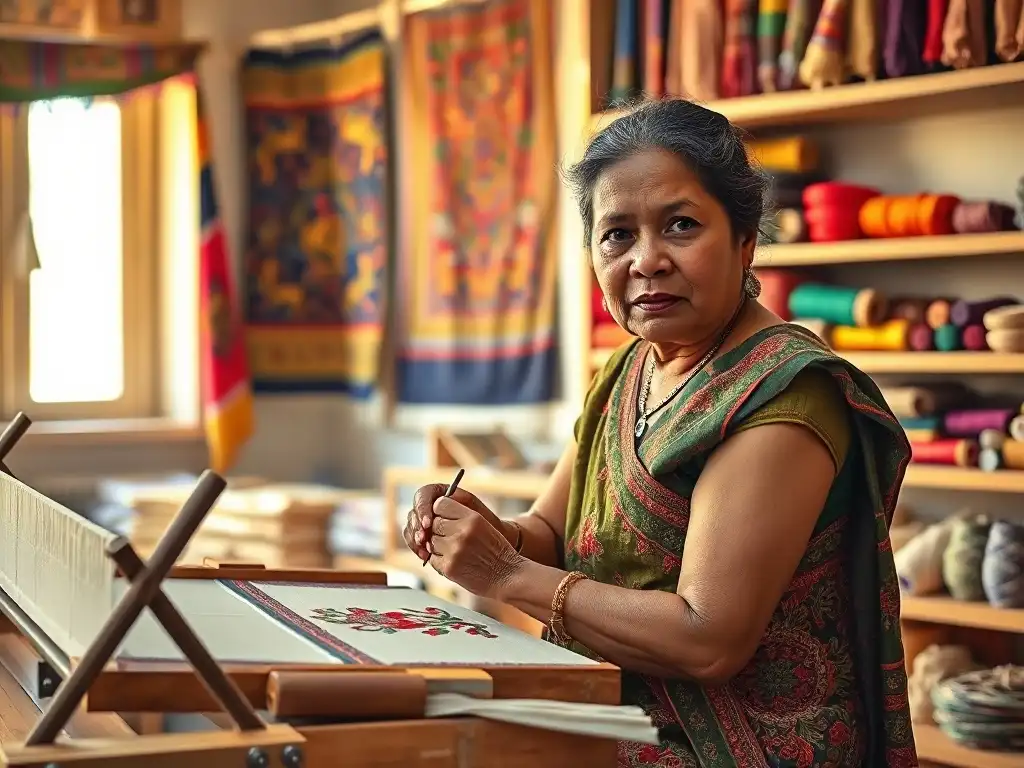
The resurgence of ancient Indian embroidery techniques in contemporary fashion is a testament to the timeless appeal and intricate artistry of these traditional skills. Designers today are not merely replicating historical patterns; they are innovatively integrating these techniques into modern silhouettes and styles, breathing new life into ancient practices.
How Contemporary Designers are Reviving Traditional Techniques
Contemporary designers are embracing ancient Indian embroidery techniques, such as Kutch, Chikan, Kantha, and Zardozi, and adapting them to fit modern aesthetics. This revival is not just about aesthetics but also about sustainability and craftsmanship.
- Sustainable Fashion: Many designers focus on sustainable practices by using natural dyes and local materials, promoting eco-friendly fashion. The revival of these techniques supports local artisans and helps preserve cultural heritage.
- Fusion Styles: Designers are combining traditional embroidery with Western silhouettes, creating hybrid garments that appeal to a global audience. For example, a traditional Chikan-embroidered kurta might be paired with denim for a casual yet sophisticated look.
- Artisanal Collaborations: Many fashion houses collaborate with skilled artisans from various regions of India. This not only provides a platform for these artisans to showcase their skills but also ensures that ancient techniques are passed down through generations.
Notable Brands and Artisans Promoting Ancient Indian Embroidery
Several notable brands and artisans are at the forefront of this revival, showcasing ancient Indian embroidery techniques in their collections:
- Raw Mango: Known for its subtle elegance, Raw Mango often incorporates traditional weaves and embroidery into contemporary designs, emphasizing the richness of Indian textiles.
- Anita Dongre: A celebrated designer who champions sustainable fashion, her collections frequently feature intricate embroidery techniques from various Indian states, highlighting the craftsmanship and stories behind each piece.
- Sanjukta Dutta: This designer uses traditional Assamese motifs and embroidery, showcasing the diversity within ancient Indian embroidery techniques while addressing modern fashion needs.
- Poonam Soni: Known for her exquisite work with Zardozi, Poonam Soni combines traditional Indian craftsmanship with contemporary designs, appealing to both domestic and international markets.
Affiliate Recommendations: Where to Buy Authentic Pieces
To support the artisans and bring home a piece of ancient Indian embroidery, consider purchasing from the following recommended platforms:
- Craftsvilla: A marketplace that offers a wide range of authentic handcrafted textiles, including embroidered garments from various regions of India.
- Jaypore: This online store specializes in traditional Indian crafts and textiles, featuring collections that highlight ancient embroidery techniques.
- Chumbak: Known for quirky designs, Chumbak also offers a collection of home decor and apparel that incorporates traditional embroidery, making it a great place to find unique pieces.
- The Handloom School: An initiative that promotes traditional crafts, it offers a range of products handcrafted by artisans, ensuring that you receive authentic pieces with a story.
By supporting these brands and artisans, you not only enrich your wardrobe with unique pieces of art but also contribute to the preservation of ancient Indian embroidery techniques.
Conclusion: Preserving the Heritage of Ancient Indian Embroidery
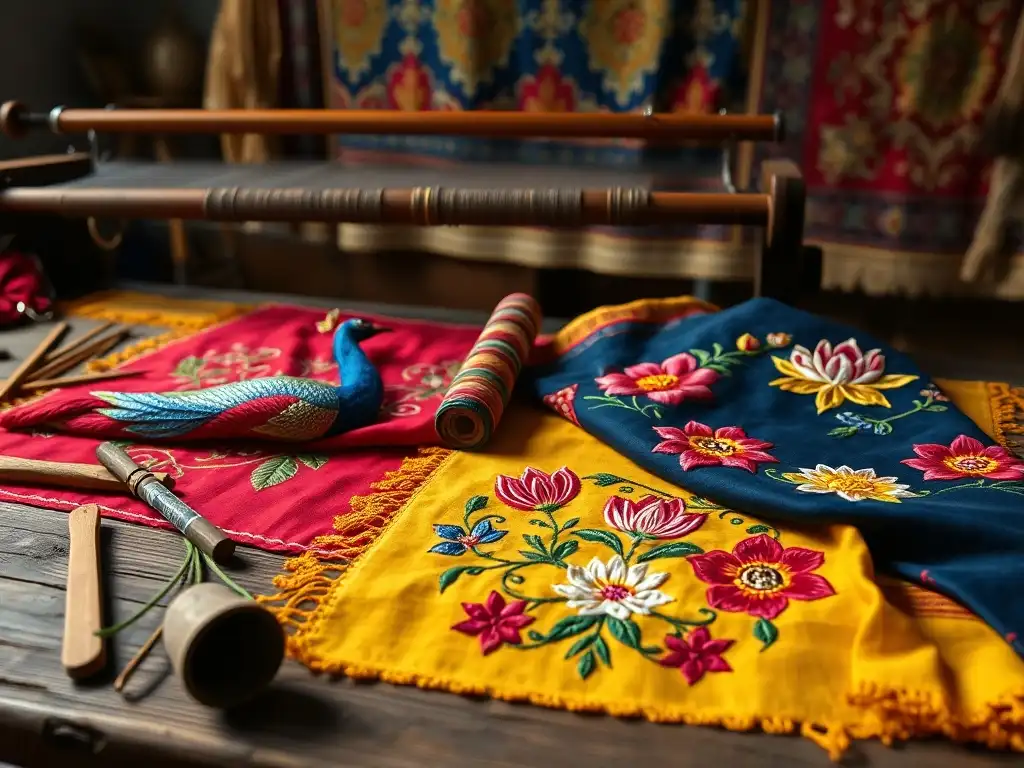
The rich tapestry of ancient Indian embroidery techniques is not only a testament to the artistic prowess of past civilizations but also a vital part of India’s cultural heritage. These techniques, ranging from the intricate Zardozi work of the Mughal era to the vibrant Kantha stitches of Bengal, encapsulate stories, traditions, and identities that have persisted through centuries.
As we reflect on the significance of these embroidery methods, it becomes increasingly clear that preserving this heritage is essential for future generations. The delicate balance between tradition and modernity must be maintained, ensuring that these skills are passed down while also adapting to contemporary tastes. Efforts to document, teach, and promote ancient Indian embroidery techniques will help safeguard this invaluable art form against the threat of oblivion in an ever-evolving fashion landscape.
The Future of Ancient Indian Embroidery Techniques in Fashion
The future of ancient Indian embroidery techniques lies in their integration into modern fashion contexts. Designers are increasingly recognizing the aesthetic value and storytelling potential of traditional embroidery, leading to innovative approaches that honor these time-honored methods.
- Reviving Techniques: Many fashion houses are collaborating with artisans to revive ancient techniques in contemporary designs. For instance, the use of Chikan embroidery from Lucknow has seen a resurgence in modern clothing lines, blending historical craftsmanship with current fashion trends.
- Sustainable Fashion: As sustainability becomes a focal point in the fashion industry, ancient Indian embroidery techniques offer a viable solution. Using natural materials and traditional methods minimizes environmental impact, allowing brands to promote ethical fashion while celebrating cultural heritage.
- Cultural Exchange: The global interest in diverse fashion narratives has led to an appreciation for ancient Indian embroidery techniques beyond borders. This cultural exchange fosters a greater understanding of the artistry involved and encourages international collaborations that keep traditional crafts alive.
- Education and Workshops: Institutions and organizations are increasingly offering workshops that teach these embroidery techniques to a new generation of artisans and enthusiasts. This educational approach not only preserves the knowledge but also empowers communities economically.
By embracing ancient Indian embroidery techniques in modern fashion, we ensure that these art forms continue to thrive and evolve, enriching both the fashion landscape and cultural heritage.
How to Support Artisans and Traditional Crafts
Supporting artisans and traditional crafts is crucial for the survival of ancient Indian embroidery techniques. Here are several actionable ways to contribute:
- Purchase Handmade Products: Opt for garments and textiles that feature traditional embroidery. Supporting local artisans not only helps sustain their livelihoods but also encourages the continuation of these crafts.
- Promote Awareness: Share information about ancient Indian embroidery techniques through social media or community events. Raising awareness can increase appreciation and demand for these art forms.
- Engage with Artisans: Seek opportunities to meet and learn from artisans directly. Engaging with them provides insight into their craft, fostering respect and understanding for their skills and traditions.
- Support Fair Trade: Look for organizations that promote fair trade practices for artisans. These organizations ensure that artisans receive fair compensation for their work, enabling them to continue their craft sustainably.
- Participate in Workshops: Attend workshops or courses that teach ancient Indian embroidery techniques. Learning these skills not only enriches your knowledge but also helps sustain the demand for these crafts.
By taking these steps, individuals can play an essential role in preserving the heritage of ancient Indian embroidery, ensuring that these exquisite techniques continue to adorn fabrics and tell stories for generations to come.
Call to Action
Embark on a journey through the intricate world of ancient Indian embroidery techniques. The rich tapestry of India's textile heritage beckons you to explore the stories woven into each stitch. From the elegant motifs of the Indus Valley civilization to the elaborate patterns of the Mughal period, every thread tells a tale of artistry, culture, and tradition.
Discover More About Traditional Textiles
To deepen your understanding of ancient Indian embroidery, we invite you to explore our extensive collection of articles and resources. These will provide insights into:
- Historical Context: Learn about the socio-cultural influences that shaped various embroidery styles.
- Regional Variations: Discover the unique techniques and motifs from different parts of India, such as:
- Kutch Embroidery: Characterized by mirrors and vibrant colors.
- Chikan Work: A delicate form from Lucknow featuring intricate white-on-white designs.
- Phulkari: Known for its floral patterns and bright colors, originating from Punjab.
- Techniques and Tools: Understand the tools and methods used by artisans, including:
- Hand-Embroidery: Techniques like Zardozi, Kantha, and Banjara stitching.
- Block Printing: A method that complements embroidery in creating stunning textile designs.
- Cultural Significance: Explore how embroidery reflects the rituals, traditions, and beliefs of ancient Indian societies.
By immersing yourself in these resources, you will gain a profound appreciation for the craftsmanship and heritage that define ancient Indian embroidery.
Explore Our Recommended Products and Resources
To further enrich your exploration of ancient Indian embroidery techniques, we recommend checking out these carefully curated products and resources:
- Books: Look for titles that delve into the history of Indian textiles, offering comprehensive guides on techniques and patterns.
- Workshops: Participate in hands-on workshops led by skilled artisans to learn about traditional embroidery methods.
- Textile Exhibitions: Visit exhibitions that showcase the beauty and variety of Indian textiles, allowing you to see intricate details up close.
Here are some resources to get started:
| Resource Type | Description | Example |
|---|---|---|
| Books | In-depth studies on embroidery techniques | "Indian Textiles: The Fabric of Life" |
| Online Workshops | Interactive sessions with expert artisans | "Mastering Chikan Work" |
| Textile Exhibitions | Events showcasing traditional and contemporary textiles | "The Great Indian Textile Show" |
By engaging with these products and resources, you can uncover the layers of meaning behind each stitch and celebrate the enduring legacy of ancient Indian embroidery. 🌼
Frequently Asked Questions
What are ancient Indian embroidery techniques?
Ancient Indian embroidery techniques include various styles such as Zardozi, Chikan, and Kantha, each reflecting the rich cultural heritage and craftsmanship of the region.
How did ancient Indian embroidery evolve over time?
Over the centuries, ancient Indian embroidery has evolved due to influences from various dynasties and cultures, leading to the development of unique regional styles that showcase local materials and artistry.
What materials were traditionally used in ancient Indian embroidery?
Traditionally, artisans used materials like cotton, silk, and wool, often complemented by embellishments such as gold and silver threads to enhance the beauty of the embroidery.
What role did religion play in ancient Indian embroidery?
Religion significantly influenced ancient Indian embroidery, with many designs inspired by mythological themes and symbols, often used in ritualistic garments and sacred textiles.
How can one learn ancient Indian embroidery techniques today?
Today, various workshops and online courses teach ancient Indian embroidery techniques, preserving this art form while encouraging new generations to explore and appreciate its cultural significance.
Final Reflection: The Timeless Threads of Ancient Indian Embroidery
Ancient Indian embroidery techniques are not merely remnants of the past; they are vibrant narratives woven into the fabric of our cultural identity. As we navigate a world increasingly dominated by fast fashion and fleeting trends, the intricate artistry of these techniques serves as a poignant reminder of the craftsmanship and cultural significance that can be found in every stitch. The revival and appreciation of these methods today highlight their relevance, as they connect us to our heritage and inspire a deeper understanding of the artistry involved.
The impact of ancient Indian embroidery extends far beyond its aesthetic appeal; it shapes our cultural landscape and fosters a sense of community and identity. These techniques have influenced contemporary fashion, art, and even social movements, bridging generations and encouraging a dialogue about sustainability and cultural preservation. As Mahatma Gandhi once said, “The best way to find yourself is to lose yourself in the service of others.” This sentiment resonates deeply within the realm of traditional crafts, where each piece tells a story of the artisans who dedicated their lives to preserving these skills.
As you reflect on the intricate beauty of ancient Indian embroidery, I invite you to consider how you can incorporate these lessons of craftsmanship and cultural appreciation into your own life. Embrace the stories behind the art, support local artisans, and seek out sustainable practices in your choices. By doing so, you not only honor the legacy of these ancient techniques but also contribute to a future where art and culture thrive hand in hand. Let us all be inspired to weave our own narratives, creating a tapestry rich with meaning and connection.
Unveil the Artistry of Ancient Indian Embroidery!
Thank you for delving into the vibrant world of Ancient Indian embroidery with us! We hope you’ve enjoyed learning about the rich history and intricate craftsmanship that has shaped this beautiful art form. Now, let’s take your passion for embroidery to the next level!
Here’s how you can connect with this timeless tradition:
- Explore your creativity by trying your hand at a new embroidery project inspired by the stunning techniques and patterns we discussed.
- Share what you’ve learned! Post photos of your favorite traditional embroidery pieces on social media and tag us to join the conversation.
- Join an online community or local group dedicated to textile arts to connect with fellow enthusiasts and expand your knowledge even further.
What aspect of ancient Indian embroidery inspires you to create your own unique piece?