
The Historical Impact of Foreign Invasions on Northern India: A Study of Resilience

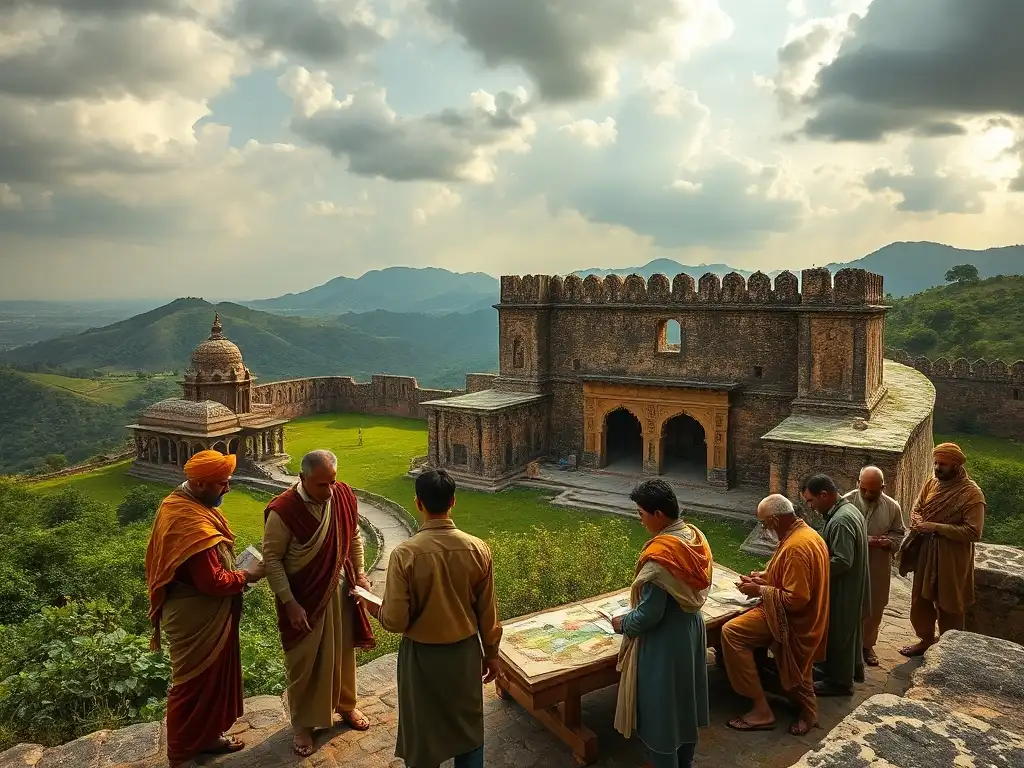
Welcome to Ancient India History, where we embark on a fascinating journey through the rich tapestry of ancient Indian civilizations. In this exploration, we delve into the historical impact of foreign invasions on Northern India, shedding light on the resilience and adaptability of its people. As we uncover the threads of conflict and cultural exchange, you'll discover how these invasions shaped the very identity of the region. Are you ready to unveil the stories that have defined a millennia of history? Let’s dive into the past and explore the enduring legacy of these encounters!

Introduction to Foreign Invasions in Northern India
The history of Northern India is marked by a series of foreign invasions that have significantly shaped its cultural, political, and social landscape. These invasions, which began as early as the second millennium BCE, introduced new ideas, technologies, and governance structures, while also challenging the existing socio-political frameworks.
Understanding the impact of these foreign incursions reveals a narrative of resilience and adaptation, as indigenous civilizations navigated the complexities of external influence. This article delves into the historical significance of foreign invasions in Northern India, exploring how these events not only transformed the region but also forged a unique identity that has persisted through the ages.
Overview of Historical Context
Historically, Northern India has served as a crossroads for various civilizations, making it a prime target for invasions. From the early Aryan migrations to the more recent Turkic incursions, each wave of invaders brought with it distinct cultural elements and administrative practices. The interplay between these foreign influences and indigenous traditions created a rich tapestry of history that continues to intrigue historians and scholars alike.
Significance of Studying Invasions in Northern India
Studying foreign invasions in Northern India is crucial for several reasons:
- Cultural Exchange: Each invasion resulted in a melding of cultures, leading to advancements in art, architecture, and philosophy.
- Political Transformation: Invasions often led to significant shifts in power, altering the political landscape and governance systems.
- Resilience and Adaptation: The ability of local populations to adapt to and absorb foreign influences highlights a remarkable resilience that characterizes Indian history.
Major Foreign Invasions in Northern India History
The Aryan Invasion: Cultural Transformations
The arrival of the Aryans around 1500 BCE marked a pivotal point in Northern India's history. This invasion introduced the Sanskrit language and the Vedic culture, which laid the foundation for Hinduism. The establishment of the caste system and new agricultural practices had lasting effects on the region's social structure.
The Persian Invasions: Influence on Governance
The Persian Empire, under Cyrus the Great, invaded parts of Northern India in the 6th century BCE. This incursion brought forth administrative innovations, particularly the concept of centralized governance and taxation, which influenced later Indian empires. The Persian architectural styles also left an indelible mark on the subcontinent.
The Macedonian Invasion: Alexander the Great's Impact
Alexander the Great's invasion in 326 BCE introduced Hellenistic culture to Northern India. His encounters with local kings and the subsequent spread of Greek art and philosophy significantly impacted the cultural landscape. The blending of Greek and Indian elements fostered a unique artistic heritage that would influence future generations.
The Mauryan Empire and the Aftermath of Invasions
Following the Macedonian invasion, the Mauryan Empire rose to prominence, unifying much of Northern India. The Mauryan rulers, particularly Ashoka, embraced elements of diverse cultures, promoting Buddhism and its principles of tolerance. This era exemplified how invasions could lead to greater unity and cultural synthesis.
The Huna and Turkic Invasions: Changes in Power Dynamics
The Huna invasions in the 5th century CE and the subsequent Turkic incursions in the 11th century CE dramatically altered the power dynamics of Northern India. These invasions fragmented existing kingdoms and paved the way for new political entities, such as the Delhi Sultanate. The cultural impacts of these invasions were profound, leading to the establishment of new languages, religions, and social practices that enriched the region's heritage.
The historical impact of foreign invasions on Northern India is a testament to the region's enduring resilience and ability to adapt. By examining these invasions, we gain insight into the complex interplay of cultures that has shaped Northern India into what it is today.
Resilience of Northern Indian Civilizations
The history of Northern India is characterized by a remarkable resilience in the face of numerous foreign invasions. From the early incursions of the Persians to the later expansions of the Mughals, the civilizations in this region have demonstrated an ability to adapt, survive, and often thrive despite the challenges posed by external forces.
This resilience is evident in various aspects of life, including cultural practices, economic systems, and political frameworks. Each invasion brought about significant changes, but the ability of local populations to integrate these influences while preserving their core identity is a testament to the enduring strength of Northern Indian civilizations.
Cultural Adaptation to Foreign Influence
One of the most profound impacts of foreign invasions on Northern India was the cultural adaptation that ensued. Invaders often brought new ideas, art forms, and religious practices, which were assimilated into the existing cultural fabric. For instance, the arrival of the Mughals introduced Persian art and architecture, which influenced local styles and led to the development of unique Indo-Islamic architecture, as seen in structures like the Red Fort and Humayun's Tomb.
Moreover, the mingling of cultures resulted in a rich tapestry of hybrid traditions. Festivals, music, and cuisine began to reflect a blend of indigenous and foreign elements, creating a dynamic cultural landscape. This adaptability not only enriched Northern Indian culture but also fostered a sense of unity among diverse communities, emphasizing resilience through shared heritage.
Economic Resilience Amidst Invasions
Economically, Northern India showcased considerable resilience during periods of foreign invasions. Despite the disruptions caused by warfare and looting, local economies often rebounded quickly, thanks in part to their agrarian foundations and trade networks. The fertile plains of the Ganges and the extensive trade routes connecting Northern India to Central Asia facilitated economic recovery and growth.
Additionally, the establishment of new trade relationships with foreign powers contributed to economic resilience. For instance, the Mughals implemented policies that encouraged trade and agriculture, leading to a period of prosperity known as the "Mughal Golden Age." This economic adaptability was crucial for sustaining the livelihoods of the local populace and fostering a sense of stability amid the turmoil of invasions.
Political Strategies for Survival and Resistance
The political landscape of Northern India during periods of foreign invasions was shaped by various strategies aimed at survival and resistance. Local rulers often formed alliances, either with other regional powers or even with the invaders, to strengthen their positions. This pragmatic approach allowed for the preservation of autonomy in a politically fragmented environment.
For example, during the Mughal invasions, some Rajput kings chose to ally with the Mughals rather than resist, which enabled them to maintain their territories and privileges. Others, however, led fierce resistance movements, demonstrating a commitment to uphold their sovereignty. The strategies employed by these rulers highlight the complex political dynamics that characterized Northern India, where resilience was often linked to adaptability and negotiation.
Case Studies of Northern Indian Kingdoms
The Gupta Empire: A Response to External Threats
The Gupta Empire, which flourished from the early 4th to the late 6th century CE, is a prime example of how a Northern Indian kingdom responded to external threats with resilience. Faced with invasions from the Huns, the Gupta rulers implemented a series of military and administrative reforms to fortify their defenses.
Under the leadership of Chandragupta II, the empire not only successfully repelled invasions but also witnessed a cultural renaissance that saw advancements in science, literature, and the arts. The Gupta period is often referred to as the "Golden Age of India," characterized by significant achievements that laid the foundation for future generations. The ability of the Gupta Empire to adapt and innovate in the face of adversity illustrates the resilience of Northern Indian civilizations.
The Rajput Kingdoms: Valor and Resistance
The Rajput kingdoms of Northern India are renowned for their valor and resistance against foreign invasions, particularly during the medieval period. These warrior clans exhibited a fierce sense of pride and honor, often engaging in prolonged battles against formidable foes such as the Mughals and the Afghans.
The resilience of the Rajputs is exemplified by their legendary fortresses, many of which were built high in the Aravalli hills as defensive strongholds. Their commitment to preserving their way of life and sovereignty resulted in a rich legacy of stories, folklore, and traditions that continue to inspire pride among their descendants. The Rajput resistance not only shaped the political landscape of Northern India but also contributed to the cultural identity of the region.
The Mughal Empire: Integration of Diverse Cultures
The Mughal Empire, which dominated Northern India from the 16th to the 18th centuries, is a compelling case study of resilience through cultural integration. While the Mughals were foreign rulers, they actively sought to blend their Persian heritage with the existing Indian culture, resulting in a unique composite culture.
The Mughal emperors, particularly Akbar, implemented policies of religious tolerance and promoted the idea of Sulh-i-Kul, or universal peace. This approach fostered cooperation among diverse religious communities, leading to a flourishing of art, literature, and architecture. The integration of various cultural elements under the Mughal rule exemplifies how resilience can manifest through collaboration and the celebration of diversity, ultimately enriching the historical narrative of Northern India.
The Legacy of Foreign Invasions in Northern India
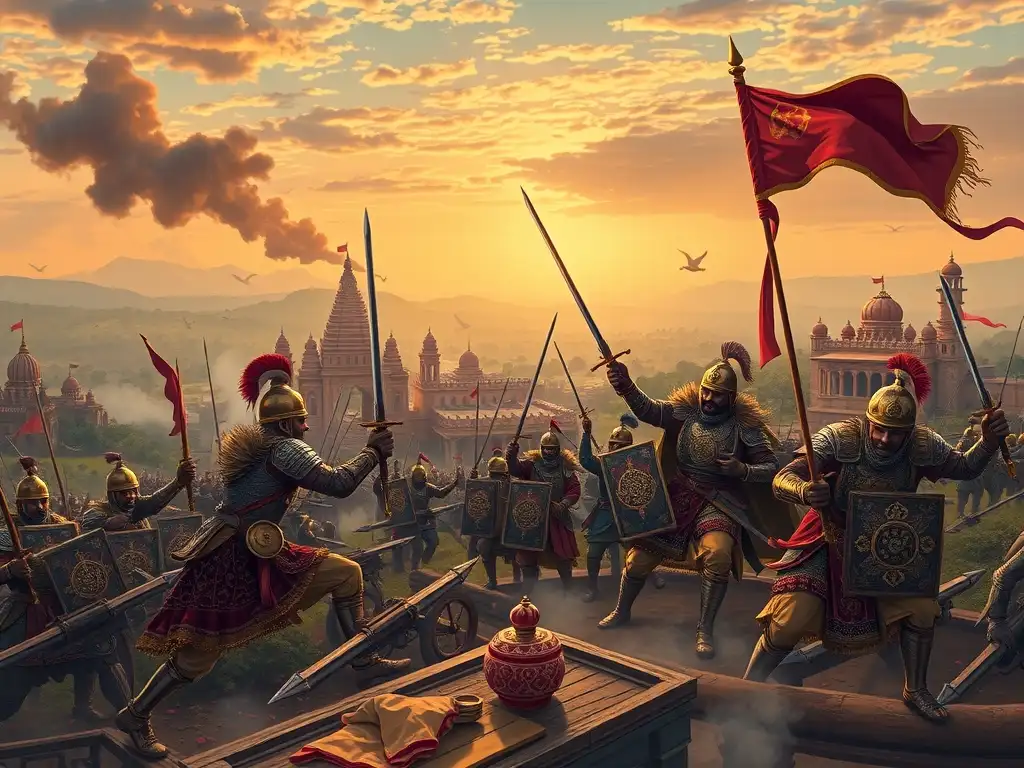
The legacy of foreign invasions in Northern India is a multifaceted aspect of its historical narrative. These invasions, spanning from the Aryan migrations in ancient times to the more pronounced incursions by the Persians, Greeks, and later the Mongols and Mughals, have left an indelible mark on the region’s cultural, political, and social fabric.
Each wave of invaders brought with them unique customs, traditions, and governance structures, which interacted with and influenced the indigenous cultures. This interplay has led to a rich tapestry of history where resilience is a recurring theme, showcasing how local societies adapted, resisted, and ultimately integrated foreign elements into their own cultural identities.
Long-term Cultural Impacts
The long-term cultural impacts of foreign invasions in Northern India are profound and enduring. For instance, the arrival of the Islamic empires in the medieval period led to significant shifts in language, cuisine, and social customs. Persian and Arabic influences can be seen in the development of Urdu, which evolved as a blend of local dialects and foreign languages. Moreover, the introduction of new agricultural practices and crops, such as rice and spices, transformed local economies and dietary habits.
The intermingling of cultures also fostered a spirit of pluralism in Northern India, where diverse communities learned to coexist. Festivals, art, and music began to reflect this syncretism, with practices from different traditions merging to create new forms of expression. The result is a vibrant cultural landscape that continues to evolve, demonstrating the resilience and adaptability of Northern Indian societies in the face of external challenges.
Contributions to Art, Architecture, and Literature
Foreign invasions significantly contributed to the evolution of art, architecture, and literature in Northern India. The Mughal Empire, in particular, is renowned for its architectural achievements, which blended Persian aesthetics with Indian styles. Iconic structures such as the Taj Mahal and the Red Fort are testaments to this synthesis, showcasing intricate designs and innovative construction techniques that symbolize a fusion of cultures.
In literature, foreign influences enriched local storytelling traditions. Persian poetry and storytelling forms were absorbed into the vernacular, leading to the emergence of new literary genres that celebrated both indigenous and foreign narratives. This cross-pollination of ideas not only enhanced the literary landscape of Northern India but also laid the groundwork for future artistic expressions, including the Bhakti and Sufi movements that emphasized universal themes of love and devotion.
The Evolution of Religious Practices
The evolution of religious practices in Northern India has been significantly shaped by foreign invasions. The arrival of Islam introduced new theological perspectives, which interacted with existing Hindu beliefs and practices. This interaction led to the establishment of syncretic traditions, such as Sikhism, which emerged in the 15th century as a response to the socio-religious dynamics of the time.
Additionally, the invasions prompted reforms within Hinduism itself, as communities sought to reaffirm their identities in the face of external pressures. The Bhakti movement, for example, emphasized personal devotion over ritualistic practices, reflecting a response to both internal and external influences. This evolution of religious thought and practice has contributed to the rich spiritual landscape of Northern India, fostering a culture of dialogue, adaptation, and resilience.
Comparative Analysis: Invasions vs. Indigenous Developments
A comparative analysis of foreign invasions and indigenous developments in Northern India reveals the complexity of historical interactions. While invasions often brought disruption and change, they also catalyzed indigenous responses that shaped the region’s trajectory. The ability of local societies to absorb and adapt to foreign influences is a testament to their resilience and resourcefulness.
The Role of Local Governance in Times of Invasion
Local governance played a crucial role during times of invasion, often acting as a stabilizing force amid chaos. Regional rulers and local chieftains employed various strategies to protect their territories, ranging from military alliances to diplomatic negotiations. For instance, during the invasions led by the Mughals, many Rajput kings initially resisted but later forged alliances, allowing them to retain a degree of autonomy while benefiting from the administrative practices of their conquerors.
This adaptability of local governance structures facilitated the continuity of administration and cultural practices, ensuring that the essence of Northern Indian identity endured despite the changes brought by foreign powers. The resilience of local governance mechanisms highlights how indigenous systems were capable of evolving in response to external challenges.
Comparison of Responses Among Different Regions
The responses to foreign invasions varied significantly across different regions of Northern India, influenced by factors such as geography, culture, and existing political structures. For example, the Punjab region, with its strategic location, experienced a series of invasions, leading to a more militarized response and the rise of warrior communities like the Sikhs. In contrast, the Gangetic plains, characterized by a more agrarian society, often saw a different approach, focusing on negotiation and integration.
These regional differences in response illustrate the diversity of strategies employed by local populations. While some areas displayed fierce resistance, others opted for adaptation and collaboration, reflecting a complex interplay between external pressures and local agency. This comparative analysis underscores the resilience of Northern Indian societies, showcasing their ability to navigate the challenges posed by foreign invasions while preserving their unique cultural identities.
Conclusion: The Resilient Spirit of Northern India
The history of foreign invasions in Northern India presents a narrative rich in complexity and resilience. Despite facing a multitude of challenges from external forces, including the Aryans, Persians, Greeks, and later, the Turks and Mughals, the region has demonstrated a remarkable ability to absorb, adapt, and innovate. This resilience is not merely a testament to the strength of its people but also reflects the dynamic interplay of cultures that have shaped Northern India's identity over millennia.
The invasions often acted as catalysts for change, leading to significant developments in political structures, trade, art, and religion. Each wave of invasion brought with it new ideas and practices that were integrated into the existing cultural fabric, resulting in a rich tapestry of traditions that continue to influence the region today. The ability to maintain a sense of identity amidst these changes speaks volumes about the resilience of Northern India's civilization.
Summary of Key Findings
The study of foreign invasions in Northern India reveals several key findings:
- Cultural Syncretism: Each invasion led to a blend of cultures, evidenced in architecture, language, and religious practices. For example, the Mughal Empire's influence can still be seen in the art and architecture throughout Northern India.
- Political Evolution: Invasions prompted the rise and fall of various dynasties. The Mauryas, Guptas, and later the Rajputs and Mughals emerged as powerful entities, reshaping the political landscape.
- Economic Impact: Trade routes expanded due to foreign interactions, enhancing economic prosperity. The Silk Road, for instance, facilitated not just trade but also cultural exchanges.
- Religious Transformations: The arrival of new religions, such as Islam and Buddhism, transformed the spiritual landscape of Northern India, leading to the establishment of new communities and practices.
- Resilience and Adaptation: The capacity of Northern Indian societies to withstand invasions and incorporate foreign elements into their identities highlights their resilience. This adaptability has been crucial in preserving the region's heritage.
The Enduring Influence of Historical Invasions on Modern India
The legacy of historical invasions continues to shape modern India in various ways. The cultural exchanges initiated during these periods have resulted in a diverse and pluralistic society, where multiple languages, religions, and traditions coexist. For instance, the syncretic culture seen in festivals, cuisine, and art forms is a direct outcome of the historical blending of various influences.
Moreover, the political and social structures that emerged from these invasions laid the groundwork for contemporary governance and societal norms. The historical narratives surrounding these invasions are often invoked in modern political discourse, reflecting the enduring impact of this legacy. The resilience demonstrated by Northern India in the face of invasions is celebrated as a source of national pride, serving as a reminder of the region's strength and adaptability through history.
References
- Alam, M. (2004). The Mughal State 1526-1750. Oxford University Press.
- Basham, A. L. (1954). The Wonder That Was India. Macmillan.
- Sahni, A. (2016). Ancient India: A Historical Overview. Prabhat Prakashan.
- Thapar, R. (2002). The Penguin History of Early India: From the Origins to AD 1300. Penguin Books India.
Suggested Further Reading on Foreign Invasions and Resilience in Northern India
- "Invasions and Empires: The Archaeology of Northern India": - An exploration of archaeological findings related to various invasions in Northern India.
- "Cultural Exchanges Between India and the West" - A study of how foreign invasions influenced cultural practices in Northern India.
- "The Resilience of Indian Society: Historical Perspectives": - A comprehensive examination of societal resilience in the face of historical challenges.
- "The Impact of the Mughals on Indian Society" - An in-depth look at the lasting effects of Mughal rule on Northern India’s culture and politics.
These readings provide further insights into the historical dynamics of Northern India and the enduring spirit that has characterized its people throughout the ages.
- Introduction to Foreign Invasions in Northern India
- Major Foreign Invasions in Northern India History
- Resilience of Northern Indian Civilizations
- Case Studies of Northern Indian Kingdoms
- The Legacy of Foreign Invasions in Northern India
- Comparative Analysis: Invasions vs. Indigenous Developments
- Conclusion: The Resilient Spirit of Northern India
- References
- What were the main foreign invasions in Northern India?
- How did these foreign invasions affect Indian culture?
- Did the foreign invasions have any impact on trade in Northern India?
- What role did resilience play in the history of Northern India?
- How can we learn from the historical impact of foreign invasions today?
Frequently Asked Questions
What were the main foreign invasions in Northern India?
The main invasions included the Greeks, Mauryan Empire, Huns, and Mughals, each significantly influencing the political landscape and cultural fabric of the region.
How did these foreign invasions affect Indian culture?
These invasions led to a fusion of cultures, introducing new art forms, languages, and religious practices, enriching the diversity of Indian culture.
Did the foreign invasions have any impact on trade in Northern India?
Yes, foreign invasions often opened up new trade routes and connections, enhancing commercial activities and facilitating the exchange of goods and ideas.
What role did resilience play in the history of Northern India?
The resilience of Northern India's civilizations allowed them to adapt and integrate foreign influences, ensuring that local traditions and practices continued to thrive despite external pressures.
How can we learn from the historical impact of foreign invasions today?
Studying these historical impacts can teach us about cultural adaptability, the importance of historical context, and how societies can emerge stronger from challenges.
Final Reflection: Resilience Through the Ages
The exploration of foreign invasions in Northern India reveals a profound narrative of resilience that resonates with contemporary society. As we reflect on the historical impact of these invasions, it becomes clear that the struggles and adaptations of past generations continue to shape the cultural and social fabric of Northern India today. The ability to withstand and emerge stronger from adversity is a testament to the enduring spirit of its people, reminding us that history is not merely a record of events but a source of inspiration for overcoming current challenges.
The legacy of these invasions has left an indelible mark on the region's identity, influencing everything from art and architecture to language and social structures. This ongoing interplay between resilience and adaptation underscores the importance of understanding our history. As Mahatma Gandhi once said, A nation's greatness is measured by how it treats its weakest members.
This perspective invites us to consider how the lessons learned from past invasions can inform our approach to current societal issues, fostering a sense of unity and strength in diversity.
As we conclude this reflection, I encourage you to take a moment to ponder the resilience that has characterized Northern India throughout its tumultuous history. Consider how these lessons can be applied in your own life and community. Let the stories of perseverance inspire you to face your own challenges with courage and determination, recognizing that, like the people of Northern India, we too can emerge stronger from adversity. Embrace the lessons of the past, and let them guide you toward a brighter, more resilient future.
Unveil the Legacy of Resilience in Northern India!
Thank you for immersing yourself in the rich tapestry of history that shapes Northern India. Your interest not only highlights the incredible resilience of its people but also opens the door to understanding how past events mold our present. Now, let's take the next step in celebrating and exploring this vibrant legacy.
Here are some actions you can take to deepen your connection:
- Dive deeper into the past! Explore local historical sites or museums that showcase the impact of various events on Northern India.
- Share your newfound knowledge with others! Write a blog post or start a conversation about how these historical narratives resonate in contemporary society.
- Join a community group or online forum related to Indian history to engage with fellow enthusiasts and expand your understanding.
What aspect of Northern India's resilient history inspires you the most, and how do you think it influences our future?