
Naval Warfare in Ancient India: Exploring Maritime Conflicts and Strategies

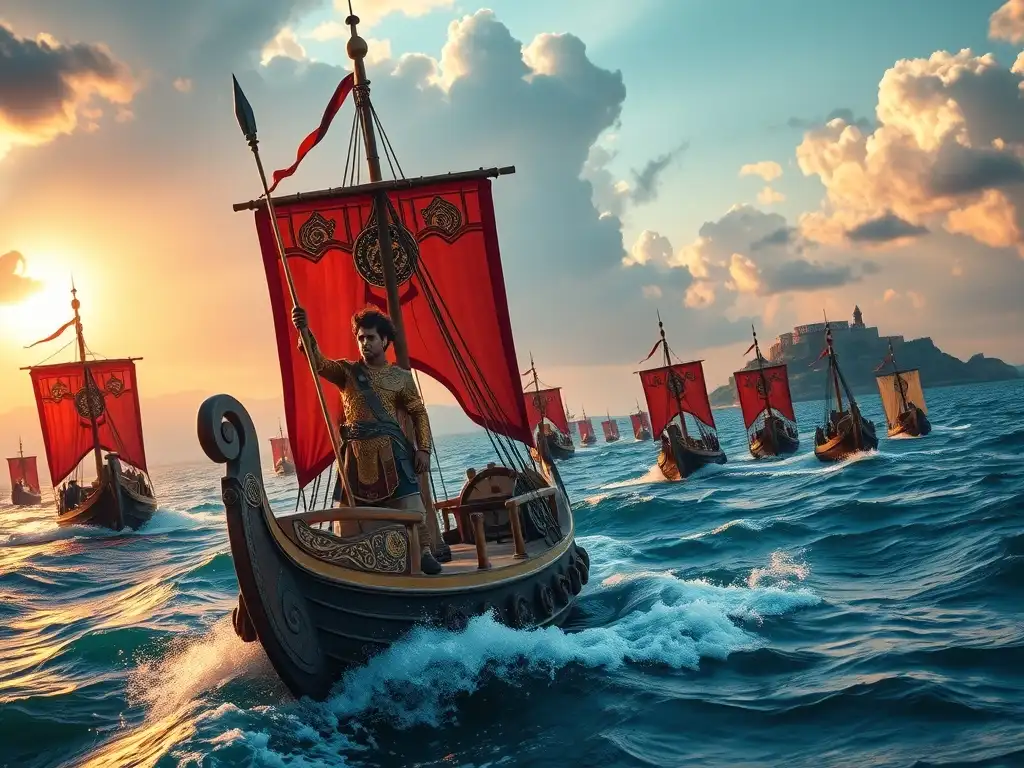
Welcome to Ancient India History, where we embark on an enthralling journey through the rich tapestry of ancient Indian civilizations. From the sophisticated cities of the Indus Valley to the intellectual heights of the Gupta Empire, we delve into the myriad facets of history and culture that shaped this vibrant land. In our featured article, "Naval Warfare in Ancient India: Exploring Maritime Conflicts and Strategies," we uncover the intriguing naval warfare strategies that defined ancient maritime conflicts.
Prepare to be captivated by the strategic ingenuity and naval prowess that played a pivotal role in shaping the course of history. Join us as we navigate the depths of this fascinating topic and discover the stories that have long been submerged beneath the waves of time!
- Introduction to Naval Warfare in Ancient India
- Historical Context of Ancient Indian Naval Warfare
- Ancient Indian Naval Warfare Strategies
- Major Maritime Conflicts in Ancient India
- Technological Innovations in Ancient Indian Naval Warfare
- Cultural and Economic Impact of Naval Warfare
- Conclusion: Legacy of Ancient Indian Naval Warfare Strategies
-
Frequently Asked Questions
- What were the primary naval warfare strategies in ancient India?
- How did the Indus Valley Civilization contribute to naval warfare?
- What role did the Gupta Empire play in maritime conflicts?
- Were there any notable battles or conflicts involving naval warfare in ancient India?
- How did ancient Indian naval warfare influence later naval strategies?
- Final Reflection: The Enduring Legacy of Ancient Indian Naval Warfare Strategies
- Dive Deeper Into the Legacy of Naval Warfare!
Naval warfare in ancient India is a captivating yet often overlooked aspect of the subcontinent's military history. From the formidable fleets of the Maurya Empire to the strategic maritime engagements of the Gupta period, ancient Indian civilizations demonstrated a sophisticated understanding of naval tactics and maritime operations.
This article delves into the rich tapestry of ancient Indian naval warfare strategies, exploring key conflicts, significant naval powers, and the cultural implications of maritime dominance. By examining the strategies and technologies employed by these civilizations, we gain insight into how naval warfare shaped both regional politics and trade in the Indian Ocean, highlighting the importance of maritime capabilities in the historical narrative of ancient India.
Overview of Ancient Indian Maritime Conflicts
Ancient India was home to several powerful kingdoms that recognized the significance of naval strength in maintaining territorial integrity and facilitating trade. Key conflicts that exemplify the use of naval strategies include:
- The Mauryan Empire: Under the reign of Chandragupta Maurya and his grandson Ashoka, the Mauryans established a vast empire that extended across the Indian subcontinent. They built a formidable navy to protect trade routes and engage in maritime conflicts, particularly against coastal kingdoms.
- The Chola Dynasty: Known for their exceptional naval prowess, the Cholas launched expeditions to Southeast Asia, showcasing their advanced shipbuilding techniques and naval tactics. The Chola navy played a crucial role in expanding their influence beyond the Indian Ocean.
- The Gupta Empire: Although primarily known for their land-based military strength, the Guptas also recognized the importance of naval power in controlling trade routes and securing their coastal territories.
These conflicts underscore the strategic importance of naval engagements in ancient India, as they not only determined the outcomes of battles but also influenced trade dynamics, cultural exchanges, and geopolitical relationships.
The significance of naval warfare in ancient Indian history extends beyond mere military engagements; it played a critical role in shaping the economic and cultural landscape of the region. Some key points to consider include:
- Economic Impact: Control of maritime trade routes allowed kingdoms to amass wealth and resources, fostering economic prosperity. Naval power facilitated trade with regions such as Southeast Asia, the Middle East, and Africa, enhancing cultural exchanges and diplomatic relations.
- Cultural Exchange: Maritime interactions led to the exchange of ideas, technologies, and cultural practices. This not only enriched Indian civilization but also allowed for the spread of Indian culture and religion to distant lands.
- Strategic Defense: Naval capabilities provided a strategic advantage in defending coastal territories against foreign invasions and piracy. This defensive posture was crucial for maintaining stability within the kingdom and ensuring the safety of trade routes.
The study of ancient Indian naval warfare strategies reveals a complex interplay of military, economic, and cultural factors that shaped the course of history in the Indian subcontinent and beyond. Understanding these strategies provides valuable insights into the maritime legacy of ancient India, reinforcing its status as a significant player in the historical narrative of global maritime power.
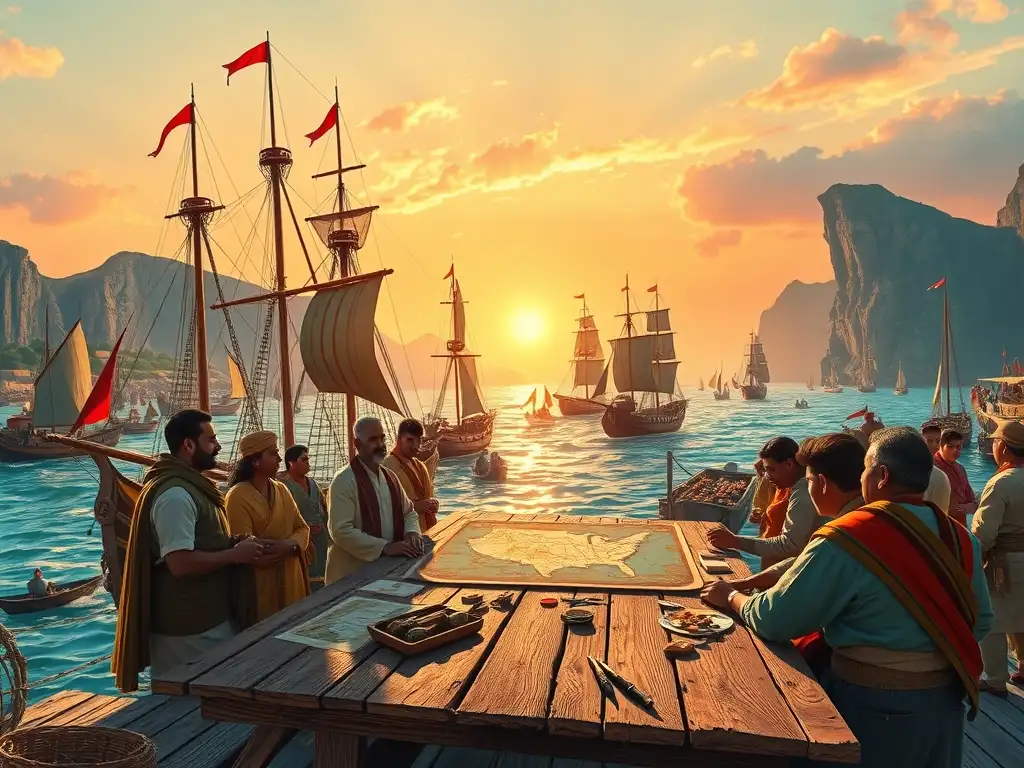
Ancient Indian naval warfare strategies were shaped by a rich tapestry of historical, geographical, and cultural influences. The Indian subcontinent, surrounded by the Arabian Sea, the Bay of Bengal, and the Indian Ocean, was well-positioned for maritime activities. This geographic advantage fostered the development of trade, exploration, and military engagement at sea.
The earliest recorded instances of naval activity in India can be traced back to the Indus Valley Civilization (circa 3300–1300 BCE), which had well-established trade routes across the Arabian Sea. Archaeological findings suggest the use of boats for commerce, which laid the groundwork for future naval conflicts. As Indian civilizations evolved, so did their naval capabilities, particularly during the Maurya and Gupta Empires, where naval power became a crucial aspect of military strategy.
The strategic importance of the seas was recognized by ancient Indian rulers, who understood that controlling maritime routes could yield significant economic and military advantages. Thus, naval warfare in ancient India was not merely a matter of defense; it was integral to expanding territories, securing trade routes, and exerting influence over rival kingdoms.
Maritime Powers in Ancient India
The concept of maritime powers in ancient India refers to the various kingdoms and empires that thrived on naval prowess and established formidable fleets. Some key players in this regard included:
- Chola Dynasty: Renowned for their extensive naval fleet, the Cholas (9th to 13th centuries CE) were instrumental in establishing trade networks across Southeast Asia. Their navy was not only used for protection but also for expeditions to expand their territory, including successful raids against Sri Lanka and parts of Southeast Asia.
- Maurya Empire: Under Chandragupta Maurya and later Ashoka, the Mauryas recognized the importance of a strong navy. Though primarily known for land conquests, they maintained a naval force that safeguarded trade routes and facilitated the spread of Buddhism across maritime regions.
- Gupta Empire: The Guptas (circa 320-550 CE) are often regarded as a golden age for India, and their naval strategies played a vital role in protecting trade against pirates and rival kingdoms. They engaged in maritime conflicts to uphold their economic interests and influence in the Indian Ocean.
- Kalinga: The region of Kalinga (modern Odisha) was a significant maritime power with a strong navy. Kalinga's strategic location along trade routes made it a target for various empires, leading to notable naval conflicts, especially during the Kalinga War involving Ashoka.
The naval strategies of these powers included the use of advanced shipbuilding techniques, formidable ship designs, and tactical innovations that enabled them to execute successful maritime operations.
Naval conflicts in ancient India were primarily concentrated in several key regions that were crucial for trade and military strategy. These regions included:
- The Arabian Sea:
- The Arabian Sea served as a major trade route connecting India with the Middle East and Africa. Control over this sea was vital for trade, leading to numerous conflicts among regional powers and foreign entities.
- The Bay of Bengal:
- The Bay of Bengal was significant for trade with Southeast Asia. The kingdoms of Kalinga and the Cholas frequently engaged in naval confrontations here, asserting dominance over trade and political influence.
- The Indian Ocean:
- The Indian Ocean facilitated trade between various civilizations, including the Romans, Arabs, and Southeast Asians. Indian powers, particularly the Cholas, expanded their naval reach into these waters, leading to conflicts with other maritime powers.
- Coastal Regions of India:
- Key coastal cities such as Calicut, Kochi, and Nagapattinam became focal points of naval engagements. These ports were crucial for maintaining trade routes and defending against foreign invasions.
- Sri Lanka:
- Sri Lanka was often a battleground for ancient Indian naval powers. The Cholas conducted several military campaigns against the island, attempting to control trade and establish dominance over the region.
Ancient Indian naval warfare strategies were a product of geographical advantages, maritime trade, and the ambitions of powerful kingdoms. Understanding the historical context and the key players involved provides deeper insights into the evolution of naval tactics and conflicts in ancient India.
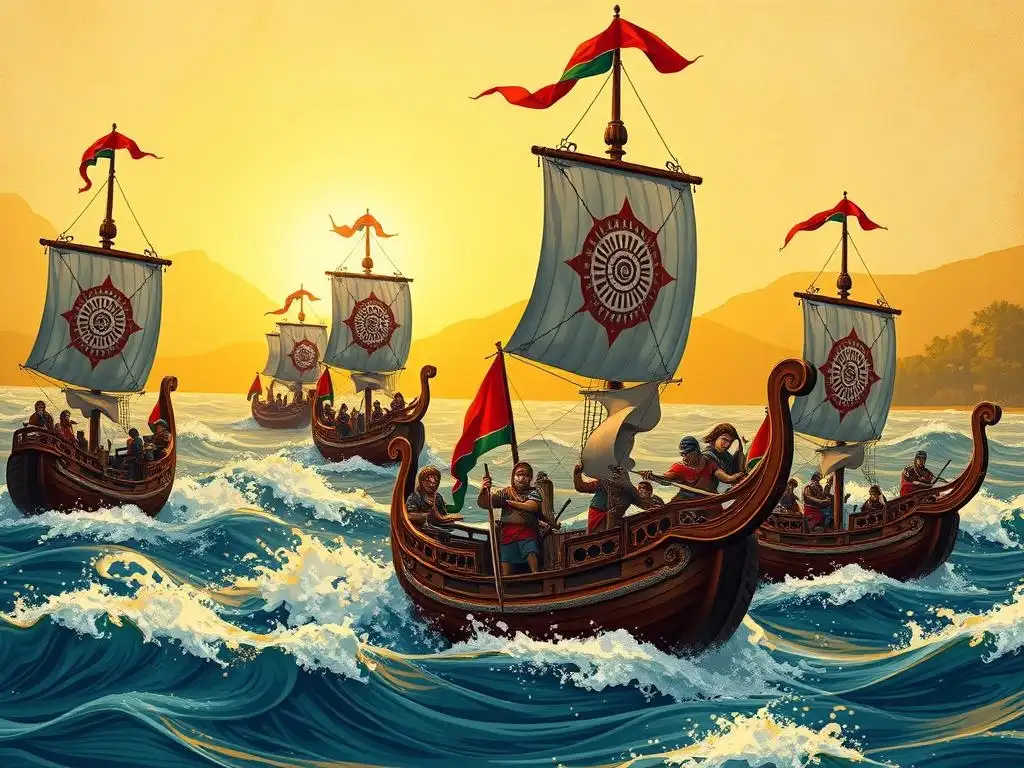
The rich tapestry of ancient Indian naval warfare strategies reveals a complex interplay of military innovation, geography, and cultural influences. From the early maritime activities of the Indus Valley Civilization to the sophisticated naval operations during the Gupta Empire, ancient Indian naval strategies were characterized by adaptability and utilization of regional resources. This section delves into the various aspects that defined ancient Indian naval warfare strategies.
Ancient Indian naval vessels were diverse and evolved over time, catering to different warfare needs and maritime conditions. The primary types of vessels included:
- Dhow: A traditional sailing vessel, the dhow was primarily used for trade but also adapted for military purposes. Its design facilitated maneuverability along the coasts and rivers.
- Warships: Larger vessels, often equipped with multiple levels, were specifically designed for naval battles. These ships could carry warriors, archers, and essential supplies.
- Transport Ships: Used to ferry troops and provisions, these vessels played a crucial role in logistics, allowing for sustained military campaigns.
- Fishing Boats: While not primarily military, these boats were often repurposed for reconnaissance and quick strikes against enemy vessels.
The craftsmanship of these vessels was notable, as they were typically constructed from local timber and featured sails made of strong fabrics, allowing them to withstand the rigors of sea warfare.
Tactics Employed in Maritime Battles
The tactics of ancient Indian naval warfare were influenced by both land and maritime strategies, combining elements from various military traditions. Key tactics included:
- Flanking Maneuvers: Naval commanders often employed flanking tactics to outmaneuver larger enemy ships, using smaller, faster vessels to launch surprise attacks.
- Ramming: Some vessels were equipped with reinforced bows designed for ramming into enemy ships, a tactic that aimed to cause damage or sink the opponent.
- Archery and Missile Attacks: Ships were manned by skilled archers who could attack enemy vessels from a distance, targeting crew members and causing chaos onboard.
- Blockades: Controlling key maritime routes was crucial, and blockades were employed to restrict enemy movement and supply lines.
- Boarding Techniques: Once in close proximity, naval forces would employ boarding tactics, utilizing grappling hooks and ladders to seize enemy ships.
These strategies reflect a comprehensive understanding of maritime warfare, emphasizing both offensive and defensive capabilities.
Geography played a significant role in shaping ancient Indian naval warfare strategies. The subcontinent's extensive coastline, rivers, and proximity to major trade routes influenced naval operations in several ways:
- Coastal Navigation: The Indian coastline, with its numerous harbors and estuaries, allowed for easy navigation and the establishment of naval bases. This facilitated rapid deployment of forces.
- Riverine Warfare: Major rivers such as the Ganges and Indus served as vital arteries for transport and communication. Control of these waterways was essential for moving troops and supplies during conflicts.
- Trade Routes: The Indian Ocean was a crucial maritime corridor for trade, which also became a battleground for asserting dominance over trade routes. Naval strategies often aimed at protecting merchant fleets from piracy and rival powers.
- Natural Resources: The availability of local timber and materials for shipbuilding influenced the design and construction of vessels, allowing for innovations that catered to specific geographical challenges.
Ancient Indian naval warfare strategies were a blend of tactical ingenuity and geographical advantages, showcasing the civilization's capacity for maritime conflict and trade. The evolution of these strategies highlights the significance of naval power in the broader context of ancient Indian military history.
Major Maritime Conflicts in Ancient India
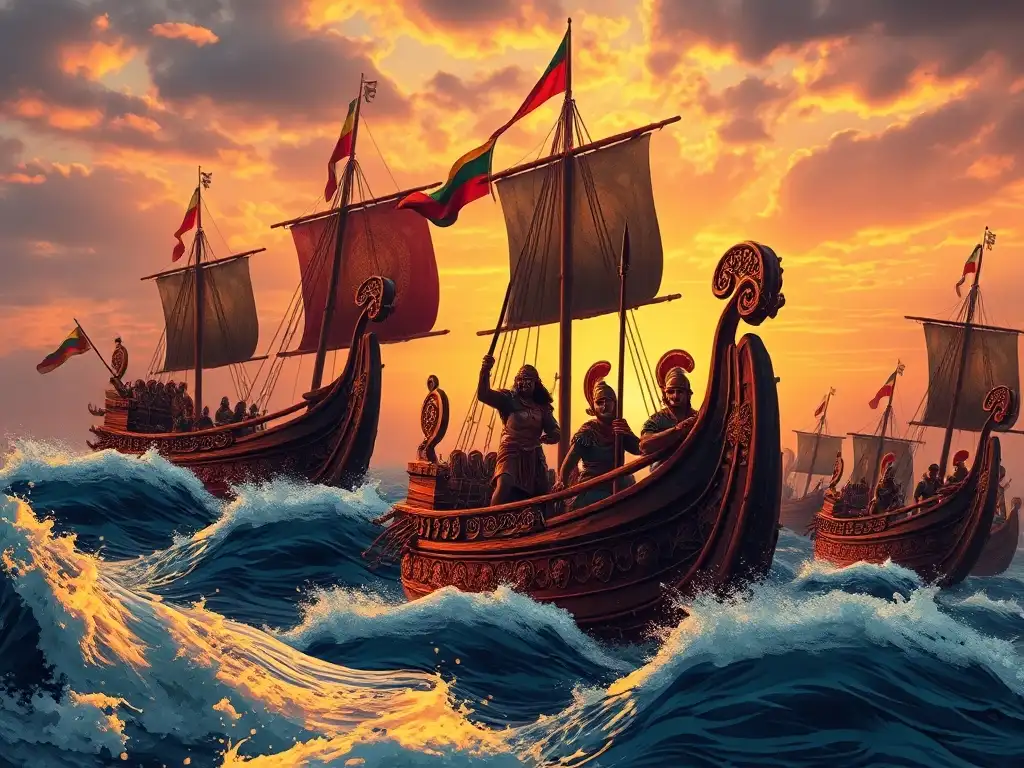
The Maurya Empire, which flourished from 322 to 185 BCE, marked a significant period in ancient Indian history where naval warfare began to take shape as a strategic force. Under the reign of Chandragupta Maurya and his grandson Ashoka, the empire expanded its influence over vast territories, necessitating the need for a strong navy to protect trade routes and assert dominance over the seas.
- Naval Structure: The Mauryan navy was structured to include various classes of vessels, such as warships and merchant ships. These vessels were often manned by skilled sailors who could navigate both coastal and riverine routes. The use of galleys—long ships powered by both oars and sails—was prevalent, allowing for greater maneuverability in combat and trade.
- Strategic Importance: The Mauryas recognized the strategic importance of the Arabian Sea and the Bay of Bengal. They constructed ports and naval bases, which facilitated trade with foreign lands such as Greece and Persia. The establishment of these maritime connections not only enhanced economic prosperity but also allowed for military expeditions against regional adversaries.
- Historical Accounts: Ancient texts, including the Arthashastra attributed to Kautilya (Chanakya), provide insights into the naval strategies employed by the Mauryan Empire. Kautilya emphasized the importance of naval power in warfare, advocating for the use of espionage and surprise attacks as essential tactics.
The Chola Dynasty: Masters of the Sea
The Chola Dynasty, reigning primarily between the 9th and 13th centuries CE, is celebrated for its exceptional naval prowess and maritime expeditions. The Cholas transformed naval warfare into an art form, establishing themselves as formidable maritime powers in Southeast Asia.
- Innovative Shipbuilding: The Chola navy was renowned for its advanced shipbuilding techniques. They constructed large, sturdy ships capable of carrying troops and supplies across vast distances. The Kovalam ships, with their unique hull designs, were optimized for both speed and stability, making them ideal for naval conflicts.
- Expeditions to Southeast Asia: One of the most notable feats of the Chola navy was the expedition led by Rajendra Chola I to the Srivijaya Empire (present-day Indonesia and Malaysia) in the early 11th century. This campaign not only showcased their naval capabilities but also demonstrated their ability to project power far beyond the Indian subcontinent. The successful conquest of key trade ports allowed the Cholas to control lucrative trade routes.
- Cultural Exchange: The maritime dominance of the Cholas facilitated cultural exchanges between India and Southeast Asia. They established trade links, spreading Indian culture, art, and religion across the region. This influence is evident in the architecture of temples and the adoption of Hinduism in various Southeast Asian societies.
Conflicts with Foreign Maritime Powers
Ancient India was not isolated from external maritime conflicts. Several powerful foreign maritime empires posed challenges to Indian naval interests, leading to significant confrontations.
- The Greeks and the Mauryan Response: After the campaigns of Alexander the Great, the emergence of Greek naval power in the Indian Ocean posed a significant challenge. The Mauryan Empire had to strategize to counter this new threat. Diplomatic relations were often favored, but military preparedness was vital to safeguard their interests.
- The Rise of the Portuguese: Although more recent, the Portuguese presence in the Indian Ocean during the late 15th century had deep-rooted historical precedents. They sought to dominate trade routes, leading to conflicts with the local powers. Indian coastal kingdoms often united to resist European encroachments, showcasing the continuity of naval strategies over centuries.
- Regional Naval Alliances: In response to foreign maritime threats, various Indian kingdoms formed alliances to strengthen their naval capabilities. These coalitions were instrumental in repelling invasions and ensuring the security of trade routes crucial for economic stability.
Ancient Indian naval warfare strategies were marked by adaptability, innovation, and a deep understanding of the maritime environment. From the Mauryan Empire's foundational structures to the Chola Dynasty's mastery of the seas, these civilizations laid the groundwork for a rich tradition of naval conflict and strategy that would resonate through history.
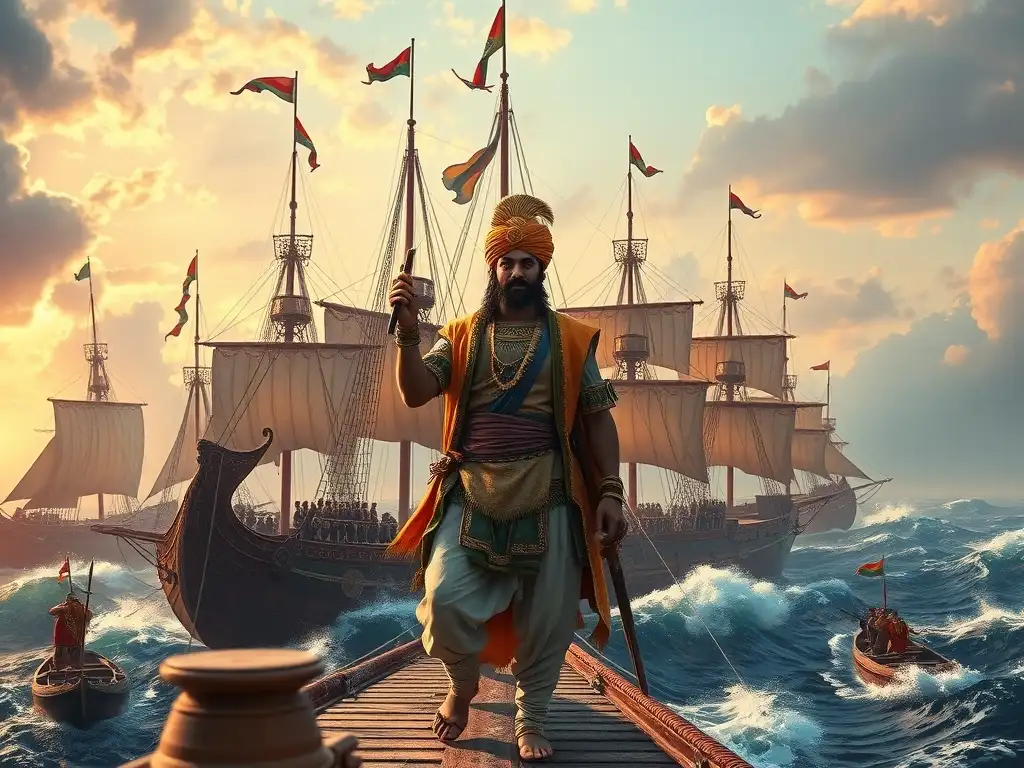
The realm of ancient Indian naval warfare was marked by a series of innovative technologies and techniques that significantly influenced maritime conflicts. These advancements were not limited to the construction of ships but also encompassed navigation, communication, and armament. Understanding these innovations provides a clearer picture of the strategic prowess of ancient Indian civilizations in maritime engagements.
Shipbuilding Techniques in Ancient India
Shipbuilding in ancient India was a sophisticated art that combined indigenous knowledge with influences from global maritime practices. The primary materials used included wood, bamboo, and in some instances, reeds, which were abundant in coastal regions. The following are key aspects of shipbuilding techniques in ancient India:
- Types of Vessels:
- Dhow: A traditional sailing vessel characterized by a lateen sail, commonly used in the Arabian Sea.
- Catamaran: Known for its twin-hulled design, offering stability and speed, making it ideal for coastal navigation.
- Oared Ships: These vessels were equipped with multiple oars, allowing for efficient maneuvering during battles.
- Construction Methods:
- Lapped Plank Technique: This method involved overlapping wooden planks, creating a seamless hull that enhanced durability and water resistance.
- Knotting and Lashing: Strong natural fibers were used for knotting and lashing, ensuring that the structure remained intact during rough seas.
- Decorative and Functional Features: Ships were often adorned with intricate carvings, which not only had aesthetic value but also served to identify ownership and signify cultural heritage. Functional features included:
- Ballistae: Mounted on ships, these powerful projectile weapons were crucial for long-range attacks.
- Ram: Some vessels were designed with a reinforced prow, allowing them to ram enemy ships effectively.
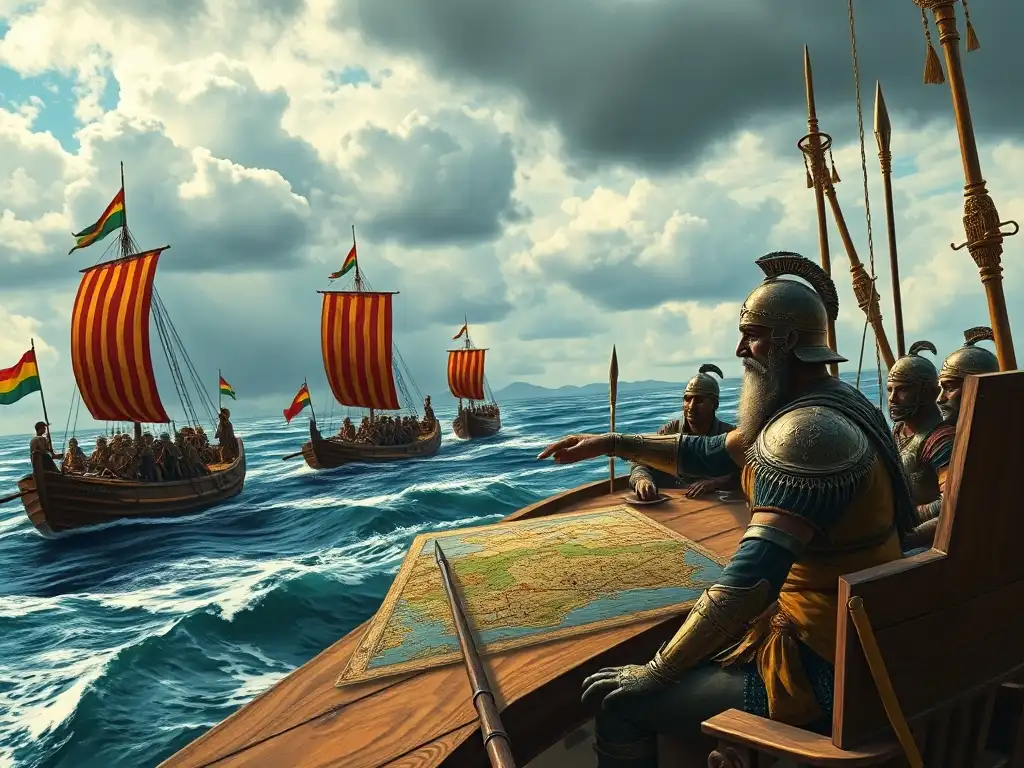
The ability to navigate vast oceans and coastlines was a hallmark of ancient Indian mariners. Their mastery of navigation and mapping facilitated extensive trade routes and military expeditions, which were essential for both commerce and warfare.
- Celestial Navigation: Ancient Indian sailors utilized the stars, sun, and moon for navigation. Key techniques included:
- Star Charts: Mariners created star charts that detailed the positions of significant constellations, aiding in nighttime navigation.
- Solar Navigation: The position of the sun during the day was used as a guide to maintain direction.
- Coastal Navigation: Skilled in recognizing landmarks and coastal currents, Indian mariners effectively navigated coastal waters. They relied on:
- Local Knowledge: Familiarity with coastal geography allowed sailors to identify safe harbors and avoid dangerous waters.
- Tidal Patterns: An understanding of tides enabled them to plan voyages that maximized favorable conditions.
- Mapping Techniques: Ancient Indian cartographers developed maps that depicted coastal regions and trade routes. These maps were crucial for:
- Trade Expeditions: Providing information on resource-rich areas and facilitating trade with distant lands.
- Military Strategies: Assisting naval commanders in planning assaults and understanding the geography of potential conflict zones.
The combination of advanced shipbuilding techniques and exceptional navigation skills exemplifies the ingenuity of ancient Indian civilizations in their maritime endeavors, laying a foundation for a rich tradition of naval warfare strategies.
Trade and Commerce through Maritime Routes
Ancient Indian naval warfare strategies were not only about military confrontations; they were deeply intertwined with trade and commerce. The extensive coastline of India provided numerous opportunities for maritime trade, which flourished particularly during the Maurya and Gupta empires. Key maritime routes connected India with various regions, including Southeast Asia, the Middle East, and Africa, facilitating a rich exchange of goods, culture, and ideas.
- Major Trade Goods:
- Spices: India was renowned for its spices, which were highly sought after in international markets.
- Textiles: Cotton and silk fabrics were major exports, driving trade and economic growth.
- Precious Stones: Indian artisans produced exquisite jewelry and gemstones that attracted traders worldwide.
The development of naval capabilities allowed Indian merchants to protect their trade routes from piracy and foreign threats, ensuring the smooth flow of goods. The strategic establishment of ports, such as those in the western regions like Gujarat and the eastern coast at Kalinga, further enhanced trade efficiency. These ports became bustling hubs where merchants exchanged not just goods but cultural practices, languages, and technologies.
The Maritime Silk Route is a prime example of how ancient Indian naval warfare strategies facilitated trade. Indian vessels, equipped with advanced navigation techniques and sturdy shipbuilding, ventured into the open seas, establishing trade links with distant lands. The economic benefits of these maritime exchanges were immense, leading to increased wealth and prosperity within various Indian kingdoms.
The influence of naval warfare on ancient Indian society cannot be understated. As naval power grew, it contributed significantly to the political and social structures of various kingdoms. Here are some key areas of influence:
- Political Power and Territorial Expansion:
- Kingdoms that mastered naval warfare, such as the Chola and Maurya empires, expanded their territories by establishing dominance over maritime routes. This not only increased their influence but also allowed them to project power beyond the subcontinent.
- Control over strategic ports enabled these kingdoms to levy taxes on trade, thereby increasing their revenue and military capabilities.
- Cultural Exchange and Integration:
- Maritime trade led to cultural exchanges that enriched ancient Indian society. The arrival of foreign traders brought new ideas, religions, and technologies, which were assimilated into Indian culture.
- The spread of Buddhism and Hinduism to Southeast Asia was facilitated by naval routes, as sailors and traders carried their beliefs to distant lands, resulting in cultural integration.
- Social Structure and Employment:
- The growth of naval capabilities created jobs not only in shipbuilding but also in navigation, trade, and maritime security. Skilled sailors and craftsmen became essential to the economy and society.
- The rise of merchant classes contributed to the socio-economic stratification, leading to the emergence of a powerful trading elite that influenced political decisions.
Ancient Indian naval warfare strategies were pivotal not only in military terms but also in shaping the cultural and economic landscape of the time. The integration of trade, political power, and cultural exchange through maritime routes highlighted the significance of naval capabilities in fostering a vibrant and interconnected ancient Indian society.
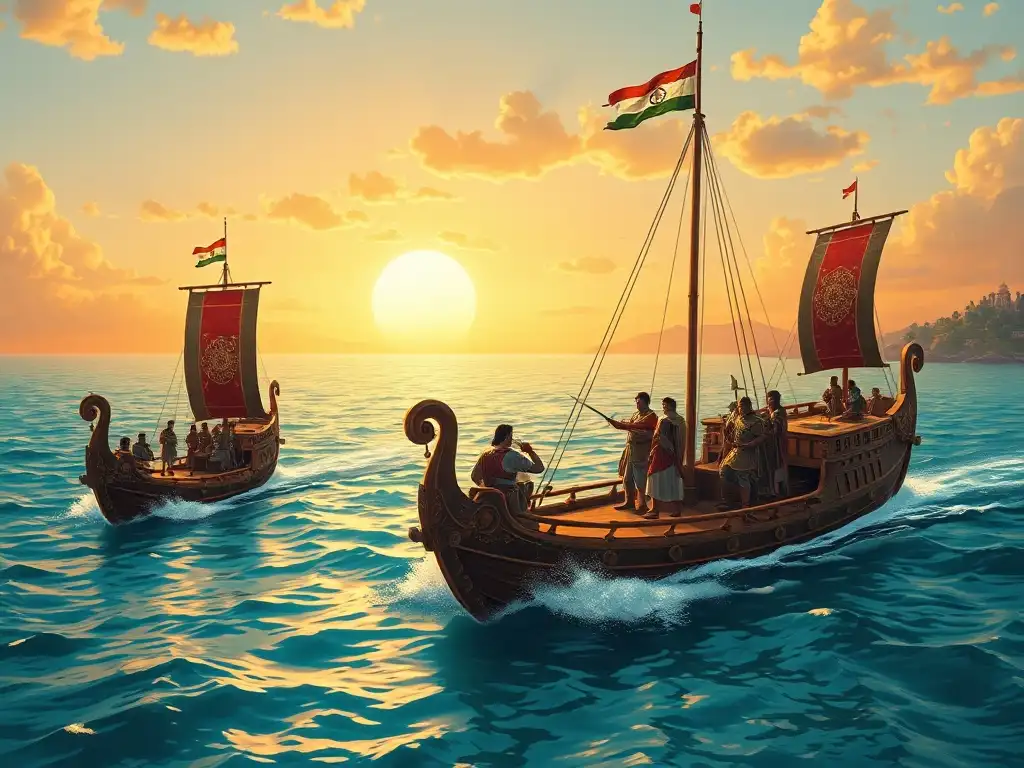
The legacy of ancient Indian naval warfare strategies is profound and multifaceted, reflecting the ingenuity and adaptability of Indian civilizations throughout history. From the sophisticated shipbuilding techniques of the Indus Valley Civilization to the strategic naval engagements during the time of the Mauryas and the Cholas, ancient Indian maritime practices were not merely about combat but also encompassed trade, diplomacy, and cultural exchanges.
As we review the strategies employed by these civilizations, it becomes clear that they laid the groundwork for future naval tactics and technologies. The focus on using the geography of the Indian Ocean to their advantage and the establishment of trade routes underscore the importance of naval power in sustaining and enhancing the socio-economic fabric of ancient India.
The influence of ancient Indian naval warfare strategies can be seen in modern Indian naval practices. Several key aspects have persisted, reflecting the continuity of maritime tradition:
- Strategic Locations: Just as ancient powers utilized strategic coastal locations for their naval bases, modern India continues to emphasize the importance of geographical advantage in its naval operations. Major ports like Mumbai and Kochi serve as crucial naval hubs.
- Shipbuilding Techniques: The craftsmanship of ancient shipbuilders can still be traced in contemporary Indian naval engineering. Modern shipbuilding in India often draws inspiration from traditional designs, emphasizing durability and functionality.
- Naval Diplomacy: Ancient practices of using naval power for diplomacy have evolved but remain relevant. Today, the Indian Navy engages in maritime diplomacy through joint exercises and collaborations with other nations, echoing the diplomatic strategies of ancient Indian rulers.
- Focus on Trade Routes: The ancient emphasis on securing trade routes has transitioned into a modern context where India is actively involved in safeguarding maritime trade against piracy and ensuring freedom of navigation in key sea lanes.
The ancient Indian naval warfare strategies not only shaped the historical context of maritime conflicts but also continue to influence the operational frameworks of the Indian Navy today. This rich legacy underscores the importance of understanding historical practices as they relate to contemporary military strategies.
The recognition of ancient Indian naval warfare in historical studies has grown significantly in recent decades. Scholars and historians have begun to appreciate the complexities of naval power in ancient India, moving beyond traditional land-centric warfare narratives. Key areas of focus include:
- Archaeological Discoveries: Excavations along the Indian coastline and the study of ancient ports like Lothal have unveiled artifacts and ship remains that provide insights into the maritime prowess of ancient civilizations. These findings have led to a reevaluation of the importance of naval capabilities in historical contexts.
- Literary Sources: Ancient texts such as the Arthashastra by Kautilya and the works of various travelers provide documented evidence of maritime strategies and naval engagements. These sources have become critical in understanding the strategic thought processes of ancient Indian leaders.
- Interdisciplinary Approaches: The integration of archaeology, anthropology, and maritime studies has enriched the discourse around ancient Indian naval warfare. This interdisciplinary approach allows for a more nuanced understanding of how naval strategies were developed and employed.
- Global Context: Comparative studies with contemporary naval powers in other regions, such as the Mediterranean or Southeast Asia, have highlighted the unique contributions of ancient Indian naval practices. This broader perspective emphasizes the significance of Indian naval history within a global maritime framework.
The recognition of ancient Indian naval warfare in historical studies not only honors the contributions of past civilizations but also inspires current and future naval strategies, ensuring that the legacy of these maritime traditions endures.
Frequently Asked Questions
Ancient Indian naval warfare strategies included the use of warships equipped with archers and spearmen, as well as tactics like blockades and ambushes to control maritime routes.
The Indus Valley Civilization was instrumental in developing early shipping techniques and trade routes, laying the groundwork for future naval tactics and marine commerce in ancient India.
What role did the Gupta Empire play in maritime conflicts?
The Gupta Empire enhanced naval power by expanding trade and improving shipbuilding techniques, which allowed them to engage effectively in both defensive and offensive maritime operations.
Yes, significant battles included the Chola naval expeditions against Sri Lanka, showcasing advanced naval tactics and the importance of maritime dominance in regional conflicts.
Ancient Indian naval warfare laid the foundation for future strategies by introducing innovative ship designs, navigation techniques, and the importance of control over sea routes, influencing subsequent maritime powers.
The exploration of ancient Indian naval warfare strategies reveals not only the tactical brilliance of the time but also their profound relevance in today’s geopolitical landscape. As nations grapple with maritime security and territorial disputes, understanding the historical context of naval conflicts can provide valuable insights into contemporary strategies. The ingenuity and adaptability demonstrated by ancient Indian naval commanders serve as a reminder that the seas have always been a theater for power dynamics and cultural exchanges.
The impact of these ancient strategies extends far beyond the annals of history, influencing modern naval doctrines and inspiring contemporary maritime policies. The lessons learned from the naval engagements of ancient India underscore the importance of innovation and strategic foresight in warfare. As noted by historian R. C. Majumdar, “History is not merely a record of the past; it is a guide to the future.” This perspective invites us to reflect on how the principles of naval warfare from centuries ago continue to shape our understanding of maritime strategy today.
As we contemplate the intricate tapestry of ancient Indian naval warfare, I encourage you to consider how these historical lessons can inform your own approach to challenges in your life. Reflect on the strategies that have stood the test of time and think about how you can apply similar principles of adaptability, foresight, and resilience in your personal and professional endeavors. By embracing the wisdom of the past, we can navigate the complexities of the present and chart a course toward a more strategic future.
Thank you for taking the time to explore the fascinating world of naval warfare in ancient India! We hope you’ve uncovered valuable insights into the strategies and conflicts that shaped this rich historical tapestry. Now, let’s take those insights a step further and bring them to life!
Here are some actionable steps you can take today:
- Join a discussion group or online forum focused on ancient history—share your thoughts on naval tactics and engage with fellow enthusiasts!
- Visit a local museum or historical site dedicated to maritime history to deepen your understanding of ancient naval strategies.
- Share this article with friends or on social media to spark conversations about the intriguing aspects of ancient Indian maritime conflicts.
What aspect of ancient naval warfare intrigues you the most, and how do you think it influences modern military strategies today?