
The Influence of Ayurveda on Ancient Indian Food Practices: Balance and Nutrition

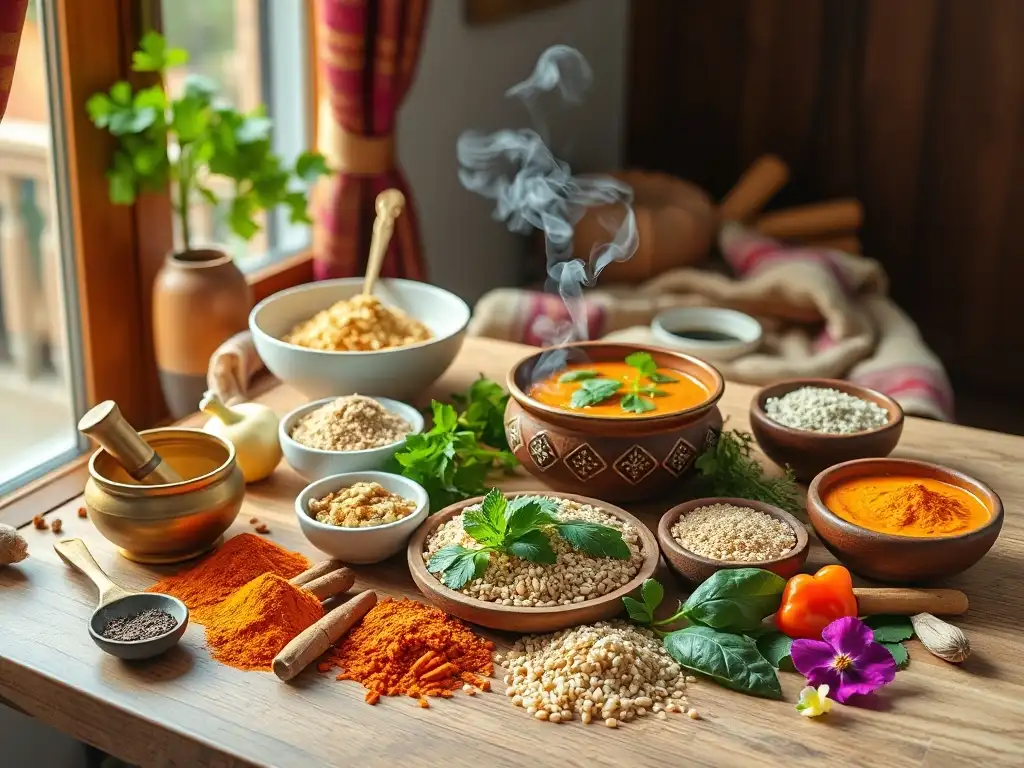
Welcome to Ancient India History, where we embark on a fascinating journey through the intricate tapestry of ancient Indian civilizations. Discover how the art of Ayurveda not only shaped the health practices of the time but also deeply influenced the culinary traditions that thrive to this day.
In this article, "The Influence of Ayurveda on Ancient Indian Food Practices: Balance and Nutrition," we delve into the harmonious relationship between wellness and cuisine, revealing how ancient insights into nutrition can enhance our modern lives. Prepare to uncover the secrets of a culture that celebrated food as both sustenance and healing—your exploration begins now!
Introduction to Ayurveda and Ancient Indian Cuisine
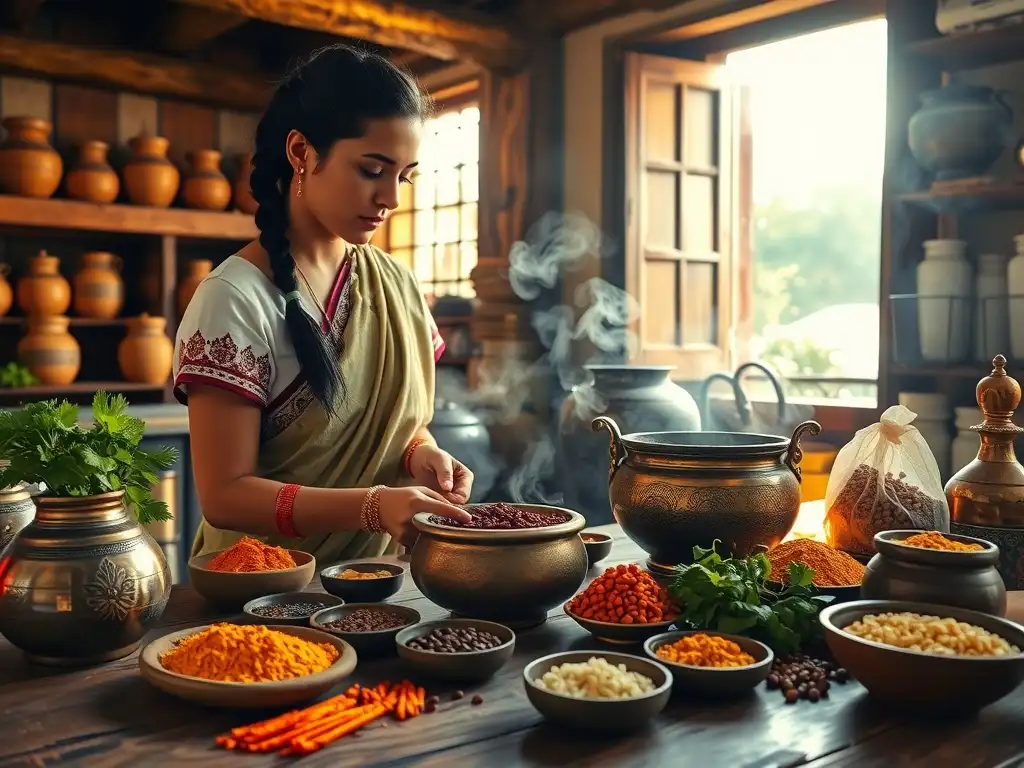
Ayurveda, often referred to as the "science of life," is not merely a system of medicine but a holistic approach that encompasses physical, mental, and spiritual well-being. Originating in ancient India over 3,000 years ago, Ayurveda emphasizes the importance of balance within the body and with the environment. This philosophy extends deeply into the culinary traditions of ancient India, shaping food practices that prioritize health and harmony.
In the context of Ayurveda and ancient Indian cuisine, food is not just sustenance; it is viewed as a vital component of health and wellness. The choice of ingredients, cooking methods, and even the timing of meals are all influenced by Ayurvedic principles, which advocate for a diet that aligns with the individual's constitution (prakriti) and the changing seasons. As we explore the intricate relationship between Ayurveda and ancient Indian food practices, we uncover a rich tapestry of traditions that not only nourished the body but also aimed to foster spiritual growth and community well-being.
Historical Context of Ayurveda in Indian Culinary Traditions
The historical roots of Ayurveda can be traced back to the Vedic texts, which laid the foundation for both medical and culinary practices in ancient India. These texts detail the significance of food as a source of energy and vitality, emphasizing that what we consume can greatly influence our health.
- Indus Valley Civilization (c. 3300–1300 BCE): Early references to dietary practices are found in archaeological findings, indicating a sophisticated understanding of nutrition. The civilization utilized a variety of grains, legumes, fruits, and vegetables, which laid the groundwork for Ayurvedic principles of a balanced diet.
- Vedic Period (c. 1500–500 BCE): The Vedas, particularly the Atharva Veda, introduced concepts of health and healing through diet. Rituals surrounding food preparation and consumption became integral to social and spiritual life, reflecting the belief that food should be pure and beneficial.
- Post-Vedic Developments: As Ayurveda evolved, it began to incorporate various regional ingredients and cooking methods, resulting in a diverse array of culinary practices across different Indian cultures. This adaptability allowed Ayurveda to influence local cuisines, leading to the development of unique food traditions that still resonate today.
At the heart of Ayurveda and ancient Indian cuisine are several core principles that guide dietary choices and food preparation:
- The Three Doshas: Ayurveda categorizes individuals into three primary doshas—Vata, Pitta, and Kapha—each representing different physiological and psychological characteristics. Understanding one's dosha helps tailor dietary practices to achieve balance.
- Sattva, Rajas, and Tamas: Foods are also classified based on their energetic qualities:
- Sattvic foods promote clarity and peace, such as fresh fruits, vegetables, and whole grains.
- Rajasic foods stimulate activity and passion, often found in spicy and stimulating dishes.
- Tamasic foods are heavy and dull, typically including processed or overly rich items that may hinder mental clarity.
- Seasonal Eating: Ayurveda advocates for a diet that changes with the seasons, utilizing seasonal ingredients that align with the body’s needs. This practice not only enhances nutritional value but also supports ecological sustainability.
- Mindful Eating: The Ayurvedic approach encourages individuals to eat with intention, focusing on the sensory experience of food. This mindfulness cultivates a deeper connection to what we consume, promoting digestion and overall health.
Through these principles, Ayurveda profoundly influences ancient Indian cuisine, fostering a tradition that values balance, nutrition, and the interconnectedness of food and health. The legacy of these practices continues to inspire contemporary culinary traditions, highlighting the timeless wisdom of Ayurveda in nurturing both body and spirit.
Ayurvedic Dietary Guidelines in Ancient Indian Cuisine
Ayurveda, the ancient Indian system of medicine, has significantly influenced dietary practices throughout history, focusing on achieving balance and harmony within the body. The core principle of Ayurveda is that food should nourish not only the body but also the mind and spirit. The dietary guidelines provided by Ayurveda are deeply rooted in the concept of doshas, which are the three energies—Vata, Pitta, and Kapha—that govern physiological and psychological functions.
- Balance of Doshas: Each individual has a unique constitution, or Prakriti, influenced by the predominance of the three doshas. Ayurvedic dietary guidelines recommend foods that balance these energies. For example:
- Vata-dominant individuals benefit from warm, moist, and oily foods to counteract dryness.
- Pitta types should focus on cooling and hydrating foods like cucumbers and melons to alleviate excess heat.
- Kapha individuals thrive on light, dry, and stimulating foods to reduce their natural heaviness.
- Seasonal Eating: Ayurveda emphasizes the importance of adapting one’s diet to the seasons. For instance, during the hot summer months, light and cooling foods are preferred, while heavier, more warming foods are recommended in the winter. This seasonal approach not only enhances digestion but also promotes overall well-being.
- Mindful Eating Practices: Ayurvedic traditions advocate for mindful eating, which includes:
- Eating in a calm environment without distractions.
- Chewing food thoroughly to aid digestion.
- Consuming meals at regular intervals to maintain metabolic balance.
These guidelines have shaped the culinary landscape of ancient India, fostering a holistic approach to nutrition that remains relevant in contemporary food practices.
Traditional Ayurvedic Ingredients and Their Benefits
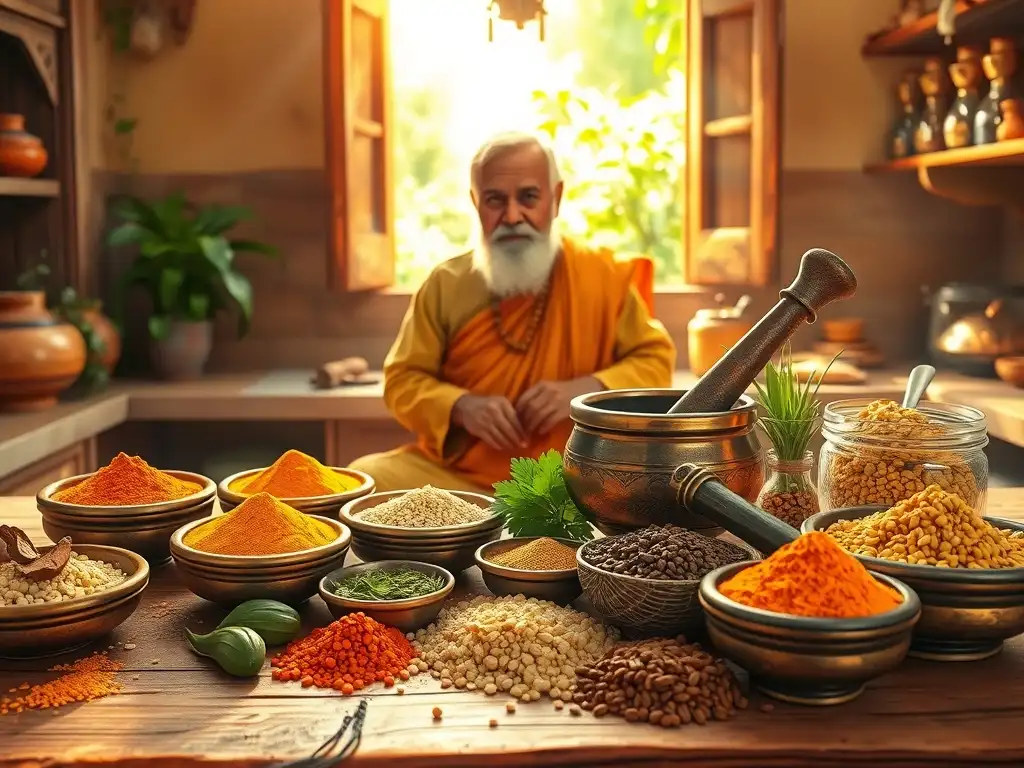
The foundation of Ayurvedic cuisine lies in its use of various herbs, spices, and natural ingredients, each selected for their health benefits and energy properties. Here are some key ingredients commonly found in Ayurvedic cooking:
- Turmeric: Known for its anti-inflammatory and antioxidant properties, turmeric is a staple in many Indian dishes. It aids digestion and enhances immunity.
- Ginger: This versatile root is revered for its ability to soothe nausea and improve digestion. Ginger is often used in teas and savory dishes to add warmth and flavor.
- Cumin: Cumin seeds are not only flavorful but also promote digestion and have carminative properties, which help alleviate gas and bloating.
- Fenugreek: Rich in fiber and antioxidants, fenugreek seeds are known to help regulate blood sugar levels and support digestive health.
- Coriander: Both the leaves and seeds of coriander are used in Ayurvedic cuisine, offering cooling properties and aiding in detoxification.
These ingredients are not just culinary staples; they embody the principles of Ayurveda by promoting health and balance. Incorporating these traditional ingredients into daily meals can enhance nutritional value and contribute to overall well-being.
Case Studies of Ayurvedic Influence on Food Practices
The impact of Ayurveda on ancient Indian cuisine can be observed through various case studies that highlight its enduring legacy in food practices.
- The Role of Ayurveda in Royal Banquets: Historical records indicate that Ayurvedic principles were integral to the royal kitchens during the Maurya and Gupta empires. Chefs were trained to prepare meals that balanced the doshas of the royal family and guests, ensuring that each dish served not only delighted the palate but also supported health and vitality.
- Ayurvedic Influence on Regional Cuisines: Different regions of India have adapted Ayurvedic principles into their local cuisines. For instance, the use of cooling ingredients like yogurt and cucumber in North Indian dishes during summer reflects Ayurvedic dietary guidelines. Similarly, the spicy and warming foods of South Indian cuisine are often balanced with cooling coconut and tamarind, demonstrating an understanding of dosha balance.
- Modern Adaptations of Ayurvedic Practices: In contemporary times, many chefs and health enthusiasts are revisiting Ayurvedic principles to promote wellness through food. Restaurants specializing in Ayurvedic cuisine offer menus that cater to different dosha types, showcasing the relevance of these ancient practices in modern culinary arts. For example, dishes are often tailored to seasonal changes, incorporating fresh, locally-sourced ingredients that align with Ayurvedic teachings.
These case studies illustrate how Ayurveda has not only shaped the food practices of ancient civilizations but continues to influence modern Indian cuisine, promoting a holistic approach to nutrition that prioritizes balance and well-being.
Modern Interpretations of Ayurveda in Cuisine
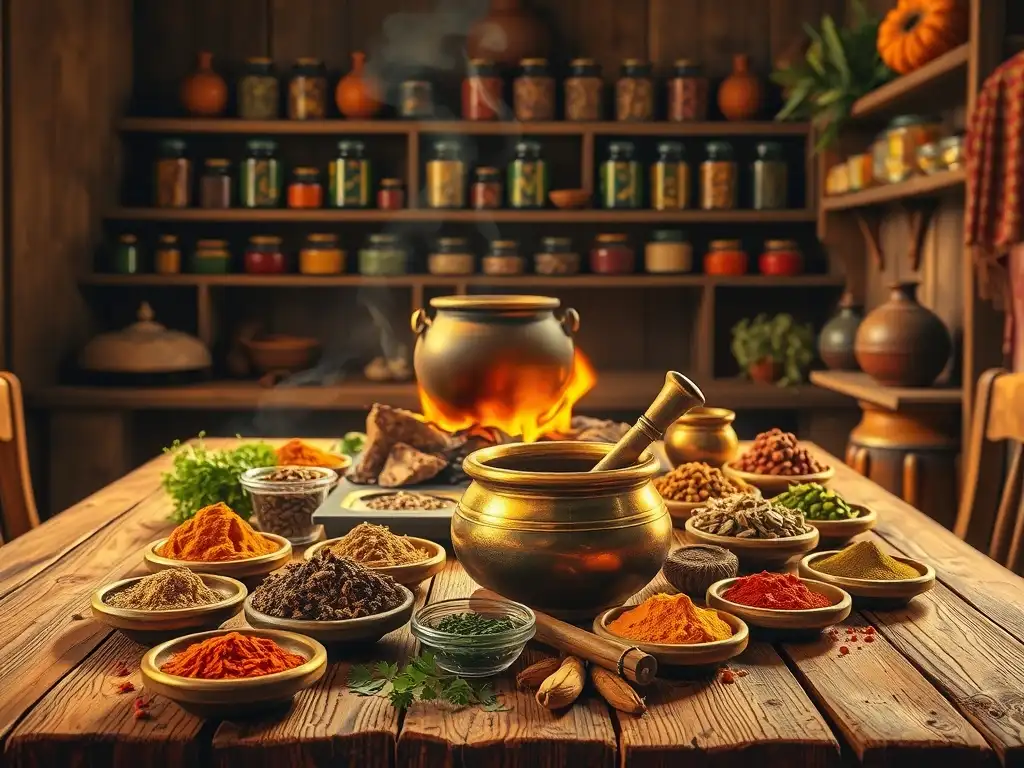
In contemporary culinary practices, the principles of Ayurveda continue to influence how food is prepared and consumed. Modern interpretations of Ayurveda in cuisine focus on the balance of flavors, nutritional value, and the therapeutic properties of ingredients. Chefs and nutritionists are increasingly integrating Ayurvedic concepts into their cooking, emphasizing seasonal ingredients and local produce to enhance both flavor and health benefits.
One notable trend is the emphasis on the six tastes defined in Ayurveda: sweet, sour, salty, pungent, bitter, and astringent. Each taste is believed to provide specific health benefits and to influence the body and mind in different ways. For instance, incorporating bitter greens may aid digestion, while sweet foods can promote calmness. By ensuring that meals include a variety of these tastes, modern chefs aim to create a balanced dining experience that aligns with Ayurvedic teachings.
Additionally, the use of herbs and spices plays a crucial role in the modern reinterpretation of Ayurvedic cuisine. Ingredients such as turmeric, ginger, and cumin are not only valued for their flavor but also for their medicinal properties. Turmeric, known for its anti-inflammatory effects, has gained popularity in various dishes, from traditional curries to contemporary smoothies. This integration of health-focused ingredients aligns with the growing interest in wellness and holistic health among consumers today.
Moreover, many restaurants and wellness centers offer Ayurvedic meal plans, catering to individuals seeking to balance their doshas (body constitutions) through diet. These meal plans often consider personal health conditions, seasonal changes, and lifestyle factors, emphasizing the personalized approach that Ayurveda advocates. As a result, Ayurveda's influence is reshaping modern dining, making it more than just a source of nourishment but also a path to wellness.
Conclusion: The Lasting Impact of Ayurveda on Indian Food Practices
The enduring impact of Ayurveda on Indian food practices is evident in both traditional and contemporary culinary landscapes. Rooted in the ancient understanding of health and balance, Ayurveda has shaped not only how food is prepared but also how it is perceived in relation to well-being. The holistic approach that Ayurveda promotes encourages individuals to view food as a means to nourish both the body and spirit.
This influence is particularly significant in the way that seasonal and locally sourced ingredients are prioritized. By aligning dietary choices with the rhythms of nature, Ayurveda fosters a deeper connection between individuals and their food. This connection is reflected in the communal aspects of dining in India, where meals are often shared and celebrated, further reinforcing the cultural significance of food.
As modern society grapples with issues related to health, nutrition, and sustainability, the principles of Ayurveda offer valuable insights. The emphasis on balance, variety, and mindful eating aligns well with contemporary wellness trends, making Ayurveda relevant to new generations. The resurgence of interest in traditional food practices, including Ayurvedic approaches, signifies a broader movement toward holistic living.
Additional Resources for Further Exploration
For those interested in delving deeper into the connection between Ayurveda and ancient Indian cuisine, the following resources may be helpful:
- Books:
- "The Complete Book of Ayurvedic Cooking" by Yoshinori Nagumo
- "Ayurveda: The Science of Self-Healing" by Dr. Vasant Lad
- "Healing Spices: How to Use 50 Everyday and Exotic Spices to Boost Health and Well-Being" by Bharat B. Aggarwal
- Websites:
- The Ayurvedic Institute: Offers courses and resources on Ayurveda and its applications in daily life.
- National Center for Complementary and Integrative Health: Provides research and information on Ayurvedic practices and their effects.
- Documentaries and Videos:
- "The Science of Yoga" – Explores the connections between yoga, Ayurveda, and overall health.
- "Healing Foods" – A documentary series that highlights traditional food practices and their health benefits.
By exploring these resources, readers can gain a richer understanding of how Ayurveda continues to shape food practices and health in modern India and beyond.
- Introduction to Ayurveda and Ancient Indian Cuisine
- Historical Context of Ayurveda in Indian Culinary Traditions
- Core Principles of Ayurveda Related to Nutrition
- Ayurvedic Dietary Guidelines in Ancient Indian Cuisine
- Traditional Ayurvedic Ingredients and Their Benefits
- Case Studies of Ayurvedic Influence on Food Practices
- Modern Interpretations of Ayurveda in Cuisine
- Conclusion: The Lasting Impact of Ayurveda on Indian Food Practices
- Additional Resources for Further Exploration
- What is Ayurveda and how does it relate to ancient Indian cuisine?
- How did ancient Indian civilizations incorporate Ayurveda into their diets?
- What are the key components of Ayurveda that affected food preparation in ancient India?
- Did Ayurveda influence the types of ingredients used in ancient Indian cuisine?
- How does the legacy of Ayurveda continue to impact modern Indian food practices?
Frequently Asked Questions
What is Ayurveda and how does it relate to ancient Indian cuisine?
Ayurveda is an ancient system of medicine that emphasizes balance and nutrition. It greatly influenced food practices in ancient India, promoting the idea that diet is essential for maintaining health and well-being.
How did ancient Indian civilizations incorporate Ayurveda into their diets?
Ancient Indian civilizations integrated Ayurvedic principles into their diets by using specific herbs, spices, and cooking methods aimed at achieving balance among the body’s energies, or doshas.
What are the key components of Ayurveda that affected food preparation in ancient India?
The key components include the understanding of doshas (Vata, Pitta, Kapha), seasonal changes, and the qualities of food (like taste and temperature) that affect health, guiding the preparation of meals to enhance nutrition.
Did Ayurveda influence the types of ingredients used in ancient Indian cuisine?
Yes, Ayurveda encouraged the use of natural ingredients, such as herbs and spices, which were believed to have medicinal properties. This not only enhanced flavor but also contributed to the overall nutritional value of the cuisine.
How does the legacy of Ayurveda continue to impact modern Indian food practices?
The legacy of Ayurveda remains significant in modern Indian cuisine through the continued emphasis on balanced diets, the use of traditional spices, and the belief in food as a source of healing and vitality.
Final Reflection: Embracing the Wisdom of Ayurveda in Our Culinary Journey
The principles of Ayurveda and ancient Indian cuisine are not just relics of the past; they are vital frameworks that resonate deeply in today's quest for holistic health and well-being. As we navigate an increasingly fast-paced world, the wisdom of Ayurveda reminds us of the importance of balance and nutrition in our daily lives. This ancient system offers profound insights into how food can be a source of healing, nourishment, and harmony, encouraging us to reconsider our relationship with what we eat.
The influence of Ayurveda on our cultural and social landscape is profound and enduring. From the resurgence of interest in plant-based diets to the growing awareness of the mind-body connection, Ayurveda serves as a guiding light in our culinary practices. The integration of these ancient principles into modern diets fosters a deeper understanding of nutrition that transcends mere sustenance. When diet is wrong, medicine is of no use. When diet is correct, medicine is of no need.
This quote encapsulates the transformative power of food as medicine, a concept that is increasingly relevant as we seek to prioritize wellness in our lives.
As we reflect on the teachings of Ayurveda and their application to ancient Indian cuisine, I invite you to explore how these principles can enrich your own culinary practices. Consider the balance of flavors, the seasonal ingredients, and the mindful preparation of your meals. By embracing the wisdom of Ayurveda, you can cultivate a deeper connection with your food, enhancing not only your health but also your overall quality of life. Let us take this journey together, honoring the past while nourishing our present and future.
Embrace Ayurveda: Transform Your Culinary Journey Today!
Thank you for diving into the fascinating world of Ayurveda and its profound impact on ancient Indian food practices. We hope you've discovered valuable insights into how balance and nutrition play essential roles in wellness. Now, it's time to take those lessons and put them into action!
Here are a few practical steps you can take:
- Incorporate Ayurvedic principles into your meals: Start by identifying your body type and tailoring your diet to suit your unique needs. This mindful approach can enhance your overall well-being.
- Experiment with traditional recipes: Try cooking a classic Ayurvedic dish or exploring a spice blend that piques your interest. Discover how these flavors can transform your meals!
- Share your journey: Connect with friends and family by discussing your insights on Ayurveda. Consider starting a conversation or a group to share the benefits you've experienced.
As you explore these new avenues, ask yourself: How will embracing the wisdom of Ayurveda change your relationship with food and health?