
Celebrating the Harvest: Ancient Indian Festivals and Their Culinary Significance

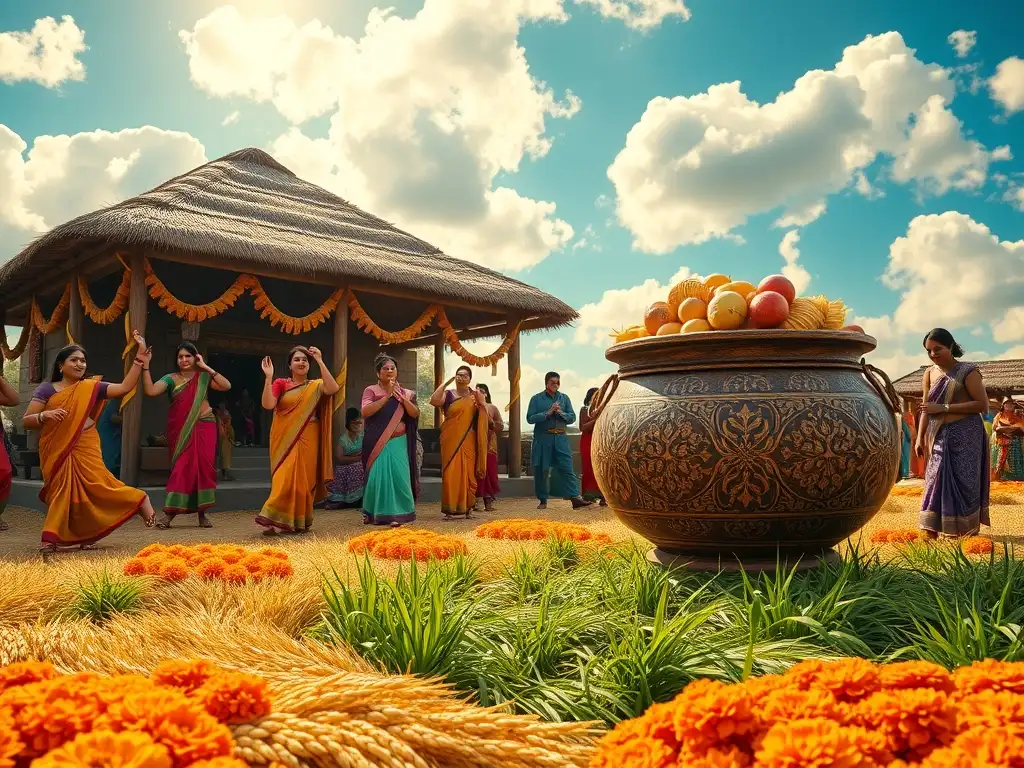
Welcome to Ancient India History, where we embark on a journey through time to uncover the rich tapestry of ancient Indian civilizations. As we delve into the vibrant world of ancient Indian harvest festivals, prepare to be captivated by the culinary traditions and cultural significance that have shaped these time-honored celebrations. Discover how these festivals not only honor the bountiful harvest but also reflect the diverse heritage and intricate practices that continue to resonate in modern Indian cuisine. Join us as we explore the flavors, stories, and history behind these remarkable festivities—let your curiosity lead the way!
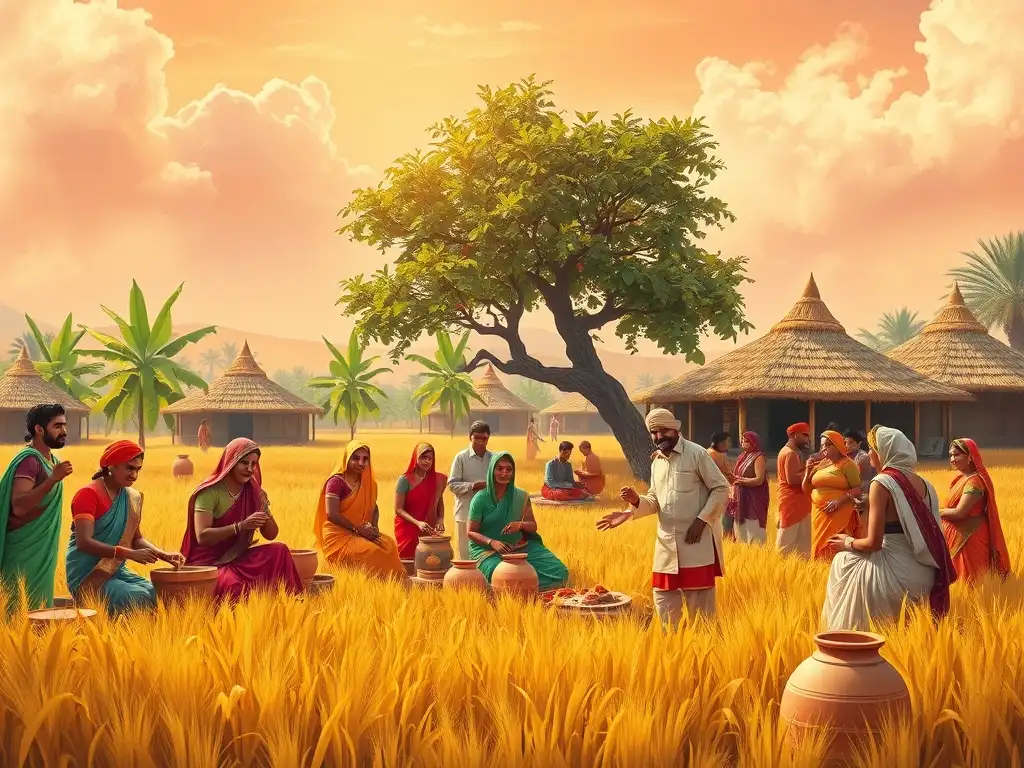
India, with its vast and diverse cultural heritage, has a rich tradition of celebrating harvest festivals that reflect the agrarian lifestyle of its ancient civilizations. These festivals not only mark the end of the harvest season but also serve as a celebration of abundance, gratitude, and community bonding.
The significance of these festivals extends beyond mere celebrations; they are deeply intertwined with culinary practices, showcasing the unique foods and dishes that are prepared and shared during these joyous occasions. From the vibrant festivities of the Indus Valley to the elaborate rituals of the Gupta Empire, ancient Indian harvest festivals offer a fascinating glimpse into the agricultural practices and food traditions that have shaped Indian culture over millennia.
As we delve into the world of ancient Indian harvest festivals, we will explore the major celebrations that have stood the test of time, each with its distinct rituals and culinary significance. This journey will not only highlight the importance of these festivals in ancient society but also their impact on contemporary Indian cuisine.
Major Ancient Indian Harvest Festivals
1. Pongal: The Festival of Abundance
Pongal, celebrated mainly in Tamil Nadu, is a significant harvest festival that honors the Sun God and the Earth. Traditionally observed over four days, this festival involves cooking a special dish called "Pongal," made from freshly harvested rice, jaggery, and milk. The preparation of this dish symbolizes prosperity and is often performed in the open, allowing families to come together and celebrate the bounty of the harvest.
- Culinary Highlights:
- Pongal Dish: A sweet and savory dish made from rice and lentils.
- Sakkarai Pongal: The sweet version, prepared with jaggery and nuts.
2. Makar Sankranti: The Kite Festival
Makar Sankranti is celebrated across India with much fervor, marking the transition of the sun into the zodiac sign of Capricorn. This festival is characterized by kite flying, but it also has a strong agricultural significance as it signals the end of winter and the beginning of the harvest season. Various traditional foods are prepared, including sesame seeds and jaggery sweets, which are believed to bring good luck and prosperity.
- Culinary Highlights:
- Til Ladoo: Sweet balls made from sesame seeds and jaggery.
- Khichdi: A comforting dish made from rice and lentils, often enjoyed during the festivities.
3. Baisakhi: The Harvest Festival of Punjab
Baisakhi is celebrated with great enthusiasm in Punjab, marking the harvest of wheat and the beginning of the new year in the Sikh calendar. This festival is characterized by vibrant folk music, dance, and delicious food. Traditional dishes like "Baisakhi da Khichda" and "Gur di Roti" are prepared to celebrate the season's bounty.
- Culinary Highlights:
- Baisakhi da Khichda: A special khichdi made with a mix of lentils and rice.
- Gur di Roti: Flatbreads made with jaggery, symbolizing the sweetness of the harvest.
4. Onam: The Festival of Kerala's Harvest
Onam is Kerala’s most famous harvest festival, celebrated with elaborate feasts and vibrant festivities. It honors King Mahabali and is marked by the preparation of a grand meal known as "Onam Sadhya," which consists of a variety of vegetarian dishes served on banana leaves. The festival is a time for family reunions and community celebrations, showcasing the agricultural richness of the region.
- Culinary Highlights:
- Onam Sadhya: A traditional feast comprising at least 26 different dishes.
- Payasam: A sweet dessert made from rice or vermicelli, often enjoyed during the festival.
In exploring these ancient Indian harvest festivals, we uncover not just the celebrations and rituals, but also the culinary traditions that have enriched the cultural fabric of India. These festivals serve as a testament to the deep-rooted connection between agriculture, community, and cuisine, reminding us of the importance of honoring the land and its bounty.
Culinary Significance of Ancient Indian Harvest Festivals
Harvest festivals in ancient India were not just occasions for celebration; they were deeply intertwined with the culinary practices of the time. These festivals marked the end of the harvest season and the beginning of a new agricultural cycle, serving as a time for communities to come together and express gratitude for the bounty of the land. The foods prepared during these festivals were often symbolic, representing prosperity, abundance, and the cyclical nature of life.
Ancient texts and archaeological findings suggest that specific dishes were associated with various harvest festivals, reflecting regional agricultural practices and the diverse ingredients available. The culinary significance of these festivals was profound, as they fostered a sense of identity and continuity within communities. Through the preparation and sharing of food, the essence of these ancient cultures was preserved, passed down through generations, and celebrated with great reverence.
The Role of Food in Celebrating Harvests
Food has always played a pivotal role in celebrating harvests in ancient Indian culture. It served as a medium of expression for gratitude towards the deities believed to bless the land with fertility and abundance. During festivals like Pongal, Makar Sankranti, and Baisakhi, specific foods were prepared to honor the harvest.
For instance, in Tamil Nadu, Pongal is not just a dish but a festival in itself, where the cooking of sweet rice pudding (Pongal) in fresh pots symbolizes new beginnings and prosperity. Similarly, in Punjab, the festival of Baisakhi marks the harvest of wheat, and traditional dishes like "kheer" (a rice pudding) and "makki di roti" (corn flatbread) are prepared, representing the agricultural wealth of the region.
In addition to honoring agricultural deities, these foods also played a social role, bringing families and communities together. The act of sharing meals strengthened social ties and reinforced communal identities, making food an integral part of the celebration.
Traditional Dishes and Their Histories
The traditional dishes served during ancient Indian harvest festivals are steeped in history and cultural significance. Each dish tells a story that reflects the agricultural practices and local ingredients of various regions.
- Pongal: This dish, made from rice and lentils, is traditionally prepared during Pongal in Tamil Nadu. It is not just a food item; it symbolizes the harvest and is often offered to the sun god as a mark of gratitude.
- Gur (Jaggery): During Makar Sankranti, jaggery is used in various dishes, symbolizing sweetness and prosperity. It is often mixed with sesame seeds in "tilgul," a sweet that represents unity and friendship.
- Khichdi: A popular dish in many parts of India, khichdi is often made during harvest festivals due to its simplicity and nutritional value. It signifies nourishment and comfort, making it a staple during celebrations such as Lohri in Punjab.
These dishes not only highlight the agricultural diversity of ancient India but also the rich culinary traditions that have evolved over centuries, creating a lasting legacy that continues to influence contemporary Indian cuisine.
Rituals and Customs Involving Food
Rituals and customs surrounding food during ancient Indian harvest festivals were deeply embedded in the cultural fabric of society. These practices were not merely about eating but were steeped in spirituality and community bonding.
Offerings and Prayers: Gratitude Through Cuisine
Offerings made during harvest festivals were a vital aspect of expressing gratitude for the harvest. Foods prepared were often offered to deities as a means of seeking blessings for future crops and ensuring the continuity of abundance.
For example, during the festival of Onam in Kerala, a grand feast known as "Onam Sadhya" is prepared, consisting of numerous vegetarian dishes served on a banana leaf. This feast is not only a celebration of the harvest but also a tribute to the mythical King Mahabali, symbolizing prosperity and happiness.
The act of preparing and presenting these offerings was considered sacred, with families meticulously following traditional recipes and rituals to ensure that the food was not just nourishing but also spiritually uplifting. This practice reinforced the connection between the community, the land, and the divine, emphasizing the importance of food in the spiritual realm.
Community Feasts: Strengthening Bonds
Community feasts during harvest festivals served as an essential gathering point for reinforcing social ties. These feasts were characterized by the sharing of food among neighbors and families, fostering a sense of unity and collective celebration.
In many regions, large-scale community meals were organized, where everyone contributed dishes, creating an abundant spread that reflected the diversity of the local harvest. Such communal celebrations, like the "Langar" during Baisakhi, where free meals are served to all regardless of social status, exemplified the spirit of inclusivity and generosity that defined ancient Indian harvest festivals.
These gatherings not only allowed for the sharing of food but also provided an opportunity for storytelling, cultural exchange, and the transmission of culinary traditions. In this way, food was a powerful medium for building and nurturing relationships, ensuring that the essence of community remained intact amid the celebrations.
Conclusion: The Enduring Legacy of Ancient Indian Harvest Festivals
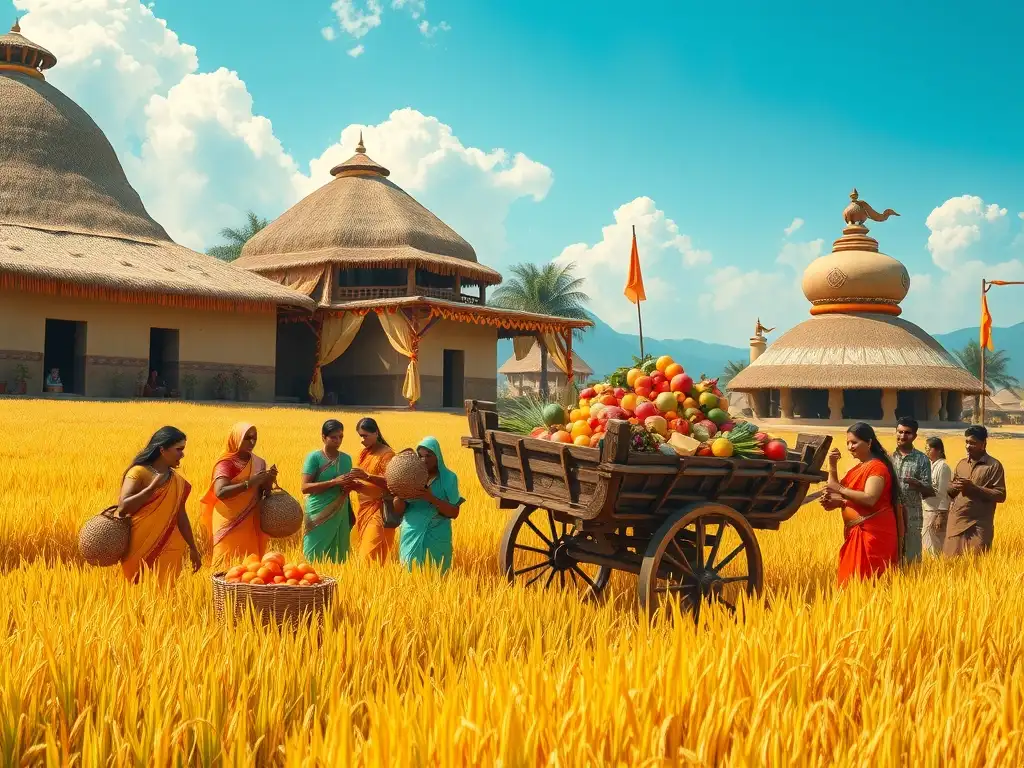
The ancient Indian harvest festivals, such as Makar Sankranti, Pongal, and Baisakhi, reflect the deep-rooted connection between agriculture and culture in India. These festivals not only celebrate the bounty of the earth but also embody the communal spirit, promoting social cohesion among diverse communities. The culinary practices associated with these festivals serve as a testament to the rich agricultural heritage of the region, showcasing a variety of regional ingredients and traditional cooking methods.
As we examine these festivals, it becomes clear that they are more than mere celebrations; they are integral to the identity of various Indian communities. The dishes prepared during these times often carry symbolic meanings, highlighting gratitude towards nature and the importance of sustainability. The intricate rituals and culinary practices passed down through generations illustrate the enduring legacy of these festivals, ensuring that the vibrant traditions of ancient India continue to thrive in contemporary society.
Call to Action: Explore Ancient Indian Culinary Traditions
Dive deeper into the world of ancient Indian culinary traditions by exploring the myriad of flavors, techniques, and stories that accompany the harvest festivals. Consider trying your hand at preparing traditional dishes associated with these celebrations, such as:
- Pongal: A savory rice dish made with lentils and flavored with spices, typically prepared during Pongal.
- Makara Chaula: A dish made with newly harvested rice and various seasonal vegetables, often enjoyed during Makar Sankranti.
- Baisakhi Kheer: A sweet rice pudding made with milk and garnished with nuts, traditionally served during Baisakhi.
By engaging with these culinary practices, not only do you honor the ancient traditions, but you also take part in an immersive experience that connects you with the rich history and culture of India. Visit local festivals or participate in cooking classes to gain firsthand knowledge about these vibrant traditions and their significance in ancient Indian society.
References and Further Reading
For those interested in delving deeper into the subject of ancient Indian harvest festivals and their culinary significance, the following resources provide valuable insights:
- "The Festivals of India: A Historical Overview": - This book explores the origins and evolution of various Indian festivals, including those related to agriculture.
- "Indian Food: A Historical Companion": - This comprehensive guide highlights the connection between India's culinary practices and its cultural heritage.
- "Harvest Festivals in India: Traditions and Practices": - An academic article analyzing the significance of harvest festivals across different regions of India.
- "Culinary Traditions of India: Regional Variations and Cultural Significance": - A detailed exploration of the diverse culinary practices influenced by India's rich agricultural history.
These references will enhance your understanding of the intricate relationships between ancient harvest festivals, food traditions, and the cultural fabric of India.
- Major Ancient Indian Harvest Festivals
- Culinary Significance of Ancient Indian Harvest Festivals
- Rituals and Customs Involving Food
- Conclusion: The Enduring Legacy of Ancient Indian Harvest Festivals
- Call to Action: Explore Ancient Indian Culinary Traditions
- References and Further Reading
Frequently Asked Questions
What are ancient Indian harvest festivals?
Ancient Indian harvest festivals are celebrations that mark the gathering of crops and express gratitude for the agricultural bounty. These festivals often involve rituals, feasting, and cultural performances.
How did ancient Indian civilizations celebrate these festivals?
Celebrations typically included special prayers, community gatherings, and cultural activities. Foods made from the newly harvested crops were central to the festivities, showcasing the culinary significance of the season.
What role did agriculture play in ancient Indian culture?
Agriculture was a cornerstone of ancient Indian society, influencing social structures, economy, and religious practices. Harvest festivals were integral in reinforcing community bonds and cultural identity.
Are there specific harvest festivals that are still celebrated today?
Yes, many ancient harvest festivals like Pongal in Tamil Nadu and Makar Sankranti in various regions continue to be celebrated, reflecting their cultural heritage and ongoing significance in contemporary society.
What culinary traditions are associated with these festivals?
Each festival has unique culinary traditions, often featuring dishes made from freshly harvested grains and fruits. These foods are not only delicious but also symbolize fertility, abundance, and gratitude in ancient Indian culture.
Final Reflection: The Enduring Legacy of Ancient Indian Harvest Festivals
The celebration of ancient Indian harvest festivals is not merely a nod to the past; it is a vibrant thread woven into the fabric of contemporary society. These festivals, rich in culinary traditions and cultural significance, remind us of our deep-rooted connection to the land and the cycles of nature. As we navigate a world increasingly disconnected from its agricultural origins, the essence of these celebrations serves as a powerful reminder of the importance of gratitude, community, and sustainability in our lives today.
The influence of ancient Indian harvest festivals extends far beyond their historical context; they continue to shape our cultural identity and social practices. These festivals foster a sense of belonging and community, encouraging us to gather, share, and celebrate the fruits of our labor. As we partake in the culinary delights that accompany these festivities, we honor the traditions passed down through generations. Food is not just sustenance; it is a celebration of life, a way to connect with our roots and each other.
This ongoing celebration of heritage through food reinforces the idea that our culinary practices are intertwined with our cultural narratives, enriching our lives in profound ways.
As you reflect on the significance of ancient Indian harvest festivals, consider how you can incorporate their lessons into your own life. Take a moment to appreciate the bounty around you, whether it’s through cooking a traditional dish, participating in local harvest events, or simply expressing gratitude for the food on your table. By embracing these practices, you not only honor the past but also contribute to a more sustainable and connected future. Let the spirit of these festivals inspire you to cultivate a deeper relationship with your food, your community, and the world around you.
Savor the Richness of Harvest Traditions!
Thank you for exploring the vibrant world of ancient Indian festivals and their culinary significance! You've uncovered how these rich traditions not only celebrate the harvest but also connect us to our cultural roots. Now, it's time to dig deeper and embrace these flavors in your own life!
- Embrace a festival feast: Organize a meal inspired by these ancient celebrations; try your hand at traditional recipes to truly experience the essence of the harvest.
- Share the joy: Gather friends and family to share your favorite festival stories or explore how various cultures celebrate the bounty of the harvest.
- Explore further: Investigate the significance of lesser-known festivals and dishes that could add exciting new dimensions to your culinary repertoire.
What dish or festival tradition would you love to try for your next celebration? **We invite you to share your thoughts below! **