
The Ramayana and Its Connection to Indian Philosophy and Spirituality

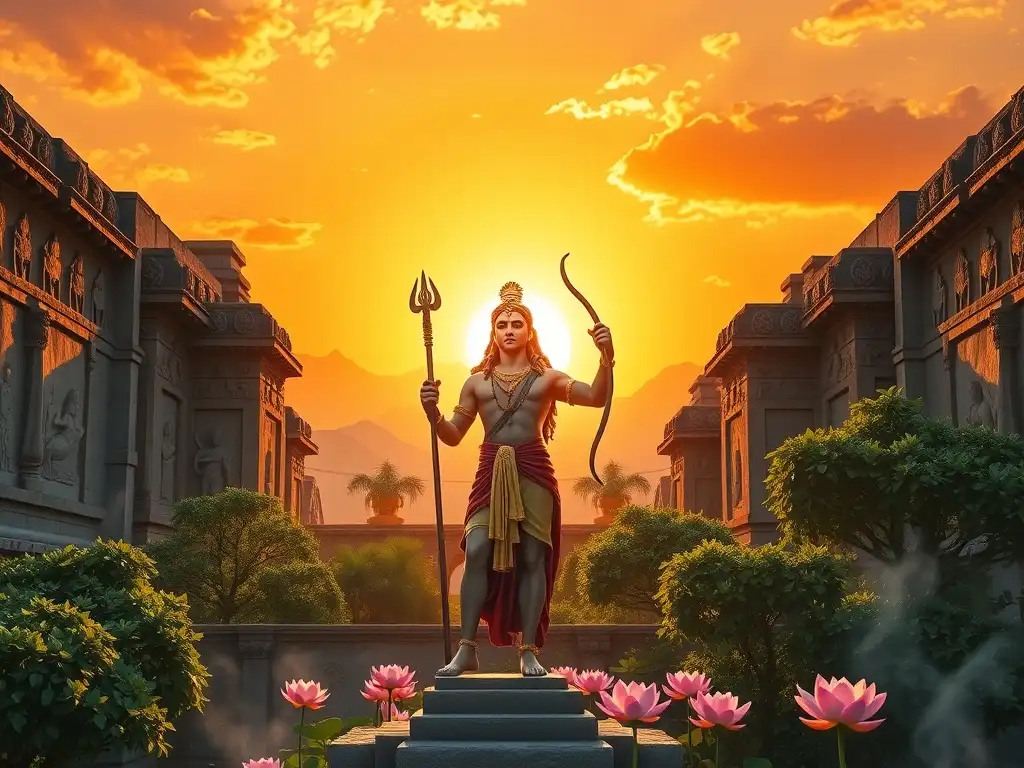
Welcome to Ancient India History, where we embark on a fascinating journey through the rich tapestry of ancient Indian civilizations! From the marvels of the Indus Valley to the grandeur of the Gupta Empire, our exploration reveals the profound cultural and philosophical contributions that have shaped the world. Dive into our featured article, “The Ramayana and Its Connection to Indian Philosophy and Spirituality,” where we unravel the intricate ties between this epic literature and the foundational ideas that define Indian philosophy.
Prepare to be captivated as we uncover insights that promise to deepen your understanding and appreciation of these timeless narratives. Let the adventure begin!
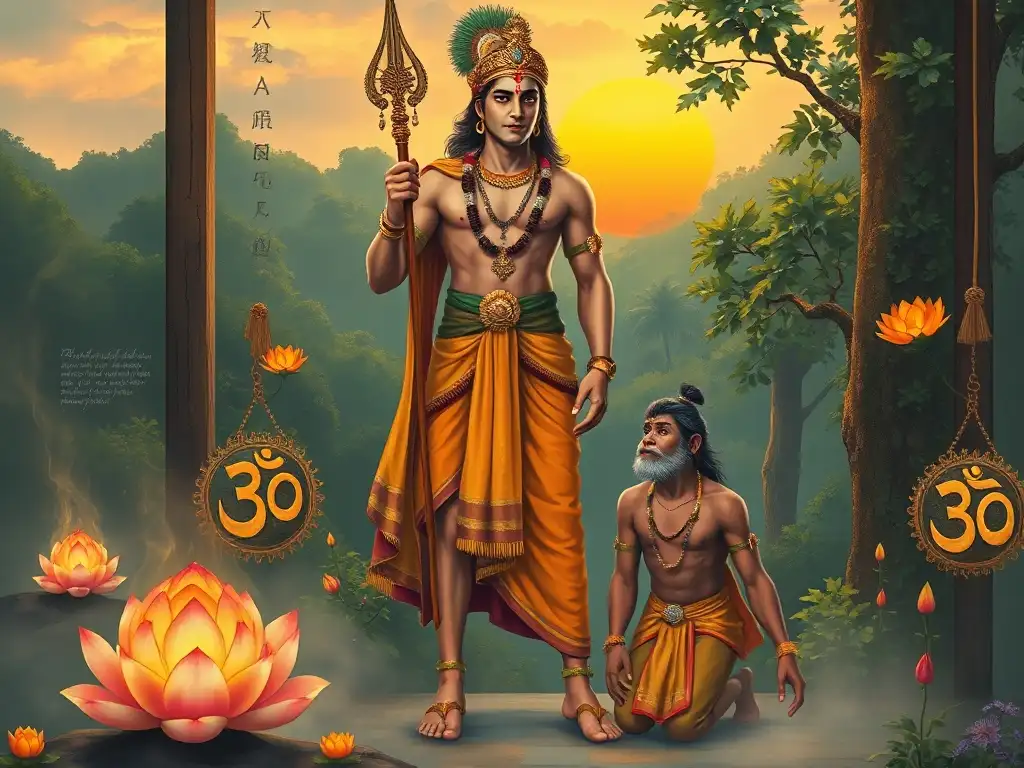
The Ramayana, one of the two great epics of ancient Indian literature, is not merely a tale of heroism and adventure; it is a profound exploration of values, ethics, and spirituality that has shaped Indian philosophy for centuries. Written by the sage Valmiki, this epic narrates the life of Lord Rama, his quest to rescue his wife Sita, and the moral dilemmas faced by its characters.
The connection between the Ramayana and Indian philosophy is intricate and multi-faceted, revealing insights into the human condition and the pursuit of dharma—righteousness or duty. In this article, we will explore the essential elements of this epic and its significant role in the spiritual and philosophical landscape of India.
Introduction to the Ramayana
Overview of the Ramayana
The Ramayana is structured into seven books, known as Kandas, and comprises approximately 24,000 verses. It tells the story of Rama, the seventh avatar of the god Vishnu, his wife Sita, and his loyal companion Hanuman. The narrative unfolds through various trials and tribulations, showcasing themes of loyalty, sacrifice, and the struggle between good and evil.
Key elements of the Ramayana include:
- Characters: Rama, Sita, Lakshmana, Hanuman, Ravana, and others.
- Major Events: Sita's abduction, Rama's alliance with Hanuman, the battle against Ravana, and the eventual return to Ayodhya.
- Moral Teachings: Each character symbolizes various virtues and vices, offering lessons that resonate with readers across generations.
Significance of the Ramayana in Indian Culture
The Ramayana holds a pivotal place in Indian culture, influencing art, literature, dance, and festivals. It is not only a source of entertainment but also serves as a moral guide. The epic's themes are celebrated in various forms, including:
- Festivals: Diwali, which marks Rama's return to Ayodhya, is one of the most significant celebrations in India.
- Performing Arts: Traditional dance forms like Kathakali and Bharatanatyam often depict scenes from the Ramayana.
- Literature: The epic has inspired countless retellings and adaptations, reflecting its enduring relevance.
The teachings of the Ramayana continue to resonate, serving as a moral compass for individuals and society alike.
The Essence of Indian Philosophy
Key Concepts in Indian Philosophy
Indian philosophy is characterized by its diverse schools of thought, each offering unique perspectives on existence, reality, and ethics. Central concepts include:
- Dharma: The principle of cosmic order, duty, and righteousness.
- Karma: The law of cause and effect, where every action has consequences.
- Moksha: The ultimate goal of liberation from the cycle of birth and rebirth (samsara).
- Atman: The concept of the self, which is often equated with Brahman, the universal spirit.
These concepts are deeply intertwined with the narratives found in the Ramayana, illustrating how the epic serves as a philosophical text as well as a literary one.
Major Schools of Thought in Indian Philosophy
Indian philosophy encompasses several key schools, each contributing to the rich tapestry of thought. Prominent schools include:
- Vedanta: Focuses on the teachings of the Upanishads and the nature of reality.
- Sankhya: An analytical approach that categorizes the universe into purusha (spirit) and prakriti (matter).
- Yoga: Emphasizes the practice of meditation and self-discipline to achieve spiritual goals.
- Nyaya: Concentrates on logic and epistemology, providing tools for philosophical inquiry.
These schools of thought explore the fundamental questions of existence, ethics, and spirituality, complementing the moral lessons found within the Ramayana.
In the following sections, we will delve deeper into these connections, examining how the Ramayana embodies and communicates the core tenets of Indian philosophy and spirituality.
The Ramayana's Influence on Indian Philosophy
The Ramayana, attributed to the sage Valmiki, is not merely a narrative of the life of Lord Rama; it is a profound text interwoven with the philosophical and spiritual fabric of ancient India. Its themes and characters have significantly influenced Indian philosophy, serving as a moral compass and guiding principles for ethical living.
The epic's exploration of duty, righteousness, and the nature of reality resonates deeply with various philosophical schools in India, particularly the concepts of Dharma and Karma. Through its characters, the Ramayana illustrates how personal struggles and moral dilemmas reflect broader philosophical debates, making it a pivotal text for understanding the evolution of Indian thought.
Thematic Connections between the Ramayana and Indian Philosophy
The Ramayana encapsulates numerous philosophical themes that intersect with various Indian philosophical traditions. One of the most prominent themes is the concept of Dharma—the moral law governing individual conduct. The narrative intricately portrays the challenges of adhering to Dharma in the face of personal and societal expectations. For instance, Rama’s adherence to his duty as a son, husband, and king exemplifies the ideal of Dharma, emphasizing the significance of righteousness over personal desire.
Moreover, the epic raises questions about the nature of Samsara (the cycle of birth and rebirth) and Moksha (liberation from this cycle). The journeys of its characters highlight the soul's quest for liberation through righteous living and selfless action. The Ramayana, therefore, is not just a story but a philosophical exploration of life’s purpose, encouraging readers to reflect on their own paths within the framework of traditional Indian philosophy.
Moral and Ethical Lessons in the Ramayana
The Ramayana is rich in moral and ethical teachings that continue to resonate with contemporary society. It presents various dilemmas, showcasing the importance of making ethical choices in the face of adversity. Characters like Sita and Hanuman embody virtues such as loyalty, courage, and compassion, offering timeless lessons on personal integrity and selflessness.
One of the crucial moral lessons involves the significance of sacrifice. Rama's exile and Sita's trials serve as reminders that personal sacrifices are often necessary for the greater good. The epic encourages readers to weigh their actions carefully, considering the impact on family, society, and the world at large. This emphasis on duty and ethical conduct aligns closely with the teachings of Kantian ethics and utilitarianism, where the morality of an action is judged based on its consequences for the greater community.
The Role of Dharma in the Ramayana and Indian Philosophy
Dharma is a central theme in both the Ramayana and Indian philosophy, symbolizing the moral order of the universe. In the epic, Rama’s unwavering commitment to his Dharma serves as a model for individuals navigating their moral obligations. The text illustrates that Dharma is not a rigid structure but a dynamic principle that requires discernment and adaptability based on context.
Philosophically, Dharma is intricately linked with the concept of Karma—the law of cause and effect. The Ramayana portrays how the characters’ actions, guided by their adherence to Dharma, lead to consequences that shape their destinies. This connection underscores the philosophical idea that ethical living is foundational to achieving personal fulfillment and societal harmony, reinforcing the notion that one’s duty transcends personal desires and ambitions.
Spiritual Dimensions of the Ramayana
The Ramayana serves as a profound spiritual text that guides individuals on their quest for inner peace and enlightenment. Its narrative transcends the mere telling of events, inviting readers to engage with its deeper spiritual teachings. The characters’ journeys are often symbolic of the soul's journey toward self-realization and the ultimate union with the divine.
Spiritual Teachings Encapsulated in the Ramayana
The epic encapsulates several spiritual teachings that are crucial for personal and communal harmony. One of the key teachings revolves around bhakti (devotion), particularly through the character of Hanuman, who exemplifies unwavering devotion to Lord Rama. This devotion is portrayed as a path to spiritual liberation, suggesting that surrendering to a higher power can lead to profound transformation.
Additionally, the Ramayana emphasizes the practice of selfless service (seva) and the importance of compassion towards all beings. The interactions between characters illustrate that true spirituality involves empathy and understanding, transcending ego and personal desires. These teachings align with the core tenets of various Indian spiritual traditions, encouraging followers to develop a compassionate heart and a selfless mind.
The Ramayana as a Spiritual Guide for Life
The Ramayana functions as a spiritual guide for individuals seeking direction in their lives. Its teachings encourage reflection on personal values and the pursuit of a righteous life. The epic’s narrative structure, with its trials and tribulations, mirrors the human experience, providing insights into overcoming challenges with grace and integrity.
Moreover, the Ramayana invites readers to cultivate qualities such as forgiveness, patience, and perseverance. These virtues are essential for personal growth and spiritual development. The epic’s portrayal of Rama as an ideal leader and Sita as an embodiment of strength offers aspirational models for individuals striving to lead lives of purpose and commitment to higher ideals. By engaging with the Ramayana, readers can find inspiration and guidance in navigating their own spiritual journeys, making it a timeless resource for personal and collective reflection.
Ramayana Characters and Their Philosophical Significance
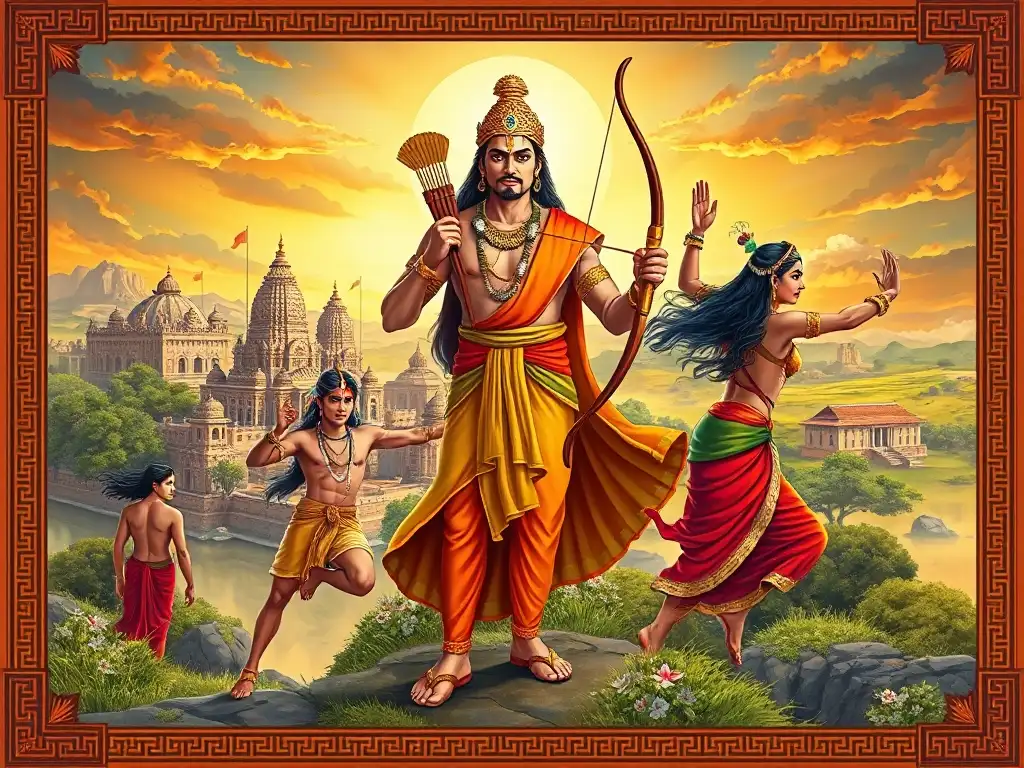
The characters of the Ramayana are not merely figures in a narrative; they embody a rich tapestry of philosophical ideals that resonate deeply within Indian culture. Each character represents distinct virtues, moral dilemmas, and existential questions, serving as archetypes that illustrate the complexities of human behavior. Their interactions and conflicts provide profound insights into dharma (duty/righteousness), the nature of good and evil, and the quest for spiritual truth. Analyzing these characters helps us understand the philosophical underpinnings of the Ramayana and its relevance to Indian spirituality.
Rama: The Ideal Man and His Philosophical Implications
Rama, the protagonist of the Ramayana, epitomizes the concept of Maryada Purushottama, or the "ideal man." His character is a paragon of virtue, righteousness, and adherence to dharma. From an early age, Rama is depicted as a dutiful son, a loving husband, and a brave warrior, making choices that reflect his commitment to moral values.
Philosophically, Rama's journey represents the struggle between personal desires and the greater good. His acceptance of exile to honor his father's vow illustrates self-sacrifice and duty over personal happiness. This narrative thread engages with the concept of svadharma, one's own duty, emphasizing that true nobility lies in fulfilling one's responsibilities, even in the face of adversity.
Rama's unwavering commitment to righteousness inspires followers to cultivate virtues such as honesty, integrity, and courage, making him a timeless figure in Indian philosophy and spirituality.
Sita: The Symbol of Virtue and Strength
Sita, the wife of Rama, is often regarded as the embodiment of virtue, resilience, and inner strength. Her character is central to the narrative and serves as a moral compass throughout the epic. Sita's unwavering fidelity to Rama, even during her abduction by Ravana, showcases her commitment to marital virtue, a key element in traditional Indian philosophy.
Furthermore, Sita's trials, particularly her agni pariksha (trial by fire), symbolize the struggle for purity and the societal expectations placed on women. Philosophically, her character challenges the notion of victimhood; instead of succumbing to despair, she emerges as a figure of strength and endurance.
Sita's story encourages reflection on themes of female empowerment and the complexities of virtue. Her resilience inspires individuals to navigate their own challenges with grace and dignity, making her a vital figure in the philosophical discussions surrounding gender, duty, and spirituality in Indian culture.
Hanuman: The Embodiment of Devotion and Selflessness
Hanuman, the monkey god and ardent devotee of Rama, represents the ideal of devotion ( bhakti) and selflessness. His character embodies the spiritual principle of surrendering the ego to serve a higher purpose. Hanuman's unwavering loyalty to Rama and his willingness to undertake monumental tasks for the sake of dharma illustrate the transformative power of devotion.
Philosophically, Hanuman's actions prompt reflections on the nature of service and the relationship between the devotee and the divine. His ability to transcend his limitations through faith and dedication serves as a powerful reminder of the potential for spiritual growth that lies within every individual.
Hanuman's character also emphasizes the importance of humility and the idea that true strength comes from selfless service. This aligns with various philosophical teachings in Indian spirituality that advocate for the dissolution of the ego and the pursuit of a higher purpose, making Hanuman a revered figure in both literature and spiritual practice.
The Ramayana's Impact on Indian Spiritual Practices
The Ramayana has significantly influenced Indian spiritual practices, providing a framework for rituals, performances, and philosophical discussions that continue to resonate within the cultural fabric of the nation. Its themes and characters have inspired countless traditions, fostering a deep connection between literature and spirituality that remains vibrant today.
Rituals and Performances Inspired by the Ramayana
The rich narrative of the Ramayana has given rise to a plethora of rituals and performances in various regions of India. One of the most notable is the Ram Lila, a theatrical reenactment of the Ramayana that celebrates the life and virtues of Rama and Sita. These performances often occur during the festival of Dussehra, symbolizing the triumph of good over evil.
In addition to theatrical representations, various rituals such as pujas (worship) and yajnas (sacrificial rites) often incorporate elements from the Ramayana. Devotees invoke the blessings of Rama, Sita, and Hanuman, seeking guidance in adhering to dharma and cultivating virtuous living. These practices not only enhance community bonding but also reinforce the moral and philosophical teachings of the epic.
The Ramayana in Contemporary Indian Spirituality
In contemporary Indian spirituality, the Ramayana continues to hold immense significance. Various spiritual leaders and organizations draw upon its teachings to address modern dilemmas, emphasizing the relevance of ancient wisdom in today's world. The philosophical insights into duty, morality, and devotion resonate with individuals grappling with ethical challenges in their personal and professional lives.
Moreover, the Ramayana's teachings have been adapted into various forms of meditation and self-reflection practices. Many spiritual retreats and workshops incorporate stories and lessons from the epic, encouraging participants to introspect and align their lives with the principles exemplified by its characters.
The enduring legacy of the Ramayana in contemporary spirituality underscores its role as a timeless guide for personal growth, ethical living, and the pursuit of a meaningful life, demonstrating how ancient texts continue to shape modern spiritual landscapes.
Conclusion: The Lasting Legacy of the Ramayana in Indian Philosophy
The Ramayana, one of the two major Sanskrit epics of ancient Indian literature, transcends its narrative as a mere story of heroism and virtue. Its rich tapestry is woven with profound philosophical insights that have shaped Indian thought and spirituality for centuries. The themes of dharma (duty/righteousness), bhakti (devotion), and the complexities of human emotions and relationships resonate deeply with the philosophical discourse in India. The legacy of the Ramayana is not just a matter of literary importance; it is a foundational text that continues to influence moral and spiritual frameworks within Indian culture.
The characters in the Ramayana, especially Lord Rama, embody the ideals of dharma and ethical conduct, which serve as moral compasses for individuals navigating the complexities of life. The epic presents a nuanced understanding of good and evil, portraying that the path of righteousness is fraught with challenges and moral dilemmas. This duality encourages readers and practitioners to engage in self-reflection and strive for personal growth, making the Ramayana a timeless guide for ethical living.
Summary of the Ramayana’s Philosophical Impact
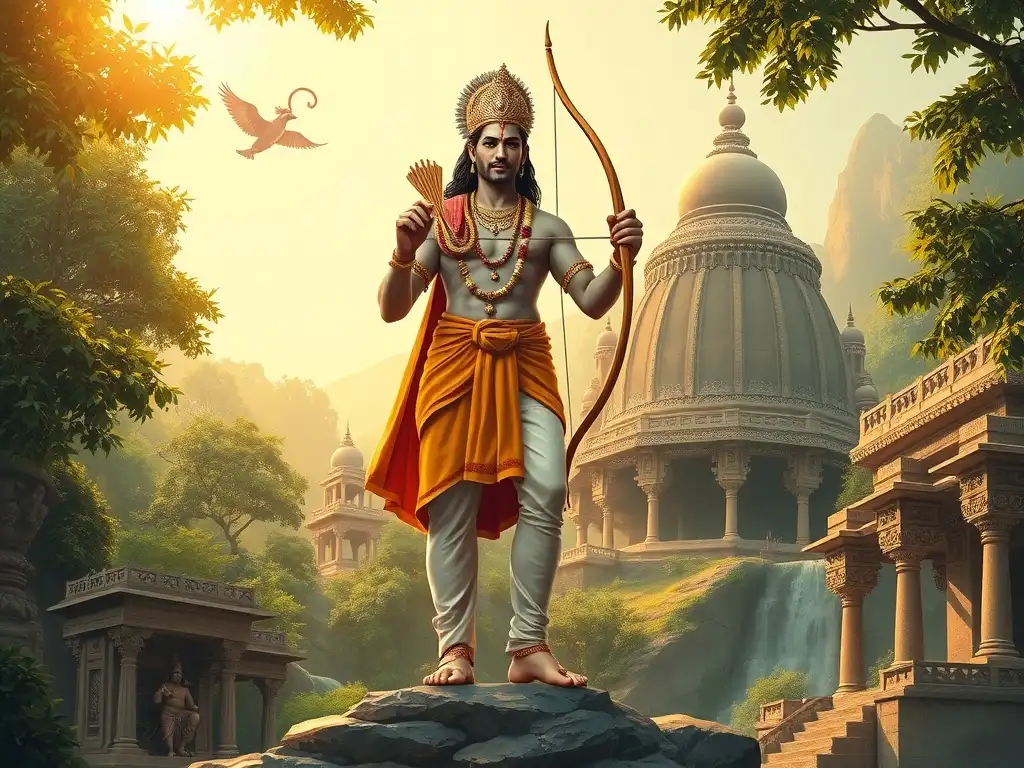
The philosophical impact of the Ramayana can be observed in several key areas:
- Dharma and Ethics: The Ramayana discusses the concept of dharma extensively, illustrating how adherence to duty can lead to harmony and order in society. Lord Rama's choices often reflect the complexities of moral duty, emphasizing that righteousness sometimes requires personal sacrifice.
- Bhakti and Devotion: The epic highlights the importance of devotion to God and the power of faith. Characters like Hanuman exemplify unwavering devotion and service, which inspire countless followers to embrace bhakti as a path to spiritual liberation.
- Human Relationships: The Ramayana explores the dynamics of familial and societal relationships, showcasing ideals of loyalty, love, and sacrifice. This exploration encourages readers to cultivate compassion and understanding in their interactions with others.
- Cosmic Order (Rta): The text reflects the idea of cosmic order and harmony, suggesting that the universe operates on principles that humans must align with to achieve peace and fulfillment.
In essence, the Ramayana serves as a philosophical framework that encourages individuals to navigate their lives with integrity, devotion, and a sense of duty towards the greater good.
The Relevance of the Ramayana in Modern Spiritual Discourse
In contemporary times, the Ramayana remains relevant as it offers insights that resonate with modern spiritual seekers. The themes of love, duty, and sacrifice are universal and can be applied to various aspects of life today. Many modern spiritual leaders and thinkers draw upon the teachings of the Ramayana to address current issues such as social justice, ethics, and personal growth.
Moreover, the Ramayana's exploration of the human psyche—the struggles, aspirations, and dilemmas—continues to find resonance in the realm of psychology and self-help. The epic encourages introspection and self-discovery, prompting individuals to look within themselves for guidance and strength.
Furthermore, the global spread of yoga and meditation practices has brought renewed attention to ancient Indian texts. The philosophies encapsulated in the Ramayana, particularly the importance of mindfulness, self-discipline, and devotion, are integral to these practices, making the epic a vital resource for those exploring the spiritual landscape today.
References
Recommended Readings on the Ramayana and Indian Philosophy
- "The Ramayana: A New Translation" by Ramesh Menon: - A contemporary retelling that captures the essence of the epic while making it accessible to modern readers.
- "Rama: The Eternal Hero" by David Kinsley: - An exploration of Lord Rama's significance in Indian philosophy and spirituality.
- "The Ramayana: A Comparative Study" by A. C. Das: - An analysis of various interpretations of the Ramayana across cultures and its philosophical implications.
Further Resources for Understanding the Ramayana's Influence
- "The Bhagavad Gita and its Relevance" - An exploration of the connections between the teachings of the Ramayana and the Bhagavad Gita.
- Online Lectures and Courses on Indian Philosophy - Various platforms offer courses that delve into the philosophical aspects of the Ramayana and its teachings.
- Documentaries on the Ramayana - Engaging visual resources that provide insights into the epic's historical context and its impact on Indian culture.
By engaging with these resources, readers can further explore the profound connections between the Ramayana, Indian philosophy, and spirituality, enhancing their understanding of this timeless epic and its relevance in contemporary society.
- Introduction to the Ramayana
- The Essence of Indian Philosophy
- The Ramayana's Influence on Indian Philosophy
- Spiritual Dimensions of the Ramayana
- Ramayana Characters and Their Philosophical Significance
- The Ramayana's Impact on Indian Spiritual Practices
- Conclusion: The Lasting Legacy of the Ramayana in Indian Philosophy
- Summary of the Ramayana’s Philosophical Impact
- The Relevance of the Ramayana in Modern Spiritual Discourse
- References
Frequently Asked Questions
What is the Ramayana and why is it significant in Indian culture?
The Ramayana is an ancient Indian epic that narrates the life of Lord Rama, his wife Sita, and his loyal companion Hanuman. It is significant for its moral teachings and its influence on Indian culture and philosophy.
How does the Ramayana connect to Indian philosophy?
The Ramayana embodies key philosophical concepts such as dharma (duty), karma (action), and moksha (liberation). These concepts provide a framework for understanding ethical behavior and the spiritual journey in Indian philosophy.
What are some key themes explored in the Ramayana?
Key themes include good vs. evil, the importance of loyalty, the nature of sacrifice, and the pursuit of righteousness. These themes resonate deeply with Indian philosophical thought and reflect the complexities of human experience.
How has the Ramayana influenced Indian spirituality?
The Ramayana serves as a guide for spiritual practices and moral living, inspiring countless devotional traditions. Its teachings encourage followers to engage in self-reflection and to strive for spiritual growth.
Can the Ramayana be seen as a philosophical text?
Yes, the Ramayana can be viewed as a philosophical text due to its exploration of ethical dilemmas, moral choices, and the nature of human relationships. Its stories invite readers to contemplate their own values and beliefs.
Final Reflection: The Enduring Connection of the Ramayana to Indian Philosophy and Spirituality
The Ramayana serves as a timeless bridge between ancient wisdom and contemporary life, illustrating the profound connection between Indian philosophy and spirituality. In a world increasingly driven by materialism and individualism, the lessons embedded in this epic remind us of the values of duty, righteousness, and devotion. The relevance of these teachings is not confined to the past; they resonate deeply in our modern struggles and aspirations.
The Ramayana's influence extends far beyond its narrative, shaping the cultural and spiritual landscape of India and beyond. Its characters embody virtues that continue to inspire millions, fostering a sense of community and shared values. The teachings of the Ramayana encourage us to reflect on our own lives and relationships, reminding us of the importance of dharma (duty) and the pursuit of truth. The Ramayana is not just a story; it is a way of life, guiding us through the complexities of existence.
As we conclude this exploration of the Ramayana and its connection to Indian philosophy, I invite you to reflect on how these ancient teachings can be integrated into your own life. Consider the values of compassion, integrity, and selflessness that the epic champions. Let the Ramayana inspire you to cultivate a deeper understanding of your own purpose and responsibilities in the world. Embrace the lessons of this timeless tale, and allow them to guide your journey toward personal and spiritual growth.
Unveil the Wisdom of the Ramayana: Take Action Today!
Thank you for exploring the profound insights of the Ramayana and its deep connection to Indian philosophy and spirituality. We hope you have gained a richer understanding of this timeless epic's teachings and the values it embodies. Now, it’s time to take what you’ve learned and put it into action!
Here are some steps you can take to further your journey into the world of the Ramayana and its philosophy:
- Dive Deeper: Explore a new translation of the Ramayana or its commentaries to uncover hidden nuances and perspectives.
- Join a Discussion Group: Connect with fellow enthusiasts by participating in a local or online study group to share your thoughts and interpretations.
- Reflect and Apply: Think about how the teachings of the Ramayana resonate with your life today. What principles can you integrate into your daily routine?
Which theme from the Ramayana resonates with you the most, and how do you plan to incorporate it into your life? Let’s engage in a discussion!