
The Symbolic Meaning of the Ramayana’s Epic Battles

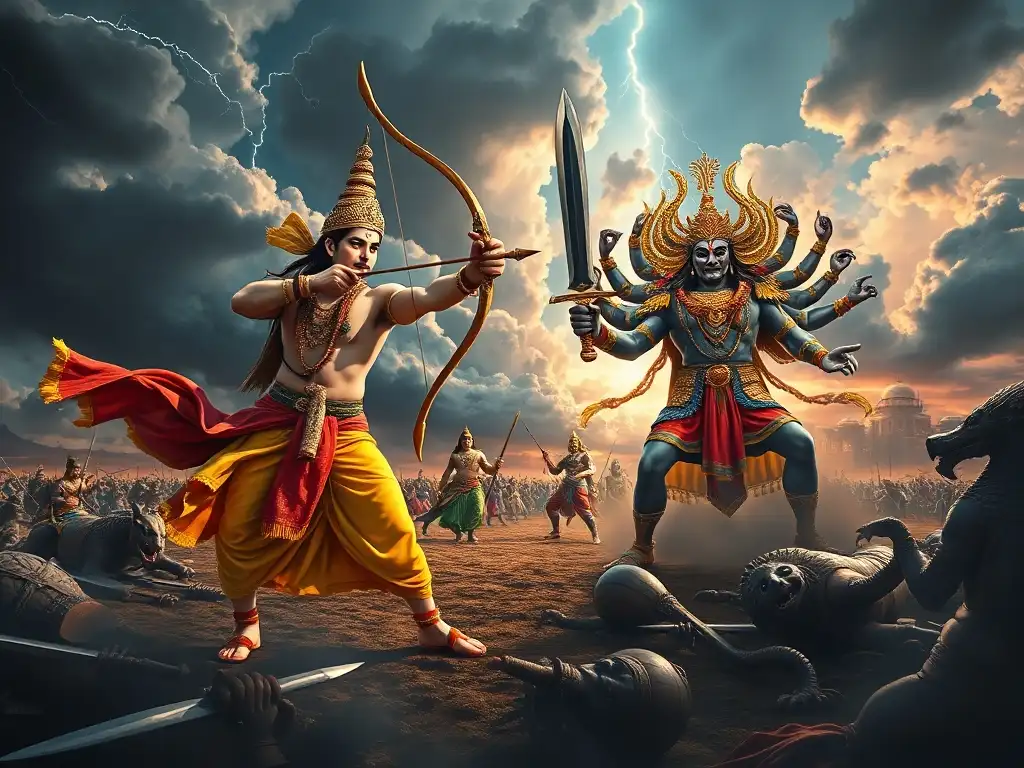
Welcome to Ancient India History, where we delve into the rich tapestry of one of the world's oldest civilizations! Here, we explore the profound cultural heritage and monumental contributions of ancient India, from the sophisticated Indus Valley to the illustrious Gupta Empire. Today, we invite you to embark on a fascinating journey as we unravel the symbolism behind the epic battles of the Ramayana.
What hidden meanings lie within these legendary confrontations? Discover how these timeless narratives not only shaped the ethos of a civilization but also continue to resonate in our understanding of heroism and morality. Read on, and let the epic tales inspire your imagination!
Introduction to the Ramayana and Its Significance
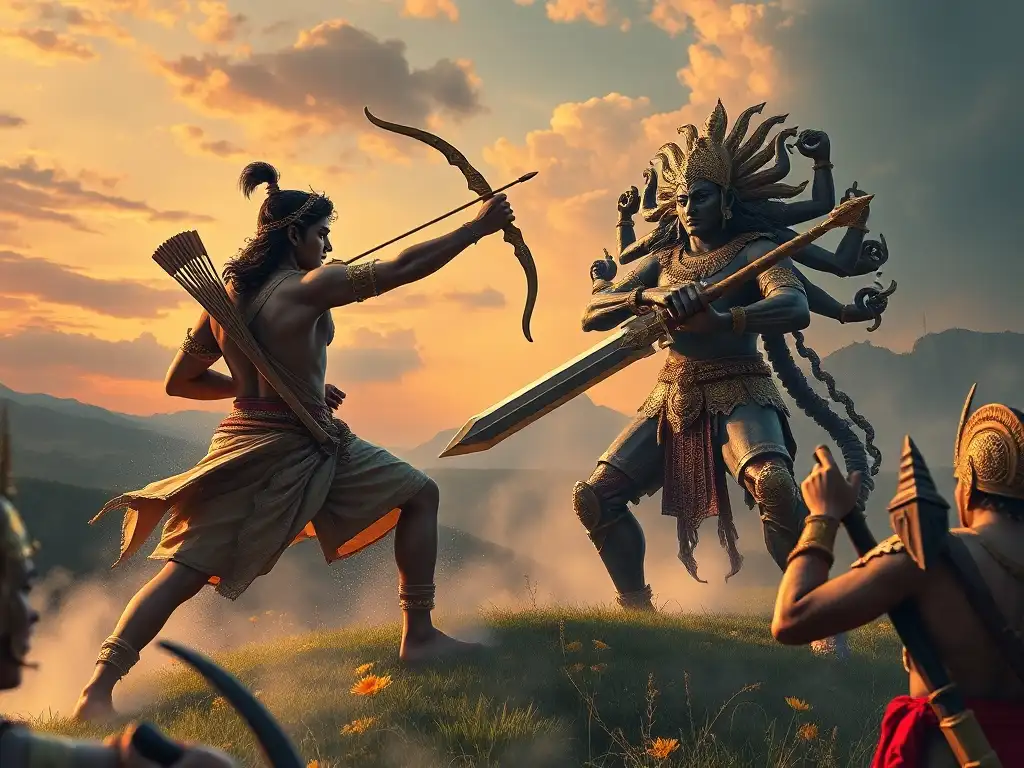
The Ramayana, one of the two major Sanskrit epics of ancient Indian literature, holds a profound place in the cultural and spiritual legacy of India. Composed by the sage Valmiki, the epic chronicles the life of Lord Rama, his virtues, and his quest to rescue his wife, Sita, from the demon king Ravana. Beyond its narrative richness, the Ramayana serves as a moral compass, exploring the complexities of human relationships, duty, and righteousness.
The epic's battles, particularly those between Rama and Ravana, are not merely tales of physical confrontation; they embody deeper philosophical and ethical meanings. As we delve into the significance of these epic battles, we uncover layers of symbolism that resonate with the age-old conflict between good and evil, the importance of dharma (righteousness), and the universal struggle within human nature.
Overview of the Ramayana Epic
The Ramayana spans approximately 24,000 verses and is traditionally divided into seven books, known as Kandas. Each Kanda narrates significant events in the life of Rama, emphasizing themes such as loyalty, honor, and the quest for truth. The epic is not just a story; it is a repository of wisdom, showcasing the ideal conduct of individuals in various roles—be it as a king, brother, wife, or devotee. The central narrative revolves around Rama, Sita, and their steadfast allies, highlighting the values that ancient Indian society revered.
Importance of Battles in the Ramayana Narrative
The battles in the Ramayana are pivotal moments that drive the plot forward and provide critical insight into the characters' motivations and the moral lessons embedded within the text. The confrontation between Rama and Ravana, for instance, is not solely a narrative climax but symbolizes the eternal conflict between virtue and vice. These battles serve as allegories for the struggles individuals face in their lives, portraying the necessity of courage and righteousness in overcoming adversity. Moreover, the strategic maneuvers and alliances formed during these battles reflect the intricate dynamics of power, loyalty, and ethical governance.
Understanding the Ramayana Epic Battles Symbolism
The Nature of Conflict in the Ramayana
Conflict in the Ramayana is multifaceted, representing both external battles against adversaries and internal struggles within characters. The epic illustrates that conflict is an inherent part of life, often providing a catalyst for growth and self-discovery. Characters like Rama and Ravana embody contrasting values: Rama represents dharma and righteousness, while Ravana symbolizes adharma and unchecked ambition. This duality in conflict invites readers to reflect on their own moral dilemmas and the choices they must make in their lives.
Symbolic Interpretation of Good vs. Evil
At the heart of the Ramayana lies the symbolic confrontation between good and evil. The epic encapsulates this struggle through its characters and their actions, showcasing how good ultimately prevails against malevolent forces. The battles are not merely physical; they represent the triumph of virtue, love, and loyalty over hatred, greed, and injustice. This dichotomy resonates with audiences across generations, reinforcing the belief that righteousness will eventually conquer evil, a theme that remains relevant in today's world.
The Role of Dharma in Epic Battles
Dharma, or righteousness, plays a crucial role in the battles of the Ramayana. Each character's adherence to dharma influences the outcome of the conflicts and shapes the narrative's moral framework. Rama's unwavering commitment to his dharma, despite personal sacrifices, underscores the importance of ethical conduct in the face of adversity. The battles thus become a means to illustrate the significance of dharma, emphasizing that true strength lies not just in physical prowess but also in moral integrity and courage in pursuing what is just.
The Ramayana's epic battles are rich in symbolic meaning, offering insights into the complexities of human nature and the eternal struggle between good and evil. As we explore these themes further, we gain a deeper understanding of how ancient Indian literature continues to inspire and resonate in contemporary society.
Key Battles in the Ramayana and Their Symbolism
The Ramayana is replete with epic battles that serve not only as thrilling narratives but also as profound symbols of the moral and spiritual struggles inherent in human existence. Each battle encapsulates deeper meanings and reflects the ideological conflicts of the time. The primary battles in the Ramayana, particularly the Battle of Lanka and the struggles between gods and demons, illustrate the ongoing fight between dharma (righteousness) and adharma (unrighteousness), showcasing the complexities of virtue and vice.
The battles are not mere physical confrontations; they represent the internal and external conflicts faced by the characters. For instance, the Battle of Lanka is not just a quest for Sita's rescue but also symbolizes the restoration of cosmic order and the triumph of good over evil. Similarly, the celestial battles between gods and demons highlight the cosmic balance that governs the universe. Thus, these conflicts are rich in symbolism, reflecting the philosophical underpinnings of ancient Indian thought.
The Battle of Lanka: A Clash of Ideologies
The Battle of Lanka stands as the most pivotal conflict in the Ramayana, symbolizing a clash not only between two armies but also between two distinct ideologies. Rama's forces, representing dharma, are pitted against Ravana's legions, which embody adharma. This battle serves as a metaphor for the larger struggle between good and evil, where the victory of Rama signifies the reestablishment of moral order in the world.
Moreover, this battle is characterized by the presence of divine intervention, showcasing how the gods support dharma. Hanuman's valor and the assistance of other divine beings illustrate the importance of righteousness and devotion in overcoming insurmountable odds. The triumph of Rama not only restores Sita to her rightful place but also reinforces the idea that virtue will eventually prevail, a central theme in Hindu philosophy.
The Battle of the Gods and Demons: Cosmic Order
In addition to the human conflicts depicted in the Ramayana, the battles between gods and demons emphasize the theme of cosmic order (dharma). These encounters symbolize the eternal struggle between creation and destruction, reflecting the dual nature of existence. The gods, representing light and order, battle against the demons, who signify chaos and darkness.
This cosmic struggle serves as an allegory for the moral dilemmas faced by humanity. The outcomes of these battles reinforce the principle that despite temporary setbacks, righteousness will ultimately triumph. The symbolism embedded in these divine confrontations illustrates the interconnectedness of the universe, where every action has cosmic repercussions, and the maintenance of dharma is crucial for the harmony of all beings.
Characters and Their Symbolic Representations in Battles
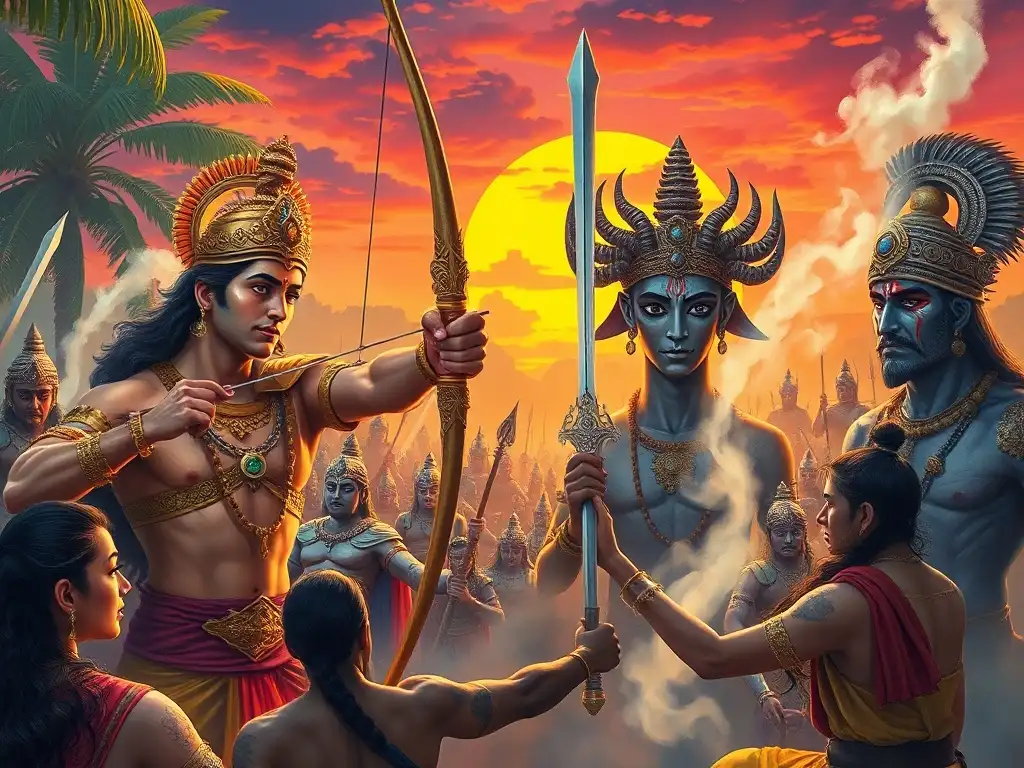
The characters in the Ramayana are not just individuals; they embody various ideals and virtues that resonate with the overarching themes of the epic. Each character's role in the battles contributes to the narrative's rich symbolism, reflecting profound moral lessons and the complexity of human nature.
Rama: The Ideal Hero and His Symbolism
Rama is often regarded as the epitome of the ideal hero, embodying virtues such as courage, righteousness, and loyalty. His character symbolizes the ideal of dharma, showcasing how one should act in accordance with moral principles, even in the face of overwhelming adversity. In the context of the battles, Rama's unwavering commitment to his principles serves as a guiding light for his allies and an inspiration for humanity.
Rama's journey through the epic battles illustrates the importance of selflessness and sacrifice. His willingness to face Ravana and his forces demonstrates that true heroism lies not in the pursuit of personal glory but in the commitment to a higher cause. Thus, Rama's character transcends the narrative, symbolizing the eternal struggle for righteousness in the human experience.
Ravana: The Complex Antagonist
Ravana, the ten-headed demon king, represents a multifaceted antagonist who embodies both intelligence and power. His character symbolizes the complexities of desire and ambition, illustrating how unchecked power can lead to moral corruption. While Ravana is often viewed as the embodiment of evil, his character also evokes sympathy, as he is a learned scholar and a devoted devotee of Shiva.
The battles involving Ravana serve as a reminder of the duality of human nature, where the potential for both good and evil exists within everyone. His eventual downfall highlights the consequences of adharma and the importance of maintaining a balance between power and responsibility. Ravana's complexity adds depth to the narrative, emphasizing that the struggle between good and evil is often entangled with human frailty and ambition.
Sita: The Symbol of Virtue and Strength
Sita's character is a powerful symbol of virtue, resilience, and unwavering strength in the face of adversity. Throughout the epic, she epitomizes the ideals of fidelity and courage, standing firm in her beliefs despite the trials she faces. Her abduction by Ravana sets the stage for the epic battles, illustrating the theme of the struggle for honor and justice.
Sita's unwavering faith in Rama underscores the importance of loyalty and devotion. Even during her captivity, she remains steadfast in her commitment to her husband and her principles. Sita's character represents the inner strength that individuals can draw upon when confronting challenges, making her an enduring symbol of empowerment in the face of oppression. Her journey reflects the broader theme of the Ramayana, where the triumph of virtue ultimately restores harmony and justice.
The Ramayana’s Influence on Indian Culture and Spirituality
The Ramayana, attributed to the sage Valmiki, is more than a mere narrative; it is a profound spiritual guide that has shaped Indian culture and spirituality for centuries. The epic illustrates the ideals of dharma (righteousness) through its characters, particularly Lord Rama, who epitomizes virtue and moral integrity. This has made the Ramayana a cornerstone of Hindu philosophy, influencing not only religious practices but also social norms and ethical values.
The portrayal of devotion, duty, and the triumph of good over evil has permeated various aspects of Indian culture. Festivals such as Diwali, which celebrates Rama's return to Ayodhya, and Dussehra, marking the victory over Ravana, highlight the Ramayana's central themes. Moreover, the characters and their journeys serve as archetypes that guide individuals in navigating their own moral dilemmas, fostering a sense of spirituality that resonates deeply across generations.
Additionally, the Ramayana has inspired countless artistic expressions, from classical dance forms to theater, further embedding its symbolism into the cultural fabric of India. The teachings of the Ramayana continue to be a source of reflection and inspiration for millions, emphasizing the importance of adhering to one's principles and responsibilities, thus solidifying its influence on both individual and collective spirituality.
Lessons from the Epic Battles for Modern Society
The epic battles of the Ramayana, particularly the conflict between Rama and Ravana, offer profound lessons applicable to modern society. These battles symbolize the eternal struggle between good and evil, encouraging individuals to stand firm against injustices and moral corruption. In an age marked by ethical dilemmas and societal challenges, the Ramayana teaches the importance of courage and perseverance in the face of adversity.
Moreover, the character of Hanuman exemplifies selfless devotion and the power of teamwork. His unwavering loyalty to Rama and proactive role during the battles highlight the significance of collaboration and support in overcoming challenges. Modern society can draw parallels from Hanuman's dedication, emphasizing the need for collective action in addressing contemporary issues.
The Ramayana also underscores the consequences of unchecked ambition and ego, as seen in the downfall of Ravana. This serves as a reminder for individuals and leaders today to cultivate humility and empathy in their pursuits. By embracing the lessons from these epic battles, modern society can strive towards a more just and harmonious existence.
The Ramayana's Symbolism in Art and Literature
The influence of the Ramayana extends beyond its narrative, deeply permeating art and literature throughout Indian history. Various forms of artistic expression, including paintings, sculptures, and performances, have depicted the epic's battles and characters, each interpretation enriching the understanding of its symbolism.
In classical Indian dance, such as Bharatanatyam and Kathak, the battles are dramatized, allowing audiences to experience the emotional and moral complexities of the characters. Artists often utilize vibrant colors and intricate details to convey the epic's themes of valor, righteousness, and devotion, making these performances not just entertainment but a spiritual experience.
Literary adaptations of the Ramayana also play a crucial role in articulating its symbolism. From contemporary novels to poetic retellings, authors reinterpret the epic's battles, exploring themes of sacrifice, love, and duty. This ongoing literary dialogue ensures that the Ramayana remains relevant, inviting new generations to engage with its timeless wisdom.
The Impact of Ramayana Symbolism on Indian Festivals and Rituals
The symbolism embedded in the Ramayana significantly influences Indian festivals and rituals, serving as a guide for communal celebrations and spiritual observances. Major festivals like Diwali and Dussehra are intricately linked to the epic's narrative, commemorating the victories of Rama and the ideals of righteousness.
During Diwali, the lighting of diyas (lamps) symbolizes the dispelling of darkness and ignorance, paralleling Rama's triumph over Ravana. Rituals such as the creation of rangoli (decorative patterns) and the exchange of sweets foster a sense of community and reinforce the values of love and togetherness, reflecting the lessons learned from the epic.
Dussehra, celebrated with grand processions and reenactments of Rama's battles, serves as a powerful reminder of the importance of dharma. The burning of effigies of Ravana represents the rejection of evil and the reaffirmation of moral values. These festivals not only celebrate historical events but also instill a sense of identity and belonging, making the Ramayana a living tradition that continues to inspire and unite.
Conclusion: The Enduring Legacy of the Ramayana’s Epic Battles
The Ramayana's epic battles have left an indelible mark on Indian history, culture, and spirituality. Their symbolic meanings transcend time, illustrating universal themes of good versus evil, duty, and sacrifice. As a literary masterpiece, the Ramayana serves as a guide for ethical living, providing insights that remain relevant in today's complex world.
Summary of Key Symbolic Themes
Key themes from the Ramayana's epic battles include:
- Dharma: The importance of righteousness and moral duty.
- Sacrifice: The willingness to sacrifice for the greater good.
- Devotion: The power of loyalty and commitment, exemplified by characters like Hanuman.
- The Triumph of Good over Evil: A timeless reminder that virtue ultimately prevails.
These themes resonate across cultures and epochs, reinforcing the enduring legacy of the Ramayana.
The Relevance of Ramayana Epic Battles Symbolism Today
In today's context, the symbolism of the Ramayana's epic battles continues to inspire individuals and societies. As modern challenges emerge, the lessons of courage, integrity, and unity remind us of the importance of standing against injustice and fostering collective efforts for positive change. The Ramayana serves not only as a historical narrative but as a timeless source of wisdom, guiding individuals toward ethical living and spiritual growth in an ever-evolving world.
- Introduction to the Ramayana and Its Significance
- Understanding the Ramayana Epic Battles Symbolism
- Key Battles in the Ramayana and Their Symbolism
- Characters and Their Symbolic Representations in Battles
- The Ramayana’s Influence on Indian Culture and Spirituality
- Conclusion: The Enduring Legacy of the Ramayana’s Epic Battles
- What is the Ramayana and why is it significant in ancient Indian history?
- How do the epic battles in the Ramayana symbolize deeper meanings?
- What role do the characters in the Ramayana play in the symbolism of the battles?
- How does the Gupta Empire relate to the study of the Ramayana’s symbolism?
- What can modern readers learn from the symbolism in the Ramayana’s battles?
Frequently Asked Questions
What is the Ramayana and why is it significant in ancient Indian history?
The Ramayana is an ancient Indian epic that narrates the life of Lord Rama and his quest to rescue his wife, Sita. It holds great cultural significance, symbolizing dharma and the struggle between good and evil.
How do the epic battles in the Ramayana symbolize deeper meanings?
The battles in the Ramayana are not just physical confrontations; they symbolize the internal struggles of individuals and the moral dilemmas faced in the pursuit of righteousness.
What role do the characters in the Ramayana play in the symbolism of the battles?
Each character, from Rama to Ravana, represents various human traits and societal values, enabling readers to explore the symbolic meaning behind their actions during the epic battles.
How does the Gupta Empire relate to the study of the Ramayana’s symbolism?
During the Gupta Empire, there was a cultural renaissance that fostered the arts and literature, including the Ramayana. This period emphasized the symbolic interpretations of its narratives and battles.
What can modern readers learn from the symbolism in the Ramayana’s battles?
Modern readers can gain insights into the complexities of human emotions, ethical choices, and the timeless struggle between good and evil, making the Ramayana relevant across eras.
Final Reflection: The Enduring Symbolism of the Ramayana's Epic Battles
The battles depicted in the Ramayana are not merely tales of conflict; they resonate deeply with our contemporary struggles, illustrating the eternal clash between good and evil. As we navigate a world rife with moral dilemmas and societal challenges, the symbolism embedded in these epic battles serves as a guiding light, reminding us of the virtues of courage, righteousness, and the relentless pursuit of justice. The Ramayana's narrative urges us to reflect on our own battles, both internal and external, and to recognize the significance of our choices in shaping the world around us.
Culturally and socially, the Ramayana's epic battles have left an indelible mark on our collective consciousness, inspiring countless generations to uphold the values of dharma (righteousness) and to confront adversity with resilience. The stories of Rama and Ravana continue to influence art, literature, and philosophy, emphasizing the importance of standing up for what is right, even in the face of overwhelming odds. The Ramayana teaches us that the greatest battles are often fought within ourselves.
This ongoing relevance highlights the need for introspection and the courage to engage in our own personal struggles, echoing the timeless lessons of the epic.
As we conclude this exploration of the Ramayana's epic battles and their profound symbolism, I invite you to reflect on your own life and the battles you face. Consider how the values of courage, integrity, and perseverance can guide you in your journey. Embrace the lessons of the Ramayana, and let them inspire you to confront your challenges with the same valor as its legendary heroes. The power of these stories lies not only in their historical context but in their ability to motivate us to become the champions of our own narratives.
Unleash the Wisdom of the Ramayana's Battles!
Thank you for diving into the epic world of the Ramayana with us! We hope you’ve gained invaluable insights into the profound meanings behind its legendary battles. Now, it's time to take the next step in your journey of discovery.
Here are a few engaging ways to further explore the teachings and symbolism from this epic saga:
- Dive Deeper: Read the Ramayana yourself! Consider picking up a copy or finding an online version to witness the battles and teachings firsthand.
- Share Your Thoughts: Discuss the insights you gained with friends or in online communities. Engaging in conversations about the Ramayana can deepen your understanding and reveal new perspectives.
- Explore Related Texts: Look into other epic poems and texts from ancient Indian literature. This will help you broaden your understanding of the cultural context and recurring themes present in these narratives.
What lessons does the Ramayana impart about confronting your own challenges? We invite you to share your reflections below!