
How Trade and Commerce Influenced Marital Practices in Ancient India

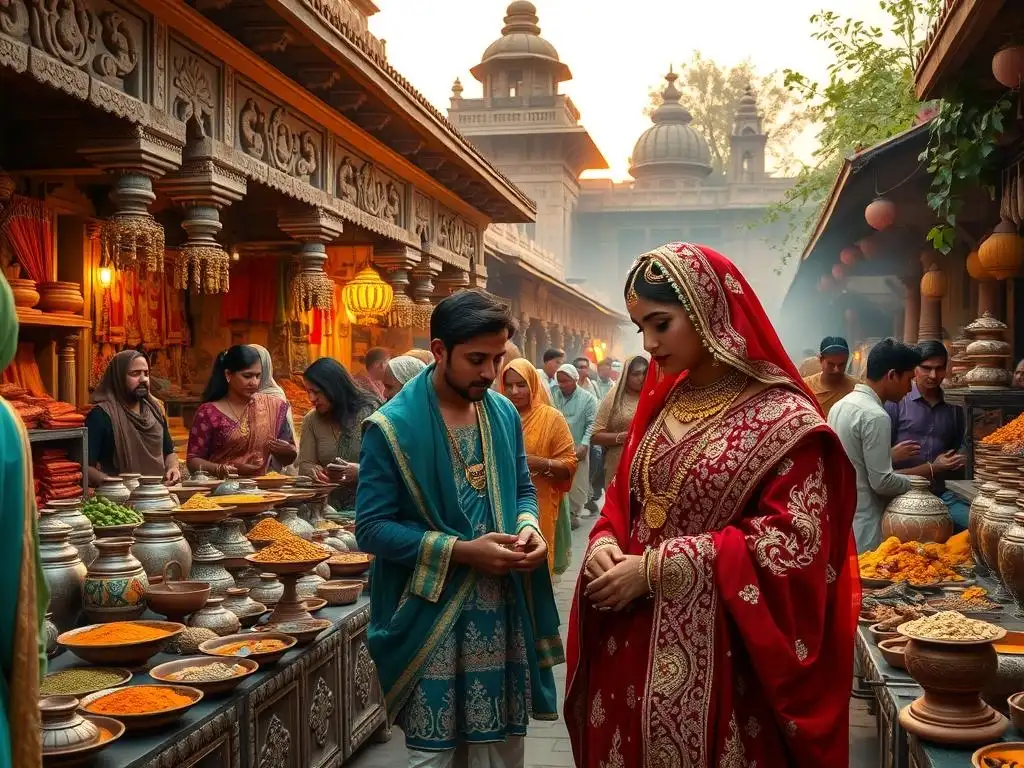
Welcome to Ancient India History, where we embark on a fascinating journey through the vibrant tapestry of ancient Indian civilizations. Here, you will uncover the intricate connections between trade and commerce and the unique marital practices that shaped societies from the Indus Valley to the Gupta Empire.
In our featured article, "How Trade and Commerce Influenced Marital Practices in Ancient India," we delve into how economic exchanges not only enriched cultures but also transformed personal relationships and societal norms. Join us as we explore the profound impact of trade on daily life and society, igniting your curiosity about the legacies that continue to resonate today.
Introduction to Trade Influence on Ancient Indian Marriages
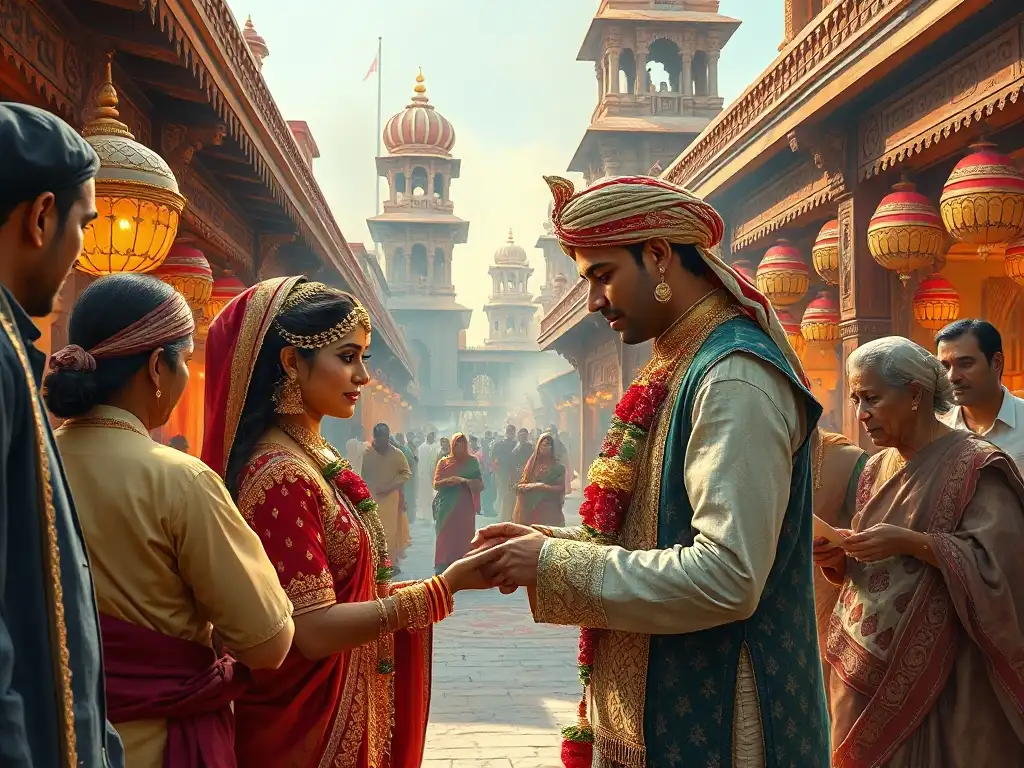
Trade and commerce have long been pivotal in shaping the cultural and social dynamics of societies throughout history. In ancient India, the proliferation of trade routes and the exchange of goods not only facilitated economic growth but also played a significant role in influencing marital practices.
The interactions between different cultures and communities through trade led to a blending of customs, traditions, and values, which ultimately impacted how marriages were perceived and conducted. This article delves into the intricate relationship between trade influence on ancient Indian marriages, revealing how the economic landscape fostered diverse marital practices, alliances, and social structures.
Overview of Trade and Commerce in Ancient India
Ancient India was a hub of trade and commerce, marked by its strategic location and rich resources. The bustling markets and vibrant trade routes facilitated the exchange of goods such as spices, textiles, precious stones, and metals. Key trade centers like Taxila, Pataliputra, and Ujjain emerged as vital nodes in the economic network, enhancing the region's wealth and cultural exchanges.
- Goods Traded:
- Spices (e.g., black pepper, cardamom)
- Textiles (e.g., cotton, silk)
- Precious stones (e.g., diamonds, rubies)
- Metals (e.g., gold, silver)
The flourishing trade not only bolstered local economies but also encouraged interactions among diverse communities, leading to a rich tapestry of cultural influences. This economic backdrop inevitably influenced social structures, including marriage practices, which began to reflect the complexities of trade interactions.
Importance of Marriage in Ancient Indian Society
Marriage in ancient India was not merely a personal union but a foundational element of societal structure. It served multiple purposes, including the consolidation of wealth, the formation of alliances, and the continuation of family lineages. The significance of marriage was deeply ingrained in religious and cultural beliefs, often viewed as a sacred duty.
- Roles of Marriage:
- Economic alliances between families
- Strengthening of social ties
- Preservation of cultural and religious traditions
As trade flourished, the nature of marriages evolved to encompass new dynamics, including the negotiation of dowries, the influence of trade partners, and the integration of foreign customs. Understanding these changes provides insight into the broader implications of commerce on familial structures in ancient India.
Historical Context of Trade in Ancient India
Major Trade Routes and Their Impact on Society
The history of trade in ancient India is characterized by several major trade routes that facilitated not only the exchange of goods but also cultural and social interactions. The Silk Road and maritime routes connected India with regions as far as Rome, the Middle East, and Southeast Asia, contributing to the exchange of ideas and customs.
- Key Trade Routes:
- The Silk Road (land-based trade)
- Maritime routes through the Indian Ocean
These routes allowed for the movement of traders, scholars, and travelers, leading to the integration of various cultural practices, including those related to marriage. The exposure to different marital customs through these interactions enriched the traditional practices in India, allowing for a more diverse understanding of marriage and family structures.
Key Trading Partners and Their Cultural Influence
Ancient India's trading partners included various civilizations that significantly influenced its cultural landscape. The interactions with regions such as Persia, Greece, and China brought new ideas, customs, and practices that permeated various aspects of life, including marital traditions.
- Cultural Influences:
- Persian marriage customs introduced new rituals.
- Greek influences on social gatherings and celebrations.
- Chinese philosophies that shaped family dynamics.
These interactions not only diversified the marital practices but also created a blend of traditions that reflected the wealth and complexity of ancient Indian society. By examining the interplay between trade and marriage, we can uncover the profound effects of commerce on social structures in ancient India.
The Role of Economic Status in Marital Practices
In ancient India, economic status played a pivotal role in shaping marital practices and preferences. Families often viewed marriage as a strategic alliance, where the economic standing of a partner was of utmost importance. The wealth accumulated through trade and commerce influenced not only the choice of partners but also the nature of marital agreements.
Families with higher economic status tended to prioritize match-making with other affluent families, creating networks that bolstered their financial and social standing. Marriages were often arranged based on the ability to contribute to the family’s wealth, emphasizing the idea that a prosperous spouse would enhance the family's social prestige. This practice was especially evident among trading communities, where economic success directly correlated with social recognition.
Moreover, the concept of dowry, which involved the transfer of parental wealth to the groom's family, further accentuated the influence of economic status on marriages. The size of the dowry was often a reflection of the bride's family's wealth, thereby reinforcing economic considerations in marriage negotiations.
How Trade Wealth Shaped Marriage Choices
Trade wealth significantly shaped marriage choices in ancient India by creating a demand for unions that could enhance or consolidate wealth. Wealthy traders and merchants often sought alliances with families that could provide social prestige, land, or additional resources. This led to a pattern where families would conduct extensive negotiations to ensure that the marital arrangement would maximize economic benefits.
Additionally, the flourishing trade routes, such as those established through the Silk Road and maritime routes, facilitated interactions between diverse cultures and communities, broadening the pool of potential marriage partners. Traders returning from distant lands would bring not only goods but also ideas and customs that influenced local marriage practices. For instance, the introduction of foreign customs and rituals sometimes resulted in the blending of marriage traditions, further enriching the cultural tapestry of ancient Indian society.
Influence of Merchant Class on Marriage Trends
The merchant class played a crucial role in influencing marriage trends in ancient India. With trade becoming a vital aspect of the economy, merchants often acquired considerable wealth, which allowed them to challenge traditional norms surrounding marriage. They began to prioritize educational attainment and skills in their marriage choices, leading to a shift in perceptions about suitable partners.
Furthermore, the rise of the merchant class led to the establishment of new social strata, where marriage practices began to reflect the aspirations of economic mobility. As merchant families gained prominence, they often sought to marry into other influential families, creating a web of alliances that transcended traditional caste boundaries. This shift not only altered the dynamics of marital arrangements but also contributed to the gradual erosion of rigid caste practices in some regions.
Cross-Cultural Marriages and Trade
Cross-cultural marriages were a notable outcome of the extensive trade networks that flourished in ancient India. As merchants traveled across regions and interacted with diverse populations, these exchanges often led to intermarriages that blended various cultural customs and practices.
Interactions Between Different Cultures through Trade
The interactions between different cultures facilitated by trade were instrumental in encouraging cross-cultural marriages. Traders and their families often settled in foreign lands, marrying local women or men, which resulted in the merging of traditions and customs. This cultural exchange enriched the social fabric of ancient Indian society and contributed to a more diverse marital landscape.
For instance, the presence of Persian, Greek, and Central Asian traders in Indian ports led to the intermingling of customs that significantly influenced local marriage practices. The fusion of rituals and traditions, such as the incorporation of Persian wedding ceremonies, exemplified how trade catalyzed cross-cultural influences.
Examples of Cross-Cultural Marriages Influenced by Trade
Several historical examples highlight the impact of trade on cross-cultural marriages in ancient India. One notable instance is the marriage of Indian traders with women from Southeast Asia, which played a crucial role in establishing trade routes and cultural exchanges.
Another significant example involves the marriages that occurred during the Maurya Empire, where royal families often forged alliances with foreign traders and diplomats to strengthen political ties. These unions not only enhanced trade relationships but also led to the adoption and adaptation of various cultural practices.
The interplay between trade and marital practices in ancient India showcases how economic factors and cross-cultural interactions shaped the social landscape, emphasizing the importance of trade in influencing family dynamics and marriage traditions.
Changes in Marital Customs Due to Trade
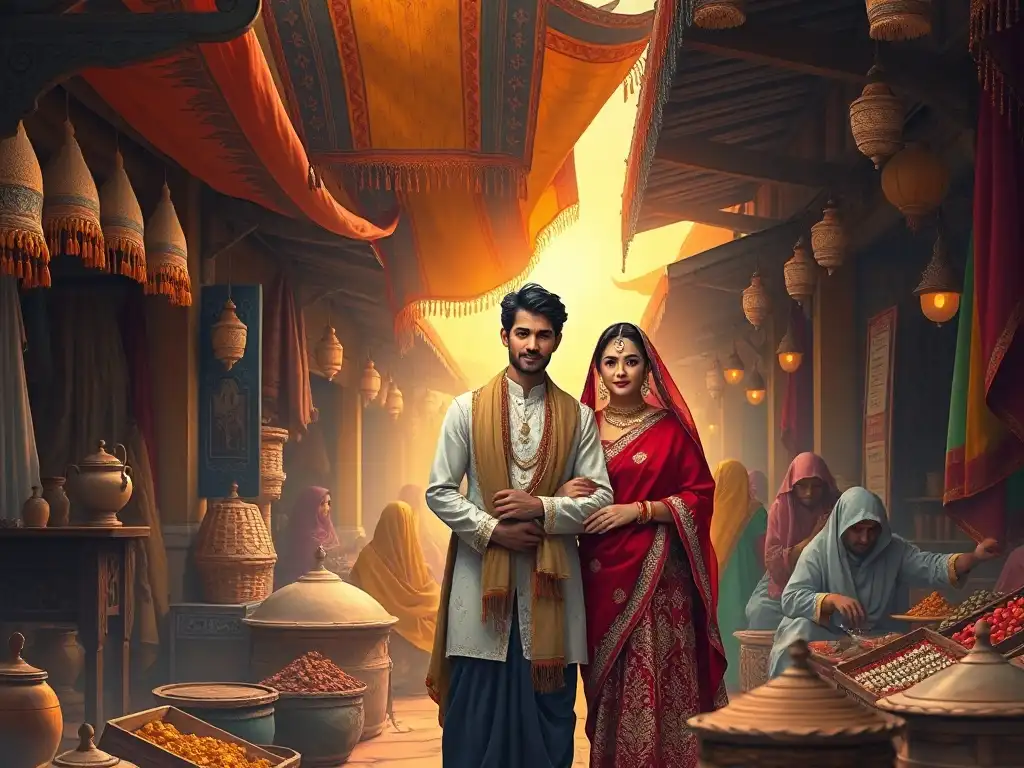
Trade and commerce in ancient India played a significant role in shaping marital customs and practices. As trade routes expanded and interactions with diverse cultures increased, the influence of economic factors became more pronounced in marriage arrangements. The exchange of goods and ideas facilitated a shift from traditional practices to more commerce-driven customs. Marriages began to reflect not only familial alliances but also economic partnerships, thus altering the perception and significance of marital unions.
One of the most notable changes was the increased importance of dowries and bride prices, which became more closely tied to the wealth and social status of families involved in trade. This shift led to a more transactional view of marriage, where economic considerations often outweighed romantic or familial ties. Moreover, as trade networks expanded, marriages started to transcend local boundaries, promoting alliances between families from different regions, which further influenced customs and practices.
Evolution of Marriage Rituals and Practices
The evolution of marriage rituals and practices in ancient India is closely linked to the dynamics of trade. With the influx of ideas and customs from various cultures due to trade, rituals began to incorporate elements from different traditions. For instance, the arrival of foreign traders often brought new wedding practices and ceremonies, which were gradually integrated into local customs.
As trade flourished, the concept of matchmaking evolved. Families started to seek partners not solely based on caste or community alignment but also on economic prospects. This led to a more pragmatic approach to marriage, where the potential for economic gain became a crucial factor in selecting a spouse. The rituals surrounding weddings also began to reflect this shift, often emphasizing the material wealth and social standing of the families involved.
The Impact of Trade on Dowry Systems and Bride Price
The economic conditions created by trade significantly impacted the dowry system and bride price in ancient Indian marriages. As trade brought wealth to certain families, the expectation of a substantial dowry became more pronounced. Families in prosperous trade regions often demanded higher dowries, viewing them as a sign of status and prestige. This expectation could lead to tensions and negotiations that shaped marital agreements.
Conversely, the bride price also gained traction in some communities as a way to reflect the economic contributions of women within the household. In trading families, women’s roles were increasingly recognized; their participation in trade could justify a higher bride price, thus empowering them within the marriage structure. This duality in financial expectations—between dowry and bride price—illustrates how trade influenced the economic dynamics of marital practices.
The Influence of Trade on Women’s Roles in Marriages
Trade not only reshaped marital customs but also influenced women's roles within marriages. As women became more involved in trade, their status within the family structure began to evolve. This involvement often granted them a degree of economic independence, which in turn affected their marital choices and expectations.
Women from trading families were frequently seen as valuable partners due to their contribution to the family business. This shift allowed them to negotiate their terms in marriage, leading to a gradual redefinition of gender roles in the context of marriage. Furthermore, the visibility of women in trade helped challenge traditional norms, opening up new avenues for empowerment and agency within their marital relationships.
Women's Status in Trade and Its Impact on Marital Choices
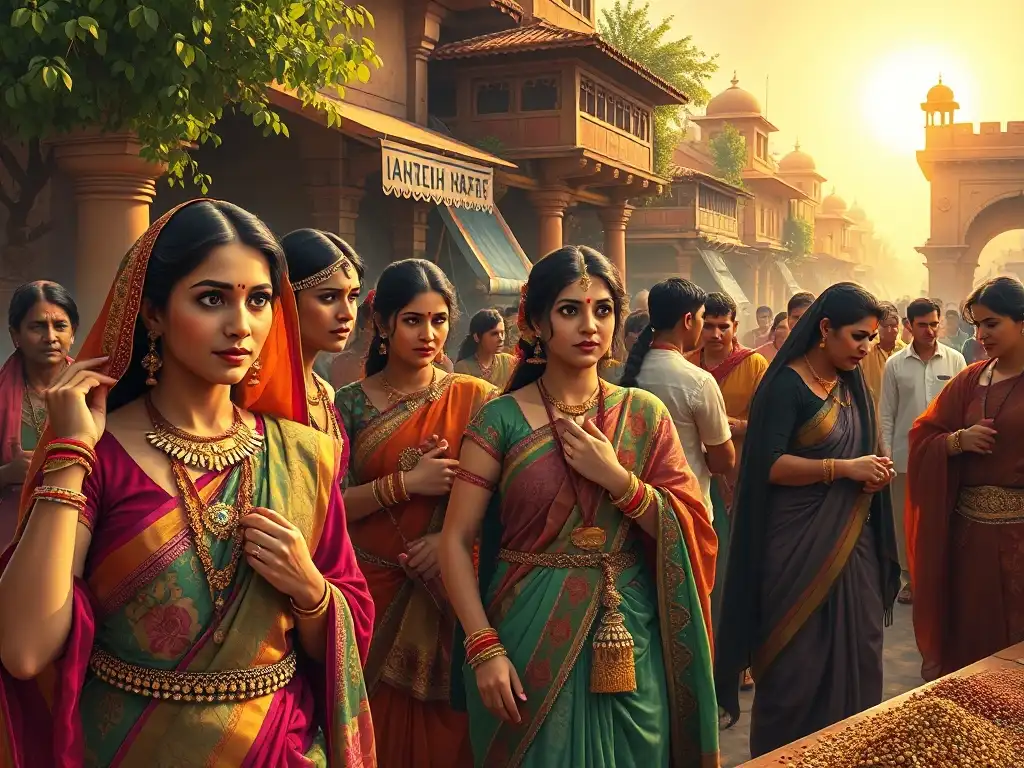
The status of women engaged in trade had a profound impact on their marital choices. In markets and trading hubs, women often took on roles as traders, merchants, or artisans, thereby gaining financial autonomy. This independence allowed women to make informed decisions about their marriages, seeking partners who respected their economic contributions and aspirations.
Moreover, women who participated in trade often became more selective in their choice of mates, emphasizing compatibility in both economic and social aspects. This evolution marked a significant departure from traditional arranged marriages, where familial decisions dominated. The agency afforded to women in trade settings encouraged a more egalitarian approach to marital relationships, reflecting the changing societal norms influenced by commerce.
Case Studies of Prominent Women in Trade and Marriage
Examining historical figures can offer insight into how trade influenced women's roles in marriage. One notable example is Rani Durgavati, the Gond queen who was not only a ruler but also engaged in trade. Her marriage decisions were influenced by her status as a leader in trade, showcasing how economic power can shape marital alliances.
Another example is the merchant class women, who played crucial roles in managing family businesses and negotiating marriages that would strengthen economic ties. These women often acted as mediators in trade and marriage, exemplifying the intersection of commerce and marital practices in ancient India. Through these case studies, it becomes evident that women’s involvement in trade was pivotal in redefining their roles within marriages and the broader societal context.
Conclusion: The Lasting Legacy of Trade on Marital Practices
The intricate relationship between trade and marriage practices in ancient India reveals a profound influence that has shaped societal norms and values over the centuries. As trade routes expanded, they facilitated not only the exchange of goods but also cultural interactions and the mingling of diverse populations. This amalgamation led to evolving marital customs that reflected economic conditions, social stratification, and the significance of alliances forged through trade.
Trade contributed significantly to the practice of dowry, where the wealth accumulated through commerce often dictated the terms of marriage. Families engaged in trade frequently sought to secure advantageous marriages, reinforcing their economic status and social standing. Moreover, the migration of traders and their families influenced local marriage customs, introducing new traditions and perspectives that enriched Indian society.
Ultimately, the legacy of trade on marital practices is evident in how economic considerations continue to play a role in marriages today, echoing the historical practices of ancient civilizations. These enduring customs not only highlight the importance of trade in shaping personal relationships but also underscore the interconnectedness of commerce and social structures throughout Indian history.
Summary of Trade's Influence on Ancient Indian Marriages
The influence of trade on ancient Indian marriages can be summarized through several key aspects:
- Economic Incentives: Marriages often served as strategic alliances that enhanced trade networks, allowing families to secure economic benefits, share resources, and expand their influence.
- Cultural Exchange: Trade routes facilitated the movement of people, leading to the introduction of diverse customs and practices in marital traditions. This cultural exchange enriched the fabric of Indian society, influencing rituals and ceremonies.
- Dowry System: As trade flourished, the dowry system became increasingly prominent, with families offering wealth and goods as part of marital arrangements. This practice was both a reflection of economic status and a means of solidifying social ties.
- Migration and Marital Diversity: The movement of traders and their families brought about a variety of marital practices, as different communities blended their customs. This diversity contributed to a more dynamic social structure within ancient India.
These aspects illustrate how trade not only influenced the economic landscape of ancient India but also significantly shaped the institution of marriage, creating practices that would resonate through generations.
Reflection on Modern Marital Practices in India and Trade’s Continued Impact
In modern India, the echoes of ancient trade practices remain evident in various aspects of marital customs. The economic considerations that dictated marriages in the past still influence contemporary practices, where families often assess financial stability and social standing before formalizing unions.
- Dowry System: Although the dowry system has been legally abolished in India, its remnants can still be observed in many communities. Families often feel pressured to provide substantial gifts or financial support to ensure favorable marital arrangements.
- Cross-Cultural Marriages: The historical blending of cultures through trade has paved the way for more cross-cultural marriages today. Globalization and increased mobility have allowed individuals from diverse backgrounds to unite, reflecting the ancient traditions of merging customs through trade.
- Economic Considerations: In a rapidly evolving economy, the importance of financial security continues to play a pivotal role in marriage decisions. Young couples often seek partners with similar educational and economic backgrounds, mirroring the strategic alliances of the past.
As the landscape of trade evolves with globalization, its impact on marital practices will likely continue to shape relationships in modern India. The legacy of ancient trade practices serves as a reminder of the interconnectedness of commerce and social structures, revealing how historical influences persist in contemporary life.
- Introduction to Trade Influence on Ancient Indian Marriages
- Historical Context of Trade in Ancient India
- The Role of Economic Status in Marital Practices
- Cross-Cultural Marriages and Trade
- Changes in Marital Customs Due to Trade
- Evolution of Marriage Rituals and Practices
- The Impact of Trade on Dowry Systems and Bride Price
- The Influence of Trade on Women’s Roles in Marriages
- Women's Status in Trade and Its Impact on Marital Choices
- Case Studies of Prominent Women in Trade and Marriage
- Conclusion: The Lasting Legacy of Trade on Marital Practices
- What role did trade play in ancient Indian marriages?
- How did commerce impact the choice of partners in ancient India?
- Were there specific trade routes that influenced marriage practices?
- What was the significance of dowries in trade-related marriages?
- How did ancient Indian civilizations view marriages influenced by trade?
Frequently Asked Questions
What role did trade play in ancient Indian marriages?
Trade significantly influenced marital practices by facilitating alliances between trading families, leading to strategic marriages that enhanced economic ties and social status.
How did commerce impact the choice of partners in ancient India?
Commerce provided families with access to a wider pool of potential partners, as wealth and social standing often dictated marriage suitability, promoting unions that bolstered economic interests.
Were there specific trade routes that influenced marriage practices?
Yes, major trade routes like the Silk Road and Maritime routes led to cultural exchanges and inter-regional marriages, blending traditions and expanding social networks.
Dowries served as a form of economic security for brides, often reflecting the wealth of their families and the economic power of the groom's family, thus reinforcing trade relationships.
How did ancient Indian civilizations view marriages influenced by trade?
Marriages influenced by trade were often seen as beneficial, promoting the idea that economic alliances could strengthen communities and ensure prosperity for future generations.
Final Reflection: The Enduring Legacy of Trade in Shaping Marital Practices
Trade has always been a powerful catalyst for cultural exchange and societal evolution, and its influence on ancient Indian marriages is a testament to this dynamic relationship. The intricate web of commerce not only facilitated the movement of goods but also ideas, customs, and traditions that shaped the very fabric of marital practices in ancient India. As we reflect on this historical interplay, we recognize that the legacies of trade continue to resonate in contemporary society, reminding us of the profound impact that economic relationships can have on personal and social structures.
The intertwining of trade and marital customs has left an indelible mark on the cultural landscape of India, influencing everything from dowries to matrimonial alliances. This historical context underscores the importance of understanding how economic factors can shape personal relationships. As we navigate the complexities of modern relationships, we can draw parallels to the past, recognizing that our own practices may still be influenced by the legacies of commerce. In every tradition, there lies a story of adaptation and evolution, shaped by the forces of change.
As we conclude this exploration of trade's influence on ancient Indian marriages, I invite you to reflect on your own relationships and the broader societal norms that shape them. Consider how the exchange of ideas and values in your life might mirror the historical exchanges of the past. Let this understanding inspire you to foster connections that transcend boundaries, embracing the rich tapestry of influences that come from diverse backgrounds. In doing so, we honor the legacy of our ancestors while paving the way for a more inclusive future.
Unveil the Ties Between Trade and Love!
Thank you for diving into the fascinating world of ancient Indian marital practices! Your curiosity about how trade and commerce shaped relationships opens the door to understanding deeper cultural dynamics. Now, let’s transform that interest into action!
- Discover More: Explore scholarly articles, books, and documentaries on ancient trade routes and their societal impacts to deepen your knowledge.
- Join the Conversation: Share your thoughts! Engage with fellow history enthusiasts on our social media platforms, and let's discuss how commerce influences modern relationships.
- Start a Project: Consider researching a local cultural practice in your community that illustrates a connection between trade and social customs, and share your findings with us!
What surprising connections can you uncover between commerce and relationships in today’s world?