
The Cultural Significance of Dance and Performance Occupations in Ancient India

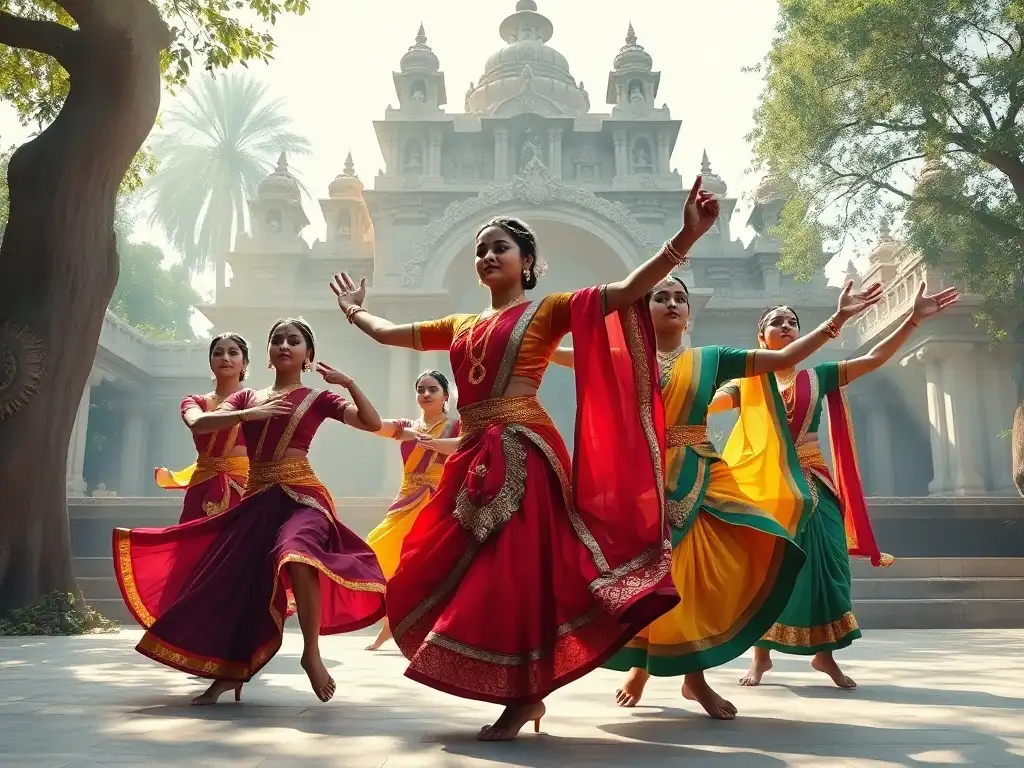
Welcome to Ancient India History, where we embark on a fascinating journey through the rich tapestry of ancient Indian civilizations. In our featured article, The Cultural Significance of Dance and Performance Occupations in Ancient India, we delve into the vibrant world of dance—an art form that transcended mere entertainment, embodying the values, beliefs, and societal norms of the time. Discover how the rhythm and grace of these performances played a pivotal role in shaping the cultural landscape of ancient India.
Are you ready to explore the captivating interplay between dance and society? Join us as we uncover the stories and meanings behind this timeless art!
Introduction to the Cultural Significance of Ancient Indian Dance
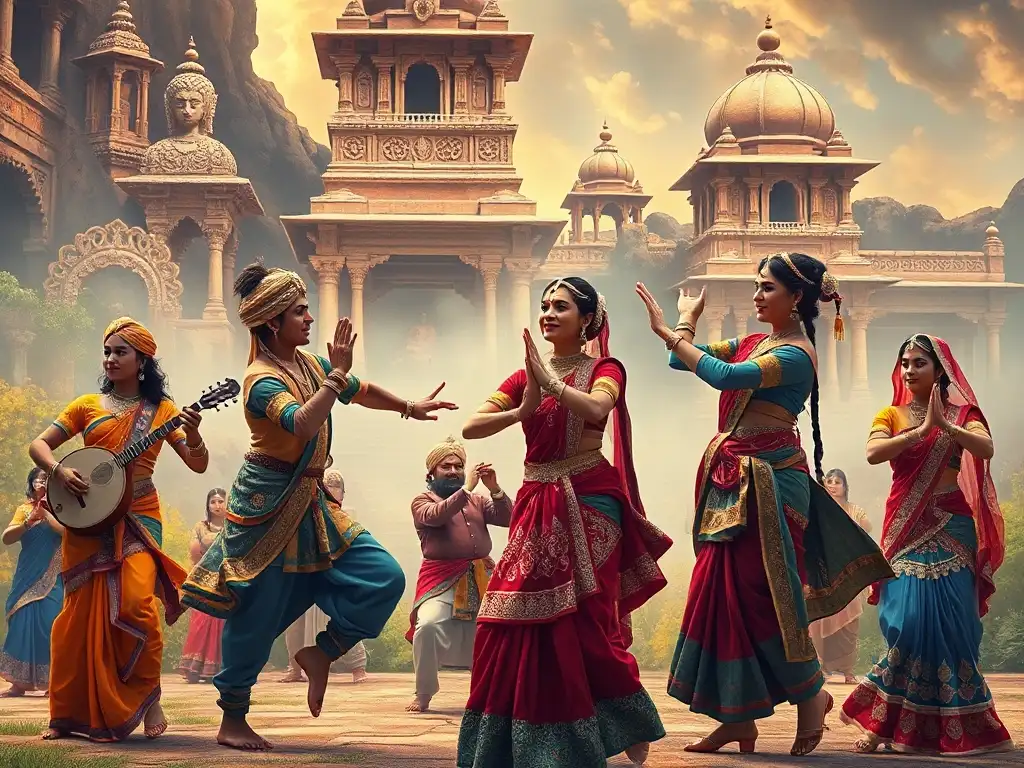
The cultural significance of ancient Indian dance is deeply intertwined with the historical and societal fabric of the subcontinent. From the intricate movements of classical dance forms to the vibrant expressions seen in folk performances, dance has served as a vital medium for storytelling, cultural preservation, and social cohesion.
In ancient India, dance was not merely an art form; it was a conduit for spiritual expression, a celebration of festivals, and a means to convey complex narratives reflecting the ethos of the time. This article delves into the multifaceted roles that dance and performance occupations played in shaping the cultural landscape of ancient Indian civilizations, highlighting their enduring legacy and relevance.
Overview of Dance in Ancient Indian Society
In ancient Indian society, dance was an integral part of both secular and sacred life. It functioned within various contexts, including religious rituals, royal courts, and community celebrations. Dance forms such as Bharatanatyam, Kathak, and Odissi evolved, each carrying unique styles, techniques, and narratives that reflected the diverse cultural milieu of the regions they originated from.
- Key Characteristics of Ancient Indian Dance:
- Rhythm and Movement: Dance was characterized by its intricate footwork and expressive hand gestures (mudras).
- Symbolism: Every movement and pose conveyed specific meanings, often rooted in mythological and spiritual narratives.
- Community Involvement: Dance was a communal activity, fostering a sense of belonging and shared identity among participants.
Importance of Performance Occupations in Cultural Expression
Performance occupations in ancient India encompassed a wide range of roles, from dancers and musicians to storytellers and actors. These practitioners were not only entertainers; they were custodians of culture and tradition, ensuring the transmission of knowledge and values across generations. Their contributions were crucial in:
- Preserving Heritage: Through oral traditions and performances, they kept alive the stories of gods, heroes, and historical events.
- Social Commentary: Many performances served as a reflection of societal norms and issues, allowing for critique and dialogue within the community.
- Spiritual Connection: Dance often played a role in religious ceremonies, serving as an offering to deities and facilitating a connection between the divine and the earthly realm.
Historical Context of Dance and Performance in Ancient India
Understanding the historical context of dance and performance in ancient India provides insight into how these art forms evolved and what they represented in various epochs. From the Indus Valley civilization to the Gupta Empire, dance underwent significant transformations influenced by socio-political changes, artistic innovations, and the blending of cultural traditions.
Evolution of Dance Forms in Ancient Indian Civilizations
The evolution of dance forms can be traced back to ancient texts like the Natya Shastra, attributed to Bharata Muni, which laid the foundational principles of dance and drama. Over centuries, distinct styles emerged, often influenced by regional customs and practices.
- Notable Dance Forms:
- Bharatanatyam: Originating in Tamil Nadu, this form combines expression, music, and intricate footwork.
- Kathak: Known for its storytelling elements, it developed in North India under Mughal influence.
- Odissi: Hailing from Odisha, this dance is characterized by its lyrical grace and devotion to the divine.
Influence of Religion and Spirituality on Dance Practices
Religion and spirituality played a pivotal role in shaping the dance traditions of ancient India. Many dance forms were created as a means of worship, reflecting the narratives found in Hindu scriptures, Buddhist teachings, and Jain philosophy.
- Spiritual Elements in Dance:
- Devotional Themes: Many performances depicted stories of deities, emphasizing moral and ethical lessons.
- Ritualistic Context: Dance was often incorporated into temple rituals and festivals, enhancing the spiritual atmosphere of these occasions.
- Meditative Practices: Certain dance forms served as a form of meditation, aiming to connect the dancer with the divine.
The cultural significance of ancient Indian dance extends far beyond mere performance; it encompasses a rich tapestry of historical, spiritual, and social threads that have shaped the identity of Indian civilization. As we explore this vibrant history, we uncover the profound impact of dance and performance occupations on the cultural heritage of ancient India.
Key Dance Forms and Their Cultural Significance
Dance in ancient India was not merely a form of entertainment; it was deeply embedded in the cultural, religious, and social fabric of society. Each dance form carried its own unique significance, often reflecting the beliefs, traditions, and values of the people. The various dance forms served as a medium to express emotions, narrate stories, and convey spiritual messages. From classical styles to folk traditions, the cultural significance of ancient Indian dance is vast and varied.
Classical Dance Forms: Bharatanatyam, Kathak, Odissi
Classical dance forms such as Bharatanatyam, Kathak, and Odissi are among the most celebrated expressions of performance art in ancient India.
- Bharatanatyam, originating from Tamil Nadu, is characterized by its intricate footwork, expressive hand gestures (mudras), and vibrant costumes. It often depicts themes from Hindu mythology, particularly stories of deities, thus playing a crucial role in temple rituals and spiritual practices.
- Kathak, with its roots in Northern India, is known for its storytelling through dance. It combines rhythmic footwork with expressive facial expressions and is often performed in a narrative style that recounts historical and mythological tales. Kathak has historically been associated with both religious ceremonies and royal courts.
- Odissi, hailing from Odisha, is distinguished by its fluid movements and strong emphasis on posture and expression. It often involves intricate sculpturesque poses that reflect the aesthetics of ancient temple architecture, thus linking dance to religious devotion and cultural identity.
These classical forms not only serve artistic purposes but also act as a means of preserving and transmitting cultural heritage through generations.
Folk Dance Traditions and Their Community Role
Folk dance traditions in ancient India varied significantly from region to region, often characterized by their local customs, attire, and music. These dances played a vital role in social cohesion, bringing communities together during festivals, weddings, and harvest celebrations.
- Gidda in Punjab, for instance, is a vibrant dance performed by women, celebrating joy and togetherness, while Bhangra, traditionally performed by men, reflects the exuberance of life and agricultural prosperity.
- In Gujarat, Garba and Dandiya Raas dances are integral parts of the Navratri festival, serving not only as a form of entertainment but also as a means of reinforcing community bonds and cultural identity.
Folk dances also served as an important medium for passing down traditions, stories, and values, ensuring that the community's collective memory is preserved through lively performances.
Dance as a Medium of Storytelling and Mythology
Dance in ancient India was often intertwined with storytelling and mythology, functioning as a powerful medium to communicate narratives that shaped cultural identity. Through expressive movements and gestures, dancers narrated tales from epics like the Mahabharata and Ramayana, bringing characters and events to life for the audience.
- The Natya Shastra, an ancient treatise on performing arts, emphasizes the importance of dance as a form of storytelling, detailing how emotions (rasa) and narrative (katha) are conveyed through movement and expression.
- Dance dramas, known as Ramlila and Krishna Lila, were performed during religious festivals, allowing the audience to engage with the stories of their deities while reinforcing spiritual beliefs and cultural values.
By intertwining performance with storytelling, ancient Indian dance ensured the continuity of mythology and cultural heritage, making it an essential aspect of societal life.
Performance Occupations: Roles and Responsibilities
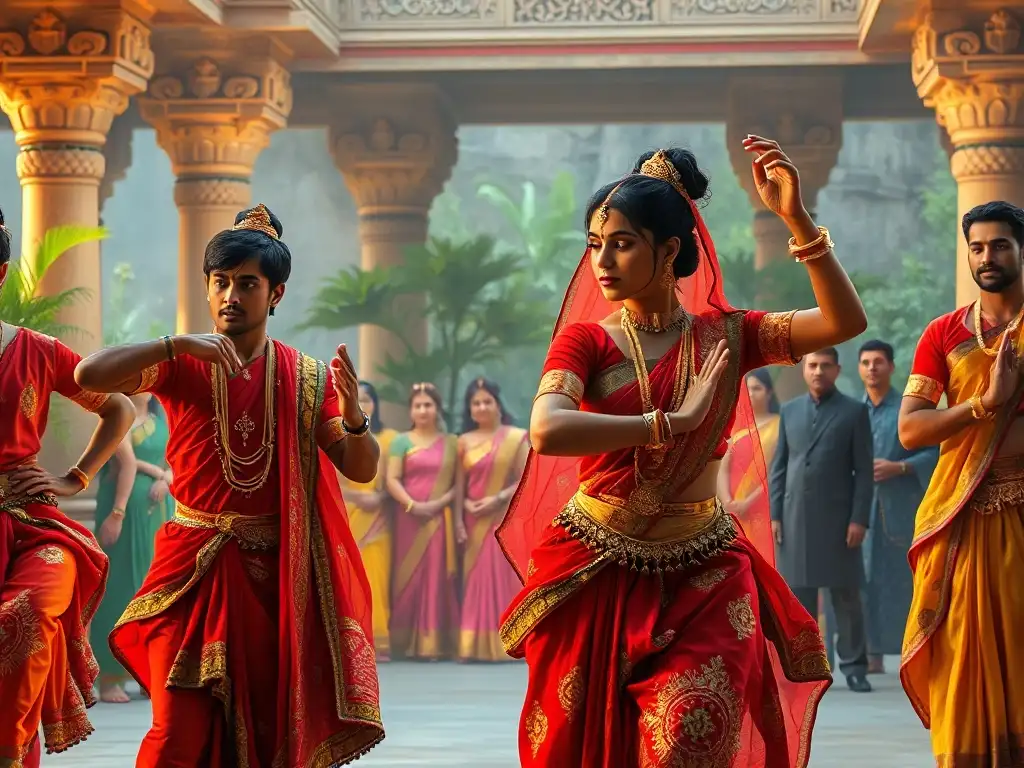
The realm of performance occupations in ancient India encompassed a wide range of roles, each with its own significance in the socio-cultural landscape. Dancers, musicians, and artists not only contributed to the arts but also played crucial roles in religious and community functions.
Dancers and Their Social Status in Ancient India
Dancers held a unique position within the social hierarchy of ancient India. While some were revered as artists and considered custodians of tradition, others faced stigma and marginalization, particularly those associated with temple dances or courtesans.
- Devadasis, for example, were women dedicated to temple service, performing sacred dances as acts of devotion. Despite their vital role in maintaining the cultural and spiritual life of the temple, they often faced societal challenges.
- Conversely, dancers in royal courts enjoyed prestige and respect, often supported by patronage from rulers. Their performances were seen as reflections of cultural sophistication, and they played significant roles in courtly entertainment and celebrations.
The duality in the social status of dancers highlights the complexities of performance occupations in ancient society, revealing the interplay between art, religion, and social norms.
The Role of Gurus and Teachers in Dance Training
In ancient India, the transmission of dance knowledge was facilitated by the guru-shishya (teacher-student) tradition. Gurus were revered figures responsible for imparting not only technical skills but also the philosophical and spiritual dimensions of dance.
- The rigorous training under a guru often included physical conditioning, mastering various dance styles, and understanding the emotional and narrative aspects of performance. The relationship between a guru and their shishya was built on trust, respect, and dedication.
- Gurus also played a crucial role in preserving the nuances of dance forms, ensuring that the cultural heritage was passed down through generations. Their influence extended beyond mere instruction, as they often served as mentors who shaped the artistic identity of their students.
The significance of gurus in ancient Indian dance underscores the importance of mentorship and the deep-rooted connection between education and cultural continuity.
Other Performance Occupations: Musicians and Artists
Beyond dancers, other performance occupations such as musicians and artists were vital to the cultural landscape of ancient India. Musicians provided the essential musical accompaniment for dance performances, enriching the overall experience.
- Vina, mridangam, and flute players were indispensable in classical performances, with their mastery of rhythm and melody elevating the dance experience. Musicians often held esteemed positions in courts and temples, collaborating closely with dancers to create harmonious presentations.
- Additionally, visual artists contributed by creating intricate backdrops and elaborate costumes, enhancing the aesthetic appeal of performances. The craftsmanship involved in creating these elements reflected the high value placed on art and its role in cultural celebrations.
These performance occupations collectively contributed to the richness of ancient Indian culture, demonstrating the interconnectedness of various art forms and their significance in society.
The Connection Between Dance and Daily Life in Ancient India
Dance in ancient India was not merely a form of entertainment; it was intricately woven into the fabric of daily life. It served as a medium of expression, communication, and social cohesion within communities. The movements, rhythms, and gestures of dance conveyed emotions and narratives that were integral to cultural identity.
In various regions, dance was often performed during agricultural cycles, celebrating the changing seasons and the fertility of the land. This connection to nature highlighted the importance of harmony between human beings and their environment. Moreover, dance facilitated community bonding, as it was commonly performed in groups, encouraging collective participation and shared joy.
Additionally, dance was a means of storytelling. Ancient Indian texts, such as the Natya Shastra by Bharata Muni, emphasize the narrative aspect of dance, where performers depicted tales from mythology and history. This storytelling aspect played a crucial role in preserving cultural heritage and passing down traditions through generations, making dance a vital component of daily life in ancient Indian society.
Rituals and Festivals: The Role of Dance
Rituals and festivals in ancient India were often marked by vibrant dance performances that held profound significance. Dance served as an offering to deities during religious ceremonies, symbolizing devotion and reverence. For instance, during the festival of Navaratri, traditional dances like Garba and Dandiya Raas were performed as a form of worship, celebrating the goddess Durga.
These performances were not only acts of devotion but also communal events that reinforced social bonds. Festivals such as Diwali and Makar Sankranti featured various dance forms, integrating them into the celebrations and enhancing the festive spirit. The use of dance in rituals also reflected the cyclical nature of life, embodying themes of birth, death, and rebirth, which were central to many ancient Indian philosophies.
Moreover, the choreography and styles of dance varied across regions, often influenced by local deities and customs. This regional diversity underscored the adaptability of dance as a medium for expressing local traditions and beliefs, further enriching the cultural tapestry of ancient India.
Dance in Royal Courts: Patronage and Performance
Royal courts in ancient India were significant centers for the arts, including dance. Kings and emperors often employed skilled dancers, who were not only entertainers but also vital contributors to the cultural prestige of the court. Patronage from royalty allowed for the flourishing of various dance forms, as rulers sought to showcase their wealth and power through elaborate performances.
Dance was also a means of political communication; performances often conveyed messages of loyalty and power dynamics. The presence of court dancers in political events highlighted their role in reinforcing the authority of the ruling class. Furthermore, royal patronage led to the development of distinct styles, such as Kathak, which evolved in the courts of North India, combining storytelling with intricate footwork and expressive gestures.
The integration of dance into court life also facilitated the exchange of cultural ideas between different regions. As dancers traveled to perform at various courts, they brought with them diverse influences, leading to the evolution of hybrid styles that enriched the overall landscape of Indian dance.
Dance as a Reflection of Social and Cultural Values
The dance forms of ancient India were deeply intertwined with the social and cultural values of the time. Each movement and gesture was laden with meaning, reflecting the philosophical and spiritual beliefs of society. For instance, classical dance styles such as Bharatanatyam and Odissi encapsulated themes of devotion, mythology, and the human experience, illustrating the connection between the divine and the mundane.
Moreover, dance served as a medium to express social commentary. Performers often used their art to convey messages about societal norms, gender roles, and moral lessons. This aspect of dance highlighted its role as a vehicle for cultural expression and critique, providing insights into the values and concerns of ancient Indian society.
Additionally, the hierarchical nature of society was mirrored in dance. Different dance forms were associated with various social classes, and participation in certain styles often reflected one's status. For example, temple dancers (Devadasis) held a revered position, symbolizing both spiritual and artistic significance. This interplay between dance and social structure underscores the multifaceted cultural significance of dance in ancient India.
The Legacy of Ancient Indian Dance and Performance
The legacy of ancient Indian dance and performance is profoundly felt in contemporary society, influencing various aspects of Indian culture. The historical depth and richness of these art forms continue to inspire present-day artists, dancers, and cultural practitioners.
Influence of Ancient Dance on Modern Indian Culture
Modern Indian dance forms owe much to their ancient predecessors. The classical styles that emerged from ancient traditions have laid the groundwork for contemporary interpretations, maintaining the essence of their historical roots. For instance, the revival of classical dance forms, such as Kathak and Bharatanatyam, showcases the enduring appeal of ancient aesthetics and narratives.
Moreover, the themes explored in ancient dance, such as love, spirituality, and social issues, remain relevant today. Modern choreographers often draw upon these themes, blending traditional techniques with contemporary movements to create innovative performances that resonate with today's audiences.
The influence extends beyond performance art; ancient dance has also shaped music, theater, and literature, enriching the broader cultural landscape of India.
Preservation of Dance Traditions through Generations
The preservation of ancient dance traditions has been a concerted effort by various communities, institutions, and scholars throughout history. Gurus and dance schools have played a pivotal role in transmitting knowledge, ensuring that techniques, stories, and cultural significances are passed down through generations.
Festivals and cultural events often serve as platforms for showcasing traditional dance, allowing for community engagement and appreciation. Documentation through texts, recordings, and performances has also contributed to the preservation of these art forms, ensuring their continued relevance in a rapidly changing world.
Furthermore, the integration of traditional dance in educational curricula has helped cultivate a new generation of dancers who are aware of their cultural heritage, fostering a sense of pride and continuity.
Contemporary Interpretations of Ancient Dance Forms
Contemporary interpretations of ancient dance forms reflect a dynamic interplay between tradition and modernity. Many dancers and choreographers are experimenting with fusion styles, incorporating elements from various dance genres, music, and theatrical expressions. This blending often results in performances that challenge conventional boundaries while paying homage to ancient traditions.
These modern adaptations can be seen in urban dance festivals, theatrical productions, and international performances, where ancient Indian dance is reimagined to resonate with diverse audiences. Additionally, the use of technology in dance presentations has opened up new avenues for creativity, allowing for innovative storytelling that remains rooted in historical contexts.
The evolving nature of dance in contemporary society underscores its vitality as a cultural expression, continually adapting while honoring its rich legacy.
Conclusion: The Enduring Impact of Dance and Performance Occupations
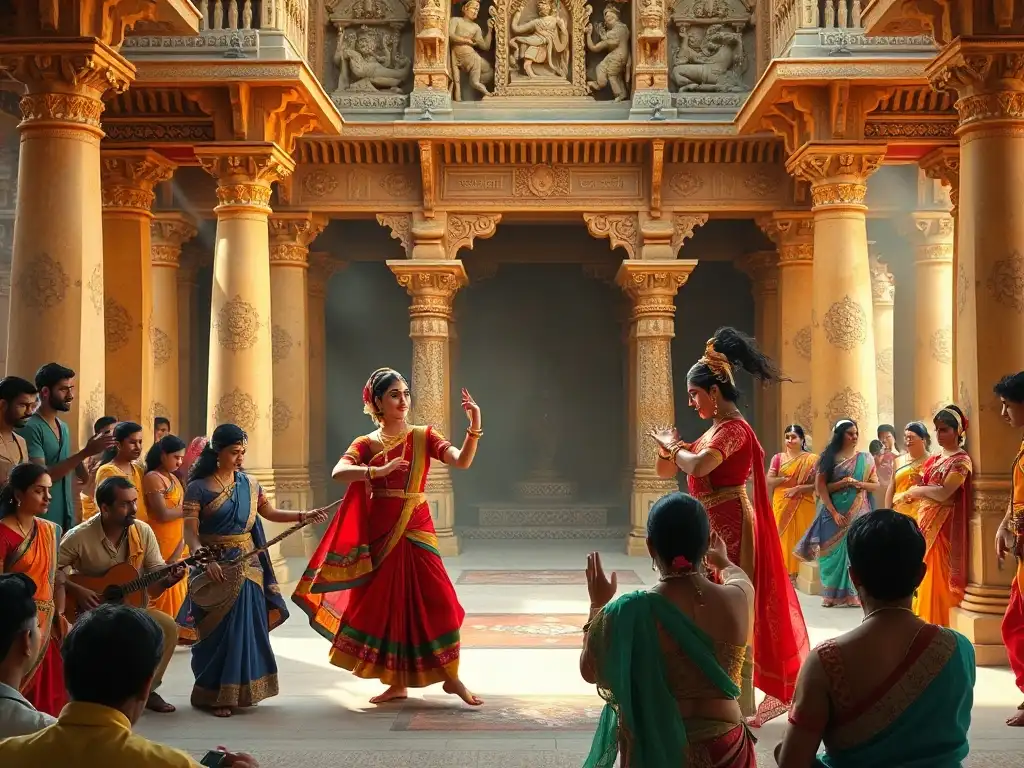
The cultural significance of ancient Indian dance extends far beyond mere entertainment; it is a profound expression of spirituality, social cohesion, and artistic excellence. Throughout history, dance and performance arts have played a pivotal role in the rituals and ceremonies of various communities, serving as a medium for storytelling, cultural transmission, and the preservation of traditions. The intricate movements, gestures, and rhythms of these dances often reflect the philosophical and spiritual beliefs of the time, showcasing the deep interconnection between art and life in ancient Indian society.
The influence of ancient dance forms continues to resonate in contemporary India, where traditional practices are preserved and celebrated. Various classical dance forms, such as Bharatanatyam, Kathak, Odissi, and Kathakali, not only retain their historical roots but also adapt to modern sensibilities, ensuring their relevance in today's cultural landscape. The enduring legacy of performance occupations highlights the adaptability and resilience of these art forms, underscoring their importance in both historical and modern contexts.
Summary of the Cultural Significance of Ancient Indian Dance
Ancient Indian dance occupies a central place in the cultural fabric of the subcontinent, encapsulating a myriad of meanings and functions. These performances were not merely art forms; they served as vehicles for religious expression, social commentary, and community engagement. Dance was often intertwined with worship and rituals, acting as a bridge between the human and the divine.
The various styles of dance, each with its unique techniques and narratives, reflect the diverse cultural landscapes of ancient India. For example, the temple dances of the Devadasis were integral to religious practices, while folk dances represented the daily lives and struggles of the common people. Through these performances, stories from epics like the Mahabharata and Ramayana were brought to life, preserving historical and mythological narratives for generations.
Moreover, dance also played a significant role in the social stratification of ancient Indian society. Different performance occupations were often associated with specific communities or castes, each contributing to the rich tapestry of Indian culture. This relationship between dance and social identity illustrates its multifaceted significance, reinforcing the idea that ancient Indian dance was both a reflection of and a contributor to the cultural heritage of the time.
Future of Dance in the Context of Ancient Indian Heritage
The future of dance in relation to ancient Indian heritage appears promising, with a growing interest in reviving and preserving traditional forms. As globalization increasingly influences cultural expressions, there is a renewed focus on integrating ancient practices with contemporary interpretations. This evolution allows for the exploration of new themes and narratives while remaining anchored in the traditional roots of ancient Indian dance.
Educational institutions and cultural organizations are playing a vital role in this revival, offering workshops, performances, and research opportunities that highlight the historical significance of these art forms. Moreover, the rise of digital platforms has enabled broader dissemination of knowledge and performances, making ancient Indian dance accessible to a global audience.
As artists and scholars continue to engage with the rich heritage of ancient Indian dance, it is essential to maintain a dialogue between tradition and innovation. This approach not only honors the past but also ensures that these art forms evolve in response to contemporary cultural dynamics. The preservation and promotion of ancient Indian dance will undoubtedly enrich the cultural landscape, fostering a deeper appreciation for its historical significance and continuing relevance in society today.
- Introduction to the Cultural Significance of Ancient Indian Dance
- Historical Context of Dance and Performance in Ancient India
- Key Dance Forms and Their Cultural Significance
- Performance Occupations: Roles and Responsibilities
- The Connection Between Dance and Daily Life in Ancient India
- The Legacy of Ancient Indian Dance and Performance
- Conclusion: The Enduring Impact of Dance and Performance Occupations
- Summary of the Cultural Significance of Ancient Indian Dance
- Future of Dance in the Context of Ancient Indian Heritage
Frequently Asked Questions
What was the role of dance in ancient Indian culture?
Dance played a central role in ancient Indian culture, serving as a form of artistic expression and spiritual practice. It was often performed in religious rituals and public celebrations, reflecting the society's values and beliefs.
How did ancient Indian dance evolve over time?
Ancient Indian dance evolved through various cultural influences and historical periods, from the Indus Valley Civilization to the Gupta Empire. Each era contributed unique styles and techniques, enriching the diversity of dance forms.
What are some significant ancient Indian dance forms?
Significant ancient Indian dance forms include Bharatanatyam, Kathak, and Odissi, each with its own distinct storytelling methods, costumes, and musical accompaniment. These forms often depict themes from mythology and spirituality.
How did performance occupations impact society in ancient India?
Performance occupations, including dance and drama, held social importance as they provided entertainment while also conveying moral lessons and cultural narratives. They played a crucial role in community bonding and the preservation of traditions.
What is the legacy of ancient Indian dance today?
The legacy of ancient Indian dance continues to thrive today, influencing modern performances and inspiring artists worldwide. Its cultural significance is celebrated through festivals, educational institutions, and a renewed interest in traditional art forms.
Final Reflection: Embracing the Cultural Significance of Ancient Indian Dance
The cultural significance of ancient Indian dance resonates profoundly in today's world, reminding us of the rich tapestry of traditions that shape our identities. As we navigate a globalized society, the intricate movements and stories told through these dances serve as a bridge connecting us to our roots, emphasizing the importance of preserving cultural heritage. The vibrant expressions found in ancient Indian dance are not just relics of the past; they are living art forms that continue to inspire and educate, illuminating the path forward.
Cultural practices, such as dance, have a unique ability to transcend time and space, influencing contemporary society in myriad ways. The rhythms and narratives of ancient Indian dance have seeped into modern art forms, fostering a deeper appreciation for diversity and creativity. As renowned dancer and choreographer Astad Deboo once said, Dance is the hidden language of the soul.
This sentiment encapsulates the enduring power of dance to convey emotions and stories that resonate across generations, shaping our collective consciousness and enriching our cultural landscape.
As we reflect on the cultural significance of ancient Indian dance, let us embrace the lessons it imparts about identity, community, and expression. I invite you to explore your own connection to dance and performance, whether through participation, appreciation, or study. Consider how these art forms can enrich your life and the lives of those around you. By honoring and engaging with the cultural legacies of the past, we can foster a more inclusive and vibrant future, ensuring that the beauty of ancient traditions continues to thrive in our modern world.
Embrace the Rhythm of Ancient India!
Thank you for exploring the rich cultural tapestry of dance and performance occupations in ancient India! By delving into this vibrant aspect of history, you’ve uncovered the powerful connection between art and society. Now, it's time to take the next steps in celebrating and sharing this heritage.
Here’s how you can dive deeper into the world of ancient Indian dance and performance:
- Join a local dance class that focuses on traditional Indian styles, such as Bharatanatyam or Kathak. Experience the joy of movement and connect with your roots!
- Share your thoughts about your favorite ancient dance form and why it resonates with you. Let’s start a conversation!
- Explore and visit a nearby museum that features exhibitions on ancient art and performance. You never know what inspiration you might find!
Which ancient dance form do you think holds the most significance in today's world, and how can you incorporate its teachings into your life?