
The Craft of Leatherworking: Ancient India’s Artisans and Their Trade

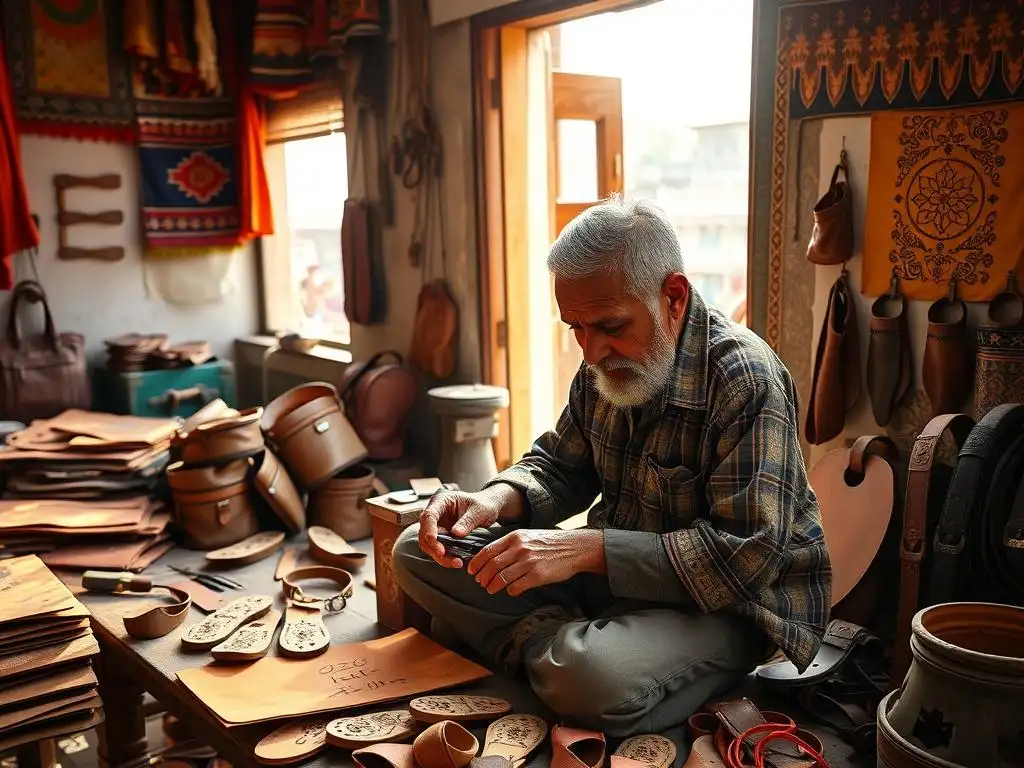
Welcome to Ancient India History, where we embark on a captivating journey through the rich tapestry of India's past. In this exploration, we delve into the intricate world of ancient Indian leatherworking techniques, uncovering the artistry and skill that defined the trade and daily life of artisans. Discover how these time-honored practices not only shaped the economy but also reflected the vibrant culture of ancient civilizations. Are you ready to unravel the fascinating stories behind the craftsmanship that has stood the test of time? Join us as we dive deeper into the legacy of these remarkable artisans!
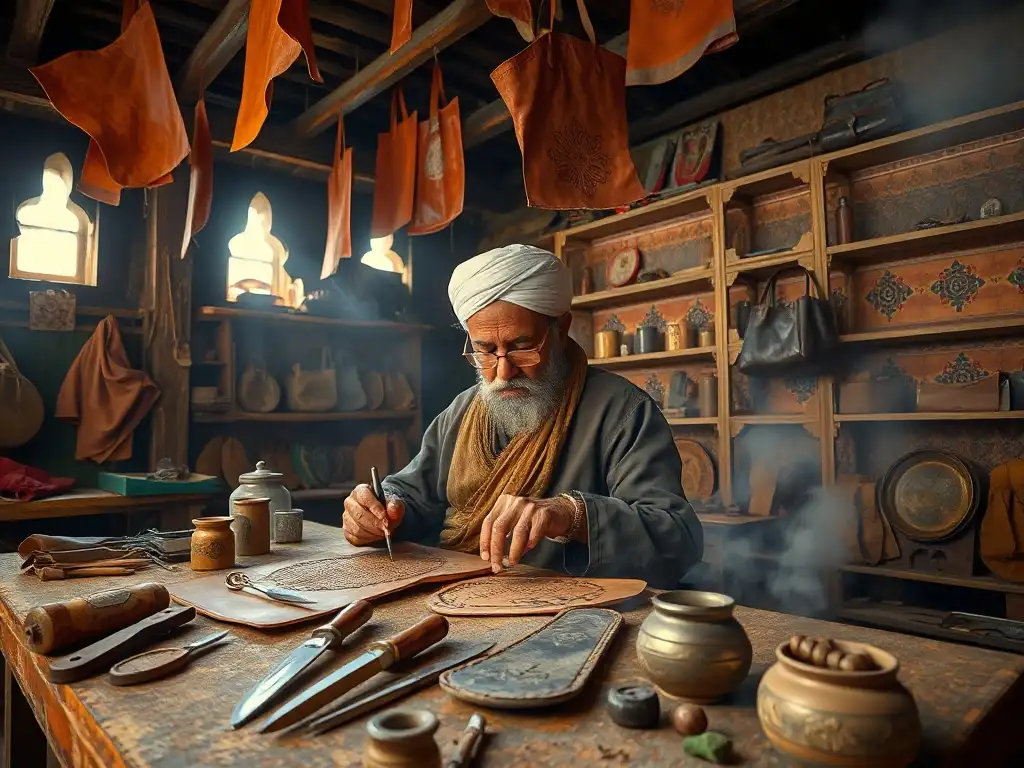
Introduction to Ancient Indian Leatherworking Techniques
The art of leatherworking in ancient India is a testament to the exquisite craftsmanship and cultural significance embedded within the daily lives of its people. Ancient Indian leatherworking techniques were not merely skills passed down through generations; they represented an integral aspect of trade, economy, and social structure. From the intricate designs of leather goods to the methods employed in their creation, artisans played a vital role in shaping the marketplace and cultural identity of their communities. This article delves into the rich history of leatherworking in ancient India, exploring its techniques, societal importance, and historical evolution.
Overview of Leatherworking in Ancient India
Leatherworking has deep roots in ancient Indian civilization, with evidence suggesting its practice from as early as the Indus Valley period (approximately 2500–1900 BCE). Artisans crafted a variety of items that catered to both functional and decorative needs. Key aspects of leatherworking included:
- Types of Leather Used: Various animal hides, including those from cattle, goats, and deer, were utilized.
- Techniques Employed: Tanning, dyeing, and stitching were essential processes that artisans perfected.
- End Products: Common items included footwear, bags, and ceremonial goods, showcasing both utility and artistry.
These techniques evolved over time, influenced by regional practices and the availability of resources, resulting in a diverse array of leather goods that were integral to daily life.
Importance of Leathercraft in Ancient Indian Society
The significance of leathercraft extended beyond mere utility; it was interwoven with social and economic dynamics. Some key points include:
- Economic Contribution: Leatherworking was a vital trade, contributing to local economies through both production and commerce.
- Cultural Identity: Different regions developed unique styles and methods, reflecting their cultural identities and traditions.
- Trade Networks: Leather goods were traded both locally and across distant lands, enhancing cultural exchange and economic ties.
The craft of leatherworking served not only as a means of livelihood for artisans but also as a form of expression representative of the rich tapestry of ancient Indian society.
Historical Context of Leatherworking in Ancient India
Early Evidence of Leatherworking in the Indus Valley Civilization
Archaeological findings from the Indus Valley Civilization provide some of the earliest evidence of leatherworking practices. Artifacts such as tools and remnants of finished leather items indicate that:
- Advanced Techniques: Tanning methods were likely employed, showcasing an understanding of preserving animal hides.
- Diverse Applications: Items found included shoes, belts, and bags, underscoring the versatility of leather.
These findings suggest that leatherworking was not only a craft but also a sophisticated trade during this era, indicating its importance in daily life.
Evolution of Leatherworking Techniques Through the Ages
As ancient Indian societies evolved, so too did their leatherworking techniques. Over centuries, influences from various cultures and advancements in technology led to significant developments:
- Medieval Innovations: The introduction of new tools and materials allowed for more intricate designs and greater durability in leather goods.
- Regional Specialties: Different regions began to specialize in certain leather products, with distinct styles emerging that reflected local culture.
This evolution illustrates how artisans adapted to changing circumstances, continually refining their craft.
Cultural Significance of Leather Goods in Ancient India
Leather goods held profound cultural significance in ancient India. They were not merely functional items; rather, they played roles in rituals, trade, and social status. Key cultural aspects include:
- Ceremonial Uses: Leather items were often used in religious and cultural ceremonies, symbolizing various beliefs and traditions.
- Status Symbols: High-quality leather products were associated with wealth and prestige, often adorned with intricate designs and embellishments.
Thus, leatherworking transcended its practical applications, becoming a vital component of ancient Indian cultural heritage.
Key Techniques of Ancient Indian Leatherworking
Ancient Indian leatherworking techniques involved a complex interplay of skills, tools, and processes that transformed raw hides into intricate goods. Artisans employed various methods that can still be traced back to ancient texts and archaeological findings. Key techniques included:
- Tanning: The primary method for preserving animal hides, which involved using natural substances like tree bark, leaves, and animal fats.
- Dyeing: Artisans utilized natural dyes derived from plants, minerals, and insects to impart color to leather, providing both aesthetic appeal and protection.
- Cutting and Shaping: Skilled craftsmen employed specific cutting techniques to shape leather pieces for various applications, from clothing to ritual artifacts.
These foundational techniques laid the groundwork for the craftsmanship seen in ancient Indian leather goods, which were not only functional but also represented cultural significance.
Traditional Methods of Tanning and Dyeing Leather
Tanning in ancient India relied heavily on natural methods, primarily using vegetable tannins sourced from plants such as acacia, myrobalan, and pomegranate. This process involved soaking the hides in tannin-rich solutions, allowing the proteins in the skin to bond with the tannins, resulting in durable and flexible leather.
Dyeing was equally sophisticated, with artisans extracting colors from various natural sources:
- Plant-Based Dyes: Such as indigo for blue shades and turmeric for yellow tones.
- Mineral Dyes: Including ochre for reddish hues.
- Insect Dyes: Like kermes, used to achieve deep reds.
These methods not only enhanced the leather's appearance but also protected it from degradation, reflecting a deep understanding of natural materials.
Tools and Equipment Used by Ancient Artisans
The tools employed by leatherworkers in ancient India were specifically designed to facilitate various stages of the leatherworking process. Some essential tools included:
- Knives and Blades: For precise cutting and shaping of leather pieces.
- Awls and Punches: Used to create holes for stitching and embellishment.
- Mallets and Hammers: Essential for driving tools and shaping leather.
- Stitching Needles: Crafted from bone or metal for sewing pieces together.
These tools showcased the artisans' ingenuity, often handmade and tailored to their specific needs, contributing to the overall quality of the leather goods produced.
Unique Stitching and Embellishment Techniques
Stitching and embellishment techniques in ancient Indian leatherworking were not merely functional but also served to enhance the aesthetic value of the products. Some notable techniques included:
- Knotting and Braiding: Used to create decorative edges and enhance the strength of seams.
- Embossing: A technique that involved pressing designs into the leather, often inspired by local motifs and symbols.
- Inlay Work: Integrating different colored leather pieces for a striking visual effect.
These methods reflected the rich cultural heritage of ancient India, with each piece telling a story through its design and craftsmanship.
Major Regions and Centers of Leatherworking in Ancient India
The practice of leatherworking thrived in various regions of ancient India, each contributing unique styles and techniques. This diversity was influenced by local resources, cultural practices, and trade connections.
Leatherworking Traditions in the Deccan Plateau
The Deccan Plateau was a significant hub for leatherworking, with artisans skillfully crafting items such as shoes, bags, and ceremonial goods. The region's access to a variety of animal hides and natural dyes facilitated a vibrant leather industry.
Artisans in this area often incorporated local motifs into their designs, reflecting the cultural and artistic influences of the Deccan’s diverse communities.
Notable Leatherworking Centers in Northern India
Northern India, particularly areas like Rajasthan and Uttar Pradesh, was renowned for its rich leatherworking traditions. Cities such as Agra and Jaipur became famous for their intricate leather goods, including footwear (jootis) and decorative items.
The presence of skilled artisans and access to trade routes allowed these regions to develop specialized techniques, which were often passed down through generations. The unique styles from these centers were marked by vibrant colors and intricate designs, showcasing the artisans' mastery.
Influence of Trade Routes on Leathercraft Development
Trade routes played a crucial role in the development of leathercraft in ancient India. The Silk Road and maritime trade routes facilitated not only the exchange of goods but also the sharing of techniques and styles between cultures.
As a result, Indian leatherworkers were influenced by various external techniques, leading to the evolution of their craft. The incorporation of foreign designs and methods enriched the local traditions, making ancient Indian leathercraft a fusion of indigenous and external influences, which contributed to its enduring legacy.
The Role of Leatherworkers in Ancient Indian Society
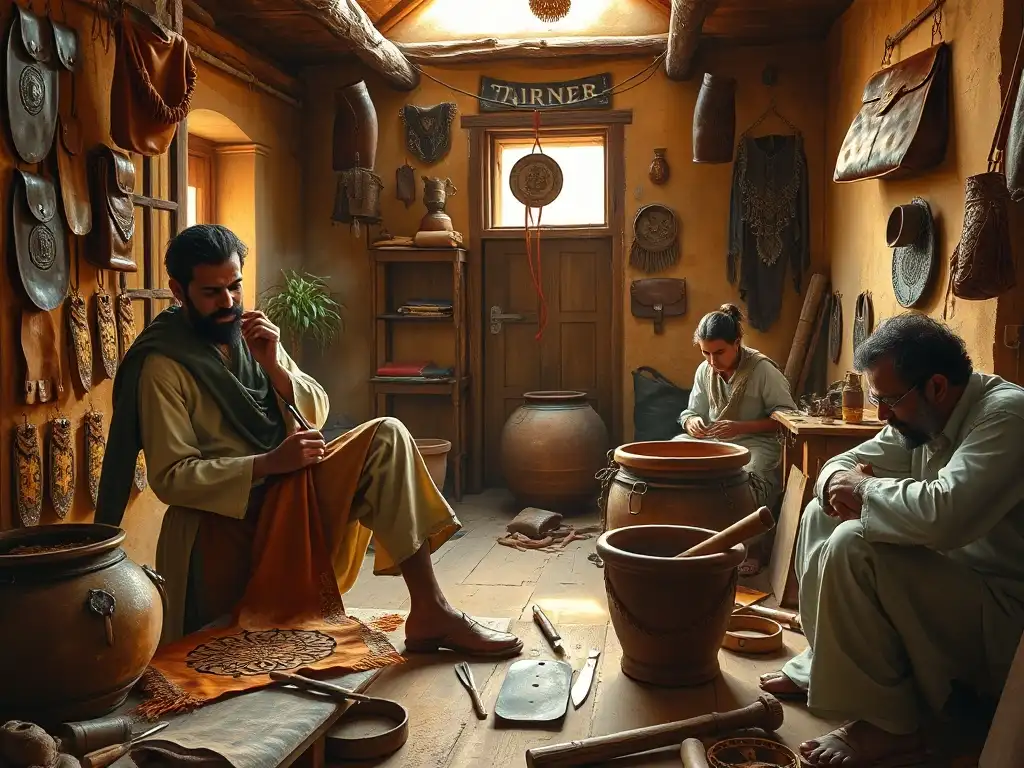
Leatherworking was a vital craft in ancient India, intricately woven into the fabric of daily life and society. Leatherworkers, known as "Chamars" or "Jangis," played a crucial role in producing a variety of goods from animal hides, including clothing, footwear, bags, and tools. Their craftsmanship not only catered to the everyday needs of the population but also held cultural significance, as leather items were often used in religious ceremonies and traditional practices.
In ancient Indian civilization, leatherworkers were recognized for their specialized skills, with techniques passed down through generations. They utilized local materials and adapted their methods to suit the climatic and cultural contexts of their regions. The artisan community thrived in various parts of India, from the bustling urban centers of the Indus Valley Civilization to the diverse landscapes of later historical periods, each contributing to a rich tapestry of leathercraft.
Social Status and Occupation of Leatherworkers
The social status of leatherworkers in ancient India was complex and varied across different regions and time periods. While they were often viewed as part of the lower caste system, particularly in the context of Hindu society, their skills were indispensable. Leatherworkers gained respect for their craftsmanship and the quality of their products, which were essential for both daily life and military purposes.
Despite facing social stigma, leatherworkers formed strong communal bonds, creating networks that facilitated trade and the sharing of techniques. Within their communities, they held significant roles, often acting as the primary suppliers of leather goods for local markets. Their occupation was not only a means of livelihood but also a cultural identity, as many leatherworkers engaged in rituals and practices that celebrated their craft.
Leatherworkers and Their Contribution to Local Economies
Leatherworkers significantly contributed to local economies in ancient India, serving both urban and rural populations. They were key players in trade networks, supplying leather goods that were crucial for agriculture, warfare, and everyday life. Items such as saddles, harnesses, and leather armor supported the agricultural and military sectors, enhancing productivity and security.
Moreover, leatherworking supported ancillary industries, including tanning and dyeing. The interconnectedness of these trades fostered economic growth, as leatherworkers not only created products but also collaborated with merchants and other artisans. Markets flourished around leather goods, leading to increased commerce and cultural exchange between regions.
Preservation and Legacy of Ancient Indian Leatherworking Techniques
The ancient techniques of leatherworking in India have persisted over centuries, adapting to changes in society and technology while retaining their cultural significance. The craftsmanship involved in creating leather goods was often accompanied by local folklore and traditions, ensuring that these practices were not only about utility but also about cultural storytelling.
The legacy of ancient Indian leatherworking is evident in the continued popularity of traditional leather products, which are celebrated for their quality and artistry. Various regions in India, like Rajasthan and Uttar Pradesh, are renowned for their leather goods, showcasing styles and techniques that hark back to ancient practices.
Modern Revivals of Ancient Leathercraft Practices
In recent years, there has been a resurgence of interest in ancient leathercraft practices, driven by a growing appreciation for artisanal goods and sustainable production methods. Many contemporary artisans are revisiting traditional techniques, employing them in innovative ways to create products that appeal to modern consumers.
Workshops and training programs are emerging to teach the ancient skills of leatherworking, ensuring that younger generations are equipped with the knowledge to continue these time-honored traditions. This revival not only preserves the craft but also fosters a sense of cultural pride and identity among communities.
Influence of Ancient Techniques on Contemporary Leatherworking
The influence of ancient Indian leatherworking techniques on contemporary practices is significant. Many modern leather artisans draw inspiration from traditional methods, integrating them with contemporary designs to produce unique leather goods. Techniques such as vegetable tanning, intricate stitching, and ornamentation remain popular, showcasing the enduring quality of ancient craftsmanship.
Moreover, the emphasis on sustainability in modern leatherworking has led to a renewed focus on practices that were commonplace in ancient India. Artisans today are using locally sourced materials and environmentally friendly methods, echoing the resourcefulness of their ancestors.
Efforts to Preserve Traditional Leatherworking Knowledge
Several initiatives are underway to preserve the traditional knowledge of leatherworking techniques in India. Government programs, non-governmental organizations, and local communities are collaborating to document and teach these skills. Workshops, exhibitions, and festivals are organized to celebrate leathercraft, providing platforms for artisans to showcase their work and share their stories.
Additionally, there is a growing movement to support fair trade practices in the leather industry, ensuring that artisans receive fair compensation for their work. This not only aids in preserving traditional craftsmanship but also empowers communities, fostering a sustainable future for ancient Indian leatherworking.
Conclusion: The Enduring Legacy of Ancient Indian Leatherworking
The craft of leatherworking in ancient India is a rich tapestry woven from centuries of tradition, skill, and innovation. Originating in the Indus Valley Civilization, this art form evolved significantly over time, adapting to the needs and aesthetics of various cultures and dynasties. The techniques developed by artisans not only catered to functional requirements but also embraced artistic expression, resulting in intricate designs and durable products.
The legacy of ancient Indian leatherworking is evident in the modern leather goods industry, where traditional techniques continue to influence contemporary practices. Craftsmen today still employ many of the methods and skills perfected by their ancestors, ensuring that the art form persists in an ever-changing world. This enduring legacy showcases the resilience of ancient Indian artisans and their ability to adapt their craft to the demands of the present while honoring their historical roots.
Reflections on the Impact of Leatherworking on Modern Culture
Leatherworking has left an indelible mark on modern culture, with its influence visible in various aspects of daily life. From high-fashion leather goods to utilitarian items like shoes and bags, the skills and techniques from ancient India continue to shape contemporary craftsmanship. The aesthetic and functional qualities of leather products often draw inspiration from traditional designs, maintaining a connection to the past.
Moreover, the resurgence of interest in sustainable and ethically-produced goods has brought ancient leatherworking techniques back into the spotlight. Consumers are increasingly seeking products that reflect a rich heritage and cultural significance, leading to a revival of traditional craftsmanship. This movement not only supports artisans but also enriches modern culture by bridging the gap between ancient practices and contemporary consumer values.
Future Prospects for Ancient Indian Leatherworking Techniques
The future of ancient Indian leatherworking techniques appears promising, as more artisans and communities strive to preserve and promote their heritage. With the rise of social media and e-commerce platforms, traditional leatherworkers have greater access to global markets, allowing them to showcase their skills and sell their products beyond local boundaries.
Additionally, educational initiatives focusing on traditional crafts are gaining momentum, with workshops and training programs aimed at younger generations. By imparting skills and knowledge to aspiring artisans, there is potential for a sustainable future where ancient techniques are not only preserved but also innovated upon. This blend of tradition and modernity can lead to unique creations that resonate with contemporary audiences while honoring ancient practices.
References and Further Reading on Ancient Indian Leatherworking Techniques
To deepen your understanding of ancient Indian leatherworking techniques and their cultural significance, the following resources can provide valuable insights:
Suggested Books and Articles
- Indian Leather Craft: A Historical Perspective by Ramesh Kumar
- The Artisans of India: Tradition and Transformation by Anjali Desai
- Leatherworking Techniques of Ancient India - Journal of Indian History
- Crafting Heritage: The Leatherworkers of India by Priya Sharma
Online Resources for Learning More About Ancient Leathercraft
- The National Institute of Fashion Technology (NIFT) - Offers insights and courses on leather craftsmanship.
- The Crafts Council of India - Provides information on traditional crafts, including leatherworking.
- YouTube Channels featuring artisans discussing their techniques and showcasing their work.
- Online forums and communities dedicated to leather crafting, where enthusiasts share tips and resources related to ancient techniques.
- Introduction to Ancient Indian Leatherworking Techniques
- Historical Context of Leatherworking in Ancient India
- Key Techniques of Ancient Indian Leatherworking
- Major Regions and Centers of Leatherworking in Ancient India
- The Role of Leatherworkers in Ancient Indian Society
- Preservation and Legacy of Ancient Indian Leatherworking Techniques
- Conclusion: The Enduring Legacy of Ancient Indian Leatherworking
- References and Further Reading on Ancient Indian Leatherworking Techniques
- What were some ancient Indian leatherworking techniques?
- How did leatherworking contribute to ancient Indian trade?
- What materials were used in ancient Indian leatherworking?
- Which ancient Indian civilizations are known for their leatherworking expertise?
- How did religion and culture influence leatherworking in ancient India?
Frequently Asked Questions
What were some ancient Indian leatherworking techniques?
Ancient Indian artisans employed a variety of techniques such as tanning, dyeing, and intricate embroidery to create durable leather goods. These methods showcased their skill and creativity.
How did leatherworking contribute to ancient Indian trade?
Leather goods formed an essential part of trade in ancient India. Artisans produced items like shoes, bags, and armor, which were highly sought after both locally and in international markets.
What materials were used in ancient Indian leatherworking?
Artisans primarily used animal hides, such as those from cows, goats, and camels. They also utilized natural dyes and oils to enhance the quality and appearance of their leather products.
Which ancient Indian civilizations are known for their leatherworking expertise?
The Indus Valley Civilization and later the Gupta Empire are particularly noted for their advanced leatherworking techniques, reflecting a rich tradition of craftsmanship and cultural significance.
How did religion and culture influence leatherworking in ancient India?
Leatherworking was often intertwined with religious and cultural practices, with certain items being used in rituals or as symbols of status. This influence shaped the design and production of leather goods throughout history.
Final Reflection: The Enduring Legacy of Ancient Indian Leatherworking Techniques
The art of leatherworking, deeply rooted in the rich tapestry of ancient Indian culture, continues to resonate in today's world through its craftsmanship and traditions. As we explore the intricate techniques and the skilled artisans behind them, we uncover not only a craft but a vital connection to our heritage that remains relevant in an era increasingly focused on sustainability and authenticity. The legacy of ancient Indian leatherworking techniques is not merely a relic of the past; it is a living testament to the creativity and resourcefulness of those who came before us.
The influence of these ancient techniques extends far beyond their historical context, shaping contemporary practices and inspiring a new generation of artisans. As we witness a resurgence of interest in traditional crafts, the values of patience, skill, and attention to detail embodied in leatherworking remind us of the importance of preserving cultural heritage. Craftsmanship is not just about making things; it's about the stories we tell and the connections we forge.
This ongoing dialogue between past and present highlights the significance of ancient Indian leatherworking techniques in fostering a sense of identity and continuity within our communities.
As we reflect on the lessons gleaned from the artisans of ancient India, let us embrace the opportunity to engage with these time-honored techniques in our own lives. Consider how you might incorporate the principles of craftsmanship, sustainability, and creativity into your daily practices. Whether through supporting local artisans, learning a new skill, or simply appreciating the beauty of handcrafted goods, each of us has the power to honor this rich legacy. In doing so, we not only celebrate the artistry of the past but also contribute to a future where tradition and innovation coexist harmoniously.
Unleash Your Creativity Through Leatherworking!
Thank you for diving into the fascinating world of leatherworking! You've uncovered the rich heritage and craftsmanship of talented artisans. Now, it’s your turn to carry this inspiration forward.
Here are some exciting ways to get involved:
- Start your own leatherworking project: Whether it's crafting a simple wallet or creating a decorative keychain, immerse yourself in the art!
- Join a local workshop or online class: Connect with fellow enthusiasts to learn new techniques and share ideas.
- Share your experiences: Document and showcase your creations on social media or within community groups to inspire others!
What piece of leatherwork will you create that reflects your unique style and honors the legacy of ancient artisans?