
The Mahabharata: Lessons for Leadership from the Pandavas and Kauravas

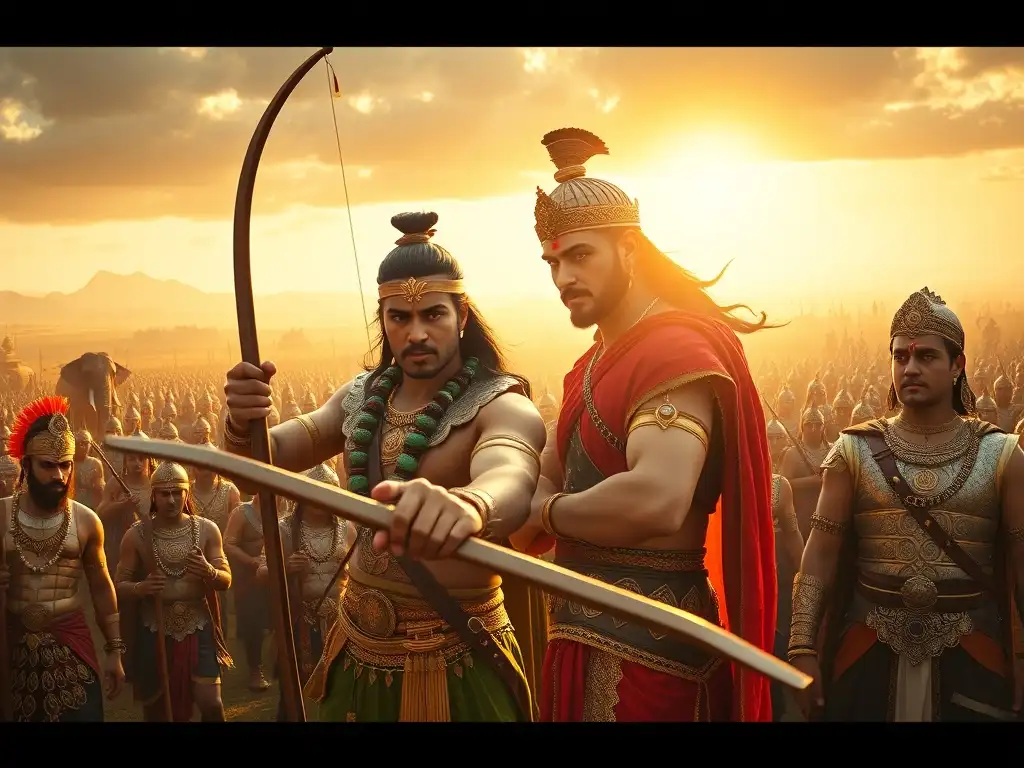
Welcome to Ancient India History, where we embark on a fascinating journey through the rich tapestry of ancient Indian civilizations. Discover the profound insights woven into the epic narratives that have shaped culture and leadership for centuries. In our featured article, "The Mahabharata: Lessons for Leadership from the Pandavas and Kauravas," we delve into the timeless leadership lessons that emerge from this monumental text.
What can the trials and triumphs of these legendary figures teach us today? Join us as we explore the intricate dynamics of leadership that resonate even in the modern world, inviting you to uncover wisdom that transcends time.
Introduction to Leadership Lessons in the Mahabharata
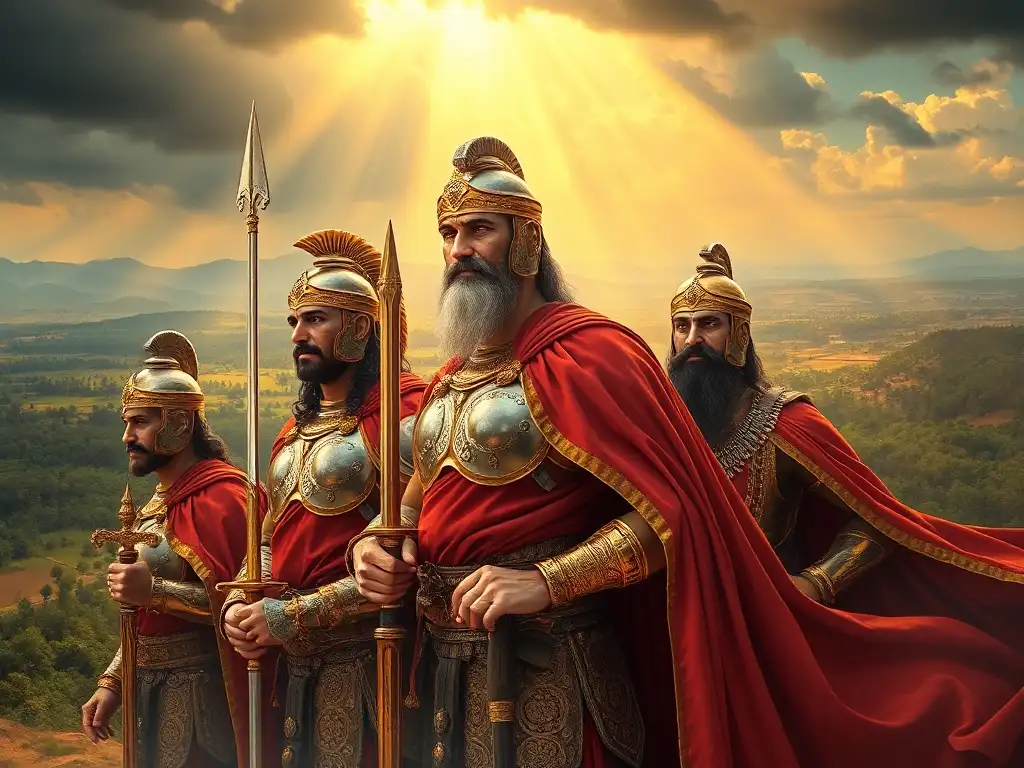
The Mahabharata, one of the most significant epics in ancient Indian literature, is not merely a narrative of a great war between the Pandavas and the Kauravas; it is a profound source of wisdom that offers valuable insights into the art of leadership. Through its intricate characters and their journeys, the epic illustrates various facets of leadership, morality, and human behavior.
The lessons drawn from the actions and decisions of its characters are timeless, resonating with contemporary leadership challenges and ethical dilemmas. By examining the dynamics between the Pandavas and Kauravas, we can uncover essential leadership lessons that remain relevant in today’s world.
Overview of the Mahabharata's Significance
The Mahabharata is often regarded as the world's longest epic poem, encompassing a vast array of themes, philosophies, and teachings. It not only narrates the tale of the Kurukshetra war but also delves into the complexities of dharma (duty/righteousness), ethics, and the human condition. The characters of the Mahabharata, particularly the Pandavas and Kauravas, serve as archetypes representing various leadership qualities and flaws. The epic’s narrative structure allows readers to explore different perspectives on leadership, making it a rich text for analysis and reflection.
Importance of Leadership in Ancient Indian Epics
Leadership in ancient Indian epics is depicted as a multifaceted concept that goes beyond mere authority or power. It encompasses qualities such as wisdom, courage, and the ability to inspire others. The Mahabharata, along with other texts like the Ramayana, illustrates how leaders must navigate moral complexities and make choices that reflect their values and responsibilities. This emphasis on ethical leadership provides a framework for understanding how leaders can influence their societies, making the Mahabharata an essential study for anyone interested in leadership dynamics.
Understanding the Pandavas: Exemplary Leaders
The Pandavas are often viewed as exemplary leaders within the Mahabharata, embodying various traits that define effective leadership. Their journey through trials and tribulations showcases how they upheld their values and principles in the face of adversity. Each of the five brothers brings unique strengths to the table, offering a comprehensive view of what it means to be a leader.
Key Traits of Pandava Leadership
- Integrity: The Pandavas demonstrate a commitment to truth and righteousness, often prioritizing moral values over personal gain.
- Courage: Each brother exhibits bravery, particularly in battle, standing firm against overwhelming odds.
- Compassion: Their ability to empathize with others allows them to lead with a sense of humanity, fostering loyalty and respect among their followers.
- Strategic Thinking: The Pandavas, particularly Yudhishthira and Arjuna, showcase the importance of planning and foresight in leadership decisions.
Major Leadership Lessons from Yudhishthira
Yudhishthira, the eldest Pandava, is often seen as the epitome of moral leadership. His commitment to dharma is unwavering, and he exemplifies the following lessons:
- Decision-Making with Integrity: Yudhishthira's choices often reflect deep ethical considerations, teaching leaders the importance of aligning decisions with core values.
- The Weight of Responsibility: As a leader, he understands the burden of responsibility, illustrating how effective leaders must be accountable for their actions and their consequences.
Arjuna's Role in Leadership and Decision-Making
Arjuna, renowned for his archery skills, plays a crucial role in the Mahabharata’s narrative and offers valuable lessons in leadership:
- Courage in Decision-Making: Arjuna's moment of doubt before the battle teaches leaders about the importance of confronting their fears and making difficult choices.
- Seeking Guidance: His relationship with Lord Krishna emphasizes the value of mentorship and seeking counsel from wise advisors.
Bhima's Strength and Loyalty as Leadership Qualities
Bhima, the strongest among the Pandavas, embodies physical strength paired with unwavering loyalty:
- Strength as a Leadership Tool: His prowess in battle illustrates how strength can protect and inspire followers.
- Devotion to Family and Allies: Bhima’s loyalty highlights the importance of loyalty in leadership, fostering trust and solidarity among team members.
Nakula and Sahadeva: The Importance of Teamwork in Leadership
The twin brothers, Nakula and Sahadeva, represent the significance of teamwork in effective leadership:
- Collaboration and Support: Their bond emphasizes that successful leadership often relies on cooperation and collective effort.
- Specialized Skills: Each brother brings unique talents to the group, demonstrating how diversity in skills can enhance overall performance and decision-making.
The lessons gleaned from the Pandavas' leadership styles provide a framework for understanding effective leadership in both historical and contemporary contexts. Through their stories, the Mahabharata continues to inspire leaders to navigate complexities with integrity, courage, and a commitment to the greater good.
The Kauravas: Lessons in Leadership Failures
The Kauravas, led by Duryodhana, serve as a compelling study in leadership failures within the Mahabharata. Their journey illustrates how ambition, manipulation, and a lack of ethical grounding can lead to downfall. Unlike the Pandavas, who often embodied qualities like righteousness and adaptability, the Kauravas' choices reflect a misguided approach to leadership that ultimately led to their destruction. The lessons gleaned from their failures can provide modern leaders with valuable insights into the consequences of poor decision-making and unethical behavior.
Key Characteristics of Kaurava Leadership
The leadership style of the Kauravas can be characterized by several key traits:
- Authoritarianism: Duryodhana ruled with an iron fist, often disregarding the opinions and welfare of others. He believed that power was to be maintained through fear and domination rather than collaboration.
- Manipulation and Deceit: Shakuni, Duryodhana's uncle, played a crucial role in orchestrating schemes that exploited the weaknesses of others. This manipulation created an environment of distrust and betrayal.
- Lack of Vision: The Kauravas often acted impulsively, driven by vengeance and jealousy rather than strategic foresight. Their inability to see the bigger picture clouded their judgment and led to shortsighted decisions.
These characteristics highlight a leadership style that prioritizes personal ambition over collective well-being, ultimately leading to their downfall.
Duryodhana's Ambition and Its Consequences
Duryodhana’s ambition was marked by a relentless desire to prove himself superior to the Pandavas. This ambition drove him to engage in unethical practices, such as cheating in the game of dice, which not only resulted in the loss of their kingdom but also the humiliation of the Pandavas.
- Destructive Rivalry: Duryodhana’s fixation on rivalry blinded him to opportunities for reconciliation. His refusal to share power or recognize the merits of others sowed seeds of discord.
- Isolation: His ambition alienated potential allies and left him surrounded by sycophants rather than genuine supporters. This isolation weakened his position, especially during the war.
Ultimately, Duryodhana's ambition led to catastrophic consequences, teaching leaders the importance of humility and collaboration over personal glory.
Shakuni's Manipulation: Lessons on Ethical Leadership
Shakuni’s role as the mastermind behind many of the Kauravas’ schemes offers crucial lessons in ethical leadership. His manipulative tactics, driven by revenge against the Kuru dynasty, exemplify how unethical behavior can corrupt leadership.
- Exploitation of Weaknesses: Shakuni was adept at identifying and exploiting the vulnerabilities of others for personal gain. This approach highlights the importance of ethical considerations in leadership; exploiting others can lead to a toxic environment.
- Creating Divisions: His strategies fostered divisions not only between the Pandavas and Kauravas but also within their ranks. This manipulation underscores the need for leaders to promote unity and trust rather than conflict.
Shakuni's actions serve as a cautionary tale about the long-term effects of unethical leadership and the potential for manipulation to undermine collective goals.
The Downfall of Kaurava Leadership: What Went Wrong?
The Kaurava leadership ultimately crumbled due to a combination of internal and external factors:
- Internal Conflicts: Duryodhana’s authoritarian leadership alienated many, leading to a lack of support among his brothers and allies. This internal strife weakened their position significantly.
- Poor Decision-Making: Decisions driven by ego rather than logic, such as the refusal to negotiate or seek peace, escalated tensions into full-scale war. This highlights the importance of sound judgment in leadership roles.
- Neglecting Morality: The Kauravas often disregarded moral principles in pursuit of power, leading to actions that ultimately turned public opinion against them. Their downfall teaches leaders the importance of maintaining ethical standards.
The Kaurava leadership serves as a powerful reminder of the consequences of poor decision-making and the significance of ethical leadership.
Comparative Analysis: Leadership Styles of Pandavas vs. Kauravas
The contrasting leadership styles of the Pandavas and Kauravas provide rich insights into the dynamics of effective versus ineffective leadership. While the Pandavas exemplified collaborative and ethical leadership, the Kauravas displayed authoritarian and manipulative traits.
Strategic Leadership: Lessons from the Pandavas
The Pandavas, led by Yudhishthira and Arjuna, showcased strategic leadership characterized by:
- Collaboration and Teamwork: The Pandavas frequently sought counsel from one another and valued each member's contributions. This collaborative approach fostered a sense of unity and shared purpose.
- Adaptability: They demonstrated the ability to adapt their strategies based on changing circumstances, illustrating the importance of flexibility in leadership.
- Moral Integrity: The Pandavas adhered to dharma (righteousness), ensuring their decisions were grounded in ethical considerations. This moral compass guided them through challenges and earned them the loyalty of their followers.
These attributes underscore the effectiveness of strategic, ethical leadership in achieving long-term success.
Authoritarian Leadership: Kauravas' Approach and Its Pitfalls
In stark contrast, the Kauravas’ authoritarian approach led to numerous pitfalls:
- Fear-Based Control: Duryodhana’s reliance on fear to maintain authority created a culture of distrust and resentment, undermining team cohesion and morale.
- Resistance to Change: Their rigid adherence to traditional power structures prevented them from adapting to new realities, ultimately leading to their downfall.
- Ethical Shortcomings: The Kauravas’ unethical decisions not only alienated potential allies but also eroded their legitimacy as leaders, showcasing the dangers of prioritizing power over principles.
This analysis illustrates how authoritarian leadership can lead to failure while highlighting the importance of ethical considerations in decision-making.
The Role of Morality and Ethics in Leadership Decisions
Morality and ethics play a crucial role in shaping leadership decisions, as demonstrated by the contrasting fates of the Pandavas and Kauravas:
- Ethical Foundations: The Pandavas’ commitment to dharma allowed them to navigate conflicts with integrity, fostering loyalty and respect among their followers.
- Consequences of Ethical Breaches: The Kauravas’ disregard for moral principles resulted in significant consequences, ultimately leading to their defeat and the loss of their kingdom.
The Mahabharata serves as a timeless reminder of the significance of ethical leadership and decision-making, offering essential lessons for contemporary leaders striving for success and integrity in their pursuits.
Key Leadership Lessons from the Mahabharata
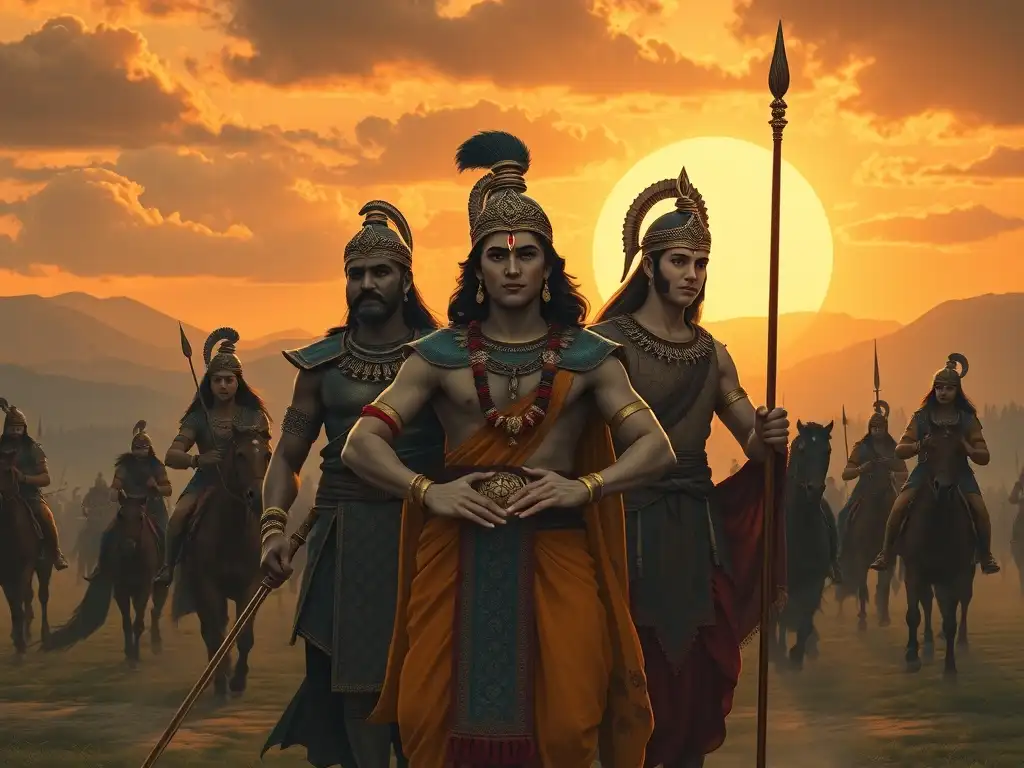
The Mahabharata, one of the greatest epics of ancient India, offers profound insights into leadership through the experiences and decisions of its central characters, the Pandavas and Kauravas. The narrative is rich with lessons that remain relevant in today's world, emphasizing virtues such as integrity, adaptability, and the importance of mentorship. By analyzing the actions and philosophies of these characters, we can extract valuable teachings on effective leadership that can guide modern leaders in their endeavors.
The Importance of Integrity in Leadership
Integrity is a cornerstone of effective leadership, and the Mahabharata illustrates this through the character of Yudhishthira, the eldest Pandava. His unwavering commitment to truth and righteousness often placed him at a moral crossroads, especially in the face of adversity. Yudhishthira's integrity earned him respect and loyalty from his allies, which ultimately proved advantageous during the Kurukshetra War.
In contrast, Duryodhana, the leader of the Kauravas, exemplifies how a lack of integrity can lead to downfall. His propensity to manipulate circumstances and disregard ethical boundaries resulted in not only personal loss but also the devastation of his entire clan. This dichotomy underscores the lesson that integrity fosters trust and loyalty, while dishonesty breeds conflict and betrayal.
Conflict Resolution and Diplomacy: Insights from the Mahabharata
The Mahabharata is replete with instances of conflict and the struggle for power, highlighting the importance of diplomacy and conflict resolution. One significant episode is the peace negotiations led by Krishna, who acted as a mediator between the Pandavas and Kauravas. His diplomatic efforts aimed to avert war and seek a peaceful solution, showcasing the value of negotiation and compromise in leadership.
However, the failure of these negotiations serves as a cautionary tale about the consequences of inflexible positions and unresolved disputes. The lessons from these events stress that effective leaders must prioritize dialogue and seek to understand differing perspectives to foster cooperation and prevent conflicts from escalating.
Adaptability and Strategic Thinking in Leadership
Adaptability is a vital trait for any leader, and the Mahabharata offers numerous examples of how strategic thinking can influence outcomes. Arjuna, one of the Pandavas, demonstrates this adaptability during the battle when he re-evaluates his approach upon receiving guidance from Krishna. His willingness to adapt his strategies based on the evolving circumstances of the battlefield ultimately leads to victory.
The Kauravas, on the other hand, often display rigidity in their tactics, which contributes to their defeat. This contrast illustrates that successful leaders must not only be capable of crafting strategies but also remain flexible and responsive to changing situations. Leaders who can pivot and adjust their plans accordingly are more likely to achieve their goals.
The Role of Mentorship and Guidance in Leadership Development
Mentorship is a recurring theme in the Mahabharata, with figures like Krishna and Bhishma serving as guiding forces for the younger characters. Krishna's role as a mentor to Arjuna is particularly significant; he imparts wisdom and philosophical insights that shape Arjuna's understanding of duty and righteousness. This relationship highlights the importance of mentorship in cultivating effective leaders.
Moreover, Bhishma's teachings on leadership and duty serve as a foundation for both the Pandavas and Kauravas, illustrating the impact that experienced leaders can have on the next generation. The Mahabharata emphasizes that strong mentorship can empower individuals, fostering their growth and enhancing their decision-making capabilities.
Relevance of Mahabharata's Leadership Lessons in Modern Context
The leadership lessons derived from the Mahabharata are not merely relics of ancient wisdom but continue to resonate in contemporary society. As leaders navigate the complexities of modern challenges, the virtues and strategies highlighted in the epic serve as a guiding framework for ethical and effective leadership.
Applying Ancient Leadership Lessons to Today's Challenges
In today's fast-paced and often polarized world, the principles of integrity, adaptability, and mentorship from the Mahabharata can be applied to address various challenges. For instance, leaders in corporate settings can draw from the importance of integrity to build trust within their teams, fostering a culture of transparency and accountability.
Moreover, the emphasis on conflict resolution and diplomacy is particularly relevant in a globalized world where collaboration across cultures is essential. Leaders can leverage these ancient insights to navigate negotiations and foster harmonious relationships, thereby enhancing organizational effectiveness.
The Influence of Mahabharata on Contemporary Leadership Theories
The Mahabharata has significantly influenced contemporary leadership theories, particularly those that emphasize ethical leadership, transformational leadership, and servant leadership. The principles illustrated by key characters resonate with modern frameworks that prioritize values-driven leadership and social responsibility.
By studying the Mahabharata, modern leaders can gain a deeper understanding of the complexities of human behavior and the ethical dilemmas that arise in leadership roles. This timeless epic not only enriches our understanding of leadership but also provides practical lessons that can be adapted to meet the demands of an ever-evolving world.
Conclusion: Embracing Leadership Lessons from the Mahabharata
The Mahabharata, one of the most significant epics in Indian literature, transcends its narrative of conflict and heroism to offer profound insights into leadership. The complex characters of the Pandavas and Kauravas serve as archetypes that illustrate the multifaceted nature of leadership and the ethical dilemmas that leaders often face. By delving into their actions, decisions, and the consequences that ensued, contemporary leaders can extract valuable lessons that remain relevant in today's world.
Understanding the leadership lessons from the Mahabharata entails recognizing the importance of virtues such as integrity, courage, and wisdom. Both the Pandavas and Kauravas present contrasting leadership styles, providing a rich tapestry of strategies and pitfalls that aspiring leaders can learn from. As we reflect on these narratives, it becomes evident that the essence of effective leadership is not solely about power but about responsibility, empathy, and the ability to inspire others.
Summary of Key Takeaways for Aspiring Leaders
- Integrity and Ethical Decision-Making: Leaders must prioritize ethical considerations in their decision-making processes, as demonstrated by Yudhishthira’s commitment to truth, even in challenging circumstances.
- Strategic Alliances: The importance of forming alliances is evident in the way the Pandavas sought support from various kingdoms, showcasing the need for collaboration to achieve goals.
- Adaptability and Resilience: Leaders should be adaptable and resilient, traits embodied by Arjuna, who evolved throughout the epic, learning from his experiences on the battlefield and in life.
- Empathy and Understanding: The contrasting approaches of the Pandavas and Kauravas highlight the significance of understanding the perspectives of others, as seen in the compassion shown by the Pandavas towards their adversaries.
- Vision and Inspiration: Leaders must possess a clear vision and the ability to inspire others. Krishna’s role as a charioteer and adviser to Arjuna exemplifies the impact of having a mentor who guides and motivates.
- Consequences of Actions: The Mahabharata serves as a reminder that every decision has consequences, emphasizing the need for thoughtful deliberation before taking action, as evidenced by the catastrophic outcomes of the Kauravas' choices.
Final Thoughts on the Enduring Legacy of the Mahabharata in Leadership
The Mahabharata’s teachings on leadership are timeless and resonate beyond the context of ancient India. As modern leaders grapple with the complexities of governance, ethics, and interpersonal relationships, the lessons derived from this epic can offer guidance and clarity. The duality of the Pandavas and Kauravas illustrates that leadership is not a straightforward path; it is fraught with challenges that require a deep understanding of human nature and the consequences of one’s actions.
By embracing the leadership lessons from the Mahabharata, aspiring leaders can cultivate their skills and character, ensuring they lead with integrity, empathy, and vision. The epic not only shapes our understanding of leadership but also serves as a continuous source of inspiration, urging individuals to reflect on their values and the impact they wish to have on the world. Ultimately, the Mahabharata stands as a testament to the enduring nature of its insights, encouraging generations to learn from the past in order to forge a better future.
- Introduction to Leadership Lessons in the Mahabharata
- Understanding the Pandavas: Exemplary Leaders
- The Kauravas: Lessons in Leadership Failures
- Comparative Analysis: Leadership Styles of Pandavas vs. Kauravas
- Key Leadership Lessons from the Mahabharata
- Relevance of Mahabharata's Leadership Lessons in Modern Context
- Conclusion: Embracing Leadership Lessons from the Mahabharata
Frequently Asked Questions
What is the Mahabharata about?
The Mahabharata is an ancient Indian epic that narrates the story of a dynastic struggle between the Pandavas and Kauravas, emphasizing themes of dharma (duty) and morality in leadership.
How can the Mahabharata provide leadership lessons?
The epic offers valuable insights into leadership, showcasing how characters navigate challenges, make ethical decisions, and balance personal ambition with collective responsibility.
Who are the key figures in the Mahabharata?
The Pandavas and Kauravas are the central characters, with notable figures like Yudhishthira, Arjuna, and Duryodhana, each representing different aspects of leadership styles and moral choices.
What specific leadership lessons can be learned from the Pandavas?
The Pandavas exemplify qualities such as integrity, teamwork, and strategic thinking, demonstrating how effective leadership involves collaboration and adherence to ethical principles.
How does the Mahabharata's narrative influence modern leadership?
The themes explored in the Mahabharata resonate with contemporary leadership challenges, highlighting the importance of ethical decision-making and the consequences of leadership choices in complex situations.
Final Reflection: Timeless Leadership Lessons from the Mahabharata
The lessons of leadership drawn from the Mahabharata remain profoundly relevant today, as they illuminate the complexities of decision-making and the moral dilemmas faced by leaders. In a world increasingly characterized by uncertainty and ethical challenges, the narratives of the Pandavas and Kauravas serve as a mirror reflecting the consequences of choices made in the pursuit of power. The epic teaches us that true leadership is not merely about authority, but about responsibility, integrity, and the courage to stand for what is right.
The Mahabharata's insights into leadership continue to shape our cultural and social landscape, reminding us of the delicate balance between ambition and ethics. The struggles of the Pandavas and Kauravas resonate with contemporary leaders who grapple with similar challenges in their own realms. As Mahatma Gandhi once said, “The best way to find yourself is to lose yourself in the service of others.” This quote encapsulates the essence of effective leadership, which is rooted in selflessness and the commitment to the greater good.
As we reflect on the lessons from this ancient epic, let us embrace the call to action it presents. Consider how you can embody the principles of ethical leadership in your own life, whether in your career, community, or personal relationships. By learning from the triumphs and failures of the characters in the Mahabharata, we can cultivate a leadership style that not only seeks success but also fosters harmony and justice. The future of leadership lies in our ability to learn from the past and apply these timeless lessons to create a more equitable and compassionate world.
Embrace the Wisdom of the Mahabharata: Lead with Purpose!
Thank you for exploring the rich lessons of leadership from the Mahabharata. Your interest in the intricate dynamics between the Pandavas and Kauravas provides you with timeless insights that can enhance your own leadership journey. Now, it's time to take action and apply these lessons in your life.
Here are some steps you can take to ignite your leadership potential:
- Reflect on your leadership style: Consider which traits from the Pandavas or Kauravas resonate with you. What qualities do you wish to strengthen or alter?
- Engage with a community: Share your understanding and insights from the Mahabharata with friends or colleagues. Initiate a discussion group or an online forum!
- Explore further: Read additional literature or participate in workshops that delve deeper into the Mahabharata's teachings on conflict resolution and strategy. The more you learn, the more effectively you can lead!
Which leadership lesson from the Mahabharata do you find most relevant to your life today? We invite you to share your thoughts below!