
The Importance of Grains in Ancient Indian Diets: More than Just Staple Foods


Welcome to Ancient India History, where we embark on a fascinating journey through the rich tapestry of ancient Indian civilizations. In this exploration, we delve into the importance of grains in ancient India, uncovering how these humble staples shaped diets, economies, and cultures from the Indus Valley to the Gupta Empire. Join us as we unveil the intricate connections between food and heritage, revealing the profound impact grains had on culinary practices and daily life. Are you ready to discover why grains were more than just sustenance? Let’s dive deeper into this captivating aspect of Indian history!
- Introduction to Grains in Ancient Indian Diets
- Historical Context of Grains in Ancient India
- The Nutritional Importance of Grains in Ancient Indian Diets
- Grains as Cultural Symbols in Ancient India
- Agricultural Practices and Innovations in Ancient India
- Grains and Their Economic Importance
- Conclusion: The Lasting Legacy of Grains in Ancient Indian Diets
- References and Further Reading
- Frequently Asked Questions
- Final Reflection: The Enduring Legacy of Grains in Ancient Indian Diets
- Embrace the Wisdom of Ancient Grains Today!
Introduction to Grains in Ancient Indian Diets
Grains have played a vital role in the diets of ancient Indian civilizations, serving not only as a primary source of nutrition but also as a foundation for their cultural and economic practices. From the fertile plains of the Indus Valley to the expansive landscapes of the Gupta Empire, grains such as rice, wheat, barley, and millet were integral to daily life.
This article delves into the importance of grains in ancient India, highlighting their multifaceted roles in culinary traditions, social structures, and economic frameworks. Understanding these elements reveals not only the dietary habits of ancient Indians but also their profound connection to the land and agricultural practices that sustained their civilizations.
Overview of Ancient Indian Culinary Practices
Ancient Indian culinary practices were deeply intertwined with the agricultural cycles and geographic diversity of the region. The use of grains was not limited to mere sustenance; it encompassed a broad spectrum of culinary techniques and cultural significance.
- Diversity of Grains: Various grains were cultivated across different regions:
- Rice: Predominantly in the eastern and southern regions.
- Wheat: A staple in the north, especially in the Punjab and Western regions.
- Millet and Barley: Commonly consumed in arid and semi-arid areas.
- Cooking Methods: Ancient Indians employed a variety of cooking techniques to prepare grain-based dishes:
- Boiling and steaming grains for porridge and flatbreads.
- Fermentation processes that led to the creation of idli and dosa (from rice and lentils).
- Roasting and grinding grains for use in various sweets and snacks.
- Cultural Rituals: Grains held symbolic value in many cultural and religious practices, often used in rituals and offerings. For instance, rice is considered sacred in many Hindu ceremonies, symbolizing prosperity and fertility.
Significance of Grains in Ancient Indian Society
The significance of grains in ancient Indian society extends beyond their nutritional value; they were a cornerstone of economic stability and social structure.
- Economic Backbone:
- Grains served as a medium of exchange in trade, contributing to the economic prosperity of ancient Indian kingdoms.
- Agricultural surplus allowed for the growth of urban centers and facilitated trade with neighboring regions.
- Social Hierarchy:
- The cultivation and distribution of grains often determined social status. Landowners who produced grains held significant power, while laborers and farmers formed the backbone of society.
- Different grains were associated with various castes and communities, influencing social dynamics and interactions.
- Dietary Health:
- Grains provided essential nutrients that contributed to the overall health of the population. Whole grains, rich in fiber, helped prevent various dietary-related ailments, and their versatility allowed for a wide range of dishes that catered to different tastes and preferences.
Grains were much more than just staple foods in ancient India; they were integral to the social, economic, and cultural fabric of the civilization. Understanding their importance helps illuminate the intricate relationship between food, culture, and society in ancient Indian history.
Historical Context of Grains in Ancient India
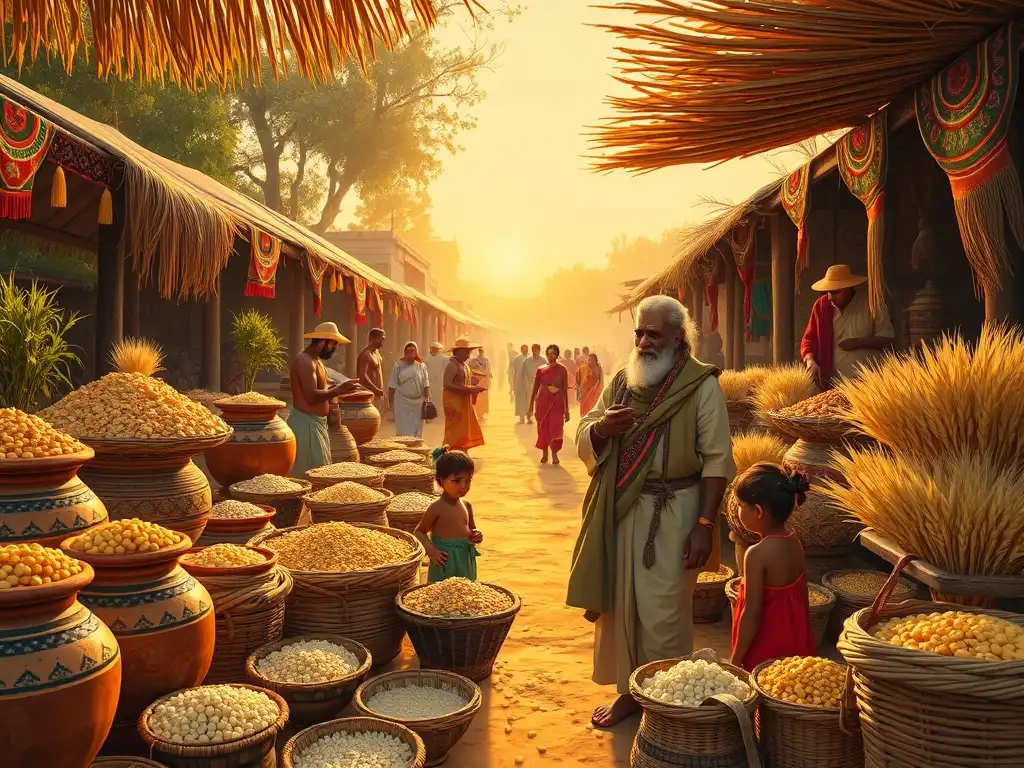
The role of grains in ancient Indian diets has been pivotal, not just as a source of sustenance but as integral components of cultural practices, trade, and social structure. Archaeological findings from the Indus Valley Civilization (c. 2500–1900 BCE) reveal that grains were cultivated extensively, indicating a sophisticated agricultural system. The discovery of granaries and storage facilities suggests that ancient Indians recognized the importance of grain storage for food security and trade.
Grains were not merely staples; they held significant value in rituals and religious practices. The Vedic texts, dating back to around 1500 BCE, reference various grains, highlighting their importance in offerings and homas (fire rituals). Over the centuries, grains became associated with prosperity and fertility, deeply embedding themselves in the socio-religious fabric of ancient Indian society.
The agrarian economy flourished as various regions specialized in the cultivation of specific grains, leading to trade routes that facilitated the exchange of these vital resources. This foundational reliance on grains not only shaped dietary practices but also influenced social hierarchies, with landowners and farmers forming the backbone of ancient Indian civilization.
Key Grains Consumed in Ancient India
Rice: The Foundation of Indian Agriculture
Rice is often regarded as the cornerstone of the ancient Indian diet, particularly in the southern and eastern regions. The domestication of rice can be traced back to the early agricultural practices in the Ganges basin. Ancient texts, including the Manusmriti, emphasize rice as a staple, often considered sacred and central to various rituals.
The cultivation of rice was not just an agricultural achievement; it was a transformative factor in societal development. The establishment of irrigation systems and paddy fields allowed for increased productivity, supporting larger populations and urban centers. Additionally, rice was utilized in various forms, such as:
- Steamed Rice: A staple food, often served with lentils and vegetables.
- Rice Flour: Used to make traditional dishes like idli and dosa.
- Fermented Rice: Employed in preparations like kanji or rice beer.
Wheat: Versatility and Cultural Relevance
Wheat, particularly durum wheat, became increasingly important in northern India. The cultivation of wheat is documented in ancient texts, highlighting its significance in both diet and culture. Wheat's adaptability to different climates and soils facilitated its spread across various regions.
In addition to being a dietary staple, wheat played a crucial role in festivals and religious observances. Common uses of wheat include:
- Flatbreads: Such as roti and chapati, which are essential components of daily meals.
- Wheat-based Sweets: Including halwa and other desserts, showcasing its versatility.
- Fermented Products: Like bhakri, which demonstrates traditional culinary techniques.
Barley: Nutritional Value and Uses
Barley was another significant grain in ancient India, valued for its nutritional profile and versatility. It was primarily cultivated in the arid regions of northwestern India, where its drought-resistant properties made it an ideal crop.
The consumption of barley was widespread, often prepared as:
- Barley Water: A nutritious drink, especially for those recovering from illness.
- Porridge: A common breakfast item, providing energy for laborers and farmers.
- Barley Flour: Used in various baked goods, highlighting its importance in everyday diets.
Millets: The Forgotten Superfood
Millets, often overshadowed by rice and wheat, were a staple grain in ancient India, particularly in regions with less fertile soil. Varieties such as finger millet (ragi) and pearl millet (bajra) were cultivated and consumed widely due to their resilience and nutritional benefits.
Millets are rich in fiber, vitamins, and minerals, making them an essential part of a balanced diet. Their uses include:
- Porridge: A common breakfast option, providing sustained energy.
- Flatbreads: Made from millet flour, popular in rural communities.
- Fermented Beverages: Such as ragi kali, showcasing traditional food practices.
Despite their historical significance, millets have seen a decline in consumption in modern times, leading to a renewed interest in their nutritional benefits and cultural heritage. Recognizing the importance of grains in ancient India not only highlights dietary practices but also reflects the rich agricultural traditions that shaped society.
The Nutritional Importance of Grains in Ancient Indian Diets
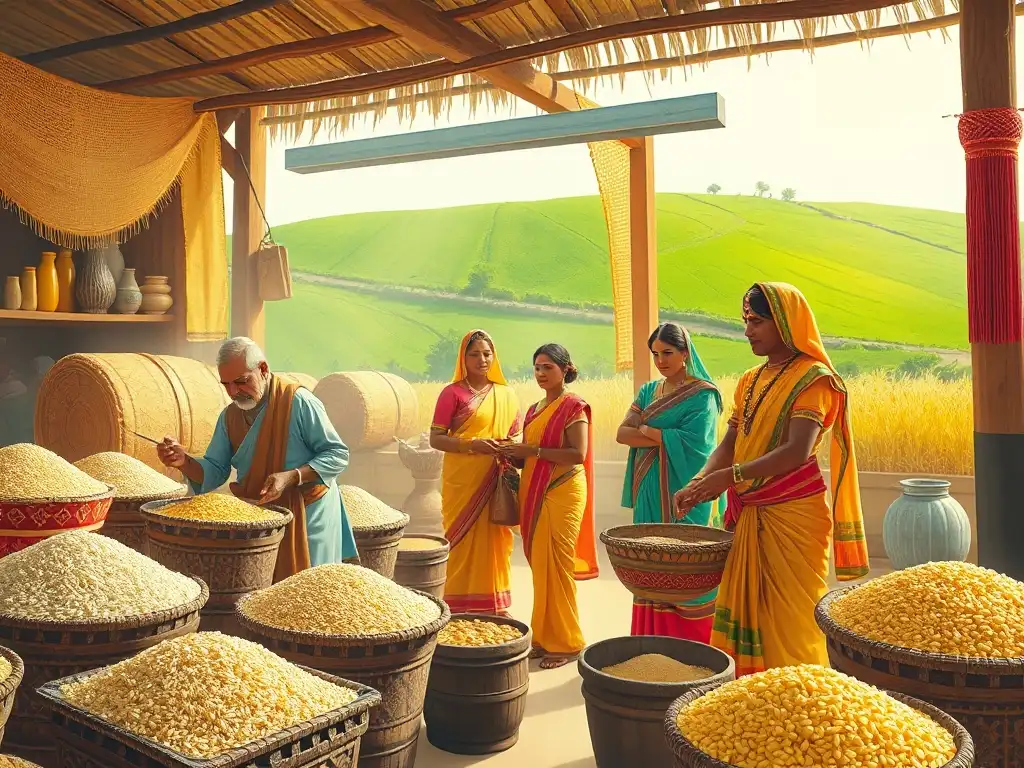
Grains played a pivotal role in the nutritional landscape of ancient Indian diets, serving not only as staple foods but also as essential sources of various nutrients that supported health and well-being. The agricultural practices of ancient India, particularly in regions like the Indus Valley and later during the Vedic period, highlighted the significance of grains such as rice, wheat, barley, and millet. Understanding the nutritional importance of these grains provides insight into their fundamental role in sustaining populations and contributing to the rich tapestry of ancient Indian cuisine.
Essential Nutrients Found in Ancient Grains
Ancient grains are often praised for their ability to provide a range of essential nutrients. The incorporation of these grains into daily diets ensured that ancient Indian civilizations maintained a balanced and healthy lifestyle. Here are some of the key nutrients found in these grains:
Carbohydrates: The Energy Source
Carbohydrates are the primary source of energy in human diets, and ancient grains were a significant contributor to this energy requirement.
- Types of Carbohydrates: The carbohydrates found in grains can be classified into simple and complex carbohydrates. Ancient Indian grains, primarily whole grains, are rich in complex carbohydrates, which digest slowly and provide sustained energy.
- Examples: For instance, wheat and rice, staples in ancient diets, were often consumed in various forms, including flatbreads (roti) and rice dishes, ensuring a steady release of energy throughout the day.
Proteins: Building Blocks of Life
While grains are commonly recognized for their carbohydrate content, they also contributed to the protein intake of ancient Indians.
- Protein Content: Grains like barley and millet provide essential amino acids necessary for growth and repair of body tissues. Though they may not be as rich in protein as legumes, their inclusion in the diet contributed significantly to overall protein consumption.
- Synergistic Combinations: Ancient diets often included a combination of grains and legumes, such as lentils, which complemented each other to form a complete protein profile, essential for maintaining health.
Vitamins and Minerals: Supporting Overall Health
In addition to carbohydrates and proteins, ancient grains were rich in various vitamins and minerals crucial for maintaining health.
- Vitamins: Grains like millet are sources of B vitamins, which play a vital role in energy metabolism and nerve function. For example, niacin (B3) and thiamine (B1) are important for converting food into energy.
- Minerals: Important minerals, including iron, magnesium, and zinc, were prevalent in ancient grains. Iron supports oxygen transport in the blood, while magnesium is vital for numerous biochemical reactions in the body.
| Nutrient | Role in the Body | Sources in Ancient Grains |
|---|---|---|
| Carbohydrates | Primary energy source | Rice, wheat, barley |
| Proteins | Tissue repair and growth | Barley, millet |
| Vitamins | Metabolism and nerve function | Millet, wheat |
| Minerals | Oxygen transport, biochemical reactions | Rice, barley, wheat |
The nutritional importance of grains in ancient India extends beyond mere sustenance; they formed the backbone of a balanced diet, contributing to the overall health and vitality of ancient civilizations. As we explore the rich culinary traditions of ancient India, it becomes evident that the importance of grains in ancient India was not only about feeding the populace but also about fostering a culture of health and nourishment that has evolved over millennia.
Grains as Cultural Symbols in Ancient India
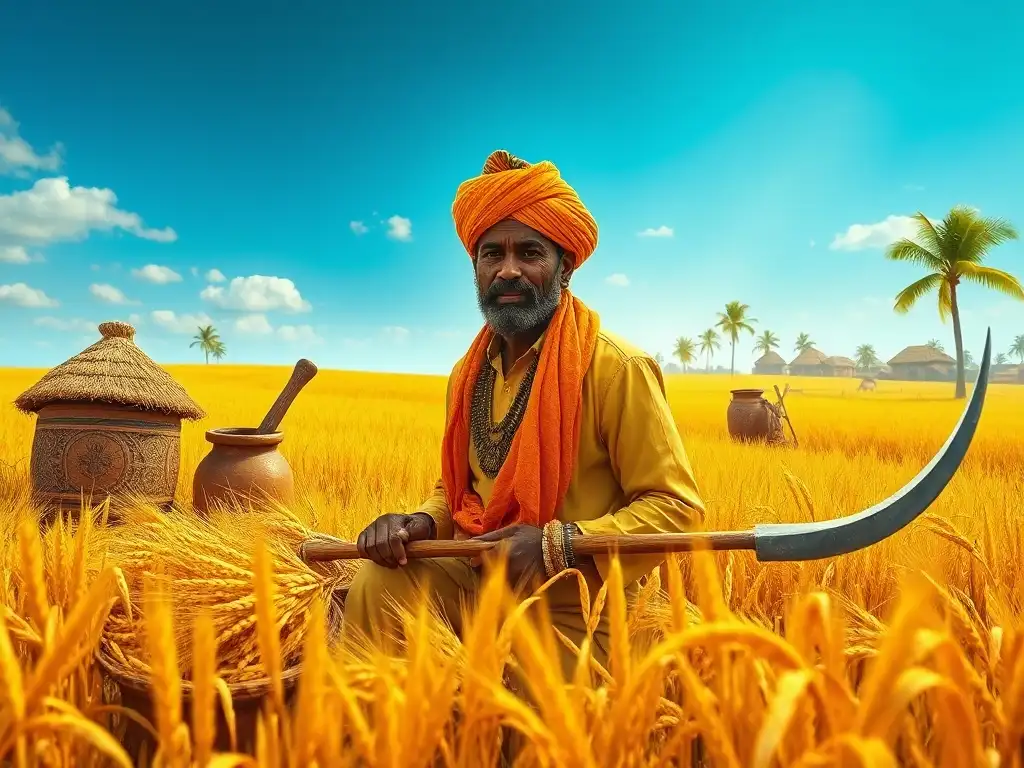
Grains have long been more than just sustenance in ancient Indian societies; they served as powerful cultural symbols reflecting the values, beliefs, and practices of the time. This multifaceted role of grains can be seen through their integration into various aspects of life, from religious practices to literature. Understanding the significance of grains in ancient India provides insight into the civilization's values and social structure.
Grains in Religious Practices and Rituals
Grains played a crucial role in religious practices throughout ancient India. They were often considered sacred, symbolizing life, fertility, and prosperity. Rituals surrounding grains included offerings to deities, where grains such as rice and wheat were presented as tokens of gratitude and respect. For instance, during the harvest festival of Makar Sankranti, newly harvested grains were offered to the sun god, signifying the importance of agricultural abundance in sustaining life.
- Types of Grains Used in Rituals:
- Rice (Akshat): Used in various rituals, often mixed with turmeric and flowers for blessings.
- Wheat: Offered in the form of bread or halwa during pujas (prayer ceremonies).
- Barley: Known as "yava," it was favored for its association with fertility and was used in many sacrificial rituals.
Block quotes from ancient texts highlight the reverence for grains:
“Grains are the essence of life, the sustenance of the soul, and the bridge between the earthly and the divine.” — Atharva Veda
The Role of Grains in Festivals and Celebrations
Grains were central to festivals and celebrations, marking significant transitions in the agricultural calendar. Festivities not only honored the harvest but also reinforced communal bonds and cultural identity. Festivals like Pongal and Baisakhi celebrated the arrival of new crops, with grains symbolizing abundance and prosperity.
- Key Festivals:
- Pongal: Celebrated in Tamil Nadu, it involves cooking rice in a pot and offering it to the sun, symbolizing gratitude for the harvest.
- Baisakhi: In Punjab, the festival marks the harvest of wheat and is celebrated with traditional dances and feasts featuring grain-based dishes.
Grains also found their way into traditional sweets and dishes served during these celebrations, further embedding their significance in the cultural fabric. For instance, during Diwali, various sweets made from rice flour and jaggery are prepared, symbolizing the joy of togetherness and abundance.
Grains in Literature and Historical Texts
The prominence of grains in ancient Indian culture is also reflected in literature and historical texts. Epic poems, religious scriptures, and philosophical discourses often mention grains, highlighting their importance not just as food but as a metaphor for life and sustenance.
- Significant Texts:
- Mahabharata: Contains references to grains in the context of prosperity and the sustenance of dharma (moral order).
- Rigveda: Mentions the importance of grains in rituals and as offerings to gods, emphasizing their sacred status.
Grains are frequently depicted as symbols of wealth and abundance in poetry and prose, illustrating their integral role in the social and economic structures of ancient India. For example, the metaphor of grains as wealth can be seen in verses that equate a prosperous harvest with overall well-being.
The importance of grains in ancient India transcended their status as mere food items. They were deeply entrenched in religious practices, cultural celebrations, and literary expressions, reflecting the values and beliefs of ancient Indian civilizations. Through these multifaceted roles, grains emerged as vital cultural symbols, encapsulating the essence of life, community, and spirituality.
Agricultural Practices and Innovations in Ancient India
Traditional Farming Techniques for Grain Cultivation
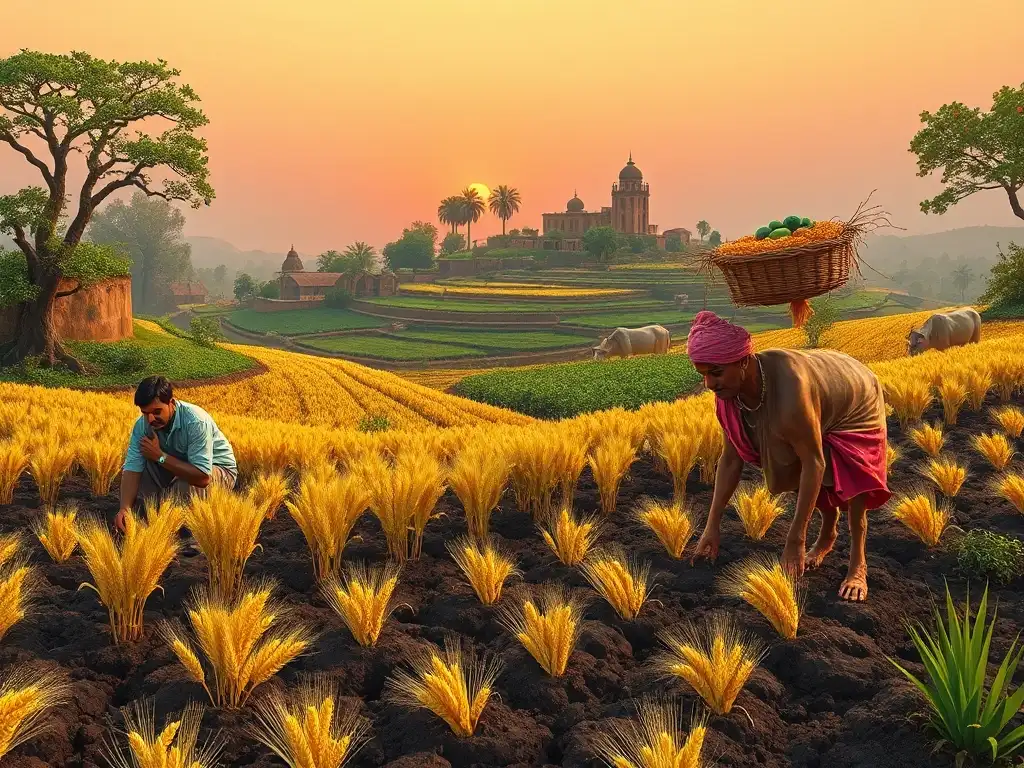
In ancient India, the cultivation of grains was not merely a means of subsistence but a cornerstone of civilization. Farmers employed a variety of traditional techniques that were closely aligned with the climatic conditions and the geography of the region.
- Plowing Techniques:
- The use of wooden plows, known as ardha, was prevalent. These tools were typically pulled by oxen and allowed for efficient tilling of the soil. The introduction of the iron plow around 600 BCE marked a significant advancement, enabling deeper furrowing and better soil aeration.
- Crop Rotation:
- Ancient Indian farmers understood the importance of maintaining soil fertility. They practiced crop rotation, alternating between grains like rice, wheat, and pulses. This not only replenished nutrients in the soil but also helped in pest management.
- Diverse Cultivation:
- The cultivation of various grains ensured a balanced diet and reduced the risk of crop failure. Farmers often grew millets, barley, and rice, adapting their practices to the local environment.
- Terrace Farming:
- In hilly regions, terrace farming was employed to maximize arable land. This technique not only prevented soil erosion but also facilitated irrigation.
The Role of Monsoons in Grain Production
Monsoons played a crucial role in the agricultural landscape of ancient India, dictating the success of grain production.
- Seasonal Rains:
- The arrival of the southwest monsoon between June and September was vital for the kharif crop, which included rice and millet. Farmers relied on these rains to nourish their fields, making their timing critical for successful harvests.
- Irrigation Techniques:
- To supplement the monsoon rains, ancient Indians developed various irrigation methods, such as the construction of canals and water harvesting systems. These innovations allowed them to cultivate grains even during dry spells, ensuring a stable food supply.
- Crop Diversity and Resilience:
- The dependence on monsoon rains necessitated the cultivation of diverse grains. Farmers would plant drought-resistant varieties to safeguard against erratic weather patterns, thereby enhancing food security.
Innovations in Grain Storage and Preservation
The importance of grains in ancient India extended beyond cultivation; effective storage and preservation methods were equally essential to ensure food security throughout the year.
- Granaries:
- Ancient civilizations built large, well-ventilated granaries to store surplus grains. These structures were often elevated to protect against moisture and pests, showcasing advanced architectural techniques.
- Preservation Techniques:
- To extend the shelf life of grains, various preservation methods were employed. For example, grains were often mixed with spices or stored in containers made of clay that regulated humidity.
- Storage Regulations:
- Communities established rules regarding grain storage and distribution to manage resources effectively during lean seasons. Records from the Mauryan period indicate that state granaries were used to store grains for redistribution in times of need.
- Cultural Practices:
- Rituals and practices surrounding grain storage reflected their significance in society. Grains were often seen as sacred, leading to various customs and traditions aimed at ensuring their protection.
The importance of grains in ancient India was multifaceted, encompassing agricultural practices, climatic influences, and innovative storage solutions. Understanding these elements provides valuable insights into the sophisticated food traditions that shaped ancient Indian civilization.
Grains and Their Economic Importance
Trade and Commerce of Grains in Ancient India
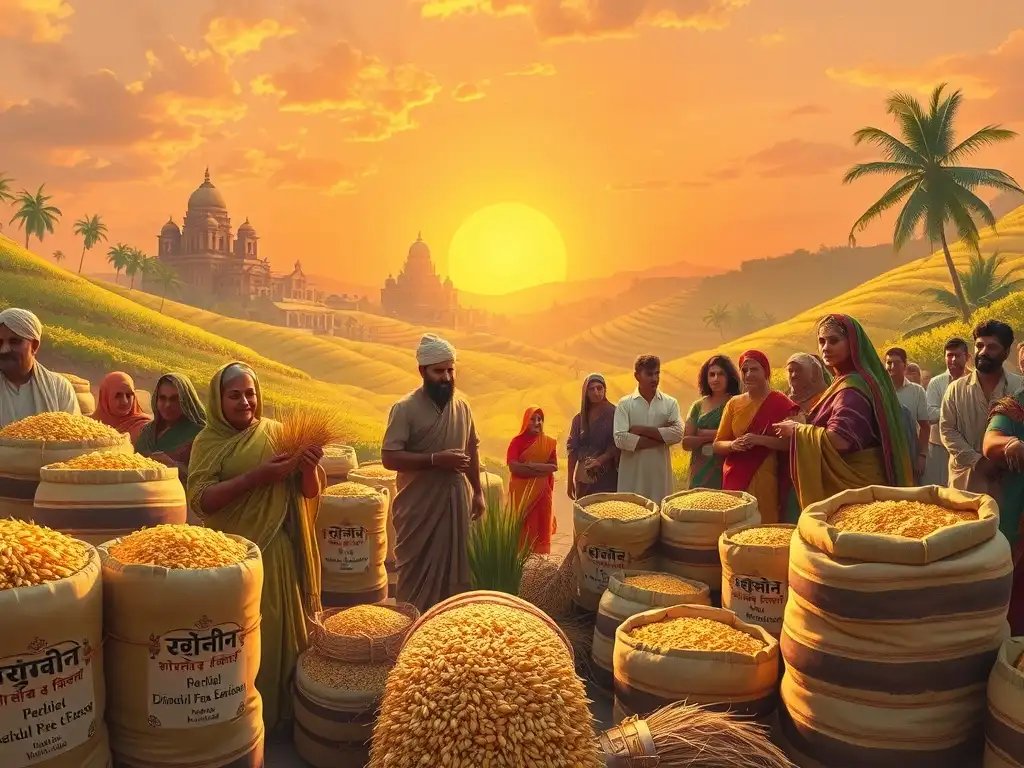
Grains played a pivotal role in the trade and commerce of ancient India, serving as one of the primary commodities in both domestic and international markets. The abundance of grains, such as rice, wheat, barley, and millet, not only sustained the local population but also positioned India as a significant player in regional trade networks.
- Trade Routes: Ancient Indian traders utilized well-established trade routes, including the Silk Road and maritime routes, to export grains to neighboring regions, including Persia, Arabia, and Southeast Asia. These routes facilitated the exchange of grains for luxury goods like silk, spices, and precious metals.
- Marketplaces: Cities like Pataliputra and Varanasi became bustling marketplaces where grains were traded. These urban centers were equipped with granaries and storage facilities, ensuring a steady supply of grains for trade. The presence of organized marketplaces indicates the sophistication of ancient Indian commerce.
- Cultural Exchange: The trade of grains also led to cultural exchanges, where agricultural practices, cooking techniques, and culinary traditions were shared among different civilizations. This interaction enriched the diets and food customs across regions.
Grains as Currency: A Historical Overview
In ancient India, grains transcended their role as mere food sources and emerged as a form of currency. This unique economic practice underscored the importance of grains in ancient India beyond sustenance.
- Barter System: In the early days, grains were often used in barter transactions. Farmers and merchants would exchange grains for goods and services, establishing a direct correlation between agriculture and economic activity. This practice laid the groundwork for future economic systems.
- Standardization of Value: Certain grains, particularly rice and wheat, became standardized units of value. For instance, during times of famine or scarcity, the value of grains would rise, making them a critical component of wealth and trade negotiations.
- Taxation and Tribute: Grains were also used for taxation purposes in various ancient kingdoms. Rulers would collect grain as a form of tribute from their subjects, which could then be stored and used during times of need or for military supplies. This practice highlighted the strategic importance of grain storage in governance.
Impact of Grains on Ancient Indian Economy
The importance of grains in ancient India cannot be overstated, as they significantly influenced the economic landscape of the time. The cultivation, trade, and consumption of grains had far-reaching effects on various aspects of society.
- Agricultural Development: The demand for grains spurred advancements in agricultural techniques, leading to improved irrigation methods, crop rotation, and the domestication of new grain varieties. These innovations not only increased yield but also enhanced food security.
- Population Growth: With a stable grain supply, populations in ancient India flourished. A reliable food source allowed communities to grow, leading to urbanization and the expansion of trade networks. This increase in population further stimulated economic growth and diversification.
- Social Structure: The grain economy also shaped social hierarchies, with grain-producing regions often wielding significant political and economic power. Land ownership and control over grain production became key determinants of wealth and status within society.
Grains were not merely staples in the diets of ancient Indians; they were the backbone of an intricate economic system that facilitated trade, influenced social structures, and drove agricultural innovation. Understanding the importance of grains in ancient India provides insight into the complexities of its historical economy and cultural development.
Conclusion: The Lasting Legacy of Grains in Ancient Indian Diets
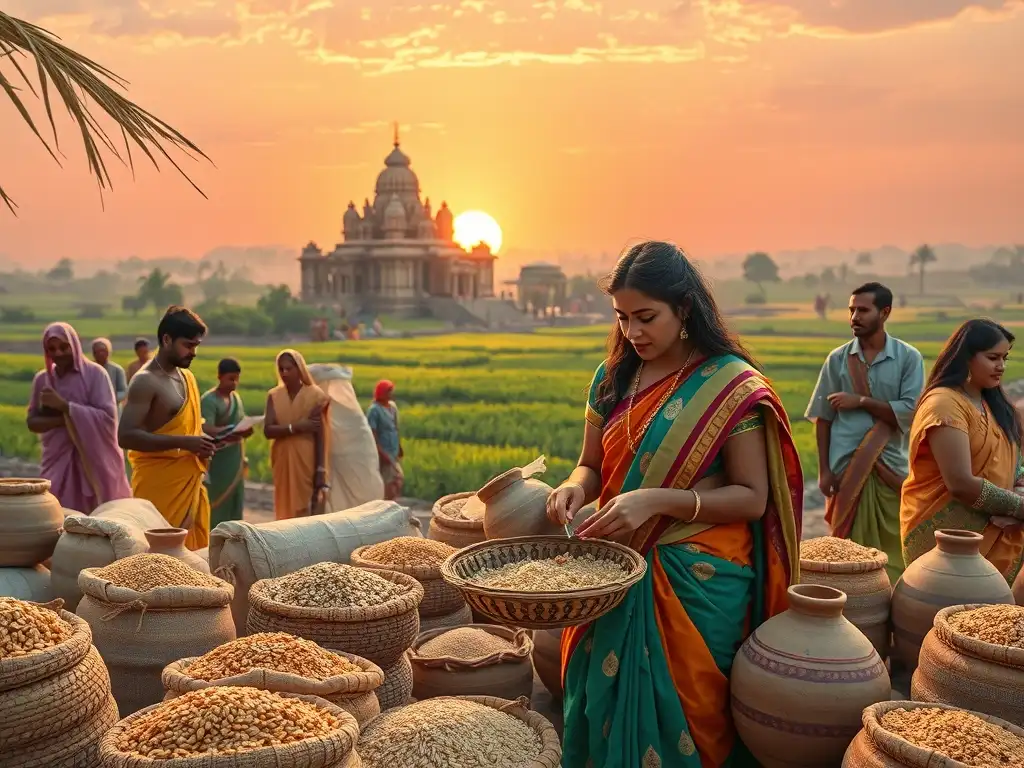
The significance of grains in ancient Indian diets transcends mere sustenance; they were integral to the socio-economic, cultural, and spiritual fabric of society. From the fertile plains of the Indus Valley to the diverse regions influenced by the Maurya and Gupta empires, grains like rice, wheat, barley, and millet were more than staples—they were symbols of abundance, health, and community.
Ancient texts and archaeological evidence highlight the central role that grains played in rituals, festivals, and daily life. Grains were often associated with prosperity and fertility, reflecting the agrarian lifestyle of ancient India. For instance, the Rigveda mentions various grains as offerings to deities, signifying their importance in spiritual practices. The cultivation of these grains not only supported population growth but also facilitated trade, leading to economic prosperity and cultural exchanges across vast regions.
Moreover, grains contributed to the development of various culinary traditions, with each region adapting the grains to create unique dishes that are still celebrated today. The variety of recipes that emerged from different grains showcases the creativity and adaptability of ancient Indian civilizations.
The legacy of grains in ancient India serves as a reminder of their multifaceted importance, reinforcing their role in shaping the civilization's diet and culture. This legacy continues to influence contemporary nutrition, highlighting the need to appreciate and preserve these ancient practices.
Lessons from Ancient Indian Grain Practices for Modern Diets
The dietary practices of ancient India offer valuable insights that can be applied to modern nutrition. By examining the importance of grains in ancient India, we can glean lessons that resonate with today's health-conscious society:
-
Diversity of Grains: Ancient Indians consumed a wide variety of grains, such as:
- Rice: A staple in southern and eastern regions.
- Wheat: Predominantly used in northern India.
- Millets: Often consumed in rural areas, recognized for their nutritional benefits.
- Barley: Valued for its health advantages and adaptability.
This diversity ensured a balanced intake of nutrients, emphasizing the importance of incorporating various grains into modern diets for optimal health.
-
Whole Grains vs. Refined Grains: Ancient practices favored whole grains, which are rich in fiber, vitamins, and minerals. The shift towards refined grains in contemporary diets often leads to nutritional deficiencies. Emphasizing whole grains can improve digestive health and reduce the risk of chronic diseases.
-
Seasonal and Local Consumption: The ancient Indian diet was characterized by the consumption of seasonal and locally-sourced grains. This practice not only supported local agriculture but also ensured freshness and sustainability. Modern diets can benefit from this principle by prioritizing local, seasonal foods to enhance nutritional value and reduce environmental impact.
-
Culinary Traditions: The methods of grain preparation, such as soaking, fermenting, and sprouting, were common in ancient India. These practices enhance nutrient availability and digestibility. Incorporating similar techniques into modern cooking can improve health outcomes and preserve traditional flavors.
By embracing these lessons from the past, we can create a healthier, more sustainable dietary framework that honors the rich legacy of grains in ancient Indian diets.
Preserving Ancient Grains: A Cultural Responsibility
As we move towards a more globalized food landscape, preserving ancient grains becomes a cultural responsibility that extends beyond nutrition. These grains hold not only dietary significance but also cultural heritage and historical identity. Here are some key aspects of this responsibility:
- Sustainable Farming Practices: Ancient grains often require less water and are more resilient to climate changes compared to modern hybrids. Promoting the cultivation of these grains can contribute to sustainable agriculture practices. Supporting local farmers who grow ancient varieties helps maintain biodiversity and strengthens local economies.
- Cultural Heritage: Each ancient grain carries stories and traditions that reflect the history of the communities that cultivated them. By incorporating these grains into our diets, we honor and preserve the culinary heritage of ancient India. This fosters cultural pride and awareness among younger generations.
- Educational Initiatives: Raising awareness about the nutritional benefits and cultural significance of ancient grains is crucial. Educational programs can promote their importance in modern diets, encouraging communities to embrace these grains as part of their daily nutrition.
- Culinary Innovation: Chefs and food enthusiasts can play a pivotal role in reviving ancient grains by incorporating them into contemporary dishes. Innovative recipes that highlight these grains can attract interest and appreciation, ensuring their continued relevance in modern cuisine.
The preservation of ancient grains is not just about maintaining dietary diversity; it is a commitment to cultural heritage and sustainability. By recognizing the importance of grains in ancient India, we can foster a deeper appreciation for their role in our diets and advocate for their continued cultivation and consumption.
References and Further Reading
Exploring the importance of grains in ancient India reveals a rich tapestry of culinary practices, agriculture, and cultural significance. To delve deeper into this fascinating topic, the following resources provide comprehensive insights and analyses.
Recommended Books on Ancient Indian Cuisine
- "Food and Faith in Christian Culture" by Alan M. Kreider
- Although primarily focused on Christian culture, this book offers a comparative view of food traditions, including grains, that can shed light on ancient practices.
- "The Food of India: A Journey for Food Lovers" by Priya Wickramasinghe and Peter Kuruvita
- This book traces the evolution of Indian cuisine, including the role grains have played in shaping dietary habits over centuries.
- "Ancient Indian History and Culture" by D.N. Jha
- A comprehensive look at ancient Indian society, this book contextualizes food, including grains, within broader historical narratives.
- "Culinary Cultures of India" edited by Jyoti B. Bhatia and Vineeta S. Bhatia
- This edited volume discusses various aspects of Indian culinary practices, with specific chapters dedicated to the significance of grains in traditional diets.
- "The Spice Route: A History" by John Keay
- While focusing on spices, this book also discusses the agricultural practices in ancient India, including the cultivation and use of grains.
Academic Journals on Food Traditions in Ancient India
- "Indian Journal of Traditional Knowledge"
- This journal publishes articles that explore various aspects of traditional knowledge systems in India, including agronomy and the role of grains in ancient diets.
- "Journal of Ethnic Foods"
- Featuring research on the culinary practices of different cultures, this journal often includes studies on the food traditions of ancient India, particularly focusing on staple foods like grains.
- "Asian Agri-History"
- This peer-reviewed journal provides insights into agricultural practices in Asia, including the historical significance of grains in ancient Indian farming systems.
- "Food History"
- Articles in this journal examine the historical context of food and nutrition, with various studies exploring the importance of grains in ancient Indian civilization.
- "The International Journal of the History of Sport"
- While primarily focused on sports, some articles also address the dietary practices around the time, including grain consumption in ancient Indian societies.
These resources will enhance your understanding of the importance of grains in ancient India, offering a deeper perspective on how these staple foods shaped diets and cultural practices throughout history.
Frequently Asked Questions
What role did grains play in ancient Indian diets?
Grains were essential staples in ancient Indian diets, providing the primary source of carbohydrates and energy. They were often complemented by vegetables and legumes to create balanced meals.
Which grains were most commonly consumed in ancient India?
The most commonly consumed grains included rice, wheat, barley, and millets. Each grain was valued for its unique nutritional benefits and adaptability to different regions.
How did grains contribute to ancient Indian agriculture?
Grains were the backbone of agriculture in ancient India, promoting settlement and the growth of civilizations. They facilitated trade and were pivotal in sustaining populations.
What cultural significance did grains hold in ancient India?
Grains were not just food; they held cultural and religious significance. They were often used in rituals, festivals, and as offerings, symbolizing prosperity and fertility.
How did the Gupta Empire influence grain production and consumption?
During the Gupta Empire, there was a notable increase in agricultural productivity, including grain cultivation. This period saw advancements in irrigation and farming techniques, enhancing grain availability and variety.
Final Reflection: The Enduring Legacy of Grains in Ancient Indian Diets
The significance of grains in ancient Indian diets transcends mere sustenance; they were the foundation of culture, economy, and health. Today, as we grapple with modern dietary challenges and the quest for sustainable food sources, understanding the historical role of grains becomes increasingly relevant. The lessons from ancient India remind us that grains were not just staples but vital components of a holistic lifestyle, shaping communities and nourishing generations.
The influence of grains in ancient Indian diets continues to resonate in our cultural and social landscapes. From traditional recipes passed down through generations to the resurgence of interest in ancient grains for their nutritional benefits, the legacy of these foods is profound. As Mahatma Gandhi once said, “The future depends on what you do today.” This quote encapsulates the importance of recognizing our past to inform our present and future dietary choices.
As we reflect on the importance of grains in ancient India, I invite you to consider how these lessons can be applied in your own life. Embrace the wisdom of the past by incorporating diverse grains into your diet, exploring their rich history, and understanding their role in promoting health and sustainability. Let us honor the legacy of our ancestors by making conscious choices that celebrate the grains that have nourished civilizations for centuries.
Embrace the Wisdom of Ancient Grains Today!
Thank you for exploring the rich history of grains in ancient Indian diets! You've discovered how these staple foods shaped not only meals but an entire culture. Now, it's time to put that knowledge into action and delve deeper into this culinary heritage.
- Start experimenting with grains like millet, barley, and quinoa in your cooking today! Incorporate them into your meals to experience their unique flavors and health benefits firsthand.
- Join a local community group or an online forum dedicated to ancient cooking techniques to expand your knowledge and skills. Share your experiences and learn from fellow food enthusiasts!
- Document and share your journey on social media using the hashtag #AncientGrainsJourney to inspire others and spark discussions about the significance of these time-honored foods.
How will you incorporate the wisdom of ancient grains into your modern diet?