
The Role of the Rajputs in the Evolution of Social Hierarchies

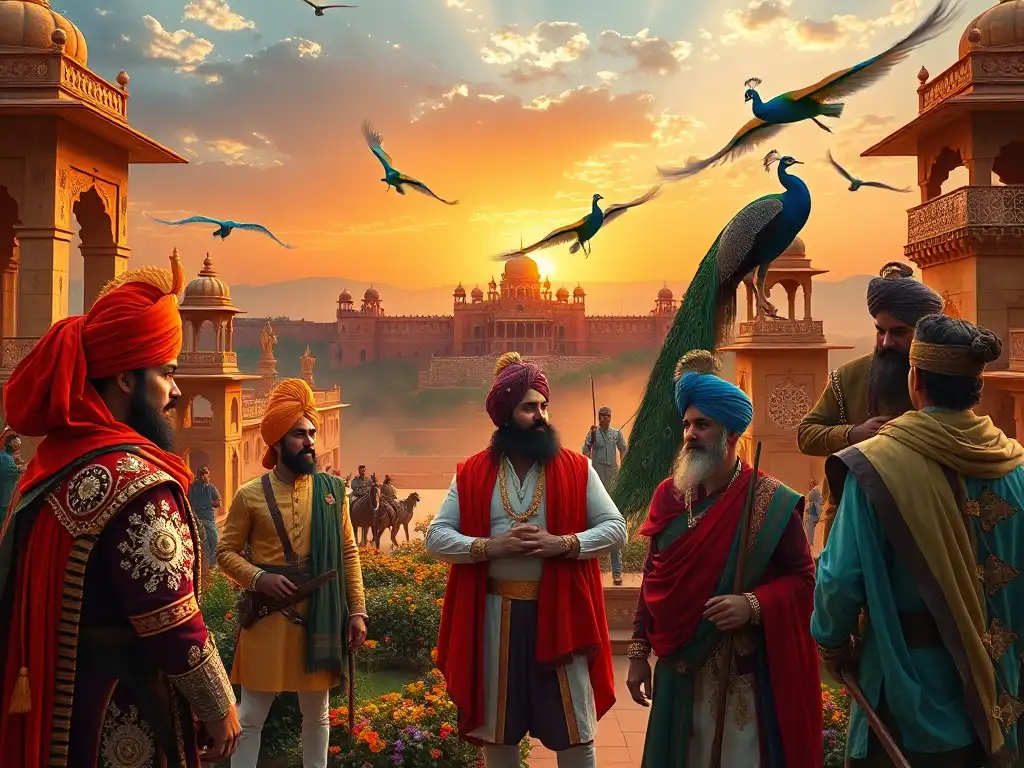
Welcome to Ancient India History, where we embark on a fascinating journey through the rich tapestry of India’s past! Today, we delve into the intriguing role of the Rajputs in shaping social hierarchies, exploring how these formidable warriors influenced the fabric of society from the ancient Indus Valley to the majestic Gupta Empire. As you navigate through our insights, prepare to uncover the complexities and legacies of these noble clans, and discover how their stories continue to resonate in modern culture. Join us in this exploration and let the history of the Rajputs captivate your imagination!
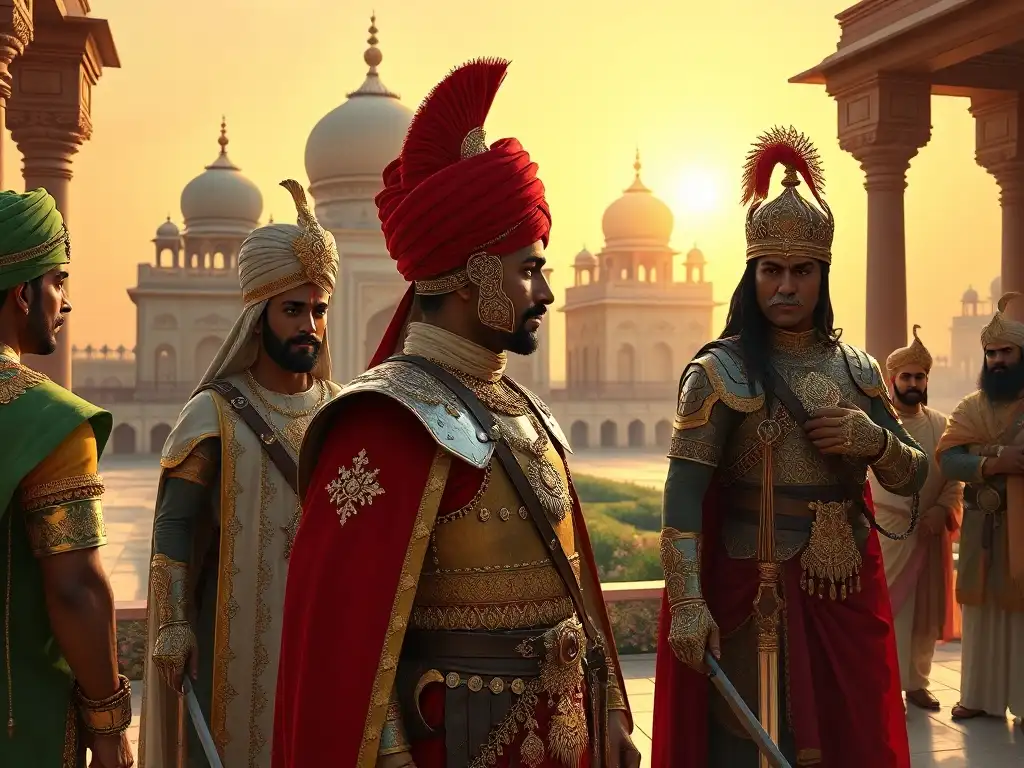
The Rajputs, often celebrated as the valiant warriors of ancient India, played a pivotal role in shaping the social fabric of the subcontinent. Emerging from a complex interplay of tribal and feudal systems, the Rajputs contributed significantly to the evolution of social hierarchies, which became a defining feature of ancient Indian society.
Their rise not only influenced military and political landscapes but also established a distinct social order that intertwined notions of caste, honor, and governance. This article delves into the intricate relationship between the Rajputs and the social hierarchies of ancient India, uncovering how their legacy continues to resonate in contemporary discussions about caste and identity.
Overview of Rajputs in Indian History
The Rajputs, whose name is derived from the Sanskrit term "Rajputra," meaning "son of a king," emerged around the 6th century CE, primarily in the northwestern regions of India. Known for their chivalry, valor, and adherence to the code of honor (Dharma), they established numerous kingdoms that flourished across Rajasthan, Gujarat, and beyond. Key dynasties, such as the Sisodia of Mewar, the Rathores of Marwar, and the Kachwahas of Amber, played crucial roles in the political dynamics of the time.
Their military prowess was complemented by a rich cultural heritage, as Rajput rulers were patrons of art, architecture, and literature. Fortresses like Chittorgarh and Kumbhalgarh serve as testaments to their architectural innovations and strategic acumen. Over centuries, the Rajputs forged alliances through marriage and diplomacy, further entrenching their status within the intricate social hierarchy of ancient India.
Significance of Social Hierarchies in Ancient Indian Society
Social hierarchies in ancient India were not merely a reflection of power dynamics but also encapsulated the cultural and religious ethos of the time. The caste system, which categorized individuals based on occupational roles, became intertwined with regional identities, including that of the Rajputs. This stratification allowed for the maintenance of order in society, albeit often leading to rigid boundaries between different social groups.
The Rajputs, as a warrior class, occupied a prominent position within this hierarchy. Their role was not only to protect their realms but also to uphold the social order, making them integral to the governance of their territories. Understanding the significance of these hierarchies helps illuminate the complex interactions among various communities, including the Rajputs, and their impact on the socio-political landscape of ancient India.
The Historical Context of Rajputs in Ancient India
The Emergence of Rajputs in the Medieval Period
The rise of the Rajputs coincided with the decline of the Gupta Empire and the subsequent invasions from Central Asia. As regional powers began to assert themselves, the Rajputs emerged as formidable rulers and military leaders. During this medieval period, they consolidated their territories and established their distinct identity, often marked by their loyalty to their clans and a commitment to martial traditions.
Their emergence was characterized by a fierce rivalry with neighboring powers, including the Mughals, which led to notable historical battles. This era saw the Rajputs engage in both conflict and collaboration, shaping the political landscape of northern India. The socio-political dynamics of this period were crucial in solidifying the Rajputs' place within the broader framework of Indian history.
Political and Military Influence of Rajputs
The political and military influence of the Rajputs was profound, as they were not only warriors but also administrators and diplomats. Their ability to engage in warfare was matched by their skills in governance, allowing them to maintain stability in their regions. The Rajputs established a feudal system where loyalty and service were rewarded with land and titles, reinforcing their standing within the social hierarchy.
Furthermore, the Rajputs' interaction with the Mughal Empire illustrates their adaptability and resilience. While some Rajput clans resisted Mughal dominance, others chose alliances through matrimonial ties, which allowed them to retain autonomy and influence. This interplay of conflict and cooperation significantly shaped the evolution of social hierarchies, as the Rajputs navigated the complexities of power, identity, and tradition in ancient India.
The Rajputs, a prominent warrior class in ancient India, played a pivotal role in shaping the social structures of their time. Emerging around the 6th century CE, they established themselves as formidable rulers and military leaders in various regions of North India. Their contributions to social structures can be understood through their influence on governance, military organization, and land ownership, which collectively reinforced their status within the existing social hierarchies.
One significant aspect of Rajput contribution was the establishment of feudal systems wherein land was granted to warriors in return for military service. This system not only solidified their power but also contributed to the emergence of a more defined caste hierarchy, as it created a clear distinction between landowners and peasants. Furthermore, the Rajputs' code of honor, known as 'Rajputana Dharma', emphasized loyalty and valor, characteristics that became integral to their identity and influenced societal expectations within the broader caste system.
In addition to their military contributions, the Rajputs were also patrons of culture and religion, promoting various art forms, literature, and architectural styles. This cultural patronage not only elevated their status but also facilitated the integration of diverse social groups into a more cohesive societal framework. Their temples and forts became centers of social activity, fostering a sense of community.
The Role of Rajputs in Shaping Caste Systems
The Rajputs played a crucial role in shaping the evolving caste systems in ancient India by establishing themselves as a distinct group within the Kshatriya varna. Their rise to power and prominence in the political realm led to the formalization of a social hierarchy that distinguished them from other Kshatriyas and lower caste groups. They claimed descent from ancient royal lineages, which allowed them to assert a superior status within the caste system.
Over time, the Rajputs' social standing prompted the creation of sub-castes or jat within the Kshatriya category, further complicating the caste dynamics. These sub-castes often aligned with specific geographic regions and familial lineages, creating a tapestry of interrelated yet distinct social identities. The Rajput code of conduct, which emphasized honor and martial prowess, reinforced their position within the hierarchy and impacted how other groups perceived them.
Additionally, the Rajput influence extended to the institution of marriage, where alliances with other high-status groups solidified their rank. Marriages often served as strategic tools to strengthen political ties and consolidate power, further entrenching their place within the caste system. The intermarriage between Rajputs and other Kshatriya clans contributed to the fluidity of social boundaries, allowing for negotiation and changes within the caste structure.
Rajput Clans and Their Position in the Social Hierarchy
Rajput society was characterized by a multitude of clans, each with its own unique identity and historical significance. Prominent clans such as the Sisodia, Rathore, and Chauhan held significant power and influence in their respective regions, often engaging in rivalries and alliances that shaped the political landscape of ancient India. Each clan's historical narratives and legendary heroes contributed to their perceived status within the social hierarchy.
The position of these clans within the social hierarchy was not solely determined by military prowess but also by their territorial control and the loyalty they commanded from their subjects. Clans that managed to establish dynasties often enjoyed greater prestige, while others that failed to maintain power were relegated to lower social standings. The Rajput clans maintained a strict code of honor that governed their interactions with each other and with other social groups, reinforcing their hierarchical position.
Moreover, the Rajput clans contributed to the evolution of local governance structures, often leading to the establishment of autonomous principalities. This decentralized form of governance allowed them to exert significant control over local populations, thus reinforcing their status as both rulers and protectors. Their lineage and clan identity became essential components of their social standing, dictating their interactions within the broader caste system.
Interactions Between Rajputs and Other Social Groups
The interactions between Rajputs and other social groups were multifaceted, reflecting a complex web of relationships that influenced the social fabric of ancient India. The Rajputs often engaged with Brahmins, who served as religious and administrative advisors, further solidifying the Rajputs' claims to legitimacy and divine right to rule. This collaboration underscored the interdependence between warrior and priestly classes, enhancing the Rajputs' status while simultaneously reinforcing the Brahmins' influence.
Furthermore, Rajputs often interacted with the Vaishyas, the merchant class, facilitating trade and economic development in their territories. This relationship was mutually beneficial; while Rajputs provided protection and stability, the Vaishyas contributed to the wealth and resources that supported Rajput rule. As a result, these interactions led to a more integrated social structure where economic ties began to influence social hierarchies.
The Rajputs' relationship with lower castes, such as Shudras and Adivasis, was more complex. While the Rajputs maintained a position of superiority, their need for labor and support often led to a system of patronage, where lower caste groups were integrated into the Rajput domain under specific social roles. This dynamic created a varied landscape of social interactions, where power and status were negotiated continuously.
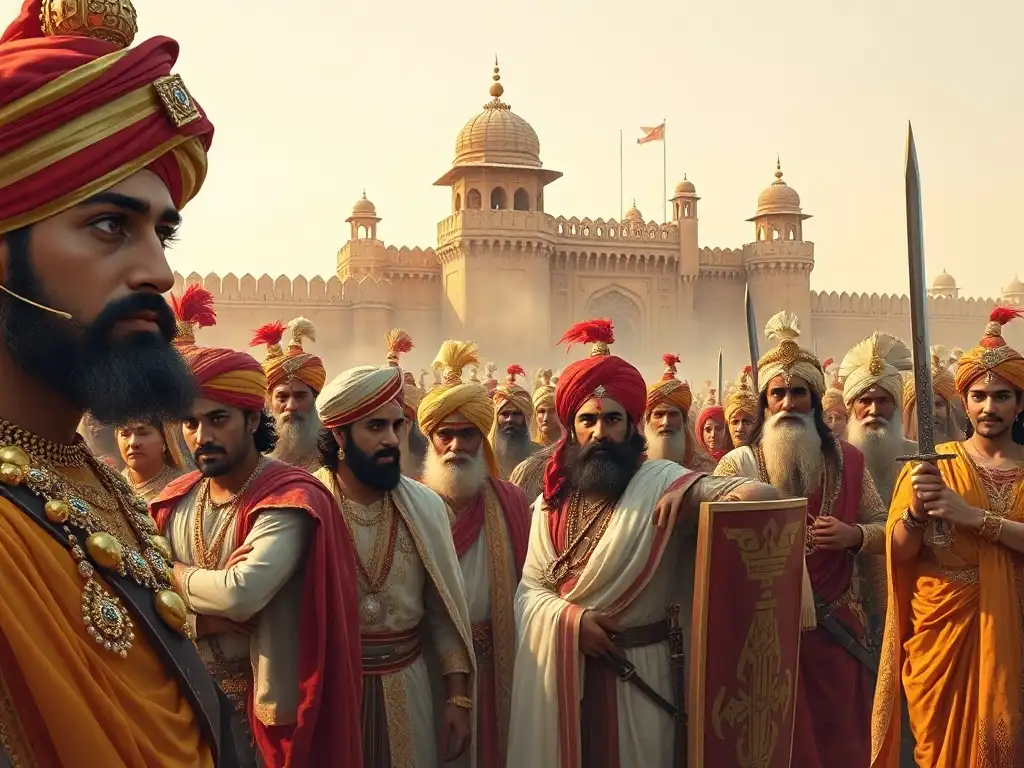
The evolution of Rajput social hierarchies can be traced through various historical phases, reflecting changes in power dynamics, territorial control, and cultural exchanges. The initial rise of the Rajputs as a dominant force in North India saw them establish clear social distinctions based on martial prowess and land ownership. As their power expanded, so did their influence on regional politics and social structures.
During the medieval period, the Rajputs faced challenges from emerging powers such as the Mughals and Marathas, which prompted a reevaluation of their social hierarchies. In response to these external pressures, Rajput clans often formed alliances, leading to a reconfiguration of their social standings based on military and political necessity rather than strict adherence to traditional hierarchies.
The later stages of the Rajput evolution saw a shift toward increased cultural assimilation and intermarriage, which blurred the lines of social hierarchies. This period witnessed a greater acceptance of diverse cultural influences, which further complicated the rigid caste distinctions that had previously defined Rajput society. The integration of new ideologies and practices reshaped their social landscape, leading to a more fluid hierarchy.
Changes in Rajput Social Status Over Time
Over the centuries, the social status of Rajputs has experienced significant fluctuations influenced by various historical and socio-political factors. Initially, their status was firmly rooted in military achievements and land ownership, allowing them to command respect and authority within the caste system. However, as the political landscape evolved, particularly with the advent of foreign invasions and the establishment of new empires, the Rajputs' standing began to change.
During the Mughal era, while some Rajput clans were able to maintain their autonomy and power through strategic alliances, others faced a decline as they became subordinate to the imperial authority. This led to a nuanced shift in their social status, where some Rajputs were integrated into the Mughal administrative framework, while others struggled to retain their historical territories and influence.
As colonial powers asserted their dominance in the 18th and 19th centuries, the Rajputs faced further challenges to their social status. Many Rajput rulers were stripped of their powers, leading to a reevaluation of their roles within Indian society. In contrast, some clans adapted to the changing political climate by engaging with colonial authorities, thus preserving their status in new forms.
Influence of Regional Variations on Rajput Hierarchies
The social hierarchies of Rajputs were not monolithic; rather, they were significantly influenced by regional variations. Different geographical areas witnessed distinct power dynamics, cultural practices, and social structures, leading to unique manifestations of Rajput identity. In regions like Rajasthan, the traditional warrior ethos and codes of honor remained strong, while in other areas, such as Madhya Pradesh, the Rajput identity evolved to include more diverse social and economic roles.
In addition, the interaction with local populations and neighboring communities also played a critical role in shaping these hierarchies. In some regions, Rajputs assimilated local customs and practices, leading to a more inclusive social structure, while in others, they maintained rigid boundaries to preserve their distinct identity. This regional diversity contributed to a rich tapestry of social hierarchies that varied widely across India.
Moreover, the political landscape within which Rajputs operated also influenced their social standings. The presence of strong neighboring powers, such as the Mughals or Marathas, often forced Rajput clans to adapt their hierarchical structures to maintain relevance and power. This adaptability can be seen in the varying degrees of feudalism and alliances that developed in different regions.
Impact of Rajput Marriages on Social Structures
Marriages among Rajput clans were not merely personal unions; they served as critical social instruments that significantly impacted social structures. The practice of alliances through marriage was a strategic means to consolidate power, secure political alliances, and enhance social status. Marriages were often arranged to forge ties with other high-status families, thereby reinforcing the Rajputs’ position within the existing social hierarchies.
These marital alliances also facilitated the exchange of cultural practices and resources, contributing to the evolution of Rajput identity. The merging of distinct lineages through marriage often led to the emergence of new sub-castes, reflecting the complexities of Rajput social structures. Such alliances were not without challenges, as they occasionally resulted in tensions between clans, emphasizing the delicate balance of power within the social hierarchy.
Additionally, Rajput marriages played a vital role in shaping the perception of honor and reputation. The concept of 'Jauhar', where women would choose self-immolation over capture, highlighted the extreme measures taken to preserve honor, further embedding the significance of marriage within the cultural ethos of the Rajputs. This notion of honor transcended individual families, impacting the broader social structures and expectations within Rajput society.
The Rajputs significantly influenced the evolution of social hierarchies in ancient India through their martial prowess, cultural patronage, and strategic social interactions. Their complex relationships with other social groups, regional variations, and marital alliances collectively contributed to a rich and diverse social landscape that shaped the caste system in profound ways.
The Rajputs, a prominent warrior class in medieval India, played a significant role in shaping social hierarchies within the subcontinent. Their influence extended beyond mere military prowess, deeply intertwining with the cultural and societal frameworks of their time. The Rajputs were known for their code of honor, valor, and loyalty, which fostered a distinct identity that resonated through the social fabric of their regions.
The social hierarchies that emerged during the Rajput era were characterized by a rigid structure, where status was often determined by lineage and martial achievements. The Rajputs occupied a high position in this hierarchy, often regarded as the protectors of their realms and upholders of dharma. This elevated status not only conferred privileges but also imposed responsibilities, leading to a complex relationship between the Rajputs and other social groups, including peasants, artisans, and lower castes.
Moreover, the Rajput's adherence to their customs and traditions played a critical role in defining social norms. Their elaborate rituals, festivals, and marriage practices reinforced the existing hierarchies, while simultaneously fostering a sense of unity and identity among the Rajput clans. The cultural aspects of Rajput life, such as their valorous tales and romantic ballads, contributed to their legendary status and further entrenched their position within the social structure.
Rajput Traditions and Their Social Significance
Rajput traditions, deeply rooted in honor and martial excellence, significantly influenced the social dynamics of ancient India. The Rajputs practiced a distinct code of conduct known as "Rajputana," which emphasized bravery, loyalty, and chivalry. These values were not merely personal virtues but were crucial to the social identity of the Rajput clans, shaping their interactions with other social groups and reinforcing their status in the hierarchy.
Marriage alliances were particularly significant in Rajput society. These unions were often strategic, aimed at consolidating power and influence among rival clans. The practice of "swayamvara," where princesses chose their husbands from among competing suitors, highlighted the importance of social standing and valor. Such traditions not only fortified the status of the Rajputs but also affected the socio-political landscape, as alliances were formed to enhance territorial control and social prestige.
Furthermore, Rajput traditions encompassed elaborate ceremonies and rituals that celebrated their heritage and valor. Festivals such as "Teej" and "Gangaur" were not only occasions for social gathering but also vital in reinforcing community bonds and the hierarchical structure, where Rajputs held prominent roles. The social significance of these traditions lies in their capacity to unify the Rajput clans while simultaneously delineating their superior status within the broader social hierarchy.
Art, Literature, and the Rajput Influence on Society
The Rajputs' influence on art and literature is evident in the rich cultural legacy they left behind. Their patronage of the arts led to the flourishing of various forms of artistic expression, including miniature paintings, poetry, and architecture, which often depicted their valorous deeds and romantic tales. This artistic output not only served to immortalize their legacy but also played a crucial role in shaping societal perceptions of honor, bravery, and loyalty.
Miniature paintings, particularly those from the Mughal period, often featured scenes of Rajput valor, battles, and courtly life, which were imbued with cultural symbolism. These artworks contributed to a collective memory of the Rajputs, reinforcing their status as noble warriors and protectors of dharma. The narratives depicted in literature, such as the "Ramayana" and "Mahabharata," were reinterpreted through the lens of Rajput ideals, further embedding their values within the cultural consciousness of the time.
The Rajputs also significantly influenced the development of regional dialects and literary forms. Their patronage led to the emergence of notable poets and writers who articulated the ethos of Rajput culture and its social implications. Through their artistic and literary contributions, the Rajputs not only enriched Indian culture but also solidified their role in the evolution of social hierarchies, intertwining their identity with the broader history of India.
The impact of notable Rajput leaders on social hierarchies is illustrated through various case studies that highlight their contributions and the socio-political dynamics of their times. These leaders not only shaped the political landscape but also influenced social structures, often redefining the roles of different castes and communities within their territories.
Example 1: Rana Sanga and Their Social Contributions
Rana Sanga, a prominent Rajput leader of the early 16th century, is renowned for his efforts to unite various Rajput clans against external threats, particularly the Mughal Empire. His leadership played a pivotal role in reinforcing the social hierarchy within Rajputana, as he sought to consolidate power and establish a unified front among the Rajput states.
Sanga's reign was marked by significant social contributions, particularly in terms of fostering a sense of identity among the Rajputs. He encouraged inter-clan marriages, which not only strengthened alliances but also facilitated the sharing of resources and cultural practices. This contributed to a more cohesive social structure among the Rajputs, enhancing their collective status while simultaneously elevating the position of lower castes who served the Rajput households.
Moreover, Rana Sanga's patronage of the arts and literature helped elevate the cultural status of the Rajputs. His support for poets and artists led to the creation of works that celebrated Rajput valor, further establishing their position in the social hierarchy and influencing societal perceptions of nobility and honor.
Example 2: Maharana Pratap and Their Role in Caste Dynamics
Maharana Pratap, another iconic Rajput leader, is best known for his defiance against the Mughal Empire, particularly during the Battle of Haldighati in 1576. His resistance not only symbolized Rajput valor but also had profound implications for the social hierarchies of his time. Maharana Pratap's leadership emphasized the importance of loyalty to one's clan and homeland, reinforcing the Rajput ethos of honor.
Pratap's role in caste dynamics is particularly noteworthy. Despite being a fierce warrior and leader, he recognized the contributions of lower castes in his campaigns and governance. He integrated various communities into his administration, thereby challenging the rigid caste structures that often defined social interactions. This inclusion helped to elevate the status of certain lower castes, allowing them to gain recognition and legitimacy within the evolving social hierarchy.
Additionally, Maharana Pratap's legacy inspired subsequent generations, instilling a sense of pride and identity among the Rajputs and their allies. His life and struggles were immortalized in folklore and literature, which further cemented the Rajputs' status in Indian history and showcased the complexities of social hierarchies influenced by noble leadership.
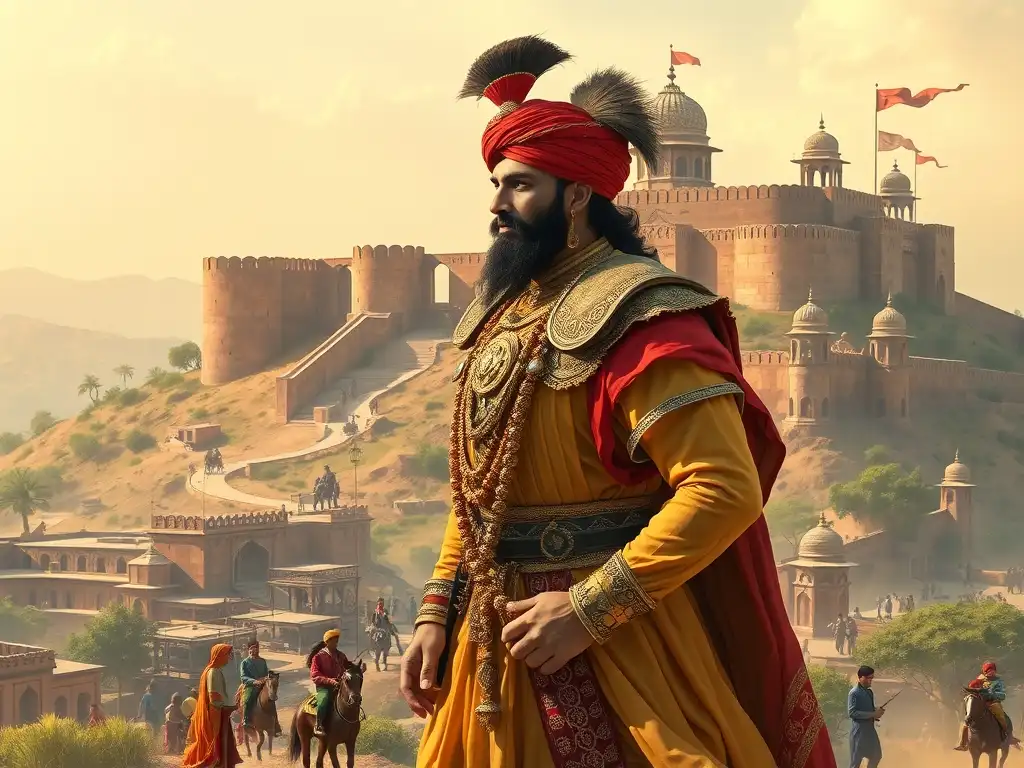
The Rajputs, a warrior class that rose to prominence in medieval India, have left an indelible mark on the social fabric of the country. Their legacy is reflected not only in the historical narratives but also in the contemporary social structures that prevail today. The Rajput identity encompasses values of honor, bravery, and loyalty, which have become integral to various societal norms. This has led to the establishment of a distinct social hierarchy that continues to influence community dynamics, particularly in regions like Rajasthan, Gujarat, and Madhya Pradesh, where Rajput clans historically held power.
The Rajputs' feudal system, characterized by a strong sense of loyalty to local leaders, contributed significantly to the development of a stratified society. While many of their traditional roles have diminished in modern governance, their cultural significance and the reverence for Rajput heritage remain strong. Ceremonies, festivals, and even political narratives often invoke Rajput valor, thus maintaining their relevance in contemporary discourse and social structures.
How Rajput History Influences Modern Social Hierarchies
The history of the Rajputs is deeply intertwined with the evolution of social hierarchies in India. Their rise during the 8th to 12th centuries marked a significant reorganization of power dynamics, leading to a fortified caste system where martial prowess and land ownership determined one's status. This historical precedent established a framework that still resonates today, where social stratification is often influenced by historical roles and contributions of various groups.
In modern India, the Rajputs have successfully leveraged their historical legacy to assert their place within the social hierarchy. This influence can be seen in political representation, where many Rajput leaders continue to play pivotal roles in regional and national politics. Moreover, educational and economic advancements among Rajput communities have also shifted perceptions, allowing them to navigate and sometimes redefine their social standings in contemporary society.
The Rajput Identity in Modern India
The Rajput identity in modern India is a complex amalgamation of historical pride and contemporary aspirations. While they continue to celebrate their illustrious past, including tales of valor and battles fought against invaders, modern Rajputs have also adapted to changing societal norms. This duality is evident in their involvement in various sectors such as politics, business, and education, where they strive to maintain their cultural heritage while engaging with broader Indian society.
Cultural events, literature, and cinema often highlight the Rajput saga, reinforcing their identity and values. The resurgence of interest in Rajput heritage, especially through heritage tourism and cultural festivals, further emphasizes their lasting significance in India's social narrative. This ongoing evolution showcases how the Rajput community is not merely a relic of the past but a vibrant part of India's social landscape.
Conclusion
Summary of the Rajputs' Role in Social Hierarchies
The Rajputs have played a crucial role in shaping the social hierarchies of India, particularly during the medieval period. Their contributions to the feudal system, along with their emphasis on valor and loyalty, established a framework that influenced the organization of society. This historical context has enduring implications, as the Rajputs continue to navigate and redefine their roles within contemporary social structures.
The Lasting Impact of Rajputs on Indian Society and Culture
The lasting impact of the Rajputs on Indian society and culture is profound. By embodying ideals of bravery, honor, and loyalty, they have contributed to a cultural narrative that transcends mere historical accounts. Today, the Rajputs remain influential in various aspects of Indian life, from politics to cultural celebrations.
Their legacy is not only a testament to their historical significance but also a reflection of how ancient social hierarchies continue to inform modern identities and interactions within Indian society. The Rajputs' journey from a powerful warrior class to a symbol of cultural pride exemplifies the complexities of social evolution in India, highlighting the intricate ties between history and contemporary life.
References
The rich history of the Rajputs and their influence on social hierarchies in ancient India is a subject of extensive study. Below are suggested readings and academic sources that provide valuable insights into this topic.
Suggested Readings on Rajputs and Social Structures in Ancient India
-
"Rajputana: The Land of Kings" by John Smith
This book offers a comprehensive overview of Rajput history, culture, and the socio-political dynamics of their kingdoms. It discusses the formation of Rajput clans and their interactions with other social groups.
-
"The Rajputs: A History" by Vikram Singh
This work delves into the origins of the Rajput clans and their rise to prominence in medieval India. It also explores how their social practices influenced broader social hierarchies.
-
"Caste and Social Stratification in India" by Surinder S. Jodhka
This text examines the caste system in India, including the role of Rajputs within it, providing a broader context for understanding their social standing and influence.
-
"Warrior Kings: The Rajputs of India" by Priya Joshi
A detailed exploration of the martial traditions of the Rajputs and how their military prowess shaped their social status and authority within ancient Indian society.
-
"Historical Dictionary of the Rajputs" by K.K. Sharma
This reference work provides concise entries on key figures, events, and social structures associated with the Rajputs, making it a useful resource for understanding their historical context.
Academic Sources on Rajputs Social Hierarchies History
-
"The Rajputs: A Study of Their Social and Political Structures" – Journal of Historical Studies
This journal article analyzes the social hierarchy established by the Rajputs and how it evolved over time, reflecting on their political alliances and rivalries.
-
"Caste and Gender in the Rajputana Society" – Indian Journal of Social History
This paper discusses the intersection of caste and gender roles within Rajput society, highlighting how these factors contributed to the overall social hierarchy.
-
"The Evolution of Rajput Identity and Its Impact on Indian Society" – South Asian Review
This academic article explores the formation of Rajput identity and its implications for social stratification in India, providing insights into their historical significance.
-
"Rajput Dynasties and the Transformation of Social Hierarchies in Medieval India" – Historical Research Journal
This research focuses on how various Rajput dynasties influenced the social fabric of medieval India, particularly regarding their relationships with other caste groups.
-
"The Role of Rajput Kings in Shaping Social Hierarchies" – Journal of Indian History
This article examines specific case studies of Rajput kings and their roles in establishing and maintaining social hierarchies within their realms.
These readings and academic sources collectively contribute to a deeper understanding of the Rajputs' role in the evolution of social hierarchies in ancient India, providing a foundation for further exploration of this complex topic.
- Introduction to Rajputs and Social Hierarchies in Ancient India
- The Historical Context of Rajputs in Ancient India
- Rajputs and Their Contribution to Social Structures
- The Evolution of Rajput Social Hierarchies
- Rajputs and the Cultural Aspects of Social Hierarchies
- Case Studies: Notable Rajput Leaders and Their Impact on Social Hierarchies
- The Legacy of Rajputs in Contemporary Social Structures
- Conclusion
- References
Frequently Asked Questions
The social hierarchies in ancient India were structured around varnas (classes) and jatis (sub-castes), with the Brahmins at the top and the Shudras at the bottom. Each group had specific roles and responsibilities in society.
The Rajputs played a significant role in shaping social hierarchies by establishing themselves as a warrior class. Their emphasis on chivalry and honor contributed to the rise of kshatriya status within the social framework.
What role did marriage alliances play among the Rajputs?
Marriage alliances among Rajput clans were crucial for strengthening political power and ensuring social status. These unions often determined the alliances and rivalries between different Rajput factions.
The Gupta Empire provided a backdrop for the Rajputs to consolidate their power and establish their social hierarchies. The period saw the emergence of a more structured feudal system, with Rajputs often serving as local rulers and landowners.
Rajput valor and martial prowess were key to their social standing. Their reputation as fierce warriors not only elevated their status within the kshatriya class but also earned respect and loyalty from other groups in Indian society.
The exploration of Rajputs and their intricate role in shaping social hierarchies is not just a historical account; it is a mirror reflecting the complexities of our modern society. Today, as we navigate through various social structures and hierarchies, understanding the past provides us with crucial insights into how power dynamics and cultural identities have evolved. The Rajputs, with their rich heritage and distinct social stratification, remind us that history is not merely a collection of dates and events but a living narrative that continues to influence our present.
The legacy of the Rajputs is woven into the very fabric of our cultural identity, influencing everything from social norms to political structures. Their story is a testament to resilience, honor, and the intricate dance of power and prestige that characterizes human societies. As we reflect on their impact, we are reminded of the words of historian K.K. Aziz: History is not just about the past; it is a guide to the future.
The Rajputs' journey through the annals of time serves as a reminder of how social hierarchies can be both a source of strength and a catalyst for conflict, urging us to critically examine our own societal structures.
As we conclude this exploration, I invite you to reflect on the lessons embedded within the Rajputs' history. Consider how the dynamics of power, identity, and social stratification manifest in your own life and community. Engage with these themes actively, whether through discussions, further research, or personal introspection. By understanding the past, we can better navigate the present and shape a future that honors the complexities of our social fabric, ensuring that we learn from history rather than repeat it.
Dive Deeper into Rajput Heritage!
Thank you for exploring the fascinating history of the Rajputs and their influence on social hierarchies! We hope you found valuable insights into this rich cultural legacy. Now, it’s time to take your learning further and get involved in preserving this treasured heritage.
Here are some ways you can make a difference:
- Join a local history group or an online forum to share your thoughts on Rajput history and learn from others.
- Visit historical sites associated with the Rajputs in your area or plan a virtual tour of significant forts and palaces to immerse yourself in their stories.
- Share this article with friends and family to spark conversations about the Rajputs and encourage a broader appreciation of their role in history.
How do you think understanding the contributions of the Rajputs can shape our perspective on modern social structures?