
The Craft of Pottery: An Insight into the Lives of Ancient Indian Potters

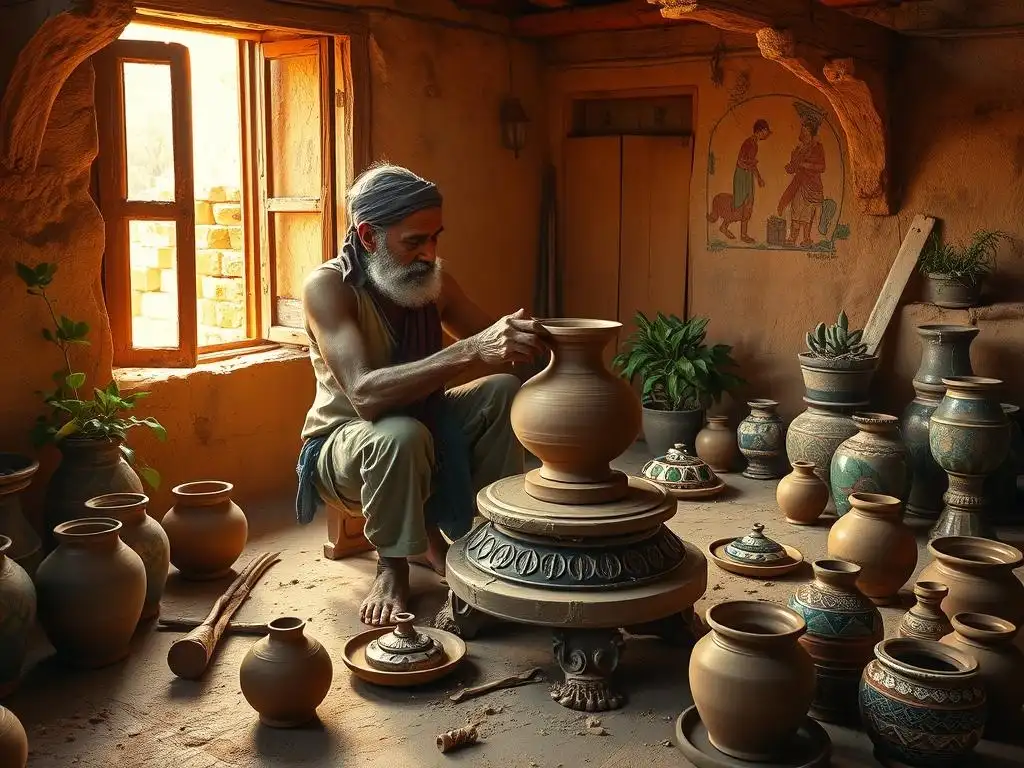
Welcome to Ancient India History, where we embark on a fascinating journey through the vibrant tapestry of ancient Indian civilizations. Delve into the craft of pottery, a remarkable window into the daily lives and societal structures of our ancestors. In our featured article, “The Craft of Pottery: An Insight into the Lives of Ancient Indian Potters,” we uncover the intricate techniques that not only showcase artistic expression but also highlight the cultural significance of pottery in ancient India.
Join us as we explore how these timeless practices reflect the ingenuity and creativity of a civilization that laid the foundations for many aspects of modern life. Your adventure into the past begins now—read on to discover more!
- Introduction to Ancient Indian Pottery
- Historical Context of Pottery in Ancient India
- Materials and Tools Used by Ancient Indian Potters
- Ancient Indian Pottery Techniques
- Cultural Significance of Pottery
- The Lives of Ancient Indian Potters
- Conclusion: The Legacy of Ancient Indian Pottery
- Further Reading and Resources
-
Frequently Asked Questions
- What were the primary pottery techniques used in ancient India?
- How did the Indus Valley civilization influence pottery?
- What materials were commonly used in ancient Indian pottery?
- How did ancient Indian pottery reflect cultural practices?
- What is the significance of the Gupta Empire in pottery history?
- Final Reflection: The Timeless Art of Ancient Indian Pottery
- Unveil Your Inner Potter and Create!
Introduction to Ancient Indian Pottery
Pottery is one of the most enduring and significant crafts in ancient civilizations, and ancient India is no exception. The art of pottery not only reflects the technological advancements of its time but also serves as a window into the daily lives, beliefs, and social structures of ancient Indian societies. From the intricately designed vessels of the Indus Valley Civilization to the utilitarian wares of the Gupta Empire, pottery reveals much about the cultural and economic practices of its makers.
This article delves into the rich tapestry of ancient Indian pottery techniques, exploring how these methods were integral to the lives of potters and their communities. By examining the evolution of pottery styles and techniques, we can gain insight into the complex interplay between art, functionality, and social identity in ancient India.
Understanding the Importance of Pottery in Ancient India
Pottery was not merely a craft but a vital part of daily life in ancient India. Its significance can be understood through several key aspects:
- Cultural Expression: Pottery often featured intricate designs and motifs that reflected the beliefs, values, and artistic expressions of the society. These designs can provide vital information about religious practices, social hierarchies, and regional identities.
- Utilitarian Function: Ancient Indian pottery served various practical purposes, from cooking and storage to ceremonial uses. The ability to create durable and functional wares was essential for sustaining daily life.
- Trade and Economy: Pottery production was a significant economic activity. The trade of pottery items facilitated interactions among different cultures, contributing to the growth of trade networks across regions.
- Technological Innovation: The evolution of pottery techniques, such as the use of the potter's wheel and kiln firing, illustrates the technological advancements made by ancient societies. These innovations not only improved the quality of pottery but also allowed for greater artistic expression.
Overview of Ancient Indian Pottery Techniques
The techniques employed in ancient Indian pottery varied significantly over time and by region, reflecting the diverse cultures that inhabited the subcontinent. Here are some notable pottery techniques:
- Hand-Building Techniques:
- Coiling: This technique involves rolling out clay into long strips and stacking them to form the walls of vessels.
- Pinching: A method where the potter shapes the clay by pinching it into the desired form, often used for smaller items.
- Wheel-Throwing:
- The introduction of the potter's wheel revolutionized pottery making. This technique allowed for the production of symmetrical and finely crafted vessels, significantly enhancing efficiency and artistic quality.
- Firing Techniques:
- Open Firing: Used in early pottery making, this method involved placing pottery in an open fire, which resulted in varied colors and textures.
- Kiln Firing: The development of kilns allowed for higher temperature firings, producing stronger and more durable pottery.
- Decorative Techniques:
- Incising: Designs were carved into the surface of the clay before firing.
- Painting and Glazing: Various pigments were used to add color, while glazing techniques provided a protective finish and enhanced aesthetic appeal.
These techniques, coupled with the rich symbolism and functionality of pottery, provide a deep understanding of the lives and skills of ancient Indian potters. As we explore the intricacies of these craft methods, we uncover the profound impact of pottery on ancient Indian society and its enduring legacy today.
Historical Context of Pottery in Ancient India
Ancient Indian pottery serves as a vital window into the daily lives, cultural practices, and technological advancements of various civilizations. The craft of pottery is not merely a utilitarian art; it encapsulates the aesthetic sensibilities and socio-economic conditions of the time. From the intricate designs of the Indus Valley Civilization to the refined styles of the Gupta Empire, pottery has evolved significantly, reflecting broader historical trends and cultural exchanges.
The Evolution of Pottery from the Indus Valley Civilization
The journey of ancient Indian pottery begins with the Indus Valley Civilization (c. 3300–1300 BCE), one of the world's earliest urban cultures, which thrived in present-day Pakistan and northwest India. This civilization is renowned for its remarkable pottery, characterized by:
- High-fired, wheel-thrown ceramics: The use of the potter's wheel marked a significant technological advancement, allowing for more uniform shapes and sizes.
- Distinctive designs and motifs: Potters employed various techniques, such as painting and incising, to create intricate geometric patterns and representational art, often depicting animals and nature.
- Utility and aesthetics: The pottery of this period included both functional items like storage jars and decorative pieces, indicating a society that valued both utility and artistry.
As the Indus Valley Civilization declined, so did its unique pottery techniques, giving way to new styles influenced by regional variations and cultural shifts.
Key Time Periods Influencing Pottery Styles and Techniques
Throughout ancient Indian history, several key periods significantly influenced pottery styles and techniques, including:
- Vedic Period (c. 1500–500 BCE):
- The transition from urban to rural life saw a shift in pottery styles. Potters began to produce simple, hand-made earthenware, often decorated with red slip and geometric designs.
- The introduction of new materials and firing techniques, such as blackened pottery and painted wares, showcased the evolving aesthetic preferences of the time.
- Mauryan Empire (c. 322–185 BCE):
- The Mauryan period is noted for its high-quality pottery, influenced by trade and cultural exchanges. Pottery began to display more sophisticated designs and glazing techniques, characterized by polished red and black ware.
- The extensive trade networks established during this time facilitated the exchange of ideas and materials, leading to the integration of foreign styles into local pottery.
- Gupta Empire (c. 320–550 CE):
- Often regarded as a golden age of Indian culture, the Gupta period saw the emergence of exquisite pottery, including painted grey ware and glazed ceramics.
- Techniques became more refined, and potters began to experiment with new forms, such as lamps and figurines, reflecting both the spiritual and everyday life of people during this era.
- Medieval Period (c. 600–1200 CE):
- This era witnessed the fusion of indigenous techniques with Islamic influences following the arrival of Muslim artisans. The introduction of intricate tile work and decorative motifs transformed traditional pottery styles.
- Pottery became an essential element of architectural decoration, with glazed tiles used in mosques and palaces.
The evolution of ancient Indian pottery techniques not only highlights the artistic prowess of potters but also serves as a testament to the rich cultural tapestry of ancient Indian society. Each period brought forth innovations that contributed to the diversity and complexity of pottery, making it a crucial aspect of India's historical narrative.
Materials and Tools Used by Ancient Indian Potters
Types of Clay and Their Significance
In the realm of ancient Indian pottery techniques, the selection of clay was paramount, as it directly influenced the quality and characteristics of the finished products. Potters utilized various types of clay, each with unique properties that catered to specific needs and artistic outcomes.
- Earthen Clay:
- Characteristics: Rich in iron, this clay is generally coarse and reddish in color.
- Significance: Used predominantly for creating utilitarian pottery, such as cooking vessels and storage jars, it provided excellent heat resistance.
- Terracotta Clay:
- Characteristics: A fine, malleable clay that can be easily molded and retains details well.
- Significance: Favored for decorative items and figurines, terracotta was often used in the crafting of idols and toys, showcasing intricate designs.
- Kaolin (China Clay):
- Characteristics: This white, pure clay is known for its smooth texture and high firing temperature.
- Significance: Essential for producing high-quality ceramics, kaolin was used in the creation of fine pottery and porcelain, especially during later periods.
- Black Clay:
- Characteristics: Rich in organic materials, this clay gives a distinctive black finish when fired.
- Significance: Often used for ritualistic pottery, black clay vessels were common in ceremonial contexts, reflecting the cultural significance of color in ancient Indian society.
The choice of clay not only determined the physical attributes of the pottery but also reflected the potter's skill and understanding of local resources. The significance of each type of clay extended beyond utility; it was intertwined with the cultural practices and artistic expressions of ancient Indian civilizations.
Traditional Tools and Equipment for Pottery Making
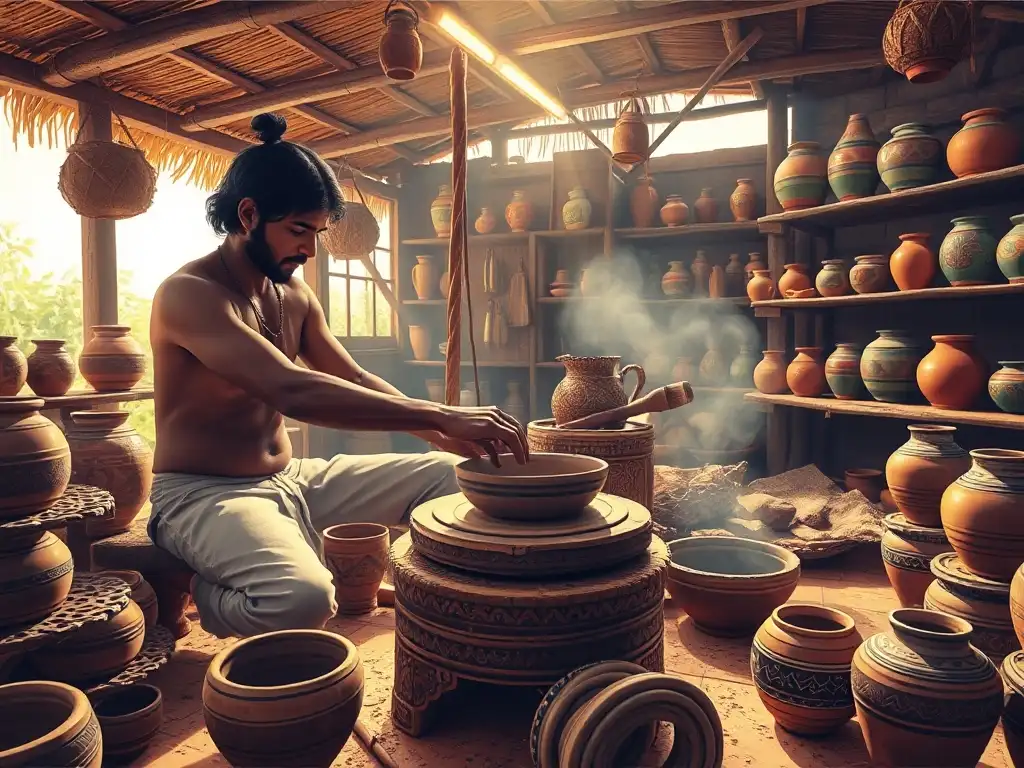
The craft of pottery in ancient India was supported by a variety of traditional tools and equipment, each designed to enhance the efficiency and quality of the pottery-making process. Understanding these tools offers insight into the craftsmanship and labor systems of the time.
- Potter's Wheel:
- Description: A circular platform rotated by hand or foot, allowing potters to shape clay into symmetrical forms.
- Significance: The introduction of the potter's wheel revolutionized pottery production, enabling the creation of uniformly shaped vessels and improving efficiency.
- Hand Tools:
- Types: Various hand tools, such as paddles, scrapers, and knives, were employed for shaping and decorating pottery.
- Significance: These tools allowed for intricate designs and textures, highlighting the artistic capabilities of ancient potters.
- Firing Equipment:
- Types: Kilns made from clay or mud were used to fire pottery at high temperatures, ensuring durability and strength.
- Significance: The development of efficient firing techniques was crucial for the advancement of pottery, influencing the types of glazes and finishes achievable.
- Modeling Tools:
- Description: Tools such as molds and stamps were used to create specific shapes and patterns.
- Significance: These tools facilitated mass production and the replication of designs, which was vital for trade and cultural exchange.
The careful selection of tools and materials not only reflects the technical skills of ancient Indian potters but also their deep understanding of the properties of clay and the firing process. This knowledge was integral to the evolution of ancient Indian pottery techniques, fostering a rich tradition that continues to influence pottery practices today.
Ancient Indian Pottery Techniques
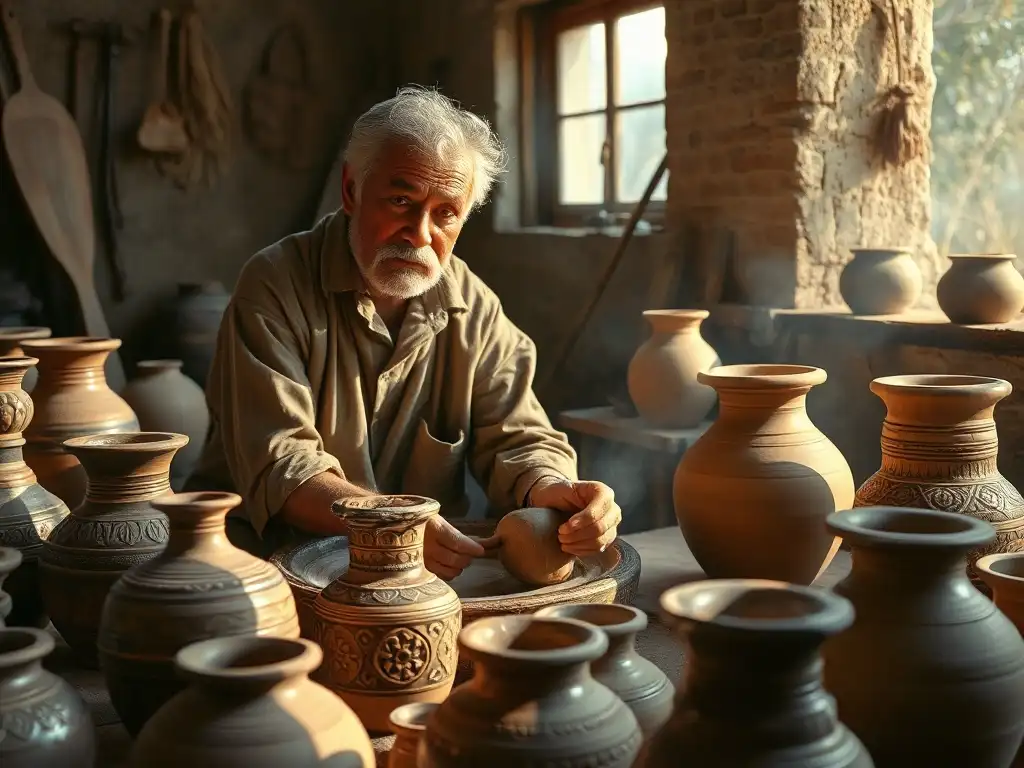
The craft of pottery in ancient India is a testament to the ingenuity and creativity of its potters, who developed a variety of techniques over millennia. These techniques not only reflect the artistic expression of the time but also serve practical purposes in daily life. The ancient Indian pottery techniques can be broadly categorized into hand-building methods, wheel-throwing techniques, and various firing methods, each contributing to the evolution of pottery as a vital craft in ancient civilizations.
Hand-Building Methods in Ancient Pottery
Hand-building is one of the oldest pottery techniques, predating the use of the potter's wheel. This method involves shaping clay into desired forms using the hands and simple tools, enabling potters to create unique and personalized pieces. Here are some notable hand-building techniques used by ancient Indian potters:
- Pinching: This technique involves pinching the clay into shape, allowing for the creation of small bowls or vessels. It is an intuitive method that requires minimal tools, making it accessible for early potters.
- Coiling: Coiling involves rolling out clay into long strips and stacking them to form the walls of a pot. This method allows for greater height and complexity in the design. Coiled pots often showcase intricate patterns and textures.
- Slab Construction: In this technique, flat slabs of clay are cut and joined together to create various shapes. This method is particularly effective for making rectangular or angular forms, which were popular in ancient architectural designs.
The hand-building methods utilized by ancient Indian potters were not merely functional; they also allowed for significant artistic expression, reflecting the culture and beliefs of the time.
Wheel-Throwing Techniques and Their Development
The introduction of the potter's wheel revolutionized pottery-making in ancient India. Initially appearing around 3000 BCE in the Indus Valley Civilization, the wheel allowed for more uniform and symmetrical pottery forms. The development of wheel-throwing techniques can be summarized as follows:
- Early Wheel Techniques: The earliest wheels were likely simple, slow-turning devices that enabled potters to shape clay more efficiently. These early techniques resulted in the production of basic utilitarian wares.
- Advancements in Wheel Design: Over time, potters developed faster, more efficient wheels, which allowed for intricate designs and larger vessels. By the time of the Maurya and Gupta Empires, wheel-thrown pottery became a standard, reflecting advancements in technology and craftsmanship.
- Decoration Techniques: Wheel-throwing facilitated the application of decorative elements, including slip painting and incising patterns into the clay. This not only enhanced the aesthetic appeal but also indicated social and cultural significance.
The use of wheel-throwing techniques marked a significant evolution in ancient Indian pottery, contributing to the proliferation of diverse forms and styles across different regions.
Firing Techniques: Pit Firing vs. Kiln Firing
Firing is a crucial process in pottery-making, determining the strength and durability of the final product. Ancient Indian potters employed various firing techniques, each with distinct outcomes:
- Pit Firing: This ancient method involves placing pottery in a pit filled with combustible materials, such as wood, leaves, and animal dung. The materials are ignited, and the heat from the fire causes the clay to harden. Pit firing often results in a unique surface texture and color variations, as the reduction and oxidation of materials during the process create distinctive effects.
- Kiln Firing: With the advancement of pottery techniques, kilns became increasingly popular. These structures provided a controlled environment for firing, allowing for higher temperatures and more consistent results. Kiln firing enabled potters to create more complex glazes and achieve greater durability.
| Firing Technique | Characteristics | Pros | Cons |
|---|---|---|---|
| Pit Firing | Simple, traditional method using a pit | Unique textures, easy to set up | Less control over temperature |
| Kiln Firing | Advanced method using kilns for controlled firing | Consistent results, high temperatures | More complex setup, requires skill |
Both firing techniques played significant roles in the development of ancient Indian pottery, influencing the styles, durability, and artistic expression of the pottery produced. Understanding these techniques provides valuable insights into the lives and skills of ancient Indian potters and their contributions to the rich tapestry of Indian culture.
Surface Decoration Techniques in Ancient Pottery
Surface decoration played a crucial role in ancient Indian pottery, transforming basic clay vessels into intricate works of art. These techniques not only enhanced the aesthetic appeal of the pottery but also reflected the cultural and social contexts of the time. Various methods were employed across different regions and periods, showcasing the diversity and creativity of ancient potters.
Painting and Slip Decoration
One of the most prominent surface decoration techniques was painting, often done using natural pigments derived from minerals, plants, and ochres. This method allowed artisans to create vibrant and detailed motifs, including geometric patterns, floral designs, and scenes from mythology.
- Slip Decoration: A common technique involved applying a liquid clay mixture, known as slip, onto the surface of the pottery before firing. The slip could be colored and was used to create contrasting designs, enhancing the visual impact of the piece.
Incising and Carving
Incising involved scratching or carving designs into the surface of the pottery. This technique required precision and skill, as potters would use sharp tools to create intricate patterns. The incised lines would often be filled with colored slip to highlight the designs, adding depth and contrast to the overall appearance.
- Carving: More advanced than incising, carving allowed for three-dimensional designs and textures. Potters would remove sections of the clay to create reliefs, often depicting animals, human figures, and mythological narratives.
Stamping and Impressing
Potters also utilized stamps made from various materials, including wood, stone, and metal, to create repetitive patterns and motifs on their pottery. This method was particularly prevalent in the Indus Valley Civilization, where designs were often geometric or floral.
- Impressing: In this technique, potters would press objects into the clay to leave an impression, thereby creating unique textures and designs. These could range from simple patterns to complex symbols, reflecting the potters' cultural identity.
Burnishing and Polishing
To enhance the surface finish of their pottery, ancient artisans employed burnishing techniques. This involved rubbing the surface of the clay with a smooth object, such as a stone or a piece of wood, to create a glossy finish.
- Polishing: Following the firing process, some potters would further polish their ceramic pieces to achieve a high shine, which not only improved aesthetics but also made the pottery more durable and easier to clean.
Glazing Techniques
While glazing became more prominent in later periods, certain ancient Indian potters experimented with primitive glazing techniques. Natural materials such as ash and minerals were used to create a glass-like surface that provided both decoration and functionality.
- Lead Glazes: Some potters in ancient India utilized lead-based glazes, which added vibrant colors and a shiny finish to their wares. These glazes, however, required careful handling due to their toxic properties.
Through these diverse surface decoration techniques, ancient Indian potters not only showcased their artistic skills but also preserved cultural narratives and traditions. Each method told a story of the society's values, beliefs, and daily life, making ancient pottery a vital source of historical insight.
Cultural Significance of Pottery
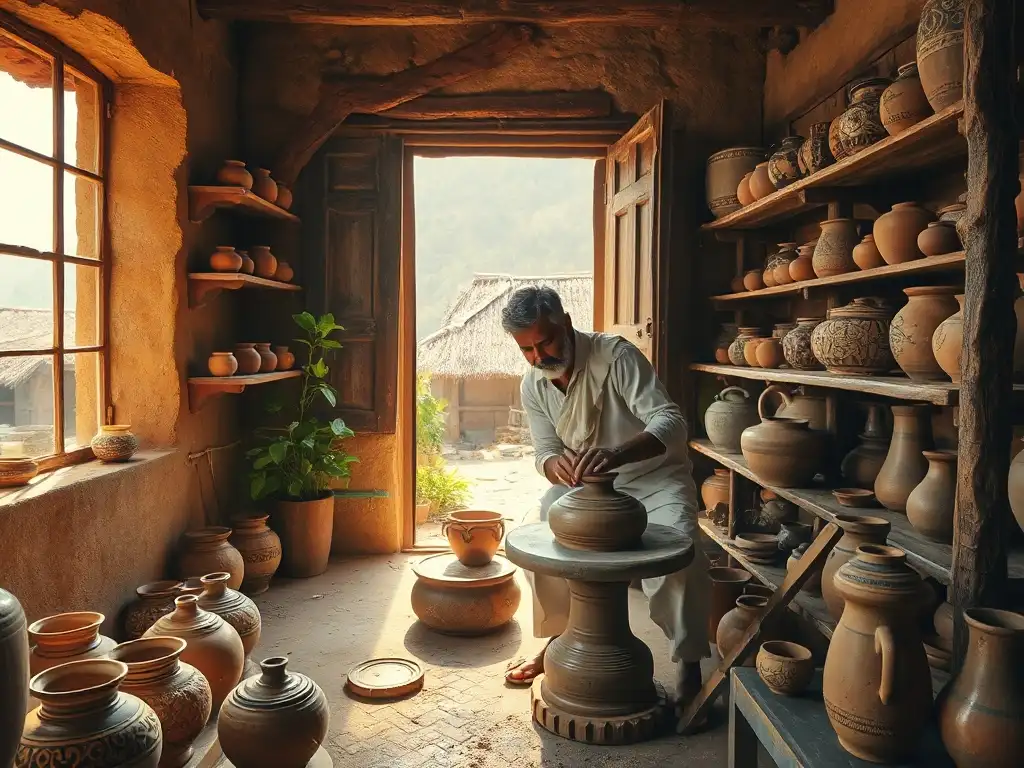
Pottery as a Reflection of Daily Life in Ancient India
Pottery in ancient India serves as a significant lens through which we can understand the daily lives of its people. The artifacts discovered from various archaeological sites, including the Indus Valley Civilization, provide insights into the domestic routines, social structures, and cultural practices of ancient Indian societies.
Everyday Utility
- Functional Items: The primary purpose of pottery was utilitarian. Vessels were crafted for cooking, storage, and serving food. Common items included:
- Cooking pots
- Storage jars for grains and liquids
- Plates and bowls for serving meals
- Design and Decoration: Pottery styles varied by region and period, showcasing distinct techniques such as:
- Hand-building
- Wheel-throwing
- Painting and glazing techniques
- The use of natural pigments for decorative motifs, which often depicted local flora and fauna.
These everyday items were not merely functional; they were also a reflection of the artistic expression and aesthetic values of the time.
Religious and Ceremonial Uses of Pottery
Pottery also played a crucial role in the religious and ceremonial aspects of ancient Indian life. Specific vessels and figurines were integral to various rituals and beliefs.
Ritualistic Pottery
- Sacrificial Vessels: During religious ceremonies, potters crafted special vessels used in rituals, such as:
- Offerings to deities
- Containers for sacred water
- Figurines and Icons: Terracotta figurines representing deities were common and used in worship practices. These figurines often held symbolic meanings and were integral to the spiritual life of the community.
Symbolism and Beliefs
- Cultural Identity: The designs and forms of ceremonial pottery often conveyed deeper meanings related to societal beliefs and practices. For instance:
- The presence of specific motifs could signify fertility, abundance, or protection.
- Certain pottery forms were reserved for specific festivals or rites, highlighting the intersection of daily life and spirituality.
The Role of Pottery in Trade and Economy
The craft of pottery was not only vital for personal use but also played a pivotal role in the economy and trade networks of ancient India.
Economic Contributions
- Local and Regional Trade: Pottery was a significant commodity in local markets, facilitating trade between neighboring communities. The exchange of pottery items often included:
- Decorative pieces
- Functional vessels that were in demand due to their practicality
- Craft Specialization: The rise of specialized potters led to advancements in techniques and designs, which enhanced the quality and variety of pottery available. This specialization contributed to the economy by:
- Creating a profession centered around pottery-making.
- Supporting ancillary industries, such as clay sourcing and pigment production.
Cross-Cultural Exchange
- Influence of Trade Routes: Trade routes facilitated cultural exchanges, leading to the incorporation of foreign elements into local pottery styles. For example:
- The influence of Persian pottery techniques can be seen in later Indian ceramics.
- The trade of pottery items with regions like Southeast Asia helped to spread Indian motifs and designs.
Ancient Indian pottery techniques were not merely about the craft but encapsulated the essence of daily life, spirituality, and economic interactions, thus embodying the rich tapestry of ancient Indian civilization.
The Lives of Ancient Indian Potters
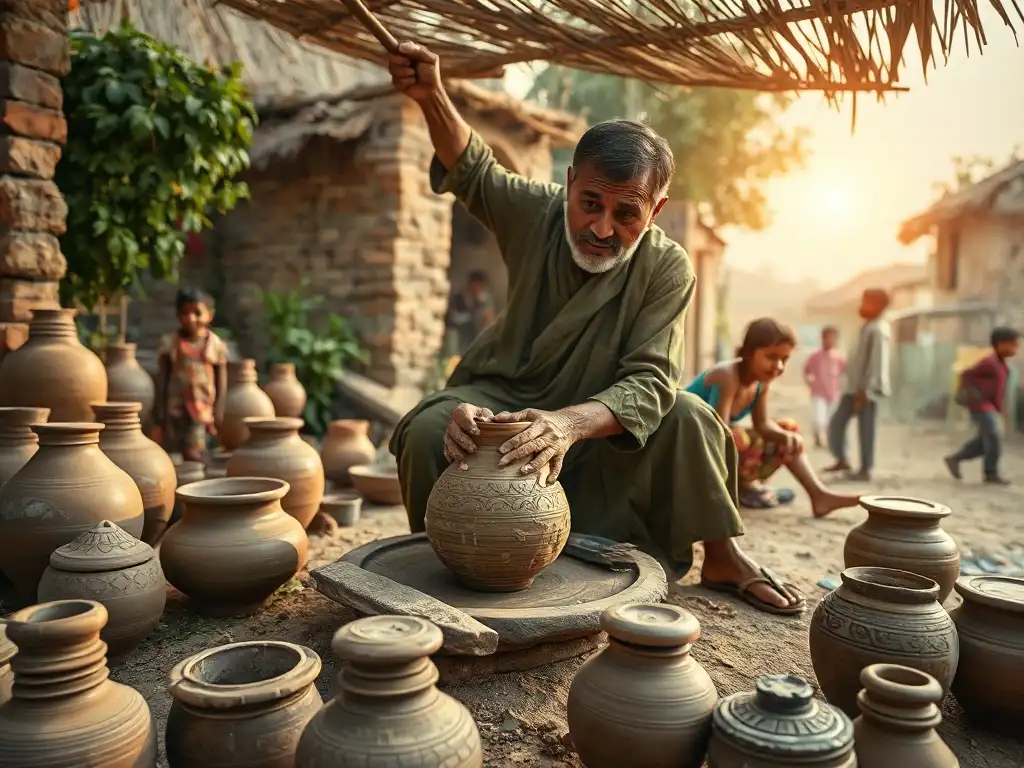
In ancient Indian society, potters occupied a unique social status that was intertwined with both their craftsmanship and the economic framework of their communities. Pottery was not merely a craft; it was essential for daily life, serving functional purposes in households, temples, and trade. The social perception of potters varied across different regions and historical periods, but several common themes can be identified.
- Caste System: Potters were often associated with specific castes, such as the Kumbhakar in northern India. This association provided them with a defined social role, but it also limited their mobility and opportunities within the broader societal structure.
- Economic Importance: Despite their lower status in the caste hierarchy, potters held significant economic value. Their products—ranging from cooking vessels to ceremonial items—were in high demand, making them integral to local economies.
- Cultural Recognition: In many communities, potters were respected for their skills and creativity. They often participated in local festivals and rituals, highlighting their contributions beyond mere economic roles. For instance, pottery was used in religious ceremonies, elevating their status during such events.
Overall, the social status of potters in ancient India was multifaceted, reflecting both their economic contributions and the rigidities of the caste system.
Training and Apprenticeship in Pottery Craft
Training to become a potter in ancient India was a meticulous process that involved both formal and informal education systems. Young aspirants typically entered into apprenticeship under experienced potters, ensuring the transfer of traditional knowledge and techniques.
- Family Traditions: Pottery skills were often passed down through generations. Families specializing in pottery would train their children from a young age, teaching them the nuances of clay preparation, wheel throwing, and decoration.
- Hands-On Learning: Apprentices learned through observation and practice. They started with basic tasks, such as collecting clay and preparing the workspace, gradually progressing to more complex techniques like glazing and firing.
- Cultural Transmission: The training process was not just about mastering techniques; it also included learning the cultural significance of pottery. Apprentices were educated about the symbolism behind various designs and the role of pottery in religious and social contexts.
This comprehensive training ensured that ancient Indian pottery techniques were preserved and evolved over time, reflecting the rich cultural heritage of the civilizations.
Community and Collaborative Practices Among Potters
The craft of pottery in ancient India was often a communal activity, with potters collaborating within their communities to enhance their skills and share resources. This collaborative spirit contributed to the development of sophisticated pottery techniques and styles.
- Shared Resources: Potters frequently pooled resources, such as kilns and tools, to reduce individual costs and increase production efficiency. This practice fostered a sense of community and collective identity among craftsmen.
- Festivals and Markets: Community events, such as local fairs and festivals, served as platforms for potters to showcase their work. These gatherings not only provided economic opportunities but also strengthened social ties among potters.
- Innovation through Collaboration: Interactions with other artisans, such as weavers or metalworkers, often led to innovative pottery designs and techniques. The exchange of ideas facilitated the evolution of ancient Indian pottery, integrating various artistic influences.
The lives of ancient Indian potters were marked by a profound connection to their communities, reflecting both the collaborative nature of their work and the cultural significance of their craft. This rich tapestry of social, economic, and cultural factors contributed to the enduring legacy of ancient Indian pottery techniques.
Conclusion: The Legacy of Ancient Indian Pottery
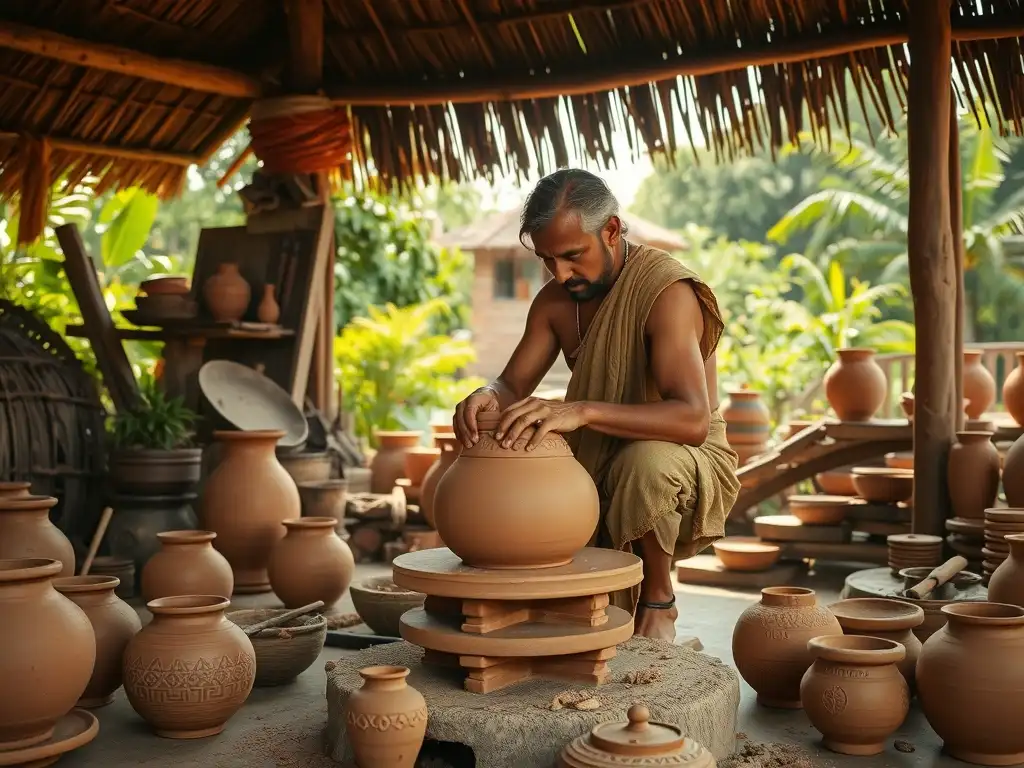
The legacy of ancient Indian pottery is a testament to the ingenuity and creativity of early civilizations. Pottery in ancient India was not merely a means of crafting functional vessels; it served as a reflection of the social, economic, and artistic expressions of the time. From the intricate designs of the Indus Valley Civilization to the utilitarian forms of later periods, ancient pottery techniques reveal much about the lives of those who created them.
The use of locally sourced materials, such as clay and minerals, highlights the relationship between ancient potters and their environment. Techniques such as coiling, pinching, and slab construction were not only methods of shaping clay but also a way of connecting with the land. Each piece of pottery tells a story, encapsulating the cultural values, beliefs, and daily activities of ancient societies. The evolution of these techniques over time informs us about trade, migration, and technological advancements, showcasing the adaptability and resilience of ancient Indian potters.
The Influence of Ancient Pottery Techniques on Modern Crafts
Ancient Indian pottery techniques have had a lasting influence on modern crafts, inspiring artisans and pottery enthusiasts around the world. Many contemporary potters draw from traditional methods, incorporating ancient techniques into their work.
- Traditional Techniques: Techniques such as wheel-throwing, glazing, and hand-building are still prevalent today. Modern potters often experiment with these methods, adding personal touches while respecting historical practices.
- Cultural Significance: The motifs and designs found in ancient pottery often find their way into modern creations, serving as a bridge between past and present. For instance, the geometric patterns and naturalistic depictions seen in ancient pieces can be observed in the works of contemporary artisans, who aim to honor their cultural heritage.
- Sustainability: The emphasis on using local materials and traditional firing methods in ancient pottery aligns with contemporary movements focused on sustainability and eco-friendly practices. This connection has sparked a renewed interest in crafting pottery that is not only beautiful but also environmentally responsible.
The enduring impact of these ancient techniques is evident in various craft fairs and exhibitions, where traditional pottery is celebrated and preserved.
Preserving the Art of Pottery in Contemporary India
Efforts to preserve the art of pottery in contemporary India are essential for maintaining this rich cultural heritage. Various initiatives aim to support artisans and ensure that traditional techniques are passed down through generations.
- Artisan Cooperatives: Many regions in India have established cooperatives that empower local potters by providing them with resources, training, and access to markets. This collaboration fosters a sense of community and encourages the sharing of knowledge and skills.
- Workshops and Educational Programs: Institutions and organizations are conducting workshops and educational programs to teach traditional pottery techniques to younger generations. By engaging youth in pottery-making, these initiatives help cultivate an appreciation for their cultural heritage.
- Cultural Festivals: Celebrations and festivals dedicated to pottery provide platforms for artisans to showcase their work, share stories, and connect with consumers. These events not only promote the craft but also highlight the significance of pottery in local culture.
Through these efforts, the art of pottery in contemporary India continues to thrive, ensuring that the skills, techniques, and stories of ancient Indian potters remain alive for future generations to appreciate and learn from. The intersection of tradition and modernity in pottery serves as a reminder of the rich legacy that ancient Indian civilizations have left behind.
Further Reading and Resources
Recommended Books on Ancient Indian Pottery
-
"The Pottery of Ancient India" by John Marshall
This comprehensive work delves into the various pottery styles that flourished across ancient Indian civilizations. Marshall's detailed analysis provides insights into the socio-economic contexts that influenced pottery production.
-
"Indian Pottery: A Historical Perspective" by Ramesh Chandra
Chandra's book takes a chronological approach, exploring the evolution of pottery from the Indus Valley Civilization through to the Gupta Empire. The book highlights significant archaeological findings and their implications for understanding ancient Indian life.
-
"Crafting the Past: Pottery Techniques of Ancient India" by Sita Devi
This title focuses specifically on the techniques used in ancient pottery-making, including the tools, materials, and methods that potters employed. Devi's exploration offers a hands-on perspective for those interested in the craft.
-
"The Art of Indian Pottery" by Vikas Sharma
Sharma examines the artistic expressions found in ancient Indian pottery and how cultural influences shaped design choices. The book is rich with illustrations that highlight the craftsmanship of ancient potters.
-
"Traditions of Indian Pottery" by Priya Mehta
Mehta takes readers through the legacy of traditional pottery techniques that have persisted through the ages, linking them to contemporary practices. This book serves as an excellent resource for understanding the continuity of these techniques.
Online Resources for Learning More About Ancient Indian Pottery Techniques
-
Digital Library of India
A treasure trove of historical documents, books, and articles related to ancient Indian pottery. The collection is vast and includes many primary sources that can enhance your understanding of pottery techniques used throughout history.
-
Archaeological Survey of India (ASI) Website
The ASI's website features a section on ancient crafts, including pottery. It provides information about excavations, findings, and research papers that focus on pottery techniques and their cultural significance.
-
YouTube Channels on Archaeology and Ancient Crafts
Channels like "Ancient Crafts" and "Heritage India" often feature documentaries and tutorials on traditional pottery techniques. These videos can provide a visual understanding of the process, showcasing the tools and methods used by ancient potters.
-
Online Courses on Indian Art and Craft
Platforms such as Coursera and Udemy occasionally offer courses focused on Indian art, including pottery. These courses often include modules that explore ancient techniques and their relevance in today’s context.
-
Blogs and Forums on Craftsmanship
Websites like "Crafts of India" and forums such as "Pottery Heads" are excellent places to engage with enthusiasts and experts in the field. They often discuss ancient techniques and provide tutorials on how to replicate them.
By utilizing these resources, readers can deepen their understanding of ancient Indian pottery techniques, enhancing their appreciation for this vital aspect of India's rich cultural heritage.
Frequently Asked Questions
What were the primary pottery techniques used in ancient India?
Ancient Indian pottery techniques included hand-building, wheel-throwing, and slip-casting. These methods allowed artisans to create diverse shapes and designs, reflecting their cultural practices.
How did the Indus Valley civilization influence pottery?
The Indus Valley civilization is renowned for its innovative pottery, characterized by glazed ceramics and intricate designs. Their techniques laid the foundation for future Indian pottery traditions.
What materials were commonly used in ancient Indian pottery?
Ancient Indian potters primarily used natural clay, often mixed with temper like sand or straw to enhance durability. These materials were region-specific, impacting the pottery's texture and color.
How did ancient Indian pottery reflect cultural practices?
Pottery served not just functional purposes but also played a role in rituals and celebrations. Decorative elements often depicted mythological themes, showcasing the spiritual beliefs of the time.
What is the significance of the Gupta Empire in pottery history?
During the Gupta Empire, pottery reached new artistic heights with the introduction of fine painted wares. This period is celebrated for its vibrant colors and detailed motifs, reflecting a flourishing cultural renaissance.
Final Reflection: The Timeless Art of Ancient Indian Pottery
The exploration of ancient Indian pottery techniques reveals not only the craftsmanship of the past but also their enduring relevance in today's world. As we navigate an era increasingly defined by mass production and digital creation, the intricate methods and cultural significance embedded in ancient pottery remind us of the value of tradition and the stories that shape our identities. The artistry of these potters transcends time, urging us to reconnect with our roots and appreciate the beauty of handmade creations.
Cultural heritage is a living testament to the ingenuity and resilience of our ancestors. The techniques employed by ancient Indian potters were not merely functional; they were expressions of community, spirituality, and identity. As we witness a resurgence of interest in artisanal crafts, we recognize that these age-old practices continue to influence contemporary art and design. Art is not a thing; it is a way.
– Elbert Hubbard. This quote encapsulates the essence of pottery as a practice that fosters connection and creativity, bridging the gap between past and present.
As we reflect on the lessons learned from the lives of ancient Indian potters, let us embrace the opportunity to cultivate our own creativity and appreciation for craftsmanship. I invite you to explore the world of pottery, whether through creating your own pieces or supporting local artisans. In doing so, you not only honor the legacy of those who came before us but also contribute to a vibrant tapestry of cultural expression that will inspire future generations. Embrace the art of pottery, and let it enrich your life with its timeless beauty and significance.
Unveil Your Inner Potter and Create!
Thank you for diving into the fascinating world of ancient Indian potters with us! We hope you discovered the rich history and craftsmanship that shaped this incredible art form. Now, it’s time to take your inspiration and turn it into action.
Here are some meaningful ways to connect with the art of pottery and further explore this ancient craft:
- Start your pottery journey by enrolling in a local pottery class or workshop to gain hands-on experience and meet fellow enthusiasts.
- Visit a museum or gallery that showcases ancient pottery to appreciate the intricate designs and techniques up close.
- Share your newfound passion by hosting a pottery-themed gathering with friends or family, where everyone can create their own pieces while discussing the rich history you’ve learned.
What unique pottery creations would you love to try making, and how do you envision the stories of ancient potters influencing your artistic journey?