
Seasonal Eating in Ancient India: Embracing Nature's Bounty

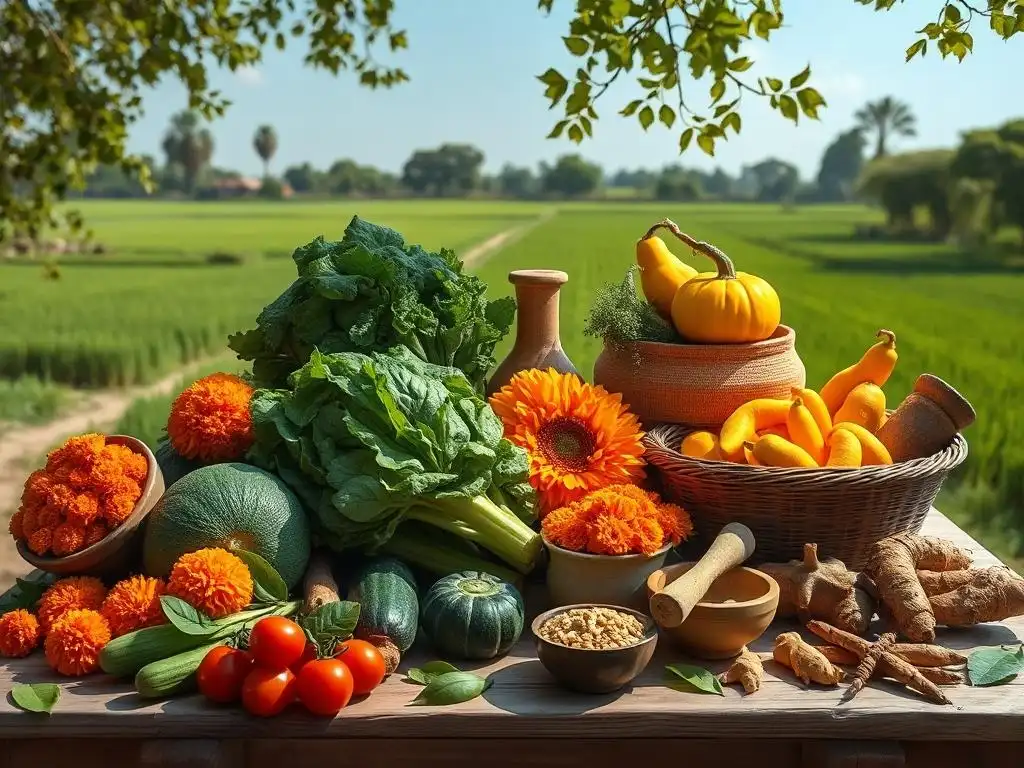
Welcome to Ancient India History, where we invite you to embark on a fascinating journey through the vibrant tapestry of ancient Indian civilizations. Here, we delve into the intricate seasonal eating practices of ancient India, revealing how these traditions not only nourished the body but also harmonized communities with the rhythms of nature.
As you explore our latest article, "Seasonal Eating in Ancient India: Embracing Nature's Bounty," prepare to uncover the wisdom and culinary artistry that have shaped Indian cuisine throughout the ages. Join us as we unravel the secrets of a culture deeply connected to the land and its cycles, and let your curiosity guide you to discover more about the profound impact of these age-old practices.

Introduction to Seasonal Eating Practices in Ancient India
Seasonal eating practices in ancient India reflect a profound connection between the people and their environment, showcasing how the cycles of nature influenced dietary habits. This relationship was not merely a matter of preference; it was a way of life deeply ingrained in the cultural fabric of Indian civilization.
Ancient Indians understood the importance of consuming foods that were in harmony with the seasons, optimizing nutrition, and maintaining overall health. The diverse geography of the Indian subcontinent, ranging from the fertile plains of the Indus Valley to the high-altitude regions of the Himalayas, provided a wide array of seasonal produce, which played a vital role in shaping local cuisines.
The concept of seasonal eating encompassed more than just the selection of ingredients; it was intertwined with agricultural practices, religious rituals, and traditional medicine. Ancient texts, such as the Ayurveda, emphasize the significance of consuming seasonal foods to maintain balance within the body and promote wellness. This approach not only contributed to the sustenance of communities but also fostered a sense of respect for nature’s cycles, further embedding the practice into the societal norms of ancient India.
In this article, we will explore the various aspects of seasonal eating practices in ancient India, tracing their historical roots and examining how these traditions have evolved over time. We will also delve into the specific foods associated with each season, their nutritional benefits, and the cultural significance behind them, revealing how ancient Indians embraced nature’s bounty throughout the year.
Historical Context of Seasonal Eating in Ancient India
The historical context of seasonal eating in ancient India can be traced back to the Indus Valley Civilization (c. 3300–1300 BCE), where evidence of advanced agricultural practices has been unearthed. The people of this civilization cultivated various crops, including wheat, barley, and legumes, aligning their agricultural cycles with the monsoon rains and seasonal changes. This early understanding of agriculture laid the foundation for a rich tradition of seasonal eating practices.
As Indian civilization evolved, so did the intricacies of its food culture. The Vedic period (c. 1500–500 BCE) introduced concepts of dietary laws and rituals tied to seasonal cycles. Texts such as the Rigveda and Atharvaveda contain references to seasonal foods, highlighting the significance of consuming fresh and locally sourced ingredients. During this era, the connection between food and spirituality emerged, as certain foods were deemed sacred and were offered to deities during seasonal festivals.
The subsequent rise of the Maurya and Gupta Empires (c. 322 BCE–550 CE) further enriched the culinary landscape of ancient India. The flourishing of trade routes facilitated the exchange of spices, herbs, and other food items across regions, encouraging the incorporation of diverse seasonal ingredients into local cuisines. This period also saw the documentation of various cooking techniques and recipes that emphasized seasonal produce, which were preserved in texts such as the Manasollasa and Narayana’s Cookbook.
Seasonal eating practices in ancient India were deeply rooted in the agricultural rhythms of the land, influenced by cultural, religious, and historical factors. These practices not only nourished the body but also fostered a profound respect for nature, allowing ancient Indians to thrive in harmony with their environment. As we continue to explore this fascinating topic, we will uncover the specific seasonal foods that defined ancient Indian diets and their enduring legacy in contemporary culinary traditions.
Core Principles of Seasonal Eating Practices in Ancient India
Seasonal eating practices in ancient India were deeply intertwined with the environment and the agricultural cycles prevalent in various regions. The core principles emphasized a harmonious relationship with nature, ensuring that diets were composed of foods that were naturally available during different times of the year. This approach not only supported local agriculture but also promoted sustainability, as communities relied on what was abundant and fresh, minimizing waste and the need for long-distance transportation of food.
The philosophy of seasonal eating also encompassed the understanding of how different foods could affect the body according to the seasons. Ancient texts and traditions highlighted the importance of consuming certain types of foods that aligned with climatic conditions, promoting balance and well-being. This holistic view of nutrition recognized the interplay between food, health, and the environment, reinforcing the idea that what we eat should reflect the rhythms of nature.
1. Connection to Nature and the Environment
The connection to nature in ancient Indian seasonal eating practices was profound. Farmers, for instance, planned their agricultural cycles around the monsoon seasons, ensuring that crops were planted and harvested at optimal times. This practice not only provided nourishment but also allowed communities to celebrate the bounty of the earth through festivals and rituals that honored nature's cycles.
Moreover, ancient scriptures, such as the Vedas and Ayurveda, stressed the significance of aligning one’s diet with environmental conditions. Foods were categorized based on their cooling or heating effects, which were believed to influence one's health and energy levels. This connection fostered a deep respect for the natural world, encouraging people to live in harmony with their surroundings and appreciate the seasonal changes.
2. Nutritional Benefits of Seasonal Foods
The nutritional benefits of consuming seasonal foods in ancient India were well understood. Foods harvested at their peak ripeness were not only fresher but also more nutrient-dense, providing essential vitamins and minerals necessary for maintaining health. For example, fruits and vegetables available in summer, such as cucumbers and watermelons, offered hydration and cooling properties, crucial for combating heat.
Additionally, the practice of seasonal eating supported digestive health. Many ancient texts advised consuming local foods that resonated with the body's needs during different seasons. For instance, during winter, heavier and warming foods like lentils and root vegetables were preferred to provide warmth and energy. This understanding of nutrition allowed ancient Indians to effectively nourish their bodies in accordance with environmental demands.
Traditional Seasonal Foods in Ancient India
Traditional seasonal foods in ancient India were diverse and varied significantly across regions, reflecting local agricultural practices and climatic conditions. Each season brought a unique array of ingredients, flavors, and culinary traditions that were celebrated through various cultural practices.
1. Spring: The Season of Renewal
Spring, known as "Vasant," was a time of renewal and rejuvenation, marked by an abundance of fresh produce. Foods such as green leafy vegetables, sprouts, and various lentils were commonly consumed. The vibrant colors of spring vegetables symbolized new beginnings, and dishes like "Pulao" made with fresh peas and herbs were popular. Festivals such as Holi celebrated the arrival of spring with colorful foods and sweets, emphasizing the joy and vitality of the season.
2. Summer: Embracing Cooling Foods
Summer brought the need for cooling foods to combat the heat. Ingredients like yogurt, cucumbers, and mint were staples in many households. Dishes such as "Raita" (yogurt-based side dish) and refreshing salads became essential to maintain hydration and balance in the body. Seasonal fruits like mangoes and watermelons not only provided respite from the heat but also served as natural desserts, celebrated during festivals like "Mango Mela."
3. Monsoon: Celebrating Rainy Season Flavors
The monsoon season, characterized by heavy rainfall, introduced a different culinary landscape. This period saw the emergence of comfort foods that were warm and hearty. Dishes made from grains like rice and millet, along with legumes, were popular. Snacks like "Pakoras" (fried fritters) paired with chai became a monsoon staple, enjoyed while listening to the soothing sounds of rain. The season was also a time for gathering and sharing meals, reinforcing community bonds.
4. Winter: Hearty and Warming Fare
As temperatures dropped in winter, ancient Indian cuisine shifted towards heavier, warming foods. Ingredients such as sesame seeds, jaggery, and nuts were commonly used in preparations to provide warmth and energy. Traditional dishes like "Gulab Jamun" (sweet dumplings) and "Ladoo" made from besan (gram flour) became popular. The emphasis during winter was on nourishing the body to withstand the cold, making the seasonal foods not only comforting but also essential for health.
Seasonal Eating Practices and Their Cultural Significance

Seasonal eating practices in ancient India were deeply intertwined with the cycles of nature, agriculture, and the rich tapestry of cultural traditions. These practices not only reflected the availability of local produce but also highlighted the spiritual and communal aspects of food consumption. Ancient texts and scriptures often emphasized eating foods that aligned with the seasons, as it was believed to promote health, balance, and harmony with the environment. Such practices fostered a strong bond between the people and their land, encouraging them to respect and celebrate the bounty provided by nature throughout the year.
The concept of seasonal eating in ancient India was rooted in the idea of sattva—the quality of purity and harmony. Foods consumed during different seasons were thought to influence one's physical and mental well-being. For example, lighter foods were preferred in summer to combat heat, while richer, warming foods were favored during winter. This awareness of seasonal changes impacted not just personal health but also communal festivities and rituals, reinforcing the connection between food, culture, and the environment.
1. Festivals and Food Rituals
Festivals in ancient India were often linked to the agricultural calendar and seasonal changes, with distinct food rituals associated with each celebration. For instance, during Makar Sankranti, which marks the harvest of winter crops, families would prepare dishes made from fresh produce like sesame seeds and jaggery. This festival celebrated the sun's transition into the zodiac sign of Capricorn, symbolizing longer days and the start of the harvest season.
Similarly, Onam, a harvest festival in Kerala, features an elaborate feast known as Onam Sadhya, showcasing a variety of seasonal vegetables and rice. Each dish prepared during these festivals was not just for sustenance but also had cultural significance, often symbolizing prosperity, gratitude, and the cycles of nature. These rituals helped to instill a sense of community, as families and neighbors came together to share meals, thereby reinforcing social ties.
2. Folklore and Seasonal Foods
Folklore in ancient India often reflected the relationship between seasonal changes and food availability, intertwining stories with the natural world. Many traditional tales highlight specific seasonal foods, attributing them with medicinal properties or divine significance. For instance, the arrival of mango season is celebrated in numerous folk tales, with the fruit symbolizing joy and abundance.
Moreover, certain foods were believed to be associated with specific deities or rituals. For example, during Navratri, a festival dedicated to the goddess Durga, specific seasonal foods are prepared, such as kuttu (buckwheat) and singhara (water chestnut), which were believed to purify the body and spirit during fasting. These stories and traditions emphasized the importance of seasonal foods in maintaining cultural identity and continuity across generations.
Modern Relevance of Ancient Seasonal Eating Practices
In today's fast-paced world, the ancient practice of seasonal eating is gaining renewed attention for its numerous benefits, both for health and sustainability. As society becomes increasingly aware of the environmental impact of food production and consumption, the wisdom of ancient seasonal eating practices resonates more than ever.
1. Reviving Ancient Trends in Today's Diet
Many health-conscious individuals and communities are revisiting the concept of seasonal eating, inspired by ancient practices. By choosing foods that are locally sourced and in season, people are not only enjoying fresher and more flavorful produce but also reducing their carbon footprint. Farmers' markets and community-supported agriculture (CSA) initiatives are becoming popular, encouraging a return to traditional methods of food sourcing that align with nature's cycles.
Moreover, culinary enthusiasts are experimenting with ancient recipes and seasonal ingredients, bridging the gap between traditional Indian cuisine and modern dietary preferences. This revival not only honors ancient practices but also fosters a deeper appreciation for local cultures and their rich culinary heritage.
2. The Benefits of Seasonal Eating Today
The benefits of seasonal eating extend beyond personal health; they also encompass environmental sustainability. Consuming seasonal foods leads to a lower reliance on long-distance transportation, reducing greenhouse gas emissions associated with food transport. Additionally, seasonal produce is often fresher, retaining more nutrients and flavor compared to out-of-season counterparts.
From a health perspective, seasonal foods are typically aligned with the body's needs throughout the year. For example, during the hot summer months, hydrating fruits and vegetables like cucumbers and watermelons are naturally available, helping to maintain hydration and cooling the body. In winter, hearty root vegetables provide warmth and energy, supporting overall health.
Ultimately, by embracing seasonal eating practices rooted in ancient Indian traditions, individuals can cultivate a more holistic approach to nutrition that honors the earth's cycles, fosters community connections, and promotes personal well-being.
Conclusion: Embracing the Legacy of Seasonal Eating in Ancient India
The concept of seasonal eating practices in ancient India is a testament to the profound connection between culture, agriculture, and health. This age-old tradition not only highlights the importance of consuming foods in harmony with nature but also reflects the agricultural cycles that governed life in ancient civilizations. The reliance on seasonal produce ensured that communities thrived, as they consumed the freshest and most nutritious foods available.
By embracing seasonal eating, ancient Indians recognized the natural rhythms of their environment, aligning their diets with the changing seasons. This approach not only optimized health but also promoted sustainability, as it encouraged local farming and reduced the carbon footprint associated with long-distance food transportation. The rich variety of grains, fruits, vegetables, and spices available during different seasons contributed to a diverse diet that enhanced culinary practices and flavor profiles.
Today, the legacy of seasonal eating in ancient India continues to inspire modern dietary practices. As contemporary society grapples with issues of health, sustainability, and climate change, revisiting these ancient traditions offers valuable insights. By prioritizing seasonal foods, individuals can cultivate a deeper appreciation for local agriculture, support their health, and contribute to environmental stewardship.
Embracing the legacy of seasonal eating practices in ancient India serves as a bridge connecting us to our past while guiding us towards a healthier and more sustainable future. By understanding the historical significance and benefits of this practice, we can foster a renewed commitment to honoring nature's bounty.
References and Further Reading on Seasonal Eating Practices in Ancient India
- Kumar, R. (2017). Ancient Indian Diets: A Historical Perspective. Journal of Indian Cuisine and Culture.
- Sharma, L. (2019). The Role of Agriculture in Ancient Indian Society. History of Indian Agriculture.
- Verma, A. (2020). Seasonal Foods in Ancient Indian Texts: A Study of Ayurveda and Dietary Practices. International Journal of Ayurvedic Studies.
- Rao, P. (2018). Culinary Traditions and Seasonal Eating in India: A Cultural Heritage. Indian Culinary Journal.
- Patel, S. (2021). Sustainable Eating in Ancient India: Lessons for Modern Times. Environmental Studies Review.
These references provide a comprehensive understanding of seasonal eating practices in ancient India, exploring their significance and impact on health and culture. They serve as a valuable resource for those interested in delving deeper into the rich tapestry of Indian food traditions and their historical context.
- Introduction to Seasonal Eating Practices in Ancient India
- Historical Context of Seasonal Eating in Ancient India
- Core Principles of Seasonal Eating Practices in Ancient India
- Traditional Seasonal Foods in Ancient India
- Seasonal Eating Practices and Their Cultural Significance
- Modern Relevance of Ancient Seasonal Eating Practices
- Conclusion: Embracing the Legacy of Seasonal Eating in Ancient India
- References and Further Reading on Seasonal Eating Practices in Ancient India
Frequently Asked Questions
What are seasonal eating practices in ancient India?
Seasonal eating practices in ancient India involved consuming foods that were in sync with nature's cycles. This approach not only emphasized freshness but also linked diet to climatic conditions.
How did the climate influence diets in ancient India?
The diverse climates across ancient India played a crucial role in shaping local diets. People adapted their eating habits based on the availability of seasonal crops and the requirements of their environment.
What role did festivals play in seasonal eating?
Festivals in ancient India often celebrated seasonal changes and were marked by special dishes made from seasonal ingredients. These celebrations helped reinforce the connection between food and nature.
Were there any medicinal aspects to seasonal eating?
Yes, many ancient texts in India emphasized the health benefits of eating in harmony with the seasons. Certain foods were believed to promote well-being and help the body adapt to seasonal fluctuations.
How can we apply ancient seasonal eating practices today?
To embrace seasonal eating today, individuals can focus on sourcing local and seasonal produce. This not only supports sustainable practices but also connects us to the cultural heritage of ancient India.
Final Reflection: Embracing Nature's Bounty Through Seasonal Eating
Seasonal eating practices in ancient India are not just relics of the past; they resonate profoundly with our contemporary quest for sustainability and health. As we navigate a world increasingly disconnected from nature, the wisdom of our ancestors reminds us of the importance of aligning our diets with the rhythms of the seasons. This connection to the earth is not merely a dietary choice; it is a holistic approach to living that fosters well-being and environmental stewardship.
Cultural traditions surrounding seasonal eating have shaped our identities and communities, influencing everything from agriculture to cuisine. The practices of ancient India underscore a profound respect for nature and its cycles, encouraging us to cultivate a deeper relationship with our food sources. As Mahatma Gandhi once said, "> To forget how to dig the earth and to tend the soil is to forget ourselves." This sentiment captures the essence of seasonal eating, urging us to reconnect with the land and the bounty it provides throughout the year.
As we reflect on the lessons of seasonal eating from ancient India, I invite you to consider how you can integrate these practices into your own life. Embrace the seasonal produce available in your region, support local farmers, and cultivate mindfulness around your food choices. By doing so, you not only nourish your body but also honor the age-old wisdom that teaches us to live in harmony with nature. Let us take this journey together, celebrating the gifts of each season and fostering a sustainable future for generations to come.
Embrace Nature: Take Action for Seasonal Eating Today!
Thank you for exploring the fascinating world of seasonal eating! By understanding how our ancestors harmonized their diets with nature’s rhythms, you’ve unlocked valuable insights for your own life. Now, let’s put this knowledge into action!
Here are a few simple steps to help you embrace seasonal eating:
- Start by visiting your local farmer's market this weekend to discover the fresh produce available. Make a commitment to buy at least one seasonal item!
- Try a new recipe that features seasonal ingredients. Share your culinary adventure on social media to inspire your friends to join in!
- Join a community group focused on sustainable living or seasonal cooking, where you can connect with like-minded individuals who share your passion for nourishing food.
What seasonal ingredients are you most excited to experiment with in your next meal? Share your thoughts, and let’s start a conversation!