
The Influence of Mughal Aesthetics on Today's Fashion Designers

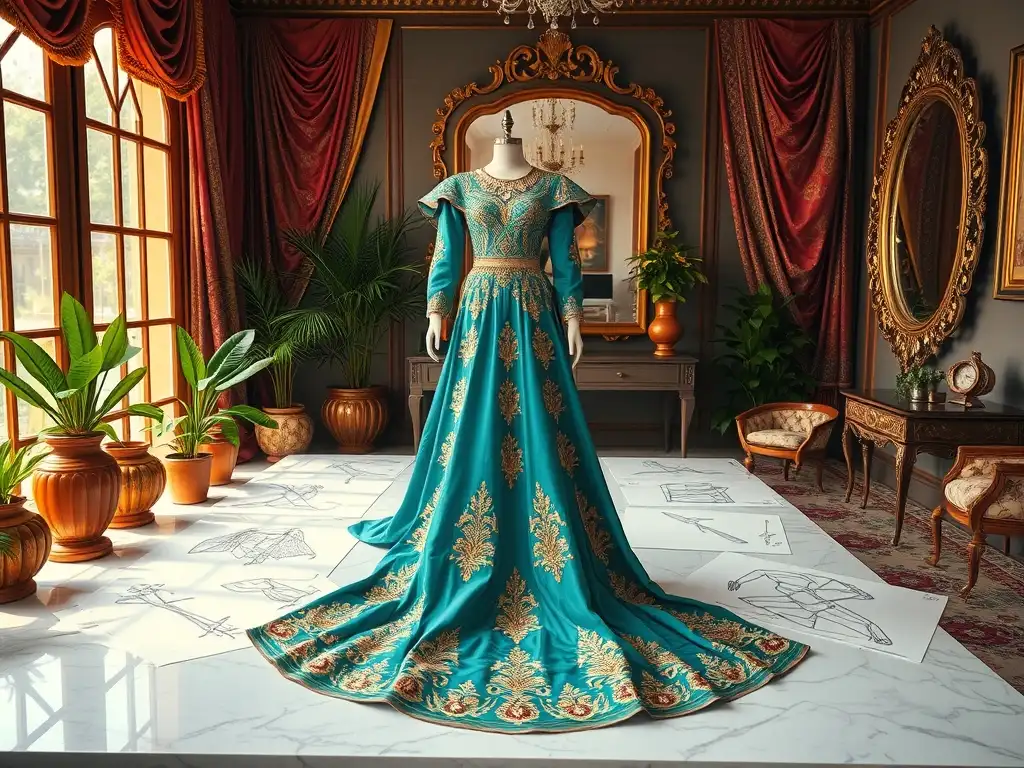
Welcome to Ancient India History, where we embark on a fascinating journey through the vibrant tapestry of India's past! Today, we delve into the captivating influence of Mughal aesthetics on modern fashion designers. Discover how the opulent designs and intricate patterns of the Mughal era continue to inspire contemporary textile artistry. Prepare to be intrigued as we unveil the connections between historical grandeur and today's fashion statements, igniting your curiosity to explore the depth of ancient Indian contributions to the world of style and culture. Join us as we unravel these rich narratives that bridge the past and present!
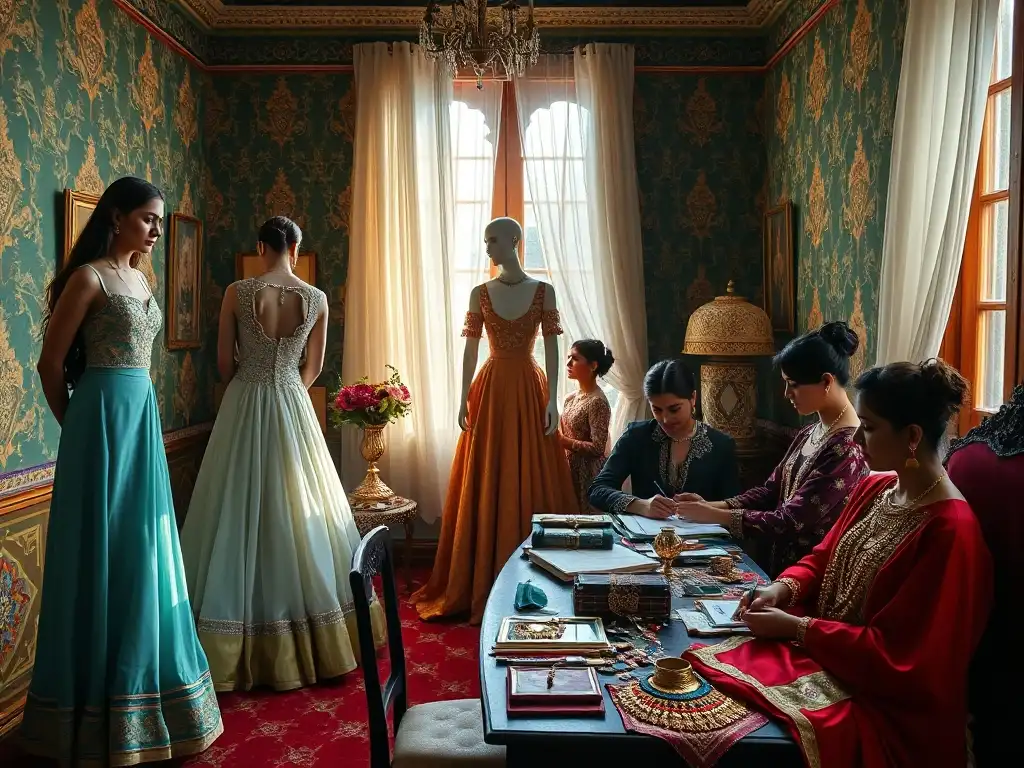
Mughal aesthetics, characterized by their intricate designs, rich colors, and luxurious fabrics, have left an indelible mark on the world of fashion. This influence is particularly evident in contemporary design, where modern fashion designers draw inspiration from the opulent visual language of the Mughal Empire.
From the regal attire of emperors to the stunning architecture of the time, the Mughal era offers a wealth of artistic expressions that resonate deeply within today's fashion landscape. This article explores the enduring legacy of Mughal aesthetics in modern fashion, examining how these historical elements have been adapted and reimagined by contemporary designers to create stunning collections that pay homage to this rich heritage.
Understanding Mughal Aesthetics in Modern Fashion
Definition of Mughal Aesthetics
Mughal aesthetics encompass a unique blend of art, architecture, and textile design that flourished during the Mughal Empire (1526-1857). It is defined by ornate detailing, symmetry, and a celebration of nature and geometric patterns. The influence of Mughal aesthetics in modern fashion is evident in the incorporation of these elements, resulting in garments that reflect both historical significance and contemporary sensibilities.
Historical Context: The Mughal Empire and Its Artistic Influence
The Mughal Empire was a significant period in Indian history, known for its cultural synthesis and artistic achievements. The emperors, particularly Akbar, Jahangir, and Shah Jahan, were patrons of the arts, which led to the development of a distinctive style that blended Persian, Indian, and Islamic elements. This cultural amalgamation resulted in exquisite manuscripts, stunning architecture like the Taj Mahal, and intricate textiles, fostering an artistic heritage that continues to inspire designers today.
Key Elements of Mughal Design in Contemporary Fashion
The modern interpretation of Mughal aesthetics in fashion often involves the revival of traditional techniques and motifs. Designers incorporate intricate embroidery, use of luxurious fabrics, and elements that reflect the grandeur of the Mughal era. These elements are reimagined through innovative silhouettes and contemporary cuts, making them relevant for today's fashion enthusiasts.
Key Features of Mughal Aesthetics in Fashion
Intricate Patterns and Textiles
One of the hallmarks of Mughal aesthetics is the use of complex patterns and rich textiles. Fabrics like silk, brocade, and velvet, often embellished with elaborate designs, are favored by contemporary designers. These textiles not only convey a sense of luxury but also tell a story, capturing the essence of Mughal artistry.
Use of Rich Colors and Fabrics
Mughal fashion is synonymous with bold, rich colors such as deep reds, emerald greens, and royal blues. These hues are often coupled with gold and silver accents, creating a visual feast. Modern designers utilize these vibrant palettes to evoke the opulence of the Mughal era, ensuring that their collections stand out while paying tribute to this historical influence.
Signature Embellishments: Zardozi and Resham Work
Embellishments play a crucial role in Mughal aesthetics, with techniques like zardozi (metal embroidery) and resham (silk thread embroidery) being particularly prominent. These intricate detailing methods have been adapted by contemporary designers to add texture and depth to their garments. The use of such traditional craftsmanship not only enhances the aesthetic appeal but also supports the preservation of these ancient skills in the modern fashion industry.
Through the exploration of these themes, the article will delve deeper into how Mughal aesthetics continue to shape and inspire the world of fashion today.
Major Fashion Designers Inspired by Mughal Aesthetics
Mughal aesthetics have significantly influenced contemporary fashion, particularly among designers who seek to blend traditional Indian craftsmanship with modern sensibilities. The intricate patterns, opulent fabrics, and rich color palettes characteristic of Mughal art and architecture are echoed in various collections today. This revival not only pays homage to a glorious past but also reinvents it for a global audience. Key designers leading this trend include Sabyasachi Mukherjee, Abu Jani Sandeep Khosla, and Anita Dongre, each of whom has created a unique interpretation of Mughal influences that resonate with modern consumers.
Sabyasachi Mukherjee: Reviving Mughal Glamour
Sabyasachi Mukherjee stands out as a pioneer in incorporating Mughal glamour into modern fashion. His designs often reflect the grandeur and richness of Mughal royalty, featuring elaborate embroideries, sumptuous fabrics, and a deep appreciation for traditional craftsmanship.
- Signature Elements: Mukherjee is known for his use of vintage textiles, intricate zardozi work, and bold, jewel-toned color schemes that evoke the opulence of Mughal palaces. His bridal collections, in particular, are infused with Mughal motifs and silhouettes, making them a favorite among contemporary brides seeking a touch of heritage.
- Cultural Narratives: Beyond aesthetics, Mukherjee weaves stories into his collections that celebrate Indian history and culture. His runway shows often feature narratives inspired by Mughal history, showcasing how these elements can be relevant and fashionable in today’s world.
Abu Jani Sandeep Khosla: Fusing Tradition with Modernity
The duo of Abu Jani and Sandeep Khosla has made significant strides in modern fashion by merging traditional Mughal aesthetics with contemporary design principles. Their work is characterized by:
- Innovative Techniques: They employ traditional embroidery techniques and motifs inspired by Mughal art while experimenting with modern silhouettes and cuts. This fusion creates a fresh take on ethnic wear that appeals to a global audience.
- Cinematic Inspirations: Their collections often draw inspiration from Indian cinema, further broadening the reach of Mughal aesthetics. By collaborating with Bollywood stars and creating outfits for films, they successfully blend traditional and modern elements, making their designs recognizable and desirable.
Anita Dongre: Sustainable Fashion with Mughal Influence
Anita Dongre is another notable designer who integrates Mughal aesthetics into her sustainable fashion philosophy. Her approach highlights the importance of environmental consciousness while celebrating traditional craftsmanship.
- Eco-Friendly Practices: Dongre’s commitment to sustainability is reflected in her choice of materials and production processes. She often uses handwoven textiles and natural dyes, drawing from the rich heritage of Indian artisanship rooted in Mughal traditions.
- Cultural Revival: By promoting local craftsmanship, Dongre not only preserves traditional techniques but also empowers artisans. Her collections feature Mughal-inspired motifs and designs that resonate with modern ethical consumers who appreciate fashion with a purpose.
The Impact of Mughal Aesthetics on International Fashion
The influence of Mughal aesthetics is not limited to Indian designers; it has made significant inroads into international fashion as well. This cross-cultural exchange has led to a renewed interest in Mughal-inspired elements on global runways.
Global Fashion Weeks: Showcasing Mughal-Inspired Collections
International fashion weeks have increasingly become platforms for showcasing collections inspired by Mughal aesthetics. Designers from various parts of the world are now incorporating:
- Mughal Patterns and Textiles: The intricate floral patterns, geometric designs, and vibrant color schemes synonymous with Mughal art have found their way into collections presented in major fashion capitals like Paris, Milan, and New York.
- Cultural Fusion: This trend reflects a growing appreciation for cultural diversity in fashion, with designers seeking to blend elements from different traditions, including Mughal influences, to create unique, hybrid styles.
Collaborations between Indian Designers and International Brands
The collaboration between Indian designers and international brands has further amplified the reach of Mughal aesthetics in modern fashion. These partnerships often result in:
- Cultural Exchange: By working together, designers can share their knowledge and expertise, leading to innovative collections that marry Eastern and Western aesthetics.
- Wider Audience Appeal: Collaborations often help introduce Mughal-inspired designs to a broader audience, making these elements more accessible and appreciated in global markets.
Case Study: The Rise of Mughal-Inspired Couture in Europe
One notable case study of Mughal influences in international fashion is the rise of couture collections in Europe that draw inspiration from Mughal art and architecture.
- European Designers: Designers such as Giorgio Armani and Valentino have incorporated Mughal motifs into their collections, showcasing the timeless appeal of these designs. Their creations often feature elaborate embroideries and luxurious fabrics reminiscent of Mughal opulence.
- Market Trends: As consumer interest in diverse cultural influences grows, Mughal-inspired couture has gained popularity, reflecting a broader trend towards multiculturalism in fashion. This indicates a promising future for the continuation and evolution of Mughal aesthetics within international fashion frameworks.
How to Incorporate Mughal Aesthetics in Your Wardrobe
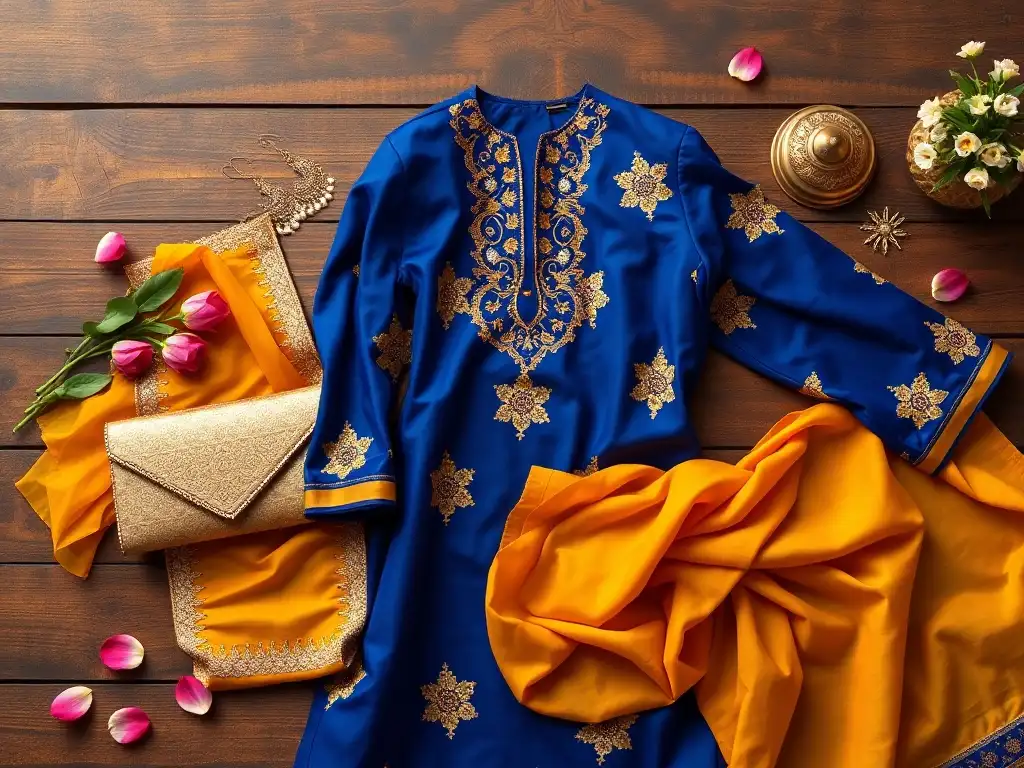
Incorporating Mughal aesthetics into your wardrobe is a delightful way to embrace the grandeur and opulence that characterized the Mughal era. This style is marked by intricate embroidery, rich textiles, and a blend of vibrant colors, all of which can be adapted to fit modern sensibilities. Here are some effective strategies to seamlessly infuse Mughal motifs into your everyday attire:
- Choose Rich Fabrics: Opt for luxurious fabrics like silk, brocade, and velvet that echo the opulence of Mughal clothing. These materials not only enhance the aesthetic but also provide a comfortable drape.
- Embrace Traditional Silhouettes: Incorporate traditional silhouettes such as anarkalis, lehengas, or straight-cut kurtas. These styles can be modernized with contemporary cuts or layering techniques while retaining their historical essence.
- Accessorize Thoughtfully: Use statement jewelry such as jhumkas, maangtikas, and chokers that reflect Mughal artistry. Accessories can significantly elevate your look, adding a touch of elegance reminiscent of royal courts.
- Experiment with Prints and Embroidery: Look for pieces adorned with intricate zari work, floral patterns, or paisley motifs. These designs can be found on sarees, dupattas, and even modern apparel like dresses and blouses.
- Layer with Modern Staples: Pair traditional Mughal-inspired pieces with modern clothing, such as denim jackets or tailored blazers, to create a balanced outfit that feels fresh and relevant.
Key Pieces to Look For: Lehengas, Sherwanis, and More
When integrating Mughal aesthetics into your wardrobe, certain key pieces stand out as essential. Here’s a look at some must-have items that can serve as focal points in your attire:
- Lehengas: A classic choice for festive occasions, lehengas adorned with intricate embroidery and embellishments can be paired with contemporary crop tops or blouses for a modern twist.
- Sherwanis: Traditionally worn by men, sherwanis often feature detailed embroidery and are perfect for formal events. They can be styled with churidars or tailored trousers for a refined look.
- Sarees: A timeless garment, sarees in rich fabrics with Mughal-inspired prints are versatile enough for both casual and formal settings. Look for pieces that incorporate traditional weaves like Banarasi or Kanjeevaram.
- Kurtas and Anarkalis: These silhouettes are ideal for casual outings or family gatherings. Choose long kurtas with Mughal motifs or anarkalis with flared bottoms for an elegant yet comfortable outfit.
- Dupattas: A Mughal-inspired dupatta can elevate any outfit. Opt for ones featuring intricate embroidery or heavy borders to add a touch of sophistication.
Styling Tips: Pairing Mughal Elements with Modern Trends
To create a harmonious blend of Mughal aesthetics and contemporary fashion, consider these styling tips:
- Mix and Match: Combine Mughal-inspired pieces with Western staples, such as pairing a lehenga with a denim jacket or a kurta with leather pants, to create a balanced and chic look.
- Play with Layers: Layering is key in modern fashion. Use long, flowy jackets or capes over traditional outfits to add depth and a modern flair.
- Focus on Footwear: Choose footwear that complements your outfit. Juttis or embellished sandals work beautifully with traditional clothing, while sleek ankle boots can add a trendy edge.
- Color Coordination: Embrace a color palette that combines traditional Mughal colors—like deep reds, greens, and golds—with softer, modern hues to ensure your look feels current.
- Limit Accessories: While Mughal aesthetics are rich in detail, avoid overwhelming your outfit with too many accessories. A few statement pieces can enhance the look without overpowering it.
Recommended Brands for Mughal-Inspired Fashion
Several fashion brands have successfully incorporated Mughal aesthetics into their collections, making it easier for modern consumers to embrace this style. Here are a few noteworthy names:
- Sabyasachi Mukherjee: Renowned for his intricate designs and luxurious textiles, Sabyasachi's collections often draw heavily from Mughal influences, making them a favorite among brides and fashion enthusiasts alike.
- Anita Dongre: Known for her sustainable approach, Anita Dongre blends Mughal motifs with contemporary cuts, creating pieces that resonate with both tradition and modernity.
- Ritu Kumar: This brand focuses on traditional Indian textiles and craftsmanship, often featuring Mughal-inspired embroidery and designs in their collections.
- Manish Malhotra: A prominent name in Bollywood fashion, Manish Malhotra showcases elaborate Mughal aesthetics in his couture collections, perfect for glamorous events.
- Fabindia: Offering a more accessible range, Fabindia features casual wear and home textiles inspired by Indian heritage, including Mughal designs.
The Future of Mughal Aesthetics in Fashion
The influence of Mughal aesthetics in modern fashion is not just a fleeting trend; it represents a deeper appreciation for heritage and culture. As fashion evolves, so too does the way we interpret and adapt these historical influences.
Trends to Watch: Evolving Interpretations of Mughal Design
Fashion is constantly changing, and so is the interpretation of Mughal aesthetics. Here are some trends to watch for:
- Fusion Wear: The blending of traditional Mughal elements with global fashion trends will continue to rise. Expect to see more fusion garments that combine Indian textiles and silhouettes with Western styles.
- Minimalist Mughal: A move towards minimalism may lead to simpler interpretations of Mughal design, focusing on clean lines and subtle embroidery rather than full-on elaborate garments.
- Vibrant Color Palettes: The rich colors of Mughal art will remain popular, but expect to see them paired with muted tones for a more modern look.
- Cultural Collaborations: Brands may increasingly collaborate with artisans and craftsmen to create limited-edition pieces that honor traditional Mughal craftsmanship.
The Role of Technology in Reviving Mughal Aesthetics
Technology is playing a pivotal role in reviving and reinterpreting Mughal aesthetics. Here are some key aspects:
- Digital Printing: Advances in digital printing technology allow designers to reproduce intricate Mughal designs on various fabrics without compromising quality or detail, making these styles more accessible.
- Online Marketplaces: E-commerce platforms facilitate the discovery and purchase of Mughal-inspired pieces, connecting consumers with artisans and brands that specialize in this unique aesthetic.
- Social Media Influence: Platforms like Instagram and Pinterest are vital for promoting Mughal aesthetics, enabling designers to reach wider audiences and share their interpretations of traditional designs.
- Augmented Reality (AR): The integration of AR in fashion retail allows customers to virtually try on Mughal-inspired pieces, enhancing the shopping experience and encouraging more people to experiment with this style.
Sustainability and Ethical Fashion: A New Perspective
As the fashion industry moves towards sustainability, Mughal aesthetics can be integrated into ethical fashion practices. Here’s how:
- Support for Artisans: By sourcing from local artisans who specialize in traditional Mughal crafts, brands can promote sustainable practices while preserving these ancient techniques.
- Use of Eco-friendly Materials: Designers are increasingly opting for organic fabrics and sustainable dyes, allowing them to create Mughal-inspired clothing that respects the environment.
- Slow Fashion Movement: The emphasis on quality over quantity in the slow fashion movement aligns well with Mughal aesthetics, encouraging consumers to invest in timeless pieces that honor craftsmanship.
- Awareness Campaigns: Brands focusing on Mughal aesthetics can engage in campaigns that highlight the importance of sustainable practices, educating consumers about the impact of their choices.
The influence of Mughal aesthetics on modern fashion is a vibrant and evolving narrative that captures the richness of India's heritage while adapting to contemporary trends. By embracing these elements, fashion enthusiasts can celebrate this cultural legacy in their wardrobes.
Conclusion: The Enduring Legacy of Mughal Aesthetics in Modern Fashion
The Mughal era, characterized by its rich artistic traditions and cultural syncretism, continues to resonate within the realm of modern fashion. Designers today draw inspiration from the intricate patterns, opulent fabrics, and elaborate silhouettes that defined Mughal aesthetics. This enduring legacy not only enriches contemporary fashion but also serves as a bridge connecting past and present, allowing for a deeper appreciation of cultural heritage.
Summary of Key Influences
- Intricate Embroidery: Mughal textiles were renowned for their detailed embroidery, often featuring motifs of flora and fauna. Modern designers incorporate these techniques, utilizing zari, zardosi, and threadwork to create garments that echo the elegance of the past.
- Opulent Fabrics: The use of luxurious materials such as silk and brocade in Mughal attire has inspired contemporary fashion. Designers often choose these fabrics to enhance the richness of their collections, creating a sense of grandeur reflective of Mughal splendor.
- Architectural Silhouettes: The structured and layered silhouettes of Mughal clothing, such as the anarkali and sherwani, have been reinterpreted in modern designs. These styles contribute to a timeless elegance that appeals to a wide audience, blending tradition with contemporary trends.
- Color Palettes: Bright, jewel-toned colors were a hallmark of Mughal fashion. Today’s designers often use similar palettes, drawing on deep reds, greens, and golds to evoke a sense of luxury and sophistication in their collections.
- Cultural Fusion: Mughal aesthetics reflect a blend of various cultural influences, including Persian and Indian styles. This fusion continues to inspire modern designers, encouraging them to experiment with diverse elements, creating innovative pieces that celebrate multiculturalism.
Final Thoughts on the Significance of Historical Aesthetics in Today's Fashion
The incorporation of Mughal aesthetics in modern fashion serves as a testament to the enduring influence of history on contemporary design. By embracing these historical elements, designers not only pay homage to the Mughal legacy but also challenge the boundaries of fashion, inviting consumers to engage with cultural narratives that transcend time.
Fashion, as an ever-evolving art form, thrives on the dialogue between past and present, and the Mughal influence exemplifies this dynamic interplay. As today's fashion designers continue to explore and reinterpret ancient aesthetics, they contribute to a richer understanding of cultural heritage, ensuring that the legacy of Mughal artistry remains vibrant in the modern era. In celebrating these historical influences, we recognize the significance of fashion as a medium for storytelling and cultural expression, encapsulating the essence of a civilization that shaped the contours of Indian history.
- Understanding Mughal Aesthetics in Modern Fashion
- Key Features of Mughal Aesthetics in Fashion
- Major Fashion Designers Inspired by Mughal Aesthetics
- The Impact of Mughal Aesthetics on International Fashion
- How to Incorporate Mughal Aesthetics in Your Wardrobe
- The Future of Mughal Aesthetics in Fashion
- Conclusion: The Enduring Legacy of Mughal Aesthetics in Modern Fashion
- What are Mughal aesthetics in fashion?
- How have Mughal designs been integrated into contemporary fashion?
- Which modern fashion designers draw inspiration from Mughal aesthetics?
- Why is it important to study the influence of Mughal aesthetics on fashion?
- What materials are commonly associated with Mughal-inspired fashion?
Frequently Asked Questions
What are Mughal aesthetics in fashion?
Mughal aesthetics refer to the artistic styles and motifs that originated during the Mughal Empire, characterized by intricate patterns, rich colors, and luxurious fabrics. These elements have significantly influenced modern fashion design.
How have Mughal designs been integrated into contemporary fashion?
Contemporary designers often incorporate Mughal designs through the use of traditional textiles, embroidery techniques, and ornate embellishments that reflect the opulence of Mughal art, creating a fusion of ancient and modern styles.
Which modern fashion designers draw inspiration from Mughal aesthetics?
Several renowned designers, such as Manish Malhotra and Sabyasachi Mukherjee, have embraced Mughal aesthetics, using historical motifs and vibrant colors to create collections that celebrate India's rich cultural heritage.
Why is it important to study the influence of Mughal aesthetics on fashion?
Studying this influence helps us appreciate the cultural exchange and continuity of artistic traditions, as well as the ways in which historical elements can be reinterpreted in modern design practices.
What materials are commonly associated with Mughal-inspired fashion?
Mughal-inspired fashion often features materials like silk, brocade, and velvet, which are known for their luxurious feel and vibrant colors. These fabrics are often adorned with intricate embroidery and traditional prints that echo the Mughal era.
Final Reflection: Embracing Mughal Aesthetics in Modern Fashion
The timeless elegance of Mughal aesthetics continues to resonate in today's fashion landscape, bridging the past with the present in a vibrant tapestry of creativity. As we explore the intricate patterns, rich colors, and luxurious fabrics that define this historical style, it becomes clear that these elements are not merely relics of a bygone era, but rather a source of inspiration that fuels contemporary designers. The revival of Mughal aesthetics in modern fashion is a testament to the enduring power of cultural heritage, reminding us that history can be a wellspring of innovation.
The influence of Mughal aesthetics extends beyond mere visual appeal; it shapes cultural narratives and fosters a deeper appreciation for craftsmanship. Designers today are not just borrowing from the past; they are engaging in a dialogue with it, weaving stories that celebrate diversity and heritage. As fashion becomes increasingly globalized, the incorporation of Mughal elements serves as a reminder of the rich tapestry of influences that define our world. Fashion is the armor to survive the reality of everyday life.
– Bill Cunningham. This quote encapsulates the essence of how Mughal aesthetics provide not only beauty but also a sense of identity and resilience in our ever-changing society.
As we reflect on the significance of Mughal aesthetics in modern fashion, I invite you to consider how you can incorporate elements of this rich heritage into your own style. Embrace the beauty of diversity, explore the stories behind the designs, and let the elegance of Mughal influences inspire your personal expression. By doing so, you not only honor the past but also contribute to a future where cultural appreciation and creativity thrive hand in hand.
Unveil the Timeless Beauty of Mughal Fashion!
Thank you for joining us on this journey through the rich tapestry of Mughal aesthetics and their profound impact on modern fashion designers. Your exploration of this fascinating blend of history and style opens up a world of creative possibilities. Now, let’s channel that inspiration into action!
Here are a few engaging steps you can take to delve deeper into the influence of Mughal fashion:
- Explore your wardrobe: Look for pieces that embody Mughal elements—**intricate patterns**, **luxurious fabrics**, or **vibrant colors**—and experiment with creating your unique style fusion.
- Share your insights: Post your favorite Mughal-inspired outfits on social media using the hashtag #MughalModern to spark a conversation about historical influences in contemporary fashion.
- Join or start a community group: Connect with fellow fashion enthusiasts who appreciate cultural inspirations. You can discuss styles, exchange ideas, or even organize local fashion showcases.
What Mughal-inspired elements will you incorporate into your next outfit or design? Let's keep the conversation going!