
How Ancient Indian Textiles Inspire Sustainable Fashion Movements


Welcome to Ancient India History, where we embark on a captivating journey through the vibrant tapestry of ancient Indian civilizations. Here, we delve into the intricate world of ancient Indian textiles sustainability, uncovering how the artistry and techniques of the past are not only a testament to cultural richness but also a vital source of inspiration for modern sustainable fashion movements. Curious about how these age-old practices can reshape the future of fashion? Join us as we explore the profound impact of these timeless textiles and their enduring legacy.
Introduction to Ancient Indian Textiles and Their Sustainability
The intersection of ancient Indian textiles and modern sustainable fashion movements provides a fascinating glimpse into how traditional practices can influence contemporary eco-conscious design. With a history that spans thousands of years, ancient Indian textiles are not only a testament to the creativity and craftsmanship of their makers but also embody principles of sustainability that are increasingly relevant in today's fashion industry. By exploring the intricate techniques and materials used in the production of ancient textiles, we can uncover valuable lessons on sustainability that resonate with current trends aimed at reducing environmental impact.
Ancient Indian textiles were crafted using natural fibers, dyes, and time-honored methods that often prioritized ecological balance and resource conservation. As the global fashion industry grapples with issues of waste and overconsumption, the sustainable practices embedded in the rich tapestry of ancient Indian textiles offer innovative solutions and inspire a new wave of conscious consumerism. This article will delve into the historical significance of these textiles, their unique characteristics, and the sustainable techniques that continue to influence modern fashion.
The Rich History of Ancient Indian Textiles
Ancient Indian textiles boast a vibrant and diverse history, reflecting the cultural heritage of various regions across the subcontinent. From the sophisticated weaving of the Indus Valley Civilization to the luxurious fabrics of the Mughal era, textiles have played a crucial role in Indian society, serving not only as garments but also as symbols of status, identity, and artistry.
Textile production in ancient India was often community-oriented, with skills passed down through generations. This collaborative approach not only encouraged sustainable practices but also fostered a deep connection between artisans and their craft. As we explore the history of ancient Indian textiles, we will uncover how these traditions laid the foundation for modern sustainable fashion movements.
Key Textiles of Ancient India
Ancient India was home to an array of textiles, each with its own unique characteristics and significance. Some of the most notable include:
- Cotton: The use of cotton dates back to the Indus Valley Civilization, where evidence of cotton cultivation and weaving has been found. Cotton textiles became a staple due to their comfort and durability.
- Silk: Renowned for its luxurious feel and intricate designs, silk production flourished during the Maurya and Gupta empires. The famous "Muga" silk from Assam and "Tussar" silk from Bihar continue to be celebrated today.
- Wool: In the colder regions of India, such as Kashmir, wool was woven into beautiful shawls and blankets. The intricate patterns and vibrant colors of Kashmiri shawls are still highly sought after.
- Linen: Made from flax, linen was used in various regions and is known for its breathability and strength. Its production was particularly prominent in the eastern parts of India.
These textiles not only served functional purposes but also played significant roles in trade, cultural exchange, and social identity.
Techniques Used in Ancient Indian Textile Production
The techniques employed in ancient Indian textile production were diverse and often region-specific, blending artistry with functionality. Some of the key techniques included:
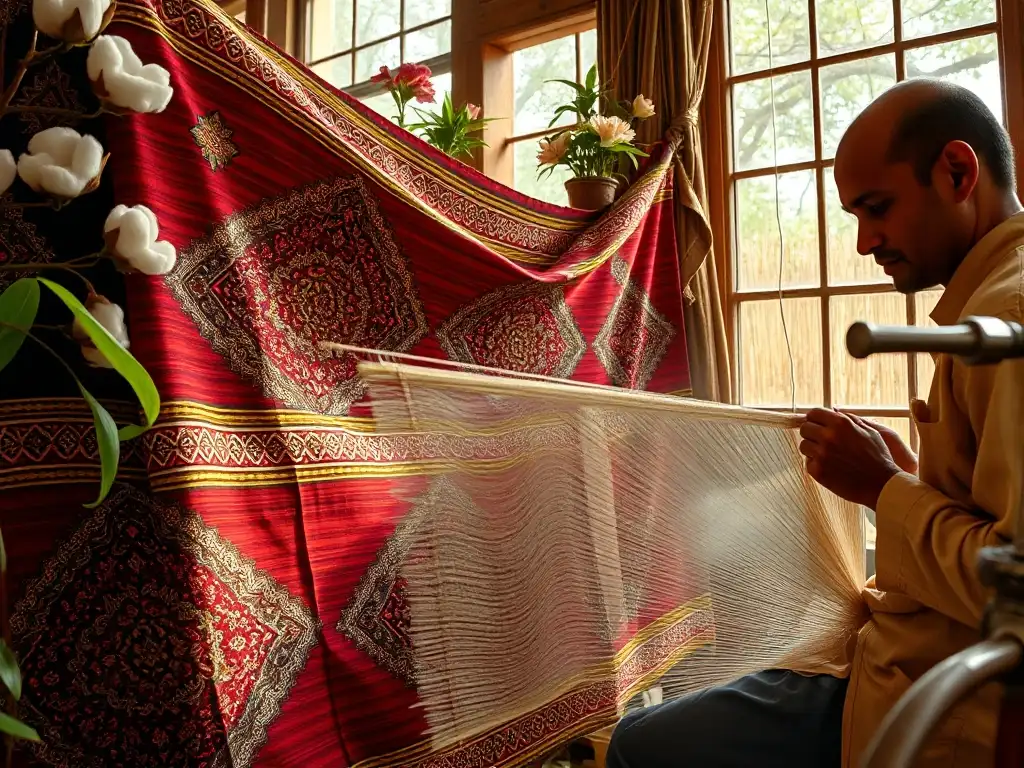
- Weaving: Traditional handloom weaving techniques, such as ikat and brocade, showcased the skill of artisans and resulted in stunning patterns and textures.
- Dyeing: Natural dyes derived from plants, minerals, and insects were commonly used, promoting sustainability and environmental stewardship. Techniques like bandhani (tie-dye) and block printing exemplify the innovative use of color in textiles.
- Embroidery: Embroidery styles such as zardozi, kantha, and phulkari not only enhanced the aesthetic appeal of textiles but also provided insights into the cultural narratives and traditions of the communities that created them.
- Printing: The use of wooden blocks for printing patterns on fabrics allowed for creativity while minimizing waste. These techniques have inspired modern eco-friendly printing methods.
As we continue to explore the influence of ancient Indian textiles on sustainable fashion, it becomes evident that these practices are not just relics of the past but vital resources for shaping the future of eco-conscious design.
Principles of Sustainability in Ancient Indian Textiles
Ancient Indian textiles are deeply rooted in principles of sustainability that reflect a harmonious relationship with nature and community. The production of textiles in ancient India was not merely an economic activity; it was a way of life that emphasized environmental stewardship, ethical labor practices, and cultural preservation. Key principles include:
- Natural Sourcing: Materials such as cotton, silk, and wool were sourced from local environments, significantly reducing the carbon footprint associated with transportation.
- Low Impact Dyeing: Traditional dyeing techniques employed plant-based dyes, which are biodegradable and non-toxic, contrasting sharply with modern synthetic dyes that pollute waterways.
- Handcrafted Production: The emphasis on handcrafted textiles meant that production was labor-intensive and required skilled artisans, which fostered a sense of community and ensured the transmission of techniques across generations.
These principles not only highlight the sustainability of ancient practices but also serve as a model for contemporary textile production.
Eco-Friendly Materials and Practices
In the realm of ancient Indian textiles, eco-friendly materials were at the forefront of production. The use of organic fibers like cotton and silk was complemented by natural dyes derived from flowers, leaves, and minerals. These materials were not only sustainable but also offered durability and comfort.
- Cotton: Known for its breathability and softness, cotton was cultivated in various regions, with each region contributing unique varieties. The traditional methods of spinning and weaving further enhanced the resilience of cotton textiles.
- Silk: Sourced from indigenous silkworms, silk production involved ethical practices that respected the lifecycle of the insects. The production process also ensured minimal waste, as leftover silk fibers were often repurposed.
- Natural Dyes: The use of indigo, turmeric, and madder not only imparted vibrant colors but also reflected a deep understanding of local flora. These dyes were safe for both the environment and the wearer.
By focusing on these eco-friendly materials and practices, ancient Indian textiles exemplified a commitment to sustainability long before it became a contemporary movement.
Community-Based Production Models
Community-based production models played a crucial role in the sustainability of ancient Indian textiles. These models fostered collaboration among artisans, ensuring that production was not only economically viable but also socially responsible.
- Cooperative Weaving: Communities often worked together in cooperative weaves, where resources, skills, and profits were shared. This approach not only empowered local artisans but also preserved traditional methods.
- Skill Transmission: Knowledge of textile production techniques, such as block printing and embroidery, was passed down through generations. This not only maintained the cultural heritage but also ensured that the community remained self-sufficient.
- Local Markets: Textiles were primarily produced for local consumption, which minimized the need for long-distance trade and supported local economies. This model strengthened community ties and ensured that artisans received fair compensation for their work.
These community-based practices laid the foundation for ethical production models that modern sustainable fashion movements are now striving to replicate.
Modern Adaptations of Ancient Indian Textiles
The resurgence of interest in ancient Indian textiles has inspired a wave of modern adaptations that aim to blend traditional techniques with contemporary fashion sensibilities. This fusion not only celebrates the rich heritage of Indian textiles but also champions sustainability in the fashion industry.
The Rise of Sustainable Fashion Brands
In recent years, a new generation of fashion brands has emerged, focusing on sustainable practices rooted in ancient Indian textile traditions. These brands are reshaping the fashion landscape by prioritizing ethical sourcing, craftsmanship, and environmental responsibility.
- Ethical Sourcing: Many brands are committed to sourcing materials from local farmers and artisans, ensuring fair wages and ethical labor practices.
- Transparency: Brands are increasingly transparent about their production processes, providing consumers with information about where and how their garments are made.
- Cultural Authenticity: By incorporating ancient techniques such as handloom weaving and natural dyeing, these brands celebrate the cultural significance of Indian textiles while promoting sustainable fashion.
This shift towards sustainability is not only a trend but a necessary response to the environmental challenges posed by fast fashion.
Innovations Inspired by Ancient Techniques
Modern designers are increasingly drawing inspiration from ancient Indian textile techniques to innovate sustainable fashion solutions. This includes:
- Upcycling and Repurposing: Designers are creatively repurposing vintage textiles and garments, reducing waste and extending the lifecycle of materials.
- Biodegradable Fabrics: Innovations in fabric technology are marrying ancient methods with modern science. For instance, some brands are experimenting with biodegradable fabrics that mimic traditional textiles while minimizing environmental impact.
- Digital Printing: The use of digital printing technology allows for intricate designs reminiscent of traditional block prints without the extensive water usage associated with conventional dyeing processes.
These innovations not only honor the legacy of ancient Indian textiles but also pave the way for a sustainable future in the fashion industry.
Challenges and Opportunities in Sustainable Fashion
Sustainable fashion is gaining traction globally, yet it comes with its own set of challenges and opportunities. The fashion industry is notorious for its rapid production cycles and high waste levels, which pose significant obstacles to achieving sustainability. One of the primary challenges is the reliance on synthetic materials that dominate the market, leading to environmental degradation. Additionally, the lack of transparency in supply chains complicates efforts to ensure ethical practices and sustainable sourcing.
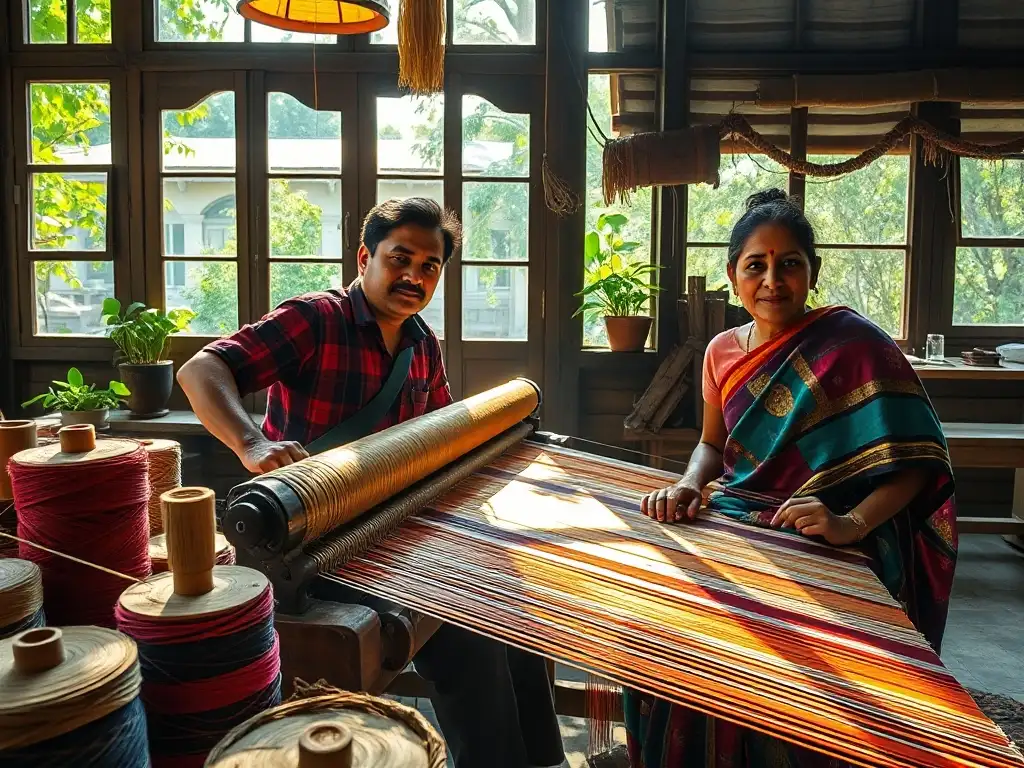
Nevertheless, the incorporation of ancient Indian textiles presents a unique opportunity to address these challenges. Traditional textiles such as handloom fabrics and natural dyes offer sustainable alternatives that minimize ecological impact. The revival of these techniques not only promotes environmental responsibility but also supports local artisans, thereby preserving cultural heritage. By bridging the gap between ancient practices and modern demands, the sustainable fashion movement can harness the richness of ancient Indian textiles to create eco-friendly and culturally significant products.
Balancing Tradition with Modern Demand
Balancing tradition with modern demand is a crucial consideration in the integration of ancient Indian textiles into sustainable fashion. On one hand, there is a growing consumer demand for innovative designs and contemporary aesthetics. On the other, the essence of traditional textiles—crafted through centuries of heritage—needs to be preserved. Designers and brands face the challenge of adapting these textiles to meet current fashion trends while respecting their cultural significance.
Successful collaborations between contemporary designers and traditional artisans can lead to a harmonious blend of styles that honors the past while appealing to modern sensibilities. For instance, the use of traditional block printing techniques in contemporary clothing lines has become popular, allowing for unique and sustainable fashion pieces that resonate with consumers. This approach not only revitalizes ancient craftsmanship but also encourages ethical production practices, thereby fostering a sustainable fashion ecosystem.
The Future of Ancient Indian Textiles in Sustainable Fashion
The future of ancient Indian textiles in sustainable fashion looks promising, as more brands and consumers recognize the importance of sustainable practices. Innovations in textile technology, such as eco-friendly dyeing processes and upcycling methods, are paving the way for the integration of ancient techniques into modern fashion. This evolution can enhance the appeal of ancient textiles, making them relevant and desirable to a new generation of consumers.
Moreover, educational initiatives focusing on the history and craftsmanship of ancient Indian textiles can help raise awareness about sustainability in fashion. By promoting knowledge about the environmental benefits of traditional practices, designers and consumers alike can make more informed choices. As the movement towards sustainability continues to grow, ancient Indian textiles will likely play a pivotal role in shaping the future of eco-conscious fashion.
Conclusion: The Lasting Impact of Ancient Indian Textiles on Sustainable Fashion
Ancient Indian textiles are not merely relics of the past; they serve as a powerful source of inspiration for the sustainable fashion movement. Their unique characteristics, rooted in tradition and craftsmanship, offer viable solutions to contemporary environmental challenges. By embracing these textiles, the fashion industry can move towards a more sustainable future that respects cultural heritage while meeting modern consumer demands.
The integration of ancient practices into sustainable fashion is a testament to the resilience and adaptability of Indian textiles. As designers continue to explore and innovate, the legacy of ancient craftsmanship will undoubtedly leave a lasting impact, fostering a deeper appreciation for sustainable practices and the rich cultural narratives that these textiles represent. Emphasizing sustainability through ancient Indian textiles not only benefits the environment but also honors the artisans and traditions that have shaped this vibrant aspect of India's heritage.
Resources for Further Exploration
Exploring the intricate world of ancient Indian textiles and their influence on modern sustainable fashion movements opens up numerous avenues for further study. Here are some valuable resources that can deepen your understanding of this fascinating subject:
- Books and Publications
- "Textiles of India: The Fabric of Life": by R. M. Rao: This book provides a comprehensive overview of traditional Indian textiles, their history, and their significance in contemporary fashion.
- "The Art of Indian Textile" by J. B. B. R. Narayan: Offers insights into the craftsmanship and techniques of ancient Indian textiles, exploring their cultural roots and modern adaptations.
- "Sustainable Fashion: A Handbook for Educators": by A. M. F. D. K. Stoll: While not exclusively about Indian textiles, this publication discusses sustainable practices in the fashion industry, including references to ancient techniques.
- Documentaries and Films
- "The Fabric of India": This documentary showcases the rich tradition of Indian textiles and how they are being revived in today’s fashion world. It highlights various artisans and their sustainable practices.
- "Threads of India": A visual exploration of the diverse textile traditions across India, focusing on sustainable practices and the artisans behind them.
- Online Courses and Workshops
- Coursera - Indian Textiles: A Cultural Perspective: This course delves into the historical significance and evolution of textiles in India, with a focus on sustainability.
- Skillshare - Sustainable Fashion Design: A platform offering workshops that incorporate ancient textile techniques into modern sustainable fashion design.
- Academic Journals and Articles
- Journal of Fashion Technology & Textile Engineering: This peer-reviewed journal often features articles on sustainability in textiles, including discussions on ancient Indian practices.
- International Journal of Clothing Science and Technology: Look for articles that analyze the impact of traditional Indian textiles on contemporary sustainable fashion.
- Exhibitions and Museums
- The National Museum of India: Explore their textile exhibitions that highlight the historical significance and craftsmanship of Indian textiles.
- The Calico Museum of Textiles: One of the foremost textile museums in India, it offers an extensive collection of textiles dating back to ancient times.
- Online Platforms and Communities
- Instagram and Pinterest: Follow hashtags like #AncientIndianTextiles and #SustainableFashion to discover contemporary designers and artisans who draw inspiration from traditional techniques.
- Facebook Groups: Join communities focused on sustainable fashion and traditional textiles to engage with like-minded individuals and share resources.
By exploring these resources, you can gain a more profound appreciation for how ancient Indian textiles inform and inspire modern sustainable fashion movements, highlighting the importance of preserving traditional craftsmanship while promoting eco-friendly practices.
- Introduction to Ancient Indian Textiles and Their Sustainability
- The Rich History of Ancient Indian Textiles
- Principles of Sustainability in Ancient Indian Textiles
- Modern Adaptations of Ancient Indian Textiles
- Challenges and Opportunities in Sustainable Fashion
- Conclusion: The Lasting Impact of Ancient Indian Textiles on Sustainable Fashion
- Resources for Further Exploration
- What are ancient Indian textiles known for?
- How do ancient Indian textiles contribute to sustainability?
- What role did the Indus Valley civilization play in textile production?
- How can modern fashion movements learn from ancient Indian textiles?
- What are some traditional Indian textiles that are still valued today?
Frequently Asked Questions
What are ancient Indian textiles known for?
Ancient Indian textiles are renowned for their intricate designs, vibrant colors, and unique weaving techniques that reflect the cultural diversity of India.
How do ancient Indian textiles contribute to sustainability?
Many ancient Indian textile practices emphasize eco-friendly materials and techniques, promoting sustainability through the use of natural dyes and traditional weaving methods that minimize waste.
What role did the Indus Valley civilization play in textile production?
The Indus Valley civilization is credited with some of the earliest forms of textile production, utilizing advanced techniques such as cotton cultivation and weaving, which laid the foundation for future innovations.
How can modern fashion movements learn from ancient Indian textiles?
Modern fashion can draw inspiration from ancient Indian textiles by adopting sustainable practices, such as using locally sourced materials and traditional craftsmanship, to create eco-conscious collections.
What are some traditional Indian textiles that are still valued today?
Traditional textiles like Banarasi silk, Khadi, and Bandhani remain highly valued for their craftsmanship and are often utilized in sustainable fashion due to their cultural significance and durability.
Final Reflection: Embracing the Wisdom of Ancient Indian Textiles for a Sustainable Future
The timeless artistry of ancient Indian textiles holds profound relevance in today's world, as we grapple with the urgent need for sustainable fashion practices. As we navigate the complexities of modern consumerism, the lessons embedded in these textiles remind us that sustainability is not merely a trend but a way of life that honors our environment and heritage. The intricate techniques and philosophies of ancient artisans challenge us to rethink our relationship with fashion and consumption, urging us to embrace a more mindful approach.
The influence of ancient Indian textiles extends far beyond their aesthetic appeal; they serve as a cultural touchstone that continues to shape contemporary discussions around sustainability. The rich history and craftsmanship behind these textiles inspire a movement that values ethical production and environmental stewardship. As Mahatma Gandhi once said, "> The best way to find yourself is to lose yourself in the service of others." This sentiment resonates deeply within the sustainable fashion movement, encouraging us to prioritize community and ecological well-being over fleeting trends.
As we reflect on the lessons from ancient Indian textiles, I invite you to consider how you can incorporate sustainability into your own life and choices. Let us honor the wisdom of the past by making conscious decisions that support ethical practices and protect our planet for future generations. Whether it's choosing sustainable fabrics, supporting local artisans, or simply being more mindful of our consumption habits, every small action contributes to a larger movement towards a more sustainable and equitable world.
Embrace Sustainable Fashion with Ancient Wisdom!
Thank you for diving into the fascinating world of ancient Indian textiles and their influence on sustainable fashion. You’ve discovered how traditional techniques can lead us toward a more eco-conscious wardrobe. Now, it’s time to put that inspiration into action!
Here’s how you can make a positive impact:
- Choose a sustainable textile product from a local artisan or brand that incorporates traditional techniques in its design.
- Share your newfound knowledge! Discuss the importance of sustainability in fashion with friends or on social media.
- Explore DIY projects! Try to recreate a traditional textile technique at home, such as block printing or weaving.
What unique sustainable fashion practices will you adopt in your life, inspired by the wisdom of ancient India?