
The Curriculum of Ancient Indian Architects and Engineers: A Study in Innovation

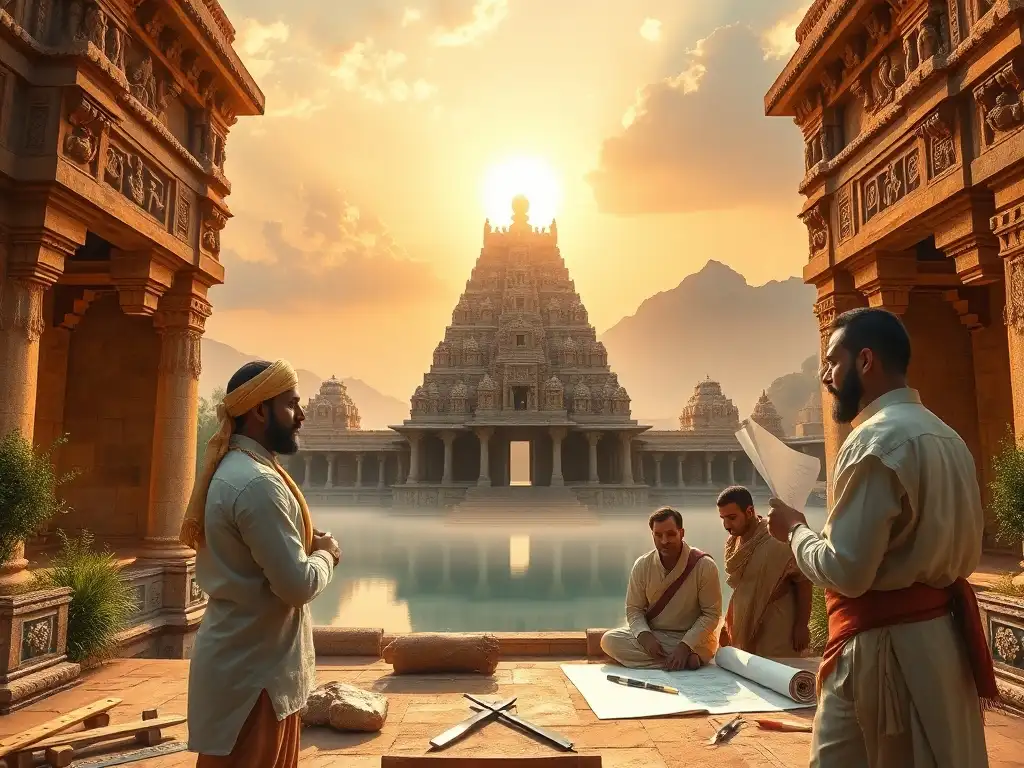
Welcome to Ancient India History, where we embark on a fascinating journey through the rich tapestry of India's past. Dive into the intricate world of Ancient Indian architecture and engineering, as we unveil the remarkable innovations and educational systems that shaped the architectural marvels of the Indus Valley to the grandeur of the Gupta Empire. What secrets lie within the curriculum of ancient architects and engineers? Join us as we explore these enduring legacies that continue to inspire and captivate. Your adventure into the depths of India’s historical brilliance begins here!
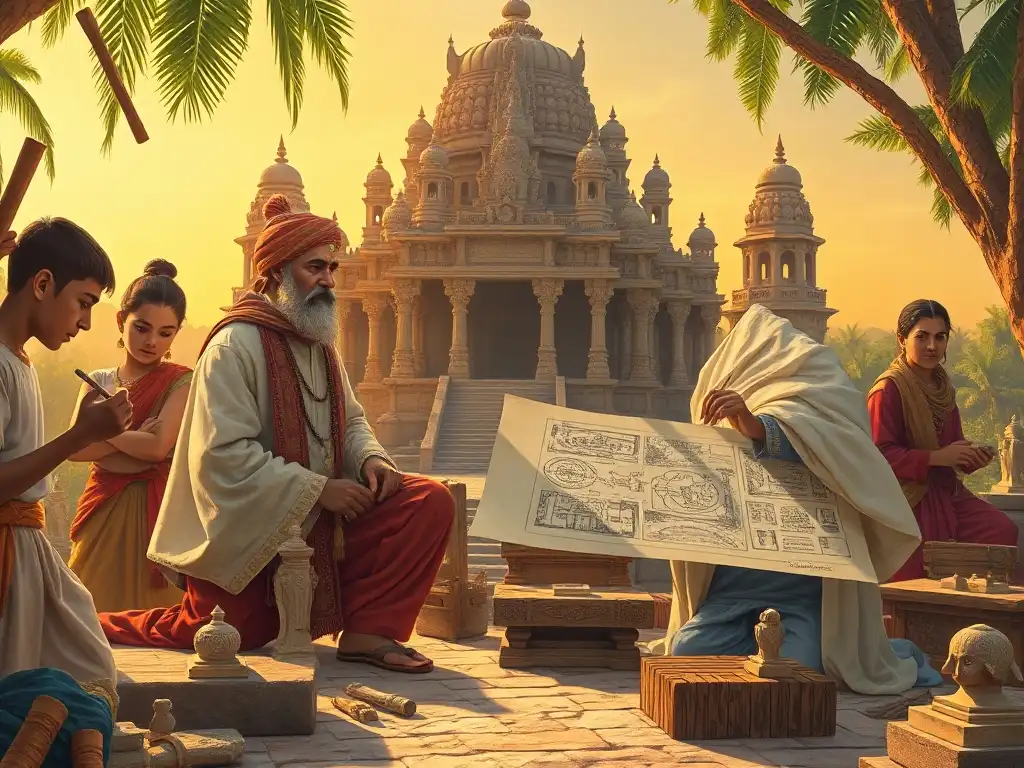
Introduction to Ancient Indian Architecture and Engineering
The study of ancient Indian architecture and engineering is not merely an exploration of structures and designs; it is a journey into the heart of a civilization that has contributed immensely to the fields of science, technology, and art. From the meticulously planned cities of the Indus Valley to the grand temples of the Gupta Empire, ancient Indian architects and engineers were pioneers of innovation, demonstrating an extraordinary understanding of materials, geometry, and aesthetics.
This article delves into the educational practices that shaped these brilliant minds, examining the curriculum that guided their learning and the cultural contexts that influenced their work.
Overview of Ancient Indian Civilizations
Ancient India was home to several significant civilizations, each contributing uniquely to the tapestry of its architectural and engineering heritage. The Indus Valley Civilization, known for its advanced urban planning and drainage systems, laid the groundwork for subsequent architectural practices. The Mauryan Empire introduced monumental architecture and advanced engineering techniques, while the Gupta Empire is celebrated for its artistic excellence and scientific advancements.
- Key Civilizations:
- Indus Valley Civilization
- Mauryan Empire
- Gupta Empire
Importance of Architecture and Engineering in Ancient India
Architecture and engineering were vital to the socio-economic and cultural development of ancient Indian societies. These disciplines were not only about creating functional spaces but also served as a means of expressing cultural identity and religious beliefs. Temples, forts, and public buildings were designed meticulously, reflecting the values and aspirations of their time.
- Significance:
- Cultural expression
- Religious significance
- Economic development
- Urban planning
Historical Context of Ancient Indian Architecture and Engineering
To fully appreciate the curriculum and training of ancient Indian architects and engineers, it is essential to understand the historical context in which they operated. The evolution of architectural styles and engineering techniques can be traced through various dynasties, each leaving an indelible mark on the landscape of India.
The Indus Valley Civilization: Foundations of Urban Planning
The Indus Valley Civilization (circa 3300–1300 BCE) is renowned for its sophisticated urban planning, featuring grid patterns, advanced drainage systems, and standardized baked bricks. Cities like Mohenjo-Daro and Harappa exemplify the ingenuity of their engineers, who prioritized functionality and hygiene in their designs. The curriculum for architects in this era likely emphasized practical skills in surveying and construction, alongside an understanding of materials.
- Key Features:
- Grid layout of cities
- Advanced drainage systems
- Use of standardized materials
Mauryan Empire: Innovations in Architecture and Engineering
During the Mauryan Empire (circa 322–185 BCE), a remarkable evolution in architecture and engineering emerged. The construction of the iconic Ashoka Pillars, with their intricate carvings and inscriptions, showcased not only artistic excellence but also advanced engineering techniques. The curriculum for aspiring architects during this time would have incorporated lessons on both art and engineering principles, reflecting the empire's emphasis on monumental architecture.
- Innovations:
- Construction of stupas and pillars
- Use of stone as a primary building material
- Integration of art and engineering
The Gupta Empire: Flourishing of Science and Technology
The Gupta Empire (circa 240–550 CE) is often referred to as the "Golden Age" of India due to its remarkable achievements in various fields, including architecture and engineering. The temples built during this period, such as those in Khajuraho and Ajanta, exemplify the intricate carvings and innovative designs that characterize Gupta architecture. The educational practices of this era would have focused heavily on mathematical concepts and artistic expression, enabling architects and engineers to push the boundaries of their craft.
- Achievements:
- Development of temple architecture
- Advances in mathematical concepts
- Flourishing of artistic expression
As we explore the intricate curriculum and educational practices that shaped ancient Indian architects and engineers, it becomes clear that their contributions extend far beyond mere construction; they reflect a deep understanding of the natural world and human society, inspiring generations to come.
Educational Practices of Ancient Indian Architects and Engineers
The educational practices of ancient Indian architects and engineers were deeply rooted in a rich cultural context that emphasized practical knowledge, hands-on experience, and philosophical teachings. These practices not only fostered innovative thinking but also ensured the transmission of technical skills across generations. The curriculum for these professions was designed to address both the theoretical and practical aspects of architecture and engineering, enabling students to create enduring structures that have stood the test of time.
Traditional Learning Methods in Ancient India
In ancient India, education was primarily experiential, focusing on learning through observation and practice. Students would engage in activities that allowed them to apply theoretical knowledge in real-world scenarios. The use of workshops and field studies was common, allowing aspiring architects and engineers to collaborate with skilled artisans and craftsmen. This hands-on approach was pivotal in cultivating a deep understanding of the materials, tools, and techniques required for construction.
Additionally, oral traditions played a significant role in preserving knowledge. Elders and master craftsmen would impart wisdom through storytelling, explaining the significance of various architectural styles and engineering principles. This method ensured that both practical skills and cultural values were passed down effectively.
Guru-Shishya Parampara: The Teacher-Student Relationship
The Guru-Shishya Parampara, or the teacher-student tradition, was fundamental to the educational framework of ancient Indian architects and engineers. This relationship was characterized by personal mentorship, where the guru (teacher) not only provided knowledge but also served as a moral guide. Students, known as shishyas, would live with their gurus, immersing themselves in a holistic learning environment.
This system emphasized respect, discipline, and commitment. The shishyas were expected to assist their gurus in various tasks, allowing them to gain practical experience while also learning the theoretical aspects of architecture and engineering. This close-knit relationship facilitated a deeper understanding of complex concepts, fostering innovation and creativity in design and construction.
Role of Temples as Educational Institutions
Temples served as crucial centers of learning and innovation in ancient India. Beyond their religious significance, they functioned as educational institutions where architects and engineers would gather to share knowledge and skills. Temples often housed workshops and libraries that contained texts on mathematics, astronomy, and architectural principles.
The construction of temples themselves was a practical exercise for aspiring architects, providing them with the opportunity to apply their learning in real projects. Skilled artisans and engineers would collaborate on temple designs, ensuring that sacred spaces not only fulfilled religious purposes but also showcased advanced engineering techniques. This environment nurtured creativity and set high standards for artistic and structural excellence.
Key Components of the Curriculum for Architects and Engineers
The curriculum for ancient Indian architects and engineers encompassed multiple disciplines, ensuring that students were well-rounded in their knowledge and skills. Core components included mathematics, material science, and construction techniques, all of which were essential for creating enduring architectural marvels.
Mathematics and Geometry in Ancient Indian Architecture
Mathematics and geometry were foundational to ancient Indian architecture. Students learned to apply mathematical concepts to design complex structures, ensuring stability and aesthetic appeal. The use of geometry was critical in the layout of buildings, temples, and urban planning.
Ancient texts, such as the "Shilpa Shastra," provided guidelines on proportions, symmetry, and spatial relationships, promoting an understanding of how mathematical principles could enhance architectural design. The study of geometry also enabled architects to create intricate carvings and sculptures that adorned many structures, reflecting a deep appreciation for both beauty and functionality.
Material Science: Understanding Local Resources
An essential part of the curriculum was material science, which focused on understanding the properties and applications of local resources. Ancient architects and engineers studied various materials, such as stone, wood, and clay, assessing their durability, workability, and aesthetic qualities.
This knowledge allowed them to select appropriate materials for specific projects, ensuring that structures could withstand environmental challenges while meeting design requirements. Furthermore, an understanding of local resources fostered sustainable practices, as architects often utilized materials readily available in their surroundings, minimizing the need for transportation and reducing costs.
Construction Techniques: Principles and Practices
The curriculum also emphasized construction techniques, where students learned the principles and practices of building. This included understanding foundational concepts such as load distribution, structural integrity, and the use of various tools and equipment.
Students were trained in traditional methods of construction, including masonry, carpentry, and metalworking. They participated in actual construction projects under the guidance of experienced craftsmen, gaining practical experience that complemented their theoretical knowledge. This comprehensive training ensured that ancient Indian architects and engineers were adept in both innovation and tradition, contributing to the rich architectural legacy of ancient India.
Innovations and Contributions of Ancient Indian Architects and Engineers

Ancient Indian architects and engineers were pioneers in creating innovative designs and techniques that have left a lasting legacy in the world of architecture and engineering. Their curriculum revolved around a blend of practical skills and theoretical knowledge that emphasized the importance of materials, structural integrity, and aesthetic values. These professionals were not merely builders but visionaries who integrated religious, cultural, and environmental aspects into their creations.
One significant contribution was the development of advanced urban planning, particularly evident in the Indus Valley Civilization. Cities like Mohenjo-Daro and Harappa showcased meticulous planning with grid layouts, drainage systems, and standardized fired bricks. This innovative approach to urban design set a precedent for smart city planning.
Moreover, ancient Indian architects excelled in various construction techniques, including the use of arches, vaults, and domes. The application of these techniques can be seen in monumental edifices such as temples and forts. Additionally, their understanding of geometry and proportions, often derived from texts like the Vastu Shastra, reflects a sophisticated grasp of architectural principles.
Notable Structures and Engineering Marvels
Among the notable structures that exemplify ancient Indian architecture are the intricately carved temples of Khajuraho, the magnificent Brihadeeswarar Temple in Thanjavur, and the stunning Ajanta and Ellora caves. Each of these sites showcases the artistry and engineering prowess of ancient builders.
- Khajuraho Temples: Renowned for their intricate sculptures and erotic carvings, these temples not only serve religious purposes but also reflect the cultural ethos of the Chandela dynasty during the 10th century.
- Brihadeeswarar Temple: Built during the Chola dynasty, this temple is an engineering marvel with a massive granite dome, intricate frescoes, and a scale that commands awe. The precision in its construction remains a subject of study for modern engineers.
- Ajanta and Ellora Caves: These rock-cut caves are a testament to the skill of ancient artisans. The intricate carvings, elaborate murals, and structural complexity highlight the advanced techniques used in their creation.
These structures not only served spiritual and cultural purposes but also played significant roles in trade and society, reflecting the multifaceted contributions of ancient Indian architects.
Influence on Modern Architecture and Engineering
The influence of ancient Indian architecture and engineering extends far beyond their historical context and continues to inform modern practices. The principles of sustainable architecture, as practiced by these ancient builders, resonate in contemporary designs that seek to harmonize with the environment. The use of local materials, passive cooling techniques, and integrated landscape designs are just a few aspects that modern architects draw upon.
Furthermore, the concept of Vastu Shastra continues to be relevant in the design of homes and commercial buildings today, emphasizing the importance of orientation, space, and energy flow. This ancient science, which incorporates elements of astrology and geography, is often used to optimize living spaces for better health and well-being.
In addition to architectural practices, modern engineering disciplines have benefited from the innovations of ancient Indian engineers. Techniques for water management, such as step wells and tanks, can inspire contemporary solutions to address water scarcity issues. The ancient knowledge of materials and structural dynamics remains foundational in engineering curricula worldwide.
Challenges Faced in Ancient Indian Architectural Practices
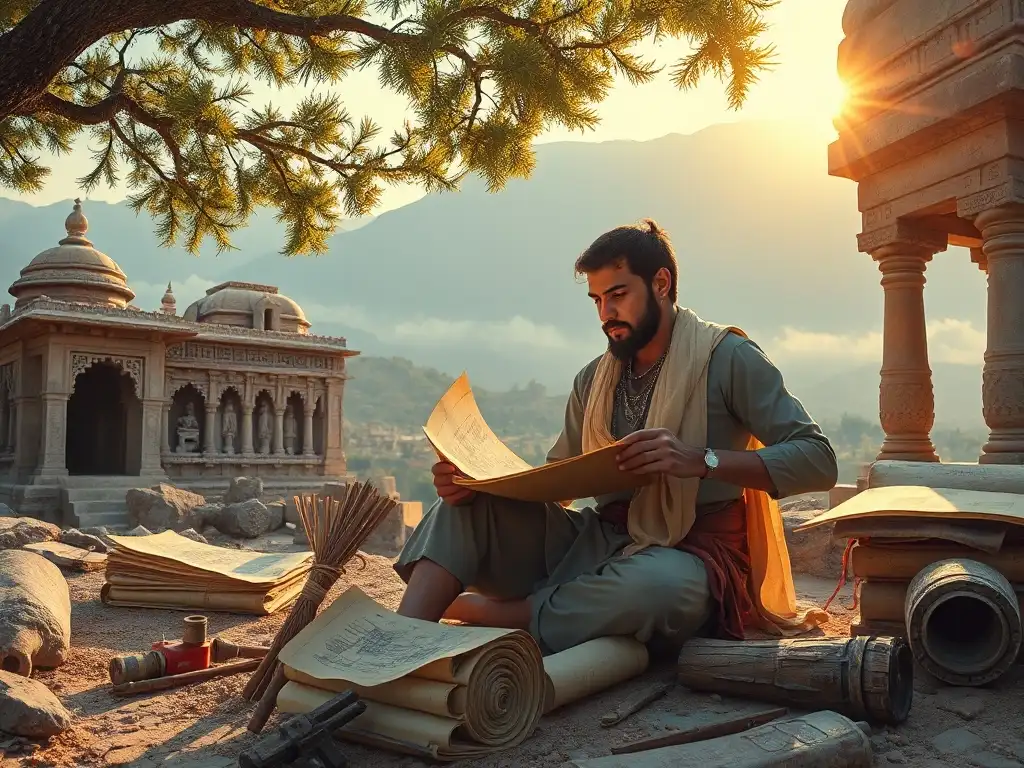
Despite their remarkable achievements, ancient Indian architects and engineers faced numerous challenges that shaped their practices and innovations. Environmental factors, societal dynamics, and political influences played crucial roles in determining the success and longevity of their projects.
Environmental Considerations and Adaptations
The diverse climatic conditions across India necessitated that architects adapt their designs to local environments. In arid regions, structures were built with thick walls to regulate temperature, while in humid areas, ventilation and drainage systems were prioritized. The utilization of local materials not only reduced costs but also ensured that buildings were resilient to the conditions they faced.
Moreover, ancient engineers developed sophisticated water management systems, like the Rani Ki Vav stepwell in Gujarat, which reflected a deep understanding of hydrology and sustainability. These systems were essential in supporting agriculture and urban settlements, demonstrating a proactive approach to environmental challenges.
Societal and Political Influences on Architectural Projects
Architectural projects in ancient India were often heavily influenced by societal and political factors. The patronage of kings and wealthy merchants dictated the scale and style of constructions, leading to the creation of grand temples and palaces as symbols of power and devotion. However, such patronage could also result in fluctuations in architectural styles and techniques based on the preferences of the ruling elite.
Additionally, societal hierarchies influenced the accessibility and design of structures. Temples, for instance, were often constructed with intricate designs that catered to the spiritual needs of the elite while simultaneously serving as community gathering spaces. This interplay of societal needs and political motivations illustrates the multifaceted challenges faced by ancient architects and engineers in their pursuit of innovation.
Conclusion: Legacy of Ancient Indian Architecture and Engineering
The legacy of ancient Indian architecture and engineering is a testament to the ingenuity and skill of its practitioners. From the intricate designs of the Indus Valley Civilization to the grandeur of the temples and palaces during the Gupta Empire, these architectural feats not only served functional purposes but also reflected the cultural and spiritual values of the time.
The systematic curriculum that was developed for architects and engineers laid the groundwork for advanced construction techniques and urban planning, influencing generations to come. This legacy continues to inspire modern architects and engineers, as they explore ways to integrate traditional knowledge with contemporary practices.
Lasting Impact on Future Generations
The impact of ancient Indian architecture and engineering extends far beyond the historical context. Educational practices that emphasized hands-on learning, practical applications, and a deep understanding of materials have shaped future generations of builders. The principles of symmetry, proportion, and aesthetics derived from ancient teachings can still be seen in modern architecture.
For example, the principles of vastu shastra, which guide the orientation and layout of buildings, remain relevant today, reflecting the enduring influence of ancient wisdom on contemporary design. Moreover, the collaborative approach between architects, engineers, and artisans fostered a sense of community and shared knowledge that continues to be a hallmark of successful projects today.
Relevance of Ancient Techniques in Contemporary Architecture
In an era marked by rapid technological advancement, the techniques employed by ancient architects and engineers are being revisited for their sustainability and efficiency. The use of locally sourced materials, advanced water management systems, and energy-efficient designs can be seen in several modern green buildings. Techniques such as the construction of step wells and the use of jali (lattice) work for ventilation are being adapted in contemporary architecture to address environmental challenges.
Furthermore, the study of ancient structures provides valuable insights into resilience, durability, and adaptability, encouraging architects to innovate while respecting historical methods. This fusion of old and new not only honors the contributions of ancient Indian civilization but also paves the way for a more sustainable future.
References
Key Texts and Sources on Ancient Indian Architecture and Engineering
- "The Architecture of the Indian Subcontinent" by Adam Hardy - This comprehensive text explores the evolution of architectural styles across India, highlighting key innovations and techniques.
- "Indian Architecture: Buddhist and Hindu Periods": by Percy Brown - A classic work detailing the stylistic developments in Indian architecture from ancient times, focusing on religious structures.
- "The Indus Valley Civilization: A Historical Overview": by J. M. Kenoyer - This book provides insights into the urban planning and engineering marvels of the Indus Valley, shedding light on their advanced systems.
- "Vastu Shastra: The Ancient Indian Science of Architecture": by B. P. R. Rao - An exploration of the principles of vastu shastra and its applications in modern building practices.
- Research Papers from the Indian Archaeological Society - Various scholarly articles delve into specific aspects of ancient architecture and engineering practices in India.
Suggested Further Reading on Educational Practices in Ancient India
- "Education in Ancient India" by S. K. K. Sharma - This book examines the various forms of education, including vocational training for architects and engineers during ancient times.
- "The Gurukula System of Education" by K. S. Shastri - A detailed analysis of the traditional education system and its focus on practical skills and craftsmanship.
- "Ancient Indian Educational Practices and Their Modern Relevance" by R. K. Sinha - This work discusses the continuity of ancient educational practices and their implications for contemporary learning environments.
- "Learning and Knowledge in Ancient India" by A. K. Mishra - An exploration of the methods of knowledge transmission and the role of apprenticeships in shaping skilled professionals.
- "The Role of Crafts and Arts in Education in Ancient India" by V. N. Rao - This book highlights how arts and crafts were integral to the educational curriculum, preparing individuals for specialized roles in society.
- Introduction to Ancient Indian Architecture and Engineering
- Historical Context of Ancient Indian Architecture and Engineering
- Educational Practices of Ancient Indian Architects and Engineers
- Key Components of the Curriculum for Architects and Engineers
- Innovations and Contributions of Ancient Indian Architects and Engineers
- Notable Structures and Engineering Marvels
- Influence on Modern Architecture and Engineering
- Challenges Faced in Ancient Indian Architectural Practices
- Conclusion: Legacy of Ancient Indian Architecture and Engineering
- References
- What were the main features of ancient Indian architecture?
- How did engineering contribute to ancient Indian civilization?
- What are some notable examples of ancient Indian engineering?
- How did cultural influences shape ancient Indian architecture?
- What innovations did ancient Indian architects and engineers introduce?
Frequently Asked Questions
What were the main features of ancient Indian architecture?
Ancient Indian architecture is characterized by intricate carvings, grand temples, and innovative structural designs. Key styles include rock-cut architecture and the use of geometric patterns.
How did engineering contribute to ancient Indian civilization?
Engineering played a crucial role in ancient India, facilitating the construction of advanced irrigation systems, urban planning in cities like Mohenjo-Daro, and the building of fortifications and roads.
What are some notable examples of ancient Indian engineering?
Examples include the Stepwells of Gujarat, the Dholavira water conservation system, and the precision of the Iron Pillar of Delhi, showcasing remarkable engineering skills of the time.
How did cultural influences shape ancient Indian architecture?
Cultural influences from Buddhism, Hinduism, and Islam led to diverse styles, with stupas, temples, and forts reflecting the rich spiritual heritage and artistic expressions of the civilizations.
What innovations did ancient Indian architects and engineers introduce?
Ancient Indian architects and engineers introduced innovations such as the use of arches, vaults, and domes, as well as advanced mathematical concepts that influenced architectural practices in subsequent cultures.
Final Reflection: The Enduring Legacy of Ancient Indian Architecture and Engineering
The ingenuity of ancient Indian architects and engineers continues to resonate in today's world, reminding us that innovation is timeless. As we explore the intricate designs and groundbreaking techniques of these ancient masters, we uncover a wealth of knowledge that not only shaped their era but also offers invaluable lessons for contemporary practices in architecture and engineering. The remarkable achievements of these visionaries serve as a testament to the power of creativity and resourcefulness in overcoming challenges, inspiring us to embrace innovation in our own lives.
The influence of ancient Indian architecture and engineering extends far beyond historical significance; it permeates our cultural and social landscapes, shaping our understanding of design and functionality. The principles of sustainability, harmony with nature, and community-centric designs that characterized ancient structures are increasingly relevant in our modern context, where we face pressing environmental challenges. Architecture is the thoughtful making of space,
said Louis Kahn, and the ancient Indian architects exemplified this thoughtfulness in every edifice they created, leaving a legacy that continues to inspire architects and engineers today.
As we reflect on the lessons from ancient Indian architecture and engineering, let us challenge ourselves to integrate these timeless principles into our own pursuits. Consider how you can apply the spirit of innovation, sustainability, and community focus in your personal and professional endeavors. By doing so, we not only honor the remarkable achievements of our ancestors but also contribute to a future that values creativity and collaboration, ensuring that the legacy of ancient Indian architects and engineers endures for generations to come.
Unveil the Secrets of Ancient Innovation!
Thank you for diving into the fascinating world of ancient Indian architects and engineers! Your interest in their remarkable innovations showcases the rich legacy that continues to inspire us today. As you explore the depths of their expertise, consider these actionable steps to further engage with the topic and connect with a community that shares your passion.
- Discover more: Explore additional articles on our site about the astonishing engineering feats of ancient India to deepen your understanding.
- Join the conversation: Share your thoughts or experiences related to ancient architecture in the comments below and exchange ideas with fellow enthusiasts.
- Spread the knowledge: Share this article with friends or on social media to spark discussions about the ancient innovations that have shaped our world!
What aspect of ancient Indian architecture intrigues you the most, and how do you see it influencing modern design?