
The Historical Context of Educational Reforms During the Maurya Empire


Welcome to Ancient India History, where we embark on an intriguing journey through the rich tapestry of India's past. Dive into the fascinating world of the Maurya Empire, a time when groundbreaking educational reforms reshaped the landscape of learning and knowledge. How did these changes influence society and culture? What legacy did they leave for future generations? Join us as we unravel the historical context of these reforms and discover the profound impact they had on ancient Indian civilization. Your exploration into the depths of India's educational evolution begins here—read on to ignite your curiosity!
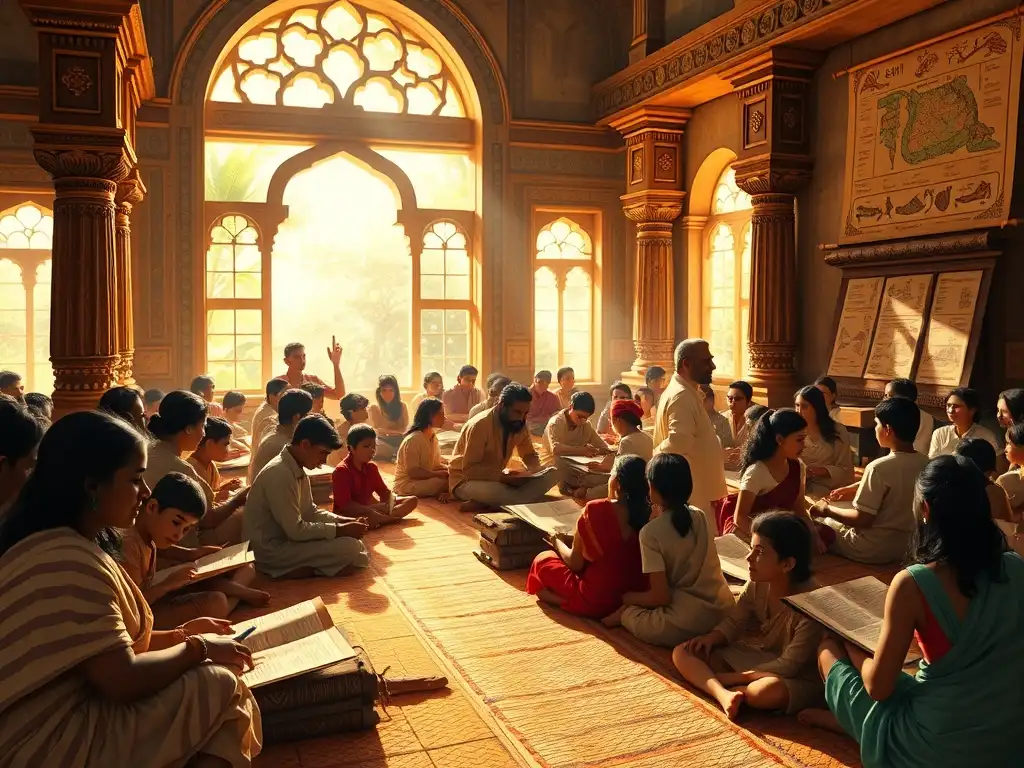
The Maurya Empire, one of the most significant and expansive empires in ancient India, played a crucial role in shaping the educational landscape of the subcontinent. Spanning from the 4th to the 2nd century BCE, this period is marked by notable advancements in various fields, including philosophy, art, and governance. However, one of the less frequently discussed aspects of the Maurya Empire is its profound impact on educational reforms.
These reforms not only transformed the existing educational practices but also laid the groundwork for future educational systems in India. This article delves into the historical context of educational reforms during the Maurya Empire, exploring how these changes influenced educational practices and the curriculum in ancient India.
Introduction to Educational Reforms in the Maurya Empire
The educational reforms during the Maurya Empire were pivotal in establishing a structured and systematic approach to education. Under the leadership of influential rulers like Chandragupta Maurya and his grandson Ashoka, the empire witnessed a shift towards a more organized educational framework that emphasized accessibility and inclusiveness. This framework aimed to cater to a diverse populace, which included various social classes and communities.
Overview of the Maurya Empire's Significance
The Maurya Empire is often regarded as a turning point in Indian history due to its political unification and the promotion of a centralized administration. This unification facilitated the spread of ideas and knowledge across vast territories. The empire's significance can be summarized as follows:
- Political Unification: The Maurya Empire brought together various regions, leading to the establishment of a cohesive political structure.
- Cultural Flourishing: It fostered a rich cultural environment that promoted arts, literature, and philosophy.
- Economic Prosperity: The empire's extensive trade networks encouraged the exchange of ideas and educational practices.
Importance of Education in Ancient Indian Society
Education in ancient Indian society was not merely a means of acquiring knowledge; it was fundamentally tied to cultural identity and social structure. The importance of education can be highlighted through several key aspects:
- Cultural Transmission: Education was essential for passing down traditions, values, and religious beliefs.
- Social Mobility: Access to education provided opportunities for individuals to rise in social status, particularly in a stratified society.
- Philosophical Development: The educational systems nurtured critical thinking and philosophical inquiry, contributing to the intellectual legacy of India.
The Evolution of Educational Practices in Ancient India
The evolution of educational practices in ancient India reflects the dynamic nature of its society and the influences of various empires. Understanding this evolution is crucial for contextualizing the educational reforms during the Maurya Empire.
Pre-Mauryan Educational Systems
Before the rise of the Maurya Empire, education in India was primarily conducted in informal settings, such as:
- Gurukuls: Traditional schools run by gurus where students lived and learned in close quarters.
- Vedic Education: Focused on the study of the Vedas, emphasizing oral transmission and memorization.
These systems were often limited to the privileged classes, leaving a significant portion of the population without access to formal education.
Transition to Mauryan Educational Reforms
The Maurya Empire marked a significant transition in educational practices. Key features of this transition included:
- State Involvement: The Mauryan rulers actively promoted education, recognizing its importance for governance and social stability.
- Curriculum Expansion: The introduction of a broader curriculum that included subjects such as administration, ethics, and sciences.
- Inclusivity: Efforts were made to make education accessible to a wider demographic, including marginalized communities.
This evolution not only transformed the educational landscape of the Maurya Empire but also set the stage for future educational developments in ancient India.
Key Figures Influencing Educational Reforms
The Maurya Empire, one of the most significant empires in ancient India, saw transformative changes in its educational landscape, primarily influenced by key figures who envisioned a robust educational framework. These figures played crucial roles in shaping educational policies and practices that not only catered to the needs of the empire but also laid the groundwork for future generations. Among these influential personalities, Chandragupta Maurya and his advisor Kautilya (Chanakya) stand out for their contributions to educational reforms that have had lasting impacts on Indian society.
Chandragupta Maurya and His Vision for Education
Chandragupta Maurya, the founder of the Maurya Empire, recognized the importance of education in creating a well-governed and prosperous state. His vision for education focused on cultivating a knowledgeable and skilled populace capable of contributing to the empire's administration, economy, and cultural richness. Chandragupta believed that education was essential for empowering individuals and enhancing their roles in society.
Under his rule, education was not merely confined to the elite but was encouraged among various strata of society. This inclusive approach aimed to foster a sense of community and shared responsibility. Chandragupta's support for education extended to the establishment of schools and learning institutions, which became instrumental in disseminating knowledge and values essential for maintaining social order and harmony.
Role of Kautilya (Chanakya) in Educational Policy
Kautilya, also known as Chanakya, served as a pivotal figure in shaping the educational policies of the Maurya Empire. As a philosopher, economist, and statesman, Chanakya's insights into governance and administration significantly influenced the empire's educational reforms. He emphasized the need for a structured education system that aligned with the empire's political and economic goals.
Chanakya's seminal work, the Arthashastra, outlines not only statecraft but also the importance of education in cultivating leadership qualities and practical skills. He advocated for the establishment of centers of higher learning, where students could engage in rigorous study and develop critical thinking abilities. His belief in practical education that addressed real-world challenges guided the formation of a curriculum focusing on diverse fields such as economics, politics, philosophy, and military strategy.
Major Educational Reforms during the Maurya Empire
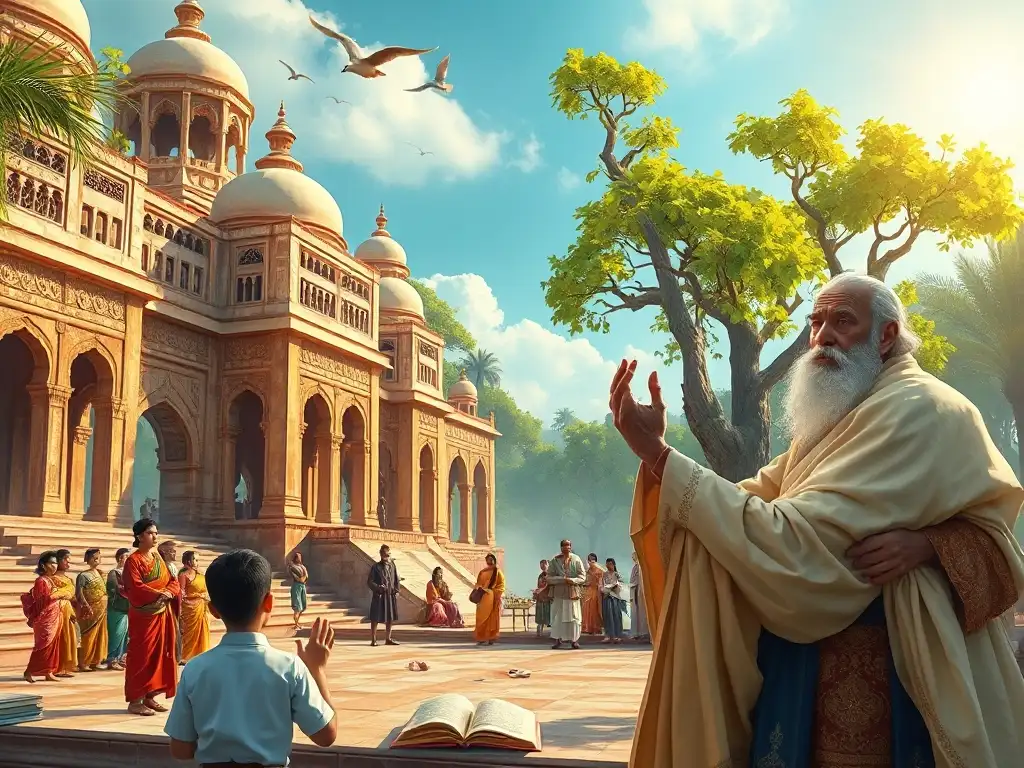
The Maurya Empire witnessed significant educational reforms that transformed the educational landscape of ancient India. These reforms were not only aimed at enhancing the quality of education but also at making it accessible to a broader audience. Key initiatives included the establishment of institutions for higher learning, standardization of the curriculum, and promotion of literacy and language studies.
Establishment of Institutions for Higher Learning
One of the most notable achievements of the Maurya Empire was the establishment of institutions dedicated to higher learning. Chanakya played a crucial role in founding the ancient university at Takshashila (Taxila), which became a renowned center for education in various disciplines. Students from different regions flocked to Takshashila to study subjects such as philosophy, medicine, mathematics, and military science.
These institutions not only served as educational hubs but also fostered cultural exchange and intellectual discourse. The emphasis on higher education allowed for the cultivation of a learned class that could contribute effectively to various sectors of the empire, from administration to the arts.
Standardization of Curriculum and Teaching Methods
The Maurya Empire introduced a standardized curriculum that emphasized a balanced approach to education. Recognizing the need for a uniform educational framework, Chanakya advocated for a well-structured curriculum that combined theoretical knowledge with practical skills. This standardization ensured that all students received a comprehensive education, regardless of their background.
Teaching methods also evolved during this period, with a shift towards more interactive and experiential learning. Educators were encouraged to adopt diverse teaching styles that catered to different learning preferences, thus enhancing the overall learning experience for students.
Promotion of Literacy and Language Studies
The Maurya Empire made significant strides in promoting literacy and linguistic studies among its populace. Recognizing that a literate society is fundamental to governance and cultural preservation, efforts were made to encourage reading and writing across various communities. This promotion of literacy was essential for the administration, as it facilitated communication and record-keeping.
Language studies flourished under the Maurya Empire, with a focus on ancient languages such as Sanskrit and Prakrit. The emphasis on language not only aided in the preservation of literary works but also fostered a sense of identity and cultural pride among the people. This commitment to literacy and language studies played a vital role in shaping the intellectual landscape of ancient India.
The Impact of Religion on Educational Reforms
The Maurya Empire, spanning from 322 to 185 BCE, was a significant period in ancient Indian history marked by profound religious influences that shaped various aspects of society, including education. The rise of Buddhism and Jainism during this era played a crucial role in the formulation of educational reforms, promoting values such as non-violence, compassion, and the pursuit of knowledge.
Religious ideologies provided a framework within which educational practices were developed, leading to the establishment of institutions that integrated spiritual teachings with practical knowledge. This integration not only fostered a progressive educational environment but also influenced the moral and ethical dimensions of teaching and learning, thereby reflecting the diverse philosophical thoughts prevailing at the time.
Influence of Buddhism and Jainism on Education
Buddhism and Jainism emerged as dominant religions during the Maurya period, both advocating for education as a means to achieve spiritual enlightenment and societal well-being. The teachings of Siddhartha Gautama (the Buddha) emphasized the importance of wisdom and knowledge as pathways to liberation from suffering. Consequently, educational reforms during this period became aligned with Buddhist ideals, promoting critical thinking and self-reflection among learners.
Jainism, with its core principles of non-violence (ahimsa) and truth (satya), also influenced educational practices. Jain scholars emphasized the study of philosophy, mathematics, and science, encouraging students to pursue knowledge without causing harm to others. The presence of monastic universities, such as Nalanda, facilitated the dissemination of these teachings, creating a vibrant intellectual environment where students were trained in various disciplines.
Integration of Religious Teachings into the Curriculum
The curriculum of educational institutions during the Maurya Empire was heavily infused with religious teachings. Subjects such as philosophy, ethics, and spiritual texts were central to the educational experience, aiming to cultivate a well-rounded individual. The incorporation of texts like the Tripitaka (Buddhist scriptures) and Agamas (Jain scriptures) ensured that students not only gained practical knowledge but also developed a strong moral compass.
Moreover, the emphasis on oral traditions in these religious communities meant that storytelling and recitation became vital components of the educational process. This method not only preserved religious narratives but also engaged students in critical thinking, as they were encouraged to analyze and interpret these texts within the context of their own lives.
Regional Variations in Educational Practices
Educational reforms during the Maurya Empire were not uniform across the vast territories of the empire. Regional variations were evident based on local customs, resources, and cultural influences, leading to distinct educational practices in urban and rural areas.
Differences in Urban vs. Rural Education
In urban centers such as Pataliputra, education flourished due to the concentration of resources, scholars, and institutions. Urban education was characterized by formal schools, libraries, and access to a diverse range of subjects, including politics, economics, and arts. Students from affluent families often received comprehensive education, which prepared them for roles in administration and governance.
Conversely, rural education was more informal and community-based. Learning often took place within the family or local temples, focusing on practical skills relevant to agricultural life and traditional crafts. While the content was less standardized, it was deeply rooted in the local culture and practices, emphasizing the importance of community and cooperation.
Influence of Local Cultures on Educational Reforms
Local cultures significantly influenced educational reforms in different regions of the Maurya Empire. Regions with strong indigenous traditions often integrated local folklore, languages, and practices into their educational systems. For instance, in areas where tribal communities thrived, education was tailored to include traditional knowledge and skills necessary for survival and community cohesion.
This cultural integration enriched the educational landscape, allowing for a more inclusive approach that respected and celebrated diversity. Such practices not only preserved local heritage but also fostered a sense of identity among students, making education a tool for both personal growth and cultural continuity.
The historical context of educational reforms during the Maurya Empire reveals a complex interplay of religious influences and regional variations, which collectively contributed to the evolution of educational practices that shaped future generations.
Challenges Faced in Implementing Educational Reforms
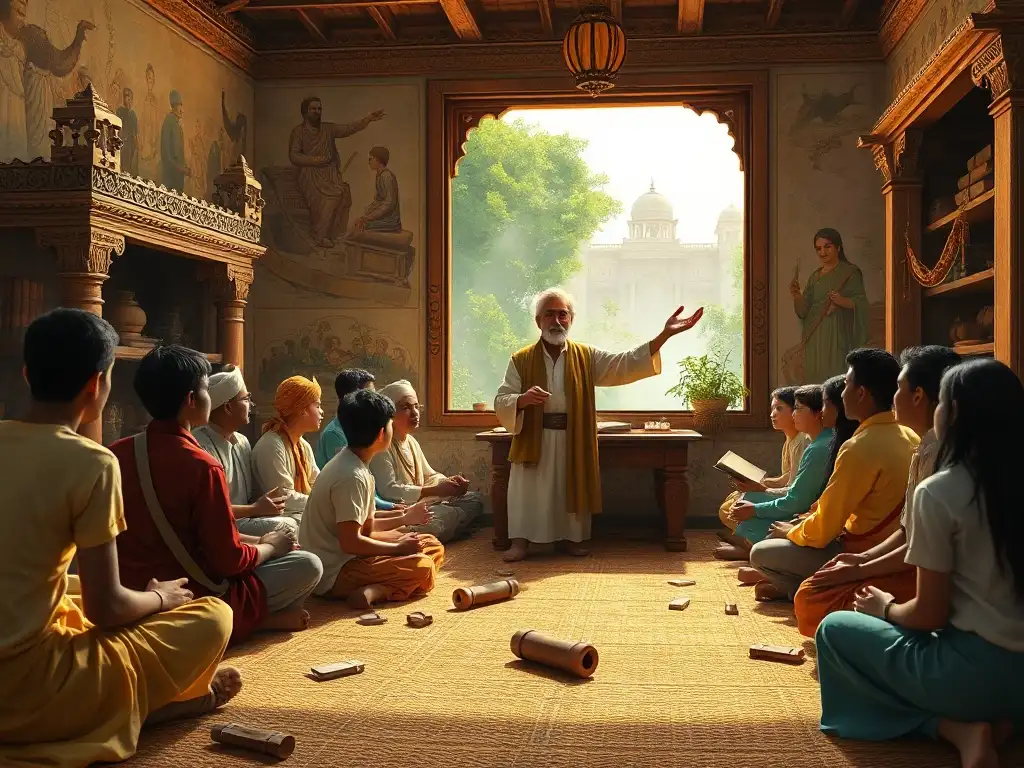
The Maurya Empire, renowned for its political stability and economic prosperity, encountered significant challenges while implementing educational reforms. These obstacles were multifaceted, stemming from deep-rooted societal norms, institutional resistance, and the complexities of governance during that period. Understanding these challenges provides insight into the dynamics of educational evolution within one of India's most illustrious empires.
Resistance from Traditional Educational Institutions
One prominent challenge was the resistance from traditional educational institutions, particularly those associated with the Brahminical order. These institutions were entrenched in the Vedic tradition, focusing primarily on religious texts and oral transmission of knowledge. The existing education system was hierarchical, favoring a select few while marginalizing others, particularly lower castes and women.
The introduction of reforms aimed at democratizing education and broadening curricula to include practical subjects met with skepticism and opposition. Many educators and scholars viewed these changes as threats to their authority and the established order. Moreover, the emphasis on new subjects such as logic, science, and statecraft was seen as undermining the sanctity of traditional knowledge. This resistance manifested in various forms, from passive non-compliance to active opposition, ultimately slowing the pace of educational reform initiatives.
Socio-Political Factors Affecting Educational Changes
In addition to institutional resistance, socio-political factors played a crucial role in shaping the educational landscape during the Maurya Empire. The empire's vast territory encompassed diverse cultures, languages, and traditions, making uniform implementation of educational reforms challenging. Regional differences often resulted in varying attitudes towards education, complicating efforts to establish a cohesive educational policy.
Furthermore, the political climate, marked by the transition from Chandragupta Maurya to Ashoka, influenced educational reforms. While Ashoka is celebrated for his promotion of Buddhism and moral education, his reign also faced internal strife and resistance from rival factions. These socio-political tensions diverted attention and resources away from educational initiatives, making it difficult to sustain a consistent focus on reform.
Legacy of Maurya Empire's Educational Reforms
Despite the challenges faced, the educational reforms during the Maurya Empire left a significant legacy that influenced future generations. The reforms not only shaped the educational practices of the time but also laid the groundwork for more inclusive and diverse educational systems in India.
Long-term Effects on Subsequent Indian Educational Systems
The reforms initiated during the Maurya Empire marked a pivotal shift in the Indian educational paradigm. By advocating for a broader curriculum that included subjects beyond the religious texts, these reforms set a precedent for future educational practices. The emphasis on critical thinking, ethics, and practical knowledge resonated through subsequent dynasties, including the Gupta Empire, which further advanced educational systems.
Moreover, the concept of state-sponsored education emerged, establishing a model where the government played an active role in promoting learning. This shift towards a more secular and inclusive educational framework influenced the development of universities and learning centers in later periods, such as Nalanda and Takshashila, which became renowned for their comprehensive curricula.
Contributions to Global Educational Practices
The educational reforms of the Maurya Empire also contributed to the global discourse on education. The emphasis on rational thought, ethics, and the integration of various disciplines into the educational curriculum can be seen as early foundations for modern educational theories.
Ideas stemming from the Maurya period influenced various cultures through trade and cultural exchanges, particularly with the Hellenistic world and later Islamic scholars who were pivotal in preserving and expanding upon ancient knowledge. The principles of critical inquiry and holistic education championed during this time resonate in contemporary educational practices worldwide, underscoring the enduring impact of the Maurya Empire's commitment to reforming education.
Conclusion
The educational reforms during the Maurya Empire represent a pivotal moment in the evolution of educational practices in ancient India. Under the auspices of Emperor Ashoka, these reforms were not only a reflection of the socio-political landscape but also a testament to the empire's commitment to knowledge and moral instruction. The establishment of centers of learning, a structured curriculum, and the promotion of various subjects laid the foundation for a more profound understanding of education that transcended mere vocational training.
The integration of moral and ethical teachings into the educational framework indicates that the Maurya Empire recognized the role of education in shaping character and citizenship. This holistic approach to education was groundbreaking for its time and serves as a point of reference for contemporary educational systems. By understanding these historical reforms, we can appreciate the complexities of educational development and its impact on society.
Summary of Key Educational Reforms in the Maurya Empire
- Establishment of Learning Centers:
- The Maurya Empire saw the foundation of numerous educational institutions, such as universities and monastic schools, that served as hubs for scholarly activity.
- Curricular Innovations:
- The curriculum included diverse subjects such as philosophy, mathematics, astronomy, and the arts, catering to a wide range of intellectual pursuits.
- Moral and Ethical Instruction:
- Education during this period emphasized moral values and ethical conduct, aligning with Ashoka's principles of Dharma, which advocated for righteous living.
- Inclusivity in Education:
- Efforts were made to include different strata of society in the educational process, promoting a more inclusive approach that recognized the importance of diverse perspectives.
- Support from the State:
- The Mauryan rulers actively supported educational initiatives, providing funding and resources to enhance learning opportunities across the empire.
Reflection on the Importance of Historical Context in Understanding Education Today
Understanding the historical context of the educational reforms during the Maurya Empire is crucial for contemporary discussions on education. These reforms illustrate how education can be influenced by political ideologies, societal values, and cultural shifts. By examining the Maurya Empire's approach, modern educators and policymakers can glean insights into the significance of integrating ethical considerations into curricula and the importance of inclusivity in education.
Moreover, the legacy of the Maurya Empire's educational reforms highlights the enduring nature of education as a tool for social transformation. As we face various challenges in today's educational systems, such as inequity and a lack of moral grounding, reflecting on the past can inspire innovative solutions that resonate with the foundational principles established by ancient civilizations. Understanding these historical narratives enriches our perspective on current educational practices and their potential for fostering a more just and informed society.
- Introduction to Educational Reforms in the Maurya Empire
- The Evolution of Educational Practices in Ancient India
- Key Figures Influencing Educational Reforms
- Major Educational Reforms during the Maurya Empire
- The Impact of Religion on Educational Reforms
- Regional Variations in Educational Practices
- Challenges Faced in Implementing Educational Reforms
- Legacy of Maurya Empire's Educational Reforms
- Conclusion
- What were the main educational reforms during the Maurya Empire?
- How did the Maurya Empire contribute to education in ancient India?
- Who were the key figures associated with educational reforms in the Maurya Empire?
- What impact did the educational reforms have on society?
- How did these reforms influence later Indian civilizations?
Frequently Asked Questions
What were the main educational reforms during the Maurya Empire?
The Maurya Empire implemented significant educational reforms aimed at enhancing literacy and knowledge dissemination, particularly emphasizing subjects like philosophy, mathematics, and political science.
How did the Maurya Empire contribute to education in ancient India?
The Maurya Empire established centers of learning and encouraged the creation of curricula that not only focused on the arts and sciences but also included moral education to cultivate responsible citizens.
Who were the key figures associated with educational reforms in the Maurya Empire?
Chandragupta Maurya and his advisor Chanakya (Kautilya) were instrumental in promoting educational policies that shaped the learning landscape, emphasizing the importance of knowledge for governance and society.
What impact did the educational reforms have on society?
The educational reforms led to a more informed society, fostering advancements in science, literature, and philosophy, which contributed to the overall cultural development of ancient India during the Maurya period.
How did these reforms influence later Indian civilizations?
The legacy of the Maurya Empire's educational reforms set a foundation for future civilizations, inspiring subsequent dynasties to prioritize education and scholarship, ultimately shaping the rich intellectual tradition of India.
Final Reflection: The Enduring Legacy of Educational Reforms in the Maurya Empire
The educational reforms during the Maurya Empire are not just relics of the past; they resonate profoundly in today's educational landscape. The emphasis on accessible education and the integration of diverse knowledge systems laid the groundwork for modern educational philosophies. As we navigate an increasingly complex world, the lessons from the Maurya Empire remind us that education is a powerful tool for societal transformation and empowerment.
The impact of these historical reforms continues to shape our cultural and social frameworks. The Maurya Empire's commitment to education fostered a society that valued knowledge, critical thinking, and inclusivity. This legacy is evident in contemporary discussions about educational equity and the importance of diverse curricula. As Mahatma Gandhi once said, "> Live as if you were to die tomorrow. Learn as if you were to live forever." This quote encapsulates the spirit of lifelong learning that the Mauryan reforms championed, urging us to embrace education as a continuous journey rather than a destination.
As we reflect on the significance of educational reforms in the Maurya Empire, I invite you to consider how these historical insights can inspire your own educational journey. What lessons can you draw from the past to enhance your learning experience today? Whether through advocating for equitable education or seeking knowledge in various fields, let the legacy of the Maurya Empire motivate you to contribute to a more informed and enlightened society. Embrace the power of education, and let it guide you toward a brighter future.
Unveil the Legacy of Educational Reforms – Take Action Today!
Thank you for exploring the fascinating historical context of educational reforms during the Maurya Empire! Your interest in how these reforms have shaped modern education is invaluable. Now, it's time to explore, engage, and inspire further action:
- Delve Deeper: Learn more about the influential figures of the Maurya Empire and their significant contributions to education.
- Share Your Insights: Discuss this article with friends or on social media to raise awareness about our rich educational history.
- Join the Conversation: Become a part of our community by sharing your thoughts in the comments on how ancient educational practices continue to influence modern systems.
What aspect of the Maurya Empire's educational reforms do you find most intriguing, and how do you believe they could inspire contemporary education methods?