
The Importance of Preservation: Ancient Indian Texts and Their Educational Value

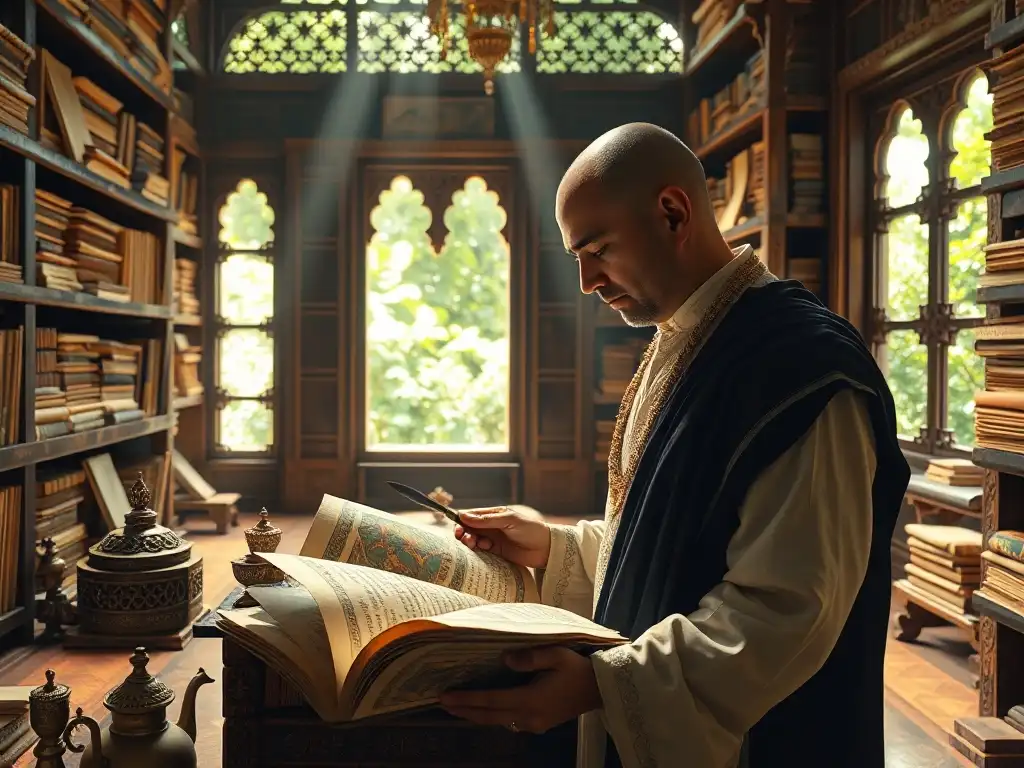
Welcome to Ancient India History, where we embark on a fascinating journey through time to explore the rich tapestry of ancient Indian civilizations. From the marvels of the Indus Valley to the brilliance of the Gupta Empire, our website delves into the remarkable contributions that have shaped not only India but the world. In our featured article, "The Importance of Preservation: Ancient Indian Texts and Their Educational Value," we uncover the profound insights and lessons embedded in these texts, revealing their lasting impact on education and culture.
Join us as we ignite your curiosity and inspire a deeper understanding of a heritage that continues to enlighten us today. Dive in and discover the treasures that await!
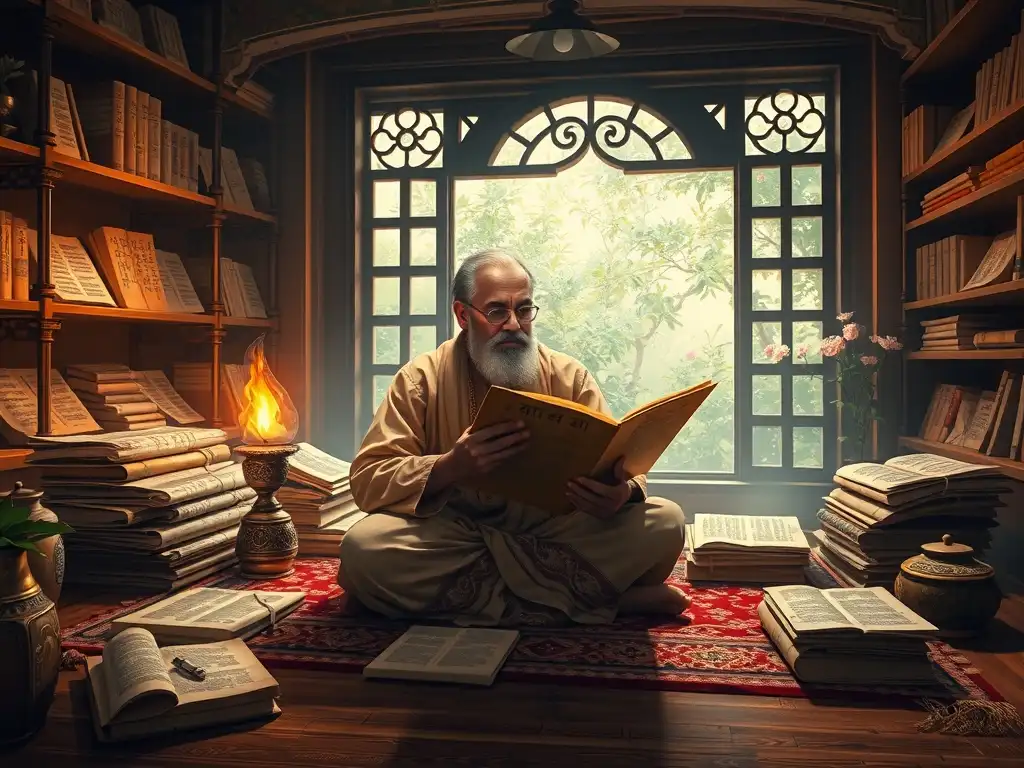
Exploring the educational value of ancient texts is crucial for understanding the rich tapestry of knowledge woven throughout Indian history. Ancient Indian civilizations, from the Indus Valley to the Gupta Empire, produced an array of literary works that encompass philosophy, science, mathematics, and art. These texts not only reflect the intellectual achievements of their time but also serve as vital resources for contemporary educational practices.
By preserving these works, we ensure that future generations can access the wisdom contained within, enriching their understanding of history, culture, and the foundational principles that have shaped modern society. This article delves into the significance of ancient Indian texts and their invaluable contributions to education.
Introduction to Ancient Indian Texts
Overview of Ancient Indian Literature
Ancient Indian literature is a vast and diverse collection of works that spans several millennia. Key texts include the Vedas, Upanishads, Mahabharata, and Ramayana, each rich in philosophical and moral teachings. These texts cover a broad spectrum of subjects, including spirituality, governance, ethics, and the natural sciences. The Sanskrit language, in which many of these texts were composed, is not only a medium of communication but also a vessel for profound philosophical concepts and cultural heritage.
Significance of Ancient Texts in Indian Culture
The significance of ancient texts in Indian culture cannot be overstated. They form the bedrock of Indian philosophy and spirituality, influencing various aspects of daily life and societal values. These texts are often revered as sacred and are integral to rituals, festivals, and education in traditional settings. They provide insight into the moral frameworks and governance systems of ancient India, reflecting the region's unique cultural identity and historical continuity.
The Educational Value of Ancient Texts
Understanding the Concept of Educational Value
The educational value of ancient texts lies in their ability to impart wisdom, promote critical thinking, and foster a sense of cultural identity. These texts encourage readers to explore complex ideas and engage with profound questions about existence, ethics, and the nature of knowledge. By studying these works, individuals can develop a deeper appreciation for historical contexts and the evolution of thought across time.
Key Themes in Ancient Indian Texts that Promote Learning
Ancient Indian texts encompass several key themes that are instrumental in promoting learning:
- Philosophy and Ethics: Works like the Bhagavad Gita delve into moral dilemmas and the nature of duty, encouraging self-reflection and ethical reasoning.
- Science and Mathematics: Texts such as the Aryabhatiya highlight advancements in mathematics and astronomy, showcasing the analytical skills of ancient scholars.
- Literature and Arts: The Mahabharata and Ramayana not only tell epic tales but also explore human emotions and relationships, providing valuable lessons in empathy and human psychology.
Incorporating these themes into educational curricula can enhance critical thinking, creativity, and cultural awareness among students, thereby fostering a holistic learning environment rooted in the rich heritage of ancient India.
Historical Context of Ancient Indian Texts
The historical context of ancient Indian texts is rich and layered, reflecting the diverse cultures, philosophies, and educational practices that flourished in the subcontinent. From the early days of the Indus Valley Civilization, which dates back to around 2500 BCE, to the sophisticated societal structures of the Gupta Empire (approximately 320-550 CE), these texts serve as critical windows into the values, beliefs, and knowledge systems of ancient India. The development of writing systems, notably the Brahmi and Kharosthi scripts, facilitated the recording of religious, philosophical, and practical knowledge, allowing for the transmission of ideas across generations.
Ancient Indian texts were not merely repositories of information; they were integral to the educational fabric of society. Scholars and sages played a pivotal role in the transmission of knowledge, often through oral traditions before they were committed to writing. The evolution of these texts is marked by significant shifts in thought, culture, and educational practices, which reflect the dynamic nature of Indian civilization.
Evolution of Texts from the Indus Valley to the Gupta Empire
The evolution of ancient Indian texts is a testament to the continuity and transformation of knowledge over millennia. The earliest known texts, such as the Rigveda, emerged during the Vedic period (circa 1500-500 BCE) and are primarily religious hymns that explore cosmology, philosophy, and ritual practices. These texts laid the groundwork for subsequent philosophical discourse, including the development of Upanishads, which delve into metaphysical inquiries and ethical considerations.
Throughout the Maurya and later Gupta Empires, texts evolved to encompass a broader range of subjects, including mathematics, astronomy, medicine, and literature. The Aryabhatiya by Aryabhata, for instance, revolutionized mathematics and astronomy, while Charaka Samhita and Sushruta Samhita provided foundational knowledge in medicine. This evolution reflects the growing complexity of Indian society and its educational needs, showcasing how ancient texts served not only as educational resources but also as instruments for social cohesion and cultural identity.
Major Ancient Texts and Their Contributions to Education
Several ancient texts stand out for their profound contributions to education and knowledge in India. The Vedas, comprising the Rigveda, Yajurveda, Samaveda, and Atharvaveda, are foundational texts that offer insights into rituals, ethics, and societal norms. They established early frameworks for education that emphasized oral transmission and memorization.
The Upanishads followed, marking a shift towards philosophical inquiry and introspection, encouraging learners to seek knowledge beyond mere rituals. Another significant contribution is found in the Mahabharata and Ramayana, which, apart from being epic narratives, serve as moral and ethical guides, imparting lessons on dharma (duty) and righteousness.
Moreover, the Nyaya Sutras and Vaisheshika Sutras laid the groundwork for formal logic and epistemology, influencing educational practices by introducing systematic methods of reasoning. Each of these texts contributed uniquely to the educational landscape of ancient India, underscoring the rich intellectual heritage that continues to resonate in modern times.
Preservation of Ancient Texts
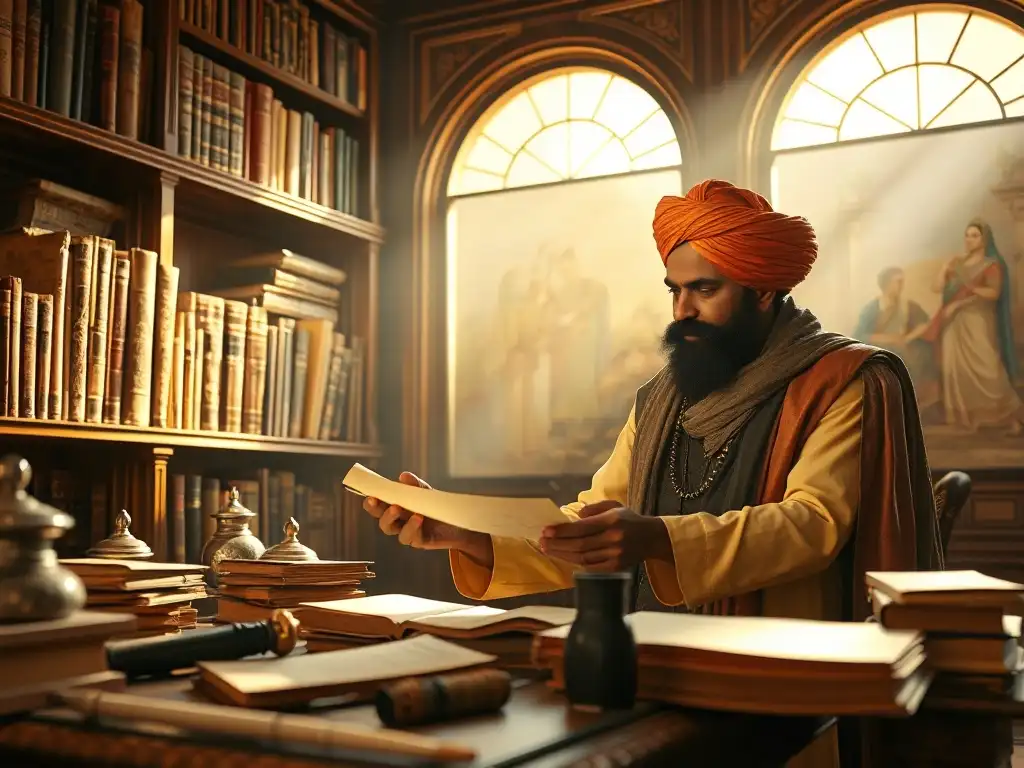
The preservation of ancient texts is crucial not only for maintaining historical continuity but also for ensuring that future generations can access and learn from the wisdom of the past. Ancient Indian texts have endured through various means of preservation, reflecting the cultural reverence for knowledge and scholarship.
Methods of Preservation in Ancient India
In ancient India, preservation methods were diverse and innovative. Manuscripts were primarily written on palm leaves, birch bark, and later, paper, using natural inks derived from plants and minerals. To safeguard these texts from environmental damage, scholars often stored them in specially designed repositories or granaries.
Moreover, oral traditions played a vital role in preservation. Scholars trained in the art of recitation would memorize texts, ensuring that knowledge was passed down through generations, even in times when written forms faced degradation. This oral tradition was complemented by the establishment of gurukuls, where students learned under the guidance of a guru, facilitating the transmission of knowledge in a structured manner.
Importance of Preserving Ancient Texts for Future Generations
Preserving ancient texts holds immense significance for contemporary society. These texts not only embody the intellectual achievements of ancient civilizations but also provide insights into cultural practices, societal values, and historical contexts. By studying these works, modern scholars and learners gain a deeper understanding of India's rich heritage, fostering a sense of identity and continuity.
Furthermore, ancient texts often contain timeless wisdom that can inform modern educational practices. They offer perspectives on ethics, governance, and human relationships that remain relevant today. As such, the preservation of these texts is not merely an academic endeavor; it is a cultural imperative that enriches our understanding of humanity's shared past.
Modern Efforts in the Preservation of Ancient Indian Literature
In recent years, there have been concerted efforts to preserve ancient Indian literature through various initiatives. Organizations and institutions dedicated to this cause are employing modern technology to digitize manuscripts, making them more accessible to scholars and the public alike. Digital archives allow for the preservation of fragile texts while also promoting wider dissemination of knowledge.
Additionally, collaborations between governments, universities, and cultural organizations have led to increased awareness and funding for preservation projects. Workshops and training programs aim to educate new generations of scholars on conservation techniques and the importance of safeguarding cultural heritage. These modern efforts not only ensure the preservation of ancient texts but also invigorate interest in India's literary and philosophical traditions, ensuring their relevance in contemporary educational discourse.
Impact of Ancient Texts on Modern Education
Ancient Indian texts hold profound significance in shaping modern education systems. They encapsulate philosophical inquiries, scientific discoveries, and ethical teachings that continue to resonate in contemporary society. Texts like the Vedas, Upanishads, and the Mahabharata provide insights into various subjects such as mathematics, astronomy, medicine, and philosophy, making them invaluable resources for educational curricula. The principles of holistic education found in these texts advocate for an integrated approach to learning, emphasizing the development of both the intellect and character.
Moreover, the educational value of ancient texts extends beyond mere academic knowledge. They encourage critical thinking and reflective learning, prompting students to engage with complex ideas and diverse perspectives. By studying these ancient works, learners not only gain historical awareness but also cultivate an appreciation for cultural heritage and ethical values, which are crucial in today’s increasingly globalized world.
Incorporating Ancient Texts into Contemporary Curriculum
To harness the educational value of ancient texts, contemporary curricula can integrate these works across various subjects. For instance, literature classes may include excerpts from epics like the Ramayana to explore narrative techniques, character development, and moral dilemmas. Similarly, history lessons can utilize ancient texts to provide context about the socio-political structures of ancient India, thereby enriching students' understanding of their heritage.
In science and mathematics, concepts found in ancient texts, such as the principles of geometry in the Sulba Sutras, can be introduced to illustrate the historical progression of knowledge. Furthermore, philosophy classes can engage with the ethical teachings of ancient Indian sages, encouraging discourse on morality and human behavior. By weaving ancient texts into the fabric of modern education, educators can foster a multidisciplinary approach that enhances students' critical thinking, creativity, and cultural literacy.
Case Studies: Successful Educational Practices Using Ancient Texts
Several educational institutions have successfully implemented ancient texts into their curricula, demonstrating their relevance and effectiveness in modern learning environments. For example, the Gurukul system, which emphasizes personalized learning and mentorship, draws from ancient practices that focus on holistic education. Schools following this model often incorporate texts like the Upanishads to teach philosophy and ethics, helping students develop a strong moral compass.
Another notable case is the inclusion of ancient Indian texts in the curriculum of universities offering courses in Indology and South Asian studies. These programs often feature interdisciplinary approaches, combining literature, history, and philosophy to provide students with a comprehensive understanding of ancient Indian civilization. Such initiatives not only preserve ancient knowledge but also promote academic research and scholarship in the field of Indian studies.
Challenges in Integrating Ancient Texts into Modern Education Systems
Despite the recognized educational value of ancient texts, several challenges hinder their effective integration into modern education systems. One significant barrier is the lack of familiarity and training among educators regarding these texts and their pedagogical applications. Many teachers may feel unprepared to discuss complex philosophical concepts or historical contexts, leading to a superficial engagement with the material.
Additionally, the dominance of standardized curricula often sidelines ancient texts in favor of contemporary literature and science. This focus on standardized testing may limit educators' ability to incorporate diverse perspectives, including those offered by ancient Indian texts. Furthermore, the language barrier presents another challenge, as many ancient texts are in languages like Sanskrit or Prakrit, which require specialized knowledge to interpret and teach effectively.
Conclusion
Summary of the Educational Value of Ancient Texts
The educational value of ancient Indian texts is multifaceted, offering insights that are essential for both personal development and academic growth. These texts serve as gateways to understanding the rich cultural heritage of India, while also providing foundational knowledge in various fields. By embracing the wisdom and teachings contained within these works, contemporary education can foster a more holistic and inclusive learning environment.
The Future of Ancient Indian Texts in Education and Cultural Preservation
Looking ahead, the future of ancient Indian texts in education and cultural preservation appears promising. As educational systems increasingly recognize the importance of multicultural education, there is potential for greater integration of these texts into curricula worldwide. Innovative teaching methods, such as digital humanities projects and interdisciplinary studies, can facilitate the accessibility and relevance of ancient texts for new generations.
Moreover, the growing interest in heritage education and cultural preservation can lead to collaborative efforts between educational institutions, cultural organizations, and communities. By prioritizing the incorporation of ancient texts into modern teaching practices, we can ensure that the wisdom of ancient civilizations continues to enlighten and inspire future learners, fostering a deeper appreciation for the diversity of human thought and experience.
- Introduction to Ancient Indian Texts
- The Educational Value of Ancient Texts
- Historical Context of Ancient Indian Texts
- Preservation of Ancient Texts
- Impact of Ancient Texts on Modern Education
- Conclusion
Frequently Asked Questions
What are ancient Indian texts, and why are they important?
Ancient Indian texts include scriptures, philosophical treatises, and literary works that provide insights into cultural, spiritual, and scientific advancements of the time. Their educational value lies in documenting the intellectual heritage of ancient civilizations.
How do ancient Indian texts contribute to modern education?
These texts serve as primary sources for understanding historical contexts, moral philosophies, and scientific knowledge. They inspire contemporary educational systems by offering lessons on ethics, governance, and social responsibilities.
What are some examples of notable ancient Indian texts?
Examples include the Vedas, Upanishads, Mahabharata, and Panchatantra. Each of these texts carries significant philosophical, literary, and educational value, shaping various aspects of Indian culture and society.
How can one access ancient Indian texts today?
Many ancient Indian texts are available in translated formats and can be accessed through libraries, online databases, and educational institutions. Some organizations also focus on preservation and digitization of these texts for wider accessibility.
What role does preservation play in understanding ancient Indian texts?
Preservation ensures that valuable historical and cultural documents remain intact for future generations. This effort is crucial for maintaining the educational value of ancient texts, allowing them to inform and enrich contemporary scholarship.
Final Reflection: The Enduring Educational Value of Ancient Texts
The preservation of ancient Indian texts is not merely an academic endeavor; it is a vital link to our collective wisdom and cultural heritage. In today’s fast-paced world, where information is often transient and superficial, the depth and richness of these ancient writings offer profound insights that remain relevant. They serve as a reminder that the quest for knowledge is timeless, and the lessons embedded within these texts can guide us through contemporary challenges.
Cultural and social landscapes are continually shaped by the ideas and philosophies found in ancient texts. The educational value of these works transcends mere historical interest; they provide frameworks for critical thinking, ethics, and holistic understanding. As Mahatma Gandhi once said, “A nation’s greatness is measured by how it treats its weakest members.” This sentiment echoes the teachings found in ancient Indian literature, emphasizing the importance of compassion and responsibility in our educational pursuits. The ongoing relevance of these texts encourages us to reflect on our values and the impact of our actions on society.
As we move forward, I invite you to explore the treasures of ancient Indian literature and consider how their teachings can enrich your life. Take a moment to reflect on the lessons from the past and how they can inform your present and future. Engage with these texts, share their wisdom, and allow their educational value to inspire you to contribute positively to the world around you. In doing so, we not only honor our heritage but also pave the way for a more enlightened future.
Thank you for taking the time to dive into the fascinating world of ancient Indian texts! You've uncovered the profound educational value these works offer, not only in preserving history but also in enriching our understanding of the present. Now, it's time to take action and ensure these treasures continue to inspire future generations!
- Start your journey by selecting an ancient Indian text that resonates with you. Look for a translation or commentary that makes the wisdom accessible and relevant to contemporary life.
- Join a local or online book club that focuses on ancient Indian literature to engage in discussions and broaden your perspectives together.
- Share this article with friends or on social media to spark interest in preserving our cultural heritage!
Which ancient text will you explore first, and how do you believe it can transform your perspective on today’s world?