
How Ancient Indian Education Addressed Social Issues of Its Time

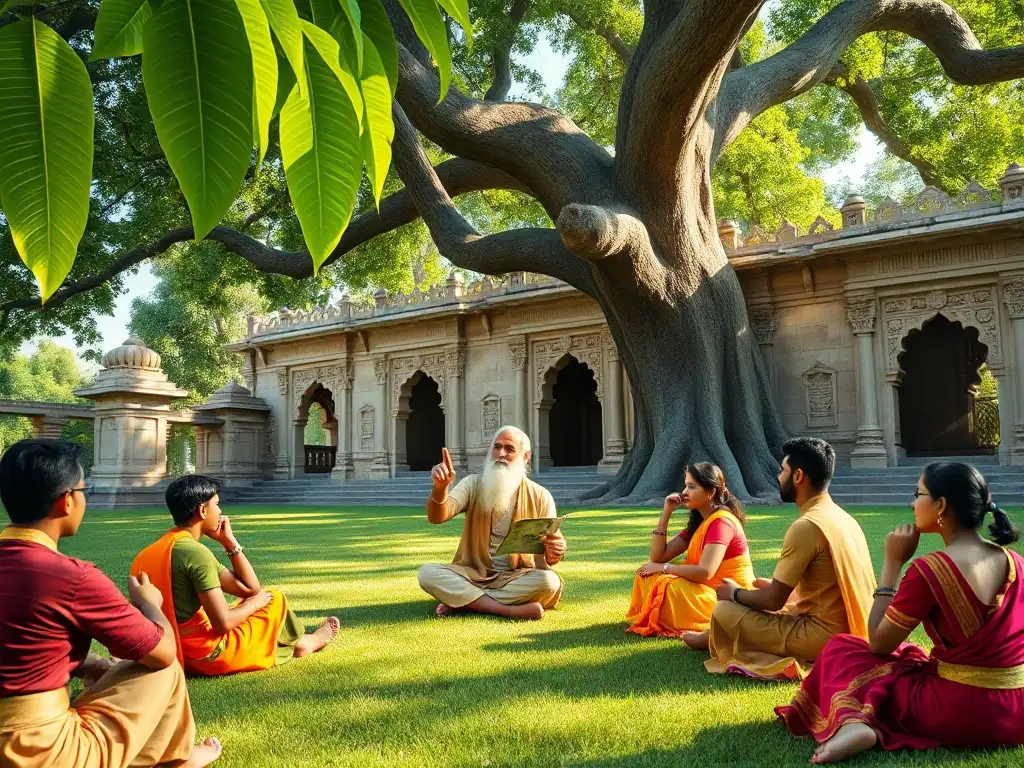
Welcome to Ancient India History, where we embark on a fascinating journey through the rich tapestry of ancient Indian civilizations. In this exploration, we delve into the intricate ancient Indian education system, a cornerstone of societal development that addressed pressing social issues of its time. How did these early educational frameworks shape culture and foster innovation? Join us as we uncover the profound impact of education in ancient India, sparking curiosity about the legacies that resonate even today. Prepare to dive deeper into the past and discover the transformative power of knowledge!
- Introduction to the Ancient Indian Education System
- Historical Context of Ancient Indian Education
- The Structure of the Ancient Indian Education System
- Addressing Social Issues through Education
- Contributions of Ancient Indian Education to Society
- Conclusion: Legacy of the Ancient Indian Education System
-
Frequently Asked Questions
- What was the primary focus of the ancient Indian education system?
- How did ancient Indian education promote social equality?
- What role did Gurukuls play in ancient Indian education?
- How did ancient Indian texts contribute to education?
- In what ways did the ancient Indian education system influence modern education?
- Final Reflection: The Enduring Legacy of Ancient Indian Education
- Unveil the Wisdom of Ancient Education: Act Now!
Introduction to the Ancient Indian Education System
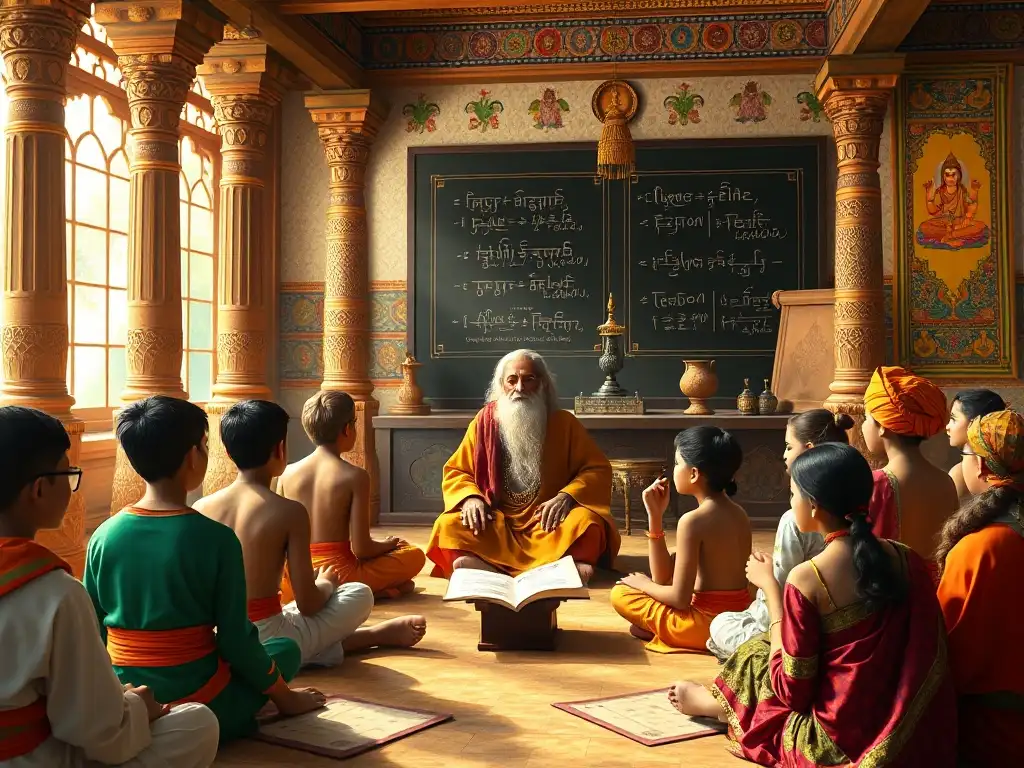
The ancient Indian education system is a fascinating subject that reflects the profound values, philosophies, and social structures of its time. Spanning from the early Vedic periods to the heights of the Gupta Empire, this system was not merely about imparting knowledge; it was intricately linked to the social, cultural, and spiritual fabric of ancient India.
The evolution of educational practices in this period reveals how education served as a tool to address various social issues, including caste dynamics, gender roles, and the promotion of moral values. By exploring the rich tapestry of ancient Indian education, we can gain insights into how these civilizations laid the groundwork for contemporary educational practices and philosophies.
Overview of Ancient Indian Education
The ancient Indian education system was characterized by a holistic approach that encompassed various disciplines, including philosophy, mathematics, astronomy, medicine, and art. Education was primarily conducted in Gurukuls, where students lived with their teachers (gurus) and received personalized instruction. This system emphasized experiential learning, moral development, and the cultivation of critical thinking skills.
Key features of ancient Indian education included:
- Subjects of Study:
- Vedic texts: Students learned the scriptures that form the foundation of Hindu philosophy.
- Mathematics and Astronomy: Pioneering contributions in mathematics, including concepts like zero and advanced calculations, were central to education.
- Medicine: The Ayurvedic system of medicine was taught, emphasizing holistic health and well-being.
- Methodology:
- Oral Tradition: Knowledge was transmitted orally, fostering a strong memory and deep understanding.
- Debate and Discussion: Students were encouraged to engage in dialogues, enhancing critical thinking and reasoning skills.
- Inclusivity and Accessibility: While education was primarily accessible to the upper caste, evidence suggests that certain texts and teachings were gradually opened to other groups, aiming to address social inequalities.
Importance of Education in Ancient Indian Society
Education in ancient India played a crucial role in shaping society and addressing various social issues. It served as a means to:
- Promote Ethical Values: The curriculum emphasized ethics, duty (dharma), and social responsibility, fostering a sense of community and shared moral values among individuals.
- Empower Individuals: Education provided the necessary skills for individuals to improve their social mobility, enabling them to contribute meaningfully to society, regardless of their caste or gender.
- Preserve Cultural Heritage: Through the study of texts, arts, and traditions, education helped in preserving and transmitting cultural heritage, ensuring continuity and identity across generations.
- Facilitate Social Reforms: Over time, educational practices began to challenge rigid social structures, advocating for more inclusive practices and opportunities for marginalized groups.
The ancient Indian education system was not just a framework for academic learning; it was a dynamic entity that engaged with the pressing social issues of its time, paving the way for a more inclusive and progressive society. Understanding this intricate relationship between education and social structure offers valuable lessons for contemporary educational practices and reforms.
Historical Context of Ancient Indian Education
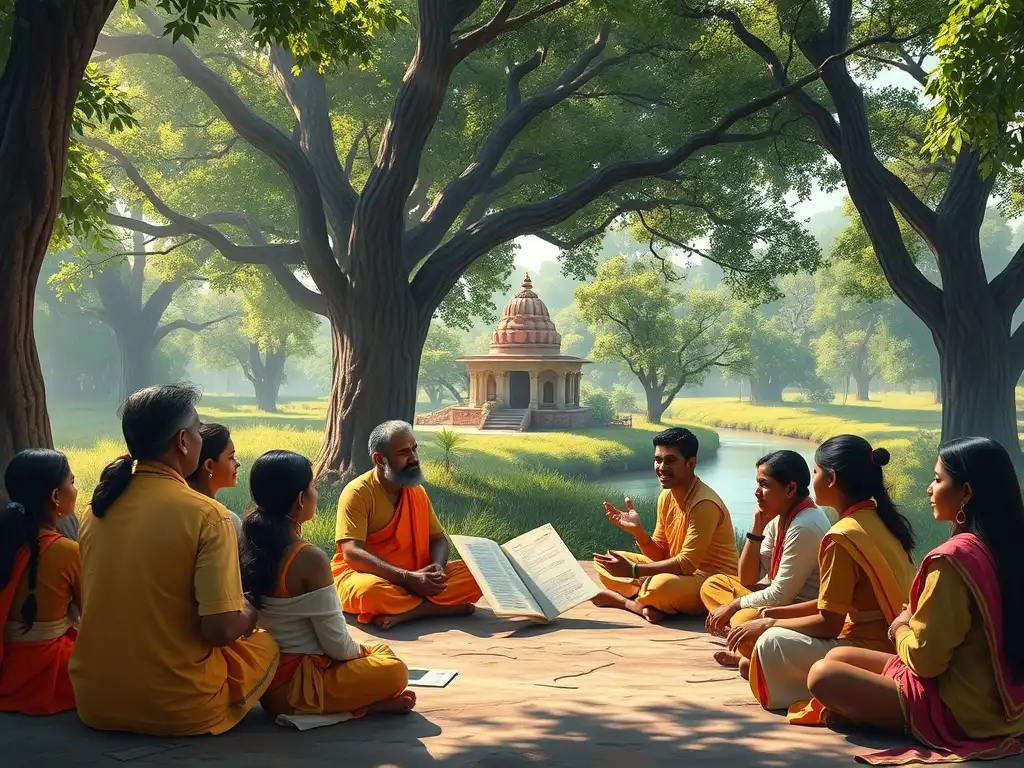
The ancient Indian education system has its roots deeply embedded in the socio-cultural and religious practices of the time. It was primarily conducted through Gurukuls, where students lived with their teachers (Gurus) and received instruction in various subjects, including philosophy, mathematics, astronomy, and scriptures. This system not only focused on academic knowledge but also emphasized moral values and social responsibilities.
The Evolution of Educational Practices
Ancient Indian education evolved through several phases, influenced by various factors such as religion, culture, and economic changes. Initially, education was centered around the Vedic texts, with a strong emphasis on oral transmission of knowledge. The key features of this educational phase included:
- Guru-Shishya Parampara: A traditional method where knowledge was passed from teacher to student in a close-knit environment.
- Subjects of Study: Focus areas included Vedas, Upanishads, grammar, logic, mathematics, and music.
- Caste System Influence: Education was often limited by social stratification, with higher castes having more access to advanced learning.
As time progressed, educational practices became more structured. The establishment of universities, such as Nalanda and Takshashila, marked a significant shift. These institutions offered a wide array of subjects and attracted students from different regions, fostering a more inclusive approach to learning. Key features of this evolution included:
- Formal Curriculum: Development of a standardized curriculum that included both religious and secular subjects.
- Diverse Teaching Methods: Incorporation of discussions, debates, and practical applications in teaching.
- Inclusivity and Accessibility: Gradually, education became more accessible to various classes of society, including women in certain periods.
Major Periods Influencing the Education System in Ancient India
The ancient Indian education system was significantly influenced by various historical periods, each contributing uniquely to its development. Below are the major periods that shaped educational practices:
- Vedic Period (1500 - 500 BCE):
- Education was primarily oral and centered around the Vedas.
- Emphasis on spirituality and moral development.
- Gurukuls were the main centers of learning.
- Buddhist Period (6th Century BCE - 1st Century CE):
- Rise of institutions like Nalanda and Takshashila.
- Increased emphasis on logic, philosophy, and science.
- Education became more inclusive, with the acceptance of students from various backgrounds.
- Gupta Period (4th - 6th Century CE):
- Considered the Golden Age of education in India.
- Significant advancements in mathematics (concept of zero), astronomy, and medicine.
- Establishment of formal universities and structured curricula.
- Post-Gupta Period (7th Century CE Onwards):
- Continued influence of Islamic scholars and the establishment of Madrasas.
- Blending of Hindu and Islamic educational practices.
- Increased focus on literature, arts, and sciences.
The ancient Indian education system was a dynamic entity, adapting to the needs and demands of society throughout its history. By integrating various cultural influences and responding to social issues, it laid the foundation for future educational paradigms in India.
The Structure of the Ancient Indian Education System
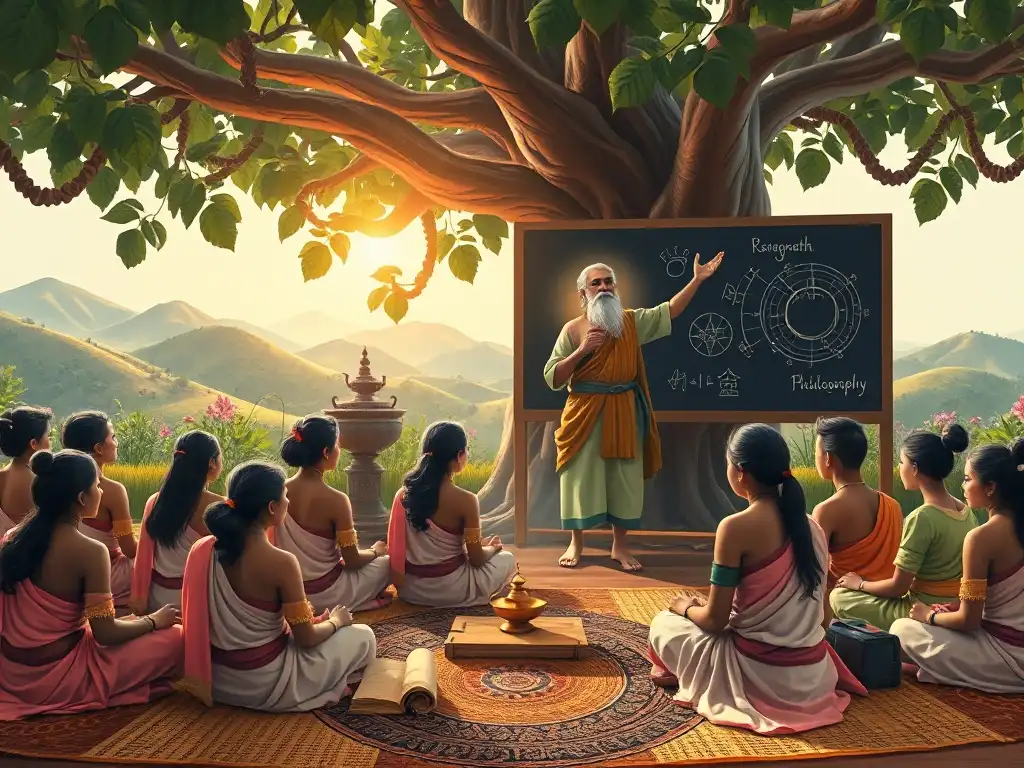
The ancient Indian education system was a complex and multifaceted structure designed to cater to the diverse needs of society. Its foundation lay in the principles of holistic development, emphasizing not just academic knowledge but also moral and ethical values. This system primarily took shape through informal institutions known as Gurukulas, which served as the cornerstone of learning in ancient India.
Gurukula System: The Foundation of Learning
The Gurukula system was an age-old educational practice where students, known as shishyas, lived and learned with their teachers, the gurus, in a communal setting. This system was prevalent from the Vedic period and continued through various dynastic eras until the medieval period. Each Gurukula functioned as a self-sustaining entity, often located in serene, natural environments conducive to learning.
- Living Arrangements: Students would reside in the Gurukula, fostering a sense of community and discipline. They engaged in daily chores, which taught them responsibility and teamwork alongside their studies.
- Personalized Instruction: The close-knit nature of the Gurukula allowed for personalized attention from gurus to their students, adapting teaching methods to suit individual learning paces and styles.
- Moral and Ethical Education: The curriculum was not solely academic; it included teachings on ethics, philosophy, and spirituality, instilling values that would guide students throughout their lives.
This system played a pivotal role in addressing social issues of the time by promoting education among various strata of society, although it primarily catered to the upper castes. Nevertheless, it laid the groundwork for collective learning experiences that transcended individual backgrounds.
Role of Teachers (Gurus) in Ancient Education
The gurus held a revered position in the ancient Indian education system, acting as mentors, guides, and moral compasses for their students. Their role extended beyond mere instruction; they were responsible for shaping the character and intellect of the young minds entrusted to them.
- Mentorship: Gurus often formed deep bonds with their students, guiding them through personal and academic challenges. This mentorship was critical in fostering a supportive learning environment.
- Cultural Preservation: Teachers played an essential role in preserving and transmitting cultural knowledge and traditions. They taught not only academic subjects but also folklore, rituals, and customs, ensuring the continuity of cultural heritage.
- Community Leaders: Many gurus were also community leaders, influencing social norms and values. Their teachings often extended into the community, promoting social welfare and ethical conduct.
The respect for gurus was deeply ingrained in society, and their influence contributed significantly to the moral and intellectual fabric of ancient Indian civilization.
Subjects and Curriculum in Ancient Indian Education
The curriculum in ancient Indian education was comprehensive, encompassing a wide array of subjects that reflected the society's needs and values.
- Core Subjects: The primary subjects included:
- Vedic Studies: Focusing on the Vedas, which are the oldest sacred texts of Hinduism.
- Mathematics: Covering arithmetic, geometry, and astronomy, which were crucial for practical applications in agriculture and trade.
- Philosophy: Exploring existential questions and ethical dilemmas, often through dialogues and debates.
- Arts and Literature: Encouraging creativity through poetry, music, and arts, which played a significant role in cultural expression.
- Practical Knowledge: Besides theoretical knowledge, the curriculum also included practical skills necessary for daily life, such as:
- Agriculture: Techniques and practices that could enhance productivity.
- Medicine: Basic healthcare and herbal medicine, reflecting the importance of health in society.
- Moral Education: Integral to the curriculum was moral education, which emphasized virtues like truthfulness, compassion, and respect for all living beings.
The ancient Indian education system was not merely an institution of learning but a holistic approach to personal and societal development, addressing social issues through a well-rounded curriculum that prepared individuals for various roles in society.
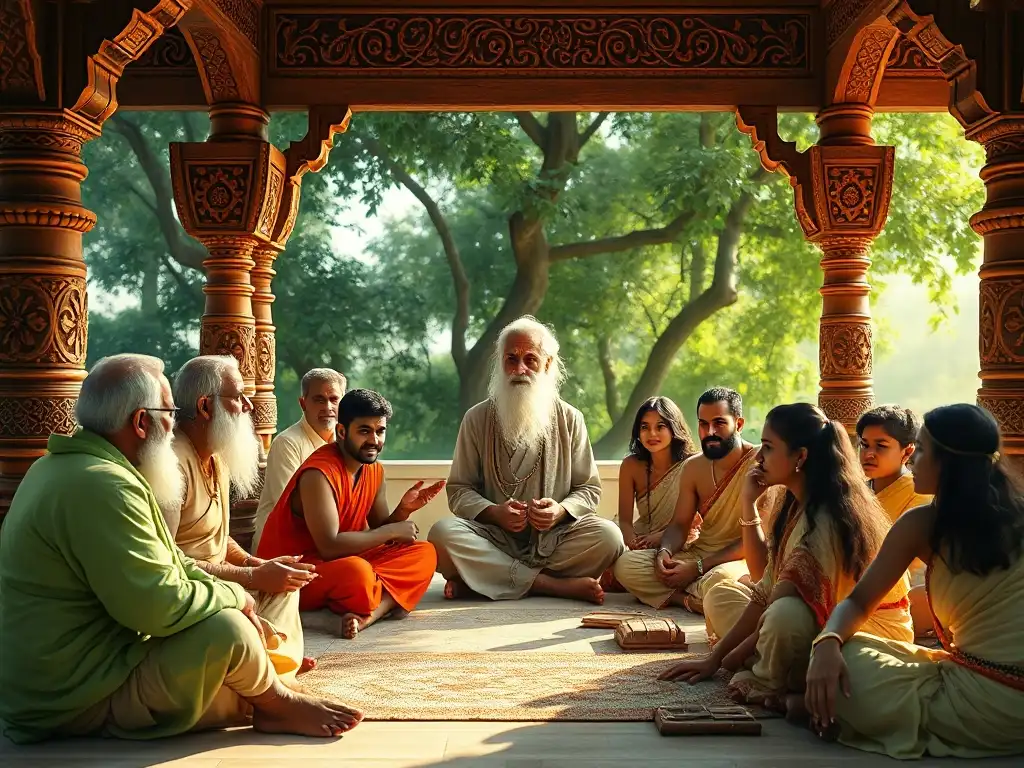
The ancient Indian education system played a pivotal role in addressing various social issues that emerged throughout its history. Education was not merely a means of acquiring knowledge; it served as a tool for social reform and empowerment. By focusing on inclusivity and addressing disparities, ancient Indian education contributed to the gradual evolution and transformation of societal norms.
Caste System and Educational Accessibility
The caste system in ancient India created significant barriers to educational access. Traditionally, education was primarily reserved for the Brahmins, who were perceived as the custodians of knowledge. However, responding to the social challenges posed by this stratification, various reformists and philosophical schools emerged, advocating for broader educational access.
- Varna System and Its Implications:
- The four main varnas (Brahmins, Kshatriyas, Vaishyas, and Shudras) had distinct roles, impacting who could receive education.
- Despite these restrictions, some texts suggest that certain Shudras were allowed to learn specific skills.
- Emergence of Non-Brahmin Schools:
- Around the 6th century BCE, alternative educational institutions, such as the Takkasila and Nalanda, began to emerge, where students from different castes could study together.
- This marked a significant shift towards inclusivity, as it opened avenues for individuals from lower castes to engage in scholarly pursuits.
- Influence of Buddhist Education:
- Buddhism played a crucial role in democratizing education. Monastic universities like Nalanda were open to all, regardless of caste, promoting a more meritocratic approach to learning.
- This not only challenged the caste hierarchy but also facilitated social mobility through education.
Women's Education in Ancient India
Women's education in ancient India was often overlooked, but there were notable examples and efforts to promote female learning. While societal norms frequently confined women to domestic roles, several educational practices emerged to empower women.
- Historical Context:
- In early Vedic society, women were educated and could participate in spiritual and philosophical discussions. Texts like the Rigveda mention women sages and scholars.
- Over time, however, societal norms shifted, and women's education became increasingly restricted.
- Key Figures and Institutions:
- Notable women, such as Gargi and Maitreyi, are celebrated for their intellect and contributions to Vedic philosophy, highlighting that women were integral to the educational landscape.
- Specific institutions, such as Gurukuls, occasionally allowed women to receive education, especially in subjects like music, dance, and arts.
- Revival and Reform Movements:
- The 19th century saw a renaissance in women's education, influenced by reformers like Savitribai Phule and Raja Ram Mohan Roy. They established schools specifically for girls, challenging prevailing norms.
- These efforts laid the groundwork for later educational reforms and contributed to the gradual recognition of women's rights in education.
Throughout ancient Indian history, education was employed as a vehicle for social justice. Various case studies illustrate how educational practices addressed social inequities and contributed to reform.
- The Role of Ashrams:
- The ashram system provided a unique educational model where students lived with their guru. This model fostered egalitarian principles, as students from varied backgrounds learned together.
- The emphasis on moral and ethical education aimed to cultivate a sense of community and social responsibility among learners.
- Influence of Philosophers:
- Philosophers like Chanakya emphasized the importance of education for all, advocating for knowledge as a means to uplift society. His work, Arthashastra, stressed the relevance of education in governance and social welfare.
- His teachings promoted critical thinking skills and the notion of education as a public good, influencing the governance approach for centuries.
- Educational Reforms in the Gupta Empire:
- The Gupta period is often referred to as the "Golden Age" of India, marked by significant advancements in education. The establishment of universities, such as Nalanda and Vikramashila, emphasized inclusive education.
- These institutions not only offered a diverse curriculum but also attracted international students, promoting cultural exchange and social harmony.
The ancient Indian education system was instrumental in addressing various social issues, including caste discrimination and gender inequality. Through its adaptive practices and progressive philosophies, it laid the foundation for social justice, equality, and inclusivity, reflecting the dynamic interplay between education and societal transformation.
Contributions of Ancient Indian Education to Society
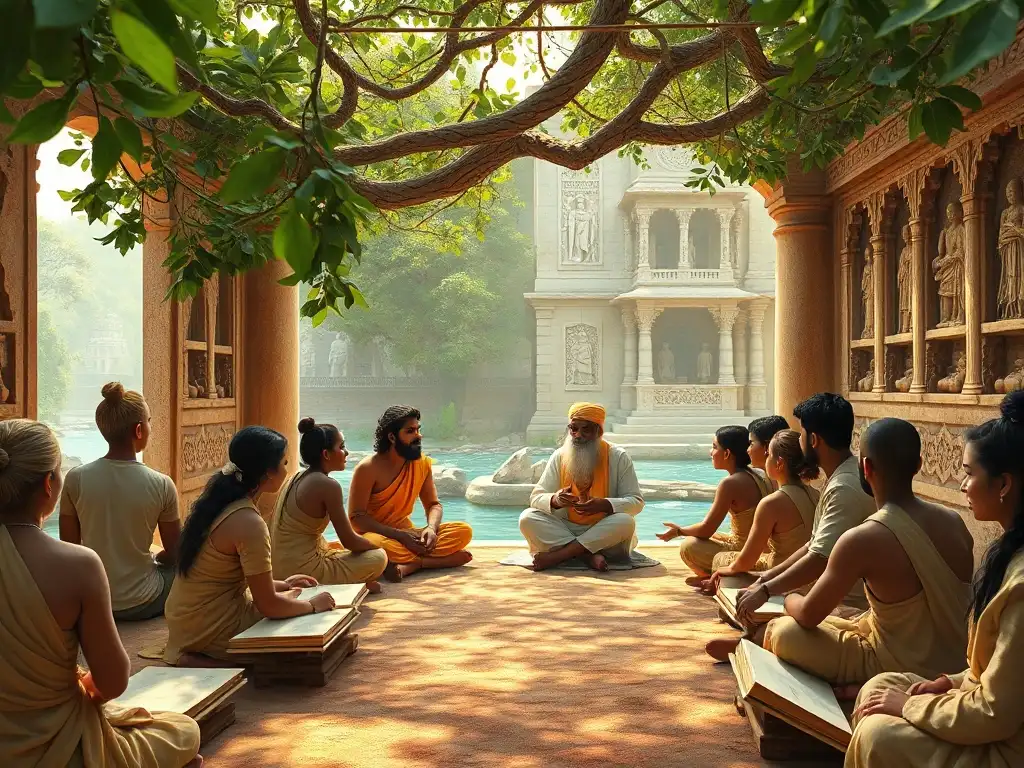
The ancient Indian education system played a pivotal role in shaping society by addressing various social issues prevalent during its time. It not only provided knowledge but also cultivated values that fostered social harmony and inclusivity. The educational practices of ancient India were rooted in the belief that learning should be accessible to all, regardless of caste or gender, creating a foundation for a more equitable society.
Promoting Inclusivity and Diversity in Learning
The ancient Indian education system emphasized inclusivity and diversity, which was reflected in its approach to teaching various subjects. Education was not confined to a particular class or gender; rather, it was available to both boys and girls from different backgrounds.
- Caste System and Education: While the caste system did influence social structures, many ancient texts, including the Vedas and Upanishads, advocated for the education of all individuals. Notably, several scholars emerged from lower castes, illustrating the potential for upward mobility through knowledge.
- Gender Inclusivity: Women, although often restricted in certain societal roles, were encouraged to pursue education in some sectors. Figures such as Gargi and Maitreyi, who engaged in philosophical discourse, exemplify the recognition of women's intellect in ancient Indian society.
- Curriculum Diversity: The curriculum encompassed a wide range of subjects, including philosophy, mathematics, astronomy, and arts, allowing learners from various backgrounds to find their niche and contribute to society in diverse ways.
This focus on inclusivity not only enriched the educational landscape but also fostered social cohesion, as individuals from varied backgrounds came together in the pursuit of knowledge.
The Role of Ancient Universities: Nalanda and Takshashila
Ancient universities like Nalanda and Takshashila were crucial in advancing the ancient Indian education system. These institutions attracted scholars from across the globe and played a significant role in disseminating knowledge.
- Nalanda University: Established in the 5th century CE, Nalanda became a renowned center for higher learning, offering a curriculum that included subjects such as theology, logic, and medicine. The university was notable for its diverse student body, which included international scholars, fostering a rich exchange of ideas.
- Takshashila University: Dating back to the 6th century BCE, Takshashila is one of the earliest universities in the world. It was a melting pot of cultures and knowledge, where students learned subjects ranging from military tactics to the arts. The university's educational philosophy encouraged critical thinking and debate, which were essential for addressing societal challenges.
Both universities not only contributed to individual enlightenment but also played a vital role in shaping societal values and addressing contemporary issues through education.
Influence of Ancient Indian Education on Modern Educational Systems
The ancient Indian education system has left a lasting legacy that continues to influence modern educational practices. The emphasis on holistic development, critical thinking, and inclusivity can be observed in contemporary educational frameworks.
- Holistic Education: Ancient Indian education aimed to develop the mind, body, and spirit, a principle that modern educational systems are increasingly recognizing. The integration of arts, sciences, and ethical education reflects this ancient approach.
- Critical Thinking and Discussion: The dialectical method of learning, prevalent in ancient universities, is echoed in modern pedagogical strategies that promote discussion, debate, and analytical thinking. This approach prepares students to tackle real-world problems effectively.
- Inclusivity in Education: The principles of inclusivity and diversity in learning from ancient times continue to inspire efforts to create equitable educational opportunities for all students today. Modern policies increasingly advocate for access to education regardless of socio-economic status, gender, or ethnicity.
The rich traditions of the ancient Indian education system not only addressed social issues of their time but also laid the groundwork for educational philosophies that resonate even in contemporary society. The legacy of inclusivity, diversity, and holistic learning continues to inspire educational reforms aimed at creating a more just and enlightened world.
Conclusion: Legacy of the Ancient Indian Education System
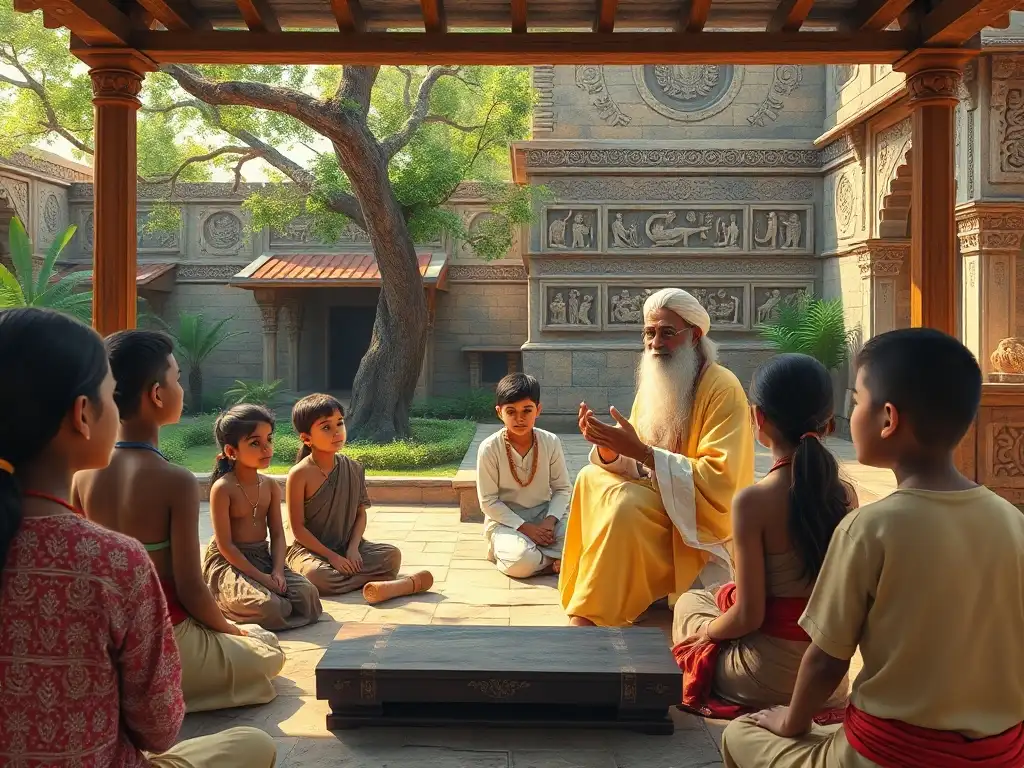
The ancient Indian education system has left an indelible mark on the fabric of modern education, shaping various pedagogical approaches and philosophies. Rooted in a holistic understanding of knowledge and its application, the educational practices of ancient India were not merely about imparting knowledge but fostering the overall development of an individual. This legacy continues to resonate in today's educational landscape, highlighting the enduring influence of ancient methodologies and values.
One of the key features of this educational system was its inclusivity, which addressed various social issues, recognizing the diverse backgrounds of learners. Ancient educational institutions, such as Gurukuls and Buddhist monastic schools, not only focused on academic knowledge but also on moral and ethical values, thereby fostering a sense of community and social responsibility. This approach remains relevant in contemporary discussions about inclusivity and the role of education in promoting social equity.
Lasting Impacts on Contemporary Education
The ancient Indian education system's emphasis on critical thinking, debate, and discussion has significantly influenced modern educational practices. For instance, the Nyaya philosophy, which focused on logic and reasoning, can be seen mirrored in current critical thinking curricula across various educational institutions. The ancient practice of Shastrartha—debates on scriptures—encouraged students to engage with ideas actively, a method that contemporary educators are increasingly adopting to promote analytical skills.
Moreover, the integration of practical knowledge with theoretical learning, evident in subjects like Ayurveda and Vastu Shastra, highlights the importance of experiential learning—a concept that has gained traction in the modern education system. By bridging theoretical concepts with real-life applications, educators today can better prepare students for the complexities of the modern world.
Another significant impact is the establishment of an inclusive educational framework. Ancient Indian education recognized the importance of diverse learning styles and backgrounds, paving the way for contemporary educational practices that strive to accommodate varied learners. This inclusivity is reflected in modern pedagogy, which increasingly values differentiated instruction and culturally responsive teaching.
Lessons Learned from Ancient Indian Educational Practices
The ancient Indian education system offers several valuable lessons that can be applied to current educational practices:
- Holistic Development: The ancient focus on nurturing the mind, body, and spirit emphasizes the importance of a balanced education that caters to all aspects of a student's development.
- Mentorship: The Guru-Shishya tradition underscores the significance of relationships in learning, advocating for mentorship models that foster personal connections between educators and students.
- Community Involvement: Education in ancient India was often a communal affair, promoting the idea that learning should extend beyond formal institutions to involve families and communities, a principle that can enhance current educational approaches.
- Value of Ethics and Morality: Integrating ethics and moral education into curricula can help cultivate responsible citizens, a practice rooted in ancient Indian teachings that remains crucial today.
- Adaptive Learning Environments: The adaptability of ancient schools to cater to local needs and contexts serves as a reminder for modern education to remain flexible and responsive to societal changes.
The ancient Indian education system not only addressed the social issues of its time but also provided a framework that continues to inspire and inform contemporary educational practices. By learning from its principles, modern educators can create more inclusive, effective, and holistic educational environments that reflect the rich legacy of ancient Indian civilization.
Frequently Asked Questions
What was the primary focus of the ancient Indian education system?
The ancient Indian education system primarily focused on holistic development, emphasizing both intellectual and moral education to prepare students for societal roles.
Education in ancient India was designed to be inclusive, allowing individuals from various castes and backgrounds to access knowledge, thereby addressing social inequalities of the time.
What role did Gurukuls play in ancient Indian education?
Gurukuls were traditional learning centers where students lived with their teachers, fostering personalized education and strong teacher-student relationships, crucial for addressing social issues.
How did ancient Indian texts contribute to education?
Ancient texts like the Vedas and Upanishads served as foundational materials, providing knowledge not just in academics but also in ethics and social responsibilities.
In what ways did the ancient Indian education system influence modern education?
The ancient Indian education system laid the groundwork for integrative learning approaches, promoting values like critical thinking and community involvement, which are relevant in today’s educational practices.
Final Reflection: The Enduring Legacy of Ancient Indian Education
The ancient Indian education system was not merely a means of imparting knowledge; it was a profound framework that addressed the social issues of its time. Today, as we navigate complex societal challenges, the principles embedded in this educational model resonate more than ever. The emphasis on holistic development, inclusivity, and moral values serves as a guiding light for contemporary education systems striving to create equitable and just societies.
The influence of ancient Indian education extends far beyond its historical context, shaping cultural narratives and social structures that persist today. The focus on community engagement and the nurturing of critical thinking skills fostered a sense of responsibility among learners, which is crucial in our current climate of rapid change and uncertainty. Education is the most powerful weapon which you can use to change the world.
– Nelson Mandela. This quote encapsulates the transformative power of education, echoing the foundational beliefs of ancient Indian scholars who understood that knowledge could uplift entire communities.
As we reflect on the lessons from the ancient Indian education system, I invite you to consider how these principles can be woven into your own life and the lives of those around you. What can you learn from the past to address the social issues we face today? Let us embrace the wisdom of our ancestors and strive to create educational environments that foster not only academic excellence but also social responsibility and ethical leadership. The future is in our hands, and by applying these timeless lessons, we can build a more compassionate and enlightened world.
Unveil the Wisdom of Ancient Education: Act Now!
Thank you for diving into the rich tapestry of how ancient Indian education addressed social issues! Your interest in this transformative period reflects a quest for understanding and growth. Armed with this knowledge, you have the power to make a difference today.
Here are some specific actions you can take to expand on what you've learned:
- Explore Further: Delve into ancient texts or local community programs that echo the educational principles of the past. Consider volunteering with educational initiatives that promote social equality.
- Share Your Insights: Discuss what you’ve learned with family and friends or on social media. Initiate conversations about how the lessons from ancient education can inspire modern solutions to current social challenges.
- Engage with Your Community: Join or establish a book club focused on historical educational methods. Collaborate with others to explore ancient learning techniques and brainstorm their applicability to today’s issues.
What aspect of ancient Indian education do you find most relevant for addressing contemporary social challenges? Share your thoughts in the comments below!