
Ashoka the Great: The Emperor Who Left a Mark on History

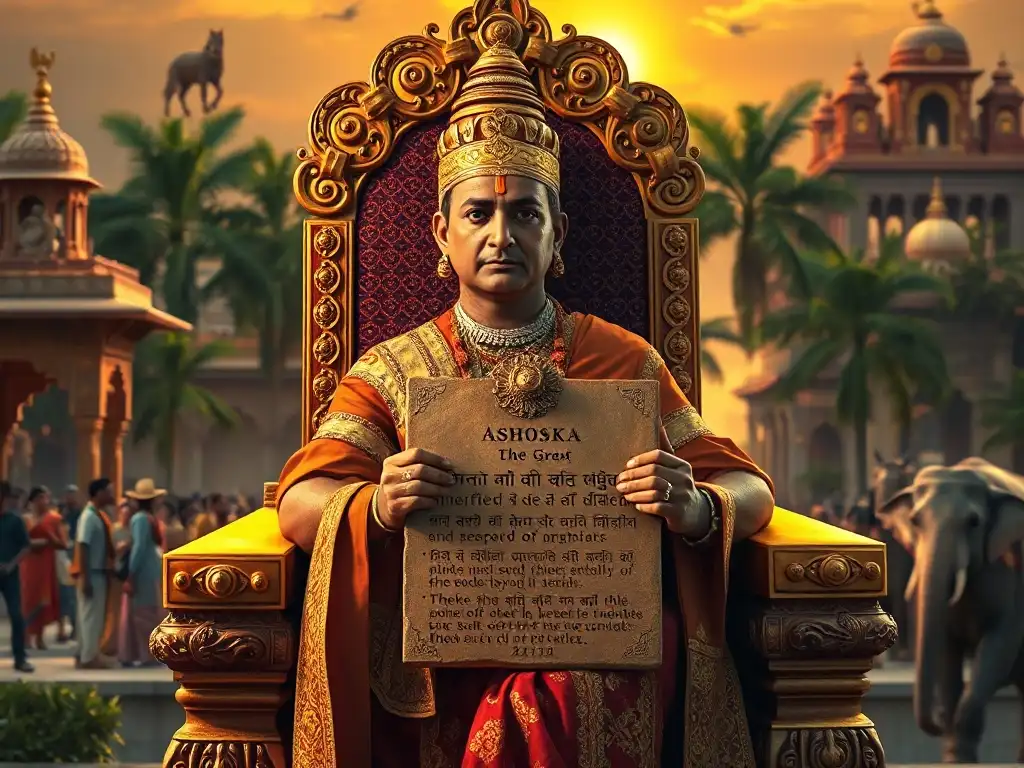
Welcome to Ancient India History, where we embark on an extraordinary journey through the rich tapestry of India's past. Dive deep into the life and legacy of Ashoka the Great, a ruler whose profound impact resonates through centuries. Did you know that his reign not only transformed the Indian subcontinent but also set the foundation for the principles of governance and ethics that we still admire today?
As you explore this article, you'll uncover the remarkable achievements and philosophies of this iconic emperor, and discover why his history is a captivating chapter in the story of ancient civilizations. Join us as we unravel the mysteries and insights surrounding Ashoka's remarkable legacy!
Ashoka the Great History: An Overview of His Life and Legacy
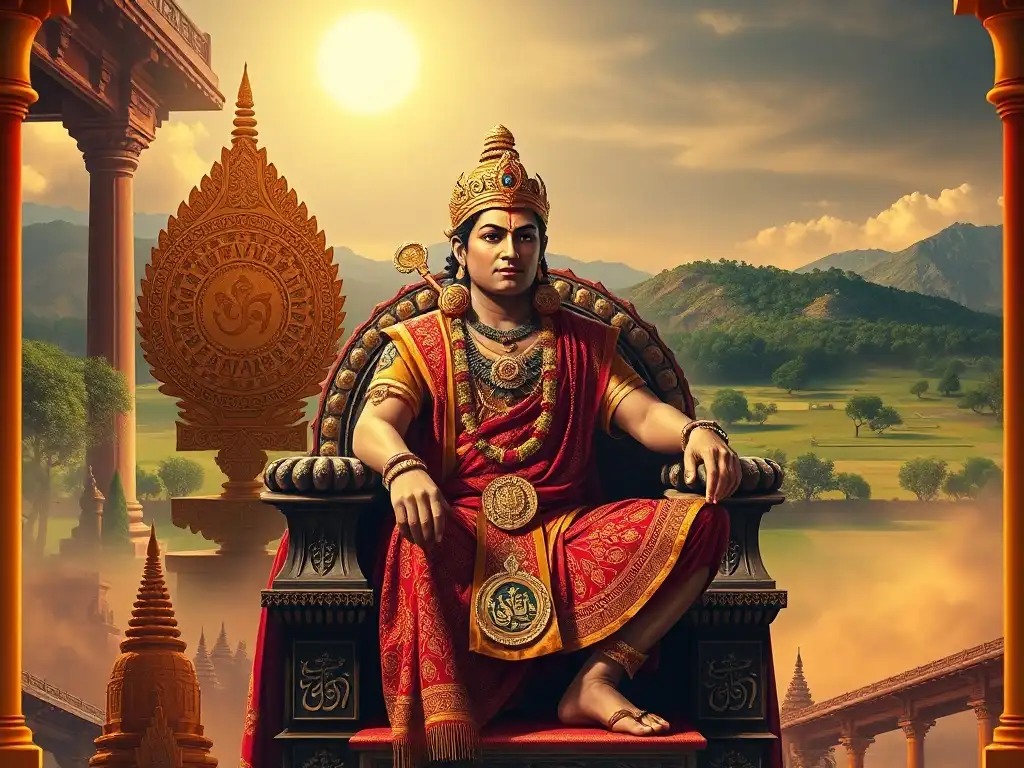
The legacy of Ashoka the Great, one of the most revered emperors of ancient India, is a testament to the profound impact he had on Indian civilization and beyond. His reign, spanning from 268 to 232 BCE, marked a transformative period characterized by unprecedented advancements in governance, culture, and philosophy.
Ashoka's commitment to the principles of Dharma, or moral law, significantly influenced the socio-political landscape of ancient India, promoting non-violence and tolerance across his vast empire. This article delves into the multifaceted history of Ashoka, exploring his early life, challenges during his rise to power, and the key events that shaped his illustrious reign.
Early Life of Ashoka the Great
Birth and Family Background
Ashoka was born into the Maurya dynasty around 304 BCE, the son of Emperor Bindusara and a royal consort, Dharma. His family background was steeped in power, as his grandfather, Chandragupta Maurya, was the founder of the Mauryan Empire and a significant figure in Indian history. Ashoka had several siblings, but he was often considered a favorite due to his exceptional qualities and potential for leadership. The wealth and political influence of his family provided Ashoka with a unique vantage point to observe governance and the complexities of ruling an empire.
Education and Upbringing
Growing up in the royal palace, Ashoka received a comprehensive education that included military training, administration, and philosophy. He was particularly influenced by Buddhist teachings, which would later play a pivotal role in shaping his worldview. His upbringing emphasized the importance of wisdom and justice, laying the groundwork for his future as a ruler. Ashoka's formative years were marked by a blend of privilege and responsibility, which ultimately prepared him for the complexities of leadership he would face as emperor.
Ascension to the Throne
The Challenges of Leadership
Upon ascending the throne, Ashoka encountered numerous challenges, including political unrest and the need to solidify his authority over a vast and diverse empire. His early reign was marked by a struggle to maintain order and unify the various regions under his control. The resistance from local rulers and the complexities of governance highlighted the difficulties inherent in leading a large empire. Ashoka's initial approach to leadership was characterized by a strong military presence, but he soon recognized the need for a more compassionate and just governance model.
Key Events Leading to His Coronation
Several key events shaped Ashoka's path to the throne. Following the death of his father, Ashoka's rise was not straightforward. He faced competition from his brothers, which led to a series of power struggles.
However, through strategic alliances and displays of military prowess, Ashoka ultimately emerged victorious. His coronation marked the beginning of a new era, where he would implement significant reforms and establish his legacy as a ruler dedicated to the welfare of his people. The pivotal moment in his ascension came after the Kalinga War, a transformative conflict that profoundly influenced his perspective on governance and led him to adopt the principles of Buddhism as the foundation for his rule.
Ashoka's journey from a warrior to a proponent of peace and Dharma exemplifies the complexities of his character and the profound impact of his reign on the course of Indian history.
Ashoka's Reign: A Turning Point in Ancient Indian History
Ashoka the Great, who ruled from approximately 268 to 232 BCE, is often heralded as one of the most significant emperors in ancient Indian history. His reign marked a pivotal turning point characterized by remarkable military conquests, profound philosophical transformations, and the establishment of a unified empire under the principles of Buddhism and dharma. Ashoka's administration was notable for its focus on moral governance and public welfare, leading to significant advancements in art, architecture, and communication across the vast territories he controlled.
During his rule, the Mauryan Empire reached its zenith, encompassing a vast region that included present-day India, Pakistan, Bangladesh, and parts of Afghanistan. The emperor's policies and reforms laid the groundwork for a legacy that would influence generations to come, not only shaping the future of India but also spreading the ideals of Buddhism far beyond its borders.
Initial Military Campaigns and Conquests
Before his transformation into a proponent of peace and non-violence, Ashoka was a formidable military leader. His early reign was marked by aggressive military campaigns aimed at expanding the Mauryan Empire's territory. Ashoka initially focused on consolidating control over the eastern regions, launching successful campaigns against various kingdoms and tribes. These conquests were characterized by strategic prowess and military strength, allowing him to establish a strong foundation for his empire.
One of Ashoka's notable early conquests was the subjugation of the territories in present-day northern India, which significantly increased the empire's wealth and resources. His military tactics were innovative for the time, often employing both psychological warfare and diplomacy to achieve his goals. However, these initial campaigns set the stage for a more significant conflict that would ultimately redefine his legacy.
The Kalinga War: A Defining Moment
The Kalinga War, fought around 261 BCE, stands as a defining moment in Ashoka's reign and life. Kalinga, located on the eastern coast of India, was a prosperous kingdom known for its wealth and strong resistance to Mauryan expansion. Ashoka's desire to annex Kalinga led to a fierce and bloody conflict that resulted in a staggering loss of life—estimates suggest that over 100,000 soldiers and civilians perished in the war.
The profound impact of this conflict on Ashoka was transformative. Witnessing the devastation and suffering caused by the war deeply affected him, leading to a radical change in his outlook on governance and human relations. The Kalinga War serves as a critical juncture in Ashoka's history, as it prompted him to abandon the path of conquest in favor of a commitment to peace, compassion, and the moral principles of Buddhism.
The Transformation of Ashoka
Ashoka's transformation from a ruthless conqueror to a benevolent ruler is one of the most compelling aspects of his legacy. After the Kalinga War, he began to embrace the teachings of Buddhism, which emphasized non-violence, compassion, and the pursuit of enlightenment. This philosophical shift was not merely personal; it fundamentally altered the trajectory of his rule and the values embedded in the Mauryan administration.
The Influence of Buddhism on Ashoka's Philosophy
Buddhism played a crucial role in shaping Ashoka's philosophy and governance. After his conversion, he sought to promote the core tenets of Buddhism throughout his empire. This included the establishment of stupas, monastic schools, and the propagation of Buddhist teachings. Ashoka's edicts, inscribed on pillars and rocks across his empire, reflect his commitment to the principles of ahimsa (non-harming) and the welfare of all living beings.
Under Ashoka's influence, the Mauryan Empire became a beacon of Buddhist culture, facilitating the spread of its teachings beyond India into regions such as Central Asia and Southeast Asia. His efforts not only solidified Buddhism as a major world religion but also promoted a culture of tolerance and understanding among diverse communities within his realm.
Adoption of Non-Violence and Dharma
Ashoka's adoption of non-violence and the concept of dharma marked a significant departure from his earlier military ethos. He advocated for the ethical treatment of all beings and implemented policies aimed at ensuring social justice and welfare. Ashoka's vision of dharma was broad, encompassing moral conduct, respect for all religions, and the promotion of public health and education.
The edicts of Ashoka serve as guiding principles, emphasizing the importance of compassion, kindness, and the moral duty of rulers to act in the best interest of their subjects. This approach not only fostered a sense of unity among the diverse populations of his empire but also laid the groundwork for future Indian rulers to adopt similar values in governance.
Ashoka the Great's reign represents a significant chapter in ancient Indian history, characterized by transformative changes in leadership, philosophy, and governance that continue to resonate today. His legacy serves as an enduring example of the power of compassion and ethical leadership in shaping a more peaceful and just society.
Contributions to Ancient India
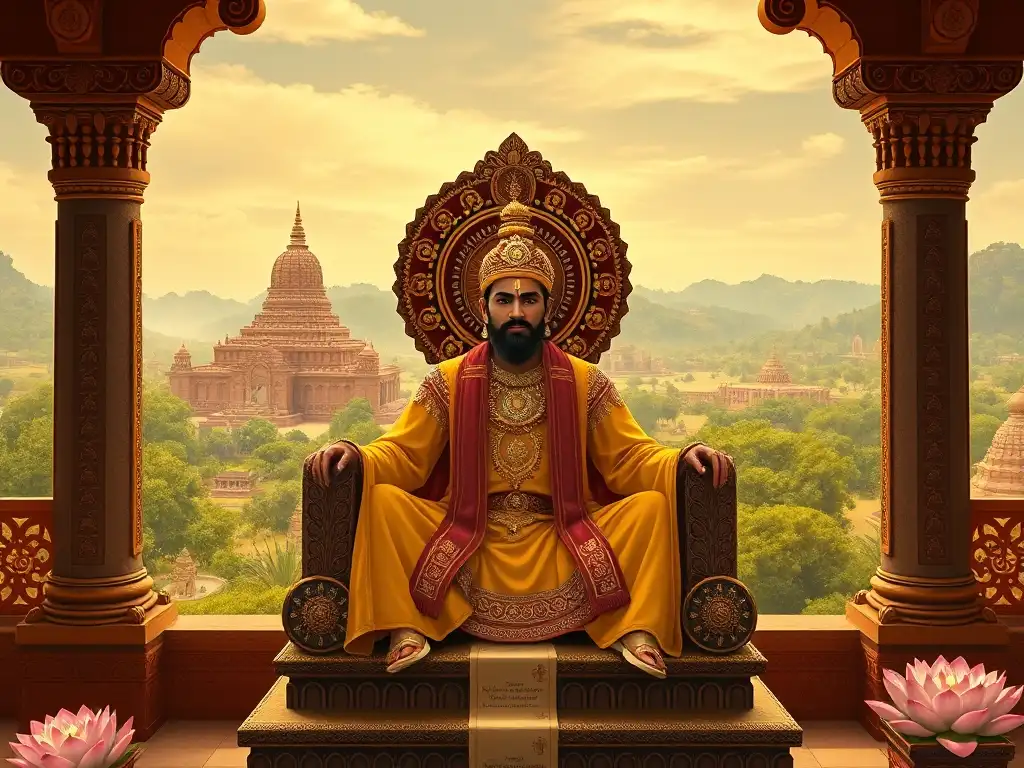
Ashoka the Great, the third Mauryan emperor, ruled from approximately 268 to 232 BCE and is one of the most significant figures in ancient Indian history. His reign marked a transformative period characterized by profound contributions to society, culture, and governance, which have had lasting impacts on the Indian subcontinent. Ashoka's commitment to promoting Dharma (moral law) and social welfare distinguished his leadership style, setting a precedent for future rulers.
His contributions extended beyond mere military conquests; they involved cultural integration and promoting ethical governance. By embracing Buddhism, Ashoka championed non-violence, tolerance, and respect for all religions, which fostered a more harmonious society. His policies not only emphasized the welfare of his subjects but also paved the way for a cultural renaissance that emphasized education, art, and architecture, leaving a significant mark on ancient Indian civilization.
Architectural Achievements: Stupas and Edicts
One of Ashoka's most enduring legacies is his architectural accomplishments, particularly the construction of stupas and the dissemination of his edicts. The stupas, which are dome-shaped structures built to house relics of the Buddha and other important figures, symbolize the spread of Buddhism across the region. Notable stupas such as the Sanchi Stupa and the Great Stupa at Amaravati exemplify the artistic ingenuity of this era and serve as significant pilgrimage sites for Buddhists.
In addition to stupas, Ashoka is renowned for his edicts, inscribed on rocks and pillars throughout his empire. These edicts articulate his philosophy of Dharma, emphasizing moral conduct, compassion, and the importance of non-violence. They serve as some of the earliest examples of written communication in India and provide invaluable insights into the social and political climate of the time. The edicts not only communicated Ashoka's policies but also promoted ethical governance and social responsibility, influencing the administrative practices of subsequent rulers.
Promotion of Trade and Cultural Exchange
Under Ashoka's reign, ancient India experienced a notable expansion in trade and cultural exchange. His policies encouraged commerce and facilitated the movement of goods across the vast Mauryan Empire, which included regions from present-day Afghanistan to Bangladesh. By establishing trade routes and enhancing infrastructure, such as roads and rest houses for travelers, Ashoka significantly improved the flow of goods and ideas.
The promotion of trade also led to increased interactions with other cultures and civilizations, particularly those along the Silk Road. This cultural exchange enriched Indian society, bringing in new ideas, art forms, and technologies that influenced local customs and practices. Ashoka's efforts in fostering trade not only contributed to economic prosperity but also played a vital role in the dissemination of Buddhism, as merchants and travelers carried Buddhist teachings to distant lands.
Ashoka's Legacy in Historical Context
Ashoka's legacy is deeply embedded in the historical context of ancient India and extends beyond his empire's borders. His reign is often seen as a turning point in Indian history, where the principles of governance evolved to prioritize the welfare of the people over mere territorial expansion. This shift laid the foundation for future empires to adopt similar ethical frameworks in their rule.
The promotion of Buddhism during Ashoka's reign played a crucial role in shaping the spiritual landscape of India and beyond. Ashoka's patronage helped establish Buddhism as a major world religion, and his efforts to spread its teachings had profound implications for cultural and philosophical exchanges in Asia. This legacy of interconnectivity and mutual respect among different cultures can be seen as a precursor to the globalized world we live in today.
The Spread of Buddhism Under Ashoka
Ashoka's conversion to Buddhism marked a significant chapter in the religion's history, catalyzing its spread across ancient India and beyond. Following the Kalinga War, which deeply affected him, Ashoka embraced Buddhist principles and sought to promote them throughout his empire. His commitment to non-violence, compassion, and ethical governance resonated with many, leading to a surge in Buddhist followers.
The establishment of monasteries and educational institutions during his reign facilitated the growth of Buddhist communities. Ashoka also dispatched missionaries to other regions, including Southeast Asia and the Mediterranean, to share the teachings of Buddhism. This missionary activity not only spread the religion but also contributed to cultural exchanges, as local customs blended with Buddhist practices.
Influence on Future Indian Empires
The influence of Ashoka's policies and ideals extended far beyond his reign, setting a precedent for future Indian empires. His emphasis on Dharma and ethical governance inspired subsequent rulers, who sought to emulate his model of benevolent leadership. For instance, the Gupta Empire, which flourished from around the 4th to the 6th century CE, adopted similar principles in governance and cultural patronage.
Moreover, the principles laid down by Ashoka regarding religious tolerance and social welfare became integral to Indian political philosophy. These ideals influenced not only Indian rulers but also leaders across Asia, who recognized the importance of ethical governance in maintaining societal harmony. The legacy of Ashoka continues to be celebrated today as an enduring symbol of peace, compassion, and moral integrity in leadership, reminding us of the profound impact one individual can have on history.
Conclusion: The Enduring Impact of Ashoka the Great
Ashoka the Great, the third Mauryan emperor, remains a towering figure in the annals of Indian history. His reign, which spanned from around 268 to 232 BCE, marked a transformative period that significantly influenced the course of Indian civilization. After witnessing the devastating consequences of war, particularly during the Kalinga War, Ashoka embraced Buddhism and adopted a policy of non-violence, compassion, and moral governance. This shift not only shaped his own rule but also left an indelible mark on the socio-political landscape of India and beyond.
The legacy of Ashoka is evident in his promotion of the Dhamma, a set of moral principles grounded in Buddhist philosophy. His efforts to spread these ideals were instrumental in fostering a sense of social justice and unity across his vast empire. Ashoka's edicts, inscribed on pillars and rocks throughout the Indian subcontinent, serve as enduring reminders of his commitment to ethical governance and the welfare of his subjects. The principles of tolerance, respect for all living beings, and the importance of compassion resonate even today, making him a symbol of enlightened leadership.
Moreover, Ashoka's impact transcended geography. His patronage of Buddhism facilitated its spread beyond India to regions like Sri Lanka, Central Asia, and Southeast Asia, establishing a foundation for cultural and spiritual exchanges that continue to thrive. This cultural diffusion underscores his role as a unifier, bridging diverse communities through shared values of peace and understanding.
Reflection on Ashoka's Role in Shaping Indian History
Ashoka's significance in Indian history cannot be overstated; he served as a pivotal figure who not only consolidated the Mauryan Empire but also redefined the relationship between state and religion. His synthesis of political authority with ethical governance laid the groundwork for future rulers, influencing both contemporary and subsequent dynasties. By prioritizing moral values over military conquests, Ashoka set a precedent that encouraged future leaders to consider the welfare of their people as paramount.
The edicts of Ashoka provide invaluable insights into the socio-political climate of ancient India. They reflect his deep concern for issues such as animal welfare, environmental sustainability, and social justice, showcasing a ruler who was ahead of his time. By promoting dialogue and understanding among diverse communities, Ashoka contributed to a more cohesive and integrated society.
In retrospect, Ashoka’s legacy continues to be a source of inspiration, showcasing the potential of leadership that prioritizes ethical considerations. His commitment to peace and dialogue serves as a powerful reminder of the enduring relevance of compassion in governance, making him a model for leaders in various contexts throughout history.
Lessons from Ashoka's Leadership and Governance
Ashoka's reign offers several profound lessons in leadership and governance that remain pertinent in modern contexts.
- Emphasis on Non-Violence: Ashoka's transition from a conqueror to a proponent of non-violence illustrates the power of peaceful resolutions over aggression. His belief in resolving conflicts through dialogue is a lesson that can be applied to contemporary political and social challenges.
- Moral Responsibility: By prioritizing the welfare of his subjects, Ashoka demonstrated that effective governance should align with ethical principles. Leaders today can learn from his example that policies should consider the long-term implications for society's well-being.
- Cultural Integration: Ashoka's promotion of Buddhism and his respect for other religions highlight the importance of cultural inclusivity. This approach fosters unity in diversity, a crucial lesson for navigating the complexities of modern multicultural societies.
- Sustainability and Welfare: His focus on social justice and environmental stewardship underscores the need for sustainable practices in governance. Leaders can draw inspiration from Ashoka's policies aimed at societal welfare, emphasizing the importance of a balanced relationship between development and the environment.
Ashoka the Great exemplifies a ruler whose values and governance approach resonate through the ages. His legacy not only shaped ancient India but also continues to provide rich lessons for future generations on the importance of ethical leadership and the enduring power of compassion.
Frequently Asked Questions
What is the significance of Ashoka the Great in Indian history?
Ashoka the Great is known for his transformative rule during the Maurya Empire, where he promoted Buddhism and non-violence, leaving a lasting impact on Indian culture and values.
How did Ashoka contribute to the spread of Buddhism?
Ashoka played a crucial role in spreading Buddhism beyond India through missions and edicts, advocating for ethical governance and moral conduct, which helped establish Buddhism as a major world religion.
What were the major accomplishments of Ashoka during his reign?
Ashoka's reign is marked by infrastructure development, such as roads and hospitals, as well as the establishment of the Ashoka Edicts, which communicated his philosophy of peace and tolerance to his subjects.
How did Ashoka's policies affect his empire?
Ashoka's policies focused on social welfare, religious tolerance, and environmental conservation, leading to a period of prosperity and stability that significantly enhanced the quality of life for his people.
What legacy did Ashoka the Great leave behind?
Ashoka's legacy includes the promotion of non-violence and ethical governance, influencing future leaders and contributing to the cultural richness of India, making him a revered figure in Indian history.
Final Reflection: The Enduring Legacy of Ashoka the Great
Ashoka the Great's history is not just a tale of an ancient emperor; it is a profound narrative that resonates with our contemporary world. In an era marked by conflict and division, Ashoka's commitment to peace and moral governance serves as a powerful reminder of the impact that compassionate leadership can have on society. His transformation from a conqueror to a proponent of non-violence illustrates the potential for change within us all, urging us to reflect on our own values and actions.
The influence of Ashoka's principles can still be felt today, as they challenge us to consider the importance of empathy and ethical leadership in our communities. His edicts, which promoted tolerance and welfare, echo in modern discussions about governance and social responsibility. The greatest victory is that which requires no battle.
This quote encapsulates Ashoka's revolutionary approach, encouraging us to seek understanding and harmony rather than conflict.
As we contemplate the lessons from Ashoka's life, let us embrace the call to action that his legacy inspires. Consider how you can embody the values of compassion and integrity in your daily life. Reflect on the ways you can contribute to a more peaceful and just society, following in the footsteps of a ruler who understood that true greatness lies not in power, but in the ability to uplift others.
Embrace the Legacy of Ashoka: Take Action Today!
Thank you for diving into the incredible story of Ashoka the Great! You’ve explored the profound impact of his reign on history, and now it’s time to carry that inspiration forward. Let’s transform this knowledge into meaningful actions that honor his legacy and foster positive change in our own lives.
Here are some ways you can engage further:
- Join a local discussion group focused on historical figures like Ashoka to deepen your understanding and share insights with others.
- Volunteer for a community project that promotes peace and inclusivity, reflecting Ashoka’s values of compassion and non-violence.
- Share this article with friends or on social media to spark conversations about how historical influences shape our present-day ethics and governance.
What steps will you take to incorporate the lessons of Ashoka into your daily life?