
How Ashoka’s Edicts Addressed Social Issues of His Time


Welcome to Ancient India History, where we embark on a journey through the vibrant tapestry of India's past. In this exploration, we delve into the profound impact of Ashoka's Edicts on Social Issues, illuminating how this remarkable ruler addressed the challenges of his era. What drove Ashoka to inscribe these powerful decrees, and how did they resonate throughout ancient society? Join us as we unravel the fascinating stories behind these edicts and discover their lasting significance in the fabric of Indian civilization. Don't miss the chance to uncover the wisdom of a king whose legacy continues to inspire generations!
- Introduction to Ashoka's Edicts on Social Issues
- Historical Context of Ashoka's Edicts
- Key Themes in Ashoka's Edicts on Social Issues
- Specific Edicts Addressing Social Issues
- Impact of Ashoka's Edicts on Society
- Conclusion: Legacy of Ashoka's Edicts on Social Issues
- Frequently Asked Questions
- Final Reflection: The Enduring Legacy of Ashoka's Edicts on Social Issues
- Embrace Ashoka’s Wisdom and Shape a Better Tomorrow!

Ashoka the Great, one of the most renowned emperors of ancient India, is often celebrated for his transformative role in promoting peace, tolerance, and social welfare during his reign. Following the bloody Kalinga War, which deeply affected him, Ashoka adopted Buddhism and began to focus on the moral and ethical dimensions of governance. His Edicts, inscribed on rocks and pillars across his empire, serve as a testament to his commitment to addressing various social issues of his time.
These inscriptions not only reflect his philosophical beliefs but also provide insight into the socio-political landscape of ancient India. In this article, we will explore how Ashoka's Edicts addressed social issues, their significance in ancient Indian society, and the lasting impact they have had on subsequent generations.
Overview of Ashoka the Great's Reign
Ashoka's reign, which lasted from approximately 268 to 232 BCE, marked a significant period in the history of India. Ascending to the throne after a series of conquests, he initially followed a militaristic approach to expand his empire. However, the devastating consequences of the Kalinga War, with its immense loss of life and suffering, led Ashoka to reevaluate his priorities. Embracing the principles of Buddhism, he sought to cultivate a society grounded in compassion, non-violence, and moral righteousness.
During his reign, Ashoka implemented a series of reforms aimed at improving the welfare of his subjects. He established hospitals, promoted the planting of trees, and advocated for animal rights, demonstrating a holistic approach to governance. His Edicts, which were disseminated throughout his empire, played a crucial role in communicating his vision to the people and addressing pressing social concerns.
Significance of Edicts in Ancient Indian Society
The Edicts of Ashoka are not just historical artifacts; they represent a crucial aspect of ancient Indian governance and social reform. These inscriptions addressed various social issues, including:
- Moral Conduct: Ashoka emphasized ethical behavior, urging his subjects to practice kindness and compassion.
- Social Harmony: He advocated for the peaceful coexistence of different communities, promoting religious tolerance and understanding.
- Public Welfare: Ashoka's Edicts called for the establishment of infrastructure such as roads, wells, and rest houses, aimed at improving the quality of life for his citizens.
The impact of these Edicts was profound, as they laid the groundwork for a more humane and just society. By prioritizing social welfare and ethical governance, Ashoka not only transformed his empire but also left a lasting legacy that continues to influence modern thought on leadership and social responsibility.
Historical Context of Ashoka's Edicts
To understand Ashoka's Edicts and their implications for social issues, it is crucial to delve into the historical context of the Mauryan Empire and the challenges it faced during Ashoka's reign.
The Mauryan Empire and Its Challenges
The Mauryan Empire, established in 322 BCE by Chandragupta Maurya, reached its zenith under Ashoka, who ruled from approximately 268 to 232 BCE. This vast empire encompassed a significant portion of the Indian subcontinent, stretching from present-day Afghanistan to Bangladesh.
However, the empire was not without its challenges:
- Diverse Populations: The Mauryan Empire was home to various ethnic groups, languages, and cultures. This diversity posed a challenge for governance and social cohesion.
- Religious Pluralism: With the rise of Buddhism, Jainism, and various other indigenous religions, Ashoka had to navigate a complex religious landscape.
- Economic Strains: Despite its wealth, the empire faced economic difficulties, including trade disruptions and agricultural challenges, which affected the lower classes the most.
- Military Conflicts: Ashoka's early reign was marked by military conquests, most notably the Kalinga War (circa 262-261 BCE), which had devastating effects on both the conquered and the conquerors. The war's aftermath led Ashoka to reflect on the consequences of violence.
In response to these challenges, Ashoka adopted a path of non-violence and sought to promote moral and ethical governance. His Edicts, inscribed on rocks and pillars throughout the empire, were a direct response to the social issues of his time, emphasizing compassion, tolerance, and welfare.
During Ashoka's reign, several social issues were prevalent in ancient India, which his Edicts sought to address. These included:
- Caste Disparities: The rigid caste system created significant social stratification. Ashoka's Edicts encouraged the principles of equality and meritocracy, promoting the idea that moral virtue was more important than caste status.
- Animal Welfare: The rampant cruelty towards animals, particularly in the context of sacrifices and hunting, was a significant concern. Ashoka's Edicts advocated for the humane treatment of animals, highlighting his commitment to non-violence (Ahimsa) and compassion towards all living beings.
- Social Injustice: The exploitation of the lower classes by the wealthy elite was rampant. Ashoka's Edicts emphasized justice and the importance of protecting the rights of the less fortunate, urging officials to prioritize the welfare of all subjects.
- Religious Tolerance: Given the diverse religious landscape, there were tensions among different faiths. Ashoka's Edicts promoted religious tolerance, encouraging respect and understanding among followers of different beliefs.
- Public Health and Welfare: The lack of infrastructure and public health measures affected the quality of life for many. Ashoka's Edicts called for the establishment of hospitals for humans and animals, as well as the construction of wells and rest houses.
Ashoka’s Edicts were a profound response to the social challenges of his time, reflecting his deep commitment to moral governance and the welfare of his subjects. Through these Edicts, Ashoka not only sought to address pressing social issues but also aimed to foster a more compassionate and just society.
Ashoka the Great, the third Mauryan emperor, is renowned for his progressive approach to governance, which is prominently reflected in his edicts. These inscriptions, carved on rocks and pillars throughout his empire, articulate a vision for a just society that addresses various social issues of his time. The key themes in Ashoka's edicts particularly illuminate his dedication to promoting social welfare, non-violence, and religious tolerance.
One of the most significant themes in Ashoka’s edicts is the promotion of social welfare and justice. He believed that the well-being of his subjects was paramount and sought to implement policies that would uplift the marginalized and ensure equitable treatment for all. His edicts emphasize the following aspects:
- Healthcare Initiatives: Ashoka established hospitals for both humans and animals, showcasing his commitment to public health. Edicts indicate the construction of medicinal plants gardens and the appointment of physicians to provide free medical care.
- Support for the Poor: The emperor’s edicts called for the provision of resources to the impoverished. He encouraged the distribution of food and aid to those in need, particularly during times of famine or hardship.
- Fair Legal Practices: Ashoka’s legal reforms aimed to ensure justice for all, regardless of social class. He advocated for fair trials and the humane treatment of prisoners, reflecting his belief that justice should be accessible to everyone.
These initiatives not only addressed immediate social concerns but also established a framework for governance rooted in empathy and responsibility.
Emphasis on Non-Violence and Compassion
Ashoka is perhaps best known for his promotion of Dharma, which encompasses moral law and ethical conduct, deeply entwined with the principles of non-violence (Ahimsa) and compassion. His edicts reflect a transformative approach to governance that sought to reduce suffering and promote harmonious living:
- Condemnation of War: Following his conversion to Buddhism after the Kalinga War, Ashoka renounced violence and warfare. His edicts explicitly condemn the horrors of war and advocate for peaceful coexistence among all living beings.
- Promotion of Kindness: Ashoka’s writings urge his subjects to practice kindness and compassion, not only towards humans but also towards animals. This emphasis on Ahimsa was revolutionary and significantly influenced the cultural fabric of his empire.
- Moral Education: In his edicts, Ashoka called for the moral education of his citizens, emphasizing the importance of ethical behavior in building a just society. He believed that a compassionate citizenry would lead to a more stable and prosperous empire.
These teachings underlined Ashoka's vision of a society where individuals coexist peacefully, fostering a culture of mutual respect and understanding.
Advocacy for Religious Tolerance and Harmony
Ashoka’s edicts also championed religious tolerance and harmony, a crucial aspect of his rule in a diverse empire. By promoting coexistence among various religious communities, he aimed to maintain social cohesion and reduce sectarian conflict:
- Respect for All Religions: Ashoka’s inscriptions explicitly state the importance of respecting different faiths. He encouraged his subjects to honor and learn from the practices of others, promoting an inclusive atmosphere.
- Interfaith Dialogue: The edicts advocate for open discussions among various religious groups, fostering mutual respect and understanding. Ashoka believed that dialogue could bridge gaps and build a more unified society.
- Support for Buddhist Principles: While he highlighted the significance of Buddhist teachings, Ashoka made it clear that no single religion should dominate, advocating for a pluralistic approach to spirituality.
Through these efforts, Ashoka sought to create a society where diverse beliefs could coexist peacefully, ultimately contributing to the stability and prosperity of his empire.
Ashoka's edicts on social issues reflect a thoughtful and progressive vision for governance. By prioritizing social welfare, non-violence, and religious tolerance, he laid the groundwork for a compassionate society that resonated with the principles of Dharma. His legacy continues to inspire discussions on governance and social responsibility in contemporary contexts.
One of the most notable aspects of Ashoka's reign was his profound concern for animal welfare, as articulated in several of his edicts. These edicts reflect not only a compassionate approach towards living beings but also highlight the social consciousness of his administration.
Ashoka's Edict on Animal Welfare introduced regulations aimed at minimizing the suffering of animals. He prohibited the killing of certain animals during festivals and advocated for the humane treatment of all creatures. The social implications of this edict were significant, as it encouraged a shift in cultural practices, urging the populace to adopt a more compassionate lifestyle.
The impact of this edict can be observed through various facets:
- Cultural Shift: The edict fostered a cultural environment that valued all forms of life, promoting vegetarianism and non-violence.
- Social Harmony: By aligning ethical treatment of animals with the principles of Dhamma, Ashoka aimed to cultivate a sense of unity among his subjects, reducing conflict and promoting peace.
- Religious Influence: This edict also resonated with the teachings of Buddhism, which emphasizes compassion towards all sentient beings, thereby strengthening the connection between governance and religious values.
Edict on Dhamma and Ethical Conduct
Ashoka's commitment to Dhamma, or righteousness, was central to his governance and is encapsulated in his edicts. The Edict on Dhamma outlines the moral and ethical responsibilities expected of his subjects, emphasizing virtues such as truthfulness, compassion, and respect.
This edict had profound social implications, influencing the moral fabric of society. Key points include:
- Promotion of Justice: Ashoka's emphasis on ethical conduct encouraged judicial fairness and the protection of the vulnerable, reflecting a governance model that prioritized social justice.
- Community Welfare: The edict urged individuals to engage in charitable acts, promoting a culture of communal support and care for the less fortunate.
- Conflict Resolution: By advocating for peaceful resolution of disputes and mutual respect, this edict aimed to reduce violence and foster harmonious relationships among diverse communities.
The incorporation of Dhamma into public life not only enhanced personal ethics but also contributed to a cohesive and stable society, laying the groundwork for future governance models.
Edict on the Role of Women in Society
Ashoka's edicts also addressed the role of women, reflecting an awareness of their importance in society. The Edict on the Role of Women serves as a testament to Ashoka's progressive views, advocating for their dignity and rights.
Key elements of this edict included:
- Social Respect: Ashoka emphasized the need for respect towards women, encouraging their participation in social and religious activities. This marked a significant shift from traditional views, recognizing women as vital contributors to society.
- Protection of Rights: The edict called for the protection of women’s rights, especially in contexts of marriage and family, thereby promoting gender equality and safeguarding their interests.
- Educational Opportunities: Although not explicitly stated, the implications of this edict suggested the importance of education for women, fostering intellectual growth and personal development.
The focus on women’s roles in Ashoka’s edicts indicates a progressive approach to governance, acknowledging women as essential partners in building a compassionate and just society. This forward-thinking mindset paved the way for future discussions on gender equality in the Indian subcontinent.
Impact of Ashoka's Edicts on Society
Ashoka's Edicts, inscribed on rocks and pillars across his empire, served as a profound tool for social reform during his reign (268-232 BCE). These edicts not only highlighted Ashoka's commitment to Buddhism but also addressed pressing social issues of his time, such as welfare, justice, and communal harmony. The impact of these edicts on society can be observed in various dimensions, notably in the transformation of social structures, long-term cultural influences, and their recognition in subsequent eras.
Ashoka's Edicts initiated significant changes in the social hierarchy and structures within the Mauryan Empire. By advocating for social welfare, he sought to uplift the marginalized sections of society, thereby challenging the rigid caste system prevalent at the time.
- Promotion of Welfare:
- Ashoka established hospitals for both humans and animals, which were revolutionary for the period. This act of compassion was a direct response to the social need for better health care and welfare, showcasing the state's role in ensuring the well-being of its citizens.
- He implemented measures to improve irrigation and agriculture, which benefited farmers and reduced the burden of famine.
- Justice and Equality:
- The edicts emphasized fair treatment and justice for all, regardless of caste or status. Ashoka's insistence on moral governance encouraged officials to act with integrity and compassion.
- He abolished harsh punishments and advocated for non-violence and forgiveness, fostering a more humane approach to governance.
- Cultural Integration:
- Ashoka promoted the idea of Dhamma (moral law), which transcended caste and class distinctions. This was instrumental in creating a more integrated society where ethics and morality guided social interactions.
Long-term Effects on Indian Culture and Ethics
The influence of Ashoka's Edicts extended far beyond his reign, embedding themselves into the cultural and ethical fabric of Indian society. The principles outlined in these edicts can be seen in various aspects of Indian life even today.
- Ethical Governance:
- The notion of ethical leadership, as championed by Ashoka, became a cornerstone for subsequent rulers. This legacy of Dhamma influenced various dynasties that followed, promoting governance based on morality and social responsibility.
- Buddhist Values:
- Ashoka's support for Buddhism led to the spread of its teachings, which emphasized compassion, non-violence, and social responsibility. These values permeated Indian culture and influenced art, literature, and philosophy for centuries.
- The establishment of monasteries and stupas facilitated the dissemination of Buddhist thought, making it a significant part of India's spiritual landscape.
- Social Welfare:
- The emphasis on social welfare as articulated in the edicts laid the groundwork for future social policies in India. Modern initiatives aimed at poverty alleviation and public health can trace their philosophical roots back to Ashoka’s vision of a caring and just society.
Recognition of Ashoka's Edicts in Subsequent Eras
The recognition and reverence of Ashoka's Edicts have persisted through history, influencing not only Indian civilization but also leaving a mark on global thought regarding governance and ethics.
- Historical Documentation:
- Ashoka's Edicts are among the earliest examples of written laws advocating for social justice and ethical governance. They have been studied by scholars for their insight into ancient governance and social issues.
- Archaeological findings and translations of the edicts have provided valuable information about the socio-political climate of ancient India.
- Inspirational Legacy:
- Leaders and reformers throughout history, including Mahatma Gandhi, have drawn inspiration from Ashoka’s principles of non-violence and social responsibility. The ethical framework established by Ashoka continues to resonate in contemporary discussions on governance and morality.
- Cultural Heritage:
- The edicts are celebrated as a part of India's rich cultural heritage, with their inscriptions serving as a reminder of a time when a ruler prioritized the welfare of his people. This legacy serves as a model for contemporary governance that values human dignity and social justice.
Ashoka's Edicts on Social Issues not only transformed the social landscape of the Mauryan Empire but also left an indelible mark on Indian culture and ethics that continues to influence society today.
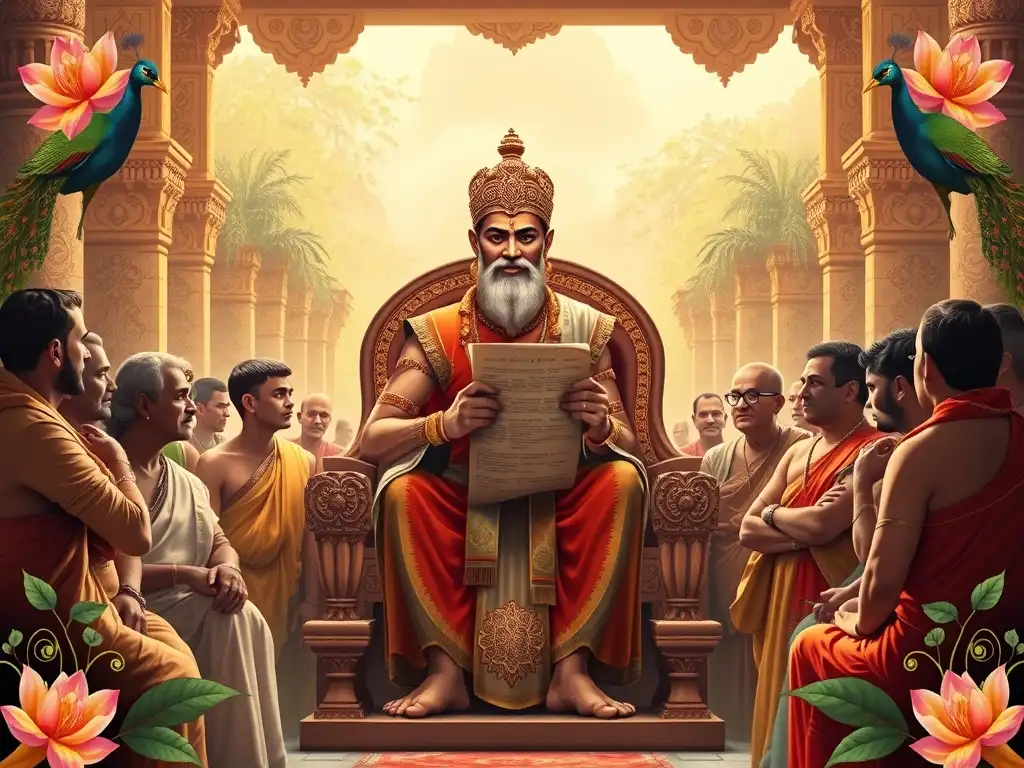
Ashoka the Great, one of the most prominent emperors of ancient India, is renowned for his transformative approach to governance, particularly in addressing social issues of his time. His edicts, inscribed on rocks and pillars across his vast empire, served as a moral compass for his subjects, emphasizing principles such as non-violence, compassion, and social justice.
One of the most significant contributions of Ashoka's edicts was the promotion of Dhamma, a concept rooted in ethical living and respect for all beings. By prioritizing Dhamma over military conquest, Ashoka initiated a paradigm shift in how rulers could approach governance. The edicts advocated for the welfare of all, including marginalized communities, by addressing pressing social issues such as:
- Animal Welfare: Ashoka’s edicts urged for the humane treatment of animals, prohibiting cruel practices and promoting the protection of wildlife. This reflected a broader understanding of the interconnectedness of life and the importance of compassion.
- Healthcare and Education: The emperor established hospitals for both humans and animals, as well as educational institutions, to ensure that knowledge and medical care were accessible to all his subjects. This initiative laid the groundwork for a more educated and healthy society.
- Religious Tolerance: Ashoka’s commitment to pluralism is evident in his edicts advocating for respect among different faiths. By promoting peaceful coexistence, he addressed communal tensions that were prevalent during his reign.
Through these reforms, Ashoka not only sought to improve the lives of his subjects but also aimed to cultivate a sense of responsibility and ethics among them. His edicts served as a guide for ethical behavior and social harmony, showcasing the potential of leadership rooted in moral values.
The Enduring Influence of Ashoka's Philosophy in Modern Times
The relevance of Ashoka's philosophy extends far beyond his time, resonating with contemporary societal values and challenges. His advocacy for peace, non-violence, and social welfare continues to inspire leaders and movements around the world.
- Global Peace Movements: Ashoka's commitment to non-violence has influenced various peace movements globally. Figures like Mahatma Gandhi drew inspiration from Ashoka's principles, emphasizing the importance of peaceful resistance and the ethical treatment of all beings.
- Social Justice and Human Rights: The ideals expressed in Ashoka's edicts align with modern concepts of social justice and human rights. His emphasis on compassion and welfare resonates with current efforts to address inequality and promote human dignity across diverse communities.
- Sustainable Development: In today’s context of environmental challenges, Ashoka’s concern for animal welfare and natural resources serves as a reminder of the need for sustainable practices. His holistic view of governance encourages modern leaders to consider environmental ethics in their policies.
Ashoka's edicts on social issues not only addressed the needs of his time but also laid a foundation for values that remain pertinent in contemporary society. His legacy continues to inspire discussions on ethics, governance, and the importance of compassion in creating a just world. As we reflect on Ashoka's contributions, we recognize the timelessness of his vision and the ongoing relevance of his teachings in addressing modern social challenges.
Frequently Asked Questions
What are Ashoka's Edicts?
Ashoka's Edicts are a series of inscriptions and proclamations issued by Emperor Ashoka during his reign, focusing on moral and social issues aimed at promoting peace and welfare.
The Edicts tackled various social issues, including animal welfare, religious tolerance, and community welfare, promoting a message of non-violence and compassion across his empire.
Why are Ashoka's Edicts significant in history?
Ashoka's Edicts are significant because they represent one of the earliest examples of state-sponsored efforts to address social issues, showcasing a progressive approach to governance in ancient India.
Where can Ashoka's Edicts be found today?
Many of Ashoka's Edicts can still be seen today as they are inscribed on rock formations and columns throughout India and neighboring countries, serving as important historical artifacts.
How did the Edicts influence later Indian rulers?
The principles outlined in Ashoka's Edicts influenced later Indian rulers by promoting social justice and moral governance, establishing a precedent for the integration of ethical concerns in statecraft.
Ashoka's Edicts on Social Issues resonate profoundly in today’s world, where social justice and ethical governance remain pressing concerns. The principles laid out by Ashoka over two millennia ago continue to inspire modern leaders and citizens alike, reminding us that compassion and moral responsibility are essential in addressing societal challenges. As we navigate complex social landscapes, the relevance of Ashoka's vision for a just society is more critical than ever.
The influence of Ashoka's Edicts transcends time, shaping cultural and social paradigms that advocate for peace, tolerance, and welfare. These edicts serve as a powerful reminder of the impact that thoughtful governance can have on society. As Ashoka himself stated, "One should not only be concerned about one's own happiness but also about the happiness of others." > This sentiment underscores the importance of empathy and collective well-being, urging us to consider the broader implications of our actions in a world that often prioritizes individual gain over communal harmony.
As we reflect on the lessons from Ashoka's Edicts, I invite you to consider how these timeless principles can be applied in your own life. What steps can you take to promote social justice and compassion within your community? Whether through advocacy, volunteering, or simply fostering understanding among diverse groups, each action contributes to a more equitable society. Let us carry forward Ashoka's legacy by embodying the values of kindness and responsibility, ensuring that we not only learn from history but also actively shape a better future for all.
Embrace Ashoka’s Wisdom and Shape a Better Tomorrow!
Thank you for diving into the profound insights of Ashoka’s edicts. By exploring these remarkable teachings, you’ve uncovered valuable lessons on compassion, social justice, and moral responsibility that resonate even today. Now, it’s time to put this knowledge into action!
Here’s how you can actively engage with Ashoka’s vision:
- Reflect on a social issue in your community that aligns with Ashoka’s principles and consider how you can contribute to its resolution.
- Join or initiate a community discussion or workshop focused on ancient philosophies and their relevance in today’s society.
- Share your insights! Post about this article on social media or your blog, sparking conversations that can inspire others to embrace these timeless teachings.
What impact do you believe Ashoka’s edicts could have on today’s social challenges if actively implemented?