
The Interrelationships Among Different Castes in Ancient Indian Communities

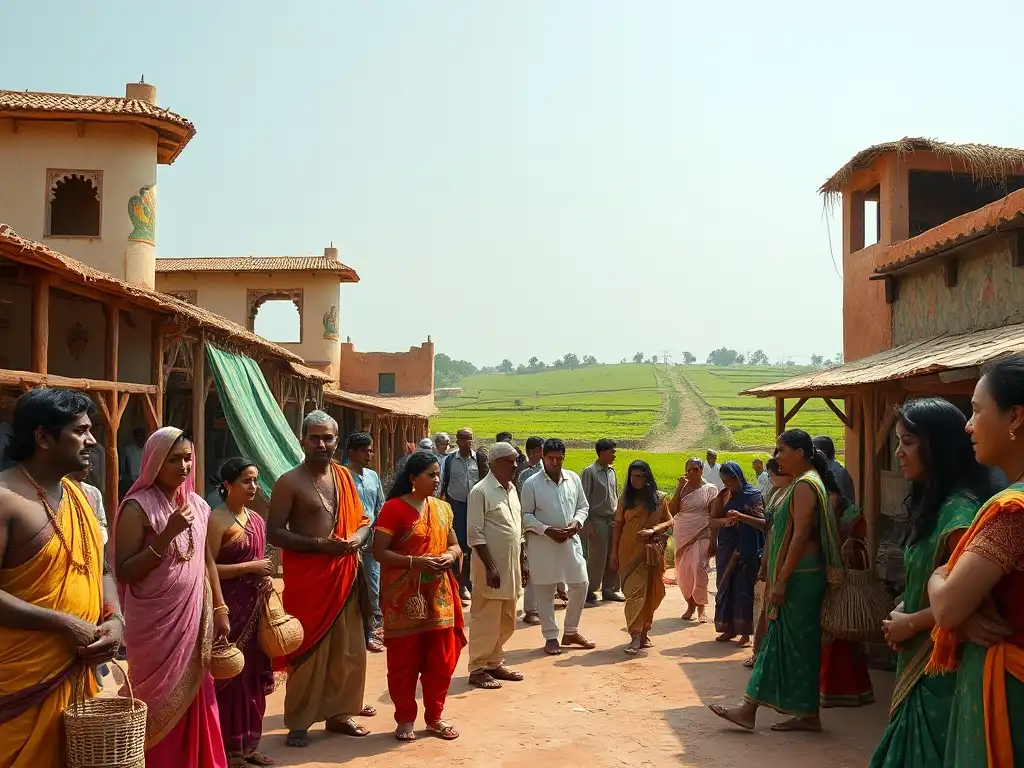
Welcome to Ancient India History, where we embark on a fascinating journey through the rich tapestry of ancient Indian civilizations. Today, we delve into the complexities of the ancient Indian caste system, a key aspect that shaped daily life and societal structures from the Indus Valley to the Gupta Empire. What were the interrelationships among different castes, and how did they influence the vibrant culture and social dynamics of their time?
Prepare to uncover intriguing insights and thought-provoking narratives that will deepen your understanding of one of history's most enduring legacies. Join us as we explore the past and unravel the mysteries that still resonate today!
- Introduction to the Ancient Indian Caste System
- Historical Context of the Ancient Indian Caste System
- Major Castes and Their Roles in Ancient Indian Society
- Interrelationships Among the Castes in Ancient Indian Communities
- The Impact of Religion and Philosophy on Caste Relations
- Changes in the Caste System Over Time
- Modern Perspectives on Ancient Indian Caste Interrelationships
- Conclusion: The Legacy of the Ancient Indian Caste System
- Frequently Asked Questions
- Final Reflection: Understanding the Ancient Indian Caste System and Its Legacy
- Unveil the Rich Tapestry of Ancient Indian Interrelations!
Introduction to the Ancient Indian Caste System
The ancient Indian caste system is a complex and multifaceted social hierarchy that has significantly influenced the fabric of Indian society throughout the ages. Emerging from various historical, cultural, and religious contexts, the caste system has undergone substantial transformations from its inception to the present day. Understanding the interrelationships among different castes within ancient Indian communities is crucial for grasping how these social structures shaped daily life, governance, and cultural practices.
This article delves into the nuances of the ancient Indian caste system, examining how various castes interacted, collaborated, and sometimes conflicted, thereby contributing to the overall tapestry of ancient Indian civilization. By exploring these interrelationships, we can gain insights into the underlying social dynamics that defined ancient Indian life, which still resonate in contemporary discussions about caste and social stratification.
Overview of the Caste System in Ancient India
The caste system in ancient India, known as varna, traditionally categorized society into four primary groups:
- Brahmins: The priestly class responsible for religious rituals and the preservation of sacred knowledge.
- Kshatriyas: Warriors and rulers who maintained order and governance, often engaged in warfare.
- Vaishyas: Merchants and agriculturalists responsible for trade and commerce.
- Shudras: The laboring class who supported the other three varnas through various forms of service.
This hierarchical structure was not only a social classification but also encompassed economic roles, religious duties, and educational responsibilities. It is essential to note that while these categories were prominent, the reality was far more complex, with numerous sub-castes ( jatis) emerging over time, leading to a rich diversity within the caste system.
Moreover, interactions among these castes were characterized by both collaboration and competition. For instance, while the Brahmins held significant religious authority, they often relied on the Kshatriyas for protection and the Vaishyas for economic sustenance. Such interdependencies highlight the dynamic nature of the caste system, which was not merely rigid but adaptable to the changing needs of society.
Importance of Studying Caste Interrelationships
Studying the interrelationships among different castes in ancient India is vital for several reasons:
- Understanding Social Dynamics: These interactions reveal how society functioned, showcasing a network of relationships that transcended mere hierarchical roles.
- Cultural Exchange: The exchange of ideas, practices, and goods among castes contributed to the cultural richness of ancient India, influencing art, literature, and philosophy.
- Historical Context: Analyzing caste interrelationships provides insights into historical events, conflicts, and resolutions that shaped the course of Indian history.
The ancient Indian caste system was a foundational element that defined societal structure and influenced interactions across various communities. By investigating these interrelationships, we can uncover the complexities of ancient Indian life, offering a more holistic view of its society and culture.
Historical Context of the Ancient Indian Caste System
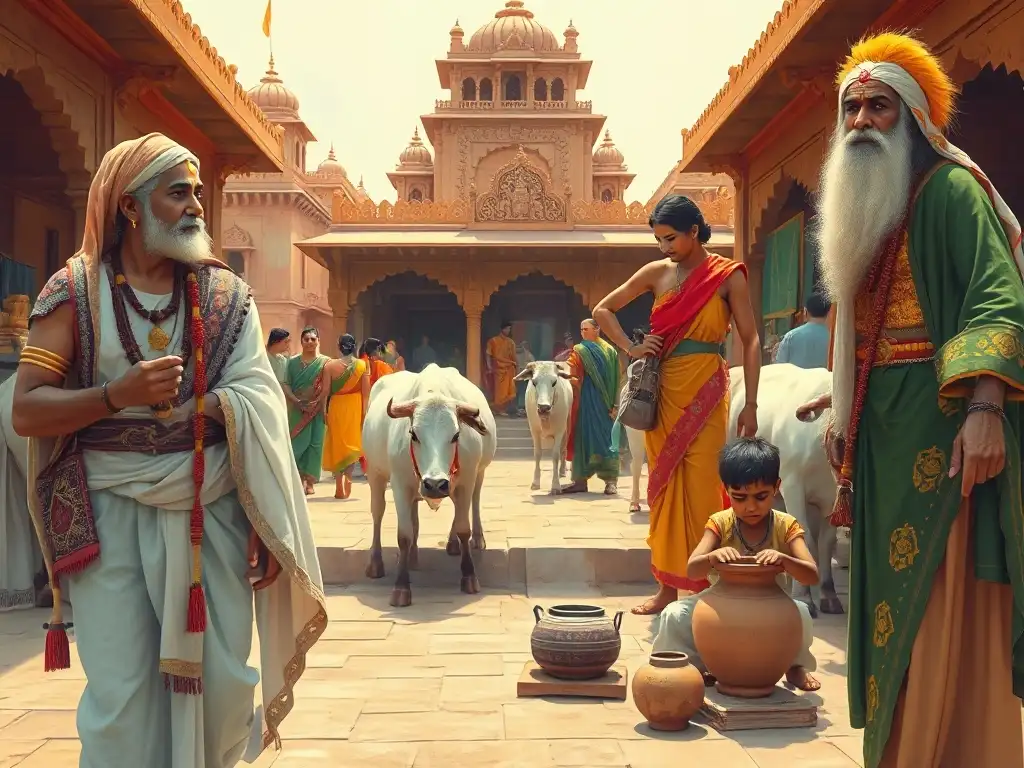
Origins of the Caste System in Ancient India
The origins of the ancient Indian caste system can be traced back to the Vedic period, around 1500 BCE, when the Indo-Aryans migrated into the Indian subcontinent. The social structure during this era was initially fluid, but it began to solidify into a more stratified system over time. The term "varna" refers to the four primary categories that emerged:
- Brahmins: The priestly class, responsible for religious rituals and the preservation of sacred texts.
- Kshatriyas: The warrior and ruling class, tasked with governance and protection of the realm.
- Vaishyas: The merchant and agricultural class, involved in trade and farming.
- Shudras: The laboring class, serving the above three varnas and performing various forms of manual work.
This classification is not only social but also spiritual, with each varna tied to specific duties (dharma) and moral responsibilities. The Rigveda, one of the oldest sacred texts, alludes to this categorization through the Purusha Sukta hymn, which describes the cosmic being (Purusha) whose sacrifice gave rise to the four varnas.
As society grew more complex, these broad categories began to fragment into numerous sub-castes or "jatis". Factors such as occupation, region, and community ties played significant roles in defining these subdivisions.
Evolution of Caste Groups Over Time
The ancient Indian caste system underwent significant transformations throughout the centuries, influenced by various socio-political and economic changes.
- Post-Vedic Period: After the Vedic age, the caste system began to reflect the emerging political landscape of ancient India. As kingdoms expanded, the need for administrative roles led to the rise of new jatis. The rigidity of the caste system increased, and inter-caste mobility diminished, particularly among the higher varnas.
- Mauryan Empire: During the Mauryan period (322-185 BCE), the caste structure became more codified. Ashoka's edicts promoted social harmony but did not challenge the caste hierarchy. Instead, the system integrated local customs and practices, leading to greater diversity within jati classifications.
- Gupta Empire: The Gupta period (c. 240-550 CE) saw a resurgence of Brahminical authority, reinforcing the caste system through religious texts and practices. Literature such as the Manusmriti outlined the duties and privileges of each varna, further entrenching social divisions.
- Medieval Period: By this time, the caste system had solidified, becoming a defining feature of Indian social life. The influence of regional languages, cultures, and the spread of new religions like Buddhism and Jainism also impacted caste dynamics. Despite their egalitarian principles, these religions did not completely dismantle the caste structure.
- Colonial Influence: The arrival of colonial powers introduced new economic systems and governance structures, which altered traditional caste relationships. British administrators often relied on caste identities for administrative purposes, inadvertently reinforcing and sometimes complicating existing hierarchies.
The ancient Indian caste system is a complex tapestry woven from historical, religious, and cultural threads. Its evolution reflects the changing dynamics of society over centuries, making it a critical aspect of understanding the daily life and social structure of ancient Indian communities.
Major Castes and Their Roles in Ancient Indian Society
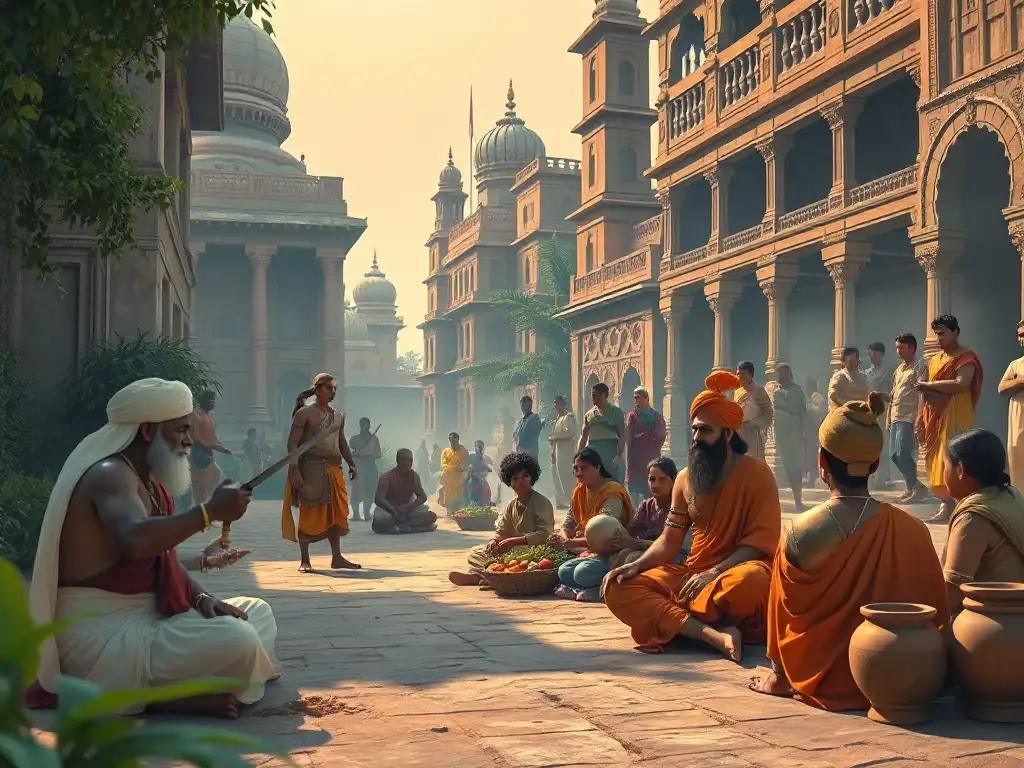
Brahmins: The Priestly Class
Responsibilities and Influence of Brahmins
Brahmins held a prominent position in the ancient Indian caste system, primarily functioning as priests, scholars, and teachers. Their responsibilities encompassed performing religious rituals, conducting sacrifices, and preserving sacred texts, which were crucial for maintaining the spiritual and cultural fabric of society. The Vedas, ancient Indian scriptures, were meticulously studied and interpreted by Brahmins, ensuring the transmission of knowledge from generation to generation.
The influence of Brahmins extended beyond religious duties; they played a vital role in shaping societal norms and ethical guidelines. Their interpretations of the scriptures often dictated the moral landscape and legal frameworks within which communities operated. The reverence for Brahmins was so profound that they were often consulted by rulers on matters concerning governance, warfare, and diplomacy. This influence solidified their status as a dominant caste, often referred to as the custodians of knowledge and tradition.
Interactions with Other Castes
Interactions between Brahmins and other castes were multifaceted and complex. While they enjoyed a position of respect, their relationship with Kshatriyas (warriors) and Vaishyas (merchants) was characterized by a system of mutual dependence. Kshatriyas relied on Brahmins for spiritual guidance and legitimacy, especially during coronation ceremonies and other significant rituals. In return, Brahmins received patronage and support from Kshatriya rulers, fostering a symbiotic relationship.
Moreover, Brahmins often engaged with Vaishyas in economic matters, particularly in the context of agrarian society. Vaishyas would seek Brahminical approval for various business ventures and transactions, which added an additional layer to their interactions. However, the rigidity of the caste system often led to hierarchical tensions, with Brahmins maintaining their superiority and enforcing rituals and customs that upheld their privileged status.
Kshatriyas: The Warrior Class
Role of Kshatriyas in Society and Governance
Kshatriyas served as the military and ruling class of ancient India, embodying the virtues of bravery, strength, and governance. Their primary role was to protect the territory, uphold justice, and govern the land, which positioned them as defenders of dharma (moral order). They were responsible for leading armies, engaging in battles, and ensuring the safety and security of their subjects.
In the governance structure, Kshatriyas were often the rulers and kings who relied on Brahmins for counsel and guidance in matters of statecraft. The intricate relationship between Kshatriyas and their subjects was rooted in the concept of Raja Dharma, which emphasized the king's duty to serve his people justly and protect them from harm. This duty was essential for maintaining order and stability within the realm.
Relationships with Brahmins and Vaishyas
The relationship between Kshatriyas and Brahmins was largely hierarchical, with Brahmins providing the spiritual legitimacy that Kshatriyas needed to rule effectively. This connection was often ritualistic, as Kshatriyas would seek Brahmin blessings during important events, such as the beginning of a battle or a royal coronation. The Brahmins, in turn, received material support and land grants from Kshatriya rulers, which reinforced their status within society.
Kshatriyas also interacted with Vaishyas, the merchant class, forming a partnership that was vital for the economy of ancient India. While Kshatriyas were responsible for protection and governance, Vaishyas facilitated trade and commerce, which contributed to the wealth of the kingdom. This interdependence created a dynamic social structure, where the roles of each caste were interlinked, allowing for a functioning and prosperous society.
The interrelationships among Brahmins, Kshatriyas, and Vaishyas in ancient Indian communities exemplified the complexities of the caste system. Each caste played a crucial role in maintaining social order and fulfilling the diverse needs of their society, thereby illustrating the intricate web of relationships that defined ancient Indian civilization.
Vaishyas: The Merchant Class
The Vaishyas represented the merchant and agricultural class within the ancient Indian caste system, playing a crucial role in the economy and trade of the society. Their primary responsibilities included agriculture, animal husbandry, trade, and commerce. The Vaishyas were essential for the economic stability of ancient Indian communities, as they were involved in the production and distribution of goods. This caste was recognized for its entrepreneurial spirit, which contributed significantly to the growth of urban centers and the overall economy.
Vaishyas were often landowners and engaged in farming, ensuring a steady supply of food. They were also involved in various crafts and trades, from textiles to metalwork, which allowed them to prosper economically. Their ability to accumulate wealth placed them in a unique position within the caste hierarchy, where they were respected for their economic contributions but still subject to the authority of the warrior class, the Kshatriyas.
Economic Contributions of Vaishyas
The economic contributions of the Vaishyas were multifaceted. They were the backbone of agricultural production in ancient India, managing vast tracts of land, and ensuring efficient farming practices. This agricultural surplus enabled the growth of cities and contributed to the establishment of trade networks.
In addition to agriculture, Vaishyas played a significant role in trade. They were often involved in long-distance commerce, exchanging goods both within the subcontinent and with foreign lands. The establishment of trade guilds allowed them to organize and regulate their activities, leading to the creation of wealth and fostering economic prosperity.
Furthermore, the Vaishyas contributed to the development of banking practices, lending money and facilitating transactions that stimulated economic growth. Their role in the economy was not only limited to wealth generation but also included the promotion of crafts and industries, which enhanced the overall cultural and economic landscape of ancient India.
Ties with Kshatriyas and Shudras
The Vaishyas maintained complex interrelationships with other castes, particularly the Kshatriyas and Shudras. With the Kshatriyas, they often had a mutually beneficial relationship. The Kshatriyas relied on the economic strength of the Vaishyas to fund military expeditions and maintain their power. In return, the Vaishyas sought protection and stability that only the warrior class could provide. This interdependence fostered a sense of collaboration, with both castes recognizing their roles in sustaining ancient Indian society.
On the other hand, the relationship between the Vaishyas and the Shudras was marked by a different dynamic. While the Vaishyas employed Shudras for labor in their fields and businesses, the social interactions were often hierarchical. The Shudras, as the laboring class, were responsible for performing the menial tasks that supported the agricultural and commercial enterprises of the Vaishyas. Despite this, there were instances of cooperation and trade, where Shudras could engage in their own crafts and become economically self-sufficient. This relationship underscored the interconnectedness of the social structure, where each caste depended on others for societal functioning.
Shudras: The Laboring Class
The Shudras constituted the laboring class within the ancient Indian caste system, primarily tasked with performing manual labor and serving the higher castes. Their roles were essential for the day-to-day functioning of society, as they engaged in various trades, crafts, and agricultural work that sustained the community. While the Shudras were often subjected to the authority of the higher castes, their contributions were vital for the economy and infrastructure of ancient India.
Despite being at the bottom of the caste hierarchy, the Shudras played an indispensable role in maintaining societal order. They engaged in tasks such as farming, blacksmithing, weaving, and other forms of labor that supported both the agricultural and industrial sectors of ancient society.
Social Status and Duties of Shudras
The social status of Shudras was distinctly lower than that of the higher castes, which often relegated them to a position of servitude. They were expected to fulfill the duties assigned to them by the higher castes, particularly the Brahmins, Kshatriyas, and Vaishyas. This included performing menial tasks and labor-intensive jobs that were deemed unsuitable for the other castes.
Despite their lower status, Shudras had specific duties that were essential for the functioning of the community. They were responsible for agricultural labor, which included planting, harvesting, and caring for livestock. In urban settings, Shudras took on various roles, including artisans, laborers, and service providers, which contributed to the economic diversity of ancient Indian cities.
Over time, some Shudras managed to improve their social standing through skill development and entrepreneurship, allowing them to engage in trades that provided better livelihoods. However, the caste system largely dictated their social mobility, often limiting their opportunities for advancement.
Interactions with Higher Castes
Interactions between Shudras and higher castes were governed by strict social norms. Shudras were often expected to show deference to the upper castes, which included adhering to specific behavioral codes and rituals. This interaction was largely one-sided, where higher castes wielded power over Shudras, dictating the terms of employment and social engagement.
Despite these restrictions, there were occasions of collaboration and mutual benefit. For instance, Shudras often worked closely with Vaishyas in agricultural production, leading to a degree of reliance on one another. In some cases, Shudras could engage in trade practices, particularly in local markets, where they could showcase their craftsmanship and goods.
However, the overarching structure of the caste system meant that Shudras remained marginalized. Their interactions with higher castes were often limited to economic transactions, and social relations were fraught with inequality. Nonetheless, the resilience of Shudras and their contributions to society highlight the complexity of the ancient Indian caste system and the interdependencies that existed among different castes.
Interrelationships Among the Castes in Ancient Indian Communities
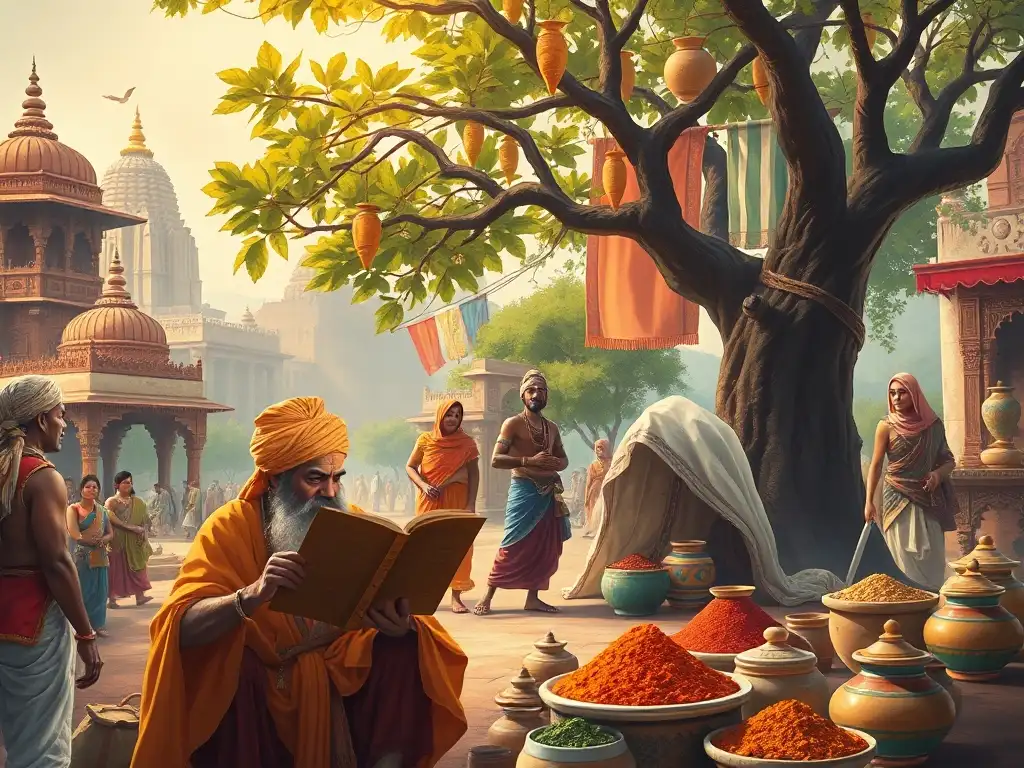
The ancient Indian caste system was characterized by a complex social hierarchy that dictated not only individual roles but also inter-caste relationships. At the core of this system were the four primary varnas: Brahmins (priests and scholars), Kshatriyas (warriors and rulers), Vaishyas (traders and agriculturists), and Shudras (laborers and service providers). Each varna had specific duties and responsibilities, which were further divided into numerous jatis or sub-castes.
The implications of these social hierarchies were profound. For instance, a Brahmin's role as a spiritual guide meant that they were often revered, while Kshatriyas were tasked with protecting and ruling their communities. This stratification fostered a sense of order but also led to rigidity, where movement between castes was largely restricted.
- Social Mobility: Although the caste system was generally rigid, there were instances of upward mobility, often through exceptional merit or contributions to society.
- Discrimination and Privileges: Individuals belonging to higher castes enjoyed certain privileges, whereas lower castes faced discrimination and restrictions on their social interactions.
The caste system's implications extended to various aspects of life, influencing not only social interactions but also educational opportunities and political power.
Economic Interdependence Among Castes
Economic interdependence among the different castes was a hallmark of ancient Indian communities. Each caste had designated economic roles, creating a system where they relied on one another for survival and prosperity.
- Specialized Professions:
- Brahmins managed religious rituals and education.
- Kshatriyas were engaged in warfare and governance.
- Vaishyas controlled trade and agriculture, ensuring the flow of goods.
- Shudras provided essential services, including craftsmanship and labor.
- Trade Networks:
- Castes often formed tight-knit communities that specialized in specific goods or services, which were traded both locally and regionally. This specialization encouraged collaboration, as each caste depended on others to fulfill their needs.
- For example, a community of Vaishyas would require the craftsmanship of Shudras for producing tools and goods necessary for trade.
- Economic Resilience:
- The interdependence fostered economic resilience, as communities pooled resources and skills. In times of famine or drought, this cooperation was critical for survival.
Cultural Exchanges and Marriages Between Castes
Cultural exchanges and marriages between castes played a significant role in shaping the social fabric of ancient Indian communities.
- Cultural Exchanges:
- Interactions among different castes led to the sharing of knowledge, rituals, and traditions. For instance, festivals celebrated by one caste could be adopted and adapted by another, leading to a rich tapestry of cultural practices.
- Art, Music, and Literature: Contributions from different castes enriched the cultural landscape. Brahmins, for example, were instrumental in preserving Sanskrit literature, while lower castes contributed to folk traditions and local narratives.
- Marriages:
- While caste endogamy was the norm, alliances between different castes occasionally occurred, particularly among the Kshatriyas and Vaishyas. Such marriages were often strategic, aimed at strengthening political ties or economic partnerships.
- Inter-caste marriages, though rare, served as a means of transcending caste boundaries and fostering unity.
The interrelationships among the different castes in ancient India were complex and multifaceted, shaping the social, economic, and cultural dynamics of the time. Understanding these relationships is crucial for a comprehensive grasp of the ancient Indian caste system and its lasting impact on Indian society.
The Impact of Religion and Philosophy on Caste Relations
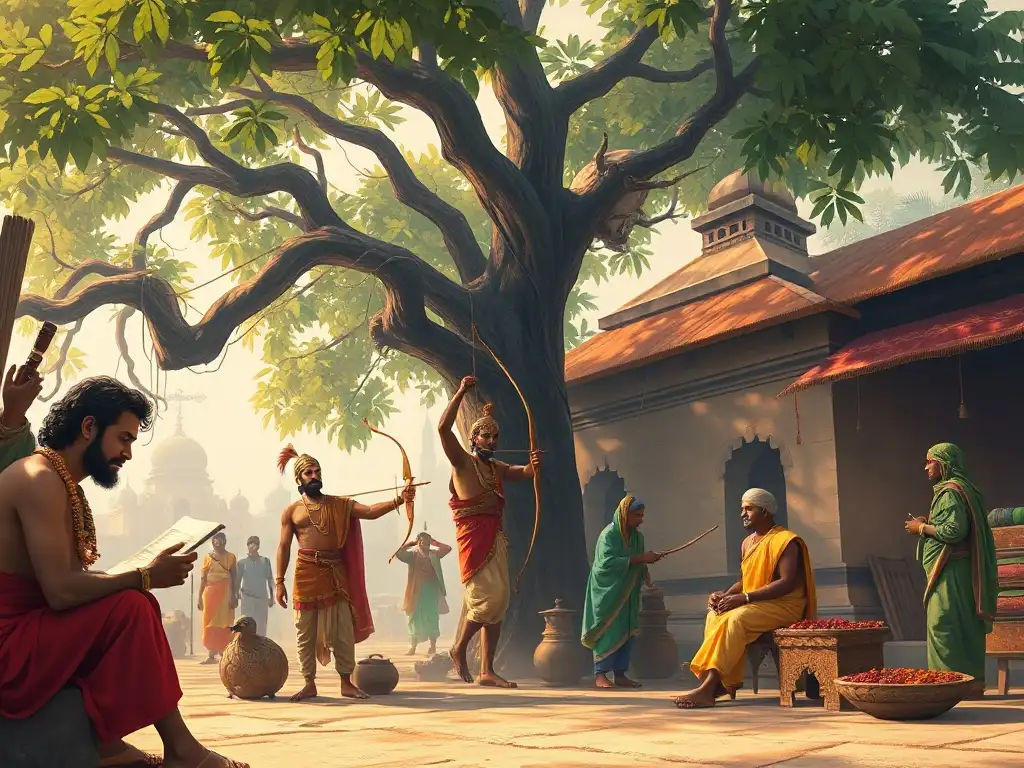
Hindu Scriptures and Caste Dynamics
The ancient Indian caste system, deeply intertwined with the religious and philosophical teachings of Hinduism, has its roots in ancient scriptures. The Vedas, particularly the Rigveda, provide some of the earliest references to social stratification. The Purusha Sukta hymn describes the cosmic being (Purusha) from whom the four varnas, or classes, emerged:
- Brahmins: priests and scholars
- Kshatriyas: warriors and rulers
- Vaishyas: traders and agriculturists
- Shudras: laborers and service providers
This allegorical perspective implies a divinely ordained hierarchy, establishing a framework for caste relations that persisted throughout history.
Hindu texts such as the Manusmriti further elaborate on the responsibilities and duties (dharma) associated with each caste. The Manusmriti outlines not only the occupational roles but also prescribes social norms that governed interactions between castes. For instance, it emphasizes purity and pollution, delineating strict rules regarding food, marriage, and social gatherings. Such regulations enforced the boundaries between castes, significantly impacting community dynamics.
Moreover, the concept of karma and samsara reinforced the caste system. Individuals believed their social standing was a result of their actions in past lives, leading to a fatalistic acceptance of their caste roles. This philosophical underpinning created a social fabric where the caste hierarchy was perceived as just and inevitable, thereby influencing inter-caste relations profoundly.
Influence of Buddhism and Jainism on the Caste System
Buddhism and Jainism emerged as significant philosophical movements in ancient India, challenging the established norms of the caste system. Both religions emphasized personal spiritual development and ethical conduct over rigid caste-based identities.
Buddhism, founded by Siddhartha Gautama in the 5th century BCE, advocated for the notion of sangha (community) that transcended caste divisions. The Buddha's teachings promoted equality, stating that one's worth was determined by one's actions rather than birth. This philosophy attracted followers from various castes, particularly the marginalized and oppressed, who sought liberation from the constraints of the caste system. The Dhamma, or Buddhist law, encouraged the dismantling of caste-based discrimination, fostering a sense of community among its adherents.
Similarly, Jainism, founded by Mahavira, emphasized ahimsa (non-violence) and truth as fundamental principles. Jains rejected the notion of caste superiority and encouraged a meritocratic approach, where an individual's virtue was paramount. This ideology attracted people from different backgrounds, creating a diverse community that challenged the rigid social stratification prevalent in Hindu society.
The rise of these two religions influenced the broader perception of the caste system, as they provided alternative frameworks for social organization. Their emphasis on moral and ethical living, combined with the rejection of caste determinism, led to a gradual shift in societal attitudes, though the caste system's deep-rooted nature persisted for centuries.
While the ancient Indian caste system was significantly shaped by Hindu scriptures and philosophy, the rise of Buddhism and Jainism introduced critical perspectives that questioned and challenged the established social order. These interactions between religious beliefs and caste dynamics played a crucial role in shaping the social landscape of ancient India.
Changes in the Caste System Over Time
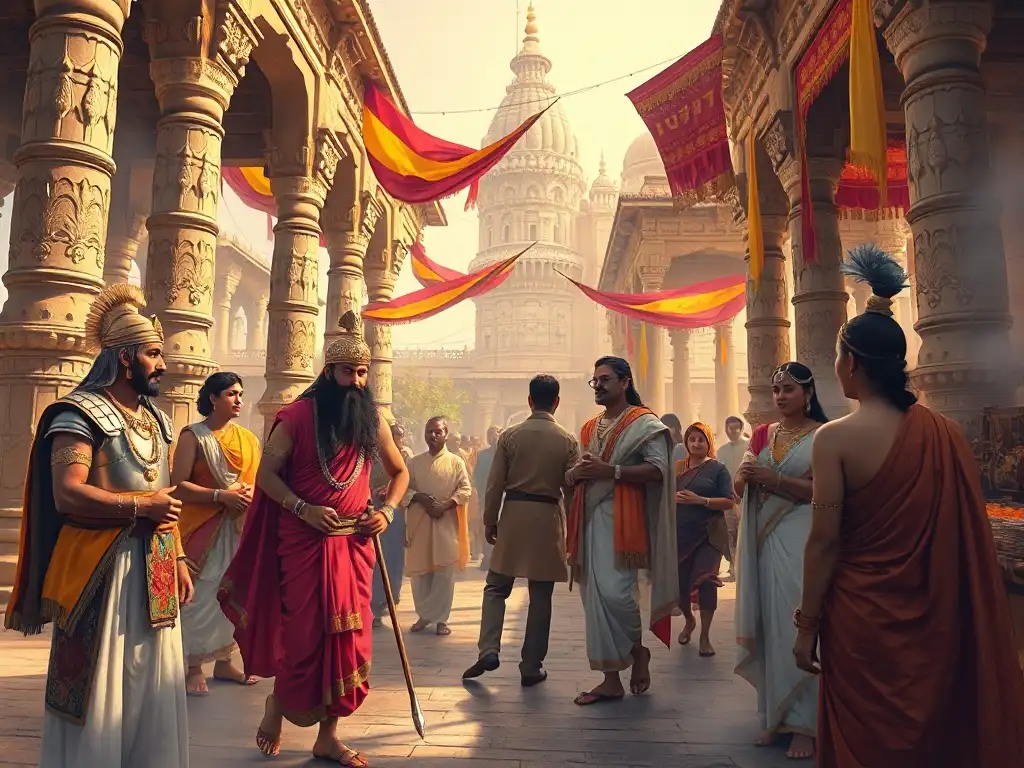
The ancient Indian caste system, a complex social hierarchy, has undergone significant transformations throughout history. These changes were influenced by various factors, including economic, political, and cultural shifts, leading to a dynamic social structure that adapted to the needs of evolving societies.
Impact of Historical Events on Caste Structures
Historical events have played a crucial role in shaping the caste system in ancient India. Major milestones include:
- The Vedic Period (1500–500 BCE): During this time, the caste system began to formalize, categorized into four primary varnas: Brahmins (priests and scholars), Kshatriyas (warriors and rulers), Vaishyas (traders and agriculturists), and Shudras (laborers and service providers). This stratification was largely based on occupational roles, establishing a framework for social organization.
- The Mauryan Empire (322–185 BCE): The rise of powerful empires, such as the Mauryan Empire, led to the integration of diverse groups into the existing caste framework. The imperial bureaucracy created opportunities for social mobility, allowing individuals from lower castes to ascend through merit, particularly in administration and military roles.
- The Gupta Empire (c. 240–550 CE): Known as a golden age of cultural and scientific advancements, the Gupta period solidified caste identities. However, it also fostered regional variations, with local customs influencing caste dynamics. This era saw the emergence of jatis (sub-castes) as occupational specialization became more pronounced.
- Medieval Period (c. 600–1700 CE): The invasions and migrations during the medieval period introduced new cultural elements into Indian society. The interactions between indigenous populations and foreign groups led to further diversification of the caste system. For example, the arrival of the Turks and later the Mughals resulted in the incorporation of new practices and the reconfiguration of existing caste hierarchies.
- Colonial Era (1757–1947 CE): British colonial policies, particularly the census and legal codifications, significantly altered traditional caste structures. The British categorized and recorded castes, leading to a rigidification of caste identities. This period also sparked social reform movements that challenged the established norms, advocating for the rights and upliftment of marginalized communities.
The interplay of these historical events illustrates that the ancient Indian caste system was not static but rather a living entity that evolved in response to societal needs and external influences.
Modern Perspectives on Ancient Indian Caste Interrelationships
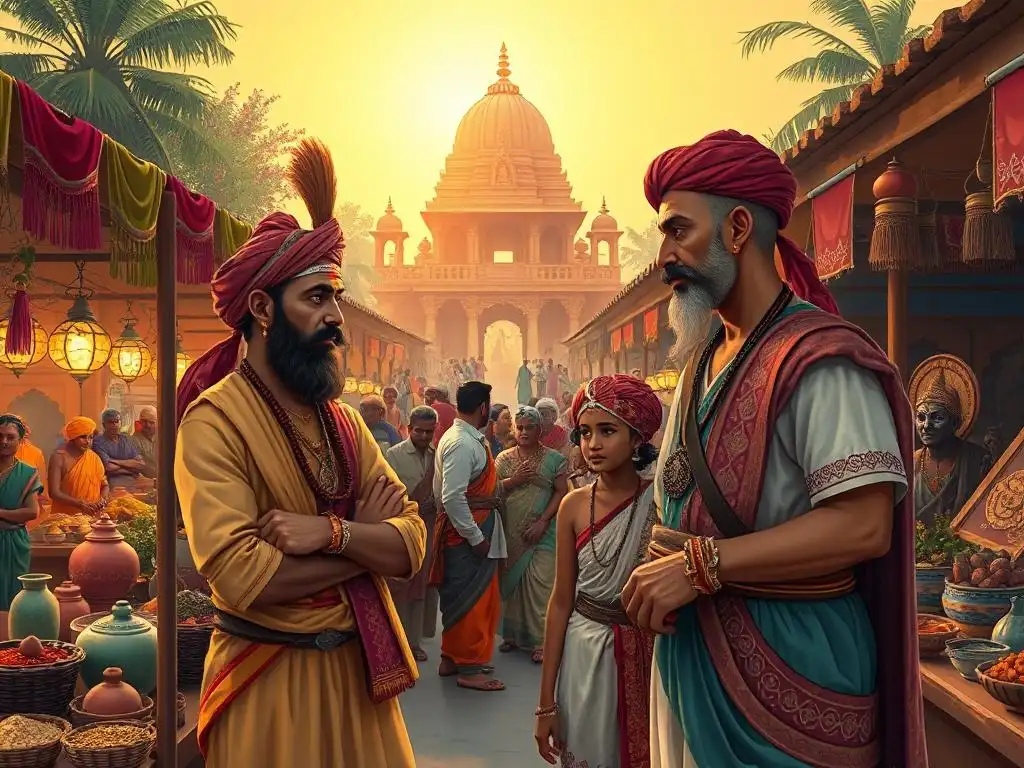
In contemporary discourse, the ancient Indian caste system is often viewed through various lenses, including sociological, anthropological, and historical perspectives. Understanding these interrelationships requires examining both the continuity and change that have occurred over time.
Sociological Views
Sociologists argue that the caste system served as an essential organizing principle within ancient Indian communities, facilitating social cohesion and division of labor. The interdependence among castes allowed for a structured society where each caste fulfilled specific roles.
- Functionalism: This perspective posits that every caste has a role that contributes to the overall stability of society. For instance, while Brahmins were responsible for religious duties, Kshatriyas maintained order, Vaishyas facilitated trade, and Shudras provided labor.
- Conflict Theory: On the other hand, conflict theorists highlight the inequities embedded within the caste system, emphasizing how caste hierarchies perpetuated social stratification and economic disparities. This viewpoint reflects the struggles of marginalized groups seeking social justice and equality.
Anthropological Insights
Anthropological studies have uncovered rich narratives that illustrate the lived experiences of individuals within the caste system. Ethnographic research reveals how ancient inter-caste relationships were characterized by both cooperation and tension, shaped by cultural practices, rituals, and community dynamics.
- Cultural Exchange: Many scholars emphasize the importance of cultural exchange among castes, particularly in areas such as cuisine, art, and religious practices. This interaction fostered a sense of shared identity, despite the rigid hierarchical structures.
- Rituals and Kinship: Anthropologists also examine how kinship ties and rituals influenced caste relations. Marriage practices, for instance, often dictated social interactions, reinforcing boundaries but also creating opportunities for alliances between different castes.
Conclusion
Modern perspectives on ancient Indian caste interrelationships reveal a complex tapestry of social dynamics that transcended mere hierarchy. By analyzing the impact of historical events and the sociocultural context, we gain a deeper understanding of how the ancient Indian caste system shaped and was shaped by the communities it encompassed, leaving an enduring legacy that continues to influence contemporary society.
Conclusion: The Legacy of the Ancient Indian Caste System
The ancient Indian caste system has left an indelible mark on the social fabric of India, shaping its communities and interactions for centuries. This complex hierarchy, originally intended to organize society based on occupational roles, evolved into a rigid structure that dictated not only professional choices but also social interactions, marriage, and even access to resources. Understanding this legacy is essential to grasp the nuances of contemporary Indian society, where the echoes of caste interrelationships still resonate.
Reflection on Caste Interrelationships in Modern India
The interrelationships among different castes in ancient India were multifaceted and dynamic. While the caste system often enforced strict boundaries, it also fostered interdependence among communities. For instance, the Brahmins (priests and scholars) required the services of Shudras (laborers and service providers) for various societal functions, creating a web of interactions characterized by both cooperation and conflict.
Today, these historical interrelationships can be observed in modern societal structures where caste affiliations continue to influence social dynamics. In urban areas, while economic opportunities may dilute traditional caste barriers, cultural ties still perpetuate caste identities. For example, inter-caste marriages, though increasingly accepted, often face societal resistance, reflecting the deep-rooted nature of these historical interdependencies.
Key Points of Modern Caste Interrelationships:
- Continued Relevance: Many individuals still identify strongly with their caste, which can influence personal and professional networks.
- Social Tensions: Historical grievances continue to affect inter-caste relations, leading to ongoing tensions and conflicts in some regions.
- Political Mobilization: Caste identities are often leveraged in political contexts, influencing party alignments and electoral strategies.
Importance of Understanding the Ancient Indian Caste System in Contemporary Society
Grasping the intricacies of the ancient Indian caste system is crucial for several reasons in contemporary society:
- Cultural Awareness: Understanding the historical context of caste allows for a deeper appreciation of India's diverse cultural heritage. It fosters respect for various traditions and practices that have persisted through time.
- Social Justice: Awareness of the caste system's impact can drive efforts toward social justice and equality. Recognizing the inequalities rooted in history helps address the challenges faced by marginalized communities today.
- Policy Formulation: Policymakers can benefit from insights into the caste system's legacy when developing programs aimed at social integration and economic empowerment, ensuring that they are culturally sensitive and address historical contexts.
- Inter-Caste Relations: Promoting dialogue about caste interrelationships can facilitate healing and foster greater understanding among different communities, laying the groundwork for a more inclusive society.
The ancient Indian caste system has shaped not only historical narratives but also contemporary societal structures. By reflecting on its legacy and understanding its dynamics, individuals and communities can work towards a more equitable future.
Frequently Asked Questions
What is the ancient Indian caste system?
The ancient Indian caste system was a social hierarchy that divided people into distinct groups based on occupation, social status, and ritual purity. This system significantly influenced social dynamics in ancient Indian civilizations.
The caste system dictated social interactions, determining who could associate or marry with whom. People were often restricted to their own caste, leading to segregation and a lack of social mobility.
What were the main castes in ancient Indian society?
The primary castes in ancient India included the Brahmins (priests and scholars), Kshatriyas (warriors and rulers), Vaishyas (traders and agriculturists), and Shudras (laborers and service providers). Each caste had specific roles and responsibilities within the community.
How did the caste system evolve over time?
Over centuries, the caste system became more rigid, leading to the emergence of sub-castes (jatis). Changes in economic conditions, invasions, and religious movements contributed to its transformation and complexity.
What was the role of religion in the caste system?
Religion played a crucial role in the caste system, as it was often justified by religious texts that emphasized dharma (duty) associated with each caste. Rituals and beliefs reinforced caste identities and social hierarchies in ancient Indian communities.
Final Reflection: Understanding the Ancient Indian Caste System and Its Legacy
The intricate web of relationships among different castes in ancient Indian communities not only shaped societal structures but also continues to resonate in contemporary discussions about identity and social justice. As we delve into the complexities of the ancient Indian caste system, we uncover a historical narrative that informs our understanding of social hierarchies and their lasting impact on modern society. The lessons drawn from this exploration are not merely academic; they challenge us to confront the legacies of the past and their relevance in today's world.
Culture and society are inextricably linked, and the dynamics of the ancient Indian caste system have left an indelible mark on the social landscape. The interactions among various castes fostered a rich tapestry of cultural exchange, yet they also perpetuated divisions that can still be felt today. As we reflect on this historical context, we are reminded of the words of Mahatma Gandhi: The true measure of any society can be found in how it treats its most vulnerable members.
This quote encapsulates the ongoing struggle for equality and justice, urging us to examine how the remnants of the caste system influence our perceptions and treatment of others in contemporary society.
As we conclude this exploration, I invite you to reflect on the lessons of the ancient Indian caste system and consider how they apply to your own life. How can we actively work to dismantle the remnants of division and inequality that persist in our communities? By fostering understanding and empathy, we can contribute to a more inclusive society that honors the rich diversity of human experience. Let us take these reflections to heart and strive to create a future where every individual is valued, regardless of their background.
Unveil the Rich Tapestry of Ancient Indian Interrelations!
Thank you for diving into the fascinating world of ancient Indian communities with us! You've gained valuable insights into the intricate connections among different social groups, showcasing the depth of cultural and social dynamics. Now, it's time to take what you've learned and transform your curiosity into action!
- Explore your own community's history—research local social dynamics and their impact on community structures.
- Share this article with friends or on social media, sparking discussions about social interactions and their relevance today.
- Consider volunteering or engaging with organizations that promote understanding and equality across diverse cultural groups.
What new perspective on social interactions will you share with your friends today?