
The Influence of Foreign Invasions on the Caste System in Ancient India

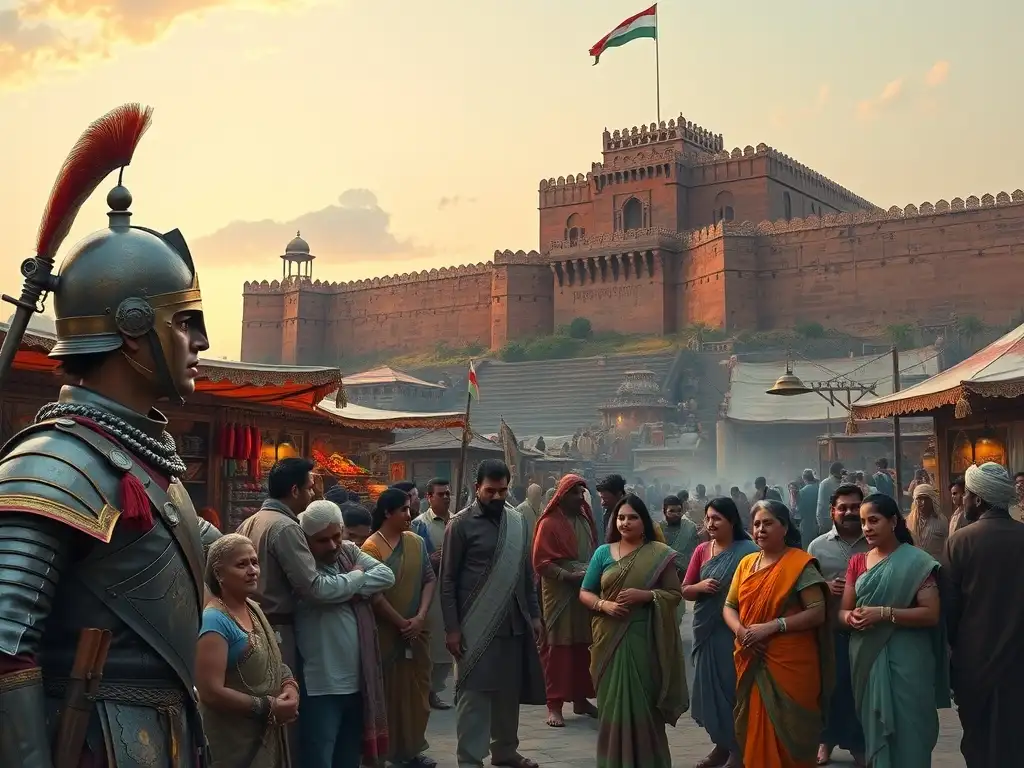
Welcome to Ancient India History, where we embark on a fascinating journey through time to uncover the rich tapestry of ancient Indian civilizations. In today's article, we delve into the intricate relationship between foreign invasions and the caste system, exploring how external influences reshaped society in profound ways. What role did these invasions play in the evolution of social structures? Join us as we unravel the complexities of daily life and societal norms in ancient India, igniting your curiosity and deepening your understanding of this captivating era. Dive in and discover the layers of history that await you!
Introduction to Foreign Invasions and Caste System
The intricate tapestry of ancient Indian civilization was not woven in isolation. From the rise of the Indus Valley Civilization to the flourishing Gupta Empire, India's social structure, particularly the caste system, evolved through a complex interplay of internal dynamics and external influences. Among the most significant factors affecting this evolution were foreign invasions, which introduced new ideas, cultures, and practices that intermingled with indigenous traditions. This article delves into the profound influence of these invasions on the caste system, highlighting how interactions with various conquerors and traders reshaped social hierarchies and norms within ancient Indian society.
Overview of Ancient India’s Caste System
The caste system in ancient India, known as "varna," is a social stratification that categorized individuals into hierarchical groups based on their occupation and duty. Traditionally, this system comprised four primary varnas:
- Brahmins (priests and teachers)
- Kshatriyas (warriors and rulers)
- Vaishyas (traders and agriculturists)
- Shudras (laborers and service providers)
This hierarchical division was not merely a reflection of economic roles but also represented a profound philosophical underpinning, where each caste was believed to have specific duties (dharma) that contributed to the social order. The rigidity of this system, particularly during ancient times, became increasingly complex as it absorbed various influences, including those from foreign invasions.
Definition and Context of Foreign Invasions
Foreign invasions refer to the military incursions and conquests by foreign powers into the Indian subcontinent, which significantly altered the socio-political landscape. These invasions often brought about cultural exchanges and shifts in social structures. Notable invasions include:
- The Persian invasions during the Achaemenid Empire
- The conquests of Alexander the Great
- The incursions by the Indo-Greeks, Kushans, and later the Huns
Each of these invasions introduced new ideologies, religions, and customs, which interacted with the existing structures of Indian society, particularly the caste system. Understanding the context of these invasions is crucial for analyzing their impact on social hierarchies.
Historical Background of Foreign Invasions in Ancient India
The history of foreign invasions in ancient India is marked by a series of significant events that reshaped the region's cultural and social fabric. The invasions were not merely military conquests; they were also encounters that facilitated the exchange of ideas and beliefs.
Major Invasions Impacting Indian Society
- Achaemenid Conquest (6th Century BCE): The Persian Empire, under Cyrus the Great and later Darius, extended its influence into northwestern India. This incursion introduced new administrative practices and cultural elements that subtly influenced local governance structures.
- Alexander the Great (4th Century BCE): Alexander's invasion opened a conduit for Hellenistic culture in India. While his direct impact on the caste system was limited, the subsequent Indo-Greek interactions fostered a blending of philosophical ideas that affected social norms.
- Kushana Empire (1st to 3rd Century CE): The Kushanas, particularly under Kanishka, played a pivotal role in the spread of Buddhism and the arts. Their rule encouraged a certain fluidity within the caste system as Buddhist ideologies challenged rigid social divisions.
- Huna Invasions (5th to 6th Century CE): The Huns brought about significant upheaval, leading to the fragmentation of existing political structures. This period saw a reassertion of caste identities as local powers sought to stabilize society amidst chaos.
Through these invasions, the caste system was both challenged and reinforced, leading to shifts in social dynamics that would shape the fabric of Indian society for centuries to come. The interplay between foreign influences and existing social structures highlights the adaptability and resilience of the caste system in the face of external pressures.
The Caste System in Ancient India
The caste system in ancient India is a complex social hierarchy that has its roots in the Vedic texts, dating back over 3,000 years. Initially, the system was relatively fluid and was based on the division of labor among various groups. The four primary varnas, or categories, were:
- Brahmins: Priests and teachers, responsible for religious rituals and the preservation of sacred texts.
- Kshatriyas: Warriors and rulers, tasked with protection and governance.
- Vaishyas: Merchants and landowners, who handled trade and agriculture.
- Shudras: Laborers and service providers, who performed tasks for the other three varnas.
Over time, this simple framework evolved into a more rigid and complex caste system, influenced by various social, economic, and political factors, including foreign invasions, regional practices, and the need for social order.
Structure and Function of the Caste System
The structure of the caste system became increasingly stratified, with sub-castes (or jatis) developing within the four main varnas. Each jati had its own rules, customs, and social status, which were often determined by factors like occupation, region, and lineage. This stratification served several functions:
- Social Order: It provided a means of organizing society, assigning roles and responsibilities, and maintaining stability.
- Economic Division: By delineating occupations, it facilitated the specialization of labor, ensuring that each group contributed to the economy.
- Cultural Identity: The caste system fostered a sense of belonging and identity among its members, as each caste had unique traditions, rituals, and practices.
However, this rigidity also led to social inequalities, discrimination, and exclusion, particularly towards those deemed "untouchables" or outside the traditional varna structure.
Social Implications of the Caste System
The social implications of the caste system were profound and far-reaching. While it helped maintain order, it simultaneously perpetuated inequality and restricted social mobility. Individuals were often born into their caste with little hope of changing their status throughout their lives. Key social implications included:
- Discrimination: Lower castes faced systemic discrimination, limiting their access to resources, education, and opportunities.
- Inter-Caste Relations: Marriages and social interactions were often restricted to one's caste, creating insular communities and fostering bias against others.
- Religious Justification: The caste system was often legitimized through religious texts, reinforcing its acceptance and perpetuation within society.
Impact of Foreign Invasions on the Caste System
Foreign invasions significantly influenced the caste system in ancient India, introducing new dynamics and altering existing social structures. These invasions often led to the infusion of foreign ideas, customs, and populations, which impacted caste relations and hierarchies.
Changes in Social Hierarchy Due to Invasions
Invasions by groups such as the Persians, Greeks, and later the Mughals brought new cultural and political influences to India. These interactions led to several changes in the social hierarchy:
- Emergence of New Castes: The arrival of foreign rulers and their armies resulted in the creation of new jatis, incorporating various groups based on their roles in the new political landscape.
- Fluidity in Hierarchies: While the caste system was typically rigid, foreign invasions sometimes allowed for temporary shifts in status, where individuals from lower castes could rise in rank through military or administrative service.
- Integration and Assimilation: Some foreign groups assimilated into Indian society, adopting local customs and practices, which led to a reconfiguration of traditional caste categories.
Shifts in Power and Influence within the Caste System
The power dynamics within the caste system also experienced shifts due to foreign invasions. The following points illustrate these changes:
- Rise of New Powers: The influx of foreign rulers often led to the decline of local aristocracies, redistributing power among various caste groups.
- Change in Leadership Roles: With foreign invasions, new leadership roles emerged, sometimes elevating individuals from traditionally lower castes to positions of influence, particularly in military and administrative contexts.
- Cultural Exchange: The blending of cultures through foreign invasions led to a reevaluation of caste roles, as new ideas about governance, religion, and social organization were introduced, which sometimes challenged established norms.
Foreign invasions played a critical role in reshaping the caste system in ancient India, leading to changes that affected its structure, function, and societal implications.
Case Studies of Specific Invasions and Their Effects
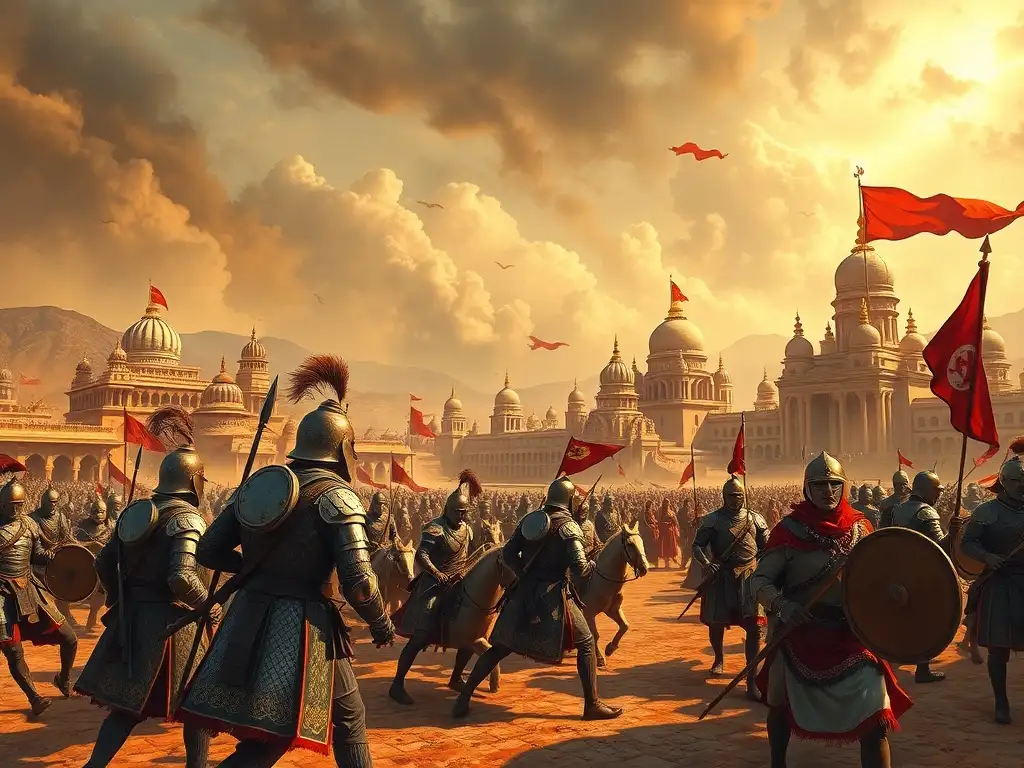
The history of ancient India is marked by numerous foreign invasions that significantly impacted its social structure, particularly the caste system. These invasions not only introduced new cultural elements but also led to adaptations and transformations within the existing social frameworks. Below, we explore specific invasions and their effects on the caste dynamics in ancient India.
The Greek Invasion and Its Influence on Indian Society
The Greek invasion, primarily associated with Alexander the Great's campaign in the 4th century BCE, created a notable intersection between Greek and Indian societies. This invasion introduced Hellenistic ideas, art, and governance which influenced Indian rulers and their interactions with local populations.
One significant impact was the introduction of new administrative practices and military organization, which led to shifts in power dynamics. The intermingling of Greek and Indian cultures facilitated a form of social mobility, as individuals from various backgrounds could rise in status through military service or administrative roles. This blending also prompted a reevaluation of caste identities, as certain groups began to adopt elements of Greek culture, leading to a more fluid social structure in some regions.
Furthermore, the Greek invasion catalyzed the spread of Buddhism, which often challenged the rigidity of the caste system by promoting universal principles over hereditary status. The syncretism that emerged from this period laid the groundwork for future cultural exchanges in India.
The Mauryan Empire's Response to Invasions and Caste Adaptations
The Mauryan Empire (c. 322-185 BCE) faced various invasions, including those from the northwestern regions of India. Under the reign of Chandragupta Maurya and later Ashoka, the empire witnessed significant adaptations in its caste system.
The Mauryan response to these invasions included the promotion of a centralized administration that sought to integrate diverse populations. Ashoka's edicts emphasized moral governance and societal welfare, which encouraged a degree of social mobility within the caste system. For instance, the incorporation of non-Kshatriya individuals into administrative roles was a practical response to the need for effective governance across a vast and culturally diverse empire.
Additionally, as Buddhism gained prominence, it offered alternative social norms that challenged the traditional caste hierarchy. Ashoka's support of Buddhism played a crucial role in redefining social relationships, promoting ideas of equality and compassion, which gradually influenced caste practices and paved the way for more inclusive societal norms.
The Mughal Invasions: A Transformation of the Caste Landscape
The Mughal invasions, beginning in the early 16th century, brought profound changes to the Indian subcontinent, particularly regarding the caste system. The Mughal emperors established a centralized authority that encompassed diverse ethnic and religious groups, leading to both conflict and cooperation among various castes.
One significant change was the introduction of a more nuanced administrative structure that allowed for the elevation of certain castes based on merit and loyalty rather than strictly adhering to traditional hierarchies. The Mughal policy of religious tolerance under Akbar, for instance, encouraged inter-caste marriages and alliances, which further diluted rigid caste boundaries.
Moreover, the Mughals facilitated the emergence of a new class of merchants and artisans, which contributed to the economic mobility of various castes. This period also saw the rise of regional powers, which adapted Mughal administrative practices, leading to localized changes in caste dynamics. Thus, the Mughal invasions not only transformed political landscapes but also significantly reshaped social structures in India.
Long-Term Effects of Foreign Invasions on the Caste System
The foreign invasions that swept across ancient India have left a lasting legacy on the caste system, influencing its evolution and dynamics in profound ways. The repercussions of these invasions can be observed in the continuing complexities of social stratification in India.
Evolution of Caste Practices in Post-Invasion India
Following the various invasions, the caste system underwent significant evolution, adapting to new social realities. The influx of foreign cultures necessitated the reconfiguration of caste identities, leading to the emergence of new sub-castes and hybrid identities.
For example, the interactions between invading forces and local populations resulted in the assimilation of foreign elements into the caste system. Certain castes began to incorporate practices, professions, and cultural aspects from invaders, creating a more heterogeneous social fabric. This evolution is evident in the growth of artisan and merchant classes, which were recognized for their contributions to the economy, thereby gaining social respectability beyond traditional caste boundaries.
Additionally, the rise of new religious movements, influenced by the philosophical exchanges during these invasions, further challenged the rigid hierarchy of the caste system. The Bhakti and Sufi movements, for instance, advocated for spiritual equality, encouraging a reevaluation of caste distinctions and promoting a more inclusive approach to spirituality.
Modern Implications of Ancient Invasion Dynamics on Caste
The dynamics established during ancient foreign invasions continue to resonate in contemporary India, where the caste system remains a significant social construct. The historical shifts in caste identities and practices serve as a backdrop for understanding modern caste politics and social movements.
In today's context, the legacy of these invasions is evident in the ongoing struggles for caste rights and social justice. Movements advocating for the rights of marginalized castes often draw upon historical narratives of resistance and adaptation that emerged from the intersection of various cultures during these invasions.
Furthermore, the fluidity introduced by foreign invasions has led to a complex caste landscape, where traditional boundaries are increasingly challenged by modern aspirations for equality and social mobility. As India navigates the 21st century, the historical interplay of foreign invasions and the caste system serves as a critical lens through which to examine ongoing social transformations and the quest for a more equitable society.
Conclusion: The Legacy of Foreign Invasions on the Caste System
The complex interplay between foreign invasions and the caste system in ancient India is a significant chapter in the subcontinent's history. These invasions not only altered political landscapes but also had profound effects on social structures, particularly the caste system. The integration of foreign elements into Indian society led to the reconfiguration of existing caste hierarchies and the emergence of new social categories. This legacy of adaptation and transformation continues to resonate in contemporary Indian society, reflecting a historical narrative shaped by encounters with diverse cultures.
Summary of Key Influences
Throughout history, various foreign invasions—such as those by the Aryans, Persians, Greeks, and later the Mughals—exerted considerable influence on the caste system. The Aryan invasion, for example, is often cited as a pivotal moment that established the initial framework of the caste system, with the introduction of varnas (social classes) based on occupation and social status. Following this, invasions by the Persians and Greeks brought new cultural dimensions and interactions that further complicated social stratification.
Moreover, the Muslim invasions and the establishment of the Delhi Sultanate introduced changes in economic and social dynamics, leading to the rise of new castes and modifications in existing ones. The Mughal Empire, with its relatively inclusive policies, allowed for more fluidity in social mobility, which contrasted with the rigid structures of earlier periods. These influences collectively reshaped the caste system, making it a dynamic institution rather than a static one.
Reflection on the Lasting Impact on Indian Society
The impact of foreign invasions on the caste system extends beyond historical analysis; it continues to influence modern Indian society. The interactions between various cultural groups led to the emergence of composite identities and the blending of practices, rituals, and beliefs. This cultural synthesis has fostered a sense of diversity within Indian society, which is evident today in various religious, linguistic, and social practices.
However, the legacy of these invasions also highlights the challenges associated with caste-based identities. Despite efforts towards social reform and the abolition of untouchability, caste continues to play a significant role in contemporary social dynamics, often influencing politics, marriage, and economic opportunities. Understanding the historical context of foreign invasions and their effects on the caste system is essential for addressing these ongoing issues and fostering a more inclusive society.
Further Reading on Foreign Invasions and Caste System in Ancient India
Recommended Books and Articles
- "Caste in Contemporary India" by Susan Bayly
- An exploration of the caste system's evolution and its relevance today, examining how historical events have shaped current social structures.
- "The Caste System: A Historical Perspective" by R. S. Sharma
- This book provides an in-depth analysis of the origins and transformations of the caste system, including the impact of foreign invasions.
- "India: A History" by John Keay
- A comprehensive overview of Indian history, detailing the influence of various invaders on social and cultural aspects, including the caste system.
Notable Research Studies and Findings
- "The Impact of Aryan Invasions on Indian Society" - Journal of Historical Sociology
- This study investigates the sociopolitical transformations caused by Aryan migrations and their long-term impacts on the caste system.
- "Caste Dynamics in the Mughal Era" - South Asian Studies Review
- A scholarly article examining how the Mughal Empire's policies affected caste structures and social mobility during its reign.
- "Foreign Influences and the Evolution of Caste in India" - Indian Journal of Historical Studies
- This research paper analyzes the modifications in the caste system as a result of successive foreign invasions and their integration into Indian culture.
- Introduction to Foreign Invasions and Caste System
- Historical Background of Foreign Invasions in Ancient India
- The Caste System in Ancient India
- Impact of Foreign Invasions on the Caste System
- Case Studies of Specific Invasions and Their Effects
- Long-Term Effects of Foreign Invasions on the Caste System
- Conclusion: The Legacy of Foreign Invasions on the Caste System
- Further Reading on Foreign Invasions and Caste System in Ancient India
- What were the main foreign invasions that impacted ancient India?
- How did foreign invasions affect the caste system in ancient India?
- Were there any positive impacts of foreign invasions on Indian society?
- How did the caste system evolve during the Gupta Empire?
- Is the caste system still relevant in modern India?
Frequently Asked Questions
What were the main foreign invasions that impacted ancient India?
The main foreign invasions included the Persian, Greek, and Mughal invasions, which brought significant changes to the political and social structures, including the caste system.
How did foreign invasions affect the caste system in ancient India?
Foreign invasions led to the intermingling of cultures and social hierarchies, which influenced the caste system by creating new castes and altering existing ones, as different groups sought to integrate or assert dominance.
Were there any positive impacts of foreign invasions on Indian society?
Yes, foreign invasions introduced new ideas, technologies, and cultural exchanges, which enriched Indian society. This interaction also prompted reforms within the caste system, allowing for more mobility in certain instances.
How did the caste system evolve during the Gupta Empire?
During the Gupta Empire, the caste system became more rigid and codified, influenced by both internal developments and external invasions, leading to increased social stratification.
Is the caste system still relevant in modern India?
While the caste system has undergone significant changes and legal reforms, it still influences social dynamics and relationships in modern India, reflecting its deep historical roots.
Final Reflection: The Lasting Impact of Foreign Invasions on the Caste System
The intricate relationship between foreign invasions and the caste system in ancient India remains profoundly relevant today, as it sheds light on the complexities of social stratification and cultural identity. The historical narratives of invasions not only shaped the socio-political landscape of ancient India but also laid the groundwork for enduring societal norms that continue to influence contemporary discussions around caste and class. Understanding this connection is crucial, as it reveals how past events resonate through time, affecting modern societal structures and interactions.
The legacy of foreign invasions has left an indelible mark on the cultural and social fabric of India, prompting us to reflect on our own identities and the systems that govern them. The caste system, a product of historical conquests and cultural amalgamation, serves as a reminder of how power dynamics can shape societal hierarchies. As we navigate our current world, it is essential to recognize the ongoing implications of these historical events. History is not a burden on the memory but an illumination of the soul.
This quote encapsulates the importance of understanding our past to inform our present and future.
As we conclude this exploration, I invite you to reflect on the lessons drawn from the interplay of foreign invasions and the caste system. Consider how these historical insights can inspire you to challenge existing norms and advocate for a more equitable society. Your awareness and actions can contribute to breaking down the barriers that still exist today, fostering a culture of inclusivity and understanding. Let us carry forward the lessons of history, using them as a catalyst for positive change in our communities and beyond.
Unveil the Legacy: Take Action Today!
Thank you for exploring the intricate connection between foreign invasions and the caste system in ancient India! Your curiosity enriches our understanding of this complex history. Now that you've examined these significant influences, it's time to take action and deepen your engagement with this fascinating topic.
Here are some steps you can take:
- Join a community discussion: Connect with history enthusiasts on forums or social media groups dedicated to ancient Indian history. Share your thoughts and insights on how foreign invasions shaped societal structures.
- Expand your learning: Discover more by reading recommended books or watching documentaries that examine the impact of invasions on cultural practices in ancient India.
- Share your newfound knowledge: Consider writing a blog post or a social media update to summarize your key takeaways from this exploration.
What aspect of the evolution of the caste system intrigues you the most, and how do you believe it influences modern society?