
The Symbolism of Weapons in Ancient Indian Culture and Warfare

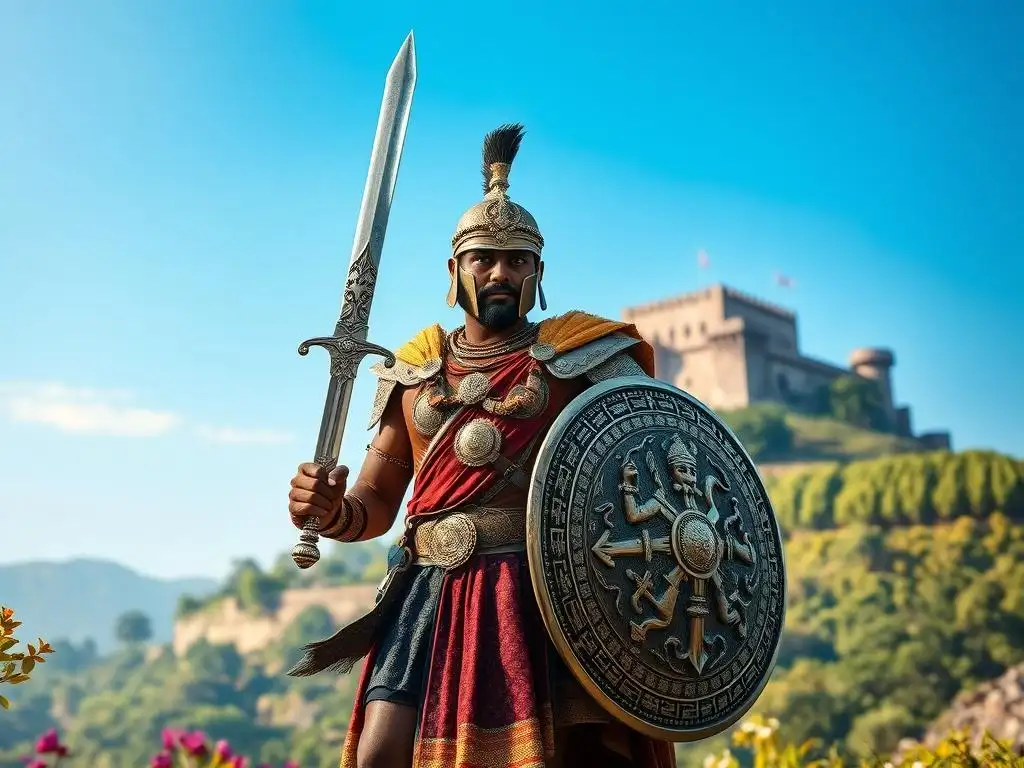
Welcome to Ancient India History, where we embark on a fascinating journey through time, uncovering the rich tapestry of cultures and civilizations that shaped one of the world's oldest societies. In our featured article, “The Symbolism of Weapons in Ancient Indian Culture and Warfare,” we delve into the profound meanings and significance of weaponry in ancient India, exploring how these tools of war were not only instruments of battle but also powerful symbols of status, spirituality, and identity.
Prepare to ignite your curiosity as we unveil the intricate connections between warfare and culture, inviting you to explore the depths of India's military history.
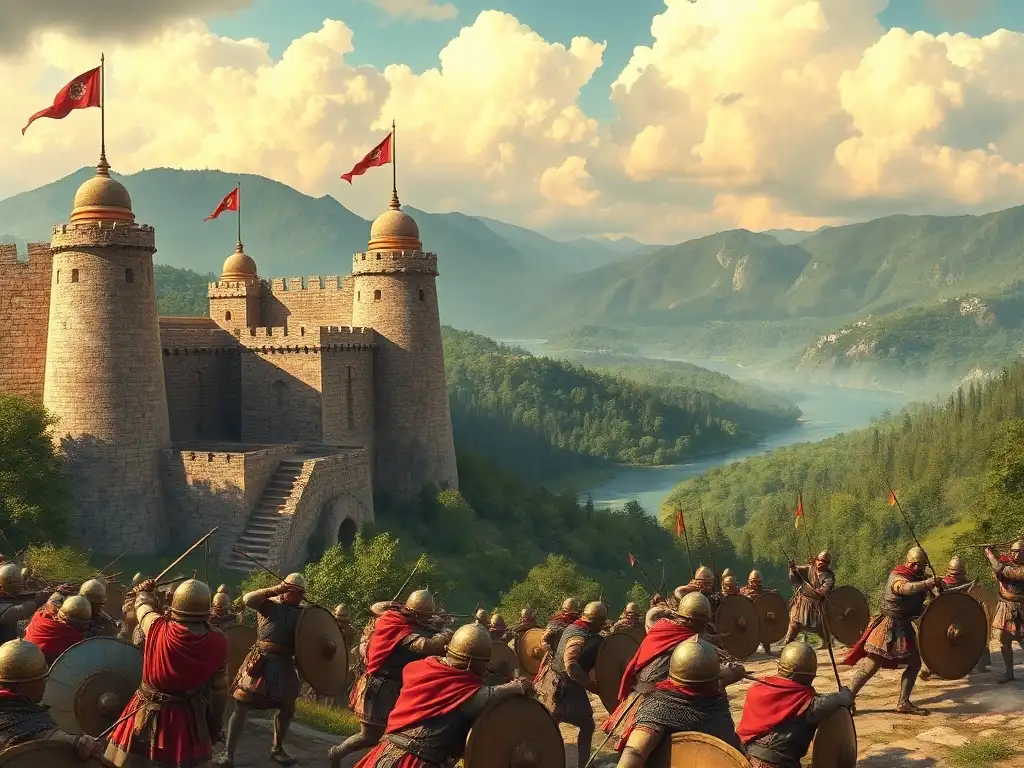
The symbolism of weapons in ancient India is a profound aspect that intertwines with the cultural, spiritual, and military narratives of the region. As we explore the rich tapestry of ancient Indian history, it becomes evident that weapons were not merely tools of war but also held significant symbolic meanings that reflected the values, beliefs, and social structures of various civilizations.
From the majestic Indus Valley to the illustrious Gupta Empire, weapons played a crucial role in shaping the identity and ethos of ancient Indian societies. This article delves into the intricate symbolism associated with weapons, examining their historical contexts and cultural implications, thereby offering a comprehensive understanding of their importance in ancient Indian warfare and culture.
Introduction to Ancient Indian Warfare
Ancient Indian warfare was characterized by a blend of strategic prowess, diverse weaponry, and philosophical underpinnings. The militaristic traditions varied across regions and time periods, influenced by factors such as geography, technology, and cultural exchanges. Notable empires, including the Maurya and Gupta, showcased sophisticated military systems that integrated both traditional and innovative tactics.
Overview of Ancient Indian Military History
The military history of ancient India is marked by significant developments in warfare techniques, strategies, and weaponry. Key phases include:
- Indus Valley Civilization (c. 3300–1300 BCE): Early evidence of organized military structures, possibly for defense against intrusions.
- Vedic Period (c. 1500–500 BCE): Emergence of chariots, cavalry, and the use of bows and arrows in warfare.
- Maurya Empire (c. 322–185 BCE): Chandragupta Maurya and his successor Ashoka expanded territories using large armies and advanced military strategies.
- Gupta Empire (c. 320–550 CE): A period known for its sophistication in military organization and technology, enhancing both offensive and defensive capabilities.
Importance of Weapons in Ancient Indian Society
In ancient India, weapons were more than instruments of warfare; they were symbols of power, honor, and status. Their importance can be summarized as follows:
- Cultural Identity: Weapons were often associated with various deities and mythological narratives, reinforcing cultural identity.
- Socio-Political Structures: Ownership of weapons signified social status and authority within the hierarchical structures of society.
- Religious Significance: Many weapons were imbued with spiritual meanings, often used in rituals and ceremonies to invoke protection and blessings.
Understanding Symbolism in Ancient Indian Culture
Symbolism in ancient Indian culture is deeply rooted in its philosophies, arts, and traditions. Weapons, as symbols, conveyed complex ideas and emotions that transcended their physical forms.
Definition of Symbolism in Historical Context
Symbolism refers to the use of symbols to represent ideas, qualities, or concepts. In the context of ancient Indian culture, symbols often conveyed:
- Moral Lessons: Weapons represented virtues such as courage, righteousness, and justice.
- Divine Connections: Many weapons were viewed as gifts from gods, symbolizing divine protection and favor.
Significance of Symbols in Ancient Indian Traditions
The significance of symbols in ancient Indian traditions can be observed in various aspects:
- Art and Literature: Weapons frequently appeared in sculptures, paintings, and texts, serving as metaphors for valor and heroism.
- Religious Texts: Epics like the Mahabharata and Ramayana illustrate the symbolic nature of weapons, where characters wield them not just for war but as instruments of dharma (righteousness).
By understanding the symbolism of weapons in ancient India, we gain insights into the intricate relationships between warfare, culture, and identity that shaped the civilization's historical narrative.
Major Weapons Used in Ancient India
Ancient India was home to a variety of weapons that not only served practical purposes in warfare but also held significant cultural and symbolic meanings. The arsenal of ancient Indian warriors included swords, bows and arrows, spears, and various other weapons that were intricately crafted and often adorned with elaborate designs. The choice of weaponry was influenced by factors such as regional availability of materials, warfare strategies, and the cultural context of the time. Each weapon had its own unique significance, reflecting the values and beliefs of the society that wielded it.
Swords and Their Symbolic Meaning
Swords were among the most revered weapons in ancient Indian culture, symbolizing honor, power, and justice. The sword was often associated with royalty and the warrior class, embodying the virtues of bravery and righteousness. In texts like the Mahabharata, swords are depicted as instruments of dharma (moral duty) and justice, wielded by heroes such as Arjuna. The craftsmanship of swords varied across regions, with notable examples including the curved khanda and the straight double-edged sword known as the talwar.
The sword also held a ceremonial significance, often being used in rituals to invoke divine blessings for victory in battle. The act of drawing a sword was seen as a declaration of intent, signaling a commitment to uphold righteousness against tyranny. In many ancient Indian kingdoms, swords were not just military tools but also symbols of the king’s authority, reinforcing the connection between the ruler and the divine right to govern.
Bows and Arrows: A Representation of Valor
In ancient India, bows and arrows were not merely weapons but also symbols of valor, skill, and precision. Archery was highly esteemed, with legendary archers like Karna and Arjuna showcasing the art in epic tales. The bow represented the warrior's connection to the divine, as archers often invoked the blessings of deities like Shiva before battle.
The design of bows varied, with long and composite bows being prevalent among different regions. Arrows, often adorned with feathers and intricate designs, were viewed as extensions of the archer's will. The act of shooting an arrow was imbued with spiritual significance, representing the warrior's intent to protect dharma and defeat evil. Furthermore, the bow and arrow were also used in rituals and sacrifices, emphasizing their importance beyond the battlefield.
Spears and Their Role in Warfare and Rituals
Spears were versatile weapons used widely in ancient Indian warfare, serving both offensive and defensive purposes. Their length allowed for effective thrusting and ranged attacks, making them essential in both infantry and cavalry units. The spear was often associated with the divine, as seen in the worship of deities like Vishnu, who is depicted wielding a spear, symbolizing protection and authority.
Beyond their military utility, spears also played a significant role in rituals and ceremonies. They were often used in rites of passage for warriors, symbolizing their transition into adulthood and readiness for battle. In some cultures, the spear was believed to possess protective qualities, serving as a talisman that brought victory and safety to its bearer.
Other Weapons and Their Cultural Significance
Beyond swords, bows, and spears, ancient India utilized various other weapons that carried their own cultural significance. These included axes, maces, and daggers, each with unique symbolic meanings. For example, the mace, known as 'gada,' was a symbol of strength and sovereignty, often associated with deities like Hanuman. It represented the power to crush evil and uphold justice.
Additionally, weapons such as the chakram (circular throwing weapon) and the kris (curved dagger) were often imbued with mystical properties, believed to possess the ability to ward off evil spirits. The symbolism associated with these weapons was deeply intertwined with the spiritual beliefs of the time, reflecting the duality of their roles as tools of war and instruments of divine will.
The Role of Weapons in Ancient Indian Warfare
The use of weapons in ancient Indian warfare was not only a matter of physical combat but also a reflection of the strategic, cultural, and technological developments of the time. Weapons were integral to military tactics and influenced the outcomes of battles, shaping the course of history in ancient India.
Tactical Importance of Weapons in Battles
Weapons in ancient India played a crucial tactical role in determining the outcomes of battles. The choice and combination of weaponry often provided armies with strategic advantages. For instance, the integration of archers in infantry formations allowed for effective ranged attacks, disrupting enemy formations before close combat ensued. Cavalry units, equipped with lances and swords, could execute flanking maneuvers, exploiting enemy weaknesses.
Moreover, the training and skill of soldiers in using these weapons were paramount. Historical accounts highlight the importance of archery contests and military drills in preparing warriors for battle. The ability to effectively wield weapons in unison with fellow soldiers was essential for cohesive military operations, greatly impacting the effectiveness of ancient Indian armies.
Influence of Geography on Weapon Choices
The geographical diversity of ancient India significantly influenced the types of weapons used by different regions. The availability of resources like iron, wood, and specific animal products dictated the construction of weapons. For example, northern regions with access to abundant iron resources produced high-quality swords and armor, while areas rich in forests fostered the development of archery and spear-making.
Geography also affected warfare strategies. In mountainous terrains, spears and short-range weapons were preferred for close combat, while plains favored cavalry and archery. Coastal regions often relied on naval warfare, leading to the creation of specialized weapons suited for maritime encounters. Thus, geography not only shaped the arsenal of ancient Indian armies but also influenced the broader strategies employed in warfare.
Evolution of Military Technology and Its Symbolism
The evolution of military technology in ancient India reflects a continuous quest for innovation and improvement in warfare. Over time, advances in metallurgy and craftsmanship led to the development of more effective weapons, including the introduction of gunpowder in later periods, which transformed military tactics completely.
These advancements were often accompanied by changes in the symbolic meanings associated with weapons. As new technologies emerged, traditional weapons took on new roles. For instance, the symbolic significance of the sword evolved with the introduction of firearms, where the sword became a symbol of honor and tradition rather than the primary weapon of battle.
In essence, the evolution of military technology in ancient India not only enhanced combat effectiveness but also reshaped the cultural narratives surrounding warfare, symbolizing the adaptability and resilience of ancient Indian civilizations in the face of changing times.
Symbolism of Weapons in Religious Texts and Literature
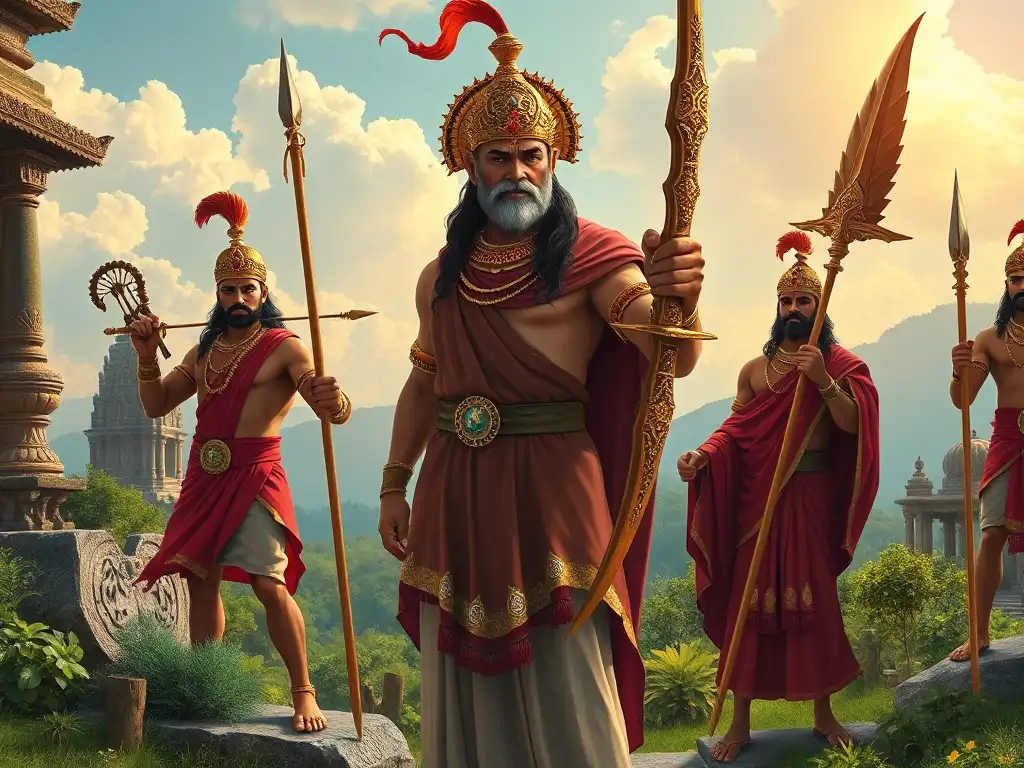
The symbolism of weapons in ancient Indian culture is deeply entrenched in its religious texts and literature. Weapons were not merely tools of war; they represented various philosophical and spiritual concepts. In Hinduism, for instance, weapons symbolize the divine power and the struggle between good and evil. The imagery associated with these weapons often conveys messages about duty, righteousness, and the eternal battle against adharma (unrighteousness).
These texts reveal how weapons were intertwined with the ideals of valor, honor, and sacrifice. Additionally, the representation of weapons in ancient Indian literature manifests the cultural values and belief systems prevalent during those times. They serve as metaphors for the internal conflicts that individuals face, emphasizing the moral dilemmas present in human existence.
References to Weapons in Vedic Literature
Vedic literature, one of the oldest collections of texts in India, contains several references to weapons that shed light on their significance. Weapons like the vajra (thunderbolt) and astra (spiritual weapons) are frequently mentioned, symbolizing both physical and metaphysical power. The vajra is particularly noteworthy as it represents indestructibility and the power of the heavens, often associated with the god Indra, the king of gods in Vedic mythology.
Moreover, the Atharva Veda discusses various mantras related to weapons, implying their importance not only in warfare but also in religious rituals and protection. The use of weapons in these texts signifies the balance between aggression and spirituality, demonstrating the belief that true strength lies in righteousness and control over one’s impulses.
Epic Narratives: The Mahabharata and Ramayana
The Mahabharata and Ramayana, two of the greatest epics in Indian literature, offer rich narratives that explore the symbolism of weapons in the context of dharma (duty) and conflict. In the Mahabharata, weapons such as the Gandiva bow wielded by Arjuna and the Sudarshana Chakra of Lord Krishna represent not just physical power but also the moral choices faced by the characters. The epic illustrates how weapons can symbolize the struggle between good and evil, with each character's choice reflecting their adherence to dharma.
Similarly, in the Ramayana, Lord Rama's bow is emblematic of his righteousness and commitment to dharma. The bow serves as a tool to vanquish evil, personified by Ravana, and underscores the virtue of strength used in the service of justice. Both epics demonstrate that weapons are not merely instruments of war; they are imbued with deeper meanings that resonate with the moral and ethical values of ancient Indian society.
Symbolic Representation in Art and Sculpture
Art and sculpture from ancient India also reflect the profound symbolism of weapons. Temples and carvings often depict deities adorned with various weapons, highlighting their power and protective attributes. For instance, sculptures of Durga wielding multiple weapons symbolize the goddess's ability to combat evil and restore cosmic balance.
In addition, the intricate designs of weaponry in ancient sculptures reflect not only aesthetic value but also the cultural significance attributed to these objects. The portrayal of weapons in art often serves as a reminder of the eternal battle between good and evil, illustrating the belief that divine forces are always engaged in the protection of dharma.
Case Studies of Notable Weapons and Their Symbolism
In the study of ancient Indian warfare, certain notable weapons stand out due to their rich symbolism and cultural significance. These weapons are frequently referenced in various texts and are associated with historical figures and divine entities.
The Scimitar: A Symbol of Power and Authority
The scimitar, known for its distinctive curved blade, is often associated with royalty and military leadership in ancient Indian culture. This weapon symbolizes power and authority, often depicted in the hands of kings and warriors. The scimitar's design allows for swift and decisive strikes, metaphorically representing the decisive nature of leadership in battle.
Additionally, the scimitar is linked to rituals and ceremonies, showcasing its dual role as both a weapon and a symbol of sovereignty. Its presence in art and literature signifies the ideal qualities of a ruler, such as bravery, honor, and the divine right to defend one’s realm.
The Trident: Its Significance in Hindu Mythology
The trident, or trishula, is a powerful symbol in Hindu mythology, often associated with Lord Shiva. It represents the three aspects of creation, preservation, and destruction, embodying the cyclical nature of life. The trident is not merely a weapon; it symbolizes the balance of these forces, emphasizing the idea that creation and destruction are interlinked.
In various texts and iconography, the trident is depicted as a tool for overcoming ignorance and illusion, providing a deeper philosophical meaning to its representation. This duality of the trident as both a weapon and a spiritual symbol highlights the importance of understanding the complexities of existence in ancient Indian thought.
The Bow of Rama: A Representation of Duty and Dharma
The bow of Rama, known as Kodanda, is a potent symbol of duty and righteousness in ancient Indian culture. In the Ramayana, Rama's bow signifies his commitment to dharma and his role as an ideal king and warrior. The bow's string, taut and ready to release, represents the readiness to act in accordance with one’s responsibilities.
Moreover, the bow also symbolizes the connection between the physical and the spiritual realms. As Rama uses his bow to defeat evil and restore order, it serves as a reminder of the importance of moral integrity and the pursuit of justice. The bow of Rama thus becomes an enduring symbol of heroism, duty, and the ethical obligations that govern human actions.
Conclusion: The Legacy of Weapons Symbolism in Ancient India
The symbolism of weapons in ancient India extends far beyond their practical applications in warfare. Throughout history, these weapons have embodied the values, beliefs, and cultural narratives of various Indian civilizations. From the intricate designs of swords to the ceremonial significance of bows and arrows, each weapon tells a story of honor, valor, and spiritual meaning. This multifaceted symbolism has left a profound legacy, influencing not only historical narratives but also modern interpretations of identity and heritage in India.
Moreover, the weapons of ancient India serve as a reminder of the civilization’s martial prowess and the philosophical underpinnings that guided their use. For instance, texts such as the Mahabharata and Ramayana depict the ethical dilemmas faced by warriors, showcasing the intersection of duty (dharma) and martial skill. As such, the legacy of weapon symbolism continues to resonate, fostering a sense of pride and connection to the past among contemporary Indian society.
Lasting Impact on Modern Indian Culture
The impact of ancient Indian weapon symbolism is evident in various aspects of modern Indian culture. Traditional martial arts, such as Kalaripayattu and Gatka, not only emphasize physical prowess but also honor the historical significance of weaponry in Indian heritage. These forms of combat often incorporate rituals and philosophies that echo the values represented by ancient weapons, promoting discipline and respect.
In contemporary Indian art and literature, the symbolism of weapons often resurfaces, reflecting themes of bravery, sacrifice, and justice. For instance, the iconic imagery of the Khanda (a double-edged sword) is frequently associated with the Sikh faith, representing divine knowledge and spiritual authority. Festivals and performances also celebrate the valor of historical warriors, keeping the narratives and their associated symbolism alive in public consciousness.
Reflection on the Historical Significance of Weapons
The historical significance of weapons in ancient India is deeply intertwined with the socio-political landscape of the time. Weapons were not merely tools of warfare; they were symbols of power, sovereignty, and protection. Rulers often commissioned elaborate weapons to signify their authority and divine right to govern. The craftsmanship involved in creating such weapons reflected the technological advancements of the era and the importance placed on martial skill.
Moreover, the role of weapons in ancient Indian warfare underscores the complexities of conflict and diplomacy. The use of weaponry in battles was often accompanied by philosophical considerations regarding justice and righteousness. This duality of purpose—combining practical warfare with moral contemplation—has shaped the narrative of Indian military history and continues to inform discussions about ethics in conflict today.
Further Reading and Resources on Ancient Indian Warfare
To delve deeper into the fascinating world of ancient Indian warfare and the symbolism of weapons, a variety of resources are available for exploration. These materials provide valuable insights into the historical context, cultural significance, and technological advancements associated with ancient Indian weaponry.
Recommended Books and Articles
-
"War and Society in Ancient India" by R. S. Sharma
Explores the dynamics of warfare and its impact on society in ancient India.
-
"The Art of War in Ancient India" by S. R. Sharma
Analyzes the strategies, tactics, and philosophies of warfare as depicted in ancient texts.
-
"Weapons and Warfare in Ancient India: A Historical Perspective" by A. K. Singh
Discusses the evolution of weaponry and its significance in various Indian civilizations.
-
"Symbolism of Weapons in Indian Mythology" by L. N. Rao
Examines the spiritual and symbolic meanings of weapons in Indian myths and epics.
Online Archives and Museums for Exploration
-
National Museum, New Delhi
Offers extensive collections of ancient weapons and artifacts that reflect India's military heritage.
-
Indian Museum, Kolkata
Features exhibits on ancient Indian warfare, including weaponry and military technology.
-
The British Museum
Houses a collection of artifacts related to ancient Indian warfare, providing a global perspective on the subject.
-
Digital Archives of Indian History
Provides access to historical texts, manuscripts, and images related to ancient Indian military practices and weapons.
By engaging with these resources, readers can gain a deeper understanding of the rich tapestry of ancient Indian warfare and the enduring symbolism of weapons in shaping cultural identity and historical narratives.
- Introduction to Ancient Indian Warfare
- Understanding Symbolism in Ancient Indian Culture
- Major Weapons Used in Ancient India
- The Role of Weapons in Ancient Indian Warfare
- Symbolism of Weapons in Religious Texts and Literature
- Case Studies of Notable Weapons and Their Symbolism
- Conclusion: The Legacy of Weapons Symbolism in Ancient India
- Further Reading and Resources on Ancient Indian Warfare
- What is the significance of weapons in ancient Indian culture?
- How did ancient Indian civilizations view the symbolism of weapons?
- Which weapons are most commonly discussed in the context of ancient Indian symbolism?
- How did the Gupta Empire contribute to the understanding of weapon symbolism?
- What role did weapons play in ancient Indian warfare?
Frequently Asked Questions
What is the significance of weapons in ancient Indian culture?
Weapons held great significance in ancient Indian culture, symbolizing power, protection, and valor. They were not just tools for warfare but also represented status and spiritual beliefs.
How did ancient Indian civilizations view the symbolism of weapons?
Ancient Indian civilizations viewed weapons as symbols of righteousness and duty. They were often associated with heroes in epics, reflecting the moral complexities of warfare and justice.
Which weapons are most commonly discussed in the context of ancient Indian symbolism?
Some of the most commonly discussed weapons include the sword (khanda), spear (sattaka), and bow and arrow (dhanush). Each weapon carried its own symbolic meaning, often related to specific deities or principles.
How did the Gupta Empire contribute to the understanding of weapon symbolism?
The Gupta Empire contributed significantly to the understanding of weapon symbolism through art and literature. They depicted weapons in sculptures and texts, emphasizing their role in governance and protection.
What role did weapons play in ancient Indian warfare?
In ancient Indian warfare, weapons were not just tools of combat; they represented strategic prowess and honor. The choice of weapons often indicated a warrior's skill level and social standing in society.
Final Reflection: The Enduring Legacy of the Symbolism of Weapons in Ancient India
The symbolism of weapons in ancient India serves as a profound reminder of how tools of warfare transcended mere functionality to embody deeper cultural and spiritual meanings. In today's world, where conflicts often overshadow the lessons of history, understanding these symbols can illuminate our path toward peace and reconciliation. The intricate relationship between weaponry and identity in ancient Indian culture underscores the importance of recognizing the narratives that shape our societies.
The impact of this symbolism continues to resonate within the cultural and social landscapes of modern India and beyond. The weapons of ancient warriors were not just instruments of battle; they were extensions of their beliefs, values, and identities. As we reflect on this, we are reminded of the words of Mahatma Gandhi: The weak can never forgive. Forgiveness is the attribute of the strong.
This quote encapsulates the essence of how understanding our past can empower us to forge a more compassionate future, where the lessons of ancient warriors guide our actions today.
As we conclude this exploration, I invite you to reflect on the symbolism of weapons in ancient India and consider how these lessons can be applied in your life. In a world often divided by conflict, let us strive to embrace the values of strength, honor, and forgiveness that these symbols represent.
Take a moment to ponder how you can embody these principles in your daily interactions, fostering a culture of understanding and respect in your community. Together, we can transform the legacy of ancient wisdom into a powerful force for good in our lives and the world around us.
Uncover the Power of Ancient Indian Symbolism!
Thank you for diving into the fascinating world of ancient Indian culture and warfare with us. We've explored the intricate symbolism of weapons and their profound significance in shaping history and identity. Now, it’s time to take what you've learned and delve even deeper!
Here are a few steps you can take to enhance your understanding and appreciation of this rich topic:
- Explore more: Read books or watch documentaries about ancient Indian warfare that highlight the role of weaponry in cultural identity.
- Share your thoughts: Join our community forum to discuss what you found most intriguing about the symbolism of weapons in ancient Indian culture.
- Connect with history: Visit a local museum or explore a virtual exhibition featuring ancient Indian artifacts to see these weapons firsthand.
Which symbols do you believe resonate most powerfully in today's cultural narrative? We invite you to share your thoughts below!