
Ashoka’s Legacy in Comparative History: Analyzing His Impact Worldwide

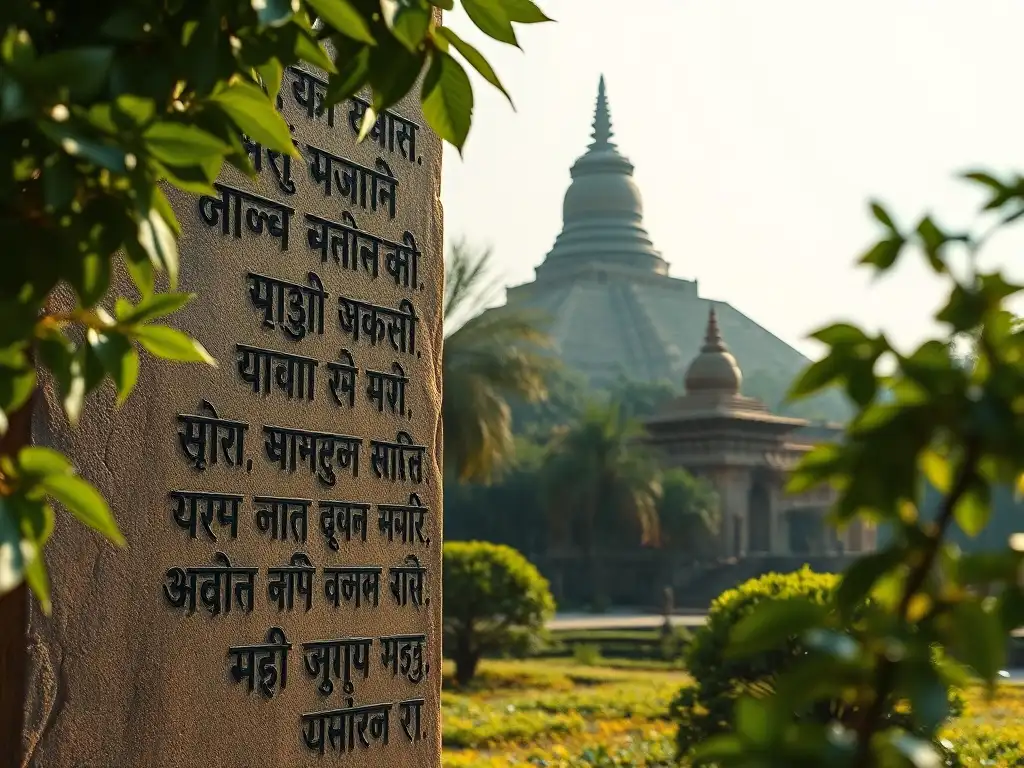
Welcome to Ancient India History, where we embark on a fascinating journey through the rich tapestry of ancient Indian civilizations. Here, we delve into the profound contributions that shaped not only India but also the world at large. In our featured article, "Ashoka’s Legacy in Comparative History: Analyzing His Impact Worldwide," we uncover the remarkable influence of Emperor Ashoka, a pivotal figure whose reign resonates through centuries.
What drove this ruler to embrace peace and spread Buddhism beyond his borders? Join us as we explore his enduring legacy and the ripple effects it has had on global history. Your adventure into the depths of ancient wisdom and culture starts here—let curiosity lead the way!
Introduction to Ashoka the Great
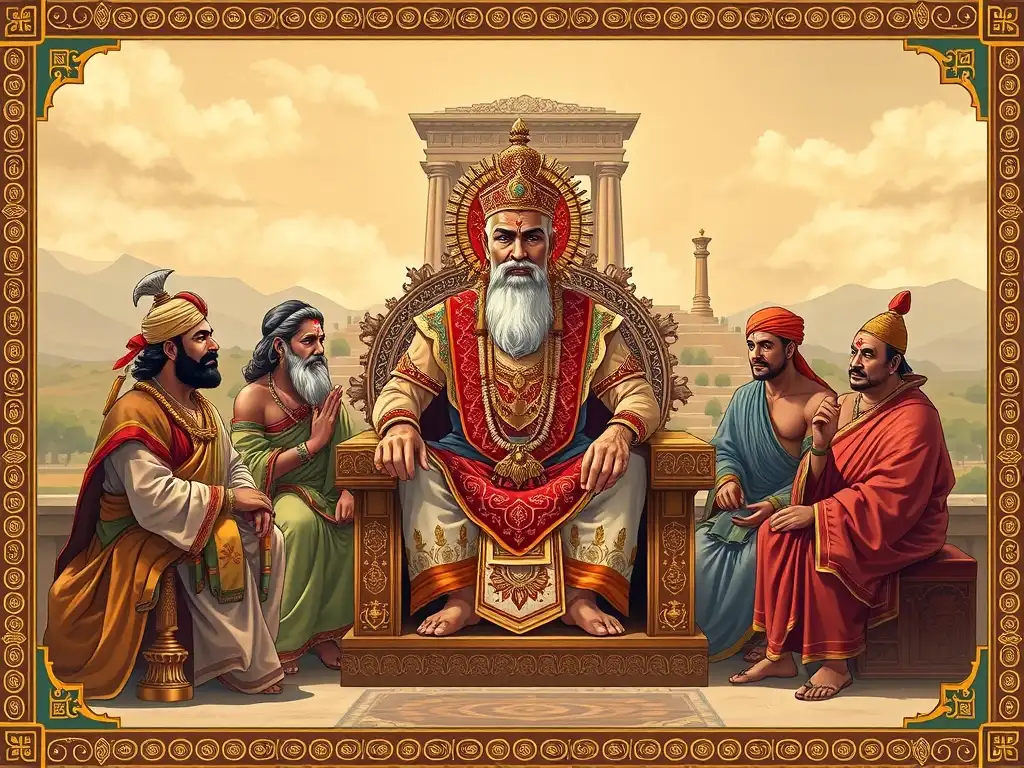
Ashoka the Great, the third emperor of the Maurya Dynasty, reigned during the 3rd century BCE and is celebrated as one of the most pivotal figures in ancient Indian history. His legacy extends beyond the boundaries of India, influencing various cultures and societies around the world.
Ashoka's commitment to the principles of non-violence, moral governance, and the promotion of Buddhism marked a transformative period in history, where the ideals of compassion and ethical leadership began to take root in governance. This article delves into Ashoka's impact on world history, examining how his edicts and policies resonated far beyond his empire, shaping cultural and religious landscapes globally.
Overview of Ashoka's Reign and Historical Context
Ashoka ascended to the throne around 268 BCE, following a series of military conquests that initially defined his rule. However, it was the aftermath of the Kalinga War, a brutal conflict that resulted in significant loss of life, that profoundly changed his worldview. The horror of war prompted Ashoka to embrace Buddhism and its teachings, leading to a major shift in his governance.
- Key Events during Ashoka's Reign:
- Kalinga War: Ashoka's pivotal moment that led him to renounce violence.
- Conversion to Buddhism: Adoption of Buddhist principles that emphasized peace and compassion.
- Edicts of Ashoka: Inscriptions that spread his moral and ethical guidelines across the empire.
Ashoka's reign was characterized by a focus on administration, public welfare, and the establishment of an extensive network of roads and communication, which facilitated trade and cultural exchange. His governance style was marked by a unique blend of political power and ethical leadership, setting a precedent for future rulers.
Significance of Ashoka in Ancient Indian History
Ashoka's significance in ancient Indian history is multifaceted. He is often credited with the unification of the Indian subcontinent under a centralized administration, fostering a sense of identity among diverse cultures and communities. His promotion of Buddhism not only solidified its place in India but also laid the groundwork for its spread across Asia.
- Contributions to Indian Civilization:
- Cultural Integration: Encouragement of the arts and architecture, leading to the construction of stupas and monastic complexes.
- Legal Reforms: Introduction of laws based on ethical principles and human rights.
- Promotion of Trade and Diplomacy: Establishment of trade routes that connected India with regions as far as the Mediterranean.
Through these efforts, Ashoka not only transformed the socio-political landscape of India but also established a model of governance based on moral integrity and social responsibility.
Ashoka's Impact on World History
Ashoka's influence is not confined to the subcontinent; his legacy extends across the globe, impacting various cultures and civilizations. His edicts and the spread of Buddhism played a crucial role in shaping ethical governance and religious practices around the world.
Global Influence of Ashoka's Edicts
The Edicts of Ashoka, inscribed on pillars and rocks throughout his empire, serve as a testament to his ideals of justice, tolerance, and compassion. These edicts were not merely local proclamations but were disseminated across regions, influencing neighboring kingdoms.
- Key Aspects of the Edicts:
- Moral Governance: Promotion of ethical leadership and social justice.
- Religious Tolerance: Advocacy for the respect of all religions, fostering harmony.
- Humanitarian Principles: Emphasis on welfare and public health.
The principles laid out in these edicts resonated with leaders and thinkers beyond India, contributing to the development of governance centered on moral responsibility and civic duty.
The Spread of Buddhism and Its Global Reach
One of the most significant aspects of Ashoka's legacy is the spread of Buddhism, which he championed as a way of life rooted in non-violence and compassion. Through his efforts, Buddhism transcended the Indian subcontinent, reaching regions like Central Asia, Southeast Asia, and beyond.
- Channels of Spread:
- Missionary Activities: Ashoka sent missionaries to various regions to promote Buddhism.
- Cultural Exchanges: Trade routes facilitated the flow of ideas and practices.
- Influence on Neighboring Kingdoms: Adoption of Buddhist principles by various rulers influenced governance and culture.
This global reach not only established Buddhism as a major world religion but also fostered dialogues between cultures, contributing to a shared understanding of ethical governance and community well-being. As we explore Ashoka’s legacy, it becomes clear that his impact on world history is profound, shaping ethical frameworks and cultural narratives across civilizations.
Comparative Analysis of Ashoka's Policies
Ashoka the Great, the third Emperor of the Maurya Dynasty, is renowned for his transformative policies that significantly influenced governance and cultural practices in ancient India and beyond. His reign marked a pivotal shift from militaristic expansion to a focus on moral governance, peace, and welfare. This comparative analysis examines Ashoka's policies in the context of his governance style and compares him with other influential historical figures.
Ashoka's Approach to Governance and Administration
Ashoka's governance was characterized by a profound commitment to the principles of Dharma, or righteousness. He sought to create a just society through ethical administration, emphasizing the welfare of his subjects over military conquests. The Edicts of Ashoka, inscribed on pillars and rocks across his empire, served as a testament to his policies. These edicts promoted non-violence, compassion, and respect for all living beings, reflecting an innovative approach to statecraft.
Unlike many rulers of his time, Ashoka actively engaged with his subjects, advocating for their well-being through initiatives such as healthcare, education, and infrastructure development. His establishment of a vast network of roads facilitated trade and communication, fostering economic stability. Furthermore, Ashoka's administrative reforms included the appointment of officials known as "Dharma Mahamatras," who were responsible for ensuring the implementation of his ethical policies.
This approach to governance contrasts sharply with more autocratic rulers who prioritized military might and territorial expansion. Ashoka's emphasis on moral authority and public welfare resonates with contemporary governance ideologies that prioritize human rights and social justice.
Comparisons with Other Historical Figures (e.g., Constantine, Cyrus the Great)
When comparing Ashoka with other historical figures such as Constantine the Great and Cyrus the Great, several parallels and distinctions emerge. Like Ashoka, both Constantine and Cyrus were visionary leaders who made significant contributions to their respective empires.
Cyrus the Great, the founder of the Achaemenid Empire, is celebrated for his innovative policies that promoted tolerance and respect for diverse cultures. His famous Cyrus Cylinder is often hailed as one of the first declarations of human rights, advocating for the freedom of religion and the repatriation of displaced peoples. Similarly, Ashoka's edicts emphasized religious tolerance, encouraging respect for all faiths, including Buddhism, Hinduism, and Jainism.
Constantine, the first Christian Roman Emperor, transformed the Roman Empire by embracing Christianity and promoting religious tolerance through the Edict of Milan. His policies established a precedent for the intertwining of governance and religious practice, much like Ashoka's integration of Dharma into state affairs. However, while Constantine's approach was often seen as politically motivated, Ashoka's commitment to ethical governance stemmed from a personal transformation after the Kalinga War, which deeply influenced his philosophical outlook.
While Ashoka, Cyrus, and Constantine shared a common goal of fostering societal harmony through tolerance and ethical governance, their motivations and methods exhibited unique characteristics shaped by their cultural and historical contexts.
Ashoka's Cultural Legacy
Ashoka's reign is not only noted for its political and administrative innovations but also for its profound cultural impact. His support for the arts, architecture, and religious tolerance contributed to a rich cultural milieu that would influence generations.
Contributions to Art and Architecture
Ashoka's patronage of the arts led to the flourishing of Indian art and architecture during and after his reign. One of the most notable contributions was the construction of the Ashoka Pillars, intricately carved stone pillars adorned with inscriptions and animal motifs, symbolizing his commitment to Dharma. These pillars, such as the famous Lion Capital of Ashoka, have become iconic representations of Indian heritage.
Additionally, Ashoka's support for the construction of stupas, particularly the Sanchi Stupa, exemplified his dedication to Buddhism and its architectural expression. These stupas served not only as religious sites but also as centers of learning and community engagement, showcasing the interplay between spirituality and culture.
Ashoka's influence extended beyond India, as his architectural styles and artistic principles spread to other regions through trade and cultural exchange, leaving a lasting imprint on the art and architecture of Southeast Asia and beyond.
Ashoka's Role in Promoting Religious Tolerance
Ashoka's commitment to promoting religious tolerance is one of his most significant legacies. After witnessing the devastating consequences of war, particularly following the Kalinga conflict, he embraced Buddhism and sought to share its teachings of compassion and non-violence with his subjects. His edicts reflect a deep respect for all religions, urging his people to practice their faiths without fear of persecution.
This promotion of religious pluralism was revolutionary in a time when many rulers sought to impose their own religious beliefs on their subjects. Ashoka's approach fostered an environment where diverse religious practices could coexist, paving the way for a rich tapestry of cultural and spiritual expressions.
Moreover, Ashoka's efforts in disseminating Buddhist teachings beyond India, through missionaries and diplomatic channels, contributed to the global spread of Buddhism, influencing millions and establishing it as one of the world's major religions.
Ashoka's legacy extends beyond his time, with his policies and cultural contributions continuing to resonate in contemporary discussions on governance, ethics, and religious tolerance. His impact on world history is a testament to the enduring power of moral leadership and cultural exchange.
Ashoka's Influence on Modern Thought
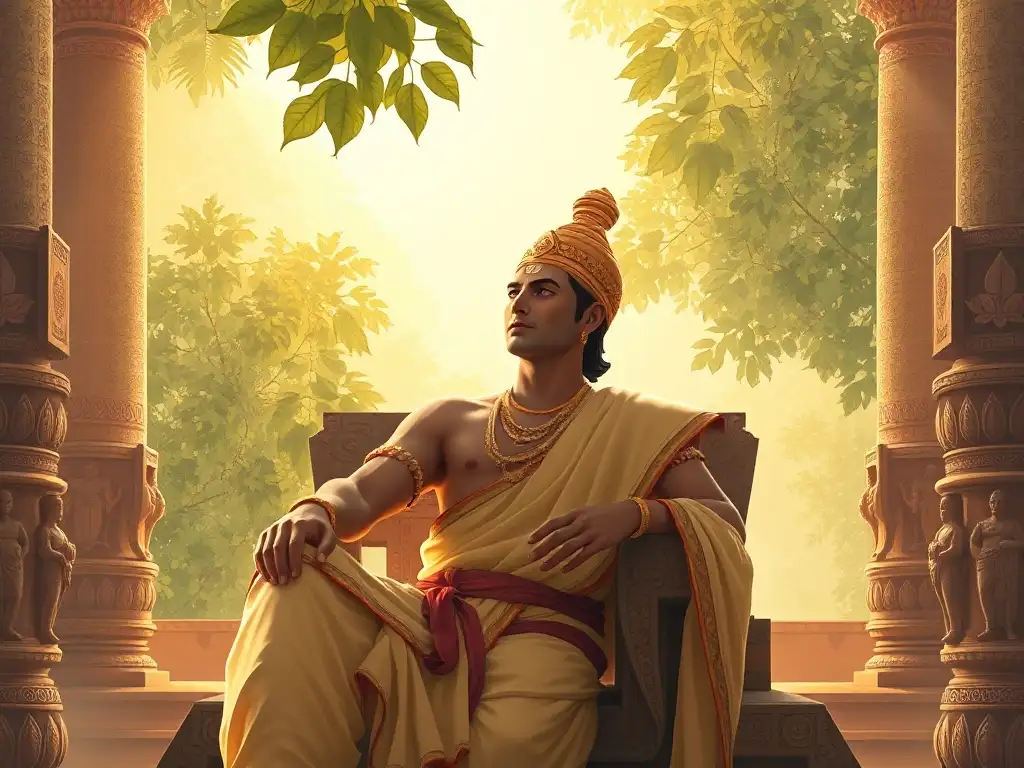
Ashoka the Great, the third Mauryan emperor, is often regarded as one of the first rulers to advocate for a governance model rooted in ethical principles and humanitarian values. His edicts, inscribed on pillars and rocks throughout his empire, convey messages of non-violence, tolerance, and respect for all living beings.
These teachings resonate strongly in contemporary discourse, particularly in the realms of ethics, governance, and social justice. As societies grapple with issues of war, violence, and inequality, Ashoka’s commitment to Dharma (moral duty) provides a framework that encourages leaders to prioritize the well-being of their citizens over territorial expansion and power struggles.
Moreover, Ashoka's emphasis on compassion and welfare is mirrored in various modern philosophical movements that seek to integrate ethical governance into political frameworks. His legacy challenges contemporary political leaders to consider the moral implications of their decisions, prompting discussions on the importance of empathy in leadership. As a result, Ashoka has become a reference point in discussions about the intersection of morality and politics, inspiring movements that advocate for ethical governance worldwide.
Relevance of Ashoka's Principles in Contemporary Politics
The principles espoused by Ashoka are increasingly relevant in today’s political landscape, especially as global conflicts and humanitarian crises continue to arise. His advocacy for Ahimsa (non-violence) and tolerance serves as a counter-narrative to the often militaristic and aggressive political strategies employed by nations. Politicians and activists draw upon Ashoka's teachings to promote peaceful resolutions to conflicts, emphasizing dialogue and understanding over violence.
Furthermore, Ashoka's focus on the welfare of his subjects led to the establishment of hospitals, roads, and educational institutions, highlighting the role of government in enhancing the quality of life for citizens. This aspect of his legacy is echoed in modern welfare policies and social programs aimed at reducing poverty and improving public health. The call for transparency and accountability in governance, as illustrated by Ashoka's public edicts, resonates with contemporary movements advocating for democratic reforms and citizen engagement.
Ashoka's Impact on Peace Movements Worldwide
Ashoka's legacy has significantly influenced peace movements across the globe. His commitment to non-violence not only shaped the socio-political landscape of ancient India but also inspired thinkers and leaders worldwide. Figures such as Mahatma Gandhi drew heavily on Ashoka's principles, adopting non-violent resistance as a powerful tool for social change in the struggle for India's independence. Gandhi's philosophy of Ahimsa can be traced back to Ashoka's teachings, showcasing how ancient wisdom can inform modern movements.
Internationally, Ashoka's ideals have found resonance among contemporary peace activists and organizations advocating for conflict resolution through non-violent means. His edicts promoting tolerance and unity can be seen in the missions of various global organizations that aim to foster peace in conflict-ridden areas. The Buddhist Peace Fellowship, for instance, draws upon Ashoka's teachings to promote social justice and non-violence in its initiatives, illustrating the enduring relevance of his philosophy in fostering global peace.
Case Studies of Ashoka's Influence
Regional Variations of Ashoka's Impact in Asia
Ashoka's influence extends beyond India, impacting various regions in Asia, particularly where Buddhism spread. In countries like Sri Lanka, Thailand, and Japan, Ashoka is revered as a symbol of peace and moral governance. His edicts have been translated and integrated into local cultures, emphasizing the universal applicability of his teachings.
In Sri Lanka, for example, Ashoka's legacy is evident in the country's strong Buddhist traditions and the establishment of the Mahavihara, a significant monastic community that upholds the principles of compassion and ethical governance. Similarly, in Thailand, the concept of Dharma has shaped the monarchy's role in promoting social welfare and harmony among its citizens. These regional variations demonstrate how Ashoka's impact transcends geographical boundaries, adapting to local contexts while retaining core principles of non-violence and ethical leadership.
Ashoka's Legacy in Western Historiography
In Western historiography, Ashoka's legacy has been examined through various lenses, particularly in the context of ethical leadership and governance. Scholars highlight how his model of rule based on moral principles contrasts with the often militaristic narratives prevalent in Western histories. Ashoka's edicts have been analyzed as early forms of human rights declarations, emphasizing the importance of treating all beings with respect and dignity.
Furthermore, Ashoka's influence is seen in the writings of Western philosophers who have explored notions of social contract and ethical governance. The parallels drawn between Ashoka's principles and Enlightenment thinkers underscore the global relevance of his ideas, illustrating how ancient Indian philosophies can inform contemporary discussions about governance and morality. As historians continue to explore Ashoka's impact, his legacy remains a profound source of inspiration for understanding the interplay between ethics and leadership in both ancient and modern contexts.
Conclusion: The Enduring Legacy of Ashoka
The legacy of Ashoka the Great continues to resonate through history, showcasing a remarkable blend of governance, philosophy, and ethical leadership. His reign marked a significant transition from a militaristic approach to a more compassionate and humanitarian rule, ultimately establishing a model for governance that prioritized the welfare of the populace. This transition has been mirrored in various cultures and civilizations, reflecting Ashoka's profound and enduring influence on world history.
Summary of Key Contributions and Global Impact
Ashoka's contributions can be distilled into several key areas that have had lasting implications not only for India but for the world:
- Promotion of Buddhism: Ashoka played a crucial role in the spread of Buddhism beyond Indian borders, fostering a global religious tradition that emphasized peace, non-violence, and compassion. His efforts in establishing monasteries and sending missionaries to various regions, including Central Asia and Southeast Asia, helped Buddhism flourish across diverse cultures.
- Edicts of Ashoka: The edicts inscribed on pillars and rocks throughout his empire serve as some of the earliest examples of written governance. These inscriptions conveyed messages on morality, ethical conduct, and civic responsibility, influencing governance models in various regions and establishing a framework for ethical leadership.
- Advocacy for Non-Violence: Ashoka's commitment to non-violence and compassion marked a pivotal shift in the philosophy of governance. His emphasis on Dharma (righteousness) and the welfare of all living beings has inspired leaders and movements globally, promoting the ideals of peace and social justice.
- Cultural Exchange: Ashoka's reign facilitated cultural exchange across trade routes, leading to significant interactions between Indian civilization and other cultures. This exchange enriched art, architecture, and philosophy, leaving an indelible mark on the regions influenced by Indian culture.
Final Thoughts on Ashoka's Role in Shaping World History
Ashoka the Great stands as a pivotal figure in history, not merely for his empire's expansive reach but for the ethical and philosophical foundations he laid that transcended geographical boundaries. His legacy serves as a timeless reminder of the power of compassionate leadership and the pursuit of peace. In a world still grappling with conflict and division, Ashoka's teachings on non-violence and social responsibility resonate profoundly, encouraging contemporary societies to reflect upon their values and governance practices.
As we analyze Ashoka's impact on world history, it becomes clear that his contributions extend far beyond the confines of his empire. They echo through the ages, inspiring movements for justice, peace, and ethical governance across the globe. Ashoka's legacy is not merely a chapter in history; it is a continuing narrative that invites us to strive for a more compassionate world.
- Introduction to Ashoka the Great
- Ashoka's Impact on World History
- Comparative Analysis of Ashoka's Policies
- Ashoka's Cultural Legacy
- Ashoka's Influence on Modern Thought
- Case Studies of Ashoka's Influence
- Conclusion: The Enduring Legacy of Ashoka
Frequently Asked Questions
What was Ashoka's role in ancient India?
Ashoka was the third Mauryan emperor who ruled from 268 to 232 BCE. He is known for his transformative policies that promoted Buddhism and non-violence, significantly influencing Indian culture.
How did Ashoka contribute to the spread of Buddhism?
Ashoka played a crucial role in the global spread of Buddhism by sending missionaries to various regions, including Southeast Asia and Mediterranean countries, thus expanding its influence beyond India.
What are the key features of Ashoka's Edicts?
Ashoka's Edicts, inscribed on rocks and pillars, emphasized moral governance, tolerance, and compassion. They serve as a testament to his commitment to ethical leadership and social welfare.
How has Ashoka's legacy impacted modern governance?
Ashoka's principles of non-violence and social justice resonate in modern political thought, inspiring leaders and movements advocating for peace and human rights worldwide.
In what ways is Ashoka's impact recognized globally?
Ashoka's legacy is acknowledged through various cultural references, including monuments, literature, and the Ashoka Chakra in the Indian flag, symbolizing his enduring influence on world history.
Final Reflection: The Enduring Legacy of Ashoka in World History
Ashoka's impact on world history resonates profoundly in today's global landscape, where the principles of non-violence and ethical governance continue to shape societies. As we navigate through a world often marred by conflict and division, the lessons from Ashoka's reign remind us of the transformative power of compassion and moral leadership. His commitment to dharma not only redefined the role of a ruler but also established a framework for peaceful coexistence that remains relevant in our contemporary discourse on governance and social justice.
Cultural and social landscapes across the globe have been significantly influenced by Ashoka's ideals. His promotion of Buddhism and the spread of its teachings fostered a sense of unity and understanding among diverse populations. The ripple effects of his policies can still be felt today, as nations grapple with the challenges of pluralism and the need for ethical leadership. The greatness of a nation and its moral progress can be judged by the way its animals are treated.
This quote encapsulates Ashoka's vision, urging us to reflect on our responsibilities toward all living beings and the ethical frameworks we choose to adopt in our societies.
As we contemplate Ashoka's legacy, let us take a moment to reflect on our own roles within our communities. How can we embody the principles of compassion and ethical leadership in our daily lives? By embracing the values that Ashoka championed, we can contribute to a more harmonious world. I invite you to consider how you can make a difference, no matter how small, in fostering understanding and peace in your own sphere of influence. Together, we can honor Ashoka's impact on world history by striving to create a future that reflects his ideals of justice, empathy, and unity.
Unveil the Impact of Ashoka: Take Action Today!
Thank you for exploring the remarkable legacy of Ashoka with us! You've gained insights into how his principles transcended borders and influenced societies around the globe. Now, it's time to take action and continue that legacy of inspiration and change.
Here are a few steps you can take:
- Dive deeper: Read a biography or scholarly article about Ashoka's life to explore his philosophies. Reflect on how these teachings can be applied to your life today.
- Share the knowledge: Engage in discussions about Ashoka's impact with friends or on social media to spark conversations about his relevance in contemporary society.
- Engage with the community: Participate in or initiate a local group focused on historical influences on modern values, inspired by Ashoka’s principles of non-violence and tolerance.
What aspect of Ashoka’s legacy resonates most with you, and how would you like to see it applied in today's world? We would love to hear your thoughts!