
Understanding the Global Demand: Why Indian Artifacts Are the New Investment Goldmine

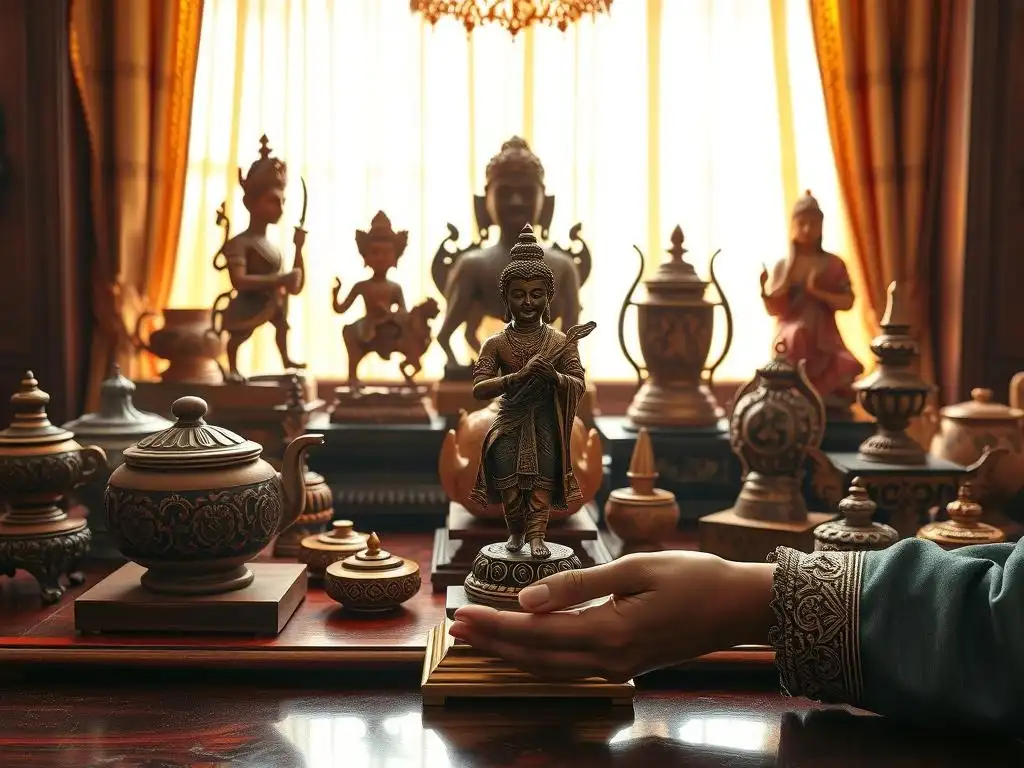
Welcome to Ancient India History, where we take you on an enlightening journey through the rich tapestry of ancient civilizations that shaped the Indian subcontinent. From the awe-inspiring Indus Valley to the illustrious Gupta Empire, our exploration delves deep into the diverse cultures and remarkable contributions of these eras. In our featured article, “Understanding the Global Demand: Why Indian Artifacts Are the New Investment Goldmine,” discover the burgeoning opportunities in the realm of Indian artifacts investment.
Uncover the secrets behind this fascinating trend and find out why these treasures are more than just historical relics—they're becoming the new goldmine for savvy investors. Dive in and let your curiosity guide you!
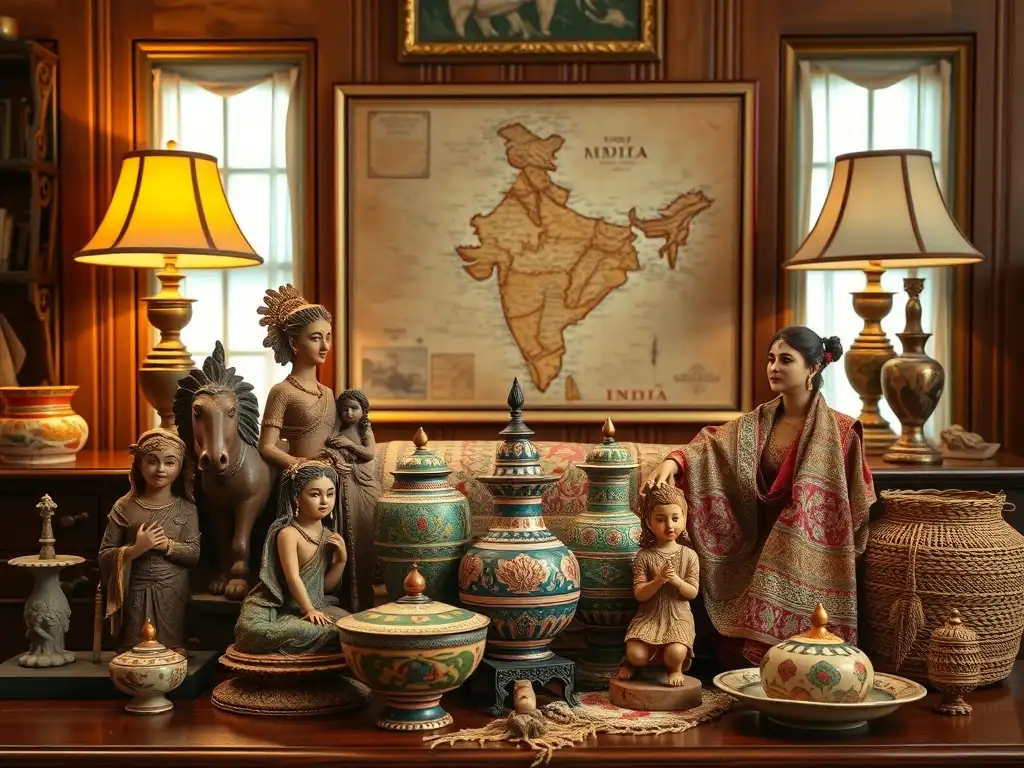
The allure of Indian artifacts has transcended time, captivating collectors, investors, and historians alike. As the world increasingly recognizes the cultural and historical significance of these treasures, a burgeoning market has emerged, positioning Indian artifacts as one of the most promising investment opportunities today. From ancient coins and sculptures to textiles and pottery, each item not only reflects the rich tapestry of India's past but also holds substantial potential for appreciation in value. This article delves into the multifaceted reasons behind the rising global demand for Indian artifacts, uncovering the investment opportunities that lie within this fascinating domain.
Introduction to Indian Artifacts Investment Opportunities
Investing in Indian artifacts is no longer just a niche interest for collectors; it has evolved into a viable investment strategy for those looking to diversify their portfolios. The Indian artifacts investment opportunities are driven by several key factors, including cultural appreciation, historical significance, and the growing trend of alternative investments.
- Cultural Appreciation: As global interest in ancient cultures rises, Indian artifacts have gained recognition for their uniqueness and historical importance.
- Market Accessibility: With advancements in technology and online platforms, collectors and investors have unprecedented access to rare artifacts from the comfort of their homes.
- Potential for Value Appreciation: Many Indian artifacts have demonstrated significant increases in value over time, making them a lucrative investment choice.
Investors are increasingly looking towards tangible assets like Indian artifacts, viewing them as not only a means of financial gain but also as a way to preserve and celebrate cultural heritage.
The Historical Significance of Indian Artifacts
Indian artifacts serve as a window into the country’s illustrious past, reflecting the evolution of its civilizations over millennia. From the sophisticated urban planning of the Indus Valley Civilization to the artistic achievements of the Gupta Empire, each artifact tells a story that contributes to our understanding of ancient Indian history.
- Diverse Civilizations: Artifacts from various periods, such as the Maurya, Gupta, and Mughal empires, showcase the diversity of Indian culture and the rich artistic traditions that flourished.
- Symbolic Meaning: Many artifacts hold deep spiritual and religious significance, often representing the beliefs and practices of ancient Indian societies.
- Cultural Exchange: The trade routes established in ancient times facilitated cultural exchanges, resulting in artifacts that reflect a blend of influences from neighboring regions.
As the historical significance of these items is increasingly acknowledged, investors are drawn not only to their aesthetic value but also to their ability to tell profound stories about human civilization.
Current Trends in the Global Market for Indian Artifacts
The market for Indian artifacts is currently experiencing a renaissance, fueled by a confluence of factors that enhance their desirability and marketability.
- Increased Global Demand: There is a growing interest among international collectors in acquiring Indian artifacts, which has led to higher auction prices and increased competition in the market.
- Cultural Heritage Initiatives: Organizations promoting the preservation of cultural heritage have raised awareness about the importance of artifacts, further driving interest and investment.
- Investment Diversification: Investors are increasingly seeking alternative assets to hedge against market volatility, and Indian artifacts, with their potential for appreciation, fit this strategy well.
With these trends in mind, it is crucial for potential investors to stay informed about the evolving landscape of the Indian artifacts market, as it presents unique opportunities for both cultural enrichment and financial gain.
As interest in Indian artifacts continues to grow, understanding the market dynamics and historical context will be essential for those looking to explore this exciting investment frontier.
Understanding Indian Artifacts Investment Opportunities
Investing in Indian artifacts has emerged as a significant opportunity for collectors and investors alike, driven by the increasing global appreciation for India's rich cultural heritage. Indian artifacts, ranging from ancient coins to intricate sculptures and textiles, not only hold historical value but also serve as tangible assets with potential for appreciation. The demand for these items is fueled by growing interest from international collectors, galleries, and auction houses, creating a thriving marketplace.
The allure of Indian artifacts lies in their uniqueness and the stories they tell about ancient civilizations. For instance, artifacts from the Indus Valley Civilization, known for their advanced urban planning and trade networks, can fetch high prices at auction due to their rarity and historical significance. Similarly, items from the Gupta Empire, such as beautifully crafted bronze sculptures, are sought after for their artistic merit and craftsmanship.
Investors can explore various avenues to engage with this market, including:
- Auctions: Major auction houses frequently feature Indian artifacts, providing opportunities to acquire valuable pieces.
- Private Collections: Networking with collectors or galleries can lead to private sales of unique items.
- Online Platforms: E-commerce websites dedicated to art and antiques have opened up new avenues for purchasing and selling Indian artifacts.
As the market continues to evolve, understanding the nuances of Indian artifacts investment opportunities is essential for maximizing potential returns.
Risks and Rewards of Investing in Indian Artifacts
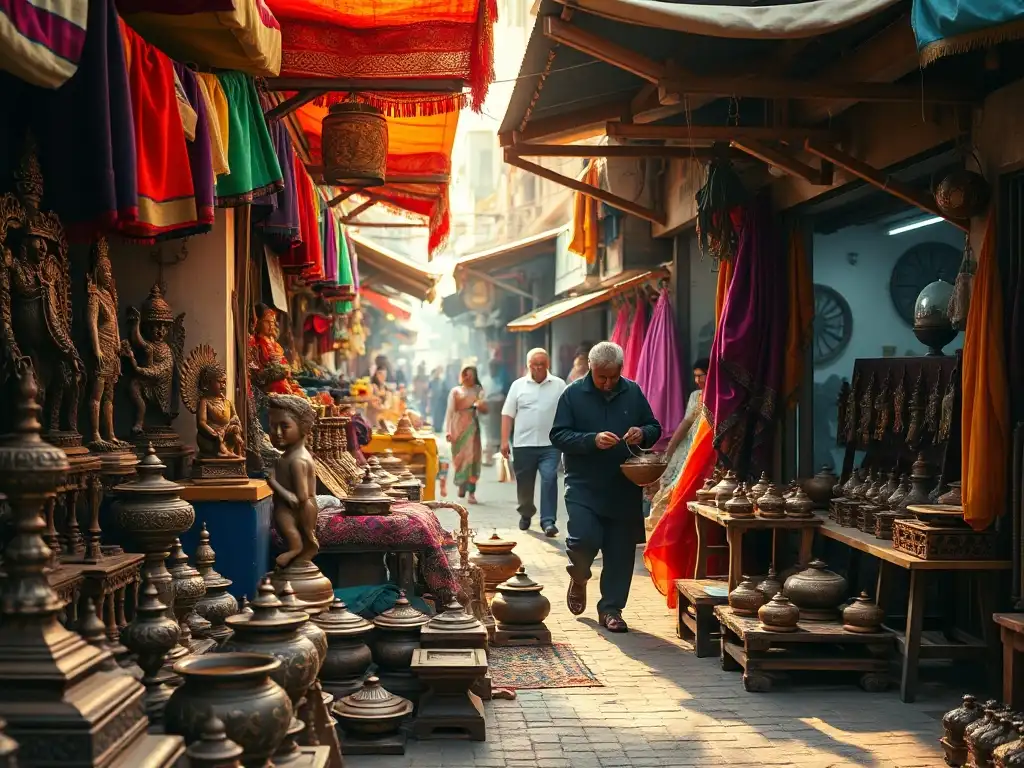
Like any investment, investing in Indian artifacts comes with its own set of risks and rewards. On the reward side, the potential for significant appreciation is considerable, especially for high-quality pieces from recognized historical periods. Successful investments can yield returns that far exceed those in traditional markets, making Indian artifacts an attractive alternative for diversifying an investment portfolio.
However, investors must also be aware of the inherent risks involved, including:
- Authenticity Concerns: The market for artifacts can be rife with forgeries and reproductions. Due diligence is crucial to ensure the authenticity of pieces being purchased.
- Market Volatility: The value of artifacts can fluctuate based on trends, demand, and economic conditions. Investors should be prepared for potential downturns in the market.
- Legal Considerations: Ownership and provenance issues can arise, particularly with artifacts that may have been unlawfully exported or acquired. Understanding the legal landscape is vital before making any purchases.
Balancing these risks and rewards is essential for investors looking to navigate the complex world of Indian artifacts effectively.
Expert Opinions on Indian Artifacts as Investment
Experts in the field of art and antiquities often share insightful perspectives on the viability of Indian artifacts as an investment. Many agree that the growing global interest in Indian culture and history is a positive indicator for the market. According to renowned art appraisers, the increasing participation of foreign collectors and investors has not only driven up prices but also enhanced the prestige associated with Indian artifacts.
Art historians emphasize the importance of acquiring pieces with verifiable provenance. Experts advise potential investors to seek items that have documented histories, as this can significantly influence their value and desirability in the market. Additionally, attending exhibitions and auctions is recommended, as they provide opportunities to learn from experts and assess market trends firsthand.
Furthermore, some analysts project a robust future for the market, citing the rise of online platforms that facilitate easier access to collectors worldwide. The digital age is redefining how artifacts are bought and sold, creating new investment opportunities and expanding the reach of Indian art and antiquities.
Expert opinions highlight the potential of Indian artifacts as a sound investment, provided that investors conduct thorough research and engage with reputable sources in the market.
Conclusion: The Future of Indian Artifacts Investment Opportunities
The landscape of investment is ever-evolving, and the surge in interest toward Indian artifacts signifies a promising future for collectors and investors alike. As globalization continues to connect diverse markets, the appreciation for Indian culture and heritage is gaining momentum, making artifacts from this rich history not just valuable culturally, but also financially.
Investors are increasingly recognizing the potential of Indian artifacts as a stable investment opportunity, akin to precious metals or real estate. The rarity, historical significance, and aesthetic appeal of these artifacts contribute to their escalating demand. Additionally, as more people engage in collecting and investing in artifacts, the market dynamics are likely to shift, potentially leading to increased valuations.
Furthermore, emerging technologies, such as blockchain for provenance tracking and augmented reality for immersive experiences, are set to revolutionize the way artifacts are bought, sold, and appreciated. These innovations will not only enhance the investment appeal but also ensure authenticity and transparency in transactions.
As we look ahead, the combination of cultural appreciation, technological advancements, and a growing global market suggests that investment opportunities in Indian artifacts will continue to flourish, offering both financial returns and a tangible connection to a storied past.
Call to Action: Exploring Indian Artifacts
Are you intrigued by the world of Indian artifacts and their potential as a wise investment? There has never been a better time to dive into this fascinating market. Here are some steps you can take to get started:
- Research: Begin by educating yourself about different types of Indian artifacts, including sculptures, textiles, pottery, and jewelry. Understanding their historical context can provide valuable insights into their investment potential.
- Attend Auctions and Exhibitions: Participate in local or international auctions and exhibitions focused on Indian art and artifacts. This is a great way to gain firsthand experience and connect with experts in the field.
- Join Collectors' Forums: Engaging with communities of collectors and investors can offer invaluable advice and resources. Online forums and social media groups dedicated to Indian artifacts can be particularly helpful.
- Consider Professional Appraisal: If you're serious about investing, consider consulting with professionals who specialize in Indian artifacts. They can help assess the value and authenticity of pieces you may be interested in.
- Stay Informed: Keep an eye on market trends, upcoming auctions, and changes in regulations regarding artifact ownership and trade. Being well-informed can give you a competitive edge in your investment journey.
Embark on your journey into the world of Indian artifacts today and discover the unique blend of history, culture, and investment potential that awaits! 🌍✨
- Introduction to Indian Artifacts Investment Opportunities
- The Historical Significance of Indian Artifacts
- Current Trends in the Global Market for Indian Artifacts
- Understanding Indian Artifacts Investment Opportunities
- Risks and Rewards of Investing in Indian Artifacts
- Expert Opinions on Indian Artifacts as Investment
- Conclusion: The Future of Indian Artifacts Investment Opportunities
- Call to Action: Exploring Indian Artifacts
Frequently Asked Questions
What are Indian artifacts?
Indian artifacts are historical objects created by ancient civilizations in India, including the Indus Valley and Gupta Empire. They reflect the cultural heritage and artistic achievements of these societies.
Why is there a growing demand for Indian artifacts?
The demand for Indian artifacts has surged due to their unique historical significance and the increasing interest in collectibles by investors. These artifacts are seen as valuable investments that appreciate over time.
How can I invest in Indian artifacts?
Investing in Indian artifacts can be done through auctions, art galleries, or online marketplaces that specialize in antique items. It's crucial to ensure the authenticity and provenance of the artifacts before purchase.
What factors affect the value of Indian artifacts?
The value of Indian artifacts is influenced by factors such as rarity, condition, historical significance, and demand in the market. Provenance and documentation also play a key role in determining their worth.
Are there risks associated with investing in Indian artifacts?
Yes, risks include the potential for forgeries, fluctuations in market demand, and legal issues related to ownership. Conducting thorough research and consulting experts can help mitigate these risks.
Final Reflection: The Rising Value of Indian Artifacts in Today's Investment Landscape
The allure of Indian artifacts as a burgeoning investment opportunity is more relevant than ever in our globalized world. As collectors and investors seek unique assets that not only hold cultural significance but also promise substantial returns, the demand for Indian artifacts has surged. This trend underscores a striking reality: investing in these treasures is not merely a financial decision but a commitment to preserving history and culture.
Cultural heritage and investment potential are intertwined in the realm of Indian artifacts. The appreciation for these items goes beyond their monetary value; they serve as a bridge connecting us to rich traditions and stories. As we witness the increasing interest in these artifacts, it is essential to remember the words of Mahatma Gandhi: A nation's greatness is measured by how it treats its weakest members.
This sentiment extends to how we value and preserve our cultural heritage, ensuring that these artifacts are not only seen as commodities but as vital parts of our shared history.
As you reflect on the insights shared in this article, consider how you can engage with the world of Indian artifacts. Whether you are an investor, a collector, or simply an admirer of art, take a moment to explore the stories behind these pieces and the communities they represent. Embrace the opportunity to invest not just in artifacts, but in the narratives and legacies they carry. Your journey into this vibrant realm could lead to both personal enrichment and a deeper appreciation for the cultural tapestry that shapes our world today.
Unlock the Treasure of Indian Artifacts Today!
Thank you for immersing yourself in the captivating world of Indian artifacts! By exploring the growing global interest in these unique treasures, you've taken the first step toward becoming a knowledgeable investor in art. Now it’s time to put that knowledge into action!
- Start your collection by researching reputable galleries or online marketplaces that specialize in Indian artifacts.
- Join a community of enthusiasts—connect with like-minded individuals on forums or social media to share insights and discover new opportunities.
- Consider visiting local exhibitions or auctions to experience the beauty and history of Indian artifacts firsthand.
What unique story or piece of history do you hope to uncover on your journey through the world of Indian artifacts?