
Building a Brand: How to Position Indian Goods in International Markets

Welcome to Ancient India History, where we embark on a fascinating journey through the rich tapestry of ancient Indian civilizations. Have you ever wondered how the exquisite craftsmanship and vibrant culture of India influenced global markets? In our latest article, "Building a Brand: How to Position Indian Goods in International Markets," we delve into the art of Indian goods international branding.
Discover the innovative strategies that can position these timeless treasures on the world stage, and unlock the secrets to connecting India's storied past with its bright commercial future. Join us as we explore the intersection of history, culture, and business!
In an increasingly globalized economy, the significance of effective branding cannot be overstated, especially when it comes to positioning Indian goods in international markets. As India continues to emerge as a major player in global trade, understanding the nuances of international branding becomes crucial for businesses looking to expand their reach.
This article delves into the various strategies and insights necessary for successfully branding Indian goods abroad, highlighting the unique attributes that make these products appealing in diverse markets. By exploring the rich heritage and historical significance of Indian goods, as well as identifying key categories poised for international success, we aim to provide a comprehensive guide for entrepreneurs and exporters alike.
Introduction to Indian Goods International Branding
The landscape of international branding is constantly evolving, influenced by cultural, economic, and technological factors. For Indian goods, branding plays a pivotal role in shaping perceptions and driving demand across borders. The challenge lies in effectively communicating the value and uniqueness of these products to a global audience. This involves not just a strong marketing strategy, but also an understanding of the cultural contexts in which these goods will be placed. As we navigate this terrain, it becomes essential to align branding efforts with the rich traditions and innovations that define Indian craftsmanship and industry.
The Rich Heritage of Indian Goods
India's vast and diverse history has endowed its goods with a cultural richness that is unparalleled. From textiles to handicrafts, the legacy of Indian craftsmanship is woven into the fabric of its economy. Understanding this heritage is crucial for creating a compelling brand narrative that resonates with international consumers.
Historical Significance of Indian Products
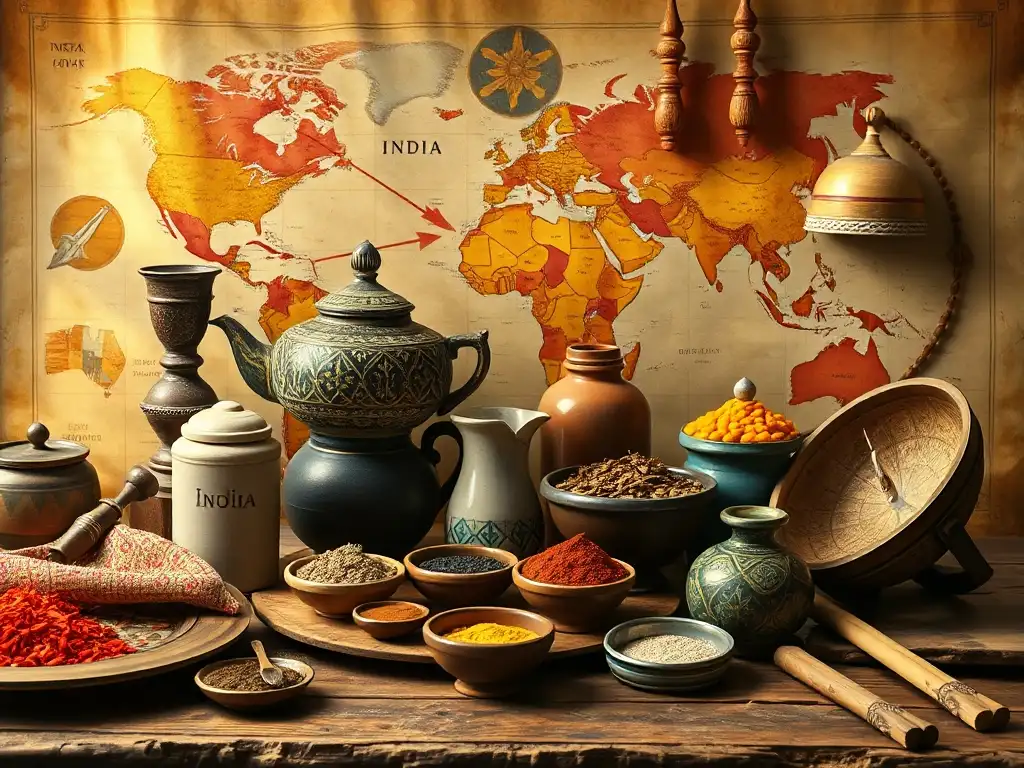
Indian products have long been coveted on the global stage, with a history that dates back to ancient trade routes such as the Silk Road. The unique characteristics of these goods, often rooted in traditional practices and local artistry, set them apart from mass-produced alternatives. For instance:
- Textiles: The art of weaving in India can be traced back thousands of years, with regions like Varanasi and Kanchipuram renowned for their exquisite silk fabrics.
- Spices: India has been known as the "spice capital of the world," with its spices like turmeric, cardamom, and black pepper playing a key role in global cuisines.
- Handicrafts: The diversity in handicrafts—from pottery to metalwork—reflects regional traditions and skills that have been passed down through generations.
This historical context not only enhances the value of Indian goods but also provides a rich storytelling platform for branding.
Key Categories of Indian Goods for International Markets
When considering the international branding of Indian goods, several key categories stand out due to their potential for growth and acceptance in foreign markets. These include:
- Textiles and Apparel
- Traditional and contemporary garments
- Sustainable fabrics and eco-friendly practices
- Handicrafts and Artisanal Products
- Unique handicrafts that showcase regional artistry
- Fair trade and ethical sourcing
- Food and Spices
- Authentic Indian spices and packaged foods
- Organic and health-focused products
- Ayurvedic and Natural Products
- Herbal products and wellness items
- Growing global interest in natural health solutions
By focusing on these categories, businesses can tap into existing market trends while promoting the intrinsic value of Indian goods on the international stage.
Understanding International Markets for Indian Goods
To effectively position Indian goods in international markets, it is crucial to understand the unique characteristics and dynamics of these markets. Each region has its own consumer preferences, cultural nuances, economic conditions, and regulatory environments that can significantly impact how Indian products are perceived and accepted.
One key aspect is recognizing that international markets are not monolithic; they are diverse and segmented. Factors such as demographics, purchasing power, and cultural values play a vital role in shaping consumer behavior. For instance, while Western markets might prioritize quality and sustainability, Asian markets could emphasize price and functionality. Understanding these differences allows businesses to tailor their strategies to meet the specific needs and desires of target consumers.
Additionally, it is essential to stay informed about global economic trends, trade agreements, and tariffs that can affect the import and export of goods. By monitoring these variables, businesses can better navigate challenges and seize opportunities for growth in international markets.
Market Research and Consumer Behavior
Market research is a foundational step in understanding international consumer behavior. It involves gathering data on consumer preferences, buying habits, and market trends to inform branding strategies. Techniques such as surveys, focus groups, and market segmentation analyses can provide valuable insights into what drives consumer decisions in various regions.
For Indian goods, it is particularly important to identify niche markets that may have a strong affinity for specific products. For example, organic textiles or traditional handicrafts may find a dedicated audience in regions that value sustainability and artisanal craftsmanship. By focusing on these segments, businesses can position their goods more effectively and cater to the preferences of discerning consumers.
Furthermore, understanding consumer behavior includes recognizing the impact of cultural factors on purchasing decisions. Cultural sensitivity in branding can enhance the relatability of Indian goods and foster brand loyalty. Companies should consider local customs, languages, and values when designing marketing campaigns and promotional materials to ensure they resonate with target markets.
Competitor Analysis in International Branding
Conducting a thorough competitor analysis is vital for positioning Indian goods effectively in international markets. This involves evaluating the strengths and weaknesses of both local and international competitors to identify gaps and opportunities within the market.
Businesses should analyze competitors' branding strategies, product offerings, pricing models, and distribution channels. This information can reveal areas where Indian goods can differentiate themselves or where they might face challenges. For instance, if a competitor offers similar products at lower prices, Indian companies may need to emphasize quality, uniqueness, or cultural heritage in their branding efforts.
Additionally, leveraging tools such as SWOT (Strengths, Weaknesses, Opportunities, Threats) analysis can help businesses understand their competitive landscape comprehensively. By identifying their own strengths and how they can be positioned against competitors, Indian brands can create a more compelling narrative that highlights their offerings in the international market.
Strategies for Effective Branding of Indian Goods
Effective branding is crucial for establishing a strong presence in international markets. Indian businesses must adopt strategies that not only promote their goods but also resonate with global consumers.
Developing a Unique Value Proposition
A unique value proposition (UVP) is the cornerstone of successful branding. It articulates what makes Indian goods distinct and why consumers should choose them over alternatives. To develop a compelling UVP, businesses should consider the following elements:
- Quality and Authenticity: Emphasizing the high quality and authenticity of Indian goods can attract consumers seeking genuine products. Highlighting traditional manufacturing techniques or the use of natural materials can reinforce this message.
- Cultural Heritage: Indian goods often come with rich cultural narratives. By weaving stories of tradition, craftsmanship, and heritage into the brand's identity, businesses can create an emotional connection with consumers who value cultural significance.
- Sustainability: With increasing global awareness of environmental issues, positioning Indian goods as sustainable or eco-friendly can appeal to conscious consumers. This involves not only the product itself but also the production processes and ethical sourcing.
By clearly articulating a UVP, Indian brands can differentiate themselves in crowded markets and attract the attention of potential buyers.
Crafting a Compelling Brand Story
A compelling brand story is an essential aspect of effective branding. It humanizes the brand and allows consumers to connect on a deeper level. This narrative should reflect the brand's values, mission, and the journey of the products from India to the international market.
To craft an engaging brand story, businesses should:
- Highlight the Journey: Share the story behind the products, including the artisans or communities involved in their creation. This adds authenticity and creates a narrative that consumers can relate to.
- Use Visual Storytelling: Incorporating visuals—such as images, videos, and infographics—can enhance the storytelling experience. This makes the brand more memorable and helps in building a strong visual identity.
- Engage with Consumers: Encourage consumers to share their own experiences with the brand. User-generated content can amplify the brand story and foster a sense of community among customers.
By developing a rich and relatable brand story, Indian goods can resonate more strongly with international audiences, ultimately leading to increased brand loyalty and sales.
Marketing Channels for Indian Goods International Branding

To effectively position Indian goods in international markets, it's crucial to leverage a variety of marketing channels. These channels not only facilitate product visibility but also enhance brand recognition among global consumers. The choice of channels may vary depending on the target market, product type, and overall marketing strategy. Here are some key marketing channels that can be utilized:
- Digital Marketing: Utilizing online platforms such as social media, email marketing, and search engine optimization (SEO) allows for broad reach and targeted engagement. Indian brands can tailor their messaging to resonate with diverse audiences across different regions.
- Traditional Media: Print advertisements, television commercials, and radio spots still hold value, especially in markets where digital penetration is lower. They can build brand credibility and reach demographics that may not be actively engaged online.
- Public Relations: Engaging in PR activities can help in building a positive brand image. This includes writing press releases, collaborating with influential bloggers, and seeking media coverage in international publications.
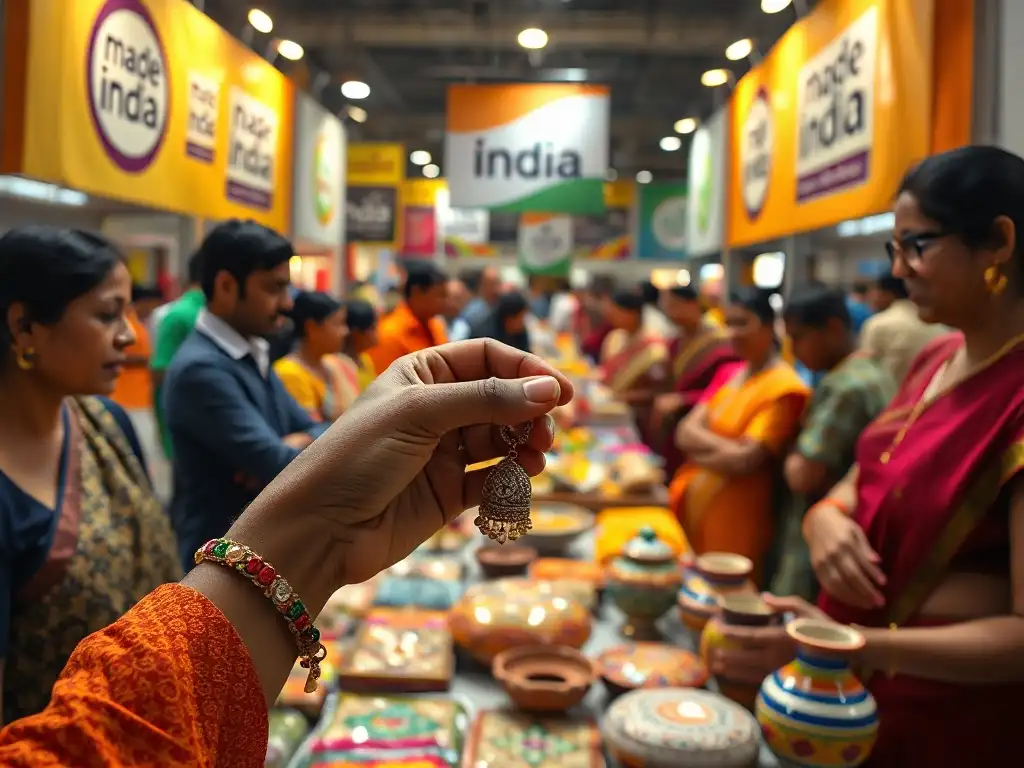
- Trade Shows and Exhibitions: Participating in international trade fairs provides opportunities for direct interaction with potential buyers, distributors, and industry stakeholders, thereby enhancing brand visibility.
Digital Marketing Strategies
Digital marketing is a cornerstone of international branding for Indian goods. It allows brands to reach a global audience efficiently and cost-effectively. Here are some effective strategies for leveraging digital marketing:
- Search Engine Optimization (SEO): By optimizing website content for search engines, brands can increase their visibility in international markets. This involves using relevant keywords, creating high-quality content, and ensuring a user-friendly website experience.
- Content Marketing: Producing valuable and informative content around Indian goods can attract potential customers. This can include blogs, videos, and infographics that highlight product benefits, cultural significance, and usage.
- Social Media Marketing: Platforms like Instagram, Facebook, and LinkedIn can be powerful tools for building brand awareness. Engaging content and targeted ads can help brands connect with both consumers and businesses in international markets.
- Email Marketing: Personalized email campaigns can nurture leads and keep customers informed about new products, promotions, and brand stories. This direct communication helps build customer loyalty and repeat business.
Leveraging E-commerce Platforms
E-commerce platforms are essential for the international branding of Indian goods. These platforms provide a global marketplace where brands can showcase their products and connect with consumers. Here’s how to effectively leverage e-commerce:
- Choosing the Right Platforms: Selecting the appropriate e-commerce platforms, such as Amazon, eBay, or regional marketplaces like Alibaba, is vital. Each platform has its unique audience and features, so understanding where the target market shops is key.
- Optimizing Product Listings: High-quality images, detailed descriptions, and competitive pricing are critical for attracting international buyers. Brands should also incorporate local languages and currencies to enhance user experience.
- Utilizing Customer Reviews: Positive reviews and testimonials can significantly influence purchasing decisions. Encouraging satisfied customers to leave reviews can enhance brand credibility and attract new buyers.
- Offering International Shipping: Providing flexible shipping options and transparent pricing can remove barriers to purchase for international customers, making it easier for them to buy Indian goods.
Building Partnerships for International Exposure

Forming strategic partnerships is essential for gaining traction in international markets. Collaborating with various stakeholders can amplify the reach and credibility of Indian goods. Here are two crucial avenues for partnership building:
Collaborating with International Distributors
Working with established international distributors can facilitate market entry and expansion. These distributors often have existing networks and expertise in local markets, which can be invaluable. Here are some strategies for effective collaboration:
- Identifying Reliable Partners: Conduct thorough research to identify distributors who align with your brand values and have a good reputation in the market.
- Creating Win-Win Agreements: Ensure that partnership agreements are mutually beneficial, offering incentives for distributors to promote and sell Indian goods effectively.
- Regular Communication: Maintain open lines of communication with distributors to address challenges, share market insights, and align on marketing strategies.
Joining Trade Shows and Exhibitions
Participation in trade shows and exhibitions is another powerful way to build international exposure for Indian goods. These events provide platforms for direct engagement with potential buyers and industry professionals. Here are key considerations:
- Selecting Relevant Events: Choose trade shows that align with your industry and target market. Research past events to understand attendee demographics and buyer profiles.
- Preparing an Engaging Booth: Invest in an attractive and informative booth design that showcases your products effectively. Use visuals and interactive elements to draw in attendees.
- Networking Opportunities: Utilize these events to network with other industry players, gather market intelligence, and establish relationships that can lead to future collaborations.
By employing these strategies, Indian brands can effectively build their presence and position their goods in international markets, enhancing their global reach and competitiveness.
Measuring Success in International Branding
Measuring success in international branding is crucial for businesses aiming to establish a strong presence in global markets. Success metrics not only help in assessing the effectiveness of branding strategies but also provide insights into customer perception and market trends. By evaluating various aspects of branding performance, companies can refine their approaches and ensure better alignment with their target audiences.
To achieve this, businesses often employ a mix of qualitative and quantitative measures. Quantitative metrics can include sales growth, market share, and return on investment (ROI), while qualitative measures may encompass brand recognition, customer loyalty, and overall brand equity. Understanding these metrics can guide companies in making informed decisions regarding their branding efforts.
Key Performance Indicators (KPIs) for Branding
To effectively gauge the success of international branding efforts, businesses should focus on several key performance indicators (KPIs):
- Brand Awareness: This metric evaluates how well consumers recognize and recall a brand. Surveys and online analytics can help track changes in brand awareness over time.
- Customer Engagement: Engagement metrics, such as social media interactions and website traffic, reflect how effectively a brand connects with its audience.
- Sales Conversion Rates: Monitoring the percentage of leads that convert into sales can provide insights into the effectiveness of branding in influencing purchasing decisions.
- Market Share: Analyzing changes in market share can indicate a brand’s competitive positioning in international markets.
- Customer Retention Rate: This KPI measures the percentage of customers who continue to purchase from a brand over a designated period, highlighting customer loyalty and satisfaction.
By focusing on these KPIs, businesses can gain a comprehensive understanding of their branding effectiveness and make necessary adjustments to enhance their international branding strategies.
Adapting Branding Strategies Based on Performance

As businesses measure their branding success through various KPIs, it is vital to adapt strategies based on performance data. Continuous improvement should be a core component of any branding effort. Here are some ways to adapt branding strategies effectively:
- Data Analysis: Regularly analyze performance data to identify trends and patterns. This analysis can reveal which elements of the branding strategy are resonating with consumers and which are not.
- Feedback Mechanisms: Utilize customer feedback through surveys, reviews, and focus groups to gain insights into consumer perception. This information can inform necessary changes in branding strategies.
- Market Trends: Stay attuned to global market trends and cultural shifts that may impact consumer preferences. Adapting branding messages and campaigns to align with these changes can enhance relevance and appeal.
- Competitive Analysis: Observe competitors’ branding strategies and outcomes. This analysis can provide valuable insights into successful tactics and areas for differentiation.
By being agile and responsive to performance metrics, businesses can optimize their branding strategies and strengthen their presence in international markets.
Conclusion: The Future of Indian Goods International Branding
The future of Indian goods international branding hinges on the ability of businesses to adapt and innovate in an ever-changing global landscape. As consumer preferences evolve and competition intensifies, a strong brand identity will be essential for Indian goods to stand out in international markets.
Investing in research and development, utilizing technology for marketing, and emphasizing the unique cultural heritage embedded in Indian products can enhance brand differentiation. Furthermore, fostering collaborations and partnerships with international distributors can expand reach and credibility.
By focusing on a holistic approach that combines measurement, adaptability, and a strong value proposition, Indian businesses can successfully position their goods in international markets. This proactive strategy not only ensures sustainable growth but also contributes to the global appreciation of Indian craftsmanship and products.
Call to Action
In the competitive landscape of international markets, it is essential for Indian businesses to embrace effective branding strategies that resonate with global consumers. If you are an entrepreneur or a business leader seeking to expand your reach, now is the time to take decisive action. Here are some steps to help you position your Indian goods effectively in international markets:
- Conduct Market Research: Understand the preferences, cultural nuances, and purchasing behaviors of your target markets. This insight will guide your branding efforts and product positioning.
- Develop a Unique Value Proposition: Clearly articulate what sets your products apart from competitors. Highlight the unique features, quality, and cultural significance of your goods to attract international buyers.
- Create a Brand Identity: Invest in professional branding that reflects the essence of Indian culture and values. This includes designing a memorable logo, selecting an appealing color palette, and establishing a consistent brand voice.
- Utilize Digital Marketing: Leverage social media platforms and digital advertising to reach a broader audience. Engaging content that showcases your products can effectively capture the attention of international customers.
- Network and Collaborate: Build relationships with local distributors, retailers, and trade organizations in your target markets. Collaborations can enhance your credibility and open new channels for distribution.
- Seek Feedback and Adapt: Continuously gather feedback from customers and stakeholders to improve your products and branding strategies. Being adaptable ensures that your brand remains relevant and appealing in diverse markets.
- Participate in Trade Shows and Expos: Engage in international trade fairs and exhibitions to showcase your products. This platform provides a valuable opportunity to connect with potential buyers and partners.
It's time to take your Indian goods to the global stage! By following these steps, you can effectively position your brand in international markets, showcasing the rich heritage and quality that Indian products offer. Let's work together to elevate the presence of Indian goods in the global marketplace! 🌍✨
- Introduction to Indian Goods International Branding
- The Rich Heritage of Indian Goods
- Understanding International Markets for Indian Goods
- Strategies for Effective Branding of Indian Goods
- Marketing Channels for Indian Goods International Branding
- Digital Marketing Strategies
- Leveraging E-commerce Platforms
- Building Partnerships for International Exposure
- Measuring Success in International Branding
- Key Performance Indicators (KPIs) for Branding
- Adapting Branding Strategies Based on Performance
- Conclusion: The Future of Indian Goods International Branding
- Call to Action
- What are the key components of branding Indian goods internationally?
- How can cultural heritage be incorporated into branding?
- What role does digital marketing play in promoting Indian goods abroad?
- Why is it important to understand global market trends for Indian goods?
- How can quality control impact the international branding of Indian goods?
Frequently Asked Questions
What are the key components of branding Indian goods internationally?
The key components include market research, cultural adaptation, and quality assurance. Understanding the target market's preferences is crucial for a successful brand.
How can cultural heritage be incorporated into branding?
Incorporating cultural heritage involves highlighting traditional craftsmanship and storytelling that resonates with international audiences, making the products more appealing.
What role does digital marketing play in promoting Indian goods abroad?
Digital marketing enhances visibility through social media, e-commerce platforms, and targeted advertising, allowing brands to reach a wider audience and engage with potential customers directly.
Why is it important to understand global market trends for Indian goods?
Understanding global market trends helps businesses adapt their products and marketing strategies to meet the demands and preferences of consumers in different regions, ensuring competitiveness.
How can quality control impact the international branding of Indian goods?
Quality control is vital for maintaining the reputation of Indian goods. High standards foster customer trust and loyalty, which are essential for long-term success in international markets.
Final Reflection: The Global Journey of Indian Goods
In today's interconnected world, the branding of Indian goods in international markets is more crucial than ever. As globalization continues to reshape consumer preferences and market dynamics, the significance of effectively positioning Indian products on the global stage cannot be overstated. The journey of Indian goods from local markets to international shelves is not just a commercial endeavor; it is a testament to the rich heritage and craftsmanship of India that deserves recognition and appreciation worldwide.
The influence of branding extends beyond mere sales; it shapes perceptions and fosters cultural exchange. As we witness the growing appreciation for Indian craftsmanship, art, and innovation, it becomes evident that our goods carry stories that resonate with consumers globally. Branding is not just about the product; it's about the experience and the story behind it.
This ongoing evolution in the cultural landscape highlights the importance of understanding and embracing the narratives that accompany our products, allowing us to connect with diverse audiences and build lasting relationships.
As we reflect on the insights shared in this article, I invite you to consider your role in this journey. How can you contribute to the narrative of Indian goods in international branding? Whether you are a consumer, a business owner, or a marketer, your actions can help elevate the perception of Indian products on the global stage. Embrace the stories, celebrate the craftsmanship, and advocate for the unique value that Indian goods bring to the world. Together, we can ensure that the legacy of Indian branding continues to thrive and inspire future generations.
Unveil Your Brand's Global Potential!
Thank you for taking the time to explore how to position Indian goods in international markets. Your journey into the world of branding not only equips you with valuable insights but also opens the door to endless opportunities for growth and recognition on a global scale. Now, it's your turn to take action!
Here are a few steps you can take right now:
- Create a unique brand identity: Start brainstorming what makes your product distinct. Consider how you want customers to perceive your brand.
- Engage in dialogue: Connect with fellow entrepreneurs and potential customers online to share ideas, gather feedback, and build a community around your brand.
- Participate in international trade fairs: Attend events that showcase Indian products to enhance visibility and understand market demands.
What innovative strategies will you implement to make your brand resonate with international consumers? Let's discuss in the comments!