
Investing in Culture: How Indian Handicrafts Can Enrich Your Portfolio

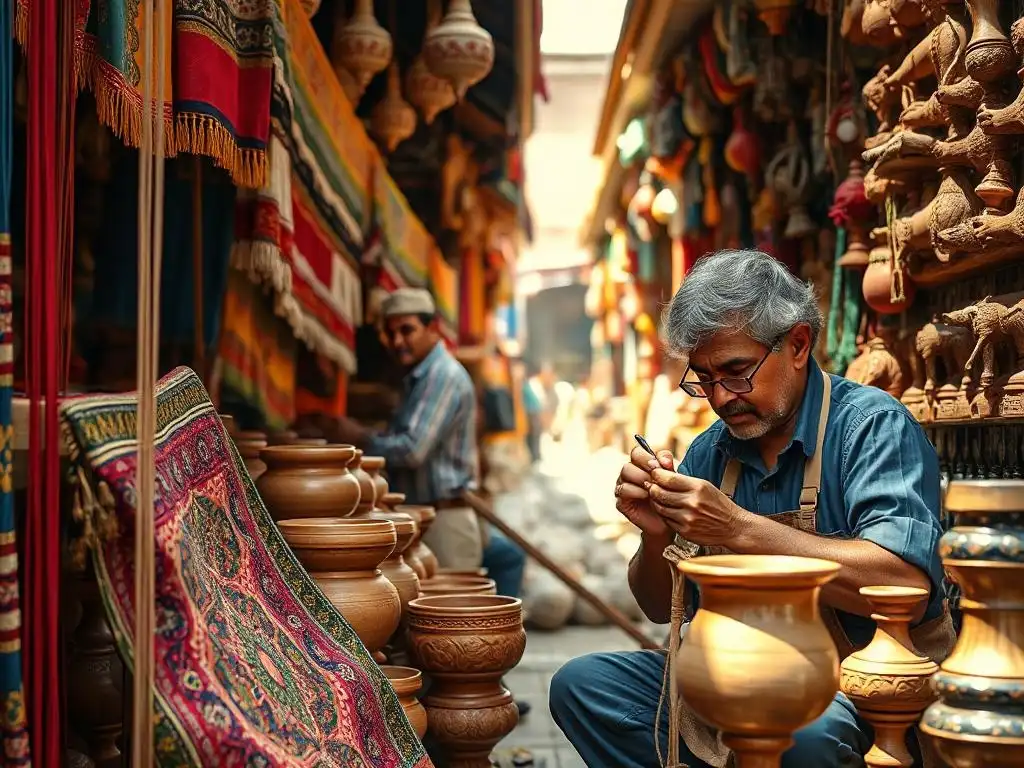
Welcome to Ancient India History, where we embark on a fascinating journey through the vibrant tapestry of India’s past. Here, we delve into the rich legacies of ancient civilizations, exploring their profound contributions to culture and art.
In our featured article, “Investing in Culture: How Indian Handicrafts Can Enrich Your Portfolio,” we reveal the hidden gems of India’s artistic heritage and how investing in these exquisite handicrafts can not only diversify your portfolio but also connect you to a timeless tradition. Join us as we uncover the stories behind these crafts and the artisans who bring them to life, igniting your curiosity to discover more about the treasures of ancient India.
-
Investing in Indian Handicrafts: Enriching Your Portfolio with Cultural Treasures
- Understanding the Value of Indian Handicrafts
- Why Invest in Indian Handicrafts?
- Key Sectors within Indian Handicrafts
- How to Start Investing in Indian Handicrafts
- Risks and Challenges of Investing in Indian Handicrafts
- Successful Case Studies: Investors in Indian Handicrafts
- Conclusion: The Future of Investing in Indian Handicrafts
- Call to Action: Explore Investment Opportunities in Indian Handicrafts
- Frequently Asked Questions
- Final Reflection: Investing in Culture for a Richer Tomorrow
- Embrace the Beauty of Culture and Wealth Today!
Investing in Indian Handicrafts: Enriching Your Portfolio with Cultural Treasures
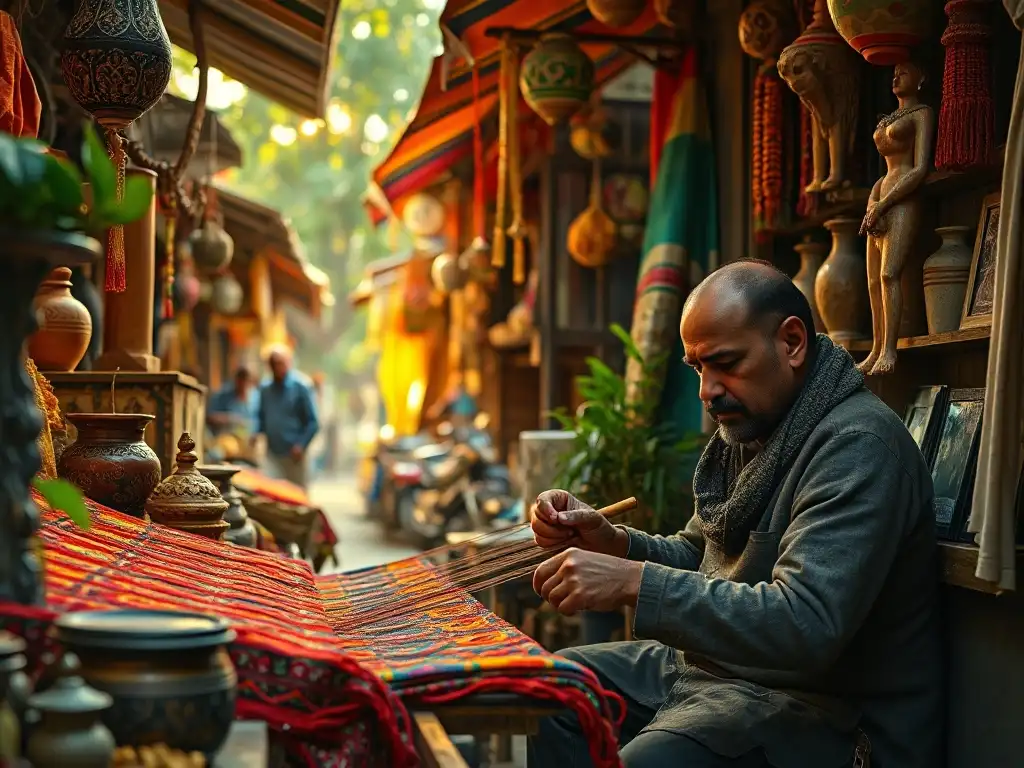
Investing in Indian handicrafts is not merely a financial decision; it is an opportunity to embrace and celebrate the rich heritage and artistry that has flourished in India for centuries. These intricate creations, ranging from handwoven textiles to exquisitely crafted pottery, are imbued with cultural significance and artistic expression.
As global interest in sustainable and ethically produced goods grows, Indian handicrafts present a compelling avenue for investors looking to diversify their portfolios while supporting traditional artisans. In this article, we will explore the multifaceted value of investing in Indian handicrafts, examining their historical context, market trends, and the unique benefits they offer to investors.
Understanding the Value of Indian Handicrafts
The Rich History and Cultural Significance of Indian Handicrafts
Indian handicrafts are a testament to the country's rich cultural tapestry, with roots that stretch back thousands of years. Each region of India boasts its own unique styles and techniques, reflecting the local customs, beliefs, and natural resources. From the delicate embroidery of Kutch to the vibrant pottery of Rajasthan, these crafts are not just products; they embody stories and traditions passed down through generations. The skills involved in these crafts often take years to master, resulting in products that are both unique and reflective of India's diverse cultural heritage.
Economic Importance of Handicrafts in India
The handicraft sector plays a crucial role in the Indian economy, contributing significantly to employment and export revenues. It is estimated that the sector employs over 7 million artisans across the country, many of whom belong to marginalized communities. The Indian government has recognized the potential of handicrafts in promoting rural development and has introduced various initiatives to support artisans. This includes financial assistance, skill development programs, and marketing platforms aimed at enhancing the visibility of handicrafts both domestically and internationally.
Current Trends in the Indian Handicraft Market
The Indian handicraft market is witnessing a renaissance, driven by a growing demand for sustainable and eco-friendly products. Consumers are increasingly seeking items that tell a story, support local artisans, and uphold traditional craftsmanship. E-commerce platforms have also opened new avenues for artisans to reach global markets, further boosting the visibility and sales of Indian handicrafts. Additionally, collaborations between designers and artisans are creating innovative products that appeal to contemporary tastes while preserving traditional techniques.
Why Invest in Indian Handicrafts?
Unique Features of Indian Handicrafts
One of the standout features of Indian handicrafts is their uniqueness; no two pieces are exactly alike. This individuality is due to the handcrafted nature of the products, where artisans pour their skills and creativity into each item. Moreover, many handicrafts incorporate natural dyes and materials, making them not only aesthetically pleasing but also environmentally friendly. This uniqueness adds intrinsic value, making these products appealing to collectors and investors alike.
Potential for High Returns: A Look at Market Growth
The market for Indian handicrafts is on an upward trajectory, with projections indicating substantial growth in the coming years. As the world shifts towards sustainable consumption, investors can expect attractive returns from handicrafts that resonate with ethical values. Reports suggest that the global handicrafts market is expected to reach approximately $800 billion by 2027, providing ample opportunities for investors to capitalize on this expanding sector.
Diversification Benefits of Investing in Cultural Products
Investing in Indian handicrafts offers a unique form of diversification within an investment portfolio. Unlike traditional stocks or bonds, handicrafts provide a tangible asset that can appreciate in value over time. Additionally, they serve as a hedge against market volatility, as the demand for cultural products often remains stable regardless of economic fluctuations. By incorporating handicrafts into their investments, individuals can not only enhance their financial portfolio but also contribute to the preservation of cultural heritage.
Investing in Indian handicrafts is an enriching opportunity that combines financial gain with cultural appreciation. As we delve deeper into the specifics of this investment avenue, it becomes evident that these handcrafted treasures are worthy of consideration for any investor looking to diversify and enrich their portfolio.
Key Sectors within Indian Handicrafts
India's handicrafts sector is a vibrant tapestry woven from the rich cultural heritage and traditions of its diverse regions. Investing in Indian handicrafts not only promises aesthetic value but also offers potential financial returns. The key sectors within this domain reflect centuries of skilled craftsmanship and innovation, each with unique characteristics that appeal to investors and collectors alike. Here are some of the most prominent sectors:
Traditional Textiles: Investing in Indian Weaves
Indian textiles are renowned worldwide for their intricate designs, vibrant colors, and diverse techniques. From the luxurious silks of Varanasi to the intricate block prints of Rajasthan, traditional textiles hold a significant place in the handicraft market. Investing in these fabrics can be lucrative, especially as global demand for sustainable and ethically sourced materials rises.
- Types of Textiles:
- Silk: Known for its sheen and texture, silk fabrics like Banarasi and Kanjeevaram are often considered premium investments.
- Cotton: Lightweight and versatile, handwoven cottons from states like Gujarat and Maharashtra are both affordable and popular.
- Wool: Pashmina shawls from Kashmir are a blend of luxury and warmth, making them highly sought after.
- Investment Potential: The value of traditional textiles can appreciate over time, especially when sourced from renowned artisans or specific regions with historical significance.
Pottery and Ceramics: A Rich Heritage
Pottery and ceramics reflect the artistic expression and functional needs of diverse Indian cultures. Each region has its own unique style, making this sector a rich area for investment.
- Types of Pottery:
- Terracotta: Known for its earthy tones and rustic appeal, terracotta pottery from regions like Khurja is popular among collectors.
- Stoneware: Durable and versatile, stoneware pieces often feature intricate glazes and designs, appealing to modern aesthetics.
- Investment Insights: As eco-friendly and handmade goods gain popularity, investing in pottery and ceramics offers a way to own functional art pieces that can appreciate in value.
Woodwork and Furniture: Craftsmanship at Its Best
Woodwork in India showcases the skills of artisans who transform wood into functional and decorative pieces. Investing in handcrafted wood furniture and decorative items can yield significant returns.
- Types of Woodwork:
- Carved Furniture: Regions like Rajasthan and Kerala are known for intricately carved wooden furniture that reflects cultural narratives.
- Inlay Work: The art of inlay, especially in Mughal-style furniture, combines different materials and creates stunning visual effects.
- Market Potential: Unique woodwork pieces often hold historical value and can become family heirlooms, enhancing their investment appeal.
Metalwork and Jewelry: The Allure of Artisan Craft
Indian metalwork and jewelry are celebrated for their intricate designs and cultural significance. From traditional gold jewelry to brass and copper artifacts, this sector is a treasure trove for investors.
- Types of Metalcraft:
- Gold and Silver Jewelry: Artisanal pieces, especially those featuring traditional techniques like Kundan and Meenakari, are highly valued.
- Brass and Copper Artifacts: Decorative items and utensils, often featuring detailed engravings, are popular among collectors.
- Investment Viability: The growing trend of sustainable fashion and handmade jewelry enhances the investment potential of metalwork, appealing to a global market that values craftsmanship.
How to Start Investing in Indian Handicrafts
Investing in Indian handicrafts can seem daunting, but with the right approach, it can be a rewarding venture. Here are steps to guide you through the process:
Researching Authentic Artisans and Makers
The first step in investing in Indian handicrafts is to identify authentic artisans and makers. This requires thorough research to ensure that you're supporting genuine craftsmanship.
- Visit Craft Fairs: Attend local craft fairs and exhibitions to meet artisans and learn about their work firsthand.
- Online Research: Use reputable websites and platforms that showcase the work of verified artisans, ensuring that you are buying authentic pieces.
- Networking: Connect with local art communities and organizations that promote traditional crafts.
Evaluating Quality and Craftsmanship
Understanding the quality and craftsmanship of handicrafts is crucial for making informed investment decisions.
- Materials Used: Investigate the materials used in the craft. High-quality raw materials generally equate to better durability and value.
- Technique: Familiarize yourself with different crafting techniques, as this knowledge can help you assess the complexity and skill involved in each piece.
- Condition: For vintage or antique items, evaluate their condition carefully; restoration might affect their value.
Buying Options: Online vs. Local Markets
When it comes to purchasing Indian handicrafts, both online and local markets offer unique advantages.
- Online Marketplaces: Websites specializing in handicrafts often provide a wider selection and the convenience of shopping from home. However, ensure the platform has a return policy and customer reviews to gauge trustworthiness.
- Local Markets: Visiting local markets allows you to interact with artisans directly and gain insights into their work. It also offers the chance to negotiate prices and find unique items not available online.
By taking these steps, you can effectively navigate the world of Indian handicrafts, enriching your portfolio with culturally significant and valuable pieces.
Risks and Challenges of Investing in Indian Handicrafts
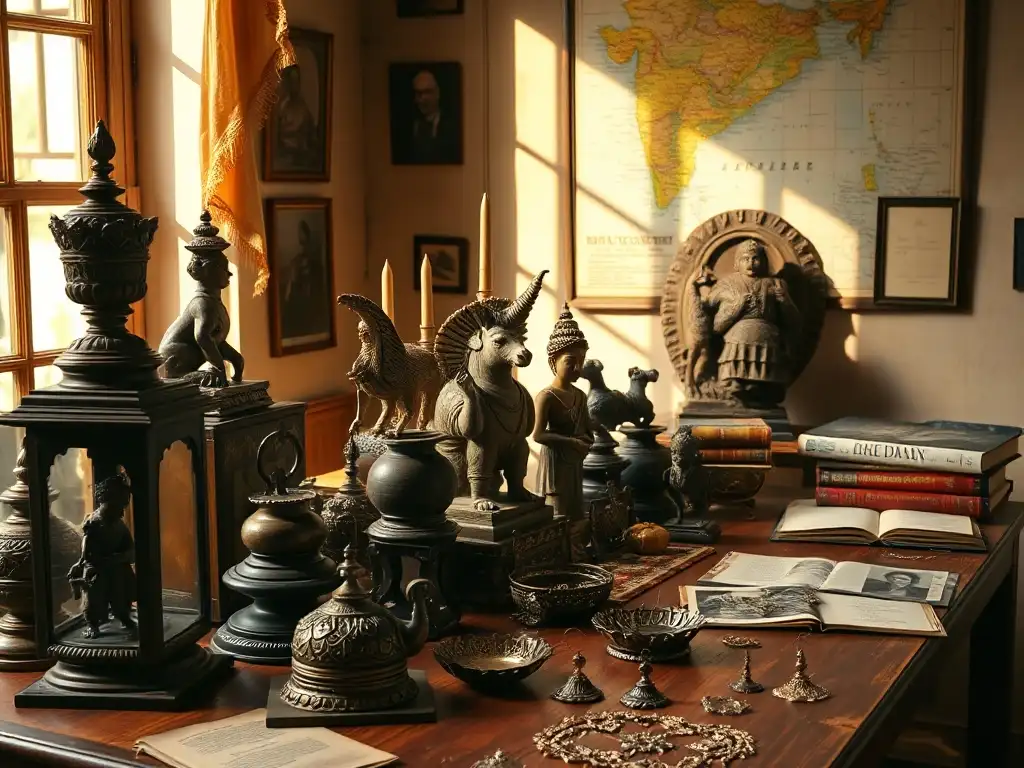
Investing in Indian handicrafts offers a unique opportunity to engage with rich cultural heritage and support local artisans. However, it is essential to navigate the associated risks and challenges that can impact the investment landscape. Understanding these factors can help prospective investors make informed decisions and maximize their returns while contributing positively to the sector.
One of the primary risks involves market fluctuations. The demand for handicrafts can be volatile, influenced by changing consumer preferences, economic conditions, and global trends. Investors must be prepared for potential downturns and ensure they have a diversified portfolio to mitigate risks.
Additionally, the handicraft sector is often plagued by counterfeit products. The presence of imitations can dilute the market for authentic handicrafts, making it challenging for investors to assess the true value of their investments. Therefore, developing a keen eye for quality and authenticity is crucial.
Cultural sensitivity also poses a challenge. Investors must be aware of the cultural significance of various handicrafts and respect the traditions and practices of the artisans. Any missteps can lead to backlash and harm both the investment and the artisans involved.
Understanding Market Fluctuations and Demand
Market fluctuations in the handicraft sector are influenced by various factors, including seasonal trends, economic conditions, and consumer behavior. Investors should closely monitor these dynamics to identify potential opportunities and threats.
For instance, during festive seasons, demand for traditional handicrafts often increases, leading to a surge in sales. Conversely, during economic downturns, consumers may prioritize essential goods over luxury items, adversely affecting the handicraft market.
Additionally, global trends such as the rise of sustainable and ethical consumerism can significantly impact demand. As more consumers seek unique, eco-friendly products, the appeal of Indian handicrafts may grow, presenting an opportunity for savvy investors.
Counterfeit Products: How to Identify Authentic Handicrafts
The proliferation of counterfeit products in the handicraft sector poses a significant challenge for investors. To safeguard their investments, it is crucial to develop the ability to identify authentic handicrafts. Here are some tips to differentiate genuine pieces from imitations:
- Research the Artisan: Learning about the artisan's background and their techniques can provide insights into the authenticity of the product. Genuine artisans often have a unique style and story behind their creations.
- Check for Certifications: Many authentic handicrafts come with certifications or labels that verify their origin and craftsmanship. Look for these indicators when making a purchase.
- Examine the Material and Craftsmanship: Authentic handicrafts typically showcase high-quality materials and skilled craftsmanship. Pay attention to details, such as stitching, finishing, and the overall feel of the product.
- Seek Recommendations: Engaging with knowledgeable sources, such as local artisans or reputable dealers, can help guide investors in making informed purchases.
Cultural Sensitivity and Ethical Considerations in Investment
Investing in Indian handicrafts involves navigating cultural sensitivities and ethical considerations. It is essential to approach investments with respect and understanding of the cultural significance of the handicrafts being offered.
- Respect Local Traditions: Investors should honor the traditions and practices of artisans. This can involve understanding the cultural stories that each piece represents and ensuring that investments do not exploit these traditions.
- Support Fair Trade Practices: Ethical investments should prioritize fair compensation and working conditions for artisans. Investors can seek partnerships with organizations that promote fair trade and empower local communities.
- Engage with the Community: Building relationships with artisans and their communities can foster trust and lead to sustainable investment opportunities. This engagement often results in better quality products and a more profound impact on the community.
Successful Case Studies: Investors in Indian Handicrafts
The realm of Indian handicrafts has seen several successful investors who have made significant contributions to the sector while achieving impressive returns. These case studies serve as inspiration for prospective investors looking to enrich their portfolios with cultural treasures.
Profiles of Notable Investors in the Handicraft Sector
- Ravi Kumar - A prominent venture capitalist, Ravi has invested in multiple handicraft startups that focus on sustainable and ethical practices. His approach emphasizes community engagement and fair trade, ensuring that artisans receive fair compensation for their work.
- Anjali Patel - As a social entrepreneur, Anjali founded a platform connecting artisans directly with consumers. Her initiative not only supports artisans but also educates consumers about the cultural significance of the products.
- Suresh Nair - An investor with a passion for preserving cultural heritage, Suresh has focused on reviving traditional crafts that are at risk of becoming extinct. His investments have helped revitalize several artisanal communities across India.
How These Investors Are Making a Difference
These notable investors are making a difference in the handicraft sector by:
- Empowering Artisans: By providing financial support and resources, they enable artisans to enhance their skills and expand their businesses, leading to improved livelihoods.
- Promoting Sustainability: Their focus on sustainable practices helps reduce environmental impact while fostering a sense of responsibility among consumers.
- Creating Awareness: Through their platforms, these investors educate consumers about the importance of investing in authentic handicrafts, thereby increasing demand for genuine products.
- Fostering Innovation: By encouraging artisans to adopt innovative techniques and designs, they help keep traditional crafts alive while appealing to modern consumers.
Investing in Indian handicrafts is not only a financial opportunity but also a chance to contribute to cultural preservation and community empowerment. By understanding the associated risks and challenges, investors can navigate this vibrant sector effectively.
Conclusion: The Future of Investing in Indian Handicrafts
Investing in Indian handicrafts represents not only a financial opportunity but also a chance to engage with the rich cultural tapestry of India. As global consumers increasingly prioritize sustainability and ethical considerations, the demand for unique, handcrafted products is expected to rise. This trend signals a promising future for investors willing to tap into the artisanal sector.
The continued revival of traditional crafts and the integration of modern design elements create a dynamic market landscape. Furthermore, collaborations between artisans and designers are helping to elevate handicrafts, making them more appealing to contemporary consumers. Investors who recognize this shift can benefit from a portfolio that is both culturally enriching and financially rewarding.
Embracing Sustainability and Ethical Investing
The concept of sustainability is becoming integral to investment strategies, and Indian handicrafts fit perfectly into this paradigm. Many artisans employ eco-friendly materials and traditional techniques that minimize environmental impact. By investing in these crafts, individuals support not only the artisans but also sustainable practices that preserve resources for future generations.
Moreover, ethical investing aligns with the growing consumer trend toward socially responsible products. Investors can contribute to the livelihoods of marginalized communities, ensuring that profits are reinvested into local economies. This approach not only benefits the artisans but also resonates with consumers who are increasingly aware of the social implications of their purchases.
Final Thoughts on Enriching Your Portfolio through Culture
Incorporating Indian handicrafts into an investment portfolio is more than just a financial decision; it's a commitment to cultural preservation and community support. As the market for artisanal products flourishes, savvy investors have the opportunity to engage with a sector that offers both returns and a deeper connection to heritage.
By prioritizing craftsmanship, sustainability, and ethical considerations, investors can enrich their portfolios while contributing to a meaningful cause. The future of investing in Indian handicrafts is bright, and those who embrace this opportunity will find themselves at the forefront of a transformative movement that celebrates culture and promotes economic empowerment.
Call to Action: Explore Investment Opportunities in Indian Handicrafts
Now is the time to explore the vibrant world of Indian handicrafts. Whether you are an experienced investor or just starting out, consider diversifying your portfolio with these unique cultural treasures. Look for local artisans and cooperative societies that offer a range of handcrafted products, from textiles and pottery to jewelry and furniture.
Engaging with this sector can lead to not only financial benefits but also an enriching experience that connects you to the history and traditions of India. Join the movement of investors who are making a difference by supporting sustainable practices and preserving cultural heritage.
Resources for Further Learning and Investment
To deepen your understanding of investing in Indian handicrafts, consider the following resources:
- Books: Look for titles focusing on Indian art, history, and the economic impact of handicrafts.
- Workshops: Participate in workshops that offer hands-on experiences with artisans and their craft.
- Online Courses: Enroll in courses that cover topics related to sustainable investing and cultural entrepreneurship.
- Exhibitions and Fairs: Attend local craft fairs and exhibitions to meet artisans and explore their work firsthand.
By utilizing these resources, you can gain valuable insights and make informed decisions as you embark on your journey into the world of Indian handicrafts.
Frequently Asked Questions
What are Indian handicrafts?
Indian handicrafts refer to traditional, handmade products created by skilled artisans using techniques passed down through generations. These crafts encompass a wide range of items, including textiles, pottery, jewelry, and woodwork.
How can investing in Indian handicrafts benefit my portfolio?
Investing in Indian handicrafts can diversify your portfolio by offering unique, culturally rich products that often appreciate in value over time. Additionally, supporting these crafts helps sustain local artisans and preserves traditional techniques.
What types of handicrafts are popular in India?
Popular types of Indian handicrafts include block printing, woven textiles, pottery, and metalwork. Each region in India has its own specialties, showcasing a rich diversity in styles and techniques.
Why is it important to support Indian handicrafts?
Supporting Indian handicrafts promotes cultural heritage and sustains the livelihoods of artisans. This investment also helps maintain traditional practices and contributes to the economic development of local communities.
Where can I purchase authentic Indian handicrafts?
Authentic Indian handicrafts can be found at local markets, craft fairs, and online platforms specializing in handmade goods. Look for reputable sellers that ensure the authenticity and quality of their products.
Final Reflection: Investing in Culture for a Richer Tomorrow
Investing in Indian handicrafts is not just a financial decision; it is a commitment to preserving a rich cultural heritage. In today's fast-paced world, where mass production often overshadows traditional craftsmanship, the value of unique, handcrafted items is more significant than ever. By choosing to invest in Indian handicrafts, we not only enrich our portfolios but also support artisans and their communities, ensuring that these age-old traditions continue to thrive.
Cultural investments have the power to shape our social landscape, fostering appreciation for diversity and craftsmanship. The act of purchasing a handcrafted item is a statement of values, reflecting a desire for authenticity and connection to the past. As we navigate an increasingly homogenized global market, embracing the beauty of Indian handicrafts allows us to celebrate individuality and creativity. Art is not what you see, but what you make others see.
– Edgar Degas. This quote resonates deeply as it encapsulates the transformative power of art and culture in our lives.
As you reflect on the insights shared in this article, consider how you can incorporate the lessons of investing in Indian handicrafts into your own life. Take a moment to appreciate the stories behind the pieces you choose to bring into your home or portfolio. By supporting these artisans, you are not only making a wise investment but also participating in a larger narrative of cultural preservation and appreciation. Let us all strive to invest in culture, ensuring that the beauty of Indian handicrafts continues to inspire future generations.
Embrace the Beauty of Culture and Wealth Today!
Thank you for exploring the vibrant world of Indian handicrafts with us! You've gained insights into how these unique treasures not only preserve our rich heritage but also offer a promising investment opportunity. Now, it's time to take action and deepen your connection with this beautiful culture.
- Start Investing: Research local artisans or online platforms where you can purchase authentic Indian handicrafts. Consider incorporating these exquisite items into your investment portfolio.
- Share Your Journey: Share your favorite discoveries on social media to inspire others to appreciate and invest in Indian craftsmanship.
- Engage with the Community: Join online forums or local groups focused on handcrafted goods to exchange ideas and tips with fellow enthusiasts.
What piece of Indian craftsmanship resonates with you the most, and how would you incorporate it into your life or investments?