
Global Trends in Indian Artifacts: What Investors Need to Know


Welcome to Ancient India History, where we embark on a fascinating exploration of the rich tapestry woven by ancient Indian civilizations. From the majestic Indus Valley to the scholarly heights of the Gupta Empire, each era offers a treasure trove of culture and contributions that continue to inspire. In our featured article, “Global Trends in Indian Artifacts: What Investors Need to Know,” we delve into the intriguing world of investing in Indian artifacts—a realm where history meets opportunity.
Prepare to uncover the hidden gems that not only tell stories of the past but also present exciting prospects for the future. Join us on this journey and discover how ancient relics can transform your investment strategy!
Introduction to Investing in Indian Artifacts
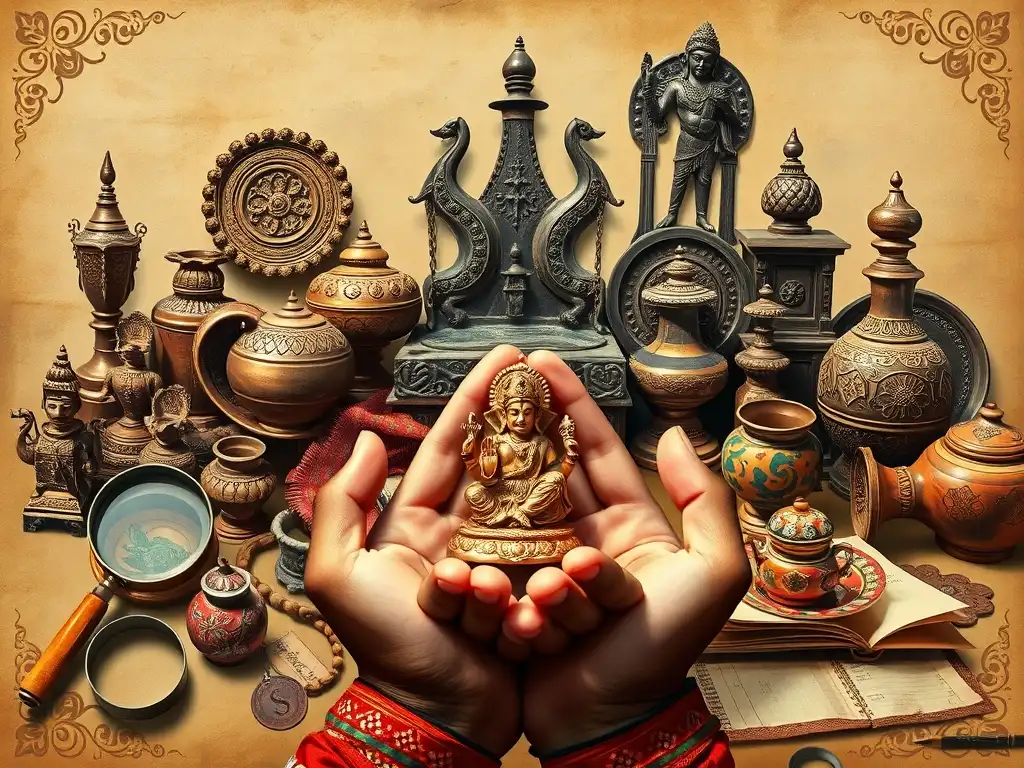
Investing in Indian artifacts offers a unique opportunity to engage with the rich tapestry of ancient Indian civilization. As the world increasingly values cultural heritage, Indian artifacts have emerged as a compelling asset class for collectors and investors alike. From the exquisite craftsmanship of the Indus Valley civilization to the intricate designs of the Gupta Empire, these artifacts are not merely objects; they are tangible connections to a profound historical narrative.
In recent years, the global market for Indian artifacts has witnessed significant growth, fueled by heightened interest from both domestic and international buyers. This trend is shaped by various factors, including the globalization of art markets, increased awareness of Indian history, and the rising importance of cultural investments. Understanding these dynamics is crucial for investors looking to navigate this vibrant and often complex marketplace.
Understanding the Value of Indian Artifacts
The value of Indian artifacts can be multifaceted, influenced by their historical significance, provenance, condition, and market demand. Investors must consider these aspects to make informed decisions in their collecting endeavors.
Historical Significance of Indian Artifacts
Indian artifacts are steeped in history, often representing significant cultural, religious, and artistic milestones. For example, items from the Indus Valley Civilization (c. 3300–1300 BCE) showcase advanced urban planning and craftsmanship, while artifacts from the Maurya and Gupta periods (c. 322 BCE–550 CE) reflect the flourishing of art, literature, and philosophy. The historical context not only enhances the aesthetic appeal of these items but also contributes significantly to their market value.
- Cultural Heritage: Artifacts serve as a means of preserving and understanding ancient traditions and societal structures.
- Artistic Merit: High-quality craftsmanship can increase an artifact's desirability and worth in the market.
- Provenance: Documenting an artifact's history boosts its authenticity and value, making it more attractive to investors.
Market Demand for Indian Artifacts
The demand for Indian artifacts has surged in recent years, driven by several factors:
- Globalization: Increased accessibility to markets has allowed collectors worldwide to engage with Indian art and culture.
- Cultural Awareness: A growing interest in the diversity of Indian history has led to higher demand from both institutions and private collectors.
- Investment Potential: Many investors view Indian artifacts as a viable alternative asset class, offering both aesthetic pleasure and potential returns.
The interplay between supply and demand in the market can lead to fluctuations in prices, making it essential for investors to stay informed about current trends and valuations.
By understanding the historical significance and market dynamics of Indian artifacts, investors can better position themselves to make informed choices in this unique area of investment.
Key Factors to Consider When Investing in Indian Artifacts
Investing in Indian artifacts requires a keen understanding of various factors that can influence the value and desirability of these items. As the market for Indian artifacts continues to grow globally, investors should be equipped with knowledge about authenticity, provenance, condition, and the specific types of artifacts that are currently in demand. Here are some pivotal considerations:
- Market Trends: Stay informed about global market trends, including emerging interest from collectors and investors from different regions, as well as economic factors that affect the art market.
- Legal Considerations: Understand the legal regulations surrounding the trade of artifacts, including repatriation laws and cultural heritage protection. This knowledge can safeguard against potential legal issues and ensure ethical investing.
- Cultural Significance: Consider the cultural and historical significance of the artifacts, as items with rich narratives often command higher prices and are more appealing to collectors.
- Investment Horizon: Define your investment horizon—whether you plan to hold artifacts for the long term or seek quick returns through resale. This will influence your purchasing decisions and strategy.
Authenticity and Provenance of Indian Artifacts
Authenticity and provenance are paramount when investing in Indian artifacts. Investors must ensure that the items they are purchasing are genuine and have a documented history. Here are key points to consider:
- Documentation: Seek artifacts with clear provenance—documents such as certificates of authenticity, previous ownership records, and appraisals contribute significantly to establishing an item's legitimacy.
- Expert Appraisal: Engage experts or reputable appraisers who specialize in Indian artifacts. Their insights can help verify authenticity and provide a more accurate valuation.
- Reputable Sources: Purchase from established galleries, auction houses, or dealers known for their integrity and expertise in the field. This minimizes the risk of acquiring counterfeit items.
Condition and Preservation of Indian Artifacts
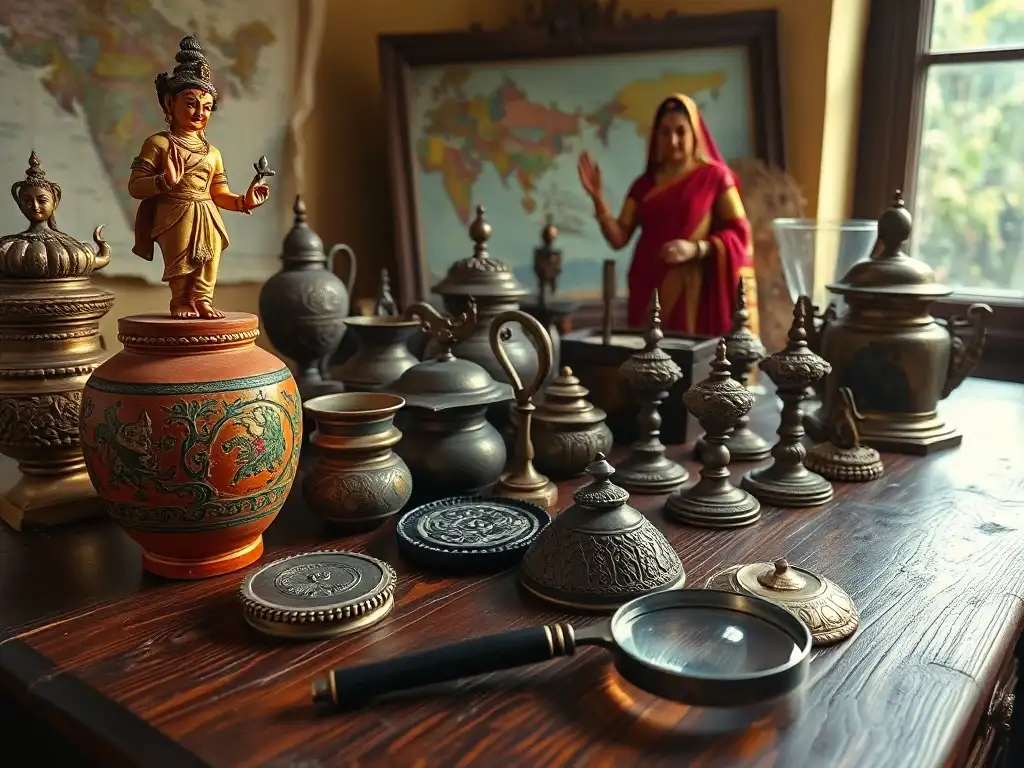
The condition of an artifact significantly impacts its value and investment potential. Understanding how to assess and preserve artifacts is crucial for investors:
- Physical Condition: Inspect the artifact for any signs of damage, restoration, or alterations. Items in their original state typically fetch higher prices than those that have been extensively restored.
- Preservation Techniques: Familiarize yourself with proper preservation techniques, such as climate control, humidity management, and protective display cases, to maintain the artifact's integrity over time.
- Value Fluctuation: Be aware that the condition of an artifact may affect its market value. Regular maintenance and care can help stabilize and even increase its worth.
Types of Indian Artifacts Worth Investing In
Investors looking to diversify their portfolios may consider various types of Indian artifacts known for their historical significance and market demand:
Antique Textiles and Fabrics
Antique textiles, such as saris, shawls, and embroidered fabrics, offer a vibrant glimpse into India’s rich weaving traditions. These artifacts are highly sought after due to their intricate designs and cultural relevance. Key considerations include:
- Material Quality: Fabrics made from silk, cotton, and wool, particularly those with natural dyes, tend to hold greater value.
- Regional Styles: Focus on textiles from specific regions known for their craftsmanship, such as Banaras, Kanchipuram, and Gujarat, as these often attract collectors.
Sculptures and Statues
Sculptures and statues, particularly those depicting deities or significant historical figures, represent some of the most revered forms of Indian art. When investing in these artifacts, consider:
- Artistic Style: Different styles, such as Chola, Gupta, and Mughal, have distinctive characteristics that appeal to various collectors.
- Material Used: Sculptures made from bronze, stone, or terracotta are popular, with each material presenting unique care requirements and investment potential.
Pottery and Ceramics
Pottery and ceramics, including traditional earthenware and glazed items, reflect ancient Indian craftsmanship. They are valued for both their aesthetic appeal and historical significance. Important factors include:
- Cultural Origin: Items from notable pottery traditions, such as those from the Indus Valley Civilization or medieval dynasties, can be especially valuable.
- Decorative Elements: Look for pieces that showcase intricate designs, unique glazing techniques, or historical motifs, as these often attract higher bids at auctions.
By considering these factors and types of artifacts, investors can make informed decisions in the vibrant and evolving market of Indian artifacts.
Global Trends Affecting Investment in Indian Artifacts
The investment landscape for Indian artifacts is evolving, shaped by various global trends that impact collectors and investors alike. Understanding these trends is crucial for anyone interested in investing in Indian artifacts, as they can significantly influence the value, demand, and accessibility of these historical treasures. Some of the most notable trends include a growing interest in cultural heritage, globalization of the art market, and increased appreciation for authentic artifacts among collectors.
Cultural heritage awareness is on the rise, with many investors viewing Indian artifacts as not merely financial assets but also as pieces of history that embody the rich cultural narratives of ancient civilizations. Additionally, the globalization of the art market has facilitated access to a broader audience, allowing investors to connect with fellow collectors and enthusiasts worldwide. This interconnectedness has led to increased competition for rare pieces, often driving up their value.
Moreover, the rise of sustainable investing has also influenced the market. Investors are increasingly looking for opportunities that align with ethical practices, which includes supporting the preservation of cultural artifacts. As a result, investing in Indian artifacts is becoming more than a financial decision; it is increasingly seen as a commitment to safeguarding heritage and promoting cultural appreciation.
Economic Factors Influencing the Market
Economic conditions play a pivotal role in shaping the landscape of investing in Indian artifacts. Factors such as inflation rates, currency fluctuations, and overall economic health can directly affect the buying power of collectors and investors. For instance, during economic booms, there tends to be an increase in disposable income, leading to a heightened demand for luxury items, including artifacts. Conversely, economic downturns can cause potential investors to hold back, resulting in decreased market activity.
Additionally, the emergence of new markets, particularly in developing economies, has opened up opportunities for investment. Regions like Southeast Asia and the Middle East are experiencing a surge in interest in Indian artifacts, driven by an expanding middle class with a growing appetite for art and culture. This trend may lead to increased prices and demand for Indian artifacts as new collectors enter the market.
Another economic factor is the impact of international trade policies. Tariffs and trade agreements can influence the prices and availability of artifacts on a global scale. Investors must remain vigilant about these changes, as they could affect the valuation of artifacts and the overall market dynamics.
Technological Advancements in Artifact Sales
Technological advancements have transformed the way Indian artifacts are bought and sold, making it easier for investors to access the market. The rise of online marketplaces and auction platforms has enabled collectors to find and bid on artifacts from the comfort of their homes. This accessibility not only broadens the market but also attracts a younger demographic of investors who are more comfortable with digital transactions.
Moreover, social media platforms have become vital tools for marketing and promoting artifacts. Galleries, auction houses, and individual sellers leverage these platforms to showcase their collections, reaching a global audience. This increased visibility can drive up demand and prices for unique pieces, as collectors are exposed to a wider array of options than ever before.
Another significant technological advancement is the use of blockchain for provenance tracking. Ensuring the authenticity of artifacts is crucial for investors, and blockchain technology provides a secure method for documenting an artifact's history and ownership. This transparency can enhance buyer confidence, leading to more robust investment activity in the market.
Risks and Challenges of Investing in Indian Artifacts
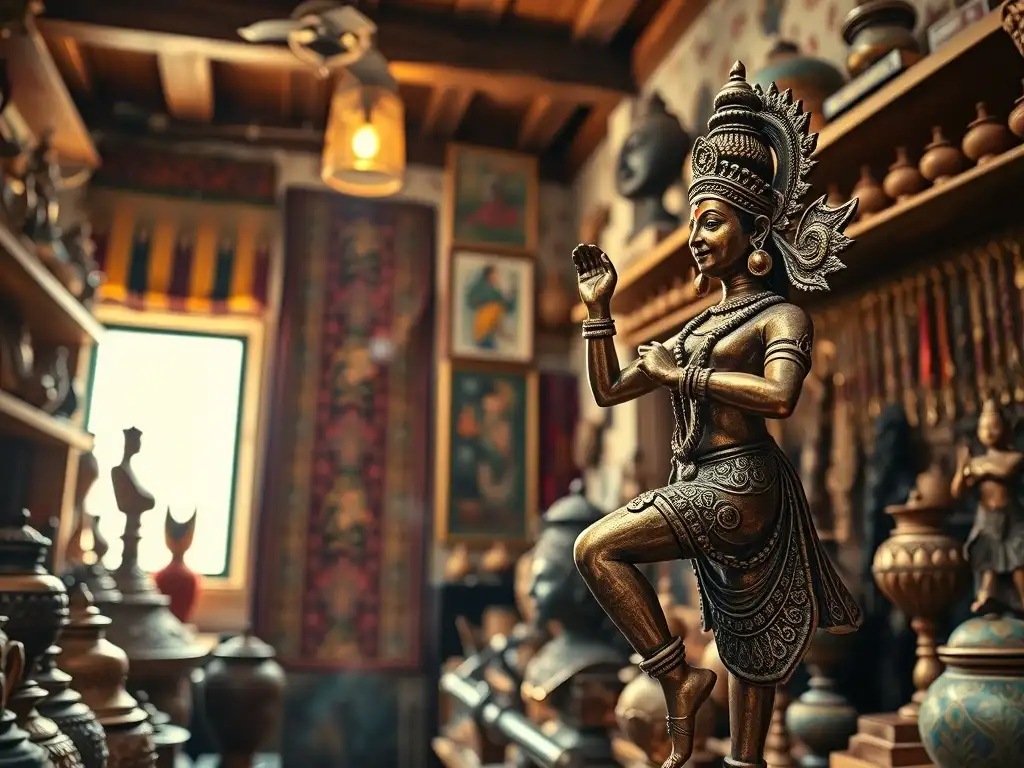
While investing in Indian artifacts can be rewarding, it also comes with its own set of risks and challenges. Investors need to be aware of these factors to make informed decisions and mitigate potential pitfalls.
Market Volatility and Investment Risks
The market for Indian artifacts can be highly volatile, influenced by various factors such as changing consumer preferences, economic shifts, and geopolitical events. The demand for certain types of artifacts can fluctuate significantly, leading to unpredictable price movements. For instance, a sudden surge in interest for a specific period or style can inflate prices rapidly, but this can just as quickly reverse when the trend fades.
Investors should also be cautious about overpaying for artifacts. As competition increases, there is a risk of bidding wars inflating prices beyond the inherent value of the pieces. A thorough understanding of market trends and historical price data is essential for making sound investment decisions.
Additionally, the rarity and condition of artifacts can further complicate valuations. Investors must be diligent in assessing the authenticity and quality of items, as poor condition or misattributed pieces can lead to significant financial losses.
Legal Considerations in Indian Artifact Acquisition
Investing in Indian artifacts necessitates an understanding of the legal landscape surrounding artifact acquisition. Many countries, including India, have strict laws governing the export and sale of cultural heritage items. Investors need to ensure that any artifacts they purchase are legally acquired and do not violate local or international laws.
Furthermore, issues surrounding provenance and ownership can pose significant challenges. Artifacts with unclear or disputed histories may lead to costly legal battles, potentially rendering investments worthless. It is crucial for investors to conduct thorough due diligence and seek legal advice when necessary to ensure compliance with relevant laws and regulations.
In addition, ethical considerations are increasingly becoming a focal point in the art market. Investors should be aware of the importance of acquiring artifacts that have been ethically sourced, as this not only supports cultural preservation but also enhances the legitimacy and value of their collections.
Conclusion: Making Informed Decisions in Investing in Indian Artifacts
Investing in Indian artifacts can be a rewarding endeavor, both financially and culturally. However, like any investment, it requires thorough research and careful consideration. The market for Indian artifacts is influenced by various factors, including authenticity, provenance, condition, and the overall demand for specific items. Investors should prioritize acquiring artifacts with clear documentation and credible histories, as this enhances their value and appeal.
Moreover, it's essential to stay informed about current trends and market dynamics. As interest in Indian culture continues to grow globally, the demand for authentic artifacts is likely to rise. Understanding the nuances of the market, such as emerging collector preferences or shifts in cultural significance, can provide investors with a strategic advantage. By making informed decisions based on comprehensive research and expert insights, investors can navigate the complexities of the Indian artifact market successfully.
Additional Resources for Investors
Investors looking to delve deeper into the world of Indian artifacts have access to a wealth of resources that can enhance their understanding and inform their purchasing decisions. Below are some valuable tools and references to consider:
Recommended Reading and Research Tools
- Books:
- The Art of India: A Historical Survey by John Guy
- Indian Art by Vidya Dehejia
- The Indian Art World: A History by Ashok Vajpeyi
- Online Databases:
- The Indian Museum: Offers a digital catalog of artifacts and exhibitions.
- Archives of Indian Art: A repository of scholarly articles, research papers, and case studies on Indian art history.
- Journals and Magazines:
- Art and Archaeology provides insights into archaeological finds and art history.
- The Journal of Indian Art and Industry offers articles on contemporary trends and historical analyses.
- Workshops and Webinars:
- Participating in workshops led by experts in Indian art can provide firsthand exposure and understanding of the artifacts and their cultural contexts.
Where to Buy Indian Artifacts
Finding reputable sources for purchasing Indian artifacts is crucial for ensuring authenticity and value. Here are some recommended avenues:
- Auction Houses:
- Renowned auction houses like Sotheby's and Christie’s often feature Indian artifacts in their sales. Attending these auctions can provide opportunities to acquire high-value pieces.
- Specialty Galleries:
- Galleries focused on Indian art and artifacts usually curate collections that emphasize authenticity and quality. Establishing relationships with gallery owners can lead to exclusive opportunities.
- Online Marketplaces:
- Platforms such as Artsy and 1stdibs offer a range of Indian artifacts from various sellers. Buyers should verify the credibility of sellers and request documentation to ensure authenticity.
- Cultural Institutions:
- Museums and cultural centers occasionally host sales or auctions of artifacts. Engaging with these institutions can provide access to unique pieces while supporting preservation efforts.
By leveraging these resources and channels, investors can enhance their knowledge and confidently navigate the evolving market for Indian artifacts.
- Introduction to Investing in Indian Artifacts
- Understanding the Value of Indian Artifacts
- Key Factors to Consider When Investing in Indian Artifacts
- Authenticity and Provenance of Indian Artifacts
- Condition and Preservation of Indian Artifacts
- Types of Indian Artifacts Worth Investing In
- Global Trends Affecting Investment in Indian Artifacts
- Risks and Challenges of Investing in Indian Artifacts
- Conclusion: Making Informed Decisions in Investing in Indian Artifacts
- Additional Resources for Investors
Frequently Asked Questions
What are Indian artifacts?
Indian artifacts are historical objects created by ancient civilizations in India, including tools, pottery, sculptures, and textiles, that reflect the rich culture and history of the region.
Why should investors consider investing in Indian artifacts?
Investors should consider investing in Indian artifacts due to their cultural significance, historical value, and potential for appreciation over time, especially as global interest in cultural heritage grows.
How can one authenticate Indian artifacts before investing?
Authentication can be achieved through expert appraisal, provenance research, and using scientific techniques such as carbon dating or material analysis to verify the age and origin of the artifacts.
What are the risks associated with investing in Indian artifacts?
Risks include the potential for counterfeits, fluctuating market demand, and the legal complexities surrounding ownership and exportation, which can affect the value of investments.
Where can investors find reputable sources for Indian artifacts?
Investors can find reputable sources through auctions, galleries, and museums, as well as online platforms that specialize in vintage and antique items, ensuring they engage with trusted dealers.
Final Reflection: The Timeless Value of Investing in Indian Artifacts
In a world increasingly driven by technology and rapid change, the allure of investing in Indian artifacts remains a powerful testament to our shared cultural heritage. The rich history and craftsmanship embedded in these artifacts not only provide financial opportunities but also connect us to the stories and traditions of a civilization that has thrived for millennia. As we navigate the complexities of modern investment landscapes, the significance of these artifacts becomes even more pronounced, reminding us of the enduring value of cultural appreciation.
The impact of investing in Indian artifacts transcends mere financial gain; it fosters a deeper understanding of our global heritage and promotes cultural preservation. As collectors and investors engage with these unique pieces, they contribute to the safeguarding of traditions that might otherwise fade into obscurity. This sentiment is beautifully captured in the words of art historian Dr. Robert Brown: Art is not just a commodity; it is a bridge to our past and a guide for our future.
The ongoing interest in Indian artifacts not only enriches personal collections but also encourages a broader dialogue about the importance of cultural artifacts in our society.
As you reflect on the insights shared in this article, consider how you can incorporate the lessons of investing in Indian artifacts into your own life. Whether you are an experienced investor or just beginning your journey, take the time to explore the stories behind these artifacts and the cultures they represent. By doing so, you not only enhance your investment portfolio but also become a steward of history, ensuring that the beauty and significance of Indian artifacts continue to inspire future generations.
Unlock the Potential of Indian Artifacts Today!
Thank you for exploring the fascinating world of Indian artifacts with us! We hope you’ve gained valuable insights into the global trends shaping this vibrant market. Ready to take the next step? Here’s how you can dive deeper into this exciting field:
- Join an online community of art investors to share knowledge and resources.
- Attend an upcoming webinar or workshop focused on Indian artifacts to expand your expertise.
- Consider subscribing to specialized newsletters to stay updated on market trends and discover new investment opportunities.
What unique artifact or emerging trend has captured your interest, and how will you use that knowledge to enhance your investment journey?