
The Collector’s Guide: What to Know Before Investing in Indian Artifacts

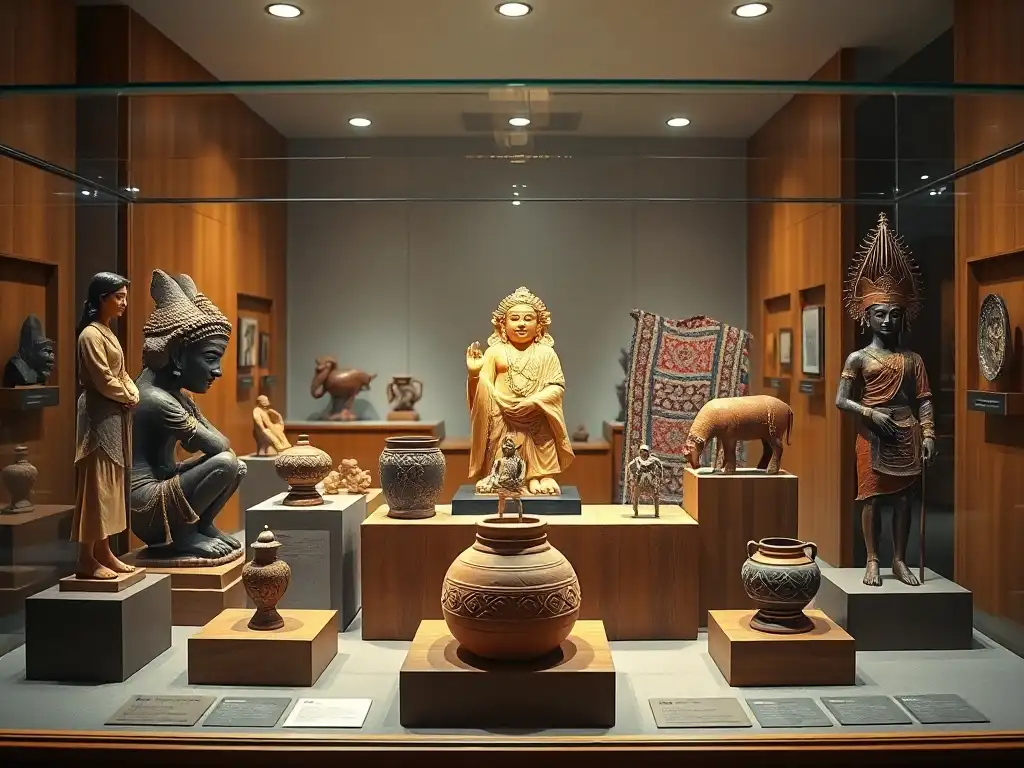
Welcome to Ancient India History, where we embark on a captivating journey through the rich tapestry of ancient civilizations that shaped India’s illustrious past. Have you ever wondered about the treasures hidden within Indian artifacts? Investing in Indian artifacts history offers not just a glimpse into the artistry and culture of bygone eras, but also a unique opportunity for collectors and investors alike.
In our main article, "The Collector’s Guide: What to Know Before Investing in Indian Artifacts," we unravel the significance and value of these historical pieces, guiding you through the fascinating world where heritage meets investment. Join us as we explore this intriguing intersection and discover what makes these artifacts so invaluable.
Introduction to Investing in Indian Artifacts History
Investing in Indian artifacts is not just about acquiring objects of beauty; it is an opportunity to engage with the rich heritage and diverse history of one of the world's oldest civilizations. From the intricate craftsmanship of the Indus Valley Civilization to the exquisite sculptures of the Gupta Empire, Indian artifacts offer a unique glimpse into the socio-cultural dynamics of their time. As the global market for such artifacts continues to grow, collectors and investors alike are increasingly drawn to the potential value these objects can hold.
Understanding the nuances of investing in Indian artifacts involves several factors, including provenance, authenticity, and market trends. With the right knowledge and resources, investors can navigate this complex landscape and make informed decisions that not only enhance their collections but also contribute to the preservation of historical heritage.
In this guide, we will explore essential aspects to consider when investing in Indian artifacts, including the historical significance of various pieces, the current market landscape, and tips for ensuring a wise investment. Whether you are a seasoned collector or a newcomer to the world of artifacts, this resource aims to equip you with the insights needed to make strategic investment choices in the captivating realm of Indian history.
The Historical Context of Indian Artifacts
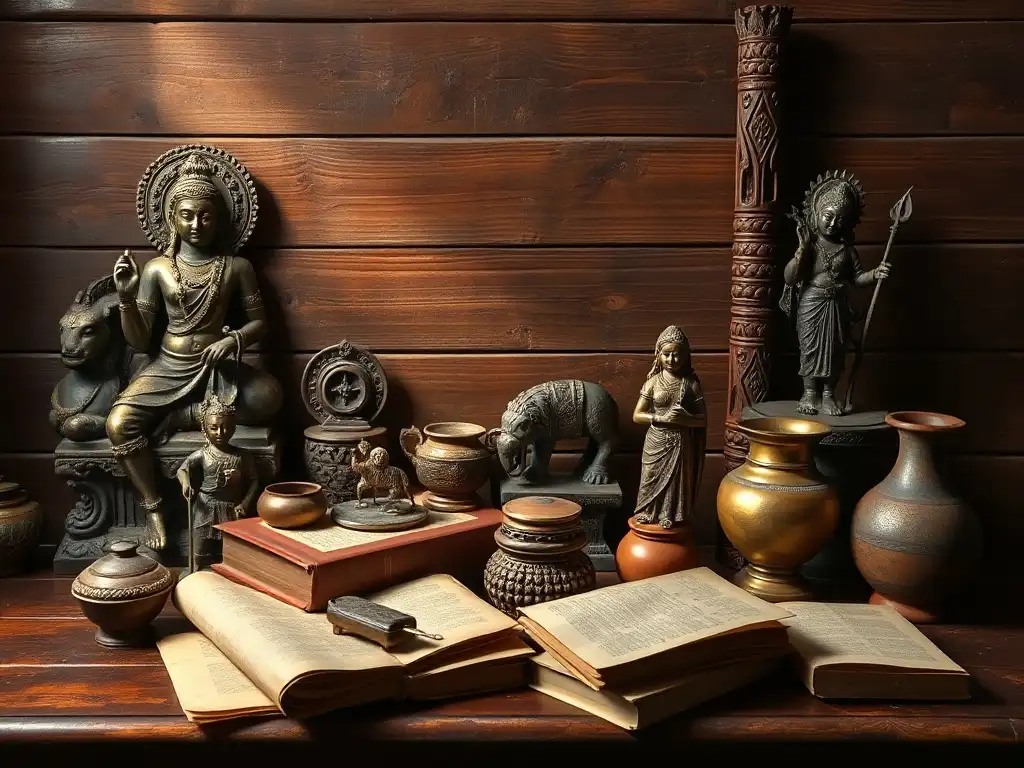
Overview of Indian Civilization Contributions
Indian civilization boasts a rich tapestry of cultural and historical contributions that span thousands of years. It is essential to understand these contributions when considering investing in Indian artifacts history. From the advanced urban planning of the Indus Valley Civilization to the profound philosophical teachings of ancient India, each era has produced artifacts that reflect the society's values, beliefs, and advancements.
- Indus Valley Civilization (c. 3300–1300 BCE):
- Renowned for its urban planning, drainage systems, and standardized weights and measures.
- Artifacts such as seals, pottery, and jewelry reveal insights into trade practices and daily life.
- Vedic Period (c. 1500–500 BCE):
- Introduction of texts like the Vedas, which laid the foundation for Hindu philosophy and rituals.
- Artifacts include pottery and early inscriptions that signify the transition to an agrarian society.
- Maurya and Gupta Empires (c. 322 BCE–550 CE):
- Flourishing of art, architecture, and literature, including the famous Ashoka Pillars and Gupta sculptures.
- Artifacts from this period often reflect advancements in governance, science, and religion.
- Medieval and Mughal Periods (c. 600–1700 CE):
- Notable for the synthesis of Indian and Islamic art, leading to exquisite architecture like the Taj Mahal.
- Artifacts such as miniatures, textiles, and coins from this era illustrate the economic and cultural exchanges.
Understanding the contributions of these civilizations provides a foundational context for evaluating Indian artifacts. Each piece carries the weight of history, offering a glimpse into the lives of those who came before us.
Importance of Artifacts in Understanding Indian History
Artifacts are invaluable for reconstructing the past, serving as tangible links to ancient civilizations. Their significance extends beyond mere aesthetics; they are essential for understanding the socio-cultural fabric of historical India.
- Cultural Insights: Artifacts reveal the beliefs, traditions, and daily activities of ancient societies. For example, ritualistic objects from the Vedic period can indicate the spiritual practices that shaped the culture.
- Technological Advancements: Tools and implements showcase the technological prowess of ancient civilizations. The evolution of metallurgy in India, evident through artifacts like coins and weaponry, highlights advancements that influenced trade and warfare.
- Economic Exchange: Trade-related artifacts, such as weights, measures, and pottery, provide evidence of economic interactions both within the Indian subcontinent and with distant lands. This exchange of goods played a crucial role in shaping the historical landscape.
- Artistic Expressions: The artistic styles represented in sculptures and paintings offer insights into the aesthetic values of different periods. For instance, the intricate carvings found in temples not only served a religious purpose but also reflected the artistic advancements of the time.
Investing in Indian artifacts history is not just about acquiring physical items; it is about preserving and appreciating the rich narratives they embody. Collectors should approach their investments with an understanding of the broader historical context and the significant role that artifacts play in illuminating India’s vibrant past.
Key Factors to Consider When Investing in Indian Artifacts
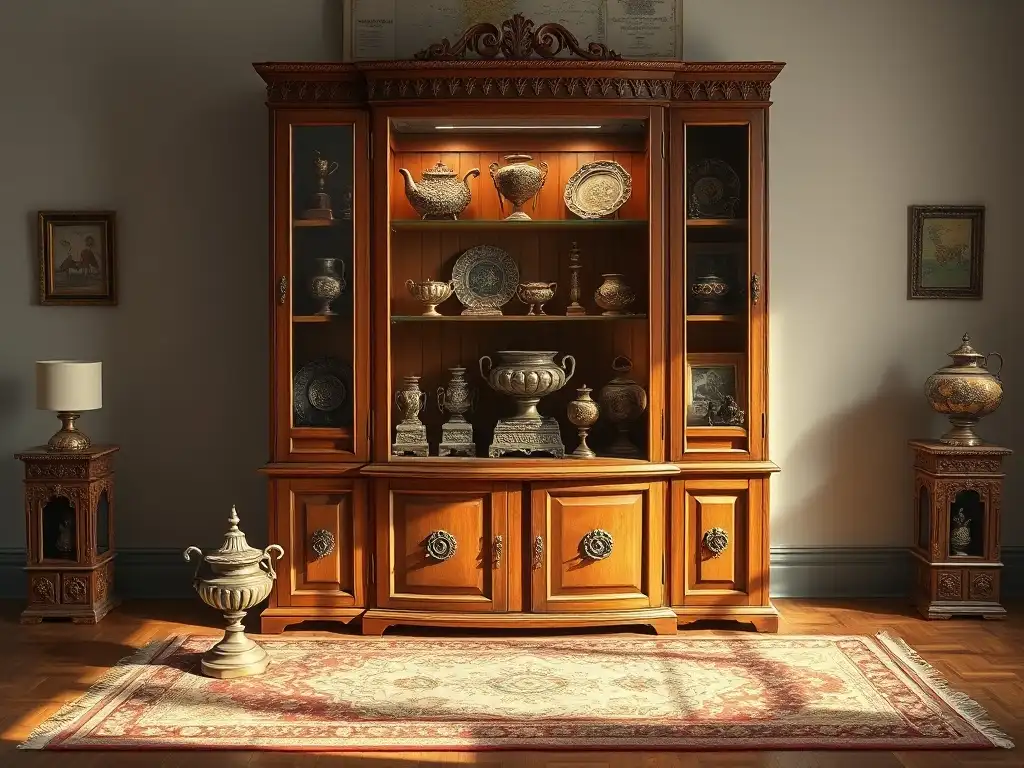
When embarking on the journey of investing in Indian artifacts, it is essential to understand several key factors that can significantly influence your investment decisions. The world of Indian artifacts is rich and varied, encompassing a myriad of cultural, historical, and artistic elements. Here are the crucial aspects to consider:
Authenticity in Indian Artifacts
One of the foremost considerations when investing in Indian artifacts is authenticity. The market is rife with reproductions and forgeries, making it imperative for collectors and investors to ensure the genuineness of the items they are considering. Here are some strategies to verify authenticity:
- Provenance: Researching the item’s history of ownership can provide insights into its authenticity. A well-documented provenance often adds value to the artifact.
- Expert Appraisal: Engaging with recognized experts or appraisers familiar with Indian artifacts can help validate the authenticity of a piece. These professionals can identify specific characteristics that distinguish genuine artifacts from replicas.
- Material Analysis: Understanding the materials used in the artifact can also be telling. Many authentic pieces will feature traditional materials, such as terracotta, bronze, or precious stones, which can be verified through scientific analysis.
- Documentation: Authentic artifacts often come with certificates of authenticity or documentation from reputable galleries or auction houses.
Investors should be cautious and perform due diligence to avoid costly mistakes.
Market Trends in Indian Artifacts Investment
The investment landscape for Indian artifacts is continually evolving, influenced by cultural trends, economic factors, and global demand. Understanding current market trends can provide valuable insights for potential investors:
- Increasing Global Interest: There has been a surge in global interest in Indian culture and art, which has translated into a growing market for Indian artifacts. Auctions and exhibitions featuring Indian pieces have seen increased attendance and bidding activity, reflecting this trend.
- Technological Advancements: The rise of online platforms has made it easier for collectors to access a wider range of artifacts. Virtual auctions and e-commerce sites dedicated to art have provided new opportunities for investment.
- Emerging Collectors: A new generation of collectors, particularly from the younger demographic, is showing interest in Indian artifacts. This shift is influencing market dynamics and pushing prices upward for certain collectible items.
- Cultural Heritage Awareness: There is a growing consciousness surrounding the importance of preserving cultural heritage. This awareness has led to initiatives that promote the collection of authentic artifacts, further driving demand.
Investors should stay informed about these trends, as they can impact the potential return on investment.
Legal Considerations for Collectors
Investing in Indian artifacts also necessitates an understanding of the legal landscape surrounding ownership and trade. Here are essential legal considerations:
- Cultural Property Laws: India has stringent laws governing the export and ownership of cultural property. Familiarizing oneself with the Antiquities and Art Treasures Act, 1972, is crucial to ensure compliance when acquiring artifacts.
- Documentation Requirements: When purchasing artifacts, collectors should obtain all necessary documentation that verifies the legality of the sale. This includes export licenses, invoices, and certificates of authenticity.
- Repatriation Issues: There may be specific artifacts that are subject to repatriation claims, especially if they have been acquired under dubious circumstances. Investors must be aware of the cultural significance of certain items and any ongoing repatriation discussions.
- Tax Implications: Understanding the tax implications of buying and selling artifacts is vital. Depending on the jurisdiction, there may be capital gains taxes or other financial responsibilities associated with these transactions.
By navigating these legal considerations carefully, collectors can protect their investments and contribute to the responsible stewardship of cultural heritage.
Recommended Types of Indian Artifacts for Investment
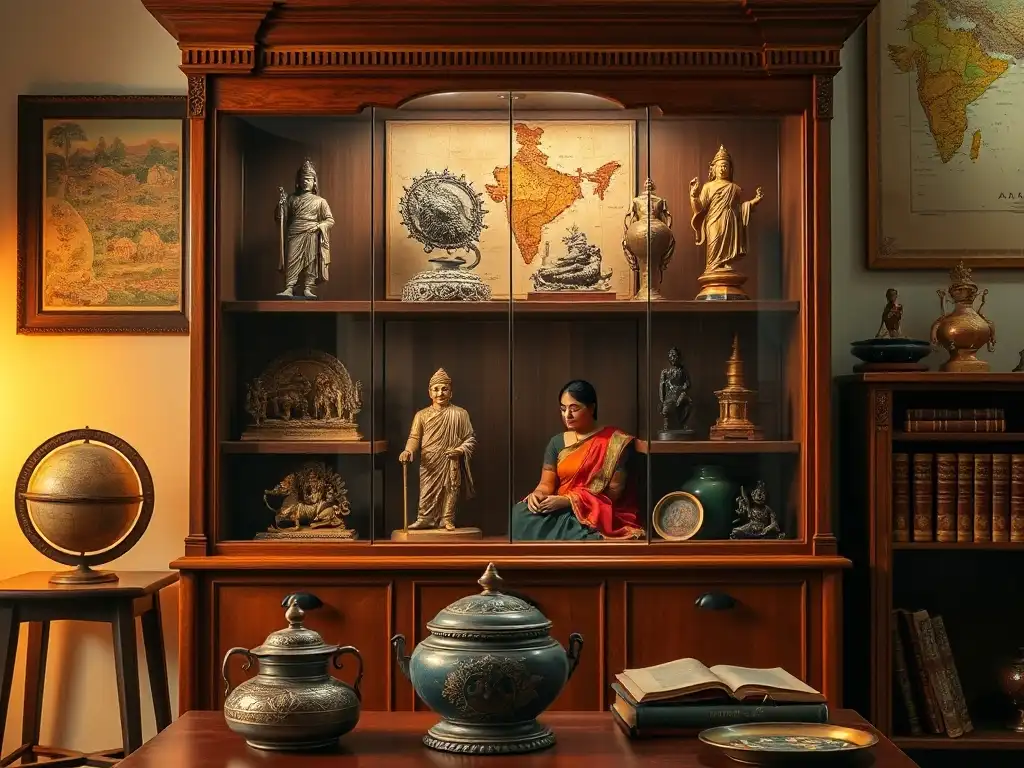
Investing in Indian artifacts history offers collectors a unique opportunity to own pieces that encapsulate the rich heritage and intricate artistry of ancient civilizations. When considering investing in such artifacts, it is essential to know which types are most valuable and sought after. Below are some of the recommended types of Indian artifacts that are particularly favorable for investment.
Sculptures and Statues
Sculptures and statues are among the most revered forms of Indian art, often reflecting the intricate craftsmanship and spiritual significance of ancient cultures.
- Historical Context: Many sculptures date back to different periods, including the Maurya, Gupta, and Chola dynasties. Each era has distinctive styles, such as the polished stone carvings of the Maurya period or the bronze sculptures of the Chola dynasty.
- Investment Potential: Collectors often seek sculptures representing deities, historical figures, or cultural narratives. A well-preserved statue can fetch significant prices at auctions, especially if it has a proven provenance.
- Examples of Noteworthy Sculptures:
- Buddhist Statues: These often showcase intricate carvings and represent various forms of Buddha.
- Hindu Deities: Statues of gods like Shiva or Vishnu are particularly valuable, especially those made from precious materials.
The beauty of Indian sculptures lies not just in their aesthetic appeal but in the stories they tell about our ancestors.
Pottery and Terracotta
Pottery and terracotta artifacts provide insight into the daily lives and practices of ancient Indian civilizations. These items are not only decorative but also functional, often serving as vessels for storage, cooking, or rituals.
- Cultural Significance: Artifacts from the Indus Valley Civilization, for example, showcase advanced techniques and designs, often featuring intricate motifs and symbols.
- Types of Pottery:
- Painted Pottery: Items from the early historic period often feature elaborate designs and colors, making them highly collectible.
- Terracotta Figurines: These small sculptures can represent deities, animals, or human figures, and their simplicity often appeals to modern collectors.
| Type of Artifact | Investment Potential | Historical Period |
|---|---|---|
| Painted Pottery | High | Indus Valley |
| Terracotta Figurines | Moderate to High | Prehistoric to Gupta |
Manuscripts and Textiles
Manuscripts and textiles are another important category for those interested in investing in Indian artifacts history. These items reflect the scholarly pursuits and artistic expressions of ancient societies.
- Manuscripts: Ancient texts, particularly those written in languages like Sanskrit, Pali, or Tamil, can be immensely valuable. They often contain religious scriptures, philosophical treatises, or literary works.
- Textiles: The art of textile production has a long history in India, with items like silk saris or embroidered fabrics showcasing exquisite craftsmanship.
- Condition and Rarity: The condition of manuscripts and textiles significantly affects their value. Well-preserved items with clear provenance are more likely to attract serious collectors.
Investing in manuscripts and textiles allows one to own a piece of history, rich with cultural narratives and artistic excellence.
When considering investing in Indian artifacts history, focusing on these three categories—sculptures and statues, pottery and terracotta, and manuscripts and textiles—can lead to significant investment opportunities that not only yield financial returns but also enrich the collector's understanding of India's diverse heritage.
Best Practices for Investing in Indian Artifacts
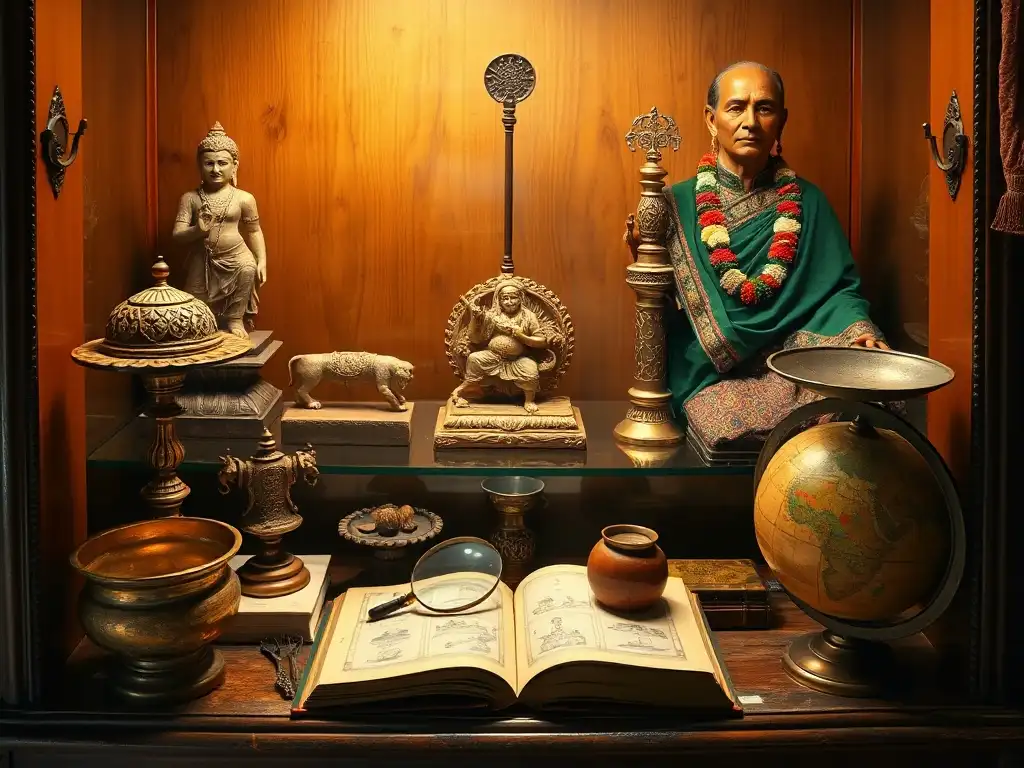
Investing in Indian artifacts can be a rewarding venture, but it requires careful consideration and adherence to best practices to ensure that your collection is both valuable and genuine. Here are some essential guidelines to follow:
Finding Reputable Dealers and Auctions
When it comes to investing in Indian artifacts, the first step is to identify reputable dealers and auction houses. This is crucial to avoid counterfeit items and ensure that your investment is sound.
- Research and Verification:
- Look for dealers with a strong reputation in the field of Indian artifacts. Check for reviews, testimonials, and any affiliations with recognized organizations.
- Verify their credentials and track record in the industry. A dealer who is a member of professional organizations, such as the International Council of Museums (ICOM) or the Antiquities Dealers Association (ADA), is often a good choice.
- Attend Art Fairs and Exhibitions:
- Participating in art fairs and exhibitions can provide you with the opportunity to meet dealers in person and examine artifacts closely. Events like the India Art Fair or regional exhibitions often feature credible dealers.
- Use these events to educate yourself about the market, network with other collectors, and gain insights into current trends.
- Consult Experts:
- Seek advice from experts in Indian art and archaeology. Scholars and curators can provide valuable guidance on the authenticity and historical significance of artifacts.
- Consider hiring an appraiser who specializes in Indian artifacts to assess the value and authenticity of potential purchases.
- Verify Provenance:
- Provenance, or the history of ownership, is vital in establishing the authenticity and value of an artifact. Request any documentation that verifies the artifact's origin and previous ownership.
- Be cautious of items with unclear or suspicious provenance, as they may pose legal and ethical concerns.
- Utilize Online Platforms:
- There are several reputable online auction platforms that specialize in Indian artifacts. Websites like Sotheby’s or Christie’s often have dedicated sections for Indian art and antiquities.
- Ensure that these platforms have a clear return policy and buyer protection measures in place.
By following these steps, you can significantly reduce the risk of investing in counterfeit items and enhance the quality of your collection.
Building a Diverse Collection
Building a diverse collection of Indian artifacts not only increases the aesthetic and cultural value of your collection but also enhances its potential for appreciation over time.
- Understand Different Categories:
- Indian artifacts can range from sculptures, pottery, textiles, and manuscripts to coins and jewelry. Familiarizing yourself with different categories will help you make informed decisions.
- For instance, ancient sculptures from the Indus Valley or intricate textiles from the Mughal era can both be significant investments.
- Focus on Quality Over Quantity:
- Aim for quality pieces that are historically significant and well-preserved. A single high-quality artifact can be more valuable than several lower-quality items.
- Look for unique characteristics, such as intricate craftsmanship or rare materials, that can enhance the appeal and value of an artifact.
- Consider Historical Context:
- Understanding the historical and cultural context of the artifacts you are collecting is essential. Items that represent significant periods, such as the Maurya or Gupta empires, often have greater historical importance and value.
- Research the stories and meanings behind the artifacts, as this knowledge can enhance your appreciation and ability to communicate the significance of your collection to others.
- Engage with the Community:
- Joining collector groups or forums focused on Indian artifacts can provide valuable insights and foster connections with other enthusiasts. Engaging with the community can help you stay informed about market trends and upcoming auctions.
- Participate in discussions and attend workshops to expand your knowledge and appreciation of Indian art and history.
- Document Your Collection:
- Maintain detailed records of your collection, including provenance, purchase details, and any appraisals. This documentation will not only aid in valuing your collection but also assist in any future sales or transfers.
- Consider creating a digital inventory that includes photographs and descriptions of each piece, which can be useful for insurance purposes and for tracking your collection's growth over time.
Investing in Indian artifacts history requires a strategic approach that emphasizes research, diversity, and community engagement. By following these best practices, you can build a valuable and culturally rich collection that reflects the enduring legacy of ancient Indian civilizations.
Common Mistakes to Avoid When Investing in Indian Artifacts
Investing in Indian artifacts can be a rewarding venture, but it is essential to navigate this intricate market with caution. Understanding the common pitfalls can help collectors make informed decisions and protect their investments. Below are key mistakes that investors often make in this domain.
Misjudging Market Value
One of the most significant mistakes collectors make is misjudging the market value of Indian artifacts. The value of an artifact is influenced by various factors, including its historical significance, rarity, condition, and provenance. Here are some critical considerations:
- Historical Importance: Artifacts from different periods—such as the Indus Valley Civilization, Maurya Empire, or Gupta Dynasty—carry varying degrees of significance. For example, a terracotta figurine from the Indus Valley may fetch a higher price than a common item from a later period.
- Rarity and Demand: The rarity of an item can dramatically affect its value. Limited edition pieces or artifacts that are unique in their craftsmanship tend to be more valuable. Keeping abreast of current trends in collector demand is crucial, as preferences can shift over time.
- Condition and Restoration: The physical condition of an artifact plays a vital role in its valuation. Items that have been well-preserved and require minimal restoration are generally more desirable. However, overzealous restoration can detract from an artifact’s value, so understanding the nuances of conservation is essential.
- Provenance: The history of ownership can greatly impact value. Provenance adds credibility and can elevate an artifact's status in the eyes of collectors. Items with documented history are often sought after, while those without clear provenance may be undervalued.
Investors should conduct thorough research and possibly consult experts to accurately gauge the market value before making a purchase. Utilizing platforms that provide auction results or recent sales data can also assist in determining fair prices.
Neglecting Conservation and Care
Another common mistake is neglecting the conservation and care of Indian artifacts. Proper maintenance is crucial to preserving the integrity and value of these historical pieces. Here are some best practices to follow:
- Environmental Controls: Artifacts should be stored in stable environments where temperature and humidity levels are regulated. Extreme fluctuations can cause materials to degrade, especially organic items like textiles or wooden sculptures.
- Handling Procedures: When displaying or moving artifacts, always handle with care. Using gloves and supporting items adequately will help prevent damage. Additionally, avoid exposing artifacts to direct sunlight, which can cause fading and deterioration.
- Regular Assessments: Conduct regular assessments of your collection to identify any signs of wear or damage. Early detection allows for timely conservation efforts, which can prevent further deterioration.
- Professional Conservation Services: For significant artifacts, consider utilizing professional conservation services. Skilled conservators can provide the necessary treatments to stabilize and preserve items without compromising their historical value.
By prioritizing conservation, collectors not only protect their investments but also ensure that future generations can appreciate these invaluable pieces of history.
Avoiding these common mistakes—misjudging market value and neglecting conservation—can significantly enhance your experience and success in investing in Indian artifacts. A well-informed collector is better positioned to navigate the complexities of this vibrant market.
Conclusion: The Future of Investing in Indian Artifacts
As the fascination with ancient Indian civilizations continues to grow, the market for Indian artifacts is poised for significant developments. With a rich history that encompasses the Indus Valley civilization, Mauryan Empire, and Gupta period, investing in Indian artifacts presents both opportunities and challenges. Collectors and investors alike are increasingly recognizing the value of preserving and celebrating this cultural heritage, making it an appealing avenue for investment.
Predictions for the Indian Artifacts Market
-
Increased Demand and Appreciation
The global interest in Indian culture is expected to rise, particularly as more individuals seek unique pieces that tell a story. This growing appreciation will likely drive demand for authentic artifacts, resulting in higher prices for rare items.
-
Technological Advancements in Authentication
As the market matures, advancements in technology will enhance the ability to authenticate artifacts. Tools such as AI and blockchain can provide provenance verification, ensuring that buyers can invest with confidence in the authenticity of their purchases.
-
Shifts in Collector Demographics
Younger generations are becoming more engaged in collecting, often valuing sustainable and ethical sourcing. This shift could lead to an increase in demand for artifacts that are not only historically significant but also ethically obtained.
-
Expansion of Online Marketplaces
The rise of digital platforms for buying and selling artifacts will democratize access to the market. Investors will have greater opportunities to connect with sellers and fellow collectors, making it easier to navigate the complexities of investing in Indian artifacts.
-
Legislative Changes and Protectionism
As the appreciation for cultural heritage grows, expect a shift in legislative measures aimed at protecting artifacts. Increased regulations may affect the market dynamics, but they will also foster a more responsible collecting culture.
Final Thoughts on Investing in Indian Artifacts History
Investing in Indian artifacts history is not just about financial returns; it’s an opportunity to connect with the rich tapestry of India’s past. Each piece carries with it narratives of ancient civilizations, artistic endeavors, and cultural practices. As the market evolves, investors must approach this domain with a blend of passion and prudence.
-
Educate Yourself
Knowledge is power in the realm of artifact investment. Engage with experts, attend exhibitions, and read extensively to build a robust understanding of the history and significance behind the pieces you wish to invest in.
-
Prioritize Authenticity and Provenance
When investing, always prioritize artifacts with verified authenticity and clear provenance. This not only protects your investment but also contributes to the broader preservation of cultural heritage.
-
Be Prepared for Market Fluctuations
Like any investment, the market for Indian artifacts can be unpredictable. Be prepared for fluctuations and understand that the value of artifacts may rise and fall based on trends, demand, and global interest.
Investing in Indian artifacts history is a rewarding venture that combines passion for culture with financial acumen. By staying informed and engaged, collectors can not only secure their investments but also contribute to the preservation and appreciation of India’s rich historical legacy.
Frequently Asked Questions
What are Indian artifacts?
Indian artifacts are historical objects created by the various civilizations in India, such as the Indus Valley and the Gupta Empire, showcasing their cultural heritage and artistic achievements.
Why should I consider investing in Indian artifacts?
Investing in Indian artifacts can be a way to acquire unique pieces of history that not only appreciate in value over time but also provide insight into the rich cultural narratives of ancient India.
What types of Indian artifacts are considered valuable?
Valuable Indian artifacts include sculptures, pottery, coins, and texts. The rarity, condition, and historical significance of these items play a crucial role in determining their worth.
How can I ensure the authenticity of an Indian artifact?
To ensure authenticity, it's essential to purchase artifacts from reputable dealers or auction houses and obtain provenance documents that trace the item's history and legitimacy.
What are the risks involved in investing in Indian artifacts?
Risks include potential forgeries, fluctuating market values, and legal issues related to ownership and provenance. Conducting thorough research and seeking expert advice can mitigate these risks.
Final Reflection: The Timeless Value of Investing in Indian Artifacts
Investing in Indian artifacts is not merely a financial decision; it is a profound engagement with history, culture, and identity. As we navigate an increasingly globalized world, the significance of preserving and appreciating the rich tapestry of Indian heritage becomes ever more relevant. The allure of these artifacts lies not only in their aesthetic appeal but also in the stories they carry, reminding us that every piece is a testament to the ingenuity and resilience of the cultures that created them.
Cultural heritage shapes our understanding of who we are and where we come from. The act of collecting Indian artifacts transcends mere ownership; it fosters a deeper connection to the past and encourages the preservation of traditions that might otherwise fade away. As we invest in these pieces, we become custodians of history, ensuring that future generations can appreciate the artistry and narratives embedded within them. Art is the most beautiful of all lies.
This sentiment echoes the idea that while artifacts may represent a bygone era, their impact on our present and future is profound and lasting.
As you reflect on the insights shared in this article, consider how you can contribute to the preservation of cultural heritage in your own life. Whether you choose to invest in Indian artifacts or simply educate yourself about their significance, your actions can help bridge the gap between past and present. Embrace the opportunity to explore the stories behind these treasures, and let your journey as a collector inspire others to appreciate the beauty and history that enrich our world.
Unearth Your Next Precious Find!
Thank you for exploring the fascinating world of Indian artifacts with us! You’ve gained valuable insights into what makes these items not only collectible but also worthy investments. Now, it’s time to take action and dive deeper into this enriching journey.
Here are a few steps to help you get started on your collectible adventure:
- Begin your own collection by visiting local markets or online auctions to discover unique artifacts that resonate with you.
- Connect with a community of fellow collectors and enthusiasts—share your discoveries, learn from others, and deepen your understanding of Indian art and culture.
- Document your journey through photographs or a blog. This will allow you to reflect on your experiences and inspire others in the collecting world.
Which artifact has captured your interest the most, and how do you intend to explore it further?