
Exploring the Connection Between Ancient Textiles and Indian Philosophy

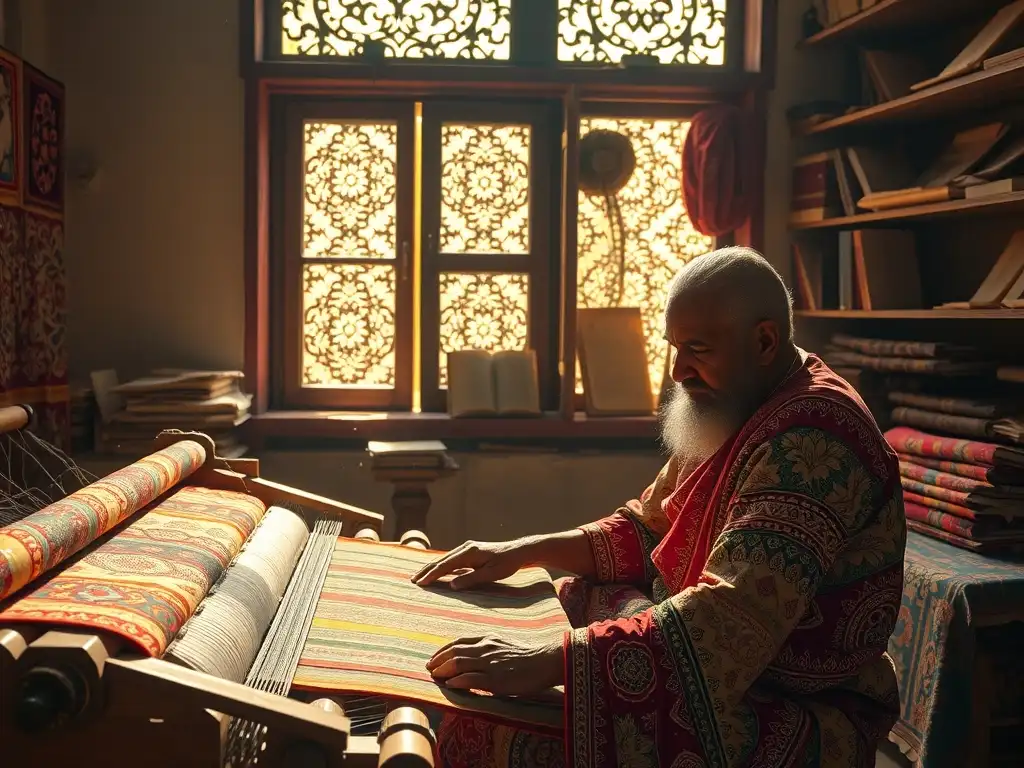
Welcome to Ancient India History, where we embark on a journey through the remarkable tapestry of India's past. Here, we delve into the intricate relationship between ancient Indian textiles and philosophy, uncovering how vibrant fabrics were not just a means of adornment but also a reflection of deep cultural values and spiritual insights.
Prepare to be captivated as we explore how the threads of history weave together stories of creativity, belief, and identity that have shaped the very fabric of Indian civilization. Join us as we unravel this fascinating connection and discover what lies beneath the surface of ancient textiles!
- Introduction to Ancient Indian Textiles and Philosophy
- The Historical Background of Ancient Indian Textiles
- Philosophical Concepts Reflected in Ancient Indian Textiles
- Case Studies: Iconic Textiles and Their Philosophical Underpinnings
- The Role of Textiles in Indian Rituals and Traditions
- Modern Interpretations of Ancient Indian Textiles and Philosophy
- Conclusion: The Lasting Impact of Ancient Indian Textiles on Philosophy
- Additional Resources for Further Exploration
-
Frequently Asked Questions
- What role did textiles play in ancient Indian culture?
- How did philosophy influence textile production in ancient India?
- What are some notable ancient Indian textile techniques?
- How did ancient Indian texts contribute to our understanding of textiles?
- What legacy do ancient Indian textiles have in modern times?
- Final Reflection: Weaving Threads of Thought Between Ancient Textiles and Indian Philosophy
- Unveil the Threads of Wisdom!
Introduction to Ancient Indian Textiles and Philosophy
The intricate tapestry of Ancient Indian textiles serves as a remarkable reflection of the rich cultural and philosophical heritage of India. Spanning thousands of years, these textiles not only showcase artistic craftsmanship but also embody the philosophical ideologies that permeated ancient society.
From the vibrant patterns of the Indus Valley civilization to the exquisite weaves of the Gupta Empire, textiles were integral to social identity, trade, and ritual practices. This article seeks to explore the profound connection between ancient Indian textiles and philosophy, revealing how these woven masterpieces were influenced by and, in turn, influenced the philosophical thought of their time.
Understanding the Significance of Textiles in Ancient India
Textiles in ancient India were much more than mere fabric; they were a vital part of daily life and cultural expression. Various fibers, dyes, and weaving techniques were employed to create textiles that held significant social and spiritual meanings.
- Cultural Identity: Different regions developed unique textile styles that represented their local traditions and identities. For instance:
- Cotton from Gujarat was renowned for its softness and durability.
- Silks from Varanasi were celebrated for their intricate designs and luxurious feel.
- Ritual and Symbolism: Textiles played a crucial role in religious and cultural ceremonies. They were often used as offerings in temples and as garments for deities. Each color and pattern carried symbolic meanings:
- Red often symbolized auspiciousness and fertility.
- White was associated with purity and spirituality.
- Economic Impact: The textile industry was a significant economic driver in ancient India, with trade routes facilitating the export of textiles to various parts of the world. This not only enriched local economies but also allowed cultural exchanges that influenced textile designs and philosophies.
Overview of Indian Philosophy and Its Connection to Material Culture
Indian philosophy encompasses a rich spectrum of thoughts and beliefs that have evolved over millennia. It includes diverse schools of thought, from Hinduism and Buddhism to Jainism and Sikhism. Each of these philosophies offered unique perspectives on life, existence, and the material world, which invariably influenced and were reflected in the art and craft of textiles.
- Material and Spiritual Interplay: Indian philosophy often emphasizes the interconnectedness of the material and spiritual realms. Textiles, being both material objects and carriers of cultural significance, embody this duality.
- The concept of 'Dharma' (righteous duty) in Hindu philosophy can be seen in the way textiles were crafted with intention and purpose, reflecting the weaver's commitment to their craft and community.
- Aesthetic Values: Philosophical ideas about beauty and harmony can be observed in textile designs. The ancient Indian aesthetic, influenced by philosophical texts like the Natya Shastra, guided artisans in their creation of textiles that were not only functional but also visually harmonious and spiritually resonant.
- Symbolism and Narrative: Textiles often narrate stories that are steeped in philosophy, with motifs and designs representing philosophical concepts and mythological tales. This narrative quality enriches both the textile and the philosophical discourse, creating a dialogue between the two.
The exploration of ancient Indian textiles and philosophy reveals a fascinating interplay between material culture and spiritual thought, underscoring the profound significance of textiles in shaping and reflecting the philosophical landscape of ancient India.
The Historical Background of Ancient Indian Textiles
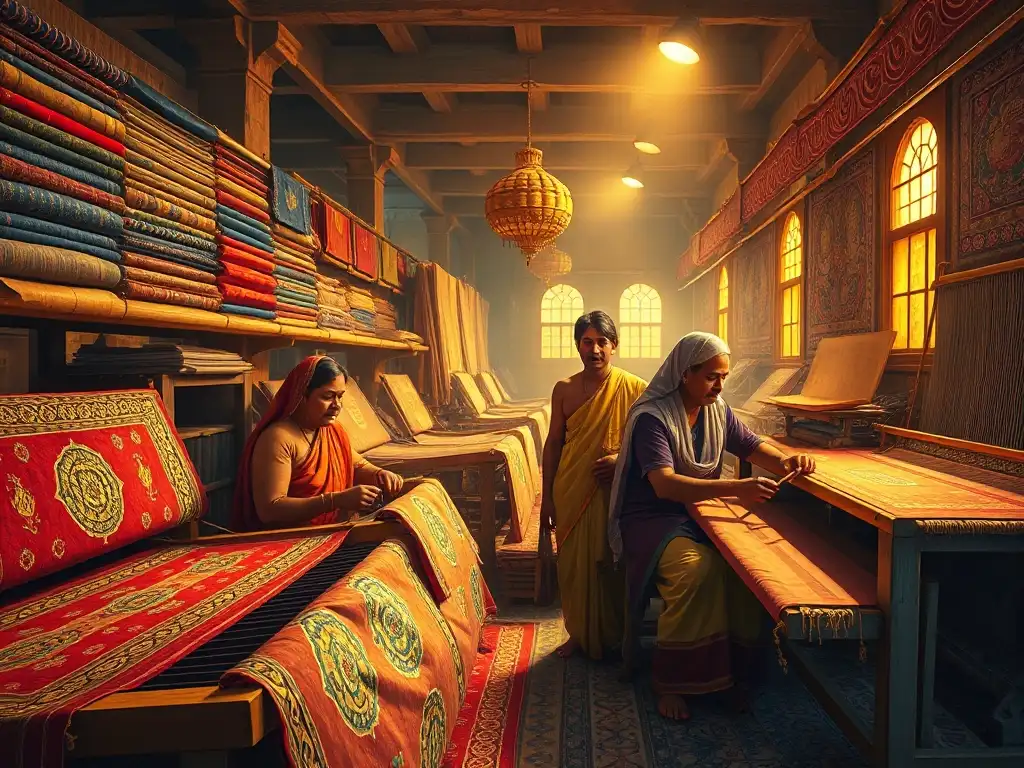
The history of ancient Indian textiles is deeply interwoven with the cultural and philosophical evolution of the subcontinent. From the early days of the Indus Valley Civilization (circa 3300-1300 BCE) to the flourishing empires of Maurya and Gupta, textiles not only served practical purposes but also embodied spiritual and philosophical ideals. The textile industry reflects the socio-economic conditions, trade relations, and technological advancements of the time, making it a pivotal element of ancient Indian heritage.
Textiles in ancient India were not merely functional items; they carried significant cultural symbolism. The intricate designs and patterns often depicted mythological stories or were reflective of the prevailing philosophical ideologies. The evolution of textile production laid the foundation for a vibrant trade network, not only within India but also with distant lands, as evidence suggests a flourishing export of textiles to regions such as the Roman Empire, Southeast Asia, and beyond.
The Evolution of Textile Production in Ancient India
The evolution of textile production in ancient India can be traced through various stages, each marked by unique techniques and materials. Early textile production began with the use of natural fibers such as cotton, wool, and silk. The Indus Valley Civilization is credited with advanced cotton cultivation and weaving techniques, evidenced by the discovery of cotton fabric remnants and spindle whorls in archaeological sites.
As time progressed, the introduction of new materials and technologies, such as dyeing and printing methods, transformed textile production. The Mauryan Empire (322-185 BCE) witnessed significant advancements in weaving techniques, supported by a structured guild system. By the time of the Gupta Empire (circa 320-550 CE), textiles had evolved to include rich silks and elaborate embroidery, often adorned with gold and silver threads.
Indus Valley Civilization: The Birthplace of Textiles
The Indus Valley Civilization is recognized as the birthplace of textiles in ancient India, showcasing remarkable innovation in fabric production. Archaeological findings, such as the well-preserved cotton textiles found in Mohenjo-Daro and Harappa, suggest that the people of this civilization had a profound understanding of cotton cultivation and weaving techniques.
The use of spindle whorls indicates that spinning was a common practice, and the presence of dyeing materials points to early forms of textile coloring. The intricate patterns found on these fabrics often mirrored the geometric motifs prevalent in Indus Valley art, suggesting a strong link between artistry and textile production. This early civilization laid the groundwork for the textile traditions that would flourish in subsequent Indian cultures, connecting the physical craft of textiles to the philosophical ideas that emerged from the society.
Mauryan and Gupta Empires: Advancements in Weaving Techniques
The Mauryan Empire marked a significant phase in the evolution of ancient Indian textiles, characterized by the establishment of weaving as a respected craft. The state-supported textile industry encouraged innovation, leading to the development of new weaving techniques and the introduction of a variety of fabrics. The use of mercerized cotton and the establishment of guilds contributed to the production of high-quality textiles that met both local and international demand.
During the Gupta Empire, textiles reached new heights of sophistication. The introduction of silk weaving, along with elaborate embroidery techniques, transformed the textile landscape. Textiles became an essential aspect of trade and culture, often used in religious ceremonies and royal adornment. The philosophical ideas of the time, particularly those rooted in Hinduism and Buddhism, influenced textile motifs, leading to a rich tapestry of designs that reflected the spiritual beliefs of the era.
Ancient Indian textiles and philosophy are intrinsically connected, with each influencing the development of the other. The rich history of textile production showcases the ingenuity of ancient Indian civilizations and their ability to blend functionality with profound cultural significance.
Philosophical Concepts Reflected in Ancient Indian Textiles
The Symbolism of Colors in Indian Textiles
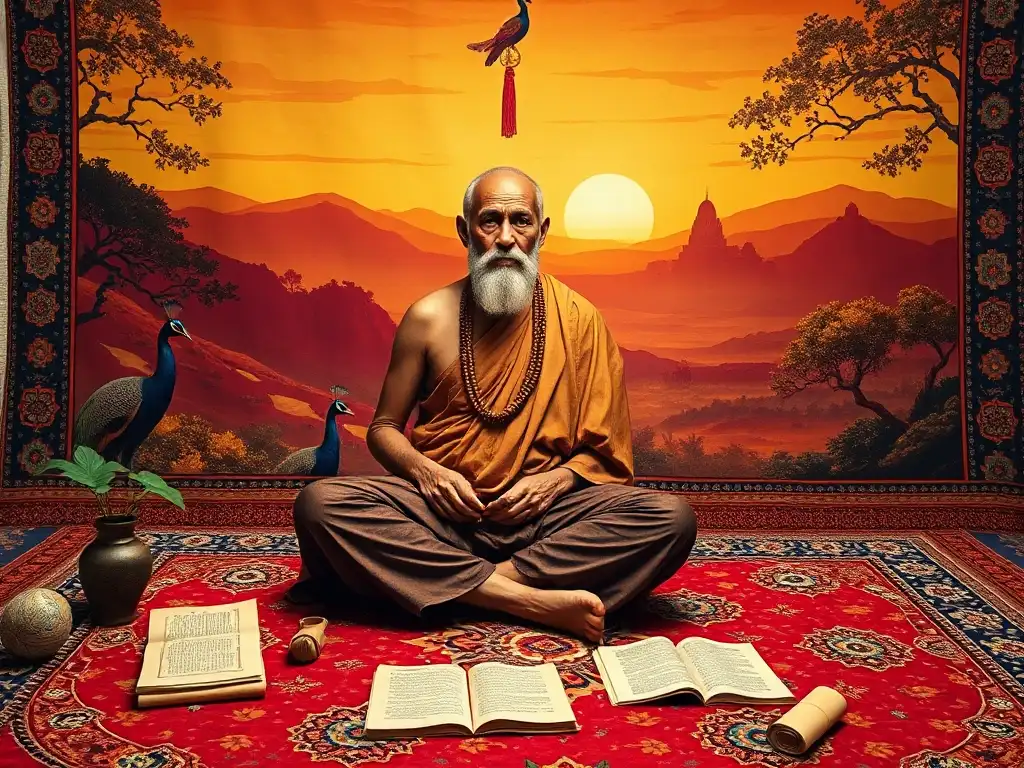
In ancient Indian textiles, colors were not merely aesthetic choices but carried profound philosophical significance. Each hue was steeped in symbolism, often drawn from various philosophical concepts prevalent in Indian culture. For instance, red represented passion and sacrifice, closely associated with the goddess Durga, while saffron is linked to purity and spirituality, often worn by ascetics and monks.
| Color | Symbolism | Associated Concepts |
|---|---|---|
| Red | Passion, Sacrifice | Goddess Durga, Love |
| Saffron | Purity, Spirituality | Asceticism, Enlightenment |
| Blue | Calmness, Divine Presence | Lord Krishna, Tranquility |
| Green | Fertility, Nature | Life, Growth |
| Yellow | Knowledge, Learning | Wisdom, Intellectual pursuits |
This deep connection between colors and philosophy can be traced to the ancient texts, such as the Vedas and Upanishads, which elucidate the relationship between the material and spiritual worlds. The use of specific colors in textiles can be seen as a visual representation of these philosophical tenets, allowing wearers to embody the values they signify.
Weaving as a Form of Spiritual Expression
The act of weaving in ancient India transcended mere craftsmanship; it was perceived as a spiritual practice. Weavers often engaged in rituals before beginning their work, invoking deities for blessings. This sacred approach highlights the philosophical belief that creativity is a divine gift, and the loom becomes a medium through which the weaver connects with the cosmos.
The intricate patterns found in textiles often represent various philosophical concepts, including the mandala, a symbolic diagram representing the universe. Patterns such as these were not only decorative but also served as a form of meditation for the weaver, reflecting the interconnectedness of all existence.
For example, the Brocade technique used in Kanchipuram saris involves both technical skill and spiritual mindfulness, as weavers often meditate on the patterns and colors they choose. This blending of art and spirituality demonstrates how weaving serves as a conduit for expressing and exploring deeper philosophical ideas.
The Philosophy of Dharma and Its Influence on Textile Craftsmanship
The concept of Dharma, or one's duty and ethical responsibility, significantly influenced the craft of textiles in ancient India. Each region had its own traditions and practices, which were often dictated by the local understanding of Dharma.
For instance, the Banarasi sarees, known for their intricate designs and gold brocade, are crafted by skilled artisans who view their work as a reflection of their Dharma to preserve and promote cultural heritage. These artisans dedicate their entire lives to mastering their craft, embodying the philosophy of duty towards their art form.
Furthermore, certain textiles were created for specific rituals and ceremonies, emphasizing the relationship between the material and spiritual realms. The use of particular materials, patterns, and techniques was often dictated by the Dharma associated with the occasion, reinforcing the belief that every thread woven into a fabric carries a specific cosmic significance.
The intertwining of ancient Indian textiles and philosophy reveals a rich tapestry of meaning that extends beyond the physical realm. Each textile piece serves as a narrative of cultural values, spiritual beliefs, and the ethical responsibilities of the weaver, encapsulating the essence of ancient Indian civilization.
Case Studies: Iconic Textiles and Their Philosophical Underpinnings
The Kanjeevaram Silk: A Weave of Spiritual Significance
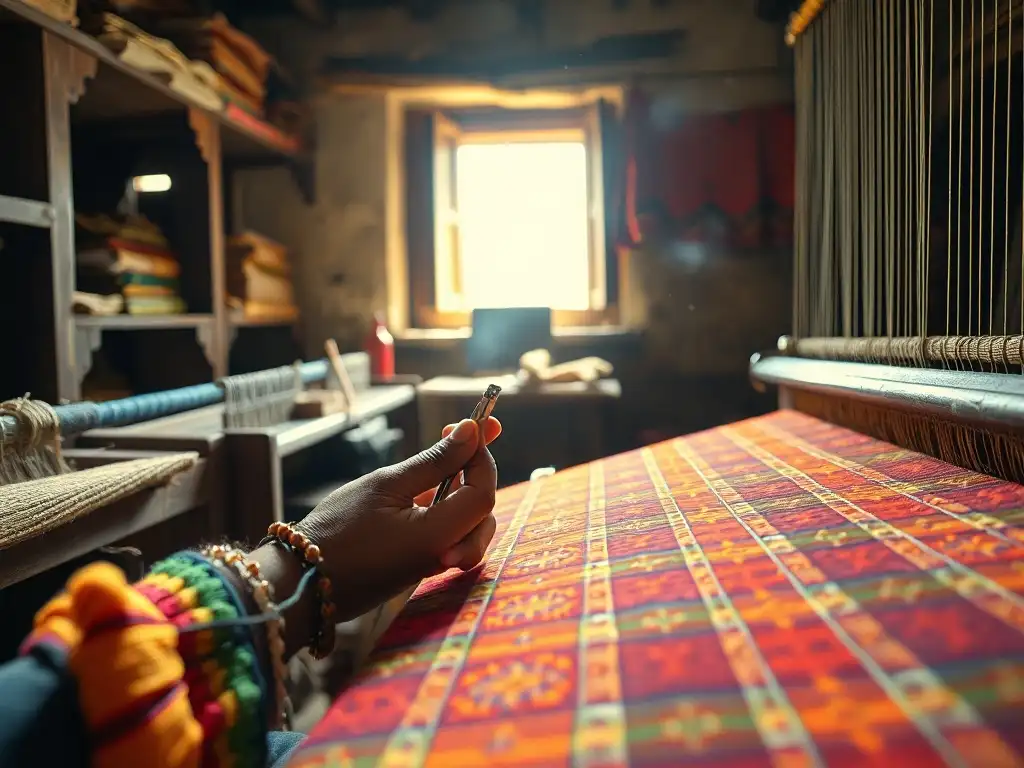
Kanjeevaram silk, originating from the town of Kanchipuram in Tamil Nadu, is renowned not only for its exquisite quality but also for its deep-rooted connections to spirituality and philosophy. Traditionally, these vibrant silks are woven by skilled artisans using mulberry silk threads, known for their luster and durability. The production process itself is steeped in ritual; it is said that every loom is consecrated with a prayer, imbuing the fabric with a sense of divine purpose.
The motifs showcased in Kanjeevaram silk often draw inspiration from ancient Indian scriptures, temple architecture, and natural elements, embodying the philosophical concepts of Samsara (the cycle of life) and Moksha (liberation). Common designs include peacocks, lotuses, and temple borders, each symbolizing various aspects of life and spirituality. The vibrant colors used in these textiles are believed to represent the energy of the wearer, aligning with the philosophical notion that clothing can influence one's aura.
The act of gifting a Kanjeevaram sari during significant life events, such as weddings and festivals, underscores its cultural importance. This tradition signifies not just the beauty of the fabric but also the philosophical belief in the continuity of life, relationships, and the sacredness of shared experiences.
The Bandhani Technique: Patterns of Life and Belief
Bandhani, also known as tie-dye, is a textile art form that has been practiced for centuries in India, particularly in regions like Gujarat and Rajasthan. The intricate process involves tying small portions of fabric with thread before dyeing, resulting in unique patterns that reflect a philosophical connection to the universe. Each design is a manifestation of the Yin and Yang principle, symbolizing balance and harmony in life.
The patterns created through the Bandhani technique are rich with meaning; dots and waves often represent fertility and prosperity, while vibrant colors are used to signify joy and celebration. The philosophy behind Bandhani is intertwined with the belief that every individual has a role to play in the cosmic dance of life, with each dyed piece symbolizing a person's unique journey and contributions to the collective whole.
Historically, Bandhani textiles were used in ceremonial contexts, with specific colors and patterns designated for various occasions, reflecting the belief that clothing can carry the weight of cultural and spiritual identity. The vibrant hues of Bandhani not only beautify but also serve as a reminder of life's transient nature, echoing the cyclical philosophies prevalent in ancient Indian thought.
The Dhakai Jamdani: Weaving Stories of Culture and Identity
The Dhakai Jamdani, a handwoven fabric originating from the Dhaka region of Bangladesh, holds a prominent place in the textile heritage of ancient India. This exquisite fabric is characterized by its intricate patterns and lightweight quality, making it a favorite among connoisseurs of traditional textiles. The weaving technique is a testament to the artistic prowess of artisans who have preserved this craft over generations.
Philosophically, the Jamdani weave embodies the narrative of cultural identity and continuity. The designs often depict motifs inspired by nature, folklore, and everyday life, which resonate with the philosophical concepts of Anitya (impermanence) and Dharma (moral order). Each piece tells a story, reflecting the socio-cultural dynamics of the time it was woven, and connects the wearer to their ancestral roots.
Additionally, the Dhakai Jamdani is traditionally associated with important life events, such as weddings and religious ceremonies. The act of wearing Jamdani is not merely a fashion statement but a celebration of heritage, symbolizing the intertwining of personal and communal identity. As such, these textiles serve as a bridge between the past and present, encapsulating the rich tapestry of ancient Indian philosophy and cultural expression.
By understanding these iconic textiles and their philosophical implications, one can appreciate the profound connections between ancient Indian textiles and philosophy, enriching our comprehension of not just fashion, but the very fabric of Indian cultural identity.
The Role of Textiles in Indian Rituals and Traditions
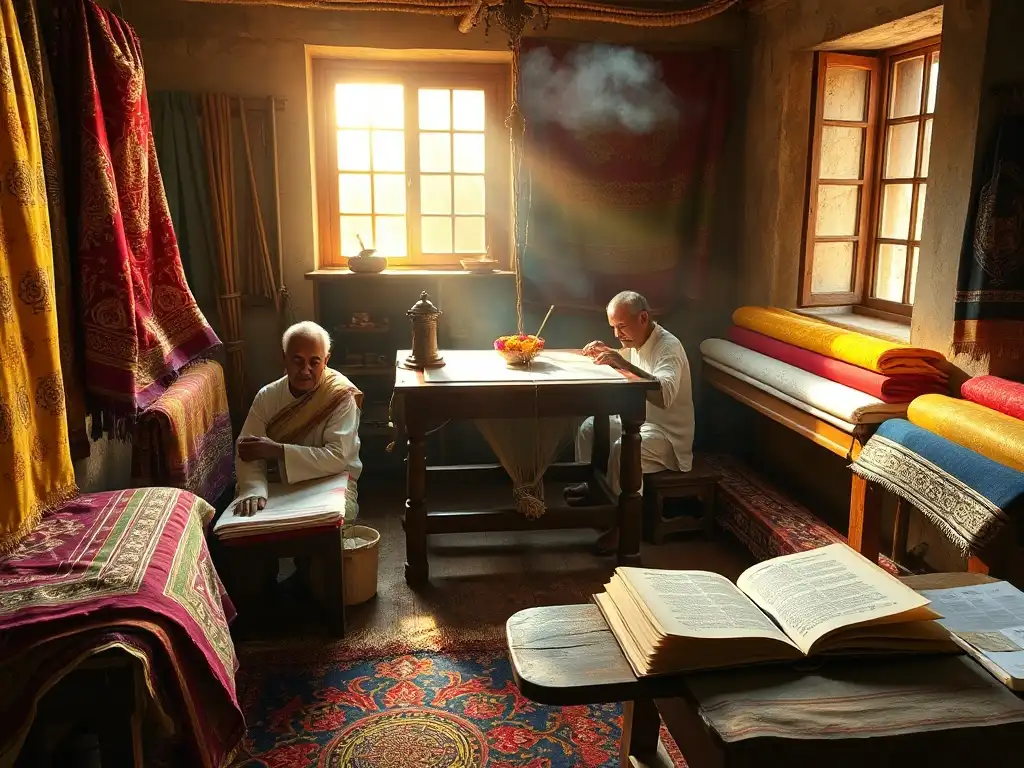
Textiles in Religious Practices: Clothing for Deities
In ancient Indian culture, textiles played a pivotal role in religious practices, particularly in the adornment of deities. The garments used to dress idols during rituals are often made from exquisite fabrics such as silk, cotton, and wool, each chosen for its symbolic significance. For instance, silk, with its luxurious sheen, is frequently associated with prosperity and divinity, making it a preferred material for dressing deities like Lakshmi, the goddess of wealth.
Textiles are not merely decorative; they serve as a medium to express devotion. The Vastram, or clothing offerings, are integral to rituals known as Puja. During these ceremonies, devotees present beautifully crafted garments to their chosen deities, which are believed to enhance the divine presence and grace. This practice is a reflection of the philosophical belief that the material world can be imbued with spiritual significance.
Moreover, the colors and patterns of these textiles often carry deeper meanings. For example, red is associated with marital bliss and fertility, while white symbolizes purity and peace. The careful selection of colors and materials emphasizes the connection between textile choices and the underlying philosophical themes of Hinduism, suggesting a harmonious balance between the material and the spiritual realms.
The Use of Textiles in Festivals and Ceremonial Events
Festivals in India are vibrant celebrations filled with color, music, and elaborate rituals, and textiles are at the heart of these festivities. Ancient Indian textiles are used in various ceremonies, from Diwali to Holi, each festival showcasing unique textile traditions that reflect the cultural richness of the region.
During Diwali, for instance, families often adorn their homes with intricate Rangoli designs made from dyed powders, and the attire worn during this festival is equally significant. Traditional garments such as sarees for women and dhotis for men are selected with care, often featuring motifs that symbolize prosperity, victory, and happiness. The choice of fabric—be it banarasi silk or kota doria—not only highlights regional craftsmanship but also connects to deeper philosophical ideas of abundance and celebration.
Similarly, during Holi, the festival of colors, the use of white cotton garments is traditional, as they provide a canvas for vibrant colors. The transient nature of the colors on these textiles serves as a metaphor for the impermanence of life, resonating with philosophical teachings about detachment and the cyclical nature of existence.
In ceremonies like weddings, textiles also play a critical role. The bride’s attire, often richly embellished, symbolizes her transition into a new phase of life. These garments are not just clothing; they carry the aspirations of families and communities, reflecting societal values and philosophical beliefs tied to marriage and family.
The Connection Between Textile Patterns and Philosophical Beliefs
The intricate patterns and motifs found in ancient Indian textiles are deeply intertwined with philosophical beliefs. Each design often holds symbolic meaning, reflecting the cultural and spiritual narratives of the time. For example, the Lotus, a common motif, symbolizes purity and enlightenment, echoing the philosophical teachings of Buddhism and Hinduism.
Patterns such as paisley and floral designs often represent the cycle of life, drawing from nature’s rhythms and the interconnectedness of all beings. The act of weaving these patterns into textiles can be seen as a form of meditation, a practice that aligns with ancient Indian philosophies emphasizing mindfulness and the significance of creation.
Moreover, many textile traditions incorporate geometrical patterns that embody the concept of samsara, the cycle of birth, death, and rebirth. This connection emphasizes a deeper understanding of existence and encourages reflection on the nature of reality.
The relationship between ancient Indian textiles and philosophy is profound and multifaceted. Textiles serve not only as functional items but also as vessels of cultural expression, spiritual significance, and philosophical exploration, revealing the rich tapestry of beliefs and values that have shaped Indian civilization throughout history.
Modern Interpretations of Ancient Indian Textiles and Philosophy
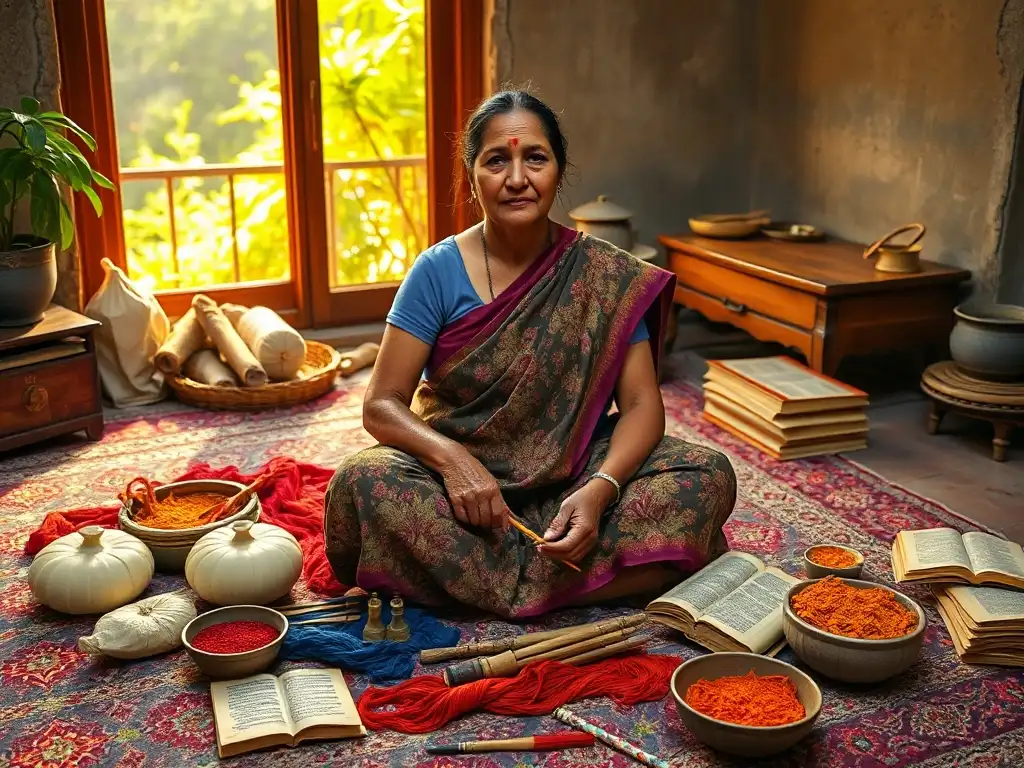
The intersection of ancient Indian textiles and philosophy has evolved significantly in contemporary fashion. Designers today are not only reviving traditional techniques but also embedding philosophical concepts within their collections. This modern interpretation reflects a deep appreciation for the wisdom of ancient civilizations while addressing current sustainability concerns.
Reviving Traditional Techniques: Sustainable Fashion
The revival of traditional textile techniques is a pivotal aspect of sustainable fashion in India. Techniques such as handloom weaving, natural dyeing, and intricate embroidery are being reintroduced into the contemporary fashion narrative.
-
Handloom Weaving:
Handloom weaving has been a cornerstone of Indian textile production for centuries. The craftsmanship involved not only produces unique fabrics but also supports local artisans. By maintaining these practices, contemporary designers contribute to preserving cultural heritage and promoting sustainable livelihoods.
-
Natural Dyeing:
The use of natural dyes derived from plants, minerals, and insects aligns with eco-friendly practices. Unlike synthetic dyes, natural dyes are biodegradable and non-toxic. This method not only results in vibrant colors but also connects the wearer to the ancient practices that have been passed down through generations.
-
Intricate Embroidery:
Embroidery styles such as Zardozi, Kantha, and Chikan work tell stories of India's diverse cultures. Designers today are incorporating these intricate techniques to create garments that are not just fashion statements but also works of art imbued with historical significance.
This revival resonates with the philosophy of sustainability, emphasizing a connection to the earth, community, and tradition, which is a core tenet of many ancient Indian philosophies.
Contemporary Designers Inspired by Ancient Textiles and Their Meanings
Several contemporary designers are making significant strides in weaving ancient philosophies into their collections, marrying aesthetics with deeper meanings.
- Sustainable Practices: Many designers are committed to using sustainable materials and methods, reflecting the ancient Indian philosophy of living in harmony with nature.
- Cultural Narratives: By integrating traditional motifs and techniques, designers tell the stories of their heritage through their work, highlighting the philosophical underpinnings of these designs.
- Innovative Collaborations: Collaborations with artisans and craftspeople not only support traditional methods but also provide a platform for these artisans to share their stories and philosophies with a broader audience.
Through these approaches, contemporary designers are enriching the narrative around ancient Indian textiles, transforming them into vehicles for philosophical expression and cultural dialogue.
Spotlight on Rahul Mishra and Their Philosophy-Driven Collections
Rahul Mishra stands out as a prime example of a designer who intricately weaves ancient philosophies into contemporary textiles. His collections often reflect a commitment to sustainability and a deep respect for traditional craftsmanship.
- Philosophical Underpinnings: Mishra draws inspiration from nature, reflecting the ancient Indian philosophical belief in the interconnectedness of all living beings. His designs often incorporate elements that symbolize harmony, balance, and respect for the environment.
- Innovative Techniques: Utilizing handloom weaving and organic materials, Mishra’s collections not only showcase the beauty of Indian textiles but also promote ethical fashion. His work highlights the stories of artisans, emphasizing the importance of preserving traditional techniques.
- Cultural Significance: Each piece in Mishra’s collection is not merely a garment; it is a narrative that speaks to the richness of Indian culture, philosophy, and history. His commitment to highlighting the significance of textiles as cultural artifacts is a testament to the enduring legacy of ancient Indian philosophies.
The modern interpretations of ancient Indian textiles and philosophy are not just a trend but a profound movement towards sustainability and cultural preservation. Designers like Rahul Mishra are leading the way in demonstrating how ancient practices can inform contemporary fashion while remaining rooted in the philosophical richness of India’s past.
Conclusion: The Lasting Impact of Ancient Indian Textiles on Philosophy
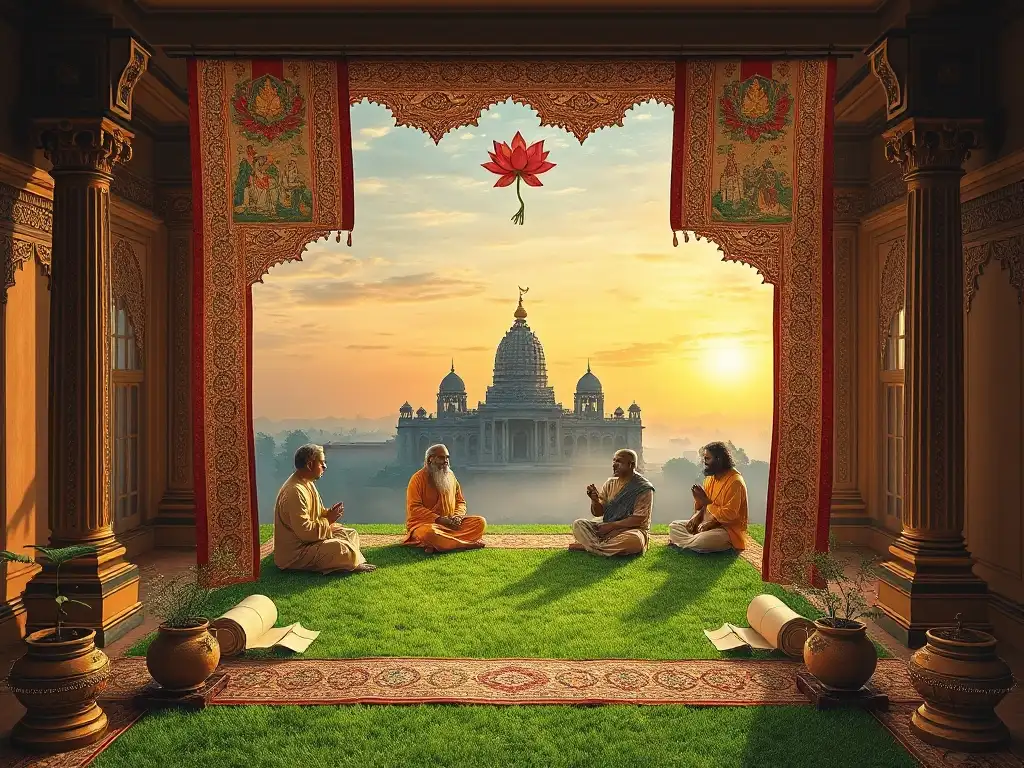
The influence of ancient Indian textiles on philosophy is profound and multifaceted. Textiles in ancient India were not merely functional items; they served as a canvas for the expression of philosophical ideas, cultural narratives, and spiritual beliefs. The intricate designs and patterns of textiles often reflected the philosophical concepts prevalent during their creation, embodying the principles of balance, harmony, and interconnectedness that are central to Indian philosophy.
For instance, the practice of weaving itself can be seen as a metaphor for the interconnectedness of life, where individual threads come together to create a unified whole. This idea resonates with the philosophical teachings found in texts such as the Upanishads, which explore the relationship between the individual and the universe. The vibrant colors and motifs used in textiles also hold symbolic meanings, often representing various aspects of life, nature, and spirituality.
Reflections on the Interconnectedness of Art, Culture, and Thought
The relationship between ancient textiles and Indian philosophy exemplifies the interconnectedness of art, culture, and thought. Textiles were often created for specific rituals, ceremonies, and social events, which means they were inherently tied to the cultural practices of the time. Each textile tells a story, reflecting the historical context and the philosophical underpinnings of its creation.
- Symbolism in Design: Many patterns found in ancient textiles, such as those from the Indus Valley Civilization, can be linked to philosophical concepts like Dharma (duty) and Karma (action and its consequences). For example, the use of geometric patterns can symbolize the cyclical nature of life, aligning with the philosophical beliefs in rebirth and the eternal cycle of existence.
- Cultural Narratives: Textiles also serve as a medium for storytelling, embodying cultural narratives that are steeped in philosophical significance. The depiction of mythological figures and events on fabrics can provide insight into the moral and ethical teachings central to Indian philosophy.
- Spiritual Practices: The use of textiles in spiritual practices further illustrates their philosophical connections. Textiles were often used in temple rituals, signifying purity and devotion, thereby intertwining the tangible and intangible aspects of spirituality and philosophy.
Encouragement to Explore and Appreciate Ancient Indian Textiles
As we delve into the rich tapestry of ancient Indian textiles, it becomes essential to appreciate their role not only as artistic expressions but also as vessels of philosophical thought. Engaging with these textiles offers a unique opportunity to explore the depth of Indian culture and philosophy.
- Visit Museums and Exhibitions: Many museums showcase ancient Indian textiles, providing a tangible connection to the past. Observing the details and craftsmanship can deepen one's appreciation for the philosophical meanings embedded within.
- Participate in Workshops: Engaging in textile-making workshops can be a hands-on way to connect with the traditions and techniques of ancient weavers, fostering a deeper understanding of their cultural significance.
- Study Textiles within Context: Reading about the historical and philosophical context of specific textiles can enhance one's understanding of their meanings. Books and academic articles focused on ancient Indian textiles and philosophy can provide valuable insights.
The exploration of ancient Indian textiles and philosophy reveals a rich interplay between art, culture, and thought. By appreciating and understanding these connections, we can gain a deeper insight into the legacy of ancient Indian civilizations and their enduring impact on contemporary culture.
Additional Resources for Further Exploration
Recommended Books on Ancient Indian Textiles and Philosophy
For those interested in delving deeper into the intricate relationship between ancient Indian textiles and philosophy, several books provide comprehensive insights and historical context. Here are some notable recommendations:
- "The Fabric of Our Lives: The Story of Indian Textiles" by R. P. Gupta
- This book explores the evolution of textiles in India, detailing the techniques, dyes, and patterns used throughout history. Gupta discusses how textiles reflect cultural values and philosophical ideas intrinsic to Indian society.
- "Woven Stories: Indian Textiles and the Philosophy of Craft" by S. Sharma
- Sharma's work connects the philosophical underpinnings of Indian craftsmanship with the artistry of textiles. The author emphasizes how the process of weaving itself embodies deeper spiritual and philosophical meanings.
- "Threads of Tradition: Textiles in Indian Art and Philosophy" by A. K. Chatterjee
- This text delves into the symbolic significance of textiles in Indian art and philosophy, examining how cloth serves as a medium for expressing complex ideas and beliefs.
- "The Spiritual Significance of Indian Textiles: Weaving the Cosmos" by S. K. Desai
- Desai discusses the metaphysical aspects of textiles in ancient India, emphasizing how weaving techniques and patterns were often infused with spiritual meaning, reflecting the interconnectedness of life and the universe.
- "Dyeing to Be Seen: The Colorful World of Indian Textiles" by N. Iyer
- Focusing on the dyeing processes and their cultural implications, this book highlights how colors used in textiles often carry philosophical significance and historical narratives.
Online Courses and Workshops on Traditional Indian Weaving Techniques
Engaging with traditional Indian textiles can be greatly enhanced through practical learning experiences. Here are some recommended online courses and workshops that focus on ancient weaving techniques and their philosophical connections:
- "Introduction to Indian Textiles: Techniques and Traditions"
- A comprehensive online course that covers various traditional weaving techniques, including block printing and tie-dye. Participants gain insights into the cultural significance of each method.
- "The Art of Weaving: Understanding Indian Philosophy through Textiles"
- This workshop emphasizes the philosophical implications of weaving. Participants will explore the symbolic meanings behind various patterns and their relevance in ancient Indian thought.
- "Mastering Traditional Indian Weaving Techniques"
- A hands-on workshop where learners can practice different weaving styles. The course integrates discussions on how these techniques are intertwined with cultural and philosophical traditions.
- "Sustainable Practices in Traditional Indian Textiles"
- This online course focuses on eco-friendly weaving methods, linking sustainability with ancient practices. It encourages participants to consider the philosophical aspects of nature and craftsmanship.
- "From Loom to Life: The Philosophy of Indian Textiles"
- A unique course that combines theoretical knowledge with practical skills, examining how textiles have been a medium for expressing philosophical ideas throughout history.
These resources serve as valuable tools for anyone seeking to deepen their understanding of ancient Indian textiles and their philosophical implications, fostering a greater appreciation for the rich tapestry of India's cultural heritage.
Frequently Asked Questions
What role did textiles play in ancient Indian culture?
Textiles were not only functional but also served as a symbol of status and identity in ancient Indian society. They reflected the rich culture and artistic skills of various civilizations.
How did philosophy influence textile production in ancient India?
Philosophical concepts shaped the aesthetic and symbolic meanings of textiles. For instance, certain designs and colors were associated with spiritual beliefs and ritual practices.
What are some notable ancient Indian textile techniques?
Ancient India was known for various techniques such as block printing, tie-dye, and weaving. Each technique was often linked to regional traditions and philosophical beliefs.
How did ancient Indian texts contribute to our understanding of textiles?
Many ancient texts, including manuscripts and treatises, documented textile production, dying processes, and the cultural significance of fabrics, providing valuable insights into their role in society.
What legacy do ancient Indian textiles have in modern times?
The techniques and designs of ancient Indian textiles continue to influence contemporary fashion and textile industries, highlighting the enduring impact of ancient craftsmanship and philosophical ideas.
Final Reflection: Weaving Threads of Thought Between Ancient Textiles and Indian Philosophy
The exploration of ancient Indian textiles and philosophy reveals a profound interconnection that resonates powerfully in today's world. As we navigate a rapidly changing landscape, the intricate designs and symbolic meanings embedded in these textiles remind us of the enduring wisdom of our ancestors. The artistry of ancient textiles serves not only as a testament to craftsmanship but also as a reflection of the philosophical ideas that shaped their creation. This connection emphasizes that the past is not merely a relic but a living dialogue that continues to influence our present and future.
The impact of ancient Indian textiles on contemporary culture is significant, intertwining with our understanding of identity, spirituality, and heritage. These textiles are not just fabric; they embody stories, beliefs, and values that have transcended time. The vibrant colors and patterns often carry philosophical meanings that invite us to reflect on our own lives and the world around us.
As Mahatma Gandhi once said, "> The true measure of any society can be found in how it treats its most vulnerable members." This quote encapsulates the essence of how ancient philosophies can guide us in addressing modern societal challenges, urging us to consider our responsibilities toward one another.
As we conclude this exploration, I invite you to reflect on the lessons woven into the fabric of ancient Indian textiles and philosophy. Consider how these insights can inspire your own journey and encourage you to embrace the richness of your cultural heritage. Let the stories of the past guide your actions in the present, fostering a deeper connection with the world around you. In doing so, we can honor the wisdom of those who came before us while crafting a future that is both meaningful and interconnected.
Unveil the Threads of Wisdom!
Thank you for diving into the fascinating world of ancient textiles and their profound connection to Indian philosophy! Your interest not only enriches your understanding but also honors the timeless wisdom embedded in these crafts. Now, it’s time to take your exploration to the next level.
Here are a few engaging steps you can take:
- Join a local workshop to learn about traditional textile techniques and their underlying philosophies; immerse yourself in the hands-on experience.
- Share your thoughts in our community forums— what insights did this article spark for you? Engage with fellow enthusiasts!
- Explore further: Read books or watch documentaries to connect more deeply with the heritage of textiles and philosophy; discover the hidden stories they tell.
What new insights about Indian philosophy and textiles are you excited to uncover next?