
Celebrated Gemstone Families: A Look at India's Most Famous Jewels

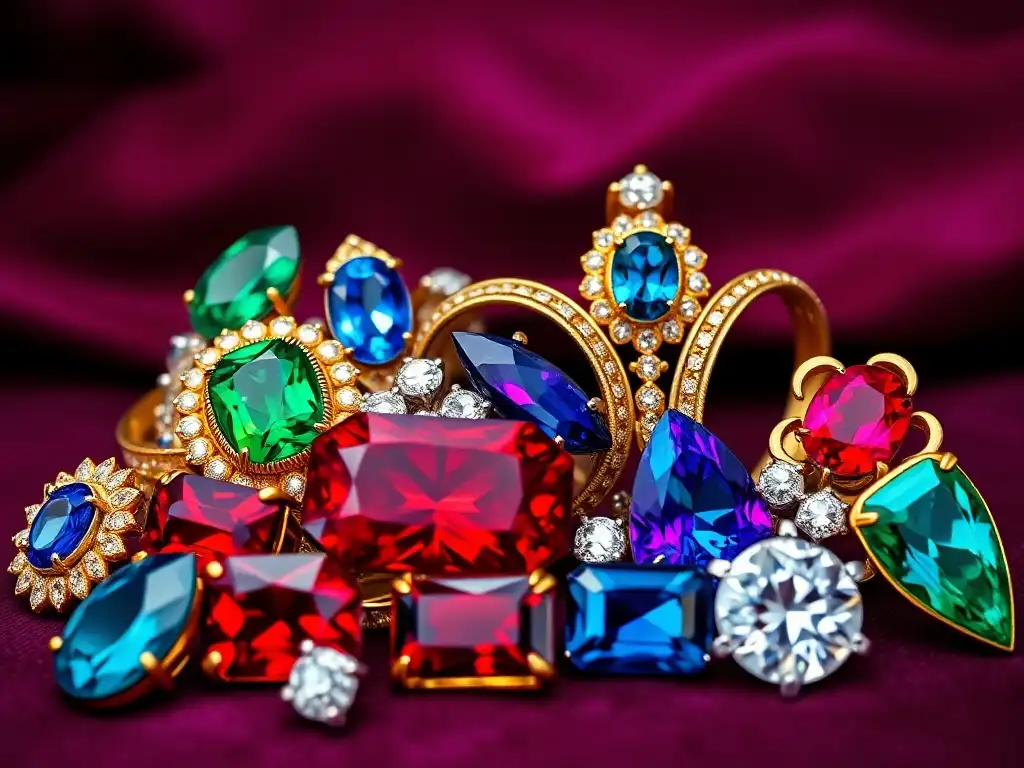
Welcome to Ancient India History, where we delve into the fascinating tapestry of India's rich and diverse past. Today, we invite you to embark on a sparkling journey as we explore India's famous gemstone families. Uncover the stories behind the exquisite jewels that have adorned emperors and captivated hearts throughout centuries. What secrets do these gemstones hold? Join us as we reveal the shimmering legacy of India's most celebrated jewels and their profound significance in cultural history. Your adventure into the dazzling world of ancient Indian gemstones starts here!
Introduction to India's Famous Gemstone Families
India has long been celebrated for its rich and vibrant history of gemstones, which have played a pivotal role in shaping the cultural and economic landscape of the subcontinent. From the dazzling rubies of the Mughal emperors to the exquisite diamonds that adorned the crowns of ancient kings, India's famous gemstone families reflect a legacy that spans millennia. These gemstones are not merely adornments; they carry stories of power, trade, and artistry that transcend time.
In this exploration, we will delve into the notable gemstone families that have made their mark in India, showcasing their historical significance, craftsmanship, and the cultural narratives they embody. By understanding the heritage of these gemstones, we gain insight into the broader tapestry of Indian civilization, including the intricacies of its trade networks, the evolution of its art forms, and the profound spiritual beliefs that have surrounded these precious stones.
As we journey through this glittering history, we will examine the impact of various gemstone families, the techniques used in their crafting, and how they have influenced Indian art and culture over the ages. Whether it is the vibrant emeralds from the mines of Colombia that found their way to Indian royalty or the local sapphires that have enhanced the beauty of traditional jewelry, each gemstone family tells a unique story that is deeply intertwined with India's illustrious past.
The Historical Significance of Gemstones in India
Gemstones have held immense historical significance in India, serving as symbols of wealth, power, and divine protection. The ancient civilizations of the Indus Valley were among the first to recognize the beauty and value of these natural treasures, integrating them into their daily lives as well as their spiritual practices.
-
Cultural Symbols:
In many ancient texts, gemstones are associated with various deities, believed to possess unique powers that can influence fate and fortune. For instance, the blue sapphire is linked to Lord Saturn, while the diamond, known as "Vajra," symbolizes invincibility and purity.
-
Trade and Economy:
The gem trade was a significant aspect of India's economy, especially during the Maurya and Gupta Empires. India became the epicenter of gem trading, attracting traders from across the globe, including Persia, Rome, and later, Europe. This trade not only brought wealth but also facilitated cultural exchanges that enriched Indian craftsmanship.
-
Craftsmanship and Artistry:
The skill of Indian artisans in cutting and polishing gemstones has been renowned since ancient times. Techniques such as engraving, setting, and inlay have evolved, allowing for the creation of intricate pieces that are now considered masterpieces of jewelry art.
-
Legends and Myths:
Various gemstones are steeped in legends that enhance their allure. The fabled "Koh-i-Noor," for example, is not only one of the largest diamonds in the world but also a key player in the history of empires and dynasties, associated with countless tales of intrigue and power.
As we explore the celebrated gemstone families of India, it becomes evident that these precious stones are not just beautiful artifacts; they represent a confluence of history, culture, and artistry that continues to inspire generations.
Major Gemstone Families in India
India is renowned for its rich repository of gemstones, stemming from its diverse geological formations and centuries of craftsmanship. Among the most celebrated gemstone families are diamonds, emeralds, rubies, and sapphires, each with a unique history and significance. These gemstones not only represent the beauty of nature but also epitomize the cultural heritage of India.
The diamond industry, particularly, has a storied past, with famous diamonds like the Koh-i-Noor and the Golconda diamonds highlighting India's prominence in the global gemstone market. Similarly, emeralds from the mines of Colombia were often sought after, but Indian artisans have perfected the art of cutting and setting these stones into exquisite pieces.
Rubies and sapphires also have a significant presence, with regions like Kashmir being historically known for their vibrant, high-quality stones. The evolution of these families of gemstones showcases not only the natural beauty found in India but also the craftsmanship that has been passed down through generations.
The Koh-i-Noor Diamond: A Royal Legacy
The Koh-i-Noor diamond, one of the most famous gemstones in history, boasts a legacy intertwined with Indian royalty and British imperialism. Weighing approximately 105 carats, its name translates to "Mountain of Light," an apt description for its brilliance. The diamond's history dates back to the 13th century, originating from the Golconda mines in India, which were known for producing some of the world’s most exquisite diamonds.
Throughout its history, the Koh-i-Noor changed hands among various rulers, including the Mughals, the Persians, and the British. After being seized during the Second Anglo-Sikh War, it was presented to Queen Victoria in 1850, marking its transition from a symbol of Indian royalty to a piece of British crown jewels. This diamond is often regarded not only as a piece of jewelry but as a symbol of the complex history of colonialism and its impact on India’s heritage.
The Hope Diamond: Myths and Mysteries
Although not originally from India, the Hope Diamond has connections to Indian history that add to its allure. This stunning blue diamond, weighing 45.52 carats, is said to have originated from the Golconda mines, much like the Koh-i-Noor. What makes the Hope Diamond particularly fascinating are the legends surrounding it, including the belief that it carries a curse that brings misfortune to its owners.
The diamond's journey from India to France and then to America has been marked by tragedy, with many of its past owners reportedly meeting untimely ends. Today, the Hope Diamond is housed in the Smithsonian Institution, captivating visitors with its rich history and the aura of mystery that surrounds it. The blend of beauty, history, and superstition makes the Hope Diamond a significant gemstone in the narrative of India’s gemstone families.
The Golconda Diamonds: The Diamonds of Destiny
The Golconda region is synonymous with some of the world’s most famous diamonds, often referred to as the "Diamonds of Destiny." This area in present-day Telangana was a hub for diamond mining from the 16th to the 19th centuries. Diamonds from Golconda, such as the Hope Diamond and the Koh-i-Noor, are renowned for their extraordinary size and clarity.
These diamonds have not only adorned the crowns of emperors but have also become symbols of wealth and power. The mining techniques used in Golconda were primitive yet effective, with miners employing methods passed down through generations. Today, the legacy of Golconda diamonds continues to be celebrated, highlighting their importance in both Indian culture and the global gemstone market.
Gemstone Mining Regions in India
India's diverse geography is home to several key gemstone mining regions, each contributing uniquely to the country's rich heritage in gemstones. From the arid landscapes of Rajasthan to the lush plains of Madhya Pradesh, these regions are treasure troves for gem enthusiasts and artisans alike.
Rajasthan: The Land of Colorful Gemstones
Rajasthan, often referred to as the "Land of Kings," is famous for its vibrant gemstones, particularly its dazzling array of colored stones such as rubies, emeralds, and garnets. The city of Jaipur, known as the "Pink City," is a major center for gemstone cutting and trading that has flourished for centuries.
The state is rich in mineral resources, with a significant portion of India’s gemstone exports originating from here. Rajasthan's artisans are renowned for their intricate craftsmanship, creating stunning jewelry that showcases the beauty of local gemstones. The vibrant colors of these gems, combined with the rich cultural heritage of Rajasthan, make it a significant player in the global gemstone market.
Madhya Pradesh: A Hidden Gem of the Indian Gemstone Industry
Madhya Pradesh, often overlooked in discussions about gemstone mining, is home to a variety of precious and semi-precious stones, including diamonds, sapphires, and topaz. The Panna district in particular is famous for its emeralds, which are known for their rich color and quality.
Emerald mining in Panna has a history that dates back hundreds of years, and the region is celebrated for its artisanal mining practices. The local artisans have honed their skills in cutting and polishing emeralds, making them sought after by jewelers worldwide. As the gemstone industry continues to evolve, Madhya Pradesh is gaining recognition for its contributions, showcasing the need for greater appreciation of this hidden gem in India's vast gemstone landscape.
The Cultural Impact of Gemstones on Indian Society
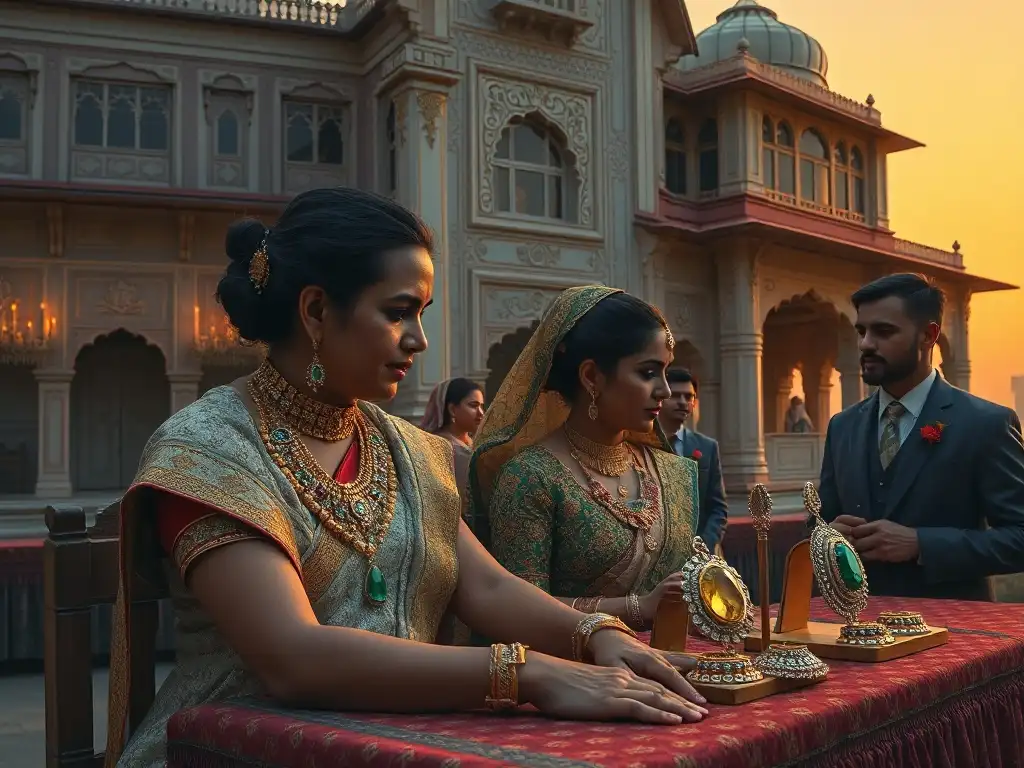
Gemstones have played a pivotal role in shaping the cultural fabric of Indian society throughout history. From ancient times, these precious stones have been not only symbols of wealth and power but also representations of spirituality and tradition. The significance of gemstones extends far beyond their aesthetic appeal; they are deeply intertwined with various aspects of Indian culture, including mythology, religion, and social hierarchy.
In Indian society, gemstones are often associated with specific qualities and influences. For instance, rubies are viewed as symbols of love and passion, while emeralds are believed to bring prosperity and success. This belief in the metaphysical properties of gemstones has led to their incorporation into various practices, such as astrology and Ayurveda. The use of gemstones in talismans and amulets is prevalent, with individuals often wearing them to harness positive energy and ward off negativity.
Furthermore, gemstones have historical significance as markers of status and identity. During royal eras, gemstones adorned the crowns and jewelry of kings and queens, signifying their power and lineage. Today, the legacy of these gemstone families continues to thrive, revealing insights into the social dynamics and cultural histories of different regions across India.
Gemstones in Indian Art and Architecture
The influence of gemstones is profoundly reflected in Indian art and architecture, particularly in the intricate designs and embellishments found in historical monuments. From the glorious Taj Mahal to ancient temples, gemstones have been used to enhance aesthetic beauty and convey spiritual symbolism.
The Mughal era is particularly notable for its lavish use of gemstones in architecture, where precious stones were embedded into the walls and ceilings of palaces and forts. This practice not only demonstrated the wealth of the empire but also served to inspire awe and reverence among visitors. The famous Pietra Dura technique, which incorporates semi-precious stones into marble, showcases the artistry and craftsmanship involved in creating stunning artworks that are both durable and visually captivating.
In addition to architecture, Indian art has also utilized gemstones in various forms, including paintings and sculptures. Artists often depict deities adorned with jewels, signifying their divine status and the reverence attributed to these stones. This artistic representation underscores the cultural connotations of gemstones as symbols of beauty, divine favor, and enduring legacy.
The Role of Gemstones in Indian Festivals and Rituals
Gemstones hold a significant place in the rituals and festivities celebrated across India. Various festivals are marked by the wearing and gifting of gemstones, reflecting their importance in cultural traditions. For example, during weddings, it is customary for brides to adorn themselves with exquisite gemstone jewelry, symbolizing wealth and prosperity that they bring to the new household.
In Hindu culture, certain gemstones are believed to have auspicious effects when worn during specific festivals. For instance, wearing yellow sapphire (Pukhraj) during Navratri is considered beneficial as it is associated with the worship of Goddess Durga. Similarly, during Diwali, the festival of lights, gemstones are often exchanged as gifts, emphasizing goodwill and prosperity for the coming year.
Rituals involving gemstones also extend to various religious practices, where stones are used in offerings and ceremonies. Many believe that certain gemstones can enhance spiritual connection and improve meditation practices. This ceremonial use underscores the deep-rooted belief in the power of gemstones to invoke divine blessings and enhance one's life.
Modern-Day Interpretation of India's Famous Gemstone Families
As the world evolves, so does the interpretation of India's famous gemstone families. Contemporary society witnesses a blend of traditional practices with modern aesthetics, leading to innovative approaches in the use of gemstones.
Contemporary Jewelry Designs Inspired by Ancient Traditions
Modern jewelry designers are increasingly drawing inspiration from India's rich heritage of gemstones, creating pieces that honor traditional craftsmanship while appealing to contemporary tastes. Through the fusion of old and new techniques, contemporary jewelry reflects the intricate patterns and designs that have characterized Indian adornments for centuries.
Designers are now exploring innovative ways to incorporate traditional gemstones, such as diamonds, emeralds, and sapphires, into modern settings. This approach not only preserves the cultural significance of these stones but also reinterprets them for today's fashion-forward audience. Many collections feature minimalist designs that highlight the natural beauty of gemstones, thus making them accessible to a broader range of consumers.
Such contemporary interpretations also promote sustainability and ethical sourcing, with many designers advocating for responsible practices in the gemstone industry. This shift emphasizes a deeper appreciation for the history and significance of gemstones, encouraging a new generation to value these treasures as both art and heritage.
Investment Opportunities in Indian Gemstones
The investment potential in Indian gemstones has garnered attention from collectors and investors alike. With a rich history of gemstone mining and trading, India remains a significant player in the global gemstone market. The demand for high-quality gemstones continues to rise, driven by both domestic and international markets.
Investing in gemstones can be a lucrative venture, provided one has the knowledge and expertise to navigate the complexities of the market. Factors such as rarity, quality, and provenance significantly influence the value of gemstones. For example, gemstones with historical significance or those belonging to renowned families often command higher prices.
Moreover, the rise of online marketplaces and auctions has made it easier for investors to acquire and sell gemstones. This accessibility has opened up new opportunities for investment, allowing enthusiasts to diversify their portfolios with tangible assets that possess intrinsic value. As awareness about the investment potential of gemstones grows, more individuals are exploring this path, solidifying the role of India's famous gemstone families in both cultural and economic landscapes.
Conclusion: The Enduring Legacy of India's Famous Gemstone Families
India's famous gemstone families have left an indelible mark on the world of jewelry, blending artistry with cultural significance. The rich traditions and craftsmanship associated with these families have not only elevated gemstones to objects of beauty but also to symbols of status and heritage. From the mesmerizing blue of Kashmir sapphires to the vibrant hues of Golconda diamonds, each gemstone tells a story that intertwines with India's history, mythology, and socio-economic development.
The legacy of these gemstone families is reflected in their influence on contemporary jewelry design. Modern artisans continue to draw inspiration from ancestral techniques, ensuring that the craftsmanship remains alive while adapting to current trends. Additionally, the global demand for Indian gemstones has led to a resurgence in the appreciation of these treasures, fostering economic growth in local communities.
As we reflect on the enduring legacy of India's famous gemstone families, it's essential to acknowledge their role in preserving traditions while paving the way for innovation in the gemstone industry. This duality not only honors the past but also shapes the future of jewelry-making in India, securing its place as a cornerstone of the country's cultural identity.
References and Further Reading
- Books
- "Indian Gemstones: A Comprehensive Guide" by R. K. Jain – A detailed exploration of various gemstones found in India, including their historical significance and uses.
- "The Art of Indian Jewelry" by Pratiksha S. – An insightful look into the craftsmanship and artistry of Indian jewelers through the ages.
- Articles
- "Gemstone Families of India: A Historical Perspective" – A scholarly article discussing the historical context of gemstone families in India.
- "Cultural Significance of Gemstones in Indian Traditions" – An exploration of how gemstones have played a role in Indian culture and rituals.
- Websites
- The Gemological Institute of America (GIA) – Offers resources and articles on gemstone identification and valuation.
- The International Gem Society (IGS) – Provides insights into gemstone families, characteristics, and market trends.
These resources will help deepen your understanding of India's famous gemstone families and their impact on both history and modern jewelry design.
- Introduction to India's Famous Gemstone Families
- The Historical Significance of Gemstones in India
- Major Gemstone Families in India
- Gemstone Mining Regions in India
- The Cultural Impact of Gemstones on Indian Society
- Modern-Day Interpretation of India's Famous Gemstone Families
- Conclusion: The Enduring Legacy of India's Famous Gemstone Families
- References and Further Reading
Frequently Asked Questions
What are India's famous gemstone families?
India's famous gemstone families include the Koh-i-Noor, the Hope Diamond, and the Nizam's Necklace, among others, each with a rich historical significance and cultural heritage.
How did India's gemstone families contribute to its history?
These gemstones have played a vital role in royalty and trade, influencing political alliances and showcasing the artistry of ancient Indian jewelers.
What is the significance of gemstones in ancient Indian culture?
In ancient India, gemstones were considered symbols of power, wealth, and spirituality, often used in jewelry, amulets, and decorative arts.
Are there specific regions in India known for gemstone production?
Yes, regions like Jaipur, Surat, and Mysore are renowned for their gemstone cutting and craftsmanship, contributing significantly to India's gemstone trade.
How can one learn more about India's gemstone history?
To learn more, one can explore books, documentaries, and museums dedicated to Indian history, or visit gemstone fairs and exhibitions to see these jewels firsthand.
Final Reflection: The Enduring Legacy of India's Famous Gemstone Families
In exploring India's famous gemstone families, we uncover not just the beauty of these exquisite jewels, but also the rich cultural heritage and craftsmanship that has been passed down through generations. Today, as we navigate a world increasingly focused on sustainability and ethical sourcing, the stories behind these gemstones remind us of the importance of preserving traditions while adapting to contemporary values. The allure of these gems is not merely in their physical beauty but in the narratives they carry, making them timeless treasures that resonate with our collective identity.
The influence of India's gemstone families extends beyond mere adornment; they shape cultural narratives and social dynamics. These jewels symbolize status, artistry, and the intricate relationship between nature and human creativity. The craftsmanship involved in creating these pieces reflects the dedication and skill of artisans, who have honed their craft over centuries. As Mahatma Gandhi once said, "The best way to find yourself is to lose yourself in the service of others." This sentiment echoes in the way these gemstones serve not just as personal possessions but as a means of supporting communities and preserving age-old traditions. Jewelry is like the perfect spice; it always complements what’s already there.
– Diane Von Furstenberg.
As we conclude this exploration of celebrated gemstone families, I invite you to reflect on the significance of these jewels in your own life. Consider how the values of craftsmanship, heritage, and ethical responsibility can influence your choices, whether in jewelry or beyond.
Let the stories of these gemstones inspire you to seek beauty in the world around you, to appreciate the artistry that enriches our lives, and to carry forward the legacy of respect and reverence for both culture and nature. Embrace the opportunity to connect with these narratives, and let them guide you in making choices that honor the past while shaping a brighter future.
Unveil the Sparkle of India's Gemstone Heritage!
Thank you for joining us on this journey through the enchanting world of India's most celebrated gemstones! We hope you've discovered the rich history and beauty behind these precious treasures. Now, it's time to take the next step and immerse yourself even deeper into India's vibrant gemstone culture.
Here are a few engaging actions you can take today:
- Explore local gemstone markets or exhibitions in your area to witness these stunning jewels up close.
- Share your favorite gemstone story from this journey with friends and family, sparking conversations about their unique allure.
- Join an online community or forum dedicated to gem enthusiasts to exchange knowledge and uncover more about these captivating stones.
What gemstone family resonates most with you, and how do you envision their beauty enriching your life? We'd love to hear your thoughts!