
Sacred Texts and Social Orders: The Dharma Shastras and Caste

Welcome to Ancient India History, where we embark on a captivating journey through the rich tapestry of ancient Indian civilizations. Here, we delve into the profound Dharma Shastras and the intricate caste system that shaped daily life and social orders for centuries. What role did these sacred texts play in establishing societal norms, and how do their echoes resonate in modern India? Join us as we unravel the complexities of these ancient doctrines and their enduring legacy, igniting your curiosity to explore the vibrant history and culture that define this remarkable era.
- Introduction to Dharma Shastras and Caste System
- The Dharma Shastras: Definition and Significance
- Structure of the Caste System as Described in the Dharma Shastras
- The Influence of Dharma Shastras on Social Norms and Ethics
- Case Studies: Historical Examples of Dharma Shastras in Practice
- Critiques and Revisions of the Caste System
- Conclusion: The Legacy of Dharma Shastras and Caste System in Contemporary India
- References and Further Reading
- Frequently Asked Questions
- Final Reflection: Understanding the Dharma Shastras and Their Enduring Impact on Caste
- Unveil the Power of Knowledge: Take Your Next Steps!
Introduction to Dharma Shastras and Caste System
The Dharma Shastras hold a pivotal place in understanding the intricate fabric of ancient Indian society, particularly in relation to the caste system. These sacred texts, which encompass a myriad of laws, duties, and ethical principles, were instrumental in shaping the social order of India.
By delineating the roles and responsibilities of various social groups, the Dharma Shastras not only provided a framework for personal conduct but also reinforced the hierarchical structure that characterized ancient Indian civilization. As we delve into this topic, we will explore the profound influence of these texts on social norms, behaviors, and the establishment of the caste system, examining how they contributed to the cultural and moral ethos of the time.
Understanding the Importance of Sacred Texts in Ancient India
The Dharma Shastras are a collection of ancient Indian scriptures that offer guidance on moral and ethical conduct, law, and societal duties. Among the most notable texts are the Manu Smriti, Yajnavalkya Smriti, and Narada Smriti, each providing insights into the values and norms of the time. These texts were not merely legal codes; they embodied the philosophical and spiritual underpinnings of society.
- Moral Framework: The Dharma Shastras articulated what was considered righteous (dharma) and laid down rules for personal conduct, family relations, and community interactions.
- Social Order: They defined the duties and responsibilities of different social classes, effectively shaping the caste system. The texts provided a rationale for the stratification of society into various groups, thereby institutionalizing these divisions.
- Cultural Transmission: Through oral tradition and later written forms, the teachings of the Dharma Shastras were passed down generations, ensuring that their principles remained embedded in the social consciousness of the Indian populace.
The ongoing relevance of these texts can be seen in contemporary discussions about ethics, law, and social justice in India, highlighting their enduring legacy.
Overview of the Caste System in Indian Society
The caste system, or varna system, is a complex social hierarchy that has evolved over centuries in India. Rooted in ancient texts, especially the Dharma Shastras, the caste system classifies individuals based on their occupational roles and social standing. Traditionally, it consists of four primary varnas:
- Brahmins: Priests and scholars responsible for religious rituals and the preservation of sacred knowledge.
- Kshatriyas: Warriors and rulers tasked with governance and protection of the realm.
- Vaishyas: Merchants and agriculturists engaged in trade and agriculture.
- Shudras: Laborers and service providers who support the other three varnas.
Impact on Society
The caste system has had profound implications for social organization, influencing aspects such as marriage, occupation, and social interactions. However, it is essential to recognize that the rigidity of this system has led to significant social stratification and discrimination, particularly towards the Dalits (previously known as "Untouchables"), who have historically faced marginalization.
The interplay between the Dharma Shastras and the caste system illustrates the complexities of ancient Indian society, revealing how sacred texts can both guide ethical conduct and reinforce social hierarchies. Understanding this duality is crucial for comprehending the historical context and evolution of social structures in ancient India.
The Dharma Shastras: Definition and Significance
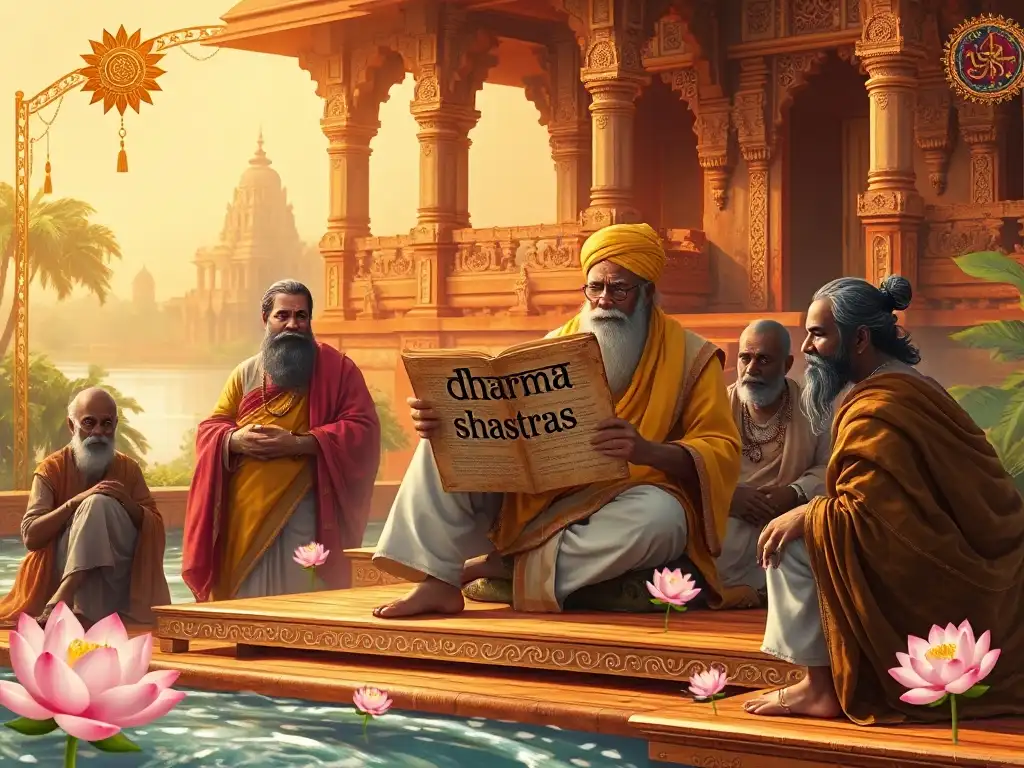
The Dharma Shastras are a collection of ancient Indian texts that provide guidelines for ethical conduct and social order. They are crucial for understanding the principles of dharma, which encompasses duty, morality, and law within Hindu society. The significance of the Dharma Shastras lies in their comprehensive coverage of various aspects of life, including family, property, and social responsibilities, thus serving as a legal and moral framework for ancient Indian civilization.
These texts illustrate how social norms and values were codified, helping to establish a structured society. They provide insight into the ideological foundations of the caste system, detailing the responsibilities and duties associated with various social classes. By doing this, the Dharma Shastras not only reflect the societal values of their time but also influence subsequent generations' understanding of social hierarchy and ethics.
Historical Context of the Dharma Shastras
The origins of the Dharma Shastras can be traced back to the Vedic period (approximately 1500-500 BCE), a time marked by the emergence of complex social structures in ancient India. The transition from a tribal society to a more organized social order necessitated guidelines for personal conduct and societal interactions.
During this period, various regional and cultural influences contributed to the development of these texts. The Manusmriti, one of the earliest and most influential Dharma Shastras, was composed around the 2nd century BCE to the 2nd century CE. It synthesizes earlier Vedic teachings with contemporary practices, addressing the changing dynamics of society.
The Dharma Shastras were not static; they evolved over time to incorporate local customs and practices. As such, they represent a critical dialogue between tradition and adaptation, showcasing how ancient Indian civilizations negotiated their identities within a rapidly changing world.
Key Texts within the Dharma Shastras
The Dharma Shastras encompass several key texts, each contributing to the understanding of dharma and social order. Some of the most notable include:
- Manusmriti (Laws of Manu): Often regarded as the foundational text of Hindu law, it outlines duties, rights, and responsibilities across various social classes.
- Yajnavalkya Smriti: This text is particularly significant for its insights into family law and civil rights, presenting a more progressive view compared to the Manusmriti.
- Narada Smriti: Focusing on the legal aspects of society, this text discusses the administration of justice and the role of kings, emphasizing the importance of dharma in governance.
- Brihaspati Smriti: This work is notable for its detailed treatment of legal procedures and the importance of social contracts in maintaining order.
Each of these texts contributes to the broader understanding of the Dharma Shastras and caste system, providing varied perspectives on duties and rights associated with different social classes, thereby illustrating the complexity of ancient Indian social structure.
The Dharma Shastras played a pivotal role in establishing and reinforcing the caste system in ancient India. They codified the responsibilities and privileges of each caste, creating a framework for social interactions that dictated not only individual behavior but also broader societal organization.
- Classification of Society: The texts outlined the four primary varnas (social classes)—Brahmins, Kshatriyas, Vaishyas, and Shudras—defining their roles and responsibilities. This classification was instrumental in creating a hierarchical structure that persists in various forms to this day.
- Regulation of Conduct: The Dharma Shastras provided detailed regulations regarding marriage, profession, and social interactions, which helped maintain the boundaries between different castes.
- Legitimization of Social Hierarchy: By associating dharma with social status, these texts effectively legitimized the caste system, intertwining ethical conduct with social order. The belief that adherence to one's dharma resulted in spiritual merit reinforced the stratified society.
Through these mechanisms, the Dharma Shastras not only influenced individual behavior but also shaped the entire social fabric of ancient India, leaving a legacy that continues to affect contemporary societal dynamics. The interplay between the Dharma Shastras and the caste system highlights the intricate relationship between religion, law, and social structure in ancient Indian civilization.
Structure of the Caste System as Described in the Dharma Shastras
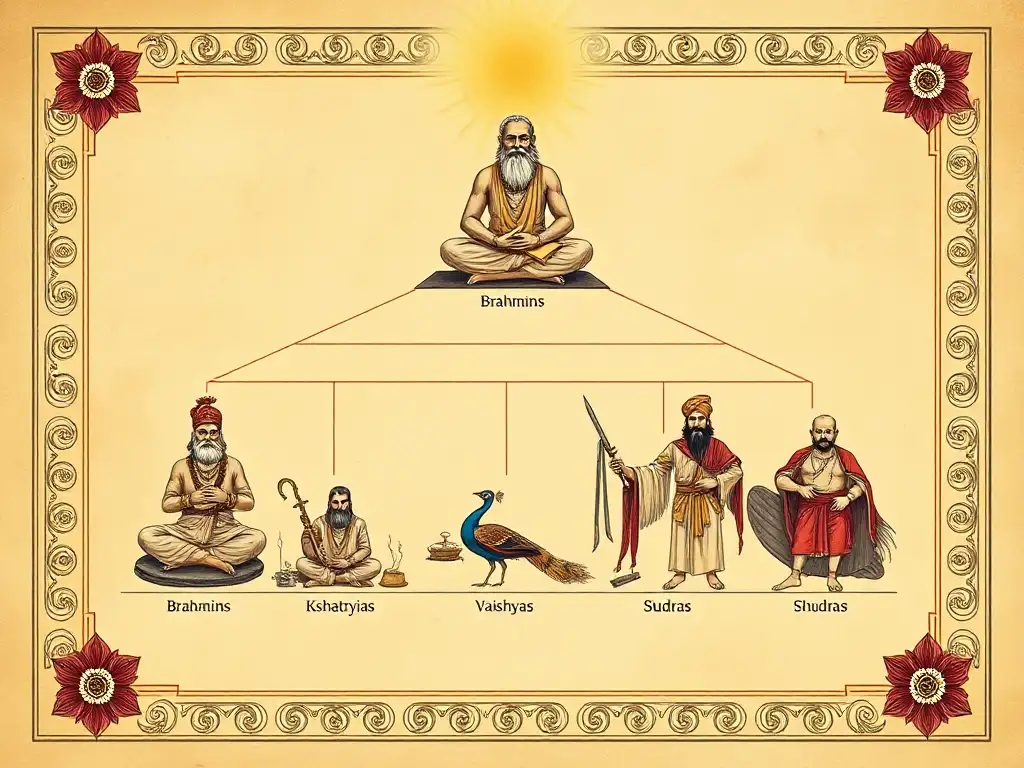
The Dharma Shastras provide a comprehensive framework for understanding the caste system in ancient India. These texts, which are integral to Hindu law and ethics, outline the social stratification that characterized Indian society. The caste system, as detailed in the Dharma Shastras, is primarily organized into four main categories, known as varnas. Each varna is associated with specific duties, responsibilities, and societal roles that were believed to contribute to the overall harmony and function of society.
The Four Main Varna Categories
The four varna categories are foundational to the caste system, each serving distinct purposes within the social hierarchy. Below is a detailed exploration of each varna and their societal roles:
Brahmins: The Priestly Class
Brahmins occupy the highest position in the varna hierarchy. Traditionally, they are responsible for religious rituals, the study and teaching of sacred texts, and the preservation of spiritual knowledge. Their primary duties include:
- Performing rituals: Brahmins conduct various religious ceremonies, including sacrificial rites and rites of passage.
- Teaching and scholarship: They are tasked with studying the Vedas and other sacred texts, ensuring the transmission of knowledge across generations.
- Advisory roles: Brahmins often serve as advisors to kings and leaders, guiding them in matters of governance and ethics.
The societal influence of Brahmins extends beyond religious duties; they are regarded as custodians of knowledge and spirituality, shaping the moral framework of society.
Kshatriyas: The Warrior Class
The Kshatriyas are the warrior class, positioned just below the Brahmins in the caste hierarchy. Their main responsibilities revolve around governance, protection, and military service. Key aspects of the Kshatriya role include:
- Defense of the realm: Kshatriyas are tasked with protecting their territory from external threats and maintaining law and order.
- Leadership: They often hold positions of power, such as kings and nobles, responsible for governance and administration.
- Fostering justice: Kshatriyas are expected to uphold dharma (righteousness) and ensure justice within their domains.
The Kshatriyas' emphasis on valor and leadership is crucial for maintaining the stability and security of society.
Vaishyas: The Merchant Class
Vaishyas, the merchant class, are integral to the economic framework of ancient Indian society. Their primary duties include:
- Trade and commerce: Vaishyas are engaged in agriculture, trade, and various business activities, contributing to the economic prosperity of the community.
- Wealth management: They play a vital role in accumulating and distributing wealth, ensuring economic stability.
- Support for other varnas: By generating wealth, Vaishyas support the Brahmins and Kshatriyas, creating an interdependent social structure.
The Vaishyas' role as economic agents underscores the importance of commerce in sustaining the social order.
Shudras: The Laboring Class
At the bottom of the varna hierarchy are the Shudras, who perform the essential labor that supports the functioning of society. Their responsibilities include:
- Servitude and manual labor: Shudras are primarily engaged in various forms of labor, working as artisans, farmers, and service providers.
- Support roles: They provide necessary services to the other three varnas, ensuring the smooth operation of daily life.
- Community building: Despite their lower status, Shudras contribute significantly to the local economy and social fabric.
The Shudras' role is critical in maintaining the day-to-day operations of society, reflecting the interconnectedness of the varna system.
Subcategories and Jatis within the Caste System
Beyond the four primary varnas, the caste system in ancient India is further divided into numerous subcategories known as jatis. These jatis reflect the complexity and diversity of social roles within each varna, influenced by factors such as profession, region, and community practices.
- Regional variations: Different regions in India often have unique jatis, leading to a rich tapestry of social identities.
- Occupation-based divisions: Many jatis are organized around specific occupations, creating a more granular social structure. For instance, within the Vaishya varna, there are jatis for traders, farmers, and artisans.
- Social mobility: While the Dharma Shastras emphasize the rigidity of the caste system, historical evidence indicates some degree of social mobility, allowing individuals to change their jati based on merit or circumstances.
The existence of jatis illustrates the adaptability and complexity of the caste system, highlighting how it evolved to meet the diverse needs of ancient Indian society.
The Dharma Shastras provide a detailed blueprint of the caste system, emphasizing the roles and responsibilities of each varna and the intricate web of jatis that populate this social hierarchy. Understanding these structures is essential for grasping the broader social dynamics of ancient India.
The Fluidity and Rigidity of Caste Roles
The caste system in ancient India, as articulated in the Dharma Shastras, presents a complex interplay between fluidity and rigidity in social roles. This duality is critical to understanding how caste functions within the broader social fabric of ancient Indian civilization.
On one hand, the Dharma Shastras, particularly texts like the Manusmriti, outline a rigid structure of castes categorized primarily into four major varnas: Brahmins (priests and scholars), Kshatriyas (warriors and rulers), Vaishyas (traders and agriculturists), and Shudras (laborers and service providers). Each varna is associated with specific duties (dharma), rituals, and social expectations that dictate the roles individuals must fulfill. This rigidity reinforces social hierarchies and perpetuates the idea of hereditary occupation, making it challenging for individuals to migrate between castes or varnas.
However, historical evidence suggests that there were instances of fluidity within the caste system. The texts acknowledge that individuals could ascend or descend in caste status based on their actions, conduct, or achievements. For instance, a person of lower caste might attain a higher status through exemplary behavior or significant contributions to society, such as military prowess or scholarly excellence. Moreover, the rise of new occupational groups and regional variations further contributed to a more dynamic interpretation of caste roles, allowing for some degree of social mobility.
This interplay between rigidity and fluidity is reflected in various historical case studies. For example, during the Mauryan Empire (322-185 BCE), the increasing prominence of trade and commerce led to the emergence of wealthy merchant classes that began to challenge the traditional hierarchies. Similarly, the Bhakti movement and later social reform movements questioned the strictures of caste, advocating for a more egalitarian society.
While the Dharma Shastras provide a framework that emphasizes the rigidity of caste roles, historical contexts reveal an underlying fluidity that allowed for some negotiation of status and identity. This complexity illustrates how the caste system was not merely a static structure but a dynamic social system that evolved over time, influenced by various cultural, economic, and political factors. Understanding this duality is essential for a comprehensive view of ancient Indian society and its social stratification.
The Dharma Shastras, a collection of ancient Indian texts, have played a pivotal role in shaping social norms and ethical principles throughout India's history. These texts, primarily composed between 200 BCE and 200 CE, provide a framework for moral conduct, duties, and societal responsibilities that significantly influenced the structure of Indian society.
The primary text within the Dharma Shastras is the Manusmriti, which outlines the responsibilities of individuals based on their position within the caste system. This text emphasizes the importance of adhering to one's dharma, or duty, which varies depending on an individual's caste and stage of life (ashrama). The adherence to dharma is not merely a social obligation; it is presented as a moral imperative that aligns with cosmic order (ṛta).
The Dharma Shastras articulate a comprehensive set of moral guidelines that govern personal behavior, family dynamics, and community interactions. Key aspects include:
- Code of Conduct: The Dharma Shastras prescribe specific duties (dharma) for each caste, emphasizing the importance of fulfilling one's social role. For example:
- Brahmins: Responsible for teaching, studying, and performing rituals.
- Kshatriyas: Duty to protect and govern.
- Vaishyas: Engaged in trade and agriculture.
- Shudras: Tasked with serving the above three varnas.
- Social Responsibilities: Each caste has defined social responsibilities that contribute to the overall harmony of society. These responsibilities foster interdependence among castes, reinforcing the social fabric of ancient India.
- Rituals and Ethics: Ethical conduct in daily life, including truthfulness, non-violence (ahimsa), and compassion, is heavily emphasized. The Dharma Shastras illustrate how these values underpin personal and societal well-being.
The moral framework established by the Dharma Shastras has not only influenced ancient Indian society but also continues to resonate in contemporary discussions about ethics and social responsibility.
The Concept of Dharma and its Implications for the Caste System
The term dharma encapsulates a multifaceted concept that extends beyond mere duty. It embodies righteousness, moral law, and ethical conduct, forming the backbone of the caste system. The implications of dharma on the caste system can be observed through several dimensions:
- Hierarchical Structure: Dharma reinforces the hierarchical nature of the caste system, where individuals are expected to perform their duties based on their caste. This structure is justified by the belief that each caste contributes uniquely to societal stability and prosperity.
- Social Mobility: While the Dharma Shastras outline rigid roles within the caste system, they also suggest that adherence to dharma can lead to spiritual progress and potential social mobility in future incarnations. This belief in karma and rebirth provides a sense of hope for individuals seeking to transcend their current social status.
- Cultural Continuity: The concept of dharma fosters cultural continuity and stability within society. By adhering to prescribed roles and responsibilities, individuals contribute to a collective identity that binds communities together.
- Critique and Adaptation: In contemporary discourse, the implications of dharma and the caste system are subjects of critique and adaptation. Modern interpretations of dharma challenge traditional norms, advocating for social justice and equality, reflecting the evolving nature of Indian society.
The Dharma Shastras offer profound insights into the moral and ethical foundations of ancient Indian society. Their influence on the caste system and social norms has been instrumental in shaping the lived experiences of millions throughout history, while also laying the groundwork for ongoing discussions about caste, duty, and ethics in contemporary India.
Case Studies: Historical Examples of Dharma Shastras in Practice
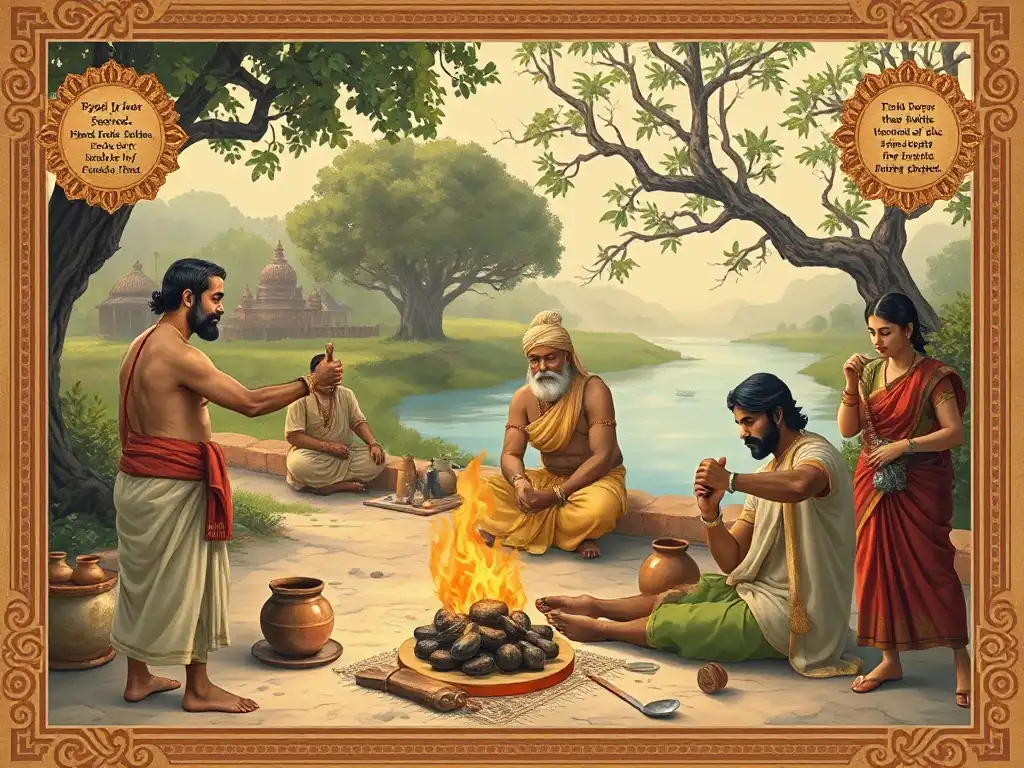
The Dharma Shastras, as ancient legal texts, played a pivotal role in shaping the societal framework of ancient India. These texts provided guidelines for moral conduct, legal principles, and the organization of society, particularly influencing the caste system. This section explores specific historical examples that illustrate how the Dharma Shastras were implemented in various ancient Indian kingdoms and their lasting impacts.
The Role of Dharma in Ancient Indian Kingdoms
Dharma, as articulated in the Dharma Shastras, was fundamental to governance and social order in ancient Indian kingdoms. The texts emphasized the importance of righteous behavior and the duties associated with different social classes, or varnas. Here are some notable examples:
- Maurya Empire (4th to 2nd century BCE)
- The Mauryan rulers, particularly Ashoka, were known to have embraced the principles of Dharma as prescribed in the Dharma Shastras.
- Ashoka's edicts reflect the integration of moral governance with legal authority. He promoted non-violence and sustainability, aligning his policies with the broader concepts of Dharma.
- Gupta Empire (4th to 6th century CE)
- The Gupta period is often referred to as the "Golden Age" of ancient India, where the caste system became more pronounced.
- The Dharma Shastras, especially texts like the Manusmriti, provided the framework for social stratification, prescribing specific duties (dharma) for each caste, thereby legitimizing their roles within society.
- Chola Dynasty (9th to 13th century CE)
- The Chola kings utilized Dharma Shastras in their administration to maintain social order and ensure adherence to caste duties.
- The establishment of temples as centers of economic and social activity reinforced caste hierarchies, with specific roles assigned to different groups in temple management and rituals.
These examples demonstrate how the Dharma Shastras influenced the political landscape, providing rulers with a moral compass to guide their governance and societal structure.
The implementation of the Dharma Shastras had profound implications on daily life and social interactions within ancient Indian society. The caste system, supported by these texts, dictated various aspects of life, from occupational choices to social relationships. Key impacts include:
- Occupational Specialization
- The Dharma Shastras categorized society into distinct castes, each associated with specific occupations. This specialization facilitated economic organization but also restricted mobility. For instance, artisans and merchants were often confined to their family professions, reinforcing caste boundaries.
- Marriage and Family Dynamics
- Marital practices were heavily influenced by caste regulations. Inter-caste marriages were generally frowned upon, as they threatened the social order and the purity of caste lines. This preservation of caste identity was crucial for maintaining social cohesion and stability.
- Religious and Ritual Practices
- Rituals and religious duties were often caste-specific, as outlined in the Dharma Shastras. Each caste had designated rites, which reinforced their roles and responsibilities within the community. For example, Brahmins were primarily responsible for conducting rituals, whereas Shudras were expected to serve the higher castes.
- Social Hierarchies and Discrimination
- The strict adherence to the caste system, as prescribed by the Dharma Shastras, led to entrenched social hierarchies, resulting in discrimination against lower castes. This social stratification fostered a culture of inequality, where the rights and privileges of individuals were largely determined by their caste affiliation.
The Dharma Shastras not only shaped the legal and moral frameworks of ancient Indian kingdoms but also profoundly impacted daily life and social interactions. Their influence on the caste system has left a legacy that is still felt in contemporary Indian society, making the study of these ancient texts essential for understanding the historical context of social structures in India.
Critiques and Revisions of the Caste System
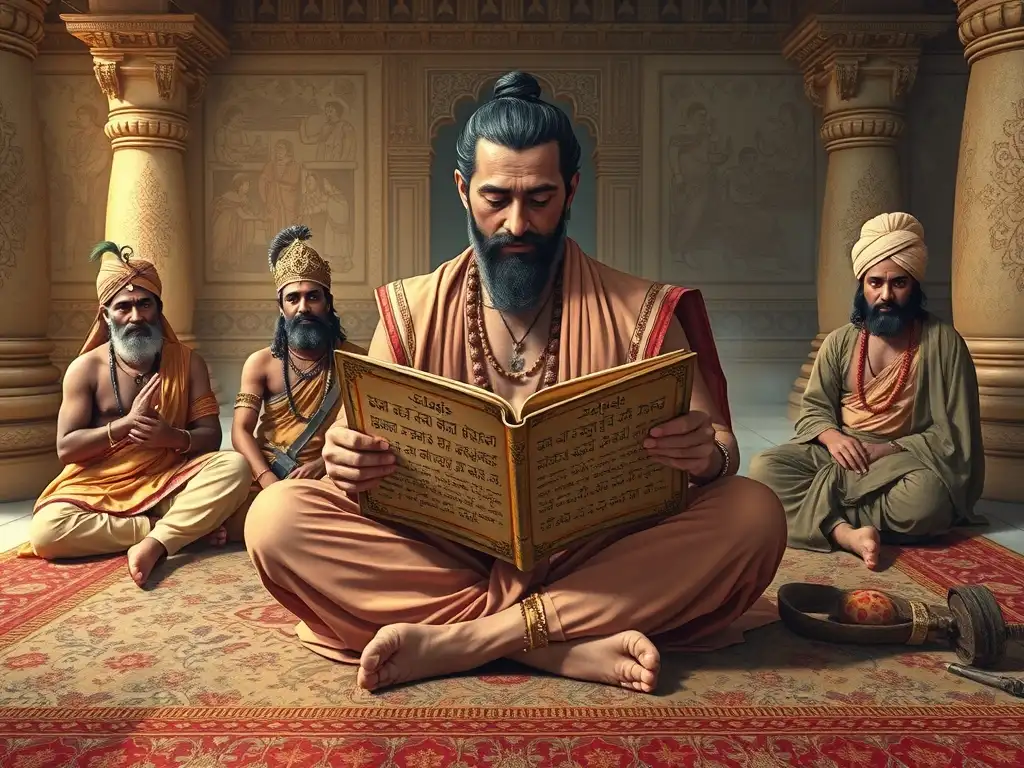
The caste system in India, deeply intertwined with the Dharma Shastras, has faced various critiques and calls for revision throughout history. These critiques focus on the social, moral, and ethical implications of caste divisions, as well as their impact on individual rights and societal progress.
Historical Critiques of the Dharma Shastras
Historically, critiques of the Dharma Shastras arose from various scholars and social reformers who highlighted the rigid and often oppressive nature of the caste system. Early critiques can be traced back to Buddhist texts, which rejected the hierarchical divisions that the Dharma Shastras endorsed. For instance, Gautama Buddha emphasized equality and compassion, advocating for a society free from caste discrimination.
Key Historical Critiques:
- Buddhism and Jainism: These religions challenged the caste system, promoting egalitarian ideals and social justice. They argued that spiritual attainment should not be determined by birth.
- Medieval Reform Movements: Saints like Ravidas, Kabir, and Namdev critiqued the caste system through their poetry and teachings, emphasizing devotion and personal faith over caste identity.
- Colonial Era Reforms: With British colonial rule, scholars and reformers like B.R. Ambedkar critiqued the Dharma Shastras for perpetuating social injustices. Ambedkar, himself a Dalit, argued for the abolition of the caste system and sought to create a more inclusive society.
Modern Perspectives on Caste and Dharma
In contemporary times, the caste system continues to be a subject of intense debate, with various perspectives emerging from sociologists, anthropologists, and political theorists.
Key Modern Perspectives:
- Social Justice and Affirmative Action: Many modern advocates argue for the need to dismantle caste hierarchies and promote affirmative action policies to uplift marginalized communities. The Indian Constitution, drafted by Ambedkar, included provisions to combat caste discrimination and promote equality.
- Caste in Urban Settings: Recent studies indicate that while traditional caste identities remain influential, urbanization and globalization have altered caste dynamics. New forms of social mobility and interaction are reshaping how caste is perceived and experienced.
- Caste and Economic Development: Scholars argue that the persistence of caste-based discrimination hampers economic development. They highlight that social stratification limits access to education and employment opportunities for lower castes, affecting overall national growth.
- Feminist Perspectives: Feminist critiques emphasize the intersectionality of caste and gender, pointing out how women from lower castes face compounded discrimination. Notable voices in this discourse argue for a more nuanced understanding of how caste operates within gendered frameworks.
Conclusion
The critiques and revisions of the caste system, as articulated through historical and modern perspectives, indicate a continuous struggle for justice and equality. The Dharma Shastras, while foundational texts in understanding ancient Indian society, are increasingly scrutinized in light of contemporary values that prioritize human rights and social equity. The ongoing dialogue surrounding the Dharma Shastras and caste system reflects a society grappling with its past while striving towards a more inclusive future.
Conclusion: The Legacy of Dharma Shastras and Caste System in Contemporary India
The influence of the Dharma Shastras on the caste system has left an indelible mark on contemporary Indian society. These ancient texts, which codify the principles of righteousness and social hierarchy, continue to shape social interactions, community identities, and even national policies. While the original intent of the Dharma Shastras may have been to promote order and harmony within society, their interpretations over centuries have often led to exclusion and discrimination, raising essential questions about justice and equity in modern contexts.
The Dharma Shastras, particularly texts like the Manusmriti, have delineated roles and responsibilities within society that have persisted through generations. They provide a framework for social organization that has been both influential and controversial. The following aspects illustrate their ongoing impacts:
- Social Hierarchies: The caste system, as outlined in the Dharma Shastras, established a clear hierarchy among various social groups. This framework continues to govern many aspects of daily life, influencing marriage, occupation, and community interactions.
- Legal Frameworks: Modern legal systems in India have, at times, drawn upon the principles found in these ancient texts. Although the Indian Constitution aims to abolish caste discrimination, remnants of the Dharma Shastras can still be seen in certain customary laws and practices.
- Cultural Practices: Many rituals, festivals, and social customs are deeply rooted in the caste system as articulated by the Dharma Shastras. This cultural legacy affects everything from food practices to social gatherings, perpetuating traditional divisions.
- Educational Disparities: Access to education and professional opportunities often reflects caste-based distinctions. The historical precedence set by the Dharma Shastras contributes to ongoing debates about affirmative action and social justice in education and employment sectors.
Reflections on the Evolution of the Caste System
The caste system's evolution reflects a dynamic interplay between tradition and modernity. Over time, various socio-political movements have sought to challenge and redefine the rigid structures established by the Dharma Shastras. Key points of reflection include:
- Reform Movements: Leaders such as B.R. Ambedkar and social reformers have played pivotal roles in advocating for the rights of the marginalized. Their efforts have led to significant legal reforms aimed at dismantling caste-based discrimination and promoting equality.
- Social Mobility: The emergence of new economic opportunities and globalization has contributed to changing perceptions of caste. For many, caste identity has become less rigid, allowing for greater social mobility and inter-caste marriages.
- Contemporary Challenges: Despite progress, caste-based discrimination persists in various forms, often manifesting in socio-economic disparities. The legacy of the Dharma Shastras continues to be a contentious issue, as society grapples with the challenge of reconciling ancient traditions with modern values of equality and justice.
- Future Perspectives: As India continues to evolve, the dialogue surrounding the Dharma Shastras and the caste system remains critical. Engaging with these texts and their implications can foster a more inclusive society that respects diversity while promoting social harmony.
The Dharma Shastras and the caste system have played a significant role in shaping Indian society. Their legacy continues to influence contemporary social structures, prompting both reflection and action towards a more equitable future.
References and Further Reading
Suggested Texts for Understanding Dharma Shastras and Caste
To gain a comprehensive understanding of the Dharma Shastras and caste system, several foundational texts and modern interpretations should be considered. Below is a curated list of essential readings:
-
Manusmriti (Manu Smriti)
Often regarded as the most authoritative of the Dharma Shastras, this ancient text provides insights into the social order, codes of conduct, and the roles of different castes in society.
-
Yajnavalkya Smriti
This text is another cornerstone of Hindu law and ethics, presenting unique perspectives on duties and social responsibilities, including those related to the caste hierarchy.
-
Narada Smriti
This Dharma Shastra outlines various aspects of law and governance, including the roles of different castes and the administration of justice.
-
The Bhagavad Gita
While primarily a spiritual text, the Gita addresses the concept of duty (dharma) and righteousness, intertwined with the social obligations associated with caste.
-
"Caste in Ancient India" by Romila Thapar
A modern analysis exploring the evolution of caste systems in ancient India, examining archaeological evidence and historical narratives.
-
"The Evolution of Caste in India" by G. S. Ghurye
This text provides an in-depth sociological perspective on the origins and transformations of the caste system throughout Indian history.
Academic Articles and Journals on Ancient Indian Society
For those seeking scholarly insights into the Dharma Shastras and caste system, numerous academic articles and journals delve into these complex topics. Some noteworthy sources include:
-
"The Caste System in India: A Historical Perspective"
This article discusses the historical roots of the caste system, examining how the Dharma Shastras have influenced its development over time.
-
"Understanding the Manusmriti: Context and Critique"
A critical analysis of the Manusmriti, focusing on its implications for social order and caste dynamics in ancient Indian society.
-
Journal of Hindu Studies
This journal frequently publishes articles related to Hindu law, ethics, and social structures, providing a platform for ongoing research on the Dharma Shastras.
-
"Caste and Class in Ancient India"
This academic paper explores the interplay between caste and social class, providing insights into how these systems were shaped by the Dharma Shastras.
-
"Rethinking Caste: Theoretical Perspectives"
An exploration of various theoretical frameworks for understanding caste, including perspectives rooted in the Dharma Shastras and contemporary sociological analysis.
These texts and articles serve as invaluable resources for anyone interested in deepening their knowledge of the Dharma Shastras and caste system, offering diverse perspectives and interpretations that enhance our understanding of ancient Indian civilization.
Frequently Asked Questions
What are the Dharma Shastras?
The Dharma Shastras are ancient Indian texts that outline the moral and legal codes of conduct for individuals and society, playing a crucial role in shaping social orders.
How do the Dharma Shastras relate to the caste system?
The Dharma Shastras provide guidelines that define the roles and duties of different castes, establishing a framework for the caste system that organized society into hierarchical groups.
What is the significance of the caste system in ancient India?
The caste system was pivotal in maintaining social order and stability, influencing various aspects of life, including occupation, marriage, and social interactions among different groups.
How did the Dharma Shastras influence modern Indian society?
The teachings of the Dharma Shastras continue to influence contemporary discussions on social justice, equality, and the relevance of the caste system in today's world.
Are the Dharma Shastras still relevant today?
While the Dharma Shastras are historically significant, their relevance is debated, as many advocate for a more egalitarian society that challenges the traditional caste system.
Final Reflection: Understanding the Dharma Shastras and Their Enduring Impact on Caste
The exploration of the Dharma Shastras and the caste system reveals a complex interplay between sacred texts and social structures that continues to resonate in contemporary society. As we navigate a world increasingly aware of social justice and equality, the lessons embedded within these ancient texts challenge us to reconsider the frameworks that govern our lives today. The caste system, rooted in these scriptures, serves as a stark reminder of how religious and cultural narratives can shape societal hierarchies and influence personal identities.
The ongoing influence of the Dharma Shastras on the cultural and social landscape cannot be understated. These texts not only codified social norms but also provided a religious justification for the stratification of society. As we witness movements advocating for equality and justice, the echoes of the Dharma Shastras remind us of the need for critical engagement with our traditions. Tradition is not the worship of ashes, but the preservation of fire.
This quote encapsulates the essence of our responsibility: to honor our heritage while igniting a progressive dialogue that dismantles oppressive structures.
As we reflect on the insights gained from the Dharma Shastras and their implications for the caste system, let us challenge ourselves to engage with these teachings in a transformative way. Consider how the principles of justice, equity, and compassion can be woven into the fabric of our lives.
Embrace the opportunity to reflect on your own beliefs and actions, and strive to contribute to a society that values every individual, regardless of their background. The journey toward understanding and dismantling the remnants of the caste system begins with each of us, and together, we can foster a future that honors diversity and promotes inclusivity.
Unveil the Power of Knowledge: Take Your Next Steps!
Thank you for diving into our exploration of the Dharma Shastras and the complexities of social orders in ancient India! You've gained valuable insights into how these sacred texts influenced societal structures, but the journey doesn't have to end here. Let’s continue this enlightening exploration together!
Here are some actionable steps you can take right now:
- Dive Deeper: Read a translation of a Dharma Shastra to understand its teachings firsthand. Their profound wisdom still resonates today!
- Engage with Community: Join an online forum dedicated to Ancient Indian history to share your thoughts and discuss the implications of caste systems in contemporary society with fellow history enthusiasts.
- Spread Awareness: Share this article with friends and family who are interested in ancient philosophies and their relevance in modern times. Let’s foster curiosity and discussion!
What aspects of the Dharma Shastras do you find most compelling, and how do you think they impact our understanding of social structures today?