
The Historical Complexity of Caste: Myths vs. Realities in Ancient India


Welcome to Ancient India History, where we embark on a captivating journey through the rich tapestry of India's past. Dive deep into the complexities of the caste system in ancient India, a topic that has sparked intense debate and curiosity over the centuries. Our latest article, "The Historical Complexity of Caste: Myths vs.
Realities in Ancient India," seeks to unravel the intricate layers of this social structure, challenging common misconceptions while illuminating its profound impact on daily life and society. Prepare to explore the nuances of a civilization that shaped not only a nation but also the world. Join us as we uncover the truths hidden within the sands of time!
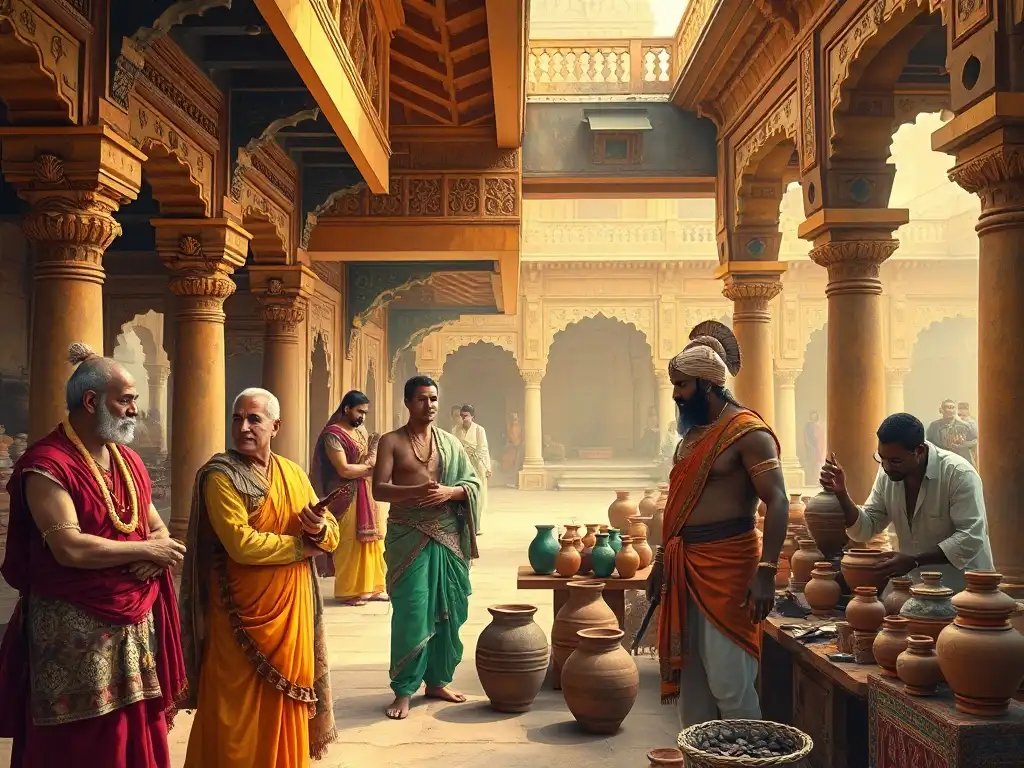
Introduction to the Caste System in Ancient India
The caste system in ancient India is a subject of profound complexity and ongoing debate. Rooted in a blend of social, economic, and cultural factors, it has evolved over millennia, shaping and reflecting the dynamics of Indian society. This intricate social stratification has often been oversimplified and misrepresented, leading to widespread myths that obscure its true nature.
As we delve into the historical context of the caste system, it becomes crucial to discern between fact and fiction, examining how this system influenced ancient Indian civilizations from the Indus Valley to the Gupta Empire. Understanding the realities of the caste system not only enriches our knowledge of ancient Indian society but also challenges contemporary perceptions that persist in modern discourse.
Understanding the Caste System: Definitions and Origins
To grasp the essence of the caste system, we must first define its key components. The term "caste" derives from the Portuguese word casta, which refers to lineage or breed. In the Indian context, it relates to a hierarchical social ordering that categorizes individuals into distinct groups known as varnas and jatis. These classifications were originally based on occupational roles and duties, which later became entwined with notions of purity and social status.
The origins of the caste system can be traced back to the Vedic texts, where society was initially divided into four primary varnas:
- Brahmins: The priestly class, responsible for religious rituals and the preservation of sacred knowledge.
- Kshatriyas: The warrior and ruling class, tasked with governance and protection of the realm.
- Vaishyas: The merchant class, engaged in trade and agriculture.
- Shudras: The laboring class, responsible for serving the higher varnas.
Over time, these broad categories evolved into hundreds of jatis, reflecting local customs, professions, and regional variations. This diversification indicates that the caste system was not a monolithic structure but rather a dynamic social framework that adapted to changing circumstances.
The Importance of Studying Caste in Ancient Indian Society
Examining the caste system is essential for several reasons. First, it provides insight into the social fabric of ancient India, revealing how interpersonal relationships, power dynamics, and cultural identities were shaped. Second, understanding caste helps to illuminate the historical context of social justice and equity issues that resonate in contemporary India. Lastly, a nuanced study of caste encourages a reassessment of the contributions of various groups within ancient Indian civilization, highlighting the richness and diversity of its social landscape.
Myths Surrounding the Caste System in Ancient India
Despite its historical significance, the caste system is often enveloped in misconceptions. These myths can distort our understanding of its role in ancient society and perpetuate stereotypes that continue to affect modern perceptions.
Myth 1: The Caste System is a Rigid and Unchangeable Hierarchy
One prevalent myth is that the caste system represents a fixed and unyielding hierarchy, where individuals are perpetually confined to their assigned caste. However, historical evidence suggests that the caste system was more fluid than commonly believed. While certain social norms dictated interactions between castes, many individuals experienced mobility through various means, including marriage, occupation, and even the patronage of powerful figures.
Myth 2: Caste Determines One's Occupation Exclusively
Another misconception is that caste solely determines one’s profession. Although traditional roles were often assigned based on caste, the reality was more complex. Economic demands, regional variations, and individual aspirations played significant roles in shaping occupational choices. Many people pursued careers outside their caste's traditional boundaries, contributing to the diverse fabric of ancient Indian economy and society.
Myth 3: Caste is Only Linked to Religion
Lastly, the myth that the caste system is exclusively tied to religious beliefs overlooks its socio-economic dimensions. While religious texts provided a framework for caste divisions, the realities of caste were heavily influenced by economic factors, local customs, and historical developments. In this way, caste transcended mere religious categorization, functioning as a comprehensive social system that impacted various aspects of daily life in ancient India.
Through dismantling these myths, we can foster a deeper understanding of the caste system in ancient India, recognizing its complexities and acknowledging the diverse experiences of those who lived within it.
Realities of the Caste System in Ancient India
The caste system in ancient India was a multifaceted social structure that went beyond the simplistic and rigid classifications often depicted in modern narratives. While the system is commonly associated with the four primary varnas—Brahmins (priests and scholars), Kshatriyas (warriors and rulers), Vaishyas (traders and agriculturists), and Shudras (laborers and service providers)—the reality was far more complex. Each of these categories encompassed numerous sub-castes or jatis, leading to a diverse and layered social hierarchy.
Moreover, the caste system was not entirely static; it evolved over centuries, influenced by various factors including regional practices, economic changes, and social interactions. Understanding the realities of the caste system involves recognizing its local variations and the significant roles that occupation, ritual status, and kinship played in shaping social dynamics. The historical context reveals that while the caste system imposed certain social restrictions, it also allowed for interactions and exchanges that contributed to the rich tapestry of ancient Indian society.
The Fluidity of Caste: Historical Changes and Adaptations
Throughout ancient Indian history, the caste system exhibited a degree of fluidity. Historical records indicate that the assignment of caste could change based on numerous factors, including occupation, marriage alliances, and social mobility. For example, individuals could ascend in status if they acquired wealth or performed acts of valor, such as military success.
Additionally, the emergence of new trades and professions led to the formation of new jatis, creating opportunities for individuals from lower castes to improve their status. This adaptability was not uniform across all regions; variations in local customs and practices influenced how fluid the caste system could be in different areas.
Furthermore, ancient texts such as the Manusmriti, while presenting a hierarchical view, also reflect instances of social mobility and the integration of new groups into the caste framework, suggesting that the system was more dynamic than often perceived.
Interactions Between Different Castes in Ancient Society
The interactions between different castes in ancient India were marked by both cooperation and conflict. While the caste system imposed certain social boundaries, it also facilitated interactions through trade, agriculture, and shared rituals. For instance, the Vaishyas, engaged in trade and agriculture, often collaborated with various castes in economic activities, creating interdependencies that transcended rigid caste boundaries.
Caste interactions were particularly prominent during festivals and communal rituals, where individuals from different castes came together, albeit often in a hierarchical manner. The complexity of these interactions reveals that while social stratification existed, there were also networks of collaboration that contributed to societal cohesion.
Conflicts did arise, especially as economic power shifted among castes or in response to social grievances. Such tensions could lead to calls for reform or challenges to traditional hierarchies, illustrating that the caste system was not a monolithic entity but a lived experience shaped by historical circumstances.
The Role of Trade and Economics in Caste Dynamics
Trade and economics played a crucial role in shaping the caste dynamics in ancient India. The economic activities of various castes often dictated their social standing and influence within society. The Vaishyas, for instance, held significant economic power due to their roles as merchants and landowners, which often afforded them a level of respect and autonomy that could rival that of the Kshatriyas.
Furthermore, the growth of urban centers and trade routes during the Maurya and Gupta periods facilitated increased interactions between different castes. This economic intermingling often led to the emergence of new jatis based on trade practices, which added layers to the existing caste structure.
Economic prosperity could also influence caste relations, as wealth accumulation often allowed individuals from lower castes to elevate their social standing. Thus, the interplay between economics and caste was complex, with trade serving as both a unifying force and a source of tension within the broader social fabric.
The Evolution of Caste: From Ancient to Medieval India
The evolution of the caste system from ancient to medieval India highlights significant transformations influenced by sociopolitical changes, economic developments, and cultural exchanges. The initial structure established during the Vedic period laid the groundwork, but the subsequent centuries saw adaptations that reflected the changing realities of society.
Early References to Caste in Ancient Texts
Early texts, including the Vedas and Upanishads, provide insight into the origins and conceptualization of the caste system. The Rigveda, for instance, mentions the Purusha Sukta hymn, which describes the cosmic being from whom the four varnas emerged. This mythological framework established a divine rationale for social stratification, although early references lacked the rigid definitions imposed in later texts.
As time progressed, the Manusmriti and other dharmashastras codified caste roles and duties, emphasizing a more hierarchical and prescriptive understanding of social order. These texts laid the foundation for the caste system as it became more institutionalized, reflecting the growing complexity and stratification of society.
Changes During the Maurya and Gupta Empires
The Maurya (322-185 BCE) and Gupta (c. 320-550 CE) Empires marked critical periods for the evolution of the caste system. Under the Mauryan rule, particularly during Ashoka's reign, there was a notable emphasis on social welfare and ethical governance, which led to some relaxation of rigid caste norms. The spread of Buddhism, advocating for social equality, further challenged traditional caste hierarchies.
In contrast, the Gupta Empire saw a resurgence of Brahminical authority and a reassertion of caste distinctions. The period is characterized by a consolidation of caste identities, with an increasing emphasis on ritual purity and the codification of social roles. This era also witnessed the rise of regional variations in caste practices, influenced by local customs and economic conditions.
The Influence of Regional Variations on Caste Structures
Regional variations significantly impacted the caste structures in ancient India, leading to diverse interpretations and practices of the caste system across different geographical areas. In southern India, for example, the caste system evolved in conjunction with local customs, creating unique social dynamics. Similarly, in the northeastern regions, indigenous practices influenced caste classifications, resulting in distinct socio-cultural frameworks.
The influence of local economies, languages, and cultural practices further diversified the caste system. As trade routes expanded and cultural exchanges occurred, new jatis emerged, reflecting the unique economic and social conditions of different regions. This complexity underscores the importance of understanding the caste system not as a monolithic construct but as a multifaceted system shaped by historical, economic, and cultural realities across the vast subcontinent of India.
Comparative Analysis: Caste vs. Class Systems in Ancient India

The social organization of ancient India is often viewed through the lens of the caste system, yet it is essential to distinguish between caste and class systems to fully appreciate the historical complexity of social structures. While both systems categorize individuals within society, their foundations, implications, and dynamics differ significantly.
Similarities Between Caste and Class Structures
Both caste and class systems serve to organize society, providing a framework for social order and identity. Here are some key similarities:
- Hierarchy: Both systems create a hierarchical structure. In the caste system, individuals are born into specific groups (varnas) that dictate their social standing, while class systems establish hierarchies based on wealth, education, and occupation.
- Social Interactions: Caste and class influence social interactions, including marriage, friendships, and community affiliations. In both cases, these systems can shape who individuals associate with and how they are perceived by others.
- Cultural Identity: Both systems contribute to the cultural identity of individuals, influencing practices, traditions, and values. For example, individuals may be proud of their caste or class heritage, impacting their self-perception and societal roles.
Despite these similarities, it is crucial to recognize the distinct characteristics of each system, particularly regarding mobility and opportunities.
Key Differences in Social Mobility and Opportunities
The caste system in ancient India is characterized by rigid boundaries that often restrict social mobility. In contrast, class systems, particularly in more fluid societies, can provide greater opportunities for individuals to change their social standing. Here are some notable differences:
- Mobility: Caste restrictions often prevented individuals from moving outside their designated groups, leading to hereditary occupations and limited social mobility. Conversely, class systems may allow individuals to improve their status through education, wealth acquisition, or skill development.
- Basis of Classification: Caste is primarily based on birth and hereditary lines, while class can be influenced by economic conditions and personal achievements. This distinction means that individuals in a class system may rise or fall in status based on their actions, whereas caste positions are generally fixed.
- Economic Opportunities: The class system often correlates with economic opportunities, as individuals can leverage resources to ascend socially. In contrast, the caste system frequently ties individuals to specific occupations, limiting their economic potential and reinforcing socio-economic disparities.
The Impact of Geography on Caste and Class Dynamics
Geographical factors played a significant role in shaping the caste and class systems across ancient India. The diverse terrains and cultural practices influenced how social structures evolved:
- Regional Variations: Different regions of India exhibited variations in caste practices and class dynamics. For instance, urban centers like Pataliputra (modern-day Patna) often showed more social fluidity and class interactions compared to rural areas where caste adherence was more pronounced.
- Economic Activities: Geography influenced the primary economic activities of a region, which in turn affected social structures. Agrarian societies tended to adhere more strictly to caste norms, while trade-oriented regions encouraged a more flexible class-based system due to the necessity of social interactions among diverse groups.
- Cultural Influences: The interaction of various cultures in different regions, facilitated by trade routes and migration, contributed to the evolution of both caste and class systems. Over time, this led to a blending of practices and a gradual reevaluation of established social norms.
Conclusion: Reevaluating the Caste System in Ancient India
The examination of the caste system in ancient India reveals a complex interplay of social, economic, and geographic factors that shaped its evolution. Understanding this historical context is crucial for addressing contemporary perceptions of caste and its legacies.
The Significance of Understanding Caste Myths and Realities
Understanding the myths and realities surrounding the caste system is essential for several reasons:
- Historical Accuracy: Disentangling myths from realities helps in forming a more accurate representation of ancient Indian society, moving beyond oversimplified narratives that often dominate discussions.
- Cultural Sensitivity: A nuanced understanding of caste dynamics can foster greater cultural sensitivity and awareness, crucial for addressing issues related to caste discrimination and social justice in modern contexts.
- Educational Value: Reevaluating the caste system can enrich educational curricula, providing students with a comprehensive view of India's social history that acknowledges both its complexities and its contributions to contemporary society.
Implications for Modern Society and Historical Perspectives
The legacy of the caste system continues to influence modern Indian society. Recognizing its historical complexities can have profound implications:
- Social Reform: A better understanding of the caste system's historical context can inform social reform efforts, guiding policies aimed at reducing caste-based discrimination and promoting equality.
- Interdisciplinary Studies: The study of caste invites interdisciplinary approaches, connecting history, sociology, and anthropology, which can illuminate contemporary social issues and foster dialogue across disciplines.
- Global Relevance: As discussions about caste extend beyond India, understanding its historical roots and implications can contribute to global conversations about social stratification, discrimination, and the pursuit of equity.
By critically engaging with the myths and realities of the caste system, we can foster a more nuanced understanding of ancient India's social fabric, ultimately enriching our comprehension of its legacy in contemporary society.
References and Further Reading on the Caste System in Ancient India
Understanding the caste system in ancient India requires delving into a variety of sources that explore its origins, development, and implications over time. Below are some recommended books, articles, and notable research studies that provide valuable insights into this complex social structure.
Recommended Books and Articles
- "The Caste System: A Historical Perspective" by R. S. Sharma
- This book offers a comprehensive overview of the caste system's evolution from ancient to modern times, highlighting key historical events that shaped its structure.
- "Caste in India: A Historical Overview" by G. S. Ghurye
- Ghurye's seminal work is essential for understanding the sociological aspects of the caste system, detailing its implications on Indian society through historical contexts.
- "The Caste System: Myths and Realities" by Susan Bayly
- This article examines common misconceptions surrounding the caste system, juxtaposing myth with historical realities and offering a nuanced perspective on its social dynamics.
- "Caste in Ancient India" by R. S. Sharma
- In this insightful piece, Sharma investigates the roots and characteristics of the caste system during the Vedic period, providing a foundational understanding of its ancient origins.
- "The Caste System: A Critical Assessment" by R. K. Jain
- Jain critically analyzes the socio-economic implications of the caste system, contrasting ancient practices with contemporary realities.
- "Social Stratification in Ancient India" by R. C. Majumdar
- This book delves into the stratification of society in ancient India, exploring the roles various castes played in the governance and economy of the time.
Notable Research Studies and Academic Journals
- "The Role of Caste in Ancient Indian Society" - Journal of Historical Sociology
- This research study discusses the function and significance of caste in shaping societal norms, governance, and economic structures in ancient India.
- "Caste, Class, and Gender in Ancient India" - South Asian Studies Review
- This journal article explores the intersections of caste, class, and gender, offering a multidimensional view of social hierarchies in ancient Indian societies.
- "Revisiting the Caste System in the Vedic Period" - Indian Historical Review
- This study challenges traditional views on the caste system during the Vedic age, presenting new interpretations based on archaeological and textual evidence.
- "Caste and Society: Ancient Indian Perspectives" - Journal of Asian Studies
- This research highlights various ancient texts that reference caste, providing a critical examination of how these texts have influenced contemporary understandings of caste.
- "The Evolution of Caste Systems in India: A Historical Analysis" - Economic and Political Weekly
- This article presents an in-depth analysis of the historical changes in the caste system, focusing on major events and societal transformations that influenced caste dynamics.
By exploring these resources, readers can gain a deeper understanding of the caste system in ancient India, its historical complexities, and its lasting impact on contemporary society.
- Introduction to the Caste System in Ancient India
- Myths Surrounding the Caste System in Ancient India
- Realities of the Caste System in Ancient India
- The Evolution of Caste: From Ancient to Medieval India
- Comparative Analysis: Caste vs. Class Systems in Ancient India
- Conclusion: Reevaluating the Caste System in Ancient India
- References and Further Reading on the Caste System in Ancient India
- What was the caste system in ancient India?
- How did the caste system affect society in ancient India?
- What are some myths associated with the caste system in ancient India?
- Did the caste system impact the economy of ancient India?
- How does the article address the realities of the caste system in ancient India?
Frequently Asked Questions
What was the caste system in ancient India?
The caste system was a hierarchical social structure that classified people into distinct groups based on their occupations and social status. It played a significant role in ancient Indian society.
How did the caste system affect society in ancient India?
The caste system influenced various aspects of life, including marriage, education, and occupational roles, often restricting social mobility and maintaining social order.
What are some myths associated with the caste system in ancient India?
Common myths include the belief that the caste system has remained unchanged over time and that it was solely based on birth. In reality, it evolved and had various interpretations throughout history.
Did the caste system impact the economy of ancient India?
Yes, the caste system played a crucial role in the economy by determining the types of jobs individuals could pursue, which in turn affected trade, agriculture, and craftsmanship in ancient Indian civilizations.
How does the article address the realities of the caste system in ancient India?
The article delves into the complexities of the caste system, distinguishing between historical facts and exaggerated narratives, emphasizing its dynamic nature and how it shaped ancient Indian culture and society.
Final Reflection: Understanding the Caste System in Ancient India
The exploration of the caste system in ancient India reveals a tapestry of social dynamics that continue to resonate in contemporary society. As we dissect the myths and realities surrounding this complex structure, we uncover not only historical truths but also the enduring implications of caste in modern times. The caste system is not merely a relic of the past; it is a living framework that influences social interactions, economic opportunities, and cultural identities today.
The historical nuances of the caste system have shaped the cultural and social landscape of India in profound ways. The legacies of ancient classifications still echo in the present, affecting millions of lives and their aspirations. As we reflect on this intricate history, we must remember the words of Dr. B.R. Ambedkar: I measure the progress of a community by the degree of progress which women have achieved.
This quote serves as a reminder that the fight against caste-based discrimination is intertwined with the broader struggle for equality and justice in society.
As we move forward, let us take a moment to reflect on our own understanding of social structures and their implications. How can we challenge the remnants of caste in our own lives and communities? I invite you to engage with this topic, to question the narratives you encounter, and to advocate for a more equitable society. By doing so, we honor the complexities of our history while paving the way for a future that embraces inclusivity and understanding.
Unveil the Truth Behind Ancient India's Caste System!
Thank you for taking the time to delve into the fascinating complexities of the caste system in ancient India! By exploring the myths and realities, you've gained valuable insights into this intricate social structure that continues to influence modern society.
Now, it's time to put that knowledge into action! Here are some ways you can deepen your understanding and share this important topic with others:
- Engage with Thought Leaders: Join online forums or discussion groups focused on ancient Indian history. Share your insights and learn from others who are equally passionate!
- Dive Deeper: Read scholarly articles or books that further unpack the historical nuances of the caste system. This will enrich your understanding and may even inspire future discussions.
- Spread Awareness: Share this article with friends and colleagues who might benefit from understanding the realities and myths of the caste system. Encourage them to reflect critically on these topics.
As you continue your journey of exploration, consider this question: What do you think is the most surprising aspect of the caste system that contradicts common stereotypes? Let's spark a conversation!