
The Celebration of Harvest Festivals Across Different Indian Cultures

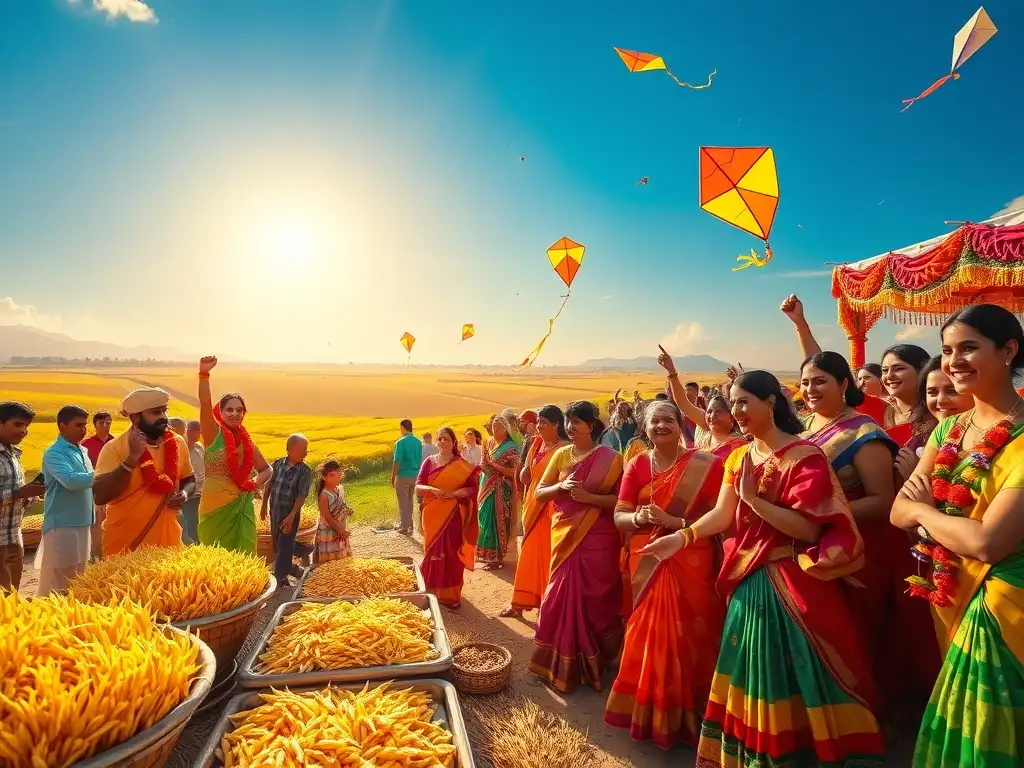
Welcome to Ancient India History, where we delve into the rich tapestry of India's past. Here, you will embark on a journey through time, exploring the vibrant cultures and remarkable contributions of ancient Indian civilizations. In this article, we uncover the fascinating Indian harvest festival traditions that have been celebrated across the subcontinent, revealing the diverse customs and rituals that define these joyous occasions. Curious about how these festivals have shaped community bonds and cultural identities? Join us as we celebrate the spirit of gratitude and abundance that echoes through the ages!
- Introduction to Indian Harvest Festival Traditions
- Major Indian Harvest Festivals
- Regional Variations in Harvest Festival Celebrations
- Common Themes in Indian Harvest Festival Traditions
- Conclusion: The Importance of Preserving Indian Harvest Festival Traditions
- Frequently Asked Questions
- Final Reflection: Embracing the Rich Tapestry of Indian Harvest Festival Traditions
- Celebrate and Share the Spirit of Harvest!
Introduction to Indian Harvest Festival Traditions
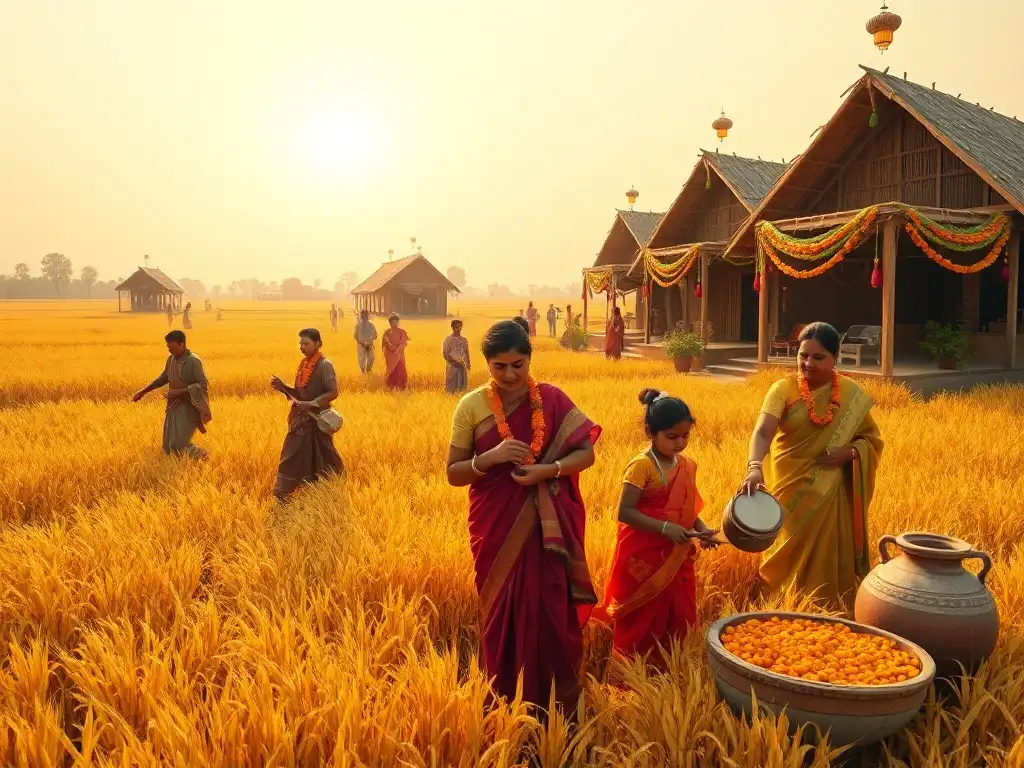
The celebration of harvest festivals holds a prominent place in the rich tapestry of Indian culture, reflecting the agricultural heritage and the diverse traditions that characterize the subcontinent. From the bountiful fields of Punjab to the lush landscapes of Kerala, these festivals mark a time of gratitude, joy, and community bonding.
Each region has its unique customs and rituals, showcasing the local flavors and cultural identities that have evolved over centuries. As we delve into the Indian harvest festival traditions, we explore not only the significance of these celebrations but also the variety of ways in which they are observed across different cultures.
The Significance of Harvest Festivals in Indian Culture
Harvest festivals are deeply rooted in India's agrarian society, where the majority of the population engages in farming. These celebrations symbolize the end of the harvest season and the beginning of new agricultural cycles, representing abundance and prosperity. The importance of these festivals can be observed in several key aspects:
- Cultural Identity: Harvest festivals play a crucial role in preserving and promoting regional identities. Each festival is infused with local customs, music, dance, and cuisine, reflecting the unique characteristics of the community.
- Religious Significance: Many harvest festivals are linked to religious beliefs and practices. They often include rituals to honor deities associated with agriculture, invoking blessings for future crops.
- Community Bonding: These festivals foster a sense of unity and cooperation among community members. They provide an opportunity for families and neighbors to come together, share meals, and participate in festivities, reinforcing social ties.
- Economic Impact: Harvest festivals also have economic significance, as they boost local economies through increased trade and tourism. Markets and fairs are often organized, showcasing local crafts and produce.
Overview of Diverse Harvest Festival Traditions in India
India is home to a plethora of harvest festivals, each with its own unique customs and significance. Here’s a glimpse into some of the most celebrated harvest festivals across different regions:
- Pongal (Tamil Nadu): This four-day festival honors the sun god and is celebrated with traditional dishes made from freshly harvested rice. The main day, known as "Pongal," involves cooking rice in a pot until it overflows, symbolizing abundance.
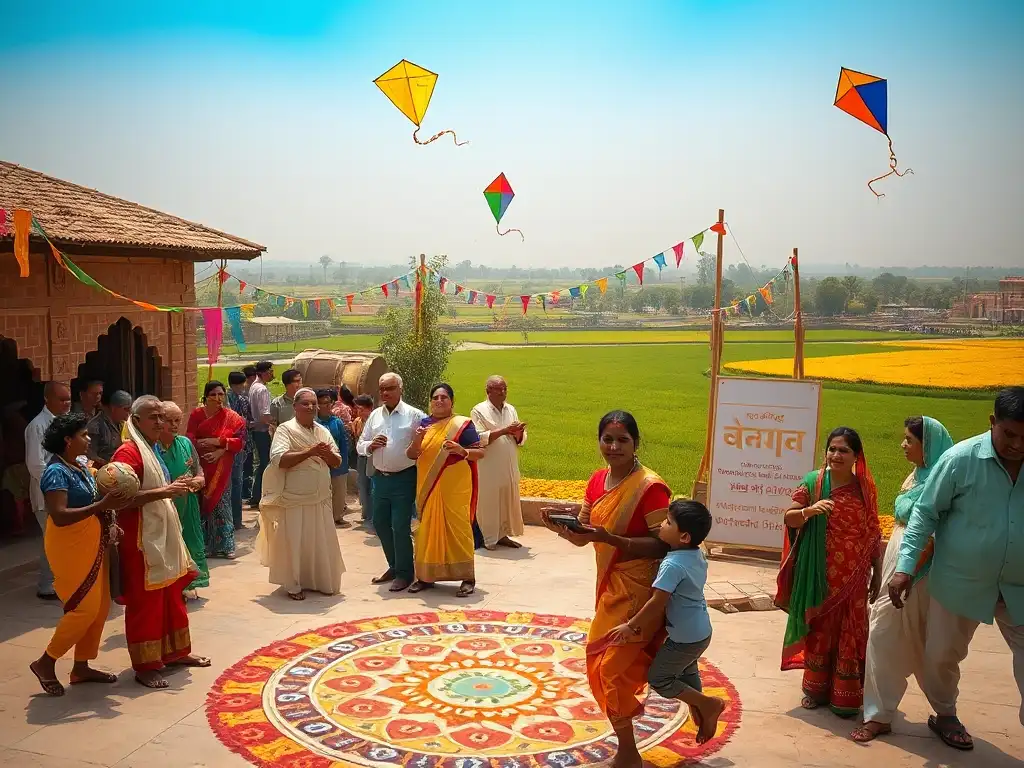
- Makar Sankranti (Western India): Celebrated in January, this festival marks the transition of the sun into the zodiac sign of Capricorn. People fly kites and prepare special sweets made with sesame seeds and jaggery.
- Baisakhi (Punjab): Observed in April, Baisakhi is a significant harvest festival that marks the beginning of the new year in the Punjabi calendar. It includes vibrant folk dances like Bhangra and Gidda, along with communal feasting.
- Onam (Kerala): This harvest festival, celebrated in August-September, marks the homecoming of the mythical King Mahabali. It features a grand feast known as Onam Sadya, traditional music, and boat races.
- Lohri (Punjab and Haryana): Celebrated in January, Lohri marks the end of winter and the beginning of the harvest season. The night is filled with bonfires, singing, and dancing around the fire, symbolizing warmth and community spirit.
These festivals not only reflect the agricultural practices of their respective regions but also highlight the rich cultural diversity of India, making them an integral part of the country's heritage. By celebrating these traditions, communities honor their past while fostering a sense of belonging and continuity for future generations.
Major Indian Harvest Festivals
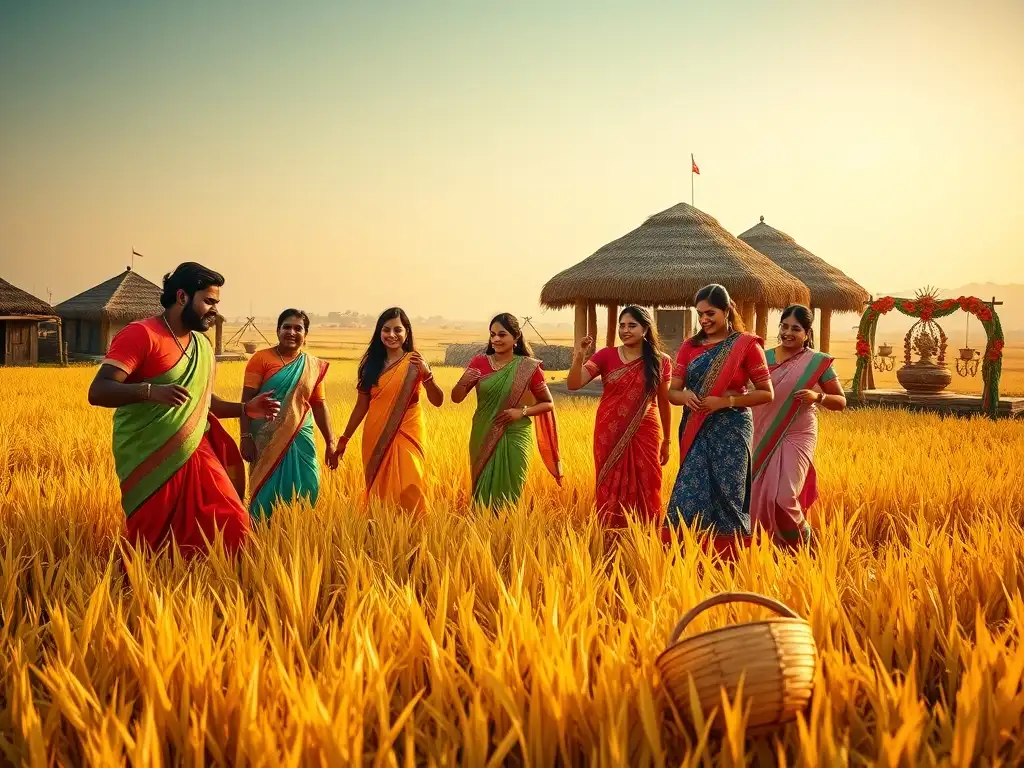
India's rich tapestry of cultures is beautifully showcased through its diverse harvest festivals. These celebrations not only mark the culmination of agricultural efforts but also embody the spirit of community, gratitude, and renewal. Each region of India has its unique harvest festival, reflecting local customs, traditions, and agricultural practices. Below are some of the major Indian harvest festival traditions that highlight the vibrancy of the country's cultural heritage.
Pongal: Celebrating the Rice Harvest in Tamil Nadu
Pongal is one of the most significant harvest festivals in Tamil Nadu, celebrated over four days in mid-January. This festival is dedicated to the Sun God, Surya, and marks the end of the winter solstice. The name "Pongal" translates to "boiling over," representing abundance and prosperity.
- Key Rituals:
- Cooking Pongal: The highlight of the festival is the preparation of a special dish called "Pongal," made from newly harvested rice, jaggery, and milk. This dish is offered to the Sun God and shared among family and friends.
- Decorations: Homes are adorned with colorful kolams (rice flour designs) at the entrance, symbolizing welcome and prosperity.
- Cattle Worship: Cows and bulls are decorated and worshipped, acknowledging their role in agriculture.
The festival fosters community bonding as people engage in various cultural programs, traditional games, and folk dances, reflecting the rich traditions of Tamil Nadu.
Makar Sankranti: A Festival of Kite Flying and New Beginnings
Makar Sankranti is celebrated across India with various names and customs, usually falling on January 14th. This festival signifies the transition of the Sun into the zodiac sign of Capricorn (Makar) and marks the end of winter and the beginning of longer days.
- Regional Variations:
- Kite Flying: In states like Gujarat and Rajasthan, the day is celebrated with vibrant kite flying competitions. The sky is filled with colorful kites as people of all ages participate in this joyous activity.
- Festive Foods: Special dishes like til (sesame) laddoos and jaggery are prepared and shared, symbolizing the sweetness of new beginnings.
- Cultural Significance: Makar Sankranti also has agricultural significance, as it marks the beginning of the harvest season for many crops, including sugarcane.
This festival promotes a sense of community and festivity, as families and friends gather to celebrate the change in season and partake in various activities that bring joy and togetherness.
Baisakhi: The Punjabi New Year and Wheat Harvest Festival
Baisakhi, celebrated primarily in Punjab, marks the onset of the wheat harvest and is also observed as the Punjabi New Year. This vibrant festival falls on April 13th or 14th and is deeply rooted in the agricultural calendar of the region.
- Celebratory Activities:
- Gidda and Bhangra: Traditional dance forms like Gidda and Bhangra fill the air with energy and enthusiasm. These dances are often performed in fields, celebrating the harvest and the joy of the community.
- Harvest Offerings: Farmers express gratitude to God for a bountiful harvest by making offerings at the local gurudwaras (Sikh temples).
- Feasting: The celebrations are incomplete without sumptuous feasts, featuring dishes like sarson da saag and makki di roti, which are enjoyed by families and friends.
Baisakhi is not only a harvest festival but also a time for spiritual reflection, community bonding, and cultural expression, making it a cherished celebration in Punjab.
These harvest festivals serve as a reminder of the deep connection between agriculture and culture in India. They embody the values of gratitude, community, and renewal, making the Indian harvest festival traditions a vital aspect of the country’s rich heritage.
Onam: The Grand Harvest Festival of Kerala
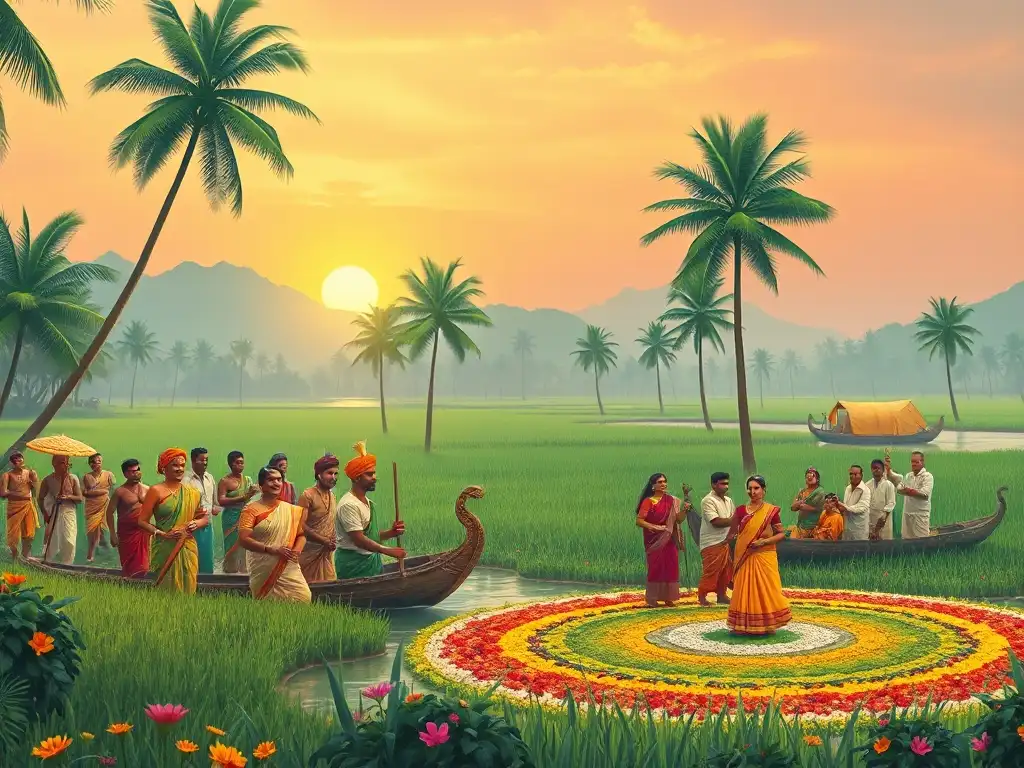
Onam is a vibrant and culturally rich harvest festival celebrated in the southern state of Kerala, marking the homecoming of the mythical King Mahabali. This 10-day festival usually falls in August or September and is recognized for its grandeur and community participation. The festival reflects the agrarian roots of Kerala and serves as a tribute to the hard work of farmers and the bountiful harvest.
During Onam, the festivities are characterized by elaborate feasts known as Onam Sadhya, which consists of a variety of vegetarian dishes served on a banana leaf. The meal typically includes rice, curries, pickles, and traditional sweets, showcasing the diverse culinary heritage of Kerala. The preparation of this feast is often a communal activity, symbolizing unity and cooperation among families and neighbors.
The celebration also features various cultural performances, including traditional dance forms like Thiruvathira and Pulikali, a folk dance that depicts tiger hunting. Additionally, the intricate floral arrangements known as Pookalam are crafted in front of homes, enhancing the festive atmosphere. The spirit of Onam fosters a sense of togetherness, as people from all walks of life come together to celebrate the abundance of the harvest and honor their heritage.
Nabanna: Welcoming the Rice Harvest in Bengal
Nabanna is a significant harvest festival celebrated in the state of West Bengal, marking the arrival of the new rice harvest. This festival typically occurs in late November or early December, coinciding with the end of the paddy harvesting season. Nabanna, which translates to "new rice," is not only a celebration of agricultural abundance but also an expression of gratitude towards the earth and the farmers.
The festival is steeped in rituals and customs. On the day of Nabanna, families prepare traditional dishes using freshly harvested rice, with dishes like Puli Pithe (rice cakes) and Kheer (rice pudding) taking center stage. These offerings are often made to the deities as a gesture of thankfulness for the year's bounty.
Nabanna is also marked by vibrant cultural celebrations. Folk songs and dances, such as the popular Bhatiali and Baul performances, fill the air, reflecting the rich cultural tapestry of Bengal. The festival encourages community bonding, as people gather to share food, stories, and joy, reinforcing the communal spirit that characterizes Indian harvest festival traditions.
Overall, Nabanna illustrates the deep connection between agriculture and culture in Bengal, highlighting the importance of the harvest and the role it plays in sustaining local traditions and practices.
Regional Variations in Harvest Festival Celebrations
Southern Indian Harvest Traditions
Southern India boasts a vibrant tapestry of harvest festivals that reflect the region's agricultural richness and cultural diversity. Each state has its unique traditions, rituals, and celebrations, showcasing the importance of the harvest season in community life.
Unique Customs and Rituals in Tamil Nadu
In Tamil Nadu, the harvest festival Pongal stands out as a significant celebration. This four-day festival, usually held in mid-January, is dedicated to the Sun God and is marked by several unique customs:
- Preparation of Pongal Rice: The highlight of the festival is the preparation of Pongal, a sweet dish made from newly harvested rice, jaggery, and milk. Families cook it in a clay pot, often allowing it to overflow to signify abundance and prosperity.
- Decorative Kolams: Women create intricate kolams (rice flour designs) at their doorsteps, symbolizing welcoming and good fortune.
- Offerings to Cattle: Since cattle play a crucial role in agriculture, special attention is given to them. They are bathed, decorated, and worshipped as part of the celebrations.
- Cultural Performances: Traditional dances and music, such as Kolu (doll displays) and Silambattam (stick dance), are performed, emphasizing community bonding and cultural heritage.
Festivals Celebrated in Kerala
Kerala's harvest celebrations are equally vibrant, with Onam being the most prominent. This festival, celebrated over ten days in August-September, commemorates the annual rice harvest and the mythical return of King Mahabali. Key components of Onam include:
- Onam Sadhya: A lavish feast comprising a variety of vegetarian dishes served on a banana leaf, symbolizing unity and abundance.
- Vallam Kali: The traditional boat races held during Onam highlight the spirit of competition and teamwork among communities.
- Pookalam: Colorful floral arrangements created in front of homes depict artistic expressions and are integral to the festivities.
- Cultural Events: The festival features a variety of performances, including Kathakali (classical dance-drama) and Thiruvathira (dance performed by women), showcasing Kerala's rich cultural heritage.
Northern Indian Harvest Traditions
Northern India presents a contrasting yet equally rich array of harvest festival traditions, each with its distinct significance and celebrations.
Significance of Baisakhi in Punjab
Baisakhi, celebrated on April 13 or 14, marks the Punjabi New Year and the harvest of rabi crops. It holds great significance in Punjab for several reasons:
- Agricultural Celebration: Farmers celebrate the successful harvest of wheat, thanking the land and weather for their bountiful yield.
- Religious Importance: Baisakhi is also a major Sikh festival, commemorating the formation of the Khalsa in 1699 by Guru Gobind Singh. It is marked by prayers and processions in gurdwaras.
- Cultural Festivities: The festival is celebrated with energetic Bhangra and Gidda dance performances, folk songs, and traditional fairs, reinforcing community bonds and cultural pride.
Makar Sankranti Celebrations in Uttar Pradesh
In Uttar Pradesh, Makar Sankranti is celebrated in mid-January, marking the transition of the Sun into the zodiac sign of Capricorn. This festival signifies the end of winter and the onset of the harvest season. Key elements include:
- Kite Flying: One of the most popular activities during Makar Sankranti is kite flying, with people joyfully competing to cut each other’s kites, creating a festive atmosphere.
- Feasting on Traditional Foods: The festival is celebrated with special dishes such as tilgul (sesame and jaggery sweets) and khichdi (a rice and lentil dish), symbolizing health and prosperity.
- Cultural Gatherings: Makar Sankranti also sees community gatherings where local fairs and melas (fairs) are organized, showcasing crafts, music, and dance.
These regional variations highlight the rich tapestry of Indian harvest festival traditions, where each celebration not only honors agricultural abundance but also emphasizes community, culture, and spirituality.
Western Indian Harvest Traditions
Western India is renowned for its vibrant and diverse harvest festival traditions, with Gujarat and Maharashtra leading the charge. These states celebrate the bounty of their agricultural produce through colorful and culturally rich festivities that not only honor the harvest but also emphasize community engagement and spiritual connection to the land.
Navratri and Its Connection to Harvest in Gujarat
Navratri, a nine-night festival dedicated to the goddess Durga, is deeply intertwined with the agricultural calendar in Gujarat. Celebrated with great fervor, this festival usually occurs in September or October, coinciding with the harvesting of kharif crops. The festival marks a time of renewal, reflecting the cycle of sowing and reaping.
During Navratri, communities engage in traditional dance forms like Garba and Dandiya Raas. These dances symbolize the energy of the harvest and the joy of communal life. People dress in vibrant attire, adorned with traditional jewelry, and participate in nightly gatherings, fostering a sense of unity.
The festival also involves elaborate prayers and offerings to the goddess, expressing gratitude for the agricultural yield. Foods made from newly harvested grains, such as khichdi and various sweets, are offered in prayers, showcasing the significance of the harvest in the celebration.
Ganesh Chaturthi and Agricultural Gratitude in Maharashtra
Ganesh Chaturthi, celebrated in Maharashtra, is another significant festival that reflects the agricultural gratitude of the region. This festival honors Lord Ganesha, the deity of wisdom and prosperity, and typically takes place in August or September, aligning with the end of the monsoon season when crops begin to flourish.
During this festival, families bring home clay idols of Lord Ganesha and celebrate with fervent prayers, music, and dance. The immersion of the idol in water at the end of the festival symbolizes the cycle of life and nature, connecting the people to the land. Traditional dishes made from rice, jaggery, and seasonal fruits are prepared, reflecting the abundance of the harvest.
The festival also serves as an opportunity for communities to come together, promoting social harmony. Many localities organize public celebrations, bringing together diverse groups to celebrate the season’s bounty. This sense of togetherness is a cornerstone of Maharashtra's Ganesh Chaturthi festivities.
Eastern Indian Harvest Traditions
Eastern India is rich in its harvest festival traditions, particularly in states like Kerala and West Bengal. Each region has its own unique customs and practices that celebrate the agricultural cycle, emphasizing gratitude and community.
Onam Celebrations in Kerala
Onam is one of the most important harvest festivals in Kerala, celebrated over ten days in August or September. This festival marks the homecoming of the mythical King Mahabali and symbolizes prosperity, abundance, and harmony.
During Onam, households are decorated with intricate floral arrangements called Pookalam, and traditional feasts are prepared, known as Onam Sadhya. This elaborate meal consists of numerous vegetarian dishes served on banana leaves, highlighting the seasonal harvest and the variety of local produce.
Various cultural programs, including traditional games, dance performances, and boat races, are organized to foster community participation. The spirit of Onam lies in its emphasis on togetherness and inclusivity, showcasing the rich cultural heritage of Kerala.
Nabanna and Its Cultural Importance in West Bengal
Nabanna, celebrated in West Bengal, is a festival that marks the harvest of the new rice crop. Typically observed in late December, this festival is a time of joy and thanksgiving as families gather to celebrate the successful harvest.
During Nabanna, the first batch of newly harvested rice, known as "nababanna," is prepared and offered to deities. Traditional dishes made from this fresh rice, such as puli bhora and payesh, are prepared, symbolizing the abundance of the harvest.
The festival is also characterized by folk songs, dances, and rituals that reflect the agrarian lifestyle of the region. It serves as a reminder of the connection between the people and the land, celebrating the labor of farmers and the fruits of their hard work. Through Nabanna, the cultural identity of West Bengal is reinforced, highlighting the significance of agricultural practices in daily life.
Common Themes in Indian Harvest Festival Traditions
Agricultural Gratitude and Spiritual Significance
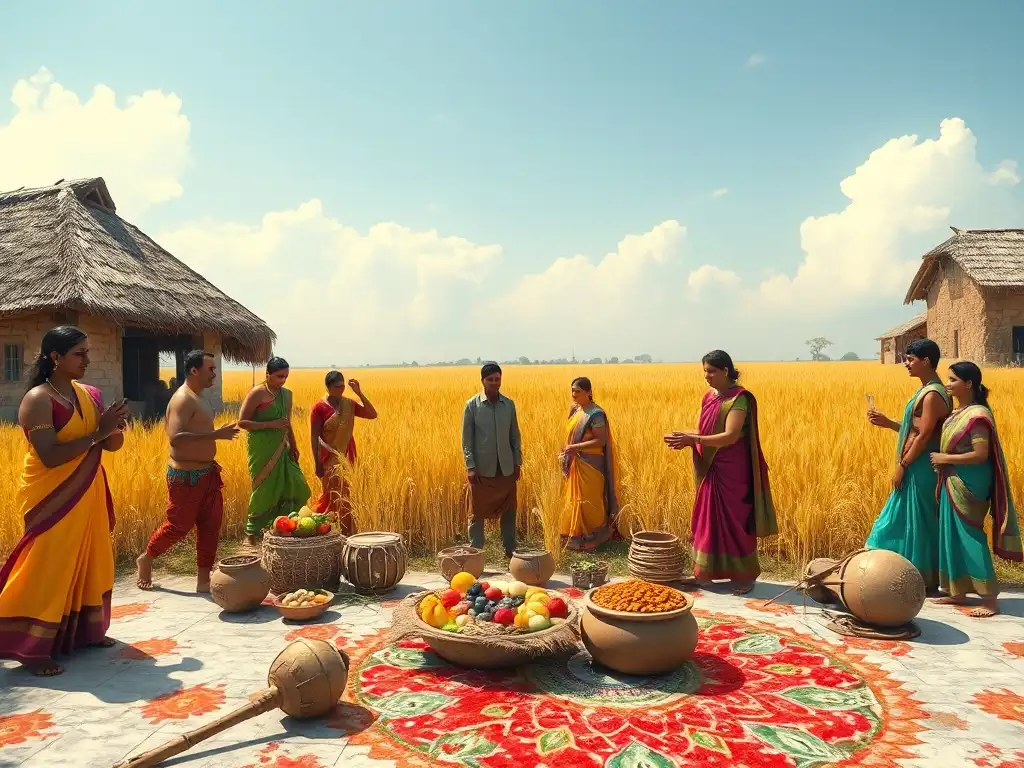
In the context of Indian harvest festival traditions, a central theme that resonates across various cultures is the expression of gratitude towards nature and the divine for a bountiful harvest. This gratitude is often manifested through rituals and ceremonies that pay homage to agricultural deities.
For instance, during Pongal in Tamil Nadu, farmers prepare a special dish known as Pongal, made from newly harvested rice, and offer it to the sun god, Surya. This act symbolizes the deep-rooted connection between agriculture and spirituality. Similarly, in Punjab, Lohri marks the end of winter and the arrival of longer days, and is celebrated with bonfires and offerings to the fire deity, reinforcing the significance of fire in agricultural practices.
The spiritual aspect of harvest festivals often includes the following elements:
- Ritual Offerings: Devotees prepare and offer food items to deities, seeking blessings for prosperity.
- Prayers and Chants: Traditional prayers and chants are recited to invoke divine favor.
- Ceremonial Dances: Folk dances often accompany these festivals, symbolizing joy and reverence.
These practices not only illustrate the spiritual significance of harvest festivals but also highlight the intrinsic link between agriculture and the cultural identity of various communities.
Community Involvement and Family Gatherings
Another defining characteristic of Indian harvest festival traditions is the emphasis on community involvement and family gatherings. These celebrations serve as a platform for strengthening social bonds and reinforcing communal ties.
During festivals like Baisakhi, celebrated in April, communities come together to mark the harvest season. The festival is not just about celebrating the yield but also about fostering camaraderie. People participate in communal feasts, where traditional dishes are shared among families, enhancing the sense of unity.
Key aspects of community involvement include:
- Collective Celebrations: Neighborhoods often organize events that bring people together, featuring music, dance, and storytelling.
- Workshops and Skill Sharing: Many communities engage in workshops where traditional skills related to agriculture and crafts are passed down through generations.
- Local Markets: Harvest festivals often feature local markets where farmers sell their produce, creating opportunities for commerce and community support.
These gatherings highlight the role of harvest festivals in maintaining cultural continuity and fostering a spirit of togetherness within communities.
Traditional Foods and Culinary Practices During Harvest Festivals
Food plays a pivotal role in Indian harvest festival traditions, with each region showcasing its unique culinary practices that reflect local agricultural produce. Traditional foods not only symbolize the harvest but also embody cultural identity and heritage.
For example, during Onam in Kerala, the Onam Sadya is a grand feast consisting of a variety of vegetarian dishes served on a banana leaf, representing the abundance of the harvest. Each dish has its significance, celebrating the diverse agricultural products of the region.
Common culinary practices during these festivals often include:
- Preparation of Special Dishes: Each festival features specific foods that are prepared using fresh, seasonal ingredients.
- Use of Traditional Cooking Methods: Many families adhere to ancestral cooking methods, such as cooking in clay pots or using traditional spices, which adds to the authenticity of the dishes.
- Ritualistic Food Offerings: In many cultures, food is offered to deities before being consumed, signifying respect and appreciation for the harvest.
The culinary landscape during harvest festivals not only showcases the diversity of Indian cuisine but also reinforces the cultural heritage associated with agricultural practices.
Conclusion: The Importance of Preserving Indian Harvest Festival Traditions
The celebration of harvest festivals is a significant aspect of Indian culture, reflecting the agrarian roots of various communities across the country. These festivals not only mark the end of the harvest season but also serve as an opportunity for communities to come together, celebrate their agricultural success, and express gratitude for nature's bounty. As urbanization and modernization continue to transform the Indian landscape, preserving these traditions has become increasingly crucial for maintaining cultural continuity.
The Role of Harvest Festivals in Modern Indian Society
Harvest festivals play a vital role in modern Indian society as they foster community bonding and reinforce social ties. Events such as Pongal in Tamil Nadu and Baisakhi in Punjab bring together families and neighbors, creating an atmosphere of joy and unity. These celebrations often include traditional music, dance, and feasting, allowing people to share in the collective experience of gratitude and joy.
Furthermore, these festivals are a reminder of the importance of agriculture in the Indian economy. With over 58% of the population engaged in agriculture, festivals such as Makar Sankranti and Onam highlight the hard work of farmers and the significance of sustainable farming practices. By celebrating these traditions, society acknowledges the role of agriculture in sustaining livelihoods and food security.
Culturally, harvest festivals are a platform for showcasing regional diversity through various rituals, attire, and culinary practices. Each festival has unique customs that reflect the local culture, thereby enriching the national tapestry of traditions. For instance, while Navratri focuses on the worship of goddess Durga and involves vibrant dance forms like Garba, Bihu in Assam is characterized by its folk songs and traditional bamboo dance.
Encouraging Cultural Awareness and Heritage Preservation
Preserving Indian harvest festival traditions is essential for fostering cultural awareness among younger generations. As globalization influences lifestyles, there is a risk of cultural dilution. By actively participating in these festivals, children and adolescents can learn about their heritage, instilling a sense of pride and identity.
Educational initiatives that incorporate the significance of these festivals can further enhance understanding. Schools can organize workshops, cultural programs, and community gatherings that emphasize the values and customs associated with harvest celebrations. This not only educates the youth about their traditions but also encourages them to take part in the preservation of their cultural heritage.
Moreover, the participation of local governments and organizations in promoting harvest festivals can lead to greater recognition and appreciation of these traditions on a national level. Initiatives such as heritage walks, festivals, and fairs can attract tourism, showcasing the rich diversity of Indian culture while also generating economic benefits for local communities.
The preservation of Indian harvest festival traditions is crucial not only for maintaining cultural identity but also for promoting social cohesion and economic resilience. By recognizing the importance of these celebrations, modern society can work towards a future where cultural heritage remains vibrant and relevant.
Frequently Asked Questions
What are Indian harvest festival traditions?
Indian harvest festival traditions are cultural celebrations that occur during the harvest season, showcasing gratitude towards nature, the community, and the agricultural cycle.
Which are the major harvest festivals celebrated in India?
Major harvest festivals include Pongal in Tamil Nadu, Makar Sankranti in various states, and Baisakhi in Punjab, each reflecting unique regional customs and rituals.
How do these festivals contribute to Indian culture?
These festivals play a crucial role in promoting community bonding, preserving heritage, and passing down traditions through generations, thereby enriching Indian culture.
Are harvest festivals celebrated in all parts of India?
Yes, harvest festivals are celebrated across all regions of India, with each area having its own local variations and significance based on the agricultural practices prevalent there.
What activities are typically associated with harvest festivals in India?
Common activities include rituals, feasting, dance, and music, which are integral in expressing joy and thankfulness for the bountiful harvest.
Final Reflection: Embracing the Rich Tapestry of Indian Harvest Festival Traditions
The celebration of harvest festivals across different Indian cultures is not just a reflection of agricultural success; it is a vibrant tapestry that weaves together community, gratitude, and cultural identity. In today's fast-paced world, where urbanization often overshadows traditional practices, these festivals serve as a vital reminder of our roots and the importance of celebrating the cycles of nature. They invite us to pause, reflect, and appreciate the abundance that sustains us, highlighting the profound connection between humanity and the earth.
Celebrating harvest festivals fosters a sense of unity and belonging, transcending regional boundaries and showcasing the diversity of Indian culture. These traditions not only preserve age-old customs but also adapt to contemporary societal changes, ensuring their relevance for future generations. As Mahatma Gandhi once said, "> To forget how to dig the earth and to tend the soil is to forget ourselves." This quote encapsulates the essence of harvest festivals, emphasizing the need to remain connected to our agricultural heritage and the lessons it imparts about sustainability and community.
As you reflect on the significance of these vibrant celebrations, I encourage you to engage with your own cultural traditions and explore how they shape your identity. Consider participating in local harvest festivals or even starting your own traditions that honor the spirit of gratitude and community. By doing so, you not only celebrate the bounty of the earth but also contribute to the preservation of cultural heritage, ensuring that the beauty of Indian harvest festival traditions continues to thrive for generations to come.
Thank you for diving into the vibrant world of harvest festivals in India! You've explored the rich tapestry of cultures, traditions, and communal joy that these celebrations bring. Now it’s time to take that knowledge and make a difference in your community and beyond.
Here are some inspiring actions to consider:
- Join a local festival: Participate in or volunteer for a harvest festival in your area. Immerse yourself in the traditions, music, and food while connecting with your community.
- Share your experiences: Post about your favorite harvest festival on social media. Let others know what makes these celebrations special and encourage them to explore!
- Learn a new recipe: Try cooking a traditional dish from one of the harvest festivals. Invite friends and family to join you for a delightful celebration of culture and togetherness.
How will you bring the joy of harvest festivals into your life this season? Share your thoughts below!