
The Ramayana: A Study of Heroism and Its Complexities

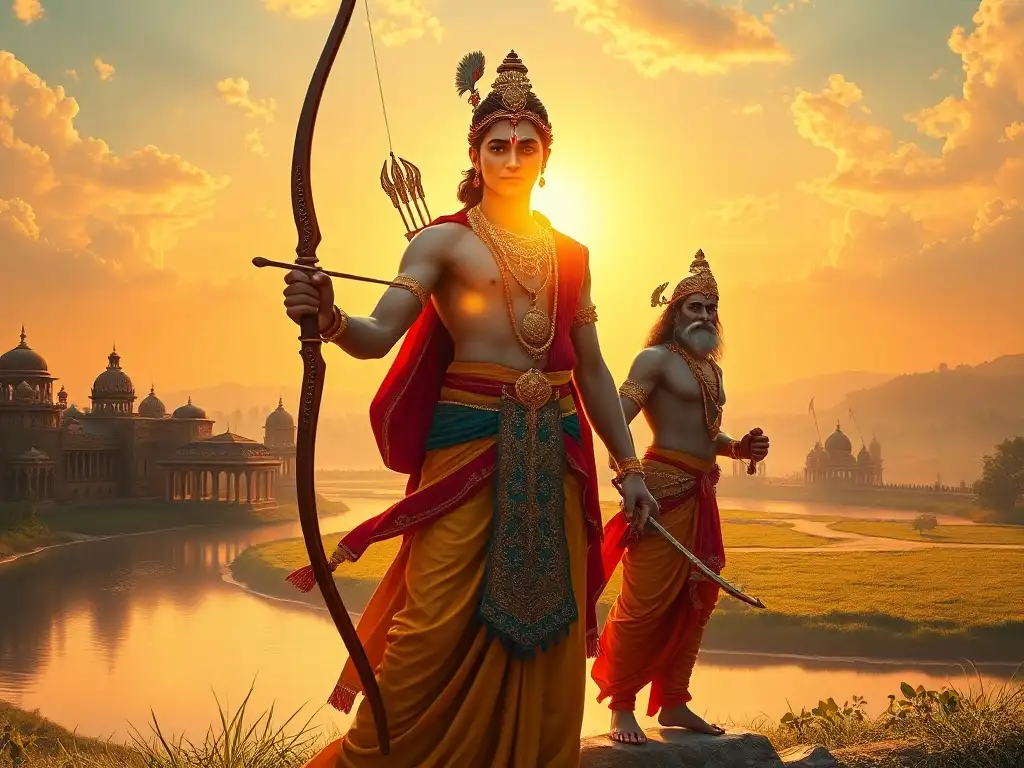
Welcome to Ancient India History, where we embark on a fascinating journey through the rich tapestry of India's past, celebrating its diverse civilizations and their remarkable contributions. In our featured article, “The Ramayana: A Study of Heroism and Its Complexities,” we delve into the profound themes of heroism as depicted in one of the greatest epics of ancient India.
Discover how the legendary figures of the Ramayana not only shaped the moral and cultural fabric of their time but continue to inspire us today. Prepare to unlock the layers of meaning behind their valor and sacrifice, and let your curiosity guide you deeper into the epic narratives that have defined a civilization.
Introduction to the Ramayana
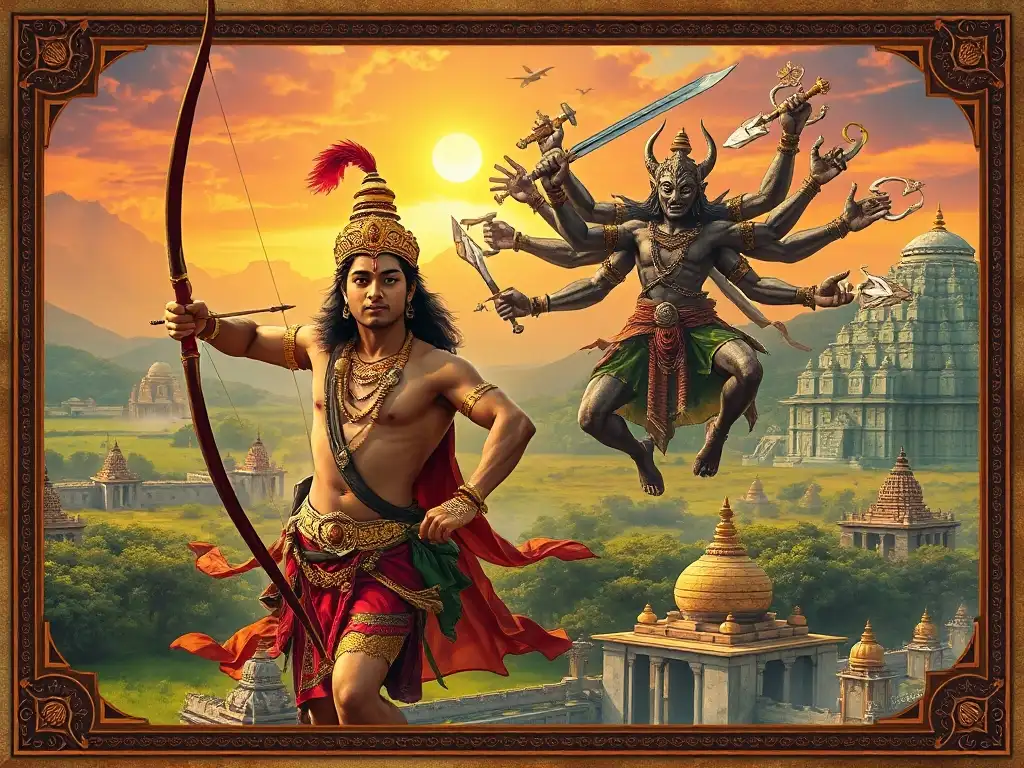
The Ramayana, one of the two great epics of ancient Indian literature, is not merely a story of adventure and valor but a profound exploration of heroism in its multifaceted forms. Composed by the sage Valmiki, this epic encapsulates the essence of righteousness, duty, and the moral dilemmas faced by its characters.
The narrative follows the life of Lord Rama, his wife Sita, and his loyal companion Hanuman, weaving a tapestry of events that illustrates the complexities of human emotions and ethical quandaries. As we delve into the theme of Ramayana heroism in ancient India, we uncover how heroism transcends mere physical prowess, embodying ideals that resonate deeply with the cultural and spiritual ethos of the time.
Overview of the Ramayana's Significance in Ancient Indian Literature
The Ramayana holds a paramount place in ancient Indian literature, influencing countless generations through its rich storytelling and moral teachings.
- Cultural Impact: It has shaped art, dance, drama, and literature throughout the Indian subcontinent and beyond.
- Moral Framework: The epic serves as a moral compass, illustrating the virtues of dharma (righteousness) and the consequences of adharma (unrighteousness).
- Historical Context: It offers insights into the socio-political and cultural milieu of ancient India, reflecting the values and beliefs of the time.
The Ramayana's themes of loyalty, love, and sacrifice continue to resonate, making it a timeless piece of literature that invites deep analysis and interpretation.
The Role of Heroism in Epic Narratives
Heroism in epic narratives serves as a vital element that not only drives the plot but also encapsulates the values of the society from which it originates. In the context of the Ramayana:
- Embodiment of Ideal Traits: Heroes exemplify qualities such as bravery, honor, and selflessness.
- Conflict and Resolution: The hero's journey typically involves facing formidable challenges, thereby highlighting their growth and moral fortitude.
- Cultural Reflection: The portrayal of heroism reflects the cultural ideals and aspirations of the civilization, offering lessons that are both practical and philosophical.
As we explore the nuances of heroism in the Ramayana, we begin to appreciate the complexities that define its characters and their journeys.
Understanding Heroism in the Ramayana
The notion of heroism in the Ramayana is intricate, intertwining personal sacrifice with communal responsibility. It invites readers to engage with the characters' motivations, struggles, and the broader implications of their actions.
Defining Heroism in the Context of Ancient India
In ancient India, heroism was often defined by adherence to dharma, or duty, which governed not only personal conduct but also societal harmony.
- Sacrifice for the Greater Good: Heroes often faced personal losses for the benefit of their community or family.
- Moral Dilemmas: Characters frequently navigated complex moral landscapes, where choices were not merely black or white.
- Divine Favor and Human Agency: The interplay between divine intervention and human effort adds layers to the concept of heroism, as seen through characters like Rama and Hanuman.
This multifaceted understanding of heroism provides a rich framework for analyzing the characters within the Ramayana.
Key Characteristics of Heroic Figures in the Ramayana
The heroic figures in the Ramayana embody diverse characteristics that collectively define the epic's approach to heroism:
- Courage and Bravery: The willingness to face daunting challenges, as demonstrated by Rama’s battle against Ravana.
- Loyalty and Devotion: Hanuman’s unwavering loyalty to Rama showcases the importance of friendship and devotion.
- Compassion and Forgiveness: Characters like Sita exhibit profound compassion, even in the face of adversity.
- Wisdom and Strategy: Strategic thinking in overcoming obstacles, exemplified by Rama’s plans against Ravana, highlights the intellectual facet of heroism.
Through these traits, we see that heroism in the Ramayana is not a monolithic concept but rather a tapestry of virtues that reflect the complexities of human experience in ancient India.
Major Heroes of the Ramayana
The Ramayana, an epic narrative that showcases the journey of its central characters, is rich with heroic figures whose stories resonate through generations. Each hero in this epic embodies specific virtues, contributing to the overarching theme of heroism and dharma (righteousness). The major heroes, including Lord Rama, Sita, and Hanuman, demonstrate different dimensions of heroism, showcasing their strengths, challenges, and moral complexities.
Lord Rama: The Ideal Hero of Dharma
Lord Rama, the protagonist of the Ramayana, is often revered as the epitome of dharma. His life and actions exemplify the qualities of righteousness, honor, and duty. Born as the seventh avatar of Vishnu, Rama's journey begins with his exile from Ayodhya, a sacrifice he embraces to uphold his father's honor. This selfless act establishes him as a model of virtue.
Rama's heroism is manifested in several key events:
- Defeating Ravana: His ultimate confrontation with the demon king Ravana to rescue Sita underscores his commitment to justice and the protection of the innocent.
- Adherence to Dharma: Throughout the epic, Rama consistently prioritizes dharma over personal desires, showcasing the struggles one faces in balancing moral obligations.
- Compassion and Forgiveness: Even after defeating Ravana, Rama exhibits compassion and forgiveness, reflecting the complexity of his character as a hero.
Rama’s portrayal as the ideal hero serves as an enduring inspiration, emphasizing the importance of righteousness in ancient Indian culture.
Sita: The Heroine's Strength and Resilience
Sita, the wife of Rama, is another pivotal figure in the Ramayana whose heroism is often overlooked. Her strength, resilience, and unwavering loyalty highlight the essential qualities of a heroine in ancient Indian literature. Sita’s character transcends traditional notions of a passive female figure, embodying courage and determination in the face of adversity.
Key aspects of Sita's heroism include:
- Endurance in Captivity: During her abduction by Ravana, Sita remains steadfast, demonstrating her mental and emotional strength. She refuses to succumb to despair, showcasing her inner fortitude.
- Moral Integrity: Sita's commitment to her dharma as a wife is evident when she chooses to undergo the trial by fire (Agni Pariksha) to prove her purity upon Rama's return. This act highlights her unwavering loyalty and moral integrity.
- Role as a Protector: Sita's actions, including her influence on Rama and her strategic thinking, illustrate her as a proactive force in the narrative, making her a hero in her own right.
Sita’s character brings a nuanced perspective to the theme of heroism in the Ramayana, emphasizing that strength can manifest in various forms, including emotional resilience.
Hanuman: The Embodiment of Devotion and Courage
Hanuman, the monkey god and devoted follower of Rama, represents the ideal of devotion intertwined with heroism. His character reflects the virtues of loyalty, bravery, and selflessness, making him a beloved figure in the Ramayana and beyond.
Significant elements of Hanuman's heroism include:
- Unconditional Devotion: Hanuman's unwavering dedication to Rama is evident throughout the epic. His willingness to undertake perilous tasks, such as crossing the ocean to reach Lanka, highlights his courage and commitment.
- Superhuman Strength: As a symbol of physical prowess, Hanuman’s feats, such as lifting mountains and defeating demons, showcase his heroic capabilities. However, these physical attributes are always in service to his devotion to Rama.
- Wisdom and Strategy: Beyond his strength, Hanuman demonstrates intelligence and strategic thinking, playing a crucial role in orchestrating the rescue of Sita and aiding Rama in battle.
Hanuman's character exemplifies a blend of devotion and heroism, illustrating that true heroism often lies in selfless service and loyalty to a higher cause.
Complexities of Heroism in the Ramayana
While the Ramayana is celebrated for its heroic figures, it also delves into the complexities surrounding the notion of heroism. The interplay of moral dilemmas, the duality of good and evil, and the concept of sacrifice reveal the intricate layers of heroism within the epic.
The Dichotomy of Good vs. Evil in Heroic Actions
The Ramayana presents a complex narrative of good versus evil, where heroic actions are often juxtaposed against moral ambiguities. Characters such as Rama and Ravana illustrate this duality, prompting readers to reflect on the nature of heroism.
- Rama's Actions: While Rama is often seen as the embodiment of good, his decisions, such as the banishment of Sita, raise questions about the infallibility of heroes. These actions lead to discussions about the righteousness of decisions made in the name of duty.
- Ravana's Complexity: Ravana, despite being the antagonist, exhibits qualities of a capable ruler and scholar. His motivations, though misguided, add depth to his character and challenge the binary perception of heroism.
This complexity invites readers to reconsider the nature of heroism, emphasizing that it is often intertwined with moral dilemmas and personal sacrifices.
Moral Ambiguities: Heroes with Flaws
The Ramayana does not shy away from portraying its heroes with flaws, further complicating the definition of heroism. These imperfections humanize the characters and highlight the challenges they face in their quests.
- Rama's Struggles: His adherence to dharma can lead to harsh decisions, like the exile of Sita, suggesting that even the noblest heroes can falter. This complexity invites empathy and a deeper understanding of the burdens that come with leadership.
- Sita's Doubts: Sita's trials also expose her vulnerabilities, particularly in moments of doubt during her captivity. These experiences reveal the inner conflicts faced by heroes, making their journeys relatable.
Such portrayals affirm that heroism in the Ramayana is not about perfection but rather about navigating the complexities of moral choices.
The Role of Sacrifice in Defining Heroism
Sacrifice is a central theme in the Ramayana, shaping the characters' journeys and defining their heroism. The willingness to sacrifice personal desires for the greater good is a hallmark of true heroism in this epic.
- Rama's Exile: Rama’s voluntary exile demonstrates the ultimate sacrifice for familial duty and societal expectations, reinforcing his role as a hero who prioritizes the needs of others over personal happiness.
- Sita's Trials: Sita’s acceptance of suffering for the sake of her husband and her role in the larger narrative exemplifies her selflessness, adding to her heroic stature.
- Hanuman’s Devotion: Hanuman’s countless sacrifices, from risking his life to aiding Rama to enduring trials of loyalty, highlight the essence of heroism as dedication and service to a noble cause.
These acts of sacrifice not only define the characters' heroism but also resonate with the broader themes of duty, loyalty, and the complexities of human emotions woven throughout the Ramayana.
The Influence of Ramayana Heroism on Ancient Indian Culture
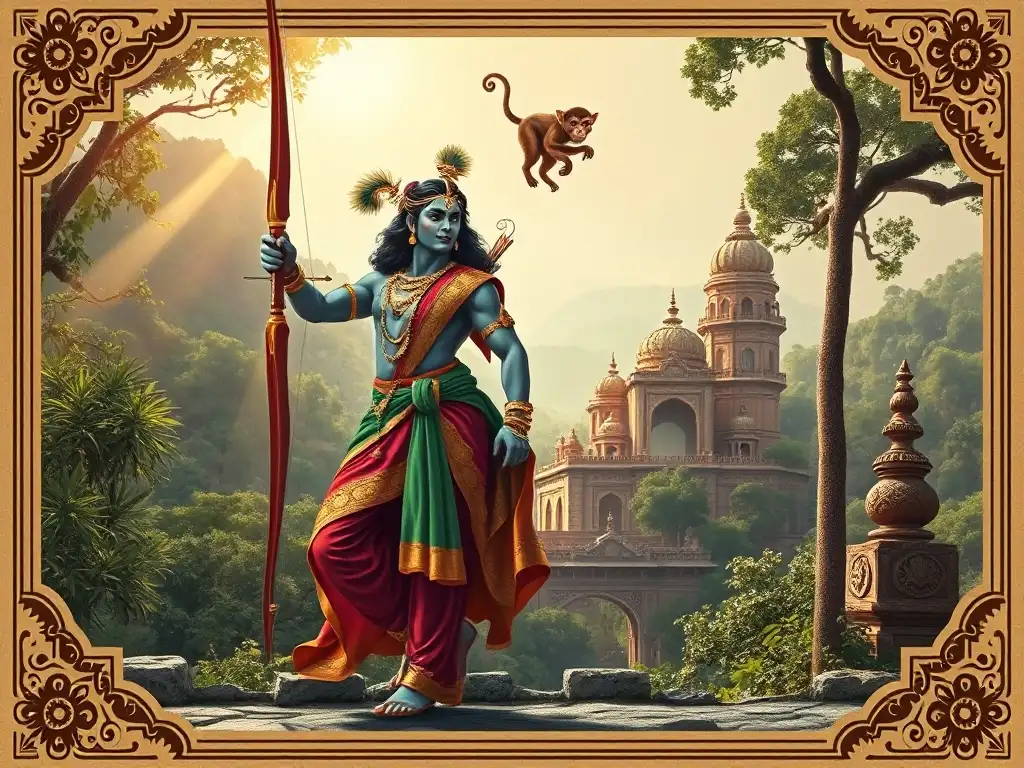
The Ramayana, as a seminal text in ancient Indian literature, has profoundly influenced the cultural landscape of India through its portrayal of heroism. Central to the epic is the ideal of Dharma, or righteousness, embodied by its hero, Lord Rama. His unwavering commitment to duty and moral integrity not only established him as a paragon of virtue but also set a benchmark for heroism in ancient Indian society. The tales of Rama, Sita, and Hanuman have inspired countless generations to aspire to these ideals, shaping the moral fabric of the community.
Moreover, the portrayal of heroism in the Ramayana has permeated various aspects of ancient Indian culture, including rituals, festivals, and community values. Festivals like Dussehra celebrate the triumph of good over evil, symbolized by Rama's victory over the demon king Ravana. This celebration reinforces the values of bravery, sacrifice, and devotion that define the heroic narrative. Consequently, the Ramayana has served not just as a literary work but as a cultural cornerstone that continues to guide ethical conduct and social norms.
Reflection of Societal Values in Heroic Characters
The characters in the Ramayana, particularly Rama, Sita, and Lakshmana, reflect the societal values of ancient India, showcasing ideals such as loyalty, bravery, and righteousness. Rama’s character is a perfect embodiment of the Kshatriya ethos, demonstrating valor and duty as he embarks on a quest to rescue Sita. His actions resonate with the warrior code of ancient Indian society, where the protection of honor and family was paramount.
Sita, on the other hand, represents the virtues of patience, fidelity, and resilience. Her character not only highlights the ideals of Patni Dharma (the duty of a wife) but also challenges the notions of gender roles during that era. By enduring trials and maintaining her integrity, Sita serves as a role model for women, encouraging them to uphold their values in the face of adversity.
Furthermore, the character of Hanuman exemplifies devotion and selfless service. His unwavering loyalty to Rama and willingness to sacrifice for the greater good reflect the values of friendship and loyalty that were cherished in ancient Indian culture. Together, these characters provide a rich tapestry of virtues that have been revered and emulated through generations.
Ramayana’s Impact on Art, Literature, and Folklore
The Ramayana has left an indelible mark on various forms of art, literature, and folklore throughout ancient India and beyond. Its narratives have inspired a plethora of artistic expressions, from classical dance forms like Kathakali and Bharatanatyam to intricate sculptures and paintings found in temples across the Indian subcontinent. These artistic representations encapsulate the epic's themes of heroism, devotion, and morality, allowing audiences to engage with the story on a visceral level.
In literature, the Ramayana has inspired countless adaptations and retellings in various languages, enabling its themes of heroism to resonate with diverse audiences. Notable adaptations, such as Tulsidas's Ramcharitmanas, have infused local cultures and languages with the essence of the epic, enhancing its relevance and accessibility.
Folklore surrounding the Ramayana has also flourished, with local variations and narratives emerging that reflect regional cultures and traditions. These tales often highlight the heroism of lesser-known characters, further enriching the epic's legacy and ensuring its survival in the oral tradition. The ongoing influence of the Ramayana in art, literature, and folklore underscores its status as a cornerstone of cultural identity in ancient India.
Modern Interpretations of Ramayana Heroism
In contemporary society, the themes of heroism presented in the Ramayana continue to be reinterpreted and analyzed through various lenses. Modern adaptations of the epic often explore the complexities of heroism, shedding light on the moral ambiguities faced by its characters. This nuanced approach allows for a deeper understanding of heroism beyond the traditional binaries of good versus evil, reflecting the multifaceted nature of human experiences.
Contemporary Adaptations and Their Perspectives on Heroism
Recent adaptations of the Ramayana in films, television series, and literature have introduced diverse perspectives on heroism. For instance, some adaptations portray Ravana not just as a villain but as a complex character with redeeming qualities, prompting audiences to question the conventional narratives of heroism. Such retellings challenge the rigid definitions of heroism and villainy, encouraging a more inclusive understanding of moral dilemmas faced by characters.
Additionally, contemporary storytelling often highlights the agency of female characters, particularly Sita, who is depicted as a strong and resilient figure rather than merely a passive victim. This shift in representation underscores the evolving interpretations of heroism, advocating for the recognition of diverse roles in the narrative of courage and sacrifice.
The Relevance of Ramayana Heroism in Today's Society
The heroism depicted in the Ramayana retains its relevance in today's society, serving as a source of inspiration and reflection for individuals navigating moral complexities. The values of duty, integrity, and selflessness emphasized in the epic resonate strongly in contemporary contexts, where individuals are often faced with ethical dilemmas.
Moreover, the Ramayana's teachings on the importance of community, loyalty, and sacrifice are particularly pertinent in a rapidly changing world. As societies grapple with issues of division and conflict, the narrative of collective heroism, as exemplified by the characters’ unwavering commitment to their ideals, offers a framework for fostering unity and resilience. In this way, the Ramayana not only preserves its cultural significance but also provides timeless lessons that continue to inspire and guide individuals in their pursuit of heroism in the modern world.
Conclusion
The Ramayana, as an epic of ancient India, serves as a profound exploration of heroism, illustrating not only the valor and bravery of its characters but also the intricate and often conflicting moral dilemmas they face. Through the lens of the Ramayana, we find that heroism is not merely about physical strength or martial prowess; it encompasses ethical choices, emotional resilience, and the pursuit of dharma (righteousness). The characters of Rama, Sita, and Hanuman, among others, personify these qualities, showcasing how heroism manifests in various forms, from self-sacrifice to loyalty and compassion.
As we reflect on the complexities of heroism depicted in this epic, it becomes evident that these narratives have transcended time, continuing to resonate with contemporary audiences. The themes of love, sacrifice, and moral ambiguity make the Ramayana a timeless tale that invites readers to ponder what it truly means to be a hero in a world fraught with challenges.
The Enduring Legacy of Heroism in the Ramayana
The legacy of heroism in the Ramayana extends beyond its narrative, influencing cultural, social, and spiritual dimensions of Indian society. The ideals presented in the epic have shaped the moral framework within which generations have understood concepts of duty, honor, and virtue.
For instance, the character of Rama is often seen as the ideal king and husband, embodying the principles of righteous leadership and fidelity. His journey serves as a guide for individuals seeking to navigate their own moral landscapes. Furthermore, the Ramayana has inspired countless adaptations, retellings, and artistic expressions throughout history, reinforcing its importance in the cultural consciousness of India and beyond.
In contemporary discussions about heroism, the Ramayana provides a nuanced perspective that challenges simplistic notions of good versus evil. Instead, it emphasizes the importance of context, personal sacrifice, and the grey areas of ethical decision-making. This enduring legacy allows the Ramayana to remain relevant, inviting ongoing dialogue about the nature of heroism in both historical and modern contexts.
Final Thoughts on the Complexities of Heroism in Ancient India
The exploration of heroism within the Ramayana reveals the multifaceted nature of this concept in ancient Indian culture. The epic illustrates that heroism is not confined to a singular definition but rather exists in a spectrum that includes courage, wisdom, and moral integrity. Characters like Ravana, often vilified as the antagonist, also evoke discussion about the complexities of heroism, challenging us to consider the motivations and circumstances that shape individual actions.
The Ramayana encourages readers to reflect on their own values and the societal expectations surrounding heroism. In a world that often celebrates overt displays of power and dominance, the epic reminds us that true heroism can also be found in humility, compassion, and the pursuit of justice. Thus, the complexities of heroism in the Ramayana provide a rich field for exploration, prompting us to re-evaluate our perceptions of what it means to be heroic in both ancient and modern times.
References
Suggested Reading on Ramayana Heroism in Ancient India
- "The Ramayana: A New Translation": by Linda Egenes and Kumuda Reddy - This translation offers a contemporary perspective on the epic, making it accessible to modern readers while preserving its original essence.
- "Rama: The Hero of the Ramayana": by Manju Kapur - This book examines the character of Rama and his heroism, providing insights into the moral complexities faced by the protagonist.
- "The Ramayana: A Historical Perspective": by Ramesh Chandra Dutt - An exploration of the historical context of the Ramayana and its implications on heroism in ancient Indian society.
Academic Resources for Further Study on Epic Literature
- "Epic India: An Anthology of Myth and Legend": by John M. K. - This academic resource provides a comprehensive overview of Indian epics, including the Ramayana, and their impact on literature and culture.
- "Understanding the Ramayana" by J. S. Bhatia - A scholarly examination of the themes and motifs within the Ramayana, focusing on heroism and its relevance in ancient Indian literature.
- "The Concept of Heroism in the Indian Epics" published in the Journal of Indian Literature - This article delves into comparative analyses of heroism in the Ramayana and Mahabharata, offering insights into the literary constructs of heroism in ancient texts.
- Introduction to the Ramayana
- Understanding Heroism in the Ramayana
- Major Heroes of the Ramayana
- Complexities of Heroism in the Ramayana
- The Influence of Ramayana Heroism on Ancient Indian Culture
- Modern Interpretations of Ramayana Heroism
- Conclusion
- References
Frequently Asked Questions
What is the Ramayana and its significance in ancient India?
The Ramayana is an ancient Indian epic that narrates the life of Lord Rama, emphasizing heroism, duty, and righteousness. It serves as a moral and cultural guide, influencing Indian literature and philosophy.
How does the Ramayana illustrate heroism?
The Ramayana showcases heroism through characters like Rama, who embodies ideals such as courage, loyalty, and sacrifice. His journey reveals the complexities and challenges of heroic actions in ancient Indian society.
What are the key themes explored in the Ramayana?
Key themes include dharma (duty), devotion, and the struggle between good and evil. These themes highlight the moral dilemmas faced by characters, adding depth to the concept of heroism.
How did the Ramayana influence ancient Indian culture?
The Ramayana shaped various aspects of ancient Indian culture, including art, dance, and drama. Its narratives inspired countless adaptations, reinforcing the values of heroism and virtue in society.
What role did female characters play in the Ramayana?
Female characters such as Sita and Tara exemplify strength and resilience. Their roles highlight the complexities of heroism, showing that heroism is not limited to male figures but extends to women's courage and sacrifice as well.
Final Reflection: The Enduring Legacy of Ramayana Heroism
The complexities of heroism depicted in the Ramayana resonate profoundly in today's world, reminding us that true heroism is not merely about valor but also about moral integrity and the choices we make in the face of adversity. In a time when the lines between right and wrong can often blur, the lessons embedded in this ancient epic serve as a guiding light, illustrating that heroism is a multifaceted concept shaped by context, sacrifice, and the relentless pursuit of righteousness.
The Ramayana has profoundly influenced the cultural and social landscape of India, shaping narratives of heroism that continue to inspire generations. The characters, particularly Rama and Sita, embody ideals that challenge us to reflect on our own values and actions. Their journeys remind us that heroism often involves personal struggles and moral dilemmas that require introspection and courage. The true hero is one who conquers his own weaknesses.
This quote encapsulates the essence of the Ramayana's teachings, urging us to look within ourselves as we navigate our own life challenges.
As you reflect on the themes of heroism presented in the Ramayana, consider how these ancient narratives can inform your own understanding of what it means to be a hero in today's world. Embrace the complexities of your own journey, and let the lessons of the Ramayana inspire you to act with integrity, compassion, and resilience. The call to heroism is not just about grand gestures; it is about the everyday choices we make that define our character and impact those around us.
Unveil the Hero Within: Take Action Today!
Thank you for exploring the intricate world of heroism in The Ramayana. We hope this journey has enriched your understanding of the complexities of heroism and its relevance in our lives today. Now, it’s time to translate that knowledge into meaningful action!
- Start a discussion: Share your thoughts on what heroism means to you with friends or in online communities; **your perspective might inspire others! **
- Explore further: Dive deeper into the texts of The Ramayana by visiting your local library or accessing online resources; **new insights await! **
- Engage with the community: Join a local or online group focused on ancient literature and mythology to connect with like-minded individuals who share a passion for these timeless tales.
What aspect of heroism in The Ramayana resonates most with you, and how can you apply it to your own life decisions?