
Celebrating the Craftsmanship of Ancient Indian Artisans: A Tribute to Skill

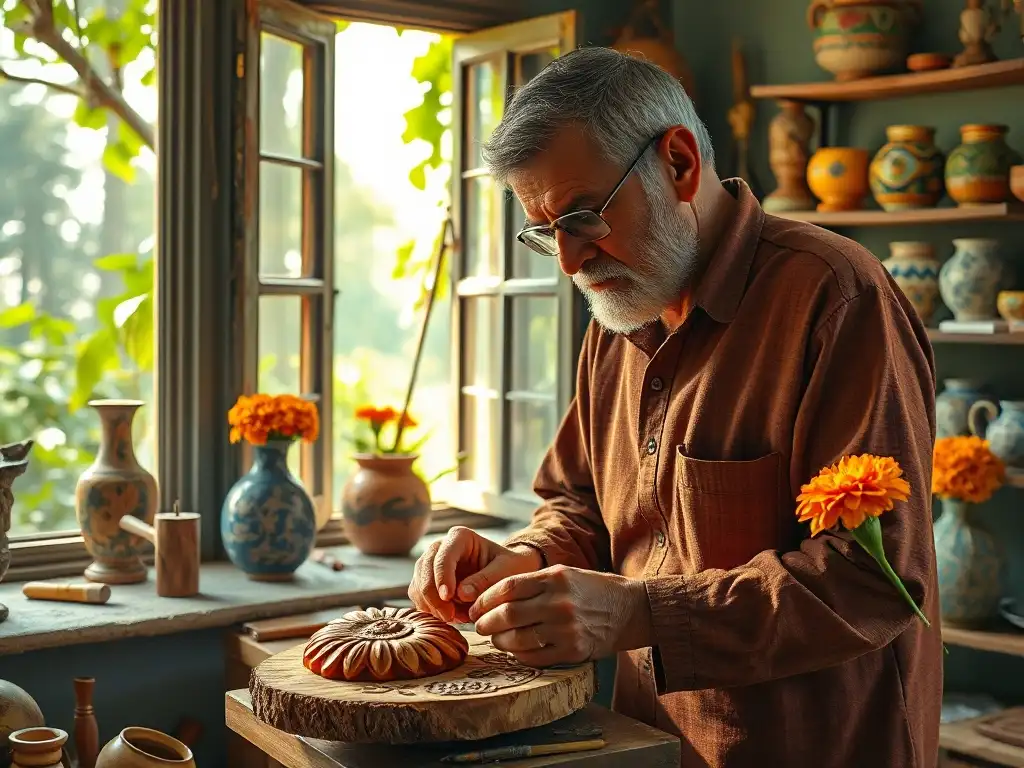
Welcome to Ancient India History, where we embark on an enlightening journey through the rich tapestry of our past. Dive into the captivating world of ancient Indian artisans' craftsmanship, a testament to the skill and creativity that flourished across civilizations. Discover how these talented artisans shaped not only their communities but also the very essence of art forms that continue to inspire today. Join us as we celebrate their intricate work and unravel the stories behind their masterpieces—your exploration of the profound legacy of ancient India starts here!
The history of ancient India is not only a tale of great empires and profound philosophies but also a vibrant narrative of craftsmanship that has shaped its artistic heritage. From the intricate carvings of the Indus Valley to the exquisite sculptures of the Gupta Empire, ancient Indian artisans demonstrated unparalleled skill and creativity that reflect the cultural and spiritual ethos of their time. Their craftsmanship encompassed a wide range of materials and techniques, producing everything from textiles and pottery to metalwork and stone sculptures.
This article aims to celebrate the artistry of these ancient Indian artisans, exploring the diverse techniques they employed, the materials they utilized, and the cultural significance their work holds in the context of Indian history. By delving into the craftsmanship of ancient Indian artisans, we seek to honor their legacy and highlight the enduring influence of their creations on contemporary art forms.
The Techniques of Ancient Indian Artisans
Ancient Indian artisans employed a variety of techniques that showcased their expertise and creativity. Here are some notable methods:
- Stone Carving:
- Utilized primarily in temples and sculptures.
- Techniques included chiseling and polishing to create intricate designs.
- Metalworking:
- Mastery in casting and forging metals like bronze, gold, and silver.
- Notable for creating both functional items and decorative sculptures.
- Textile Weaving:
- Use of natural dyes and intricate weaving patterns.
- Techniques such as block printing and embroidery were common.
- Pottery Making:
- Utilization of the potter's wheel for shaping clay.
- Decorative techniques included painting and glazing.
The combination of these techniques not only served functional purposes but also reflected the artisans' deep cultural and spiritual beliefs.
Materials Used in Ancient Indian Craftsmanship
The choice of materials played a significant role in the craftsmanship of ancient Indian artisans. Some key materials included:
| Material | Description |
|---|---|
| Stone | Primarily used for sculptures and temple architecture. Common stones included sandstone and granite. |
| Metals | Gold, silver, and bronze were favored for their durability and aesthetic appeal. |
| Clay | Essential for pottery, clay was often enriched with natural minerals for enhanced quality. |
| Textiles | Cotton and silk were predominant, with a variety of dyeing techniques employed. |
These materials were sourced from local environments, reflecting the artisans’ connection to their land.
Cultural Significance of Ancient Indian Artisanship
The artistry of ancient Indian artisans transcended mere aesthetics; it carried profound cultural significance. Each piece crafted by these artisans told a story, embodied religious beliefs, or celebrated social values. For instance:
- Religious Iconography: Many sculptures and paintings depicted deities and mythological narratives, serving both decorative and devotional purposes.
- Social Status: Artisans often worked on commissions from royalty, which not only elevated their status but also established a community of skilled craftsmen.
- Cultural Heritage: The techniques and styles passed down through generations contributed to a rich tapestry of Indian culture, influencing various art forms across the subcontinent.
In honoring the craftsmanship of ancient Indian artisans, we acknowledge their invaluable contributions to the cultural and artistic legacy of India, which continues to inspire contemporary artists and craftsmen today.
Conclusion
As we explore the intricate world of ancient Indian artisans, it becomes evident that their craftsmanship was not solely about creating beautiful objects; it was a manifestation of cultural identity, spiritual expression, and communal values. Their legacy endures, reminding us of the rich and diverse history that has shaped the visual arts and sculpture in India. This tribute serves as an invitation to appreciate and celebrate their remarkable skills, which have left an indelible mark on the history of art in India.
- The Techniques of Ancient Indian Artisans
- Materials Used in Ancient Indian Craftsmanship
- Cultural Significance of Ancient Indian Artisanship
- Conclusion
- What were the main types of craftsmanship practiced by ancient Indian artisans?
- How did ancient Indian artisans contribute to trade?
- What materials did ancient Indian artisans commonly use?
- How did ancient Indian craftsmanship influence modern practices?
- What role did social status play in the lives of ancient Indian artisans?
Introduction to Ancient Indian Artisans Craftsmanship
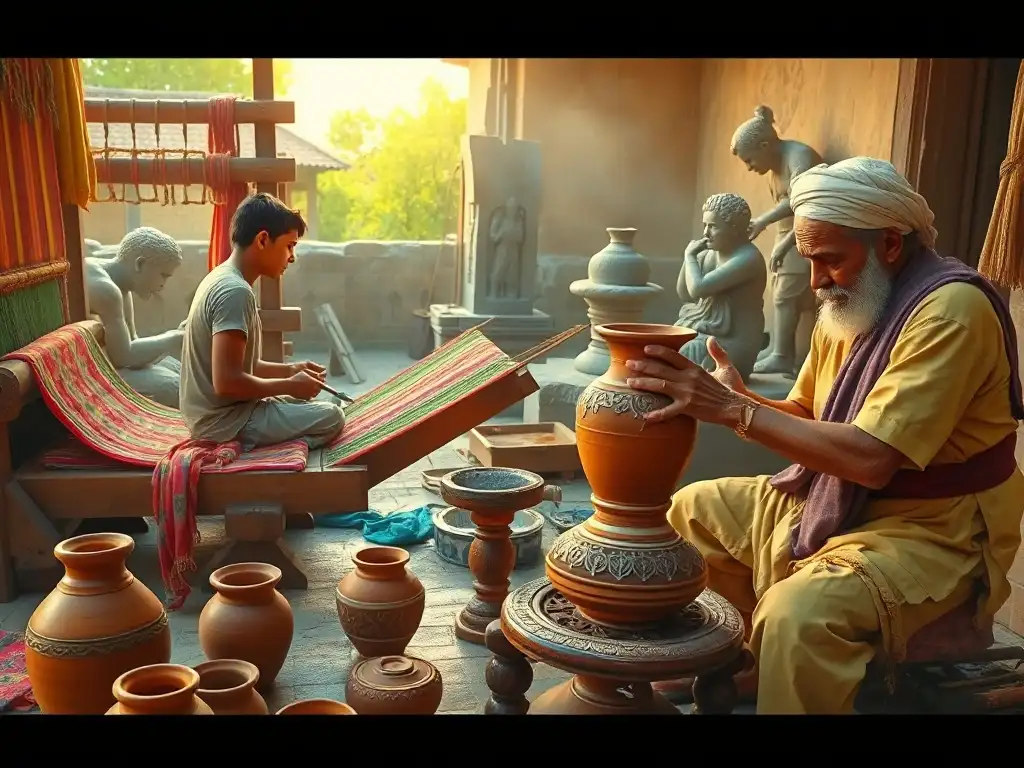
The craftsmanship of ancient Indian artisans is a testament to the rich cultural heritage and artistic excellence that flourished across various regions of India. From the intricate beadwork of the Indus Valley Civilization to the exquisite stone carvings of the Gupta period, the skill and creativity of these artisans not only reflect their technical abilities but also provide insight into the socio-economic and cultural dynamics of their times. This section delves into the significant contributions of ancient Indian artisans and the enduring legacy of their craftsmanship.
Overview of Ancient Indian Artisans and Their Role in History
Ancient Indian artisans played a pivotal role in shaping the artistic landscape of the subcontinent. They were not merely craftsmen; they were the custodians of tradition, creativity, and innovation. The artisanship in ancient India can be categorized into various forms, including:
- Sculptors: These artisans specialized in creating sculptures from stone, metal, and terracotta, often depicting deities, animals, and human figures. Notable examples include the intricate sculptures found in the temples of Khajuraho and the rock-cut caves of Ajanta and Ellora.
- Weavers: Weaving was a highly esteemed craft, producing textiles that were not only functional but also artistically significant. The use of natural dyes and intricate patterns illustrated the weavers' skills, making Indian textiles highly sought after in ancient trade routes.
- Potters: Pottery was another vital craft, with artisans creating both everyday utilitarian items and ceremonial pieces. The Harappan civilization, for instance, is renowned for its painted pottery, which provides valuable insights into the life and customs of its people.
- Metalworkers: Skilled in metallurgy, these artisans produced tools, weapons, and decorative items, often using techniques that are still admired today. The famous Iron Pillar of Delhi exemplifies the advanced knowledge of metallurgy possessed by ancient Indian artisans.
Each of these crafts was not only a means of livelihood but also a way to express cultural identity and societal values. The artisans often belonged to specific guilds or communities that preserved and passed down their knowledge through generations, ensuring the continuity of these art forms.
Importance of Craftsmanship in Ancient Indian Culture
The craftsmanship of ancient Indian artisans was deeply woven into the fabric of society. It served various functions, from religious to practical, and played a crucial role in daily life and ceremonial practices.
- Cultural Identity: The unique styles and techniques of craftsmanship contributed to regional identities, showcasing the diversity of ancient Indian culture. Artisans from different areas developed distinct motifs, materials, and methods that reflected their local traditions and resources.
- Economic Significance: Artisans were integral to the economy of ancient India, engaging in both local markets and long-distance trade. Their products, such as textiles, pottery, and metal goods, were highly valued and contributed significantly to the prosperity of their communities.
- Spiritual and Religious Dimensions: Many artisans were connected to religious practices, creating sculptures and artifacts for temples and rituals. This not only fulfilled spiritual needs but also provided artisans with a sense of purpose and community involvement.
- Legacy and Influence: The craftsmanship of ancient Indian artisans has left an indelible mark on subsequent generations. Techniques and styles evolved but continued to draw inspiration from their predecessors, influencing not only Indian art but also impacting global artistic trends.
The craftsmanship of ancient Indian artisans is a profound reflection of historical significance, cultural identity, and economic vitality. Their legacy continues to inspire contemporary artisans and serves as a reminder of the rich artistic traditions that have shaped India's history.
Historical Context of Ancient Indian Artisanship
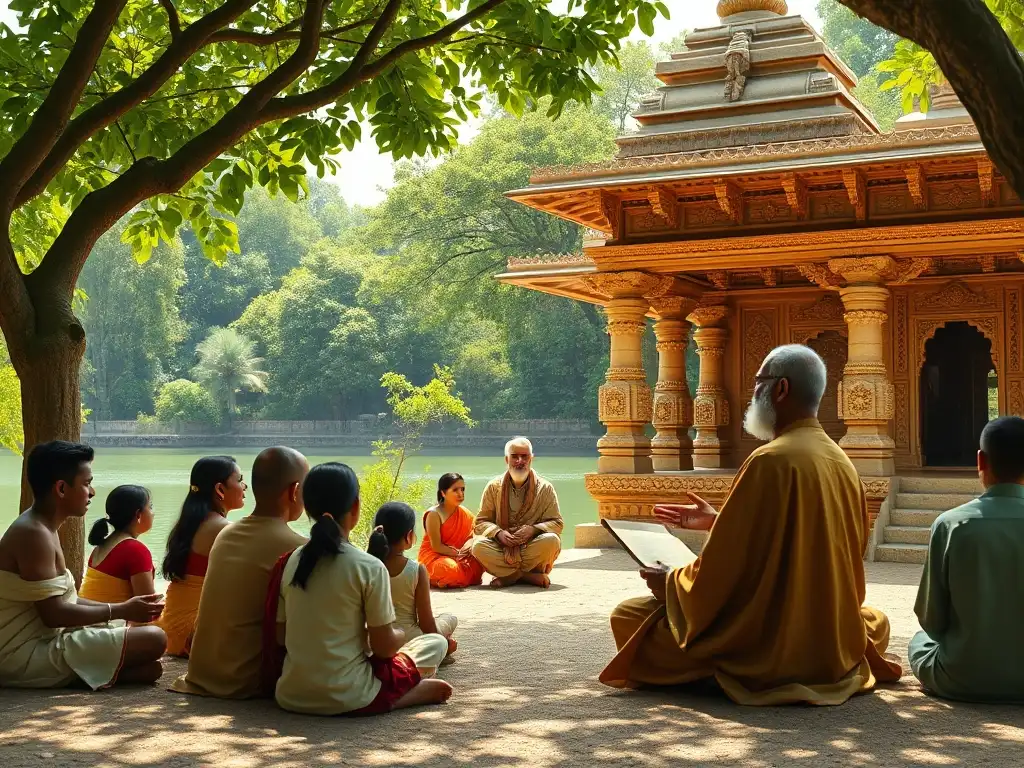
The craftsmanship of ancient Indian artisans is deeply rooted in the region's historical and cultural evolution. Spanning thousands of years, this craftsmanship reflects the societal values, economic conditions, and technological advancements of various civilizations. The artisans of ancient India were not mere laborers; they were skilled craftsmen whose work contributed significantly to the cultural and aesthetic landscape of their time.
Artisanship in ancient India can be traced back to the Indus Valley Civilization (c. 3300–1300 BCE), where evidence of sophisticated craftsmanship is evident in the intricate beadwork, pottery, and metalwork found at archaeological sites like Harappa and Mohenjo-Daro. This period marked the beginning of a tradition that would flourish through subsequent empires, each adding layers of complexity and refinement to the artisanal practices.
The patronage of art and craftsmanship was a crucial aspect of ancient Indian society. Kings and rulers often commissioned works from artisans to showcase their power and wealth, leading to advancements in techniques and styles. Additionally, the rise of trade routes, particularly during the Mauryan Empire, facilitated the exchange of ideas and materials, further enriching the artisans' craft.
The Evolution of Craftsmanship from the Indus Valley Civilization
The Indus Valley Civilization laid the groundwork for the evolution of craftsmanship in ancient India. Artisans of this era were engaged in various crafts, including:
- Pottery: The use of wheel-thrown pottery with geometric designs and animal motifs.
- Metallurgy: Advanced techniques in working with copper, bronze, and precious metals, evident in tools and jewelry.
- Textiles: Evidence of cotton production and weaving, highlighting the importance of textiles in trade and daily life.
As the civilization declined, the craftsmanship did not vanish but rather transformed and adapted to new cultural influences. The arrival of the Aryans and the subsequent Vedic period saw a blending of indigenous and foreign techniques, resulting in diverse artistic expressions.
With the establishment of the Mauryan Empire (c. 322–185 BCE), craftsmanship began to flourish further. Under the patronage of Emperor Ashoka, artisans were commissioned to create monumental structures like stupas and pillars, featuring intricate carvings and sculptures. The use of ** sandstone** and marble became prominent, showcasing the artisans' skills in stoneworking.
Key Periods of Artisan Development: Mauryan to Gupta Empire
The period from the Mauryan Empire to the Gupta Empire (c. 240 BCE – 550 CE) is often regarded as a golden age for ancient Indian artisans. During this era, several key developments emerged:
- Mauryan Period (c. 322–185 BCE):
- Sculptural Advances: Notable for the introduction of Ashokan pillars, which displayed exquisite carvings of animals and inscriptions.
- Architectural Innovations: Construction of stupas, including the Sanchi Stupa, which featured elaborate gateways (toranas).
- Shunga and Kanva Periods (c. 185 BCE – 30 BCE):
- Continued Sculpture Development: The emergence of the Buddhist art style, with an emphasis on narrative reliefs depicting Jataka tales.
- Terracotta Figurines: The use of terracotta for creating figurines and decorative elements became widespread.
- Gupta Empire (c. 240–550 CE):
- Height of Artistic Expression: This period is known for its remarkable advancements in sculpture and painting, particularly in the Ajanta Caves.
- Iconography: The development of iconography in Hindu and Buddhist art, with detailed representations of deities and mythological themes.
- Integration of Crafts: The blending of various crafts, including metalwork, pottery, and textiles, leading to a rich tapestry of artistic expression.
The craftsmanship of ancient Indian artisans not only reflects the skill and creativity of the time but also serves as a testament to the cultural values and societal structures that shaped their work. As we explore this rich heritage, it is crucial to recognize the integral role that artisans played in the development of ancient Indian civilization, leaving a lasting legacy that continues to influence contemporary art forms.
Types of Crafts and Artistic Techniques
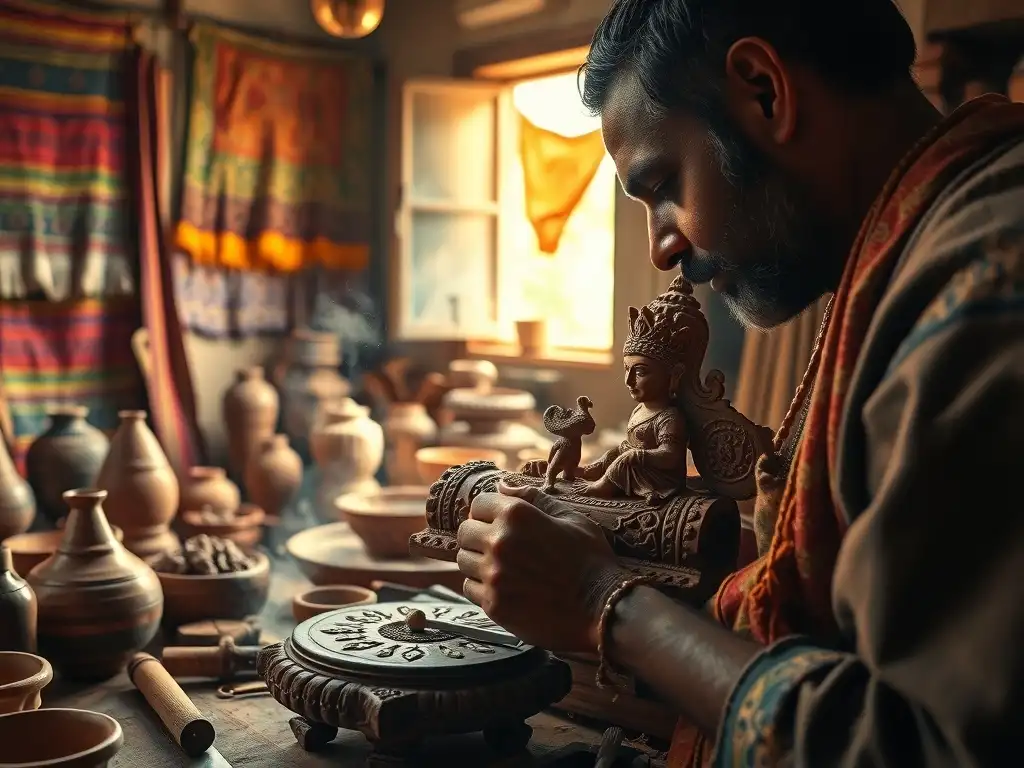
Ancient Indian artisans craftsmanship is a treasure trove of diverse artistic expressions that reflect the rich cultural heritage of India. The adept skills of artisans in various crafts have been passed down through generations, showcasing their mastery in techniques that make Indian art unique and timeless. Here, we delve into three prominent types of crafts that highlight the artistry and skill of ancient Indian artisans.
Textile Weaving: The Art of Ancient Indian Fabric
Textile weaving in ancient India is not just a craft; it is a significant cultural expression that intertwines functionality with artistry. The process of weaving, using techniques that have evolved over thousands of years, resulted in luxurious fabrics that adorned royalty and everyday individuals alike.
- Materials: Ancient artisans primarily used cotton, silk, and wool for weaving their creations. The use of natural dyes derived from plants and minerals enriched the textiles with vibrant colors.
- Techniques: Various weaving techniques such as
- Ikats: A dyeing technique where the yarns are dyed before weaving.
- Brocade: A rich fabric woven with gold or silver threads to create intricate patterns.
- Kanjivaram: A traditional silk weaving style from Tamil Nadu, known for its bold colors and elaborate designs.
- Cultural Significance: Textiles played an essential role in rituals and ceremonies. The sarees, dhotis, and turbans were not mere garments but symbols of identity and social status.
The fabric of India is woven with threads of tradition, culture, and artistry, showcasing the craftsmanship of its ancient artisans.
Pottery and Terracotta: Crafting Everyday Life
Pottery and terracotta are among the oldest forms of craftsmanship in ancient India, serving both functional and decorative purposes. The evolution of pottery reflects the daily lives, beliefs, and practices of ancient Indian societies.
- Types of Pottery:
- Red Ware: Characterized by its red color, commonly used for making everyday utensils.
- Painted Pottery: Often adorned with intricate designs and motifs, showcasing the artistic flair of artisans.
- Techniques:
- Hand-building: Early potters shaped clay by hand before the advent of the potter's wheel.
- Glazing: Techniques for glazing developed over time, enhancing the durability and aesthetic appeal of pottery.
- Terracotta Figurines: These small sculptures often depicted deities, animals, and human figures, serving both religious and artistic purposes. They provide valuable insights into the societal norms and beliefs of ancient civilizations.
| Type of Pottery | Characteristics | Cultural Role |
|---|---|---|
| Red Ware | Simple, functional, everyday use | Daily life and household utility |
| Painted Pottery | Intricate designs, decorative | Ritualistic and ceremonial |
| Terracotta | Figurines and sculptures | Religious and artistic expression |
Sculpting in Stone: Masterpieces of Ancient Indian Sculpture
Stone sculpture is perhaps the most revered form of ancient Indian artisans craftsmanship. The exquisite attention to detail and the ability to convey emotion and storytelling through stone are hallmarks of this art.
- Materials Used: The main materials for stone carving included sandstone, granite, and marble. Each type of stone required specific techniques and tools, showcasing the artisan's skill.
- Techniques:
- Chiseling: The primary technique used to carve intricate designs and figures from stone.
- Bas-relief: A technique where figures are sculpted only partially out of the background, creating a stunning visual effect.
- Notable Sculptures:
- The Khajuraho Temples: Renowned for their erotic sculptures and intricate depictions of daily life.
- The Ajanta and Ellora Caves: Famous for their stunning rock-cut sculptures and Buddhist iconography.
The sculptures of ancient India stand as silent yet powerful witnesses to the skill and dedication of artisans who transformed stone into lifelike representations of divine and earthly beauty.
The craftsmanship of ancient Indian artisans in textiles, pottery, and stone sculpture not only reflects their technical skills but also serves as a window into the rich tapestry of Indian culture and its historical evolution.
Metalworking: Techniques and Innovations of Ancient Indian Artisans
Metalworking in ancient India was a sophisticated craft that played a pivotal role in the development of various civilizations, showcasing the remarkable skills and innovations of Indian artisans. From the Bronze Age to the medieval period, metalworking techniques evolved, reflecting the cultural and technological advancements of the time.
Techniques of Metalworking
Ancient Indian artisans employed a variety of techniques to manipulate metals, primarily copper, bronze, and iron. Key techniques included:
- Casting: One of the most prominent techniques was lost-wax casting, where artisans created intricate sculptures and tools by pouring molten metal into a mold made from a wax model. This method allowed for detailed designs and was widely used in creating idols and decorative items.
- Forging: This technique involved shaping metal by heating it and hammering it into desired forms. Artisans crafted weapons, utensils, and ornamental pieces through forging, which required significant skill and precision.
- Inlay Work: Inlay techniques involved embedding different materials, such as stones or other metals, into a base metal to create ornate designs. This practice was often seen in jewelry and decorative items, enhancing their aesthetic appeal.
- Repoussé and Chasing: Artisans would shape metal sheets by hammering from the reverse side (repoussé) or by working on the front side to create detailed patterns (chasing). These techniques were commonly used in making decorative plates, bowls, and sculptures.
Innovations in Metalworking
The innovations in metalworking during ancient times were remarkable, with several key developments:
- Alloying: Ancient Indian craftsmen were adept at creating alloys, particularly bronze, which combined copper with tin or other metals to enhance durability and aesthetic qualities. This innovation led to the production of stronger tools and beautiful artworks.
- High-Temperature Furnaces: The advancement of high-temperature furnaces allowed artisans to reach the necessary heat levels for smelting and refining metals. This technological leap enabled the mass production of metal goods, contributing significantly to trade and commerce.
- Sculptural Artistry: The skillful representation of deities and mythological figures in metal sculptures reflects the artistic capabilities of ancient Indian artisans. The famous bronze sculptures of the Chola dynasty, for example, are renowned for their intricate details and lifelike forms, showcasing both artistry and technical prowess.
- Cultural Exchange: The spread of metalworking techniques was facilitated by trade routes that connected India with other civilizations. This exchange of ideas and technologies led to the enrichment of local practices and the evolution of new styles in metalwork.
Ancient Indian artisanship in metalworking is a testament to the rich cultural heritage and the skilled craftsmanship that defined the era. The techniques and innovations not only served practical purposes but also contributed to the artistic legacy of ancient India, leaving a lasting impact on subsequent generations of craftsmen.
Regional Variations in Craftsmanship
The craftsmanship of ancient Indian artisans is not monolithic; rather, it varies significantly across different regions of India. Each region boasts unique styles and techniques that reflect the cultural influences, resources, and historical contexts of its artisans. This section delves into the regional variations of craftsmanship in ancient India, highlighting the distinctive contributions from North, South, East, and West India.
North Indian Artisans: Styles and Techniques
North India has a rich tradition of craftsmanship, known for its intricate designs and vibrant colors. Artisans in this region have excelled in various forms of visual arts, including textiles, pottery, and metalwork.
- Textiles: The art of weaving in North India is exemplified by the production of exquisite fabrics such as Banarasi silk and Jamdani sarees. These textiles often feature elaborate motifs and patterns, showcasing the skilled craftsmanship of weavers.
- Pottery: The North is home to distinct pottery styles, including the famous blue pottery of Jaipur. Characterized by its unique glaze and intricate floral designs, this pottery exemplifies the artisans' attention to detail.
- Metalwork: North Indian artisans are renowned for their brass and copper work, especially in the form of decorative items and utensils. The use of techniques such as embossing and engraving adds layers of richness to their creations.
These styles and techniques not only reflect the artisans' skills but also their ability to adapt and innovate, ensuring that their crafts resonate with the cultural heritage of the region.
South Indian Craftsmanship: Cultural Influences and Innovations
South Indian craftsmanship is deeply intertwined with the region's rich cultural and religious traditions. The artisans here have developed unique styles that resonate with the local customs and practices.
- Temple Architecture: South India is famous for its grand temple architecture, where artisans use intricate stone carvings to depict deities, mythological stories, and floral motifs. The Brihadeeswarar Temple in Thanjavur is a prime example of this craftsmanship, showcasing the skill of stone carvers.
- Bronze Statues: The lost-wax casting technique used by artisans in Tamil Nadu for creating bronze statues is a testament to their innovation. These statues often depict Hindu deities and are celebrated for their lifelike representation.
- Textile Art: Kanchipuram silk sarees are another hallmark of South Indian craftsmanship. Known for their vibrant colors and intricate gold zari work, these sarees are crafted with meticulous precision, making them a symbol of cultural heritage.
The fusion of traditional techniques with innovative ideas has allowed South Indian artisans to create works that are not only functional but also hold deep cultural significance.
East and West Indian Artistry: Unique Contributions Across Regions
The artistry of East and West India showcases a diverse range of materials and techniques that highlight the unique contributions of artisans in these regions.
- East Indian Artisans: In states like Odisha and West Bengal, artisans are known for their Pattachitra paintings, which are characterized by intricate details and mythological themes. The use of natural dyes and cloth as a canvas illustrates the artisans' deep connection with cultural storytelling.
- West Indian Crafts: Rajasthan is renowned for its vibrant handicrafts, including block printing and traditional embroidery. The intricate designs of Bandhani and tie-dye textiles reflect the artistry of local weavers and dyers, while the use of mirror work showcases the influence of local culture and traditions.
- Stone Carving and Sculpture: Both regions also excel in stone carving, with artisans creating stunning sculptures and architectural elements. The Khajuraho temples in Madhya Pradesh are a testament to the intricate stonework that embodies the skill and dedication of ancient artisans.
By exploring the unique contributions of East and West Indian artisans, we gain a deeper appreciation for the regional diversity of craftsmanship in ancient India. Each artisan, with their unique style and technique, has played a crucial role in preserving and celebrating the rich tapestry of Indian art.
The Role of Religion and Spirituality in Artisan Crafts
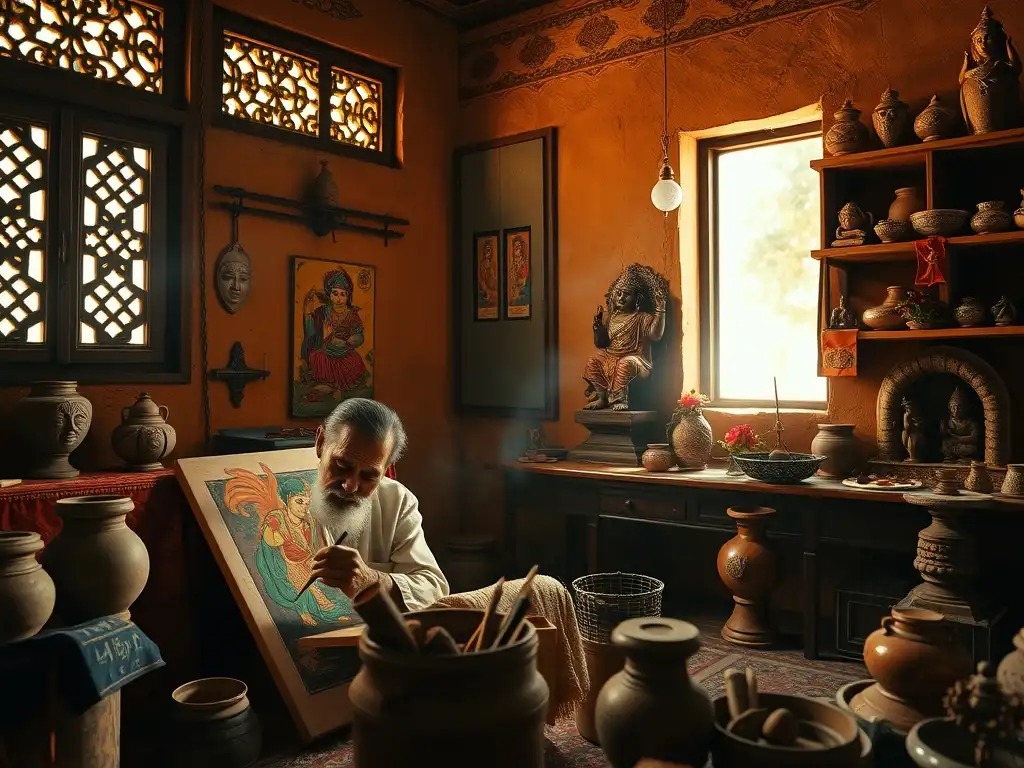
The connection between religion, spirituality, and the craftsmanship of ancient Indian artisans is profound and multifaceted. This relationship is not merely a backdrop but a driving force that influenced artistic expression across various forms of art, from sculpture to textiles. The artisans often drew inspiration from religious texts, deities, and mythological narratives, which guided their creative processes and techniques. This symbiotic relationship between spirituality and craftsmanship resulted in intricate works that not only showcased technical skill but also conveyed deep spiritual meanings.
Symbolism in Ancient Indian Art: A Reflection of Spiritual Beliefs
Ancient Indian art is replete with symbolism that reflects the spiritual beliefs of the time. Artisans imbued their creations with layers of meaning, using specific motifs and colors to communicate philosophical concepts and religious narratives.
- Deities and Divine Figures: Many sculptures and paintings depict various deities, each embodying distinct attributes and values. For example, the representation of Lord Ganesha symbolizes wisdom and the removal of obstacles, while Goddess Durga represents strength and protection.
- Nature and Cosmic Elements: Nature often served as a canvas for spiritual expression. Elements like the lotus symbolize purity and enlightenment, while the sun and moon represent the cyclical nature of life and time.
- Geometric Patterns: Geometric designs found in ancient Indian art are not just decorative; they represent the universe's order and harmony. The intricate mandalas often used in religious rituals are examples of how artisans combined aesthetic beauty with spiritual significance.
- Color Symbolism: Specific colors held particular meanings in ancient Indian culture. For example, red symbolizes fertility and prosperity, while white is associated with purity and peace. These colors were carefully chosen to enhance the spiritual resonance of the artwork.
Through the use of these symbols, ancient Indian artisans crafted pieces that were not only visually stunning but also served as conduits for spiritual expression and reflection.
Temples and Sacred Spaces: The Work of Artisans in Religious Contexts
Temples and sacred spaces stand as monumental testaments to the craftsmanship of ancient Indian artisans. These sites were not merely places of worship but also served as architectural marvels that embodied the intersection of spirituality and artistry.
- Architectural Design: The design of temples often followed strict architectural guidelines laid out in ancient texts, such as the Vaastu Shastra. Artisans meticulously planned the layout, ensuring it aligned with cosmic principles and religious significance.
- Sculptural Elements: Temples are adorned with intricate sculptures that depict divine figures, celestial beings, and scenes from epics like the Ramayana and Mahabharata. Each carving is a narrative in itself, portraying stories that resonate with the spiritual beliefs of the community.
- Materials and Techniques: The choice of materials used in temple construction—such as stone, wood, and metal—was deeply rooted in their spiritual significance. For instance, granite and marble were preferred for their durability and aesthetic qualities, while certain metals were believed to have protective properties.
- Ritualistic Functions: The craftsmanship extended beyond aesthetics; artisans designed spaces that facilitated rituals and ceremonies. Elements like the sanctum sanctorum (garbhagriha) were crafted to enhance the spiritual experience, creating a sacred atmosphere for worshippers.
The craftsmanship of ancient Indian artisans is intricately linked to the religious and spiritual landscape of the time. Through symbolism and the construction of sacred spaces, these artisans not only showcased their skills but also contributed significantly to the spiritual life of their communities, leaving behind a legacy that continues to inspire reverence and admiration.
Preservation and Revival of Ancient Craftsmanship
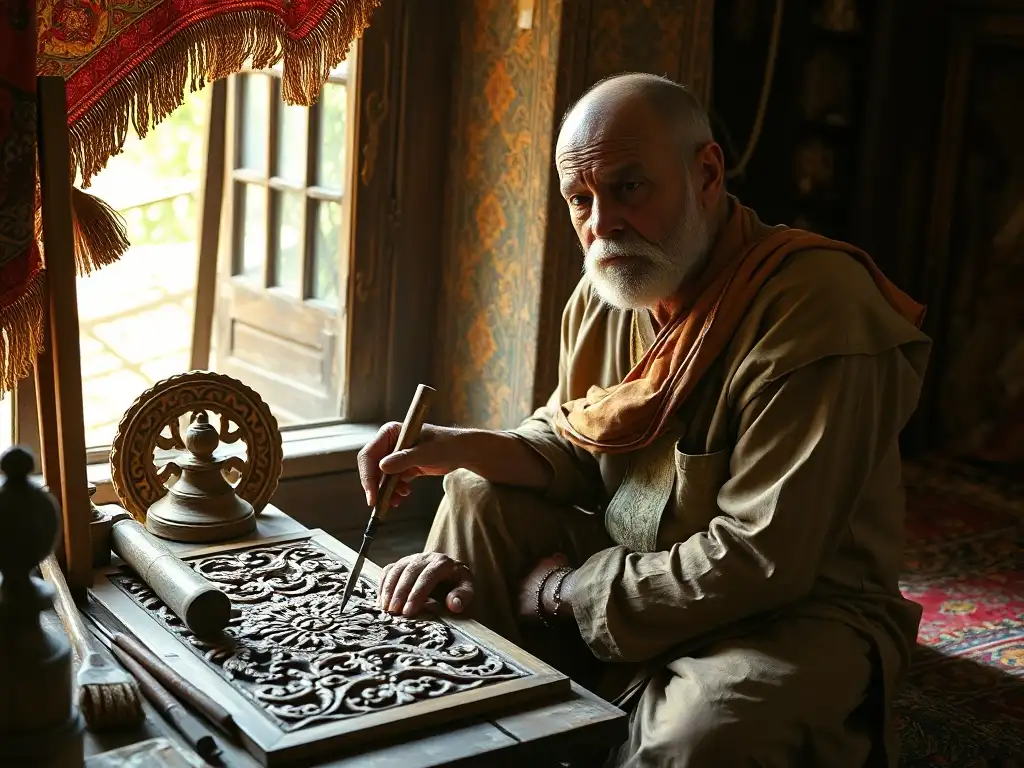
Challenges Faced by Ancient Techniques Today
The craftsmanship of ancient Indian artisans is an invaluable aspect of the country's cultural heritage, yet it faces significant challenges in the contemporary era.
- Economic Pressures: Many traditional artisans struggle to compete with mass-produced goods that are cheaper and more readily available. The global market often prioritizes quantity over quality, leading to a decline in demand for handcrafted items. This has put immense financial strain on artisans, many of whom rely on their skills for their livelihood.
- Loss of Knowledge: As younger generations migrate to urban areas for better employment opportunities, there is a dwindling interest in traditional crafts. This shift not only threatens the transmission of skills but also risks losing the cultural narratives associated with these crafts.
- Material Scarcity: Many ancient crafts depend on specific materials that are becoming scarce due to environmental changes and unsustainable harvesting practices. For instance, certain dyes, textiles, and natural resources are depleting, making it difficult for artisans to maintain the authenticity of their work.
- Globalization: While globalization has opened up new markets, it has also led to the homogenization of culture. Traditional crafts often struggle to find a place in a world dominated by fast fashion and generic products. This can undermine the uniqueness and value of ancient craftsmanship.
Modern Efforts to Revive Ancient Indian Crafts
In response to the challenges faced by ancient Indian artisans, various initiatives aim to revive and preserve traditional craftsmanship.
- Government Programs: The Indian government has introduced various schemes, such as the Craftsman Development Scheme, which provides artisans with training, financial assistance, and marketing support. Programs like these aim to empower artisans and ensure the sustainability of their crafts.
- NGO Involvement: Numerous non-governmental organizations are actively working to promote artisan livelihoods. By providing platforms for artisans to showcase their work, these organizations help to create awareness about the importance of preserving traditional crafts. For example, initiatives like Dastakar focus on fair trade and direct market access for artisans.
- Skill Development Workshops: Workshops that focus on traditional techniques are being organized to educate younger generations. These programs not only teach skills but also instill a sense of pride in cultural heritage.
- Collaboration with Designers: Contemporary designers are increasingly collaborating with traditional artisans to create modern products that appeal to today's consumers while maintaining traditional techniques. This fusion of old and new can help sustain ancient crafts in the modern market.
The Impact of Tourism on Artisan Communities
Tourism plays a dual role in the context of ancient Indian artisans and their craftsmanship. On one hand, it can provide a significant boost to artisan communities, while on the other, it can also lead to challenges.
- Increased Demand: Tourism often leads to a heightened demand for authentic handicrafts. Tourists seeking unique and culturally rich souvenirs provide a vital source of income for artisans. This can encourage the preservation of traditional techniques and motivate artisans to continue their craft.
- Cultural Exchange: When tourists engage with artisan communities, it fosters cultural exchange and appreciation. This interaction can raise awareness about the significance of ancient crafts and help artisans gain recognition for their skills.
- Challenges of Commercialization: However, the influx of tourism can also lead to the commercialization of crafts. In an effort to cater to tourists, artisans might be pressured to produce items that are more appealing to the market, which can dilute the authenticity of their work.
- Sustainability Concerns: The reliance on tourism can create instability for artisan communities, particularly during times of economic downturns or global crises like pandemics. Thus, while tourism can provide financial opportunities, it is crucial to balance this with the need to maintain the integrity of traditional craftsmanship.
The preservation and revival of ancient Indian artisans' craftsmanship is a multifaceted endeavor that requires concerted efforts from various stakeholders, including the government, NGOs, and the artisans themselves. By addressing the challenges and leveraging opportunities, it is possible to celebrate and sustain this rich cultural heritage for future generations.
Conclusion: Honoring the Legacy of Ancient Indian Artisans
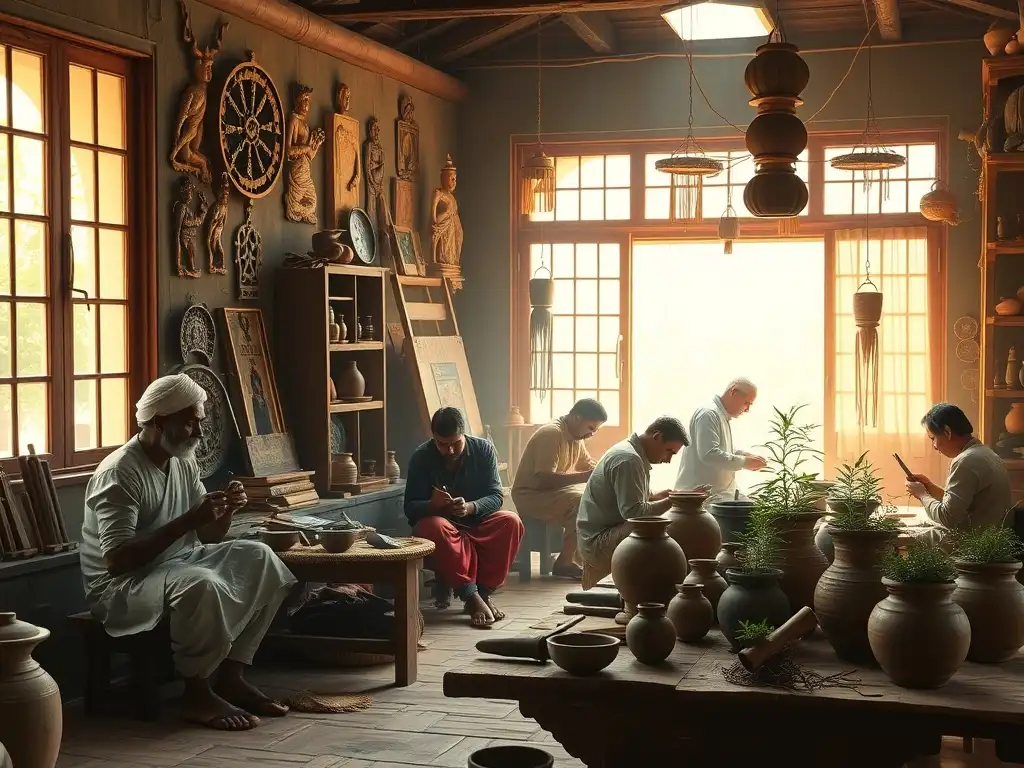
The legacy of ancient Indian artisans craftsmanship is a testament to the skill, creativity, and cultural significance that these artisans instilled into their works. From the intricate sculptures of the Indus Valley to the elaborate frescoes of the Gupta Empire, the artistry of ancient India has left an indelible mark on the world. This craftsmanship not only reflects the technical expertise of the artisans but also encapsulates the spiritual and philosophical dimensions of their societies.
In honoring this legacy, it is essential to acknowledge the diverse materials and techniques employed by these artisans. They utilized local resources, adapted their methods over generations, and created art that served various purposes—from religious worship to everyday utility. By studying their craftsmanship, we gain insight into the values, beliefs, and daily lives of ancient Indian civilizations.
The Enduring Influence of Ancient Craftsmanship in Contemporary Art
Ancient Indian artisans craftsmanship continues to resonate within the realm of contemporary art. Modern artists draw inspiration from traditional techniques, motifs, and cultural narratives, integrating them into their work to create a dialogue between the past and the present. This influence can be observed in various forms, such as:
- Sculpture: Contemporary sculptors often revisit ancient forms, experimenting with materials while paying homage to traditional styles.
- Painting: Artists revive ancient techniques like fresco and miniature painting, blending them with modern themes to convey messages relevant to today's society.
- Textiles: The revival of traditional weaving and dyeing techniques showcases the artistry of ancient artisans, promoting sustainable practices while celebrating cultural heritage.
The fusion of ancient craftsmanship with contemporary aesthetics not only enhances artistic expression but also promotes cultural continuity. This dialogue fosters appreciation for the skills of ancient artisans, ensuring that their legacy is not forgotten.
A Call to Appreciate and Support Traditional Art Forms
In recognizing the value of ancient Indian artisans craftsmanship, it is crucial to advocate for the preservation and support of traditional art forms. Here are some ways to contribute:
- Promote Local Artisans: Support local artisans by purchasing handmade crafts and artworks. This helps sustain their livelihoods and encourages the continuation of traditional practices.
- Participate in Workshops: Engage in workshops that teach traditional crafts, enabling you to experience the techniques firsthand and understand their cultural significance.
- Advocate for Cultural Policies: Support policies that promote the protection of traditional art forms, ensuring that they receive recognition and funding.
By fostering an environment that appreciates and supports traditional craftsmanship, we honor the skill and creativity of ancient Indian artisans, ensuring their legacy continues to inspire future generations. Together, we can celebrate and preserve the rich tapestry of India's artistic heritage.
References
The craftsmanship of ancient Indian artisans is a testament to the rich cultural heritage and artistic prowess of India's ancient civilizations. Their work not only reflects the aesthetic sensibilities of the time but also the advanced techniques and materials they employed. To fully appreciate the intricacies of ancient Indian artisans craftsmanship, it is essential to delve into various sources that offer insights into their techniques, tools, and the cultural context of their art.
Recommended Reading on Ancient Indian Artisans and Craftsmanship
-
"The Art of the Indian Subcontinent" by John Guy
This comprehensive book covers a wide range of artistic expressions from ancient India, including sculptures, textiles, and metalwork. It provides detailed analyses of different artisan techniques and their cultural significance.
-
"Crafting Tradition: The Making and Marketing of Indian Handicrafts" by Aditi Ghosh
Aditi Ghosh explores the socio-economic aspects of Indian craftsmanship, discussing how ancient artisans adapted their skills to changing markets while maintaining traditional practices.
-
"Ancient Indian Art and Architecture" by B.N. Mukherjee
This text examines various forms of ancient Indian art, including architecture and sculpture, providing context to the craftsmanship behind these masterpieces.
-
"The Crafts of India" by Meera Mukherjee
Mukherjee's work highlights various traditional crafts across India, tracing their evolution and the artisans' techniques that have persisted through generations.
-
"Sculpture in Ancient India: A Historical Survey" by S.K. Sharma
This book focuses specifically on the sculptural traditions of ancient India, offering insights into the materials, methods, and themes prevalent in the works created by skilled artisans.
Sources for Further Exploration of Visual Arts in Ancient India
- Archaeological Surveys: Reports from organizations such as the Archaeological Survey of India (ASI) provide valuable insights into the findings from excavations that reveal the craftsmanship of ancient artisans.
- Museum Collections: Institutions like the National Museum in New Delhi and the Chhatrapati Shivaji Maharaj Vastu Sangrahalaya in Mumbai house extensive collections of ancient artifacts, showcasing the craftsmanship of various artisans.
- Documentaries and Visual Media: Films and documentaries focused on ancient Indian craftsmanship, such as “Crafting a Nation,” offer visual insights into the techniques and artistry involved in traditional crafts.
- Academic Journals: Journals such as "Art and Archaeology Research Papers" and "Journal of Indian Art History" publish articles that explore various aspects of ancient Indian visual arts and craftsmanship.
- Cultural Festivals: Events like the Dastkar Craft Mela celebrate traditional artisans and their crafts, providing an opportunity to witness and engage with ancient techniques still in practice today.
By exploring these resources, one can gain a deeper understanding of the sophisticated craftsmanship that ancient Indian artisans exhibited and its lasting impact on contemporary art forms.
Frequently Asked Questions
What were the main types of craftsmanship practiced by ancient Indian artisans?
Ancient Indian artisans excelled in various crafts, including textiles, pottery, and metalwork. Each region had its unique specialization, showcasing the diversity of skills.
How did ancient Indian artisans contribute to trade?
Ancient Indian artisans played a crucial role in trade by producing high-quality goods that were highly sought after, such as jewelry and handcrafted items, facilitating economic exchanges with other cultures.
What materials did ancient Indian artisans commonly use?
Artisans utilized a wide range of materials, including clay, wood, metal, and textiles. Their choice of materials often reflected the local resources and cultural significance in their craftsmanship.
How did ancient Indian craftsmanship influence modern practices?
The intricate techniques and designs of ancient Indian craftsmanship have greatly influenced modern artisans, with many traditional methods still being used today, preserving the cultural heritage of the region.
Social status significantly impacted ancient Indian artisans, as their craftsmanship often determined their standing in society. Skilled artisans were sometimes highly respected and integral to their communities.
Final Reflection: Honoring the Legacy of Ancient Indian Artisans
The craftsmanship of ancient Indian artisans is not merely a relic of the past; it is a vibrant testament to the enduring power of skill and creativity that continues to resonate in today's world. As we navigate an era dominated by mass production and digitalization, the intricate techniques and profound artistry of these artisans remind us of the value of human touch and dedication. Their work serves as a bridge connecting us to our cultural heritage, illustrating that true craftsmanship transcends time and remains relevant in our quest for authenticity in a rapidly changing society.
The influence of ancient Indian artisanship is palpable in contemporary culture, where there is a growing appreciation for handmade goods and traditional techniques. This revival of interest not only honors the legacy of these skilled craftsmen but also fosters a deeper understanding of our roots. As we embrace sustainable practices and seek to support local artisans, we recognize the importance of preserving these age-old skills for future generations. Art is the most beautiful of all lies.
This quote encapsulates the essence of craftsmanship, where every piece tells a story that reflects the soul of its creator.
As we reflect on the significance of ancient Indian artisans' craftsmanship, I invite you to explore how you can incorporate this appreciation into your own life. Consider supporting local artisans, learning traditional crafts, or simply taking a moment to admire the skill that goes into handmade creations. Let us celebrate and honor the legacy of these artisans by recognizing their contributions and ensuring that their artistry continues to inspire and enrich our lives for years to come.
Embrace the Legacy of Ancient Artisans!
Thank you for exploring the incredible craftsmanship of ancient Indian artisans with us! We hope you feel inspired by the skill and dedication that brought these masterpieces to life. Now, it’s time to honor this rich heritage and take action!
Here are a few ways you can connect with ancient craftsmanship today:
- Dive Deeper: Visit a local exhibit or museum that showcases the beauty of Indian art and crafts. Immerse yourself in the captivating stories behind these remarkable creations.
- Spread the Word: Share what you’ve learned about ancient artisans with your social media followers. Let your friends understand the importance of preserving these invaluable traditions.
- Support Artisans: Purchase from local craftsmen or reputable online platforms that focus on handmade goods. Your support helps ensure these exceptional skills continue to thrive!
What element of ancient Indian artistry resonates with you the most, and how will you share this passion with others?