
The Future of Craft: Opportunities in India's Handicraft Sector for Savvy Investors

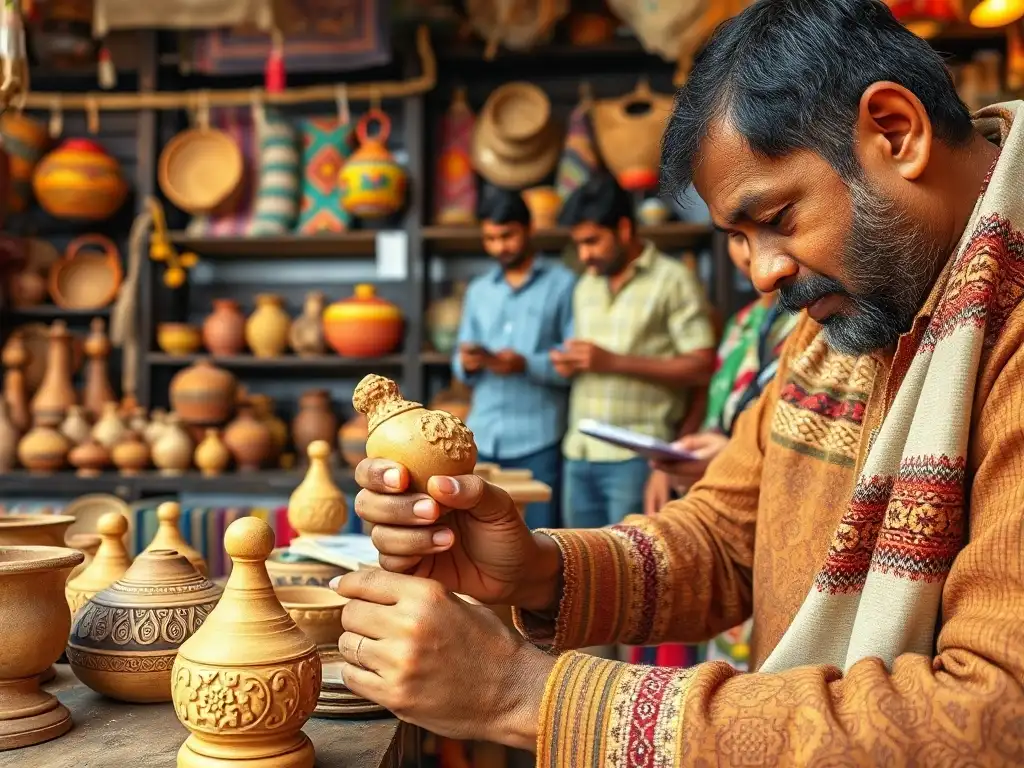
Welcome to Ancient India History, where we embark on a journey through the vibrant tapestry of India's past, uncovering the remarkable civilizations that shaped its cultural heritage. In this edition, we delve into a topic that intertwines tradition and modern opportunity: investing in India's handicraft sector. Discover how the age-old skills and artistry of India's craftsmen are not just preserving history but also presenting a wealth of investment potential for savvy entrepreneurs.
Join us as we explore the future of craft and the myriad ways you can be a part of this thriving sector. The story of ancient artistry awaits—read on to uncover the opportunities that lie ahead!
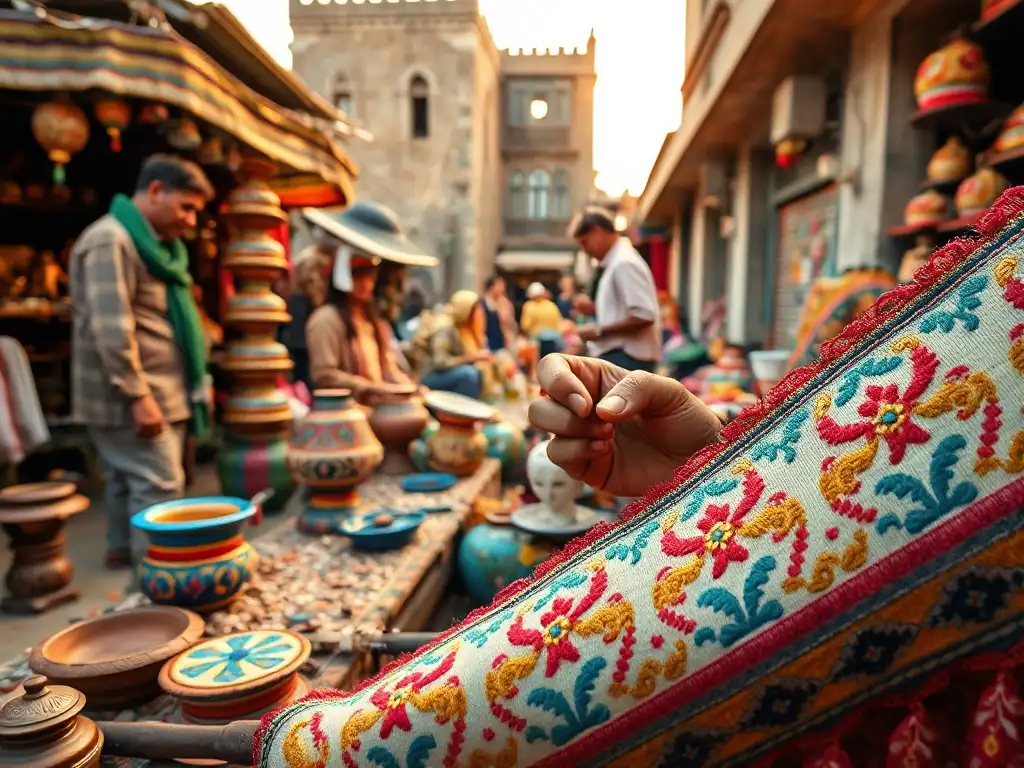
Introduction to Investing in India's Handicraft Sector
Investing in India's handicraft sector presents a unique opportunity for savvy investors looking to tap into a rich tapestry of culture, tradition, and economic potential. The handicraft industry is not only a testament to the artistic prowess and diverse cultural heritage of the country but also a burgeoning market that holds promise for sustainable growth.
With millions of artisans contributing their skills, this sector showcases an array of products ranging from textiles and pottery to jewelry and woodwork. As global consumers increasingly seek authentic, handmade products that tell a story, the demand for Indian handicrafts is rising, making it an auspicious time for investment.
Moreover, the Indian government is actively promoting this sector through various initiatives, including financial support, training programs, and marketing assistance. This not only enhances the visibility of handicrafts but also creates an encouraging environment for investors. In this article, we will explore the intricacies of India's handicraft landscape, its historical significance, current market trends, and the myriad of opportunities available for investors keen on making a mark in this vibrant domain.
Understanding the Handicraft Landscape in India
The handicraft sector in India is vast and varied, reflecting the country's rich history and cultural diversity. It encompasses a multitude of crafts, each with its own regional variations and techniques. Understanding this landscape is crucial for investors who wish to navigate its complexities effectively.
Historical Significance of Indian Handicrafts
Indian handicrafts have a storied history that dates back thousands of years, rooted in the country's ancient civilizations. From the intricate beadwork of the Indus Valley civilization to the exquisite silk weaving in Varanasi and the vibrant pottery of Rajasthan, each craft tells a tale of its own. Historically, these crafts were not merely functional; they were intertwined with social, religious, and cultural practices.
For example, the art of Madhubani painting from Bihar has been passed down through generations and is characterized by its detailed patterns and vibrant colors, often depicting mythological themes. Such crafts have not only survived the test of time but have also evolved to meet contemporary tastes, making them relevant in today's market.
Current Trends in the Handicraft Market
In recent years, the handicraft market in India has experienced significant transformations driven by changing consumer preferences and technological advancements. Some of the prevailing trends include:
- Sustainability: As consumers become more environmentally conscious, there is a growing demand for sustainable and ethically sourced products. Handcrafted items made from natural materials resonate well with this trend.
- E-commerce Growth: The rise of online marketplaces has opened up new avenues for artisans to reach a global audience. Platforms dedicated to handmade goods are proliferating, allowing investors to explore e-commerce models.
- Fusion Crafts: The blending of traditional crafts with modern designs is gaining traction. This fusion creates unique products that appeal to younger consumers, enhancing marketability.
These trends signify a vibrant and evolving market, inviting investors to explore diverse avenues for growth and profit in India's handicraft sector.
Why Invest in India’s Handicraft Sector?
Investing in India's handicraft sector presents a unique opportunity for savvy investors looking to engage with both a vibrant cultural heritage and a growing economic market. The handicraft industry is deeply rooted in India's rich history, showcasing a plethora of traditional skills and artistic expressions that have been passed down through generations. This sector not only reflects the artistic diversity of the country but also offers substantial economic potential. With a global shift towards sustainable and ethical consumerism, handicrafts have gained popularity among consumers seeking unique, handcrafted products.
Moreover, the Indian government has recognized the significance of handicrafts in promoting employment and entrepreneurship, leading to various initiatives aimed at boosting this sector. As a result, there is a growing demand for investment in handicrafts, which can be both profitable and socially responsible. This blend of cultural significance and economic potential makes the handicraft sector an attractive avenue for investors.
Economic Benefits of Investing in Handicrafts
Investing in India's handicraft sector can yield considerable economic returns. The sector is estimated to be worth around $100 billion, with an annual growth rate of 15%. This growth is driven by increasing domestic and international demand for unique, artisanal products. By investing in handicrafts, investors can tap into various profitable sub-sectors such as textiles, pottery, woodcraft, and jewelry, each offering distinct opportunities.
Additionally, the expansion of e-commerce and digital marketplaces has provided artisans with a platform to reach global customers, enhancing sales potential. Investors can benefit from this trend by facilitating market access for artisans while also capitalizing on the growing online retail space. Furthermore, the handicraft sector is labor-intensive and contributes significantly to employment, particularly in rural areas, thus making it a sustainable and impactful investment choice.
Social Impact of Supporting Handicrafts
Investing in the handicraft sector goes beyond mere economic gain; it also brings significant social benefits. By supporting artisans and their crafts, investors contribute to the preservation of traditional skills and cultural heritage. This fosters a sense of pride within communities and helps maintain the unique identities of various regions in India.
Furthermore, the handicraft sector empowers marginalized artisans, especially women, by providing them with opportunities for financial independence and entrepreneurship. As these artisans gain access to improved resources and training through investment, they can enhance their skills and produce higher quality products, leading to better income and improved living standards. Thus, investing in the handicraft sector is not only a strategic business decision but also a means to promote social equity and community development.
Key Areas for Investment in India's Handicraft Sector
Investors interested in India's handicraft sector should consider various key areas that present substantial opportunities. Each of these areas not only showcases India's artistic heritage but also offers diverse avenues for investment.
Textiles and Weaving
The textile industry is one of the most prominent sectors within Indian handicrafts, known for its exquisite handwoven fabrics and traditional techniques. India produces a wide range of textiles, including silk, cotton, and wool, often characterized by intricate designs and vibrant colors. By investing in textile production, investors can tap into both domestic and international markets, especially as global consumers increasingly seek out sustainable fashion options. Supporting local weavers and promoting eco-friendly practices can also enhance brand value and appeal to conscious consumers.
Pottery and Ceramics
Pottery and ceramics are integral to India's artistic heritage, with various regions specializing in unique styles and techniques. From the famous blue pottery of Jaipur to the terracotta crafts of West Bengal, the diversity in pottery offers rich investment opportunities. Investors can benefit from modernizing production techniques, improving design aesthetics, and expanding market access, particularly through e-commerce platforms. By promoting these crafts, investors can help preserve traditional practices while catering to contemporary tastes.
Woodcraft and Furniture
India's woodcraft sector is celebrated for its intricate carvings and designs, creating a niche market for handcrafted furniture and decorative items. Investing in woodcraft not only allows for the promotion of traditional craftsmanship but also appeals to the growing market for artisanal home décor. By ensuring sustainable sourcing of materials and supporting local artisans, investors can create a brand that resonates with eco-conscious consumers while addressing the demand for unique, handcrafted furniture pieces.
Jewelry and Metal Crafts
India's jewelry and metal crafts are renowned worldwide for their artistry and craftsmanship, encompassing various forms such as gold, silver, and traditional tribal designs. With a strong cultural significance attached to jewelry, investing in this sector can be both lucrative and meaningful. By collaborating with artisans, investors can develop innovative designs that cater to modern trends while preserving traditional methods. The jewelry sector also offers opportunities for ethical sourcing and promoting fair trade practices, making it an attractive choice for socially responsible investments.
Strategies for Successful Investment in Handicrafts
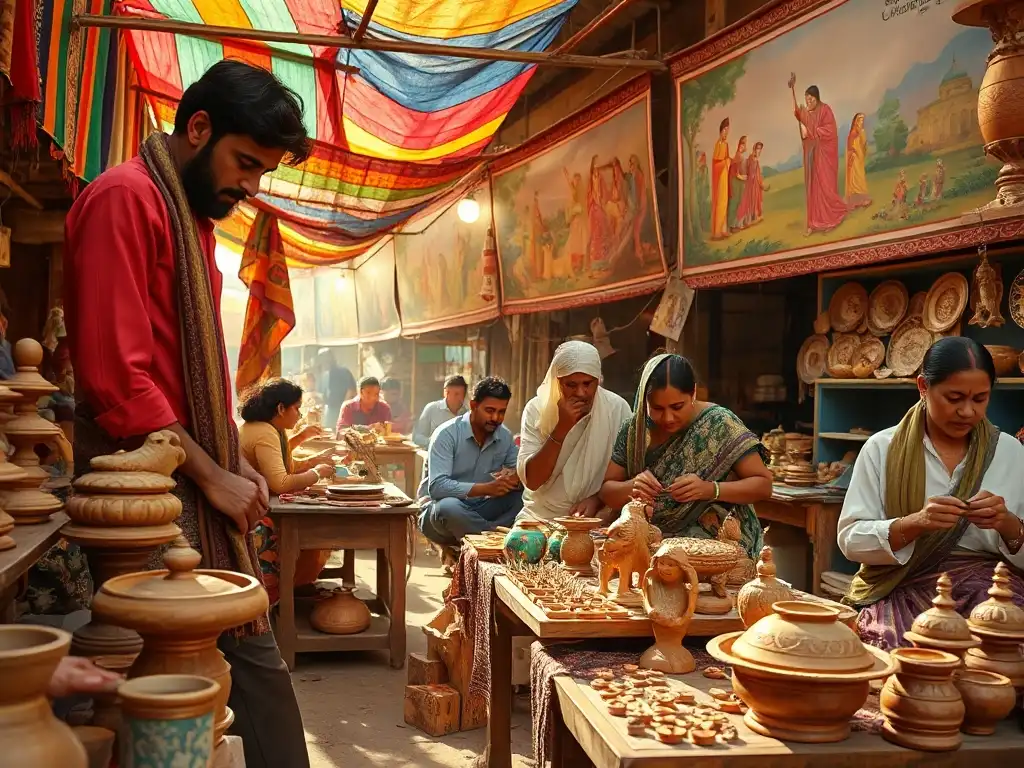
Investing in India's handicraft sector requires a strategic approach that balances understanding the market with fostering relationships and leveraging technology. Savvy investors can optimize their returns by adopting a multifaceted strategy that includes building strong connections with artisans, utilizing e-commerce platforms, and effectively marketing products to a global audience. These strategies enhance the visibility and appeal of handicrafts, ensuring that investments yield fruitful outcomes.
Building Relationships with Local Artisans
Establishing robust relationships with local artisans is vital for any investor looking to thrive in the handicraft sector. Artisans are the backbone of this industry, and understanding their skills, traditions, and challenges can lead to better product development and more authentic offerings. Here are some key points to consider:
- Cultural Sensitivity: Investors should approach artisans with respect for their cultural heritage. This not only fosters goodwill but also helps in creating products that resonate with the authenticity of traditional craftsmanship.
- Skill Development: Investing in skill development programs for artisans can enhance their abilities and increase the quality of products. This can be a win-win situation, as improved skills often result in higher-priced items that attract discerning customers.
- Fair Compensation: Ensuring fair pay for artisans encourages sustainable practices and builds loyalty. When artisans feel valued, they are more likely to produce high-quality work and innovate within their craft.
Utilizing E-commerce Platforms for Sales
In today's digital age, leveraging e-commerce platforms is crucial for reaching a wider market. Here are practical steps for investors to maximize the potential of online sales:
- Choose the Right Platforms: Identify e-commerce platforms that cater specifically to handicrafts, such as Etsy or Amazon Handmade. These platforms often attract customers looking for unique and artisanal products.
- Optimize Product Listings: High-quality images, detailed descriptions, and SEO-friendly keywords are essential for increasing visibility online. Utilizing the keyword "Investing in India's handicraft sector" effectively within product descriptions can help in search rankings.
- Engage in Social Media Marketing: Platforms like Instagram and Pinterest are excellent for showcasing handicrafts visually. Engaging content can drive traffic to e-commerce listings and create a loyal customer base.
Marketing Handicrafts to a Global Audience
To tap into international markets, investors must adopt marketing strategies that highlight the uniqueness of Indian handicrafts:
- Storytelling: Craft compelling narratives around each product, emphasizing the artisan's story, the cultural significance, and the craftsmanship involved. This approach creates emotional connections with potential buyers.
- Collaborations and Partnerships: Collaborating with influencers or brands that align with the values of sustainability and artisanal craftsmanship can enhance visibility and credibility in foreign markets.
- Participate in Global Trade Shows: Engaging in international trade fairs and exhibitions allows investors to showcase their products to a broader audience, network with potential buyers, and understand global market trends.
Challenges and Solutions in the Handicraft Sector
While the handicraft sector presents numerous opportunities, investors must also navigate several challenges. Recognizing these hurdles and developing innovative solutions is crucial for success.
Common Challenges Faced by Investors
Investors in the handicraft sector often encounter several challenges:
- Quality Control: Ensuring consistent quality across products can be difficult, especially when working with multiple artisans. Variability in craftsmanship can affect customer satisfaction and brand reputation.
- Supply Chain Issues: Logistics can be a significant barrier, particularly for remote artisans. Delays in sourcing materials or shipping products can hinder business operations.
- Market Competition: The rise of mass-produced items can overshadow handcrafted products, making it challenging for artisans to compete on price without compromising quality.
Innovative Solutions for Overcoming Challenges
Addressing the challenges in the handicraft sector requires creative solutions:
- Implementing Quality Standards: Investors can establish clear quality guidelines and provide training to artisans to ensure consistency in their products. Regular feedback and quality checks can help maintain high standards.
- Developing Local Supply Chains: Creating a supportive local supply chain can enhance efficiency. Partnering with local suppliers for raw materials can reduce costs and lead times while supporting the local economy.
- Emphasizing Unique Selling Propositions (USPs): Focusing on the unique aspects of handicrafts, such as their cultural significance and the story behind each piece, can differentiate products from mass-produced alternatives. Marketing these USPs effectively can attract niche markets willing to pay a premium for authentic items.
Conclusion: The Bright Future of Investing in India's Handicraft Sector
The future of investing in India's handicraft sector holds immense promise, driven by a unique blend of rich cultural heritage, skilled artisans, and growing global interest in sustainable and ethically-produced products. As consumers increasingly prioritize authenticity and craftsmanship, the demand for traditional handicrafts is witnessing a significant resurgence. This presents an excellent opportunity for savvy investors looking to tap into a vibrant market that not only supports local economies but also preserves ancient techniques and traditions.
Moreover, the Indian government has recognized the potential of handicrafts and has implemented various initiatives aimed at promoting this sector. Programs that offer financial support, skill development, and market access are paving the way for artisans to thrive. With the rise of e-commerce and online platforms, artisans are no longer limited to local markets and can reach a global audience, further enhancing the sector's growth potential.
Investors can benefit from various avenues, such as direct investments in artisan cooperatives, collaborations with design houses, or even launching their own lines of handicraft products. The blend of innovation and tradition in this sector ensures that there are numerous opportunities for profitable ventures. As the world continues to embrace sustainable practices and authentic craftsmanship, the handicraft industry in India is poised for a bright and prosperous future.
Call to Action: Start Your Investment Journey Today
Are you ready to tap into the thriving world of India's handicraft sector? The time to invest is now! With a wealth of opportunities waiting to be explored, you can make a significant impact while reaping the benefits of your investment.
Here’s how you can get started:
- Research the Market: Understand the different types of handicrafts, their cultural significance, and current market trends. Knowledge is power when it comes to making informed investment decisions.
- Connect with Artisans: Engage with local artisans and cooperatives to gain insights into their operations and the challenges they face. Building relationships can lead to mutually beneficial partnerships.
- Explore E-commerce Platforms: Consider utilizing online marketplaces that specialize in handicrafts. This can help you reach a wider audience and increase sales potential.
- Stay Updated: Follow industry news, attend trade fairs, and participate in workshops to stay abreast of the latest developments in the handicraft sector.
By taking these steps, you position yourself to make impactful investments that not only yield financial returns but also contribute to the preservation of India’s rich cultural heritage. Start your investment journey today and become a part of the vibrant tapestry that is India's handicraft sector!
- Introduction to Investing in India's Handicraft Sector
- Understanding the Handicraft Landscape in India
- Why Invest in India’s Handicraft Sector?
- Key Areas for Investment in India's Handicraft Sector
- Strategies for Successful Investment in Handicrafts
- Challenges and Solutions in the Handicraft Sector
- Conclusion: The Bright Future of Investing in India's Handicraft Sector
- Call to Action: Start Your Investment Journey Today
- What are the key opportunities in India’s handicraft sector for investors?
- How does the handicraft sector contribute to the Indian economy?
- What role does technology play in the handicraft sector?
- How can investors support artisans while investing in handicrafts?
- What are the challenges faced by the handicraft sector in India?
Frequently Asked Questions
What are the key opportunities in India’s handicraft sector for investors?
Investors can tap into growing demand for unique, artisanal products, supported by government initiatives aimed at promoting handicrafts both domestically and internationally.
How does the handicraft sector contribute to the Indian economy?
The handicraft sector significantly boosts the economy by providing employment to millions and contributing to export revenues, showcasing India's rich cultural heritage.
What role does technology play in the handicraft sector?
Technology facilitates market access and helps artisans improve production techniques, thereby enhancing the quality and reach of their products.
How can investors support artisans while investing in handicrafts?
Investors can choose to partner with local artisans, ensuring that their investments lead to sustainable practices and fair compensation, thus empowering communities.
What are the challenges faced by the handicraft sector in India?
The sector encounters issues such as lack of infrastructure, limited access to markets, and the need for skill development, which can impact investment returns.
Final Reflection: Embracing the Craft of Tomorrow
Investing in India's handicraft sector is not just a financial opportunity; it is a chance to preserve and promote a rich cultural heritage. As we navigate an increasingly globalized world, the significance of local craftsmanship becomes even more pronounced. The unique artistry and traditional techniques found in India's handicraft sector offer a compelling narrative that resonates with consumers seeking authenticity and sustainability. This is not merely a trend; it is a movement towards valuing the stories behind the products we choose to support.
Craftsmanship has the power to bridge cultural divides and foster community resilience. The ongoing revival of interest in handmade goods reflects a broader societal shift towards sustainability and ethical consumption. As investors recognize the potential of this sector, they also become stewards of cultural preservation. Craft is the bridge between the past and the future, a way to honor tradition while innovating for tomorrow.
This sentiment encapsulates the dual responsibility we have as investors and consumers to uplift artisans while creating economic opportunities that benefit entire communities.
As you reflect on the insights shared in this article, consider how you can contribute to the future of craft in India. Engage with local artisans, support sustainable practices, and invest in the stories that shape our world. By choosing to invest in India's handicraft sector, you are not only making a sound financial decision but also participating in a movement that celebrates creativity, heritage, and community. Embrace this opportunity to make a meaningful impact, and let your choices reflect the values you hold dear.
Embrace the Craft Revolution: Invest in India's Handicrafts Today!
Thank you for diving into the exciting world of India's handicraft sector! By exploring the vast opportunities within this vibrant industry, you’ve uncovered the potential for meaningful investment that supports artisans and celebrates culture. Now, it’s time to take action!
Here are some clear steps you can take right now to contribute and grow within this dynamic market:
- Start your investment journey by researching local artisans and craft communities in your area. Support their projects or consider investing in their businesses to help them thrive.
- Engage with online platforms dedicated to Indian handicrafts. Share their stories and products with your network to enhance visibility while discovering unique items for yourself.
- Join workshops or virtual events focused on handicrafts. This is a fantastic way to deepen your knowledge and connect with like-minded individuals who share a passion for preserving these timeless traditions.
Which unique investment opportunities within India's handicraft sector resonate with you the most, and how do you envision making a positive impact?